
Reviewed · KYOTO TEMPLE TOURS
Kyoto Walking Tour Goshuin Collecting and Temples Discover
Kyoto’s temple culture becomes more personal when you are not just taking photos, but learning how goshuin and Omamori fit into Japanese religious life. This private walking tour links Tōfuku-ji, Shōrin-ji, and Shinzenkoji, with time for gardens, flower-filled water basins, temple stamps, and quiet reflection.
I like the way the tour combines Tōfuku-ji’s famous autumn scenery with two smaller temple visits. I also like having a professional guide beside you when you do not speak Japanese, especially when you are buying goshuin or choosing an Omamori charm.
The main drawback is the pace. Three hours covers several places, but the tour involves significant walking, and the $299 price does not include goshuin, a goshuin-cho stamp book, Omamori, meals, or other personal spending.
Key points to know before you book
- Three temples in about three hours: You visit Tōfuku-ji for roughly 75 minutes, then spend about 20 minutes at each of the two smaller temples.
- Goshuin are extra: Temple stamps, stamp books, and Omamori charms are not included in the tour price.
- Tōfuku-ji admission is included: This is the only listed admission ticket included in the package.
- Hanachozu adds a creative touch: Shōrin-ji is known for its flower-decorated water basin.
- Private format: Only your group participates, so the guide can focus on your interests and pace.
- Plan for a lot of walking: Bring water and rain gear, and expect outdoor conditions to affect the schedule.
Why this Kyoto walk is different from a standard temple visit
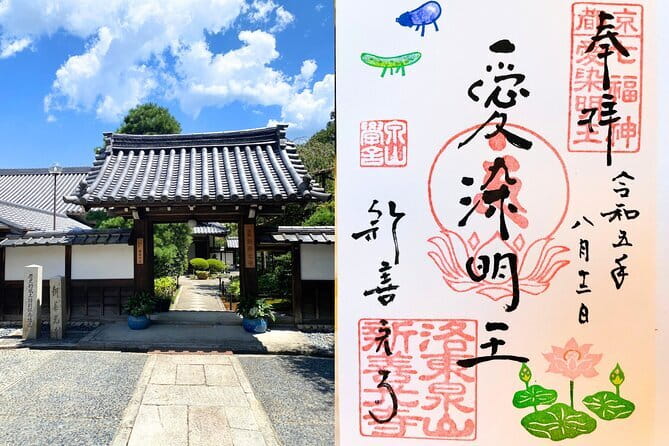
Many Kyoto temple visits are built around architecture, gardens, and photographs. This one gives you another reason to pay attention: the practice of collecting goshuin. A goshuin is a temple or shrine stamp and calligraphy entry, usually placed in a dedicated goshuin-cho book.
The collecting itself is part of the appeal, but the more useful benefit is context. If you do not read Japanese, it can be hard to know where to ask for a stamp, what kind of book to use, or how Omamori charms relate to the site. A guide can help bridge that gap.
The experience also highlights Hanachozu, water basins decorated with flowers. These displays turn a practical temple feature into something carefully arranged and seasonal. You get a pleasant mix of visual detail and cultural explanation rather than a quick march from one major sight to another.
Because this is a private activity, your group is not joined by strangers. That matters when you want to pause for photographs, ask questions, or spend a little longer considering a garden. It also means the price needs to be judged against the value of private guiding, not compared directly with a basic self-guided temple visit.
More temples worth an hour in Kyoto:
- Kyoto: Tea Ceremony Ju-An at Jotokuji Temple
★ 4.9 · 3,207 reviews - Arashiyama Bamboo, Temple, Monkeys, or Secret Sake Brewery
★ 4.8 · 886 reviews - Kyoto: Arashiyama Bamboo Forest, Monkeys, Matcha & Temple Tour
★ 5.0 · 759 reviews
Starting at Tōfuku-ji Station
The meeting point is Tōfuku-ji Station, at 12 Chome Honmachi in Kyoto’s Higashiyama Ward. Starting near a railway station makes the first meeting simpler, especially if you are still getting used to Kyoto’s streets and transit system.
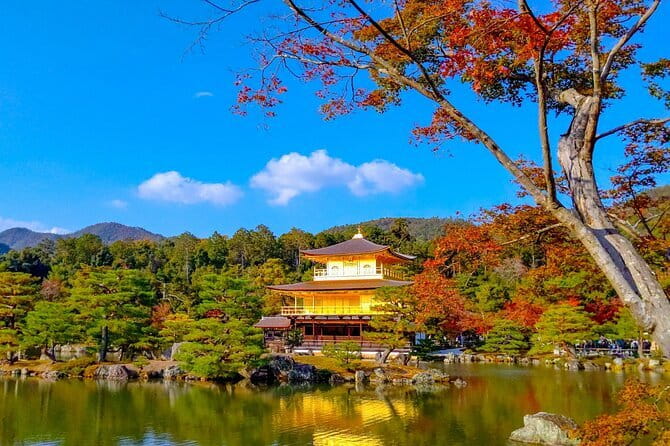
Your first stop is Tōfuku-ji Temple, with about 1 hour and 15 minutes set aside. That is the longest visit of the day, and rightly so. Tōfuku-ji is dedicated to Shakyamuni Buddha and is known for its Tsutenkyo Bridge, a scenic passage associated with striking autumn views.
The temple grounds also include gardens designed by Mirei Shigemori. The supplied details refer to serene garden settings, including the well-known Dwarf Mountain Garden. You should expect the visit to focus on the relationship between the temple buildings, bridge, gardens, and seasonal scenery.
Autumn is the strongest draw here. Maple leaves give the grounds their best-known look, but summer has its own appeal, with broad areas of green creating a calmer mood. The timing of your visit will shape what you see. If your priority is red foliage, you will want to plan carefully around the season, while a summer visit offers leafy views without the same color.
Tōfuku-ji can attract many people, particularly around autumn. The grounds are well maintained, but you should not expect complete solitude. The private guide is useful here because the visit can have more purpose than simply following the crowd toward the bridge.
Admission to Tōfuku-ji is included. That keeps the first stop straightforward, though the tour price does not cover personal purchases made later at the temples.
Shōrin-ji and the art of Hanachozu
The second stop is Shōrin-ji Temple, with about 20 minutes planned. It dates to the Heian period and is dedicated to Manjushri Bodhisattva, giving it the name Temple of Wisdom.
The special feature here is Hanachozu. Flower arrangements float or sit in the temple’s water basin, creating a seasonal display that changes the feel of the place. It is an appealing stop for anyone who notices small details and enjoys Japanese presentation, not just large buildings and famous viewpoints.
Twenty minutes is enough for a focused visit, but it is not a long period for exploring. You will likely need to keep the stop moving, especially if you want to ask questions, take photographs, and consider purchasing a goshuin or Omamori. The guide can help you use the time well.
This is also the point where the tour’s creative side becomes clearest. The Hanachozu connects religious practice with flowers and design without turning the temple into a simple photo stop. You can appreciate the display while learning why the water basin matters in a temple setting.
Shinzenkoji’s quiet garden and maple trees
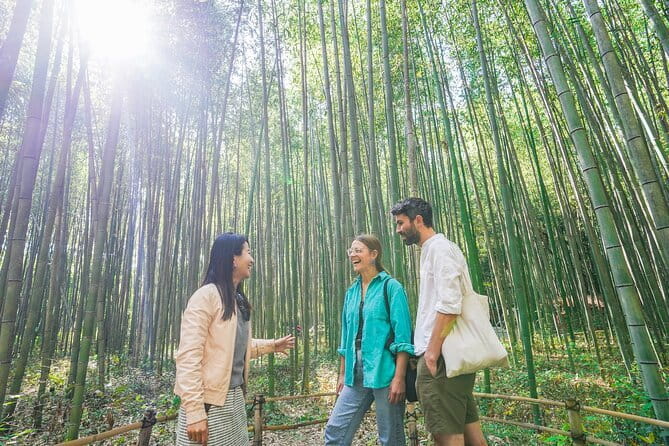
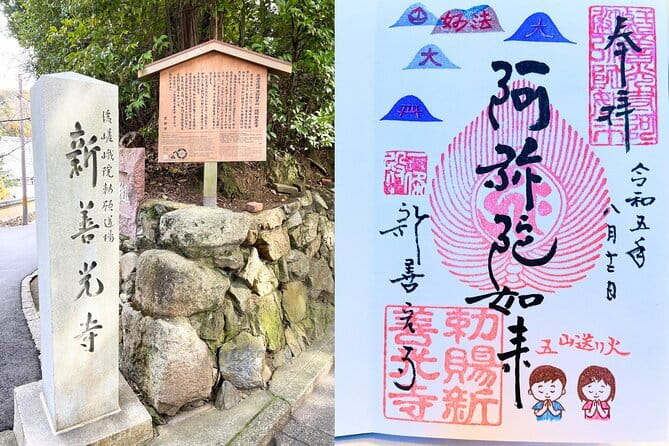
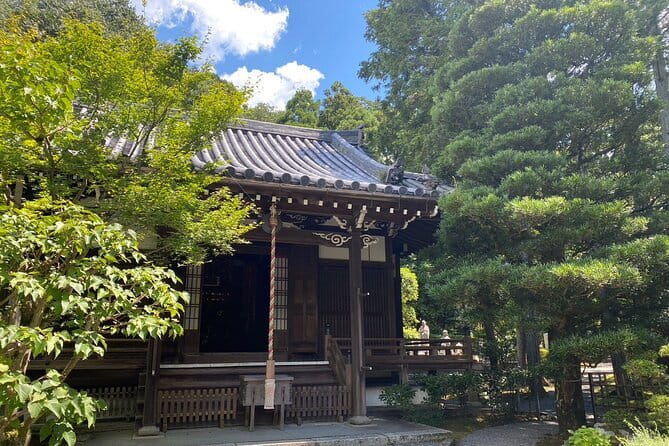
The final temple is Shinzenkoji, dedicated to Amida Buddha, a figure associated here with compassion. The visit lasts about 20 minutes and centers on its peaceful garden and old maple trees.
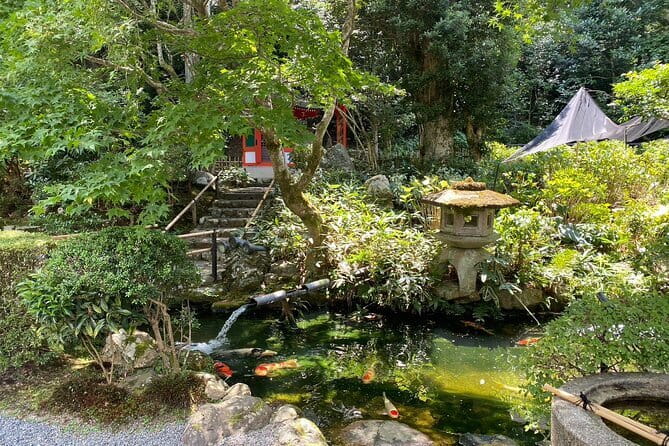
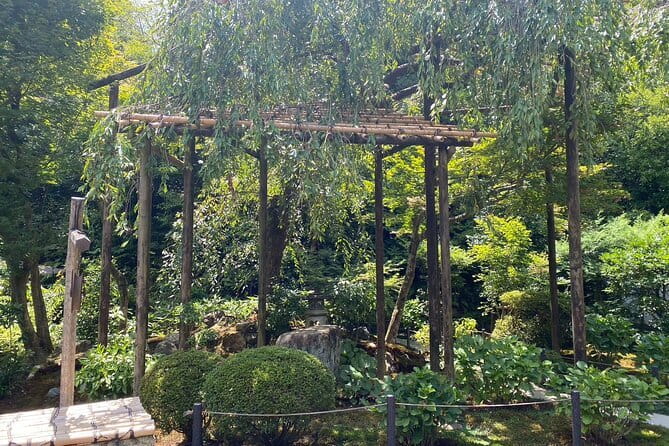
The garden is described as a place suited to meditation or an unhurried walk. That gives the final stop a different mood from Tōfuku-ji. Instead of placing the emphasis on a famous bridge and large garden complex, Shinzenkoji offers a quieter close to the walking route.
Maples make this stop especially appealing in autumn, when the trees change color. In other seasons, the garden still provides greenery and a calm setting. If you want every temple to deliver a major landmark, the short visit may feel limited. If you value atmosphere and a slower pause, the stop makes sense.
The 20-minute schedule means you should not expect a long meditation session or a detailed garden study. Think of it as a brief chance to slow down, look carefully, and finish the temple sequence on a quieter note.
More walking tours in Kyoto:
- Kyoto Geisha Walking Tour: Gion District & Hidden Gems
★ 4.7 · 3,273 reviews - Kyoto: Gion Magical Night Walking Tour with Geisha Trivia
★ 4.9 · 2,393 reviews - Kyoto: Gion Geisha District Walking Tour – Stories of Geisha
★ 4.7 · 2,187 reviews - Night Walk in Gion: Kyoto’s Geisha District
★ 4.5 · 2,003 reviews
Goshuin, goshuin-cho, and Omamori costs
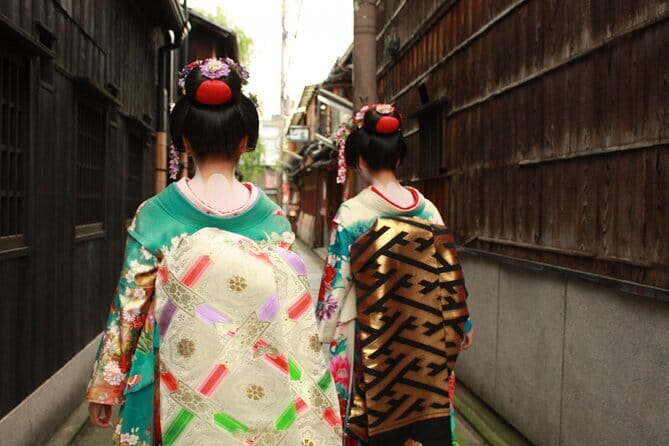
The tour price is $299, but that figure does not cover the items most connected to the theme. Goshuin, goshuin-cho stamp books, and Omamori amulets are all additional expenses. Meals and other personal purchases are also excluded.
This is important when planning your budget. If you are starting a goshuin collection, you may want to purchase a dedicated book. If you already own one, you will not need to buy another. Omamori charms are optional, but the tour specifically gives you the chance to bring one home.
The guide may be particularly helpful if you do not speak Japanese. One participant explained that collecting goshuin alone would have been difficult without Japanese language ability. That is a real benefit of the private format, though you should still treat each purchase as a separate cost.
Goshuin collection also works best when you approach it as a record of places visited, not as a race to gather the most stamps. The three temples offer a compact start or addition to a collection, with different settings and themes along the way.
The price offers the strongest value for a small private group that wants help with cultural details. For one person or a couple focused only on seeing the temple grounds, $299 may feel high compared with visiting independently. Before booking, confirm how the quoted price applies to your party, since the supplied details do not specify whether it is a total group rate or a per-person rate.
Walking demands, weather, and timing
This is a walking tour, not a vehicle-based sightseeing trip. The supplied guidance calls for moderate physical fitness, sufficient water, rain gear, and other necessary items. Wear shoes that can handle several hours on foot and prepare for changing weather.
The activity requires good weather. If poor conditions cause cancellation, you are offered a different date or a full refund. That policy is useful in Kyoto, where rain can change the comfort of a garden visit quickly.
The total duration is approximately three hours. The schedule gives Tōfuku-ji the largest share of time, then allows short visits at Shōrin-ji and Shinzenkoji. This structure works well if you want a concentrated introduction, but it leaves little spare time for long shopping, meals, or extended photography.
The tour ends back at the meeting point. That makes it easier to plan the rest of your day near Tōfuku-ji Station, though you should not expect the activity to include transportation beyond the walking route.
Who will get the most from this private tour
This experience suits you if goshuin collecting is a genuine interest, especially if you are new to the custom. It also fits visitors who want a guide to explain small cultural details that can be missed on a self-guided walk.
I would particularly consider it for:
- First-time visitors who want help navigating temple customs
- People who do not speak Japanese and want support with goshuin purchases
- Couples, families, or friends who prefer a private group
- Garden lovers visiting during maple season
- Anyone beginning a goshuin-cho collection
- Visitors who enjoy slower cultural stops more than a checklist of major sights
It may be less suitable if you have limited walking ability, want a food-focused Kyoto tour, or prefer to spend an entire morning at one large temple. The short 20-minute stops are focused, not leisurely.
Service animals are allowed, and the activity is near public transportation. Still, the significant walking requirement matters more than the station access when deciding if it suits you.
Booking and cancellation details

Confirmation is sent within 48 hours of booking, subject to availability. Free cancellation is available if you cancel at least 24 hours before the local start time. Cancellations or changes made within 24 hours are not refunded or accepted.
The activity also requires a minimum number of participants. If that minimum is not met, you are offered another date or experience, or a full refund. Those rules are worth checking before you set other Kyoto plans around this outing.
The tour is operated by MyProGuide Japan. Since the experience is private, your group is the only group participating.
Should you book the Kyoto goshuin walking tour?
Book it if you want more than temple photographs. The strongest reasons are the private guide, the chance to learn about goshuin in a practical setting, Tōfuku-ji’s gardens and bridge, and the distinctive Hanachozu at Shōrin-ji.
Think twice if you are mainly seeking the lowest-cost way to see Kyoto temples. At $299, the tour asks you to pay for private guidance and cultural help, while stamps, books, charms, meals, and personal purchases cost extra.
For a collector, a first-time Kyoto visitor, or a small group that values explanation over speed, this is a well-focused three-hour outing. Bring water, allow for plenty of walking, and set aside money for the goshuin and Omamori you may want to take home.
FAQ
How long does the Kyoto goshuin walking tour last?
The tour lasts approximately three hours.
Where does the tour begin?
It begins at Tōfuku-ji Station, at 12 Chome Honmachi in Kyoto’s Higashiyama Ward.
Where does the tour end?
The activity ends back at the meeting point.
Which temples are included?
The tour visits Tōfuku-ji Temple, Shōrin-ji Temple, and Shinzenkoji Temple.
Is Tōfuku-ji admission included?
Yes. The Tōfuku-ji admission ticket is included in the tour price.
Are goshuin included in the price?
No. Goshuin, goshuin-cho stamp books, and Omamori amulets are not included.
Is this a private tour?
Yes. Only your group participates in the activity.
What physical condition is required?
You should have a moderate level of physical fitness. The tour requires a significant amount of walking, so you should bring sufficient water and rain gear.
Can I cancel for a full refund?
Yes, if you cancel at least 24 hours before the experience start time. Cancellations within 24 hours are not refunded.
Newest Kyoto experiences on the site
- Treasures of Kyoto: Gion & historical Walking Tour★ 5.0 · 6 reviews
- Whisk Your Own Matcha: A Zen Matcha Experience at Temple★ 3.6 · 7 reviews
- Kyoto tea town for matcha lovers★ 5.0 · 16 reviews
- Uji: Private immersion into Kyoto’s tea and reglious culture★ 5.0 · 17 reviews
- Kyoto Matcha Green Tea Tour★ 4.5 · 23 reviews
- Uji and Wazuka Matcha Farm Half Day Private Guided Tour★ 5.0 · 21 reviews
- Utilising upcycled Matcha! Creating matcha incense (Uji, Kyoto)★ 5.0 · 6 reviews
- Sacred Temple Yoga Experience in Japan★ 5.0 · 3 reviews
Kyoto Temple Tours, compared.
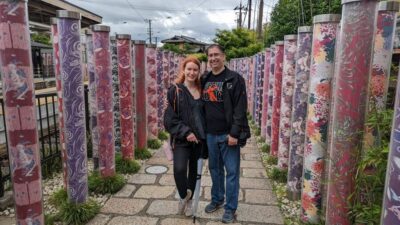
Arashiyama Bamboo, Temple, Monkeys, or Secret Sake Brewery
Read our review →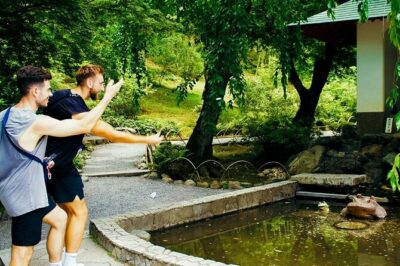
Arashiyama Bamboo Forest, Monkeys, Matcha & Temple Tour
Read our review →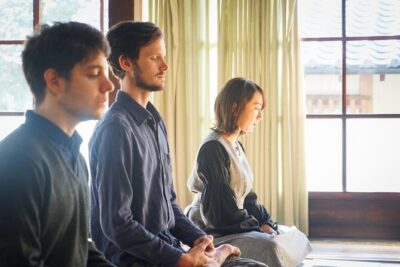
Kyoto Zen Meditation & Garden Tour at a Zen Temple with Lunch
Read our review →

Arashiyama Bamboo, Temple, Matcha, Monkeys & secret spots
Read our review →
Calligraphy class at Buddhist temple in city center
Read our review →Browse the lists this tour appears in