
Reviewed · KYOTO CYCLING TOURS
Explore Hidden Kyoto by E-Bike: Private, Scenic & Fun
Kyoto’s best moments are often between the famous sights: a quiet lane, a small shrine, a river crossing, or a sweets shop locals have visited for generations. This private e-bike tour strings those moments together while still taking you to major landmarks such as Kiyomizu-dera and Nanzen-ji.
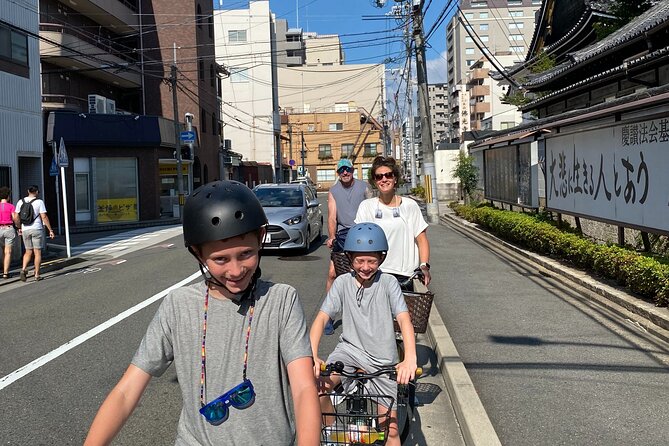
I like the freedom of a private route and the gentle help from the electric motor, especially on a long day of temple visits. I also like the family-friendly pace. Guide Yonnie has adjusted the speed, added breaks in hot weather, and kept children involved.
The main consideration is time. The advertised duration is three to five hours, but a full route can run a little over five hours. Temple entry fees, food, drinks, and tips are not included, so budget for those extras.
Key points to know before you book
- A private Kyoto ride: Only your group takes part, so the guide can adjust the pace and focus.
- Major sights and quiet corners: The route can include Kiyomizu-dera, Gion, Nanzen-ji, Shimogamo Jinja, and Kyoto Gyoen.
- Electric assistance: E-bikes make a long sightseeing ride easier than a standard bicycle.
- A flexible family option: The three-hour format can suit children, while a longer outing covers more ground.
- Culture beyond temple gates: You may stop for traditional sweets, old wells, river stepping stones, and local streets.
- Weather matters: The tour requires good weather, with a new date or full refund offered if poor conditions cancel it.
Why an e-bike is a smart way to see Kyoto
Kyoto is spread out enough that walking between its temples can eat up much of your day. Buses can be crowded, and taxis add cost quickly. An e-bike gives you a useful middle ground: you cover more ground than on foot, but still move slowly enough to notice wooden homes, narrow lanes, waterways, and small neighborhood shrines.
The electric motor matters most when the ride stretches across several districts. You are not signing up for a hard cycling workout. The motor helps reduce effort, which leaves you with more energy for temple grounds and the final stops. That is especially useful in summer, when Kyoto can be very hot.
This is not a fixed sightseeing bus route. Your guide can shape the ride around photography, history, or local culture. You should still expect the main route to change with the weather, available time, and your group’s pace.
The experience is private, with only your own group participating. That makes it easier to ask questions, stop for pictures, or request a slower rhythm. It also means the value depends partly on your guide. Yonnie has been praised for explaining Buddhist and Shinto traditions clearly and for keeping families comfortable and safe.
More bike days around Kyoto:
- Hidden Kyoto E-Biking tour
★ 5.0 · 1,843 reviews - Bike Tour Exploring North Kyoto plus Lunch
★ 5.0 · 1,087 reviews - Arashiyama Bamboo Forest & Hidden Gems Bike Tour (Early Bird)
★ 5.0 · 613 reviews
Kiyomizu-dera gives you Kyoto’s famous opening view
The ride includes a stop near Kiyomizu-dera, one of Kyoto’s best-known temples. The planned time is about 45 minutes, though admission is not included. Your guide will explain the temple and point out the famous wooden stage, which looks over the city from its hillside setting.
The stop is useful even if you have already seen photographs of Kiyomizu-dera. A guide can give the building context instead of leaving you to admire the view without understanding what you are seeing. You can ask about Buddhist customs, the temple’s role in Kyoto, and the details that are easy to miss when walking alone.
There is one practical catch: this is not a fully prepaid temple-entry tour. If you choose to go inside, you pay the admission fee yourself. Ask your guide how the timing works on your chosen day, since the description says the stop is near Kiyomizu-dera and the entry cost is separate.
Chion-in and Nanzen-ji bring scale and calm

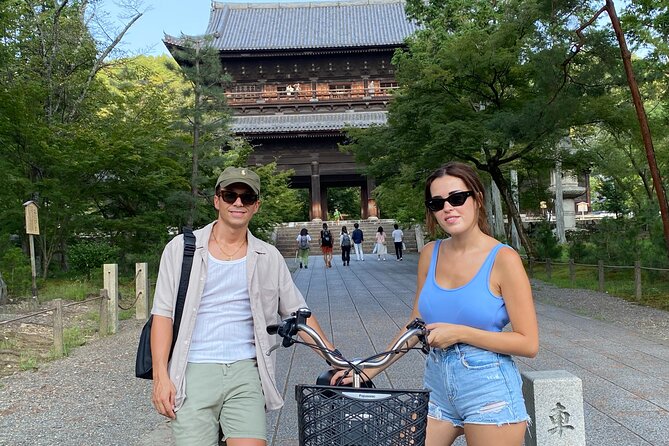
Chion-in follows with a shorter 15-minute stop. Its giant Sanmon Gate is a major sight in itself, and the temple is the head temple of the Jodo Pure Land Buddhist sect. You may enter the grand Mieido Hall area with your guide, with no admission fee listed for this stop.
This is a good example of how the tour mixes famous places with practical sightseeing. You do not spend a long time at every temple, so the ride keeps moving. The tradeoff is that 15 minutes is enough for an introduction, not a full examination of a large temple complex.
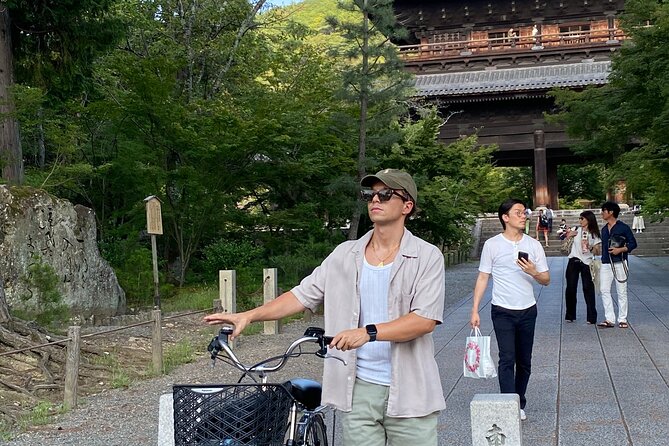
At Nanzen-ji, you get about 30 minutes around the outer grounds. The massive Sanmon Gate provides a strong first view, and its upper level is known for views across Kyoto. The temple grounds give you more open space than the tight streets around some central attractions.
I like this pairing because Chion-in and Nanzen-ji show two different sides of temple architecture. One feels grand and ceremonial at its gate, while the other gives you room to pause and look around. Admission is listed as free for the planned visit, though the tour notes that optional temple and shrine entry fees are generally not covered.
Heian Jingu and Gion change the mood
The Grand Torii of Heian Jingu is a quick 10-minute stop, but it makes a strong photograph. At 24 meters tall, the vermilion gate is hard to miss and marks the approach to a shrine connected with Kyoto’s imperial past.
This is a photo stop rather than a long shrine visit. If you prefer fewer stops with more time at each one, you may find the pace brisk here. If you enjoy seeing how Kyoto’s streets connect its major sights, the brief pause works well.
Hanamikoji Street brings you into Gion, Kyoto’s historic entertainment district. The cobblestone avenue is lined with traditional wooden townhouses, and your guide can explain the area’s geisha and local cultural traditions.
You should treat Gion with care. This is a living neighborhood, not a stage set. A guide is useful because you can learn how to move through the area respectfully rather than simply racing through it in search of photographs. The planned stop is only about 10 minutes, so the value comes from the explanation and the street setting, not from a long visit.
Same city, a completely different kind of day:
- PERFECT KYOTO 1-Day Bus Tour
★ 5.0 · 13,518 reviews - Kyoto: Fushimi Inari, Kinkakuji, Bamboo Grove 1 Day Bus Tour
★ 4.8 · 4,316 reviews - Kyoto: Tea Ceremony in a Traditional Tea House in Kiyomizu
★ 4.9 · 3,519 reviews - Kyoto Geisha Walking Tour: Gion District & Hidden Gems
★ 4.7 · 3,273 reviews
The Kamogawa River offers a welcome pause
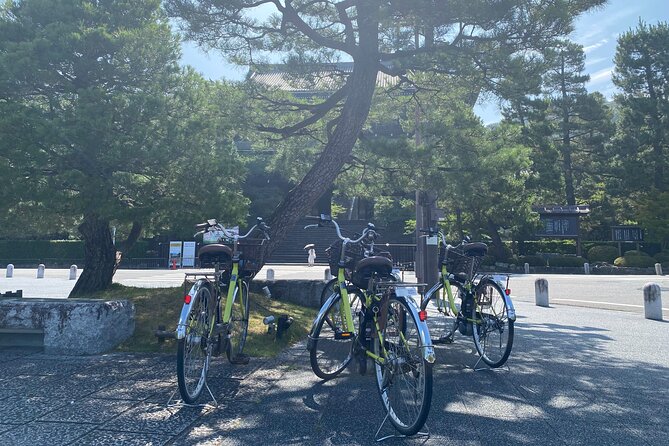
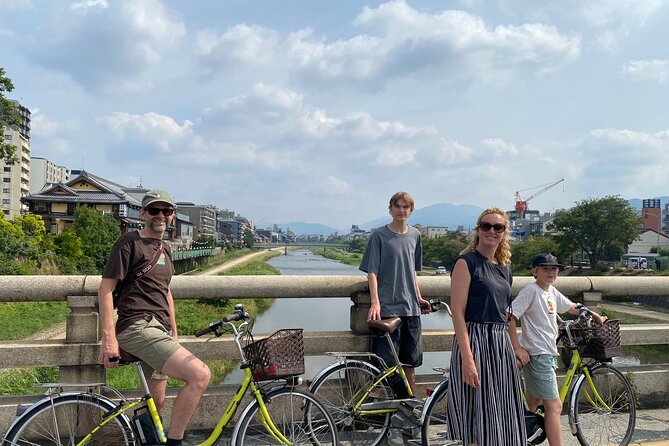
The route also takes you to the Kamogawa River’s famous stepping stones. People cross the water by hopping from stone to stone, and the river gives you a quieter break from temple gates and city streets.
The stop does not list a set duration, so do not build your schedule around a long rest here. You get a scenic pause and a chance to see one of Kyoto’s everyday meeting places. If the stones are wet or you do not feel steady, you can simply enjoy the river views instead of crossing.
This is one of the tour’s better details. It shows Kyoto as a city where daily life and major cultural sights sit close together. You are not only moving from one ticketed attraction to another.
Shimogamo Jinja is the spiritual center of the northern route
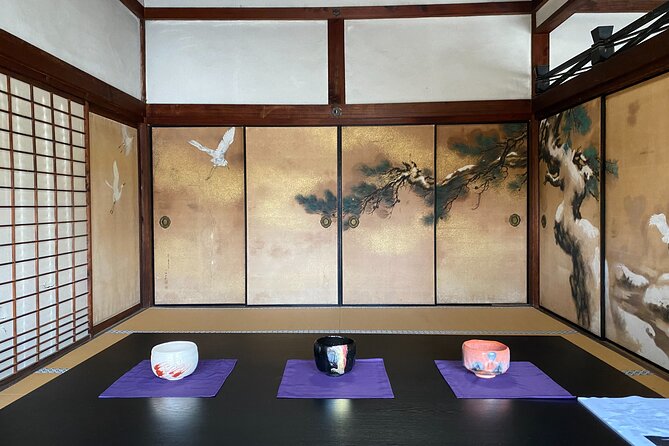
Shimogamo Jinja receives about 45 minutes, making it one of the longer stops. It is one of Kyoto’s oldest and most important Shinto shrines, set near an ancient forest and recognized as a UNESCO World Heritage site.
The setting gives this part of the route a different feel from the large gates and city streets earlier in the day. Your guide can explain Shinto traditions and the role of the shrine, while you have enough time to look around without feeling rushed.
The route description places the stop at the entrance, so you should confirm with your guide how far inside you will go and which areas you will visit. The listed admission cost is free. That keeps this stop simple for anyone watching expenses.
For me, this is the kind of stop that justifies taking an e-bike. Shimogamo Jinja is not simply a quick photo in central Gion. Reaching it as part of a connected ride lets you see more of Kyoto’s northern side without spending your whole day changing buses.
Demachi Futaba adds a local food stop
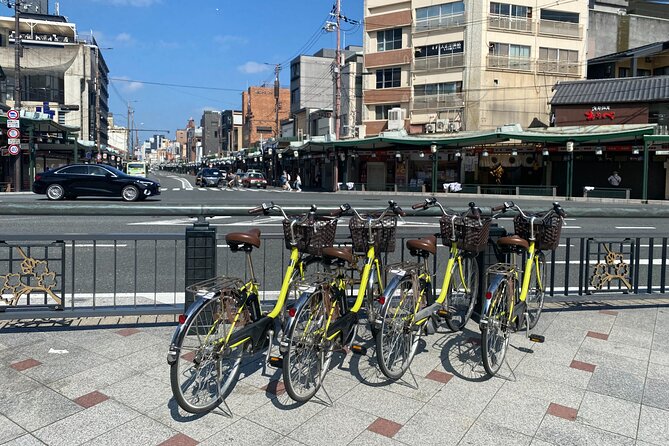
Demachi Futaba is a traditional wagashi shop near the Kamogawa River, known for Japanese sweets and a history of almost 200 years. The planned stop lasts about 30 minutes, and food is not included.
This is a useful break for families and anyone who wants a taste of Kyoto beyond restaurant meals. The shop gives you a chance to try a traditional sweet, including mochi, if you choose to buy something. Your guide can help explain what you are eating and why the shop matters.
Keep some yen available for optional purchases. The tour price covers the bike and guide, not snacks or drinks. Since the stop is optional in cost but built into the route, you can decide how much you want to spend.
Somei Well and Kyoto Gyoen slow the final stretch
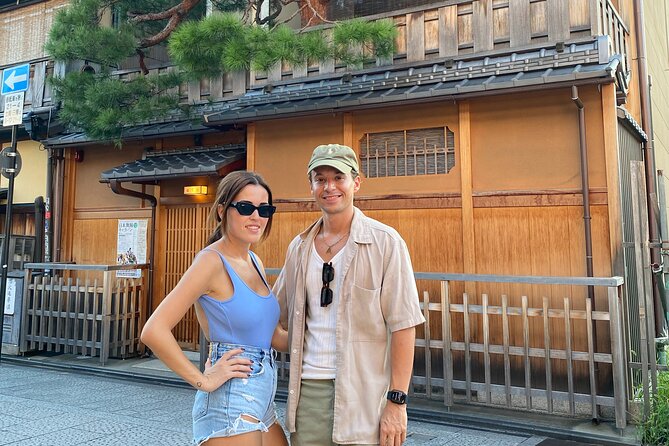
Somei Well is a 10-minute stop near Kyoto Gyoen National Garden. The water source dates to the early Edo period, around the 1600s, and has long been valued for its clear water.
It is a small detail, but that is exactly why it works. You get a reminder that Kyoto’s story is not limited to palaces and temples. Old wells, water sources, and neighborhood traditions also shaped the city.
The final major stop is Kyoto Gyoen, a broad park surrounding the Kyoto Imperial Palace. You will have about 30 minutes to ride or pause within the garden while your guide explains the area.
Kyoto Gyoen gives the tour a calm finish. After the close streets of Gion and the busy temple approaches, the open park makes it easier to breathe and take stock of the day. It is also a good place for photographs, although the amount of time may feel short if you want a long walk through the grounds.
How much value do you get for $123.57?
At $123.57 per person, this is not the cheapest way to see Kyoto. You are paying for a private experience, an e-bike, insurance, and a guide who can adapt the route. The value improves if your group wants to see several areas in one day without arranging separate transport between them.
It also makes more sense for a small private group than for a solo visitor comparing basic bicycle rentals. You get cultural explanations, route planning, and help with the pace. Families may find the cost worthwhile because the electric assistance and flexible breaks make a long sightseeing day easier.
The price does not include meals, snacks, drinks, temple or shrine entrance fees, parking when free parking is unavailable, or gratuities. Kiyomizu-dera is specifically listed with admission not included, and Demachi Futaba is a food stop where you pay for anything you buy.
I would compare the price with the cost of a private guide plus bicycle rental, not with a public walking tour. If you want independence and plan to visit only one or two sights, you may prefer to explore on your own. If you have limited time in Kyoto and want several districts connected in one outing, the price is easier to justify.
Timing, fitness, and weather
The advertised duration is approximately three to five hours. The itinerary includes many stops, and one outing lasted a little over five hours because of the relaxed pace and the heat. Ask at the start how much time you have and which stops matter most to your group.
Most people can take part, but you still need to be comfortable riding a bicycle. The e-bike reduces effort, not the need to balance and follow city riding conditions. Children have taken part successfully, and the guide has adjusted the pace for families.
Weather is a real factor. The experience requires good weather, so poor conditions can lead to a different date or a full refund. On hot days, expect the guide to build in breaks and reduce the pace. Bring water, since drinks are not provided.
The tour includes bicycle rental and insurance. The guide speaks English, Indonesian, and Malay. Confirmation arrives at booking, and the meeting area is near public transportation, though the supplied details do not specify a single meeting point.
You can cancel for a full refund up to 24 hours before the start time. Changes or cancellations inside that window are not accepted for a refund. The cut-off uses Kyoto local time.
Who should book this Kyoto e-bike tour?
I would recommend it to families, couples, and small groups who want to see more than the central temple circuit. It is particularly useful for a first Kyoto visit when you want a broad introduction to temples, shrines, Gion, riverfront areas, sweets, and parks.
It also suits repeat visitors who have already seen the headline attractions and want quieter streets and less familiar stops. The private format gives you a better chance to focus on photography, religious traditions, or local food instead of following a fixed group script.
I would hesitate if you dislike bicycles, want a slow half-day at one temple, or need a guaranteed short schedule. The route can take five hours or more, and several stops are introductions rather than long visits. You should also be ready to pay separately for food and optional admissions.
For most active families and curious first-time visitors, I think the combination is strong: electric assistance, a private guide, major Kyoto sights, and small details such as the Kamogawa stepping stones and Somei Well. Book it if you want Kyoto to feel like a city you are moving through, not just a checklist of temple entrances.
FAQ
How long does the Kyoto e-bike tour last?
The experience lasts approximately three to five hours. A longer outing can run a little over five hours, depending on the pace, weather, and route.
What is included in the price?
The price includes an English, Indonesian, or Malay-speaking guide, e-bike rental, and bicycle insurance.
Is this a private tour?
Yes. Only your group participates in the activity.
Are temple and shrine entrance fees included?
No. Optional entrance fees are not included. Kiyomizu-dera specifically lists admission as separate, while several other planned stops list free admission.
Are food and drinks included?
No. Meals, snacks, and drinks are not provided. You can choose to buy traditional sweets at Demachi Futaba.
Is the tour suitable for families?
Most travelers can participate, and the experience has been used successfully by families with children. The guide can adjust the pace and add breaks.
What languages does the guide speak?
The guide service is available in English, Indonesian, and Malay.
What happens if the weather is poor?
The experience requires good weather. If poor weather causes cancellation, you will be offered a different date or a full refund.
Newest Kyoto experiences on the site
- Treasures of Kyoto: Gion & historical Walking Tour★ 5.0 · 6 reviews
- Whisk Your Own Matcha: A Zen Matcha Experience at Temple★ 3.6 · 7 reviews
- Uji: Private immersion into Kyoto’s tea and reglious culture★ 5.0 · 17 reviews
- Kyoto tea town for matcha lovers★ 5.0 · 16 reviews
- Kyoto Matcha Green Tea Tour★ 4.5 · 23 reviews
- Uji and Wazuka Matcha Farm Half Day Private Guided Tour★ 5.0 · 21 reviews
- Utilising upcycled Matcha! Creating matcha incense (Uji, Kyoto)★ 5.0 · 6 reviews
- Sacred Temple Yoga Experience in Japan★ 5.0 · 3 reviews
Kyoto Cycling Tours, compared.
Arashiyama Bamboo Forest & Hidden Gems Bike Tour (Early Bird)
Read our review →
5 Top Highlights of Kyoto Full Day Bike Tour (E-bike option)
Read our review →
Full Day Biking Tour Exploring the Best of Kyoto
Read our review →
Afternoon Kyoto Bike Tour: Bamboo Forest, Monkeys & Hidden Spots
Read our review →
South Kyoto in a Nutshell: Gentle Backstreet Bike Tour!
Read our review →Browse the lists this tour appears in