
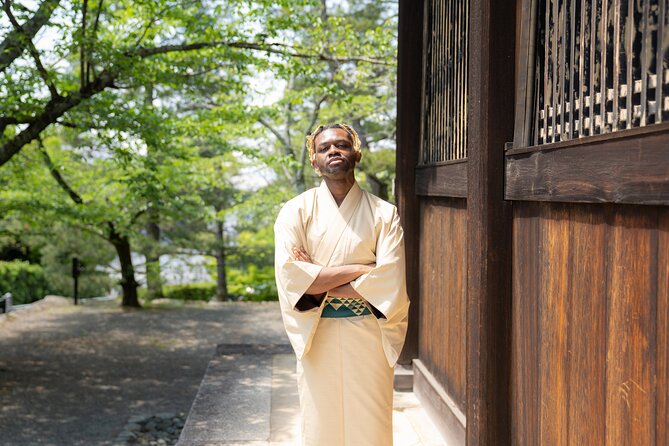
Reviewed · KYOTO KIMONO RENTALS
Kyoto Portrait Tour with Kimono
A kimono photo walk through Kyoto’s Gion and Higashiyama districts gives you more than posed pictures. In about 90 minutes, you move from Yasaka Shrine and Maruyama Park to old lanes, temple gates, and the famous Yasaka Pagoda, with a local photographer helping you find good angles and comfortable poses.
I like the small group limit of six, which gives you real time in front of the camera. I also like the choice of a morning or afternoon session, since light and crowds can change the feel of Kyoto streets. The main thing to watch is the price: at $85.87, the kimono is not included, so your final cost will be higher if you need to rent one.
Key points to know before you book
- Six-person maximum: A small group leaves more time for individual portraits and couple or family photos.
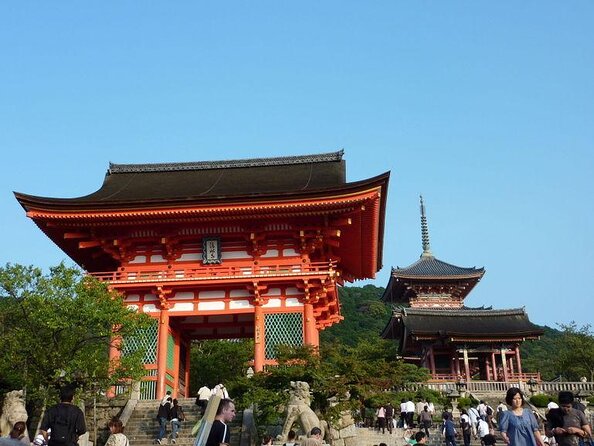
- Six Kyoto locations: The route links Yasaka Shrine, Maruyama Park, Chion-in, Ishibe Alley, Nene-no-Michi, and Yasaka Pagoda.
- Kimono rental is separate: You may choose a kimono from a store you prefer, but the outfit is not part of the tour price.
- Morning or afternoon timing: You can choose the session that best suits your preferred light and schedule.
- Professional editing included: The price covers the guide and edited photos after the shoot.
- Different photographers may lead the session: Yuta, Takuma, Mina, Cocoro, Soma, and Andy Yu Lei are among the photographers named in customer feedback.
What this Kyoto portrait walk actually gives you
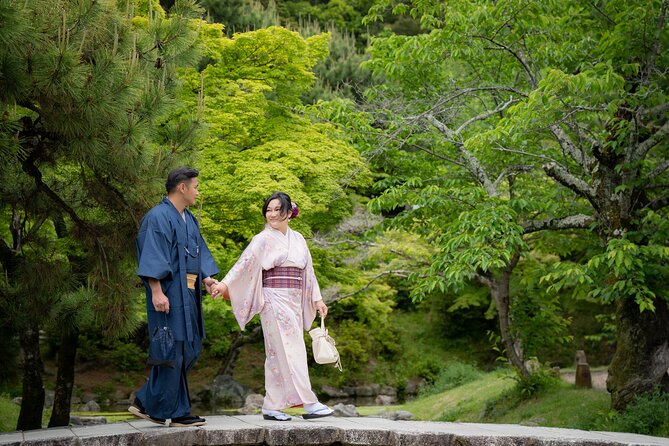
This is best understood as a short walking tour with a professional photo session built into it. You are not parked in one studio or asked to pose in front of the same backdrop again and again. The route moves through some of Kyoto’s most recognizable scenery, with small lanes and temple grounds mixed in.
That variety matters. A photo at Yasaka Shrine gives you a strong traditional setting. A picture near Yasaka Pagoda feels more like the Kyoto postcard many people hope to bring home. The lanes around Ishibe Alley and Nene-no-Michi add quieter architectural backdrops, though you should expect other people in the area.
Your photographer also serves as a local guide. Yuta has been praised for explaining shrine details and giving advice on poses. Soma has been described as friendly, comfortable to work with, and good at pointing out quieter places and local details. Mina and Cocoro have also been noted for professional photo work and helpful conversation.
The exact personality of your session depends on the photographer assigned to you. That is worth keeping in mind if you are booking mainly for a particular person. Still, the repeated strengths are clear: help with posing, patience, local direction, and a relaxed manner for people who have never had professional portraits taken.
More kimono and yukata rentals in Kyoto:
- Kimono Tea Ceremony at Kyoto Maikoya, NISHIKI
★ 5.0 · 911 reviews - Kyoto: Kimono Rental with Hairstyling and Accessories
★ 4.8 · 653 reviews - Kyoto: Kimono Tea Ceremony at Orizuruya Gion
★ 4.9 · 618 reviews
Yasaka Shrine starts the session with classic Kyoto scenery
The meeting point is the Yasaka Jinja Nishiromon Gate, also called the Western Tower Gate, at 625 Gionmachi Kitagawa. This is a practical starting place in the Gion area and is close to public transportation.
Yasaka Shrine is a natural first stop because it quickly puts you in the traditional Kyoto mood. The shrine setting gives your photographer formal architectural lines, bright colors, and a sense of place that works well with a kimono.
You spend about 20 minutes here. That is enough time for several poses and angles, but it is not an open-ended portrait session. If you have a must-have photo idea, mention it early. The photographers have been willing to work with requests, but the route has six stops and the clock keeps moving.
The shrine is also an active public site, not a private photo set. People may pass through the background, particularly at popular times. A patient photographer can wait for a clearer frame, and the small group size helps, but you should not expect every picture to be free of other people.
Maruyama Park adds gardens and seasonal color
From Yasaka Shrine, the route continues to Maruyama Park for another 20 minutes. As Kyoto’s oldest park, it offers a softer setting after the shrine’s formal structures, with traditional garden scenery and walking paths.
This stop can change greatly with the season. In early April, the cherry trees begin to bloom, making the park a strong choice for spring portraits. In autumn, the Kyoto area is known for red leaves, and the park can provide a different mood. The tour does not promise peak blossoms or autumn color, so treat seasonal beauty as a bonus rather than a guarantee.
The park is useful for variety. You can shift from standing portraits to walking pictures, and the garden setting helps avoid a collection of images that all look alike. If you are wearing a kimono, the slower pace here may also feel easier than posing repeatedly beside major landmarks.
Chion-in supplies the grand architectural backdrop
The third stop is Chion-in Temple, also planned for about 20 minutes. Its main entrance, the Sanmon Gate, is described as 24 meters tall and 50 meters wide, and it is the largest wooden temple gate in Japan.
That scale changes the kind of photograph you get. Instead of a close portrait surrounded by small details, you can be framed against a huge wooden structure that shows the size and weight of Kyoto’s temple architecture. Your photographer can also share background about the gate and the temple while you walk and pose.
This is another reason the tour works better than a simple point-and-shoot service. You get images, but you also get some context for the places in them. The time remains limited, however. Chion-in is a large temple complex, and a 20-minute stop will not cover it in detail.
A few more Kyoto tours worth putting on the shortlist
- PERFECT KYOTO 1-Day Bus Tour
★ 5.0 · 13,518 reviews - Kyoto: Fushimi Inari, Kinkakuji, Bamboo Grove 1 Day Bus Tour
★ 4.8 · 4,316 reviews - Kyoto: Tea Ceremony in a Traditional Tea House in Kiyomizu
★ 4.9 · 3,519 reviews - Kyoto Geisha Walking Tour: Gion District & Hidden Gems
★ 4.7 · 3,273 reviews
Ishibe Alley and Nene-no-Michi bring you into old Kyoto lanes
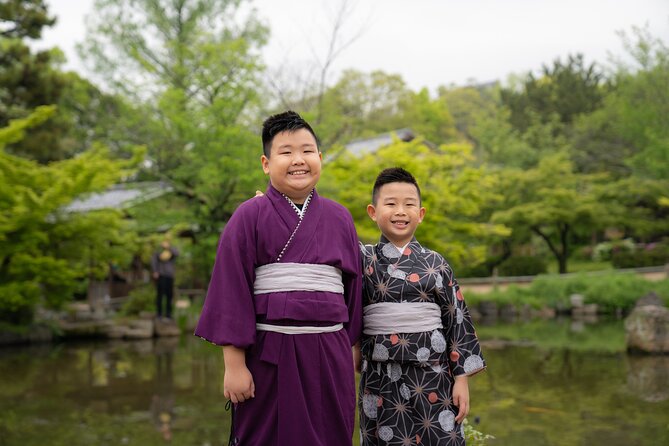
The next two stops are shorter, at about 10 minutes each, but they may produce some of the most atmospheric pictures of the day.
Ishibe Alley is surrounded by traditional architecture and has a quieter, old-Kyoto feel. The route information lists admission as not included, so check the arrangements if any access fee applies on your visit. The stop is brief, which makes it especially important to stay with the group and be ready to pose when you arrive.
Nene-no-Michi is a stone-paved walkway near Kodaiji. Its flagstones and traditional buildings make it a natural place for walking portraits. In autumn, red leaves can add strong color to the scene. The road is also used by other people, so the photographer may need to work around passing traffic on foot.
These two lanes show the value of combining a photo shoot with a walking route. You are not limited to famous gates and shrine courtyards. You also get images that suggest how Kyoto’s historic neighborhoods look between the major sights.
Yasakanoto finishes beside Kyoto’s famous pagoda
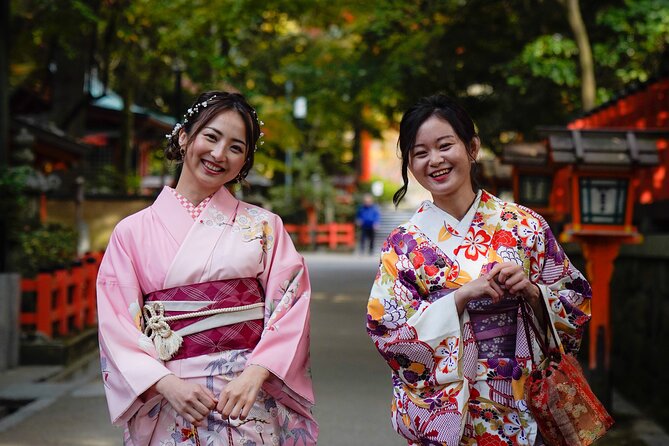
The final stop is Yasakanoto, also called Yasaka Pagoda, where you spend about 10 minutes. The five-story pagoda is one of Kyoto’s most recognizable landmarks and provides a clear ending point for the route.
The best use of this stop is a final set of images with the pagoda as the visual anchor. Since the tour ends here, you can also ask for area tips before leaving. The guide provides travel advice around the pagoda, which is useful if you plan to continue toward nearby sights.
The end point is listed as Hōkan-ji Temple, at Yasaka Pagoda, in Kyoto’s Higashiyama Ward. The tour does not return you to the starting point, so plan your next stop from the pagoda area rather than assuming you will finish where you began.
The photographers help most with posing and timing
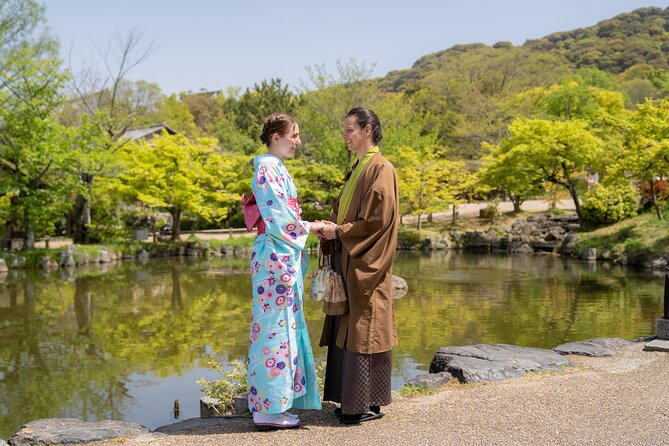
A professional portrait session can feel awkward if you are not used to being photographed. The strongest part of this experience is the hands-on direction. Yuta has been praised for suggesting poses and waiting for people to clear out of the frame. Takuma has been described as patient and easy to spend time with, especially for first-time portrait subjects.
Cocoro’s work has included guiding people through historic sites, helping with poses, and delivering more than 60 photos in one reported session. That number is not a guaranteed package amount, but it gives you a sense of what may be possible when the schedule and group size work in your favor.
Soma has also been praised for finding less crowded spots, explaining local details, and making the walk feel like a small area tour instead of only a series of poses. Mina has been noted for professional editing and follow-up after the session.
You should still share your priorities at the start. Tell the photographer if you want solo portraits, couple shots, full-length kimono pictures, or more candid walking images. The tour includes a maximum of six people, so clear communication helps protect your time in front of the camera.
Morning or afternoon changes the feel of the pictures
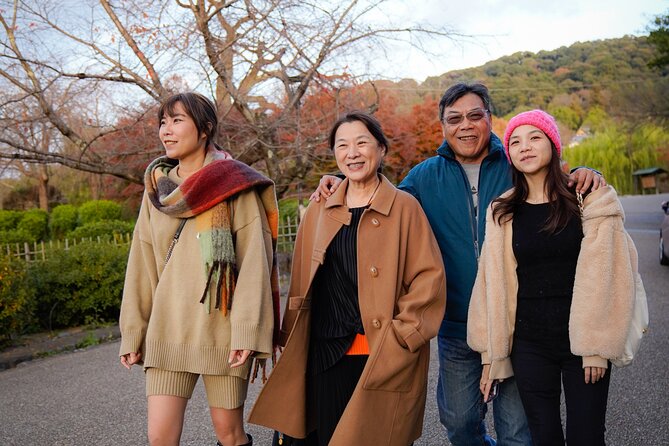
You can choose a morning or afternoon session. That flexibility is useful because the same streets can look very different depending on light and foot traffic.
A morning session may suit you if you want to begin sightseeing early or prefer cooler conditions. An afternoon session may fit better if you need time to rent and put on a kimono first. The available information does not promise a specific light condition, crowd level, or number of edited images, so choose the time for your own schedule rather than expecting a guaranteed style.
The tour lasts about 1 hour and 30 minutes. That is long enough for six short stops, but it is not a full-day Kyoto tour. You will see a compact section of Gion and Higashiyama, then remain free to visit other parts of the city.
The kimono cost changes the value calculation
The tour price is $85.87 per person. That covers the guide and professional edited photos, but not the kimono.
This makes the experience a reasonable choice if you already have access to a kimono or want to select your own rental shop. It also gives you control over the outfit, rather than tying you to a clothing provider chosen by the tour company. On the other hand, if you need to rent a kimono, have your hair styled, and pay for other preparation, your total budget will rise.
The value is strongest for solo visitors, couples, and small groups who would otherwise struggle to take good pictures of themselves. One solo customer specifically valued having someone else handle the photos while they wore a kimono. That is a real benefit: a phone tripod can capture a pose, but it cannot easily guide you through a changing route, adjust the composition, and help you feel at ease.
At the current price, you are paying for more than camera access. You are paying for a local photographer, a planned route through six settings, posing help, and edited images. The value is weaker if you only want a quick snapshot at one shrine or if you are uncomfortable with a scheduled pace.
What the feedback suggests about service quality
The experience has a 4.9 rating from 48 reviews, with 96 percent recommending it. The strongest pattern is not one particular landmark. It is the photographers’ attitude.
Yuta, Takuma, Mina, Cocoro, Soma, and Andy Yu Lei are each described as friendly, patient, accommodating, or professional in different sessions. Several people were pleased that the photographers made posing feel comfortable, even when they had never done a photo shoot before.
There are also two important cautions. One complaint appears to have involved confusion with a separate kimono rental shop, so read the booking details closely and remember that this service does not provide the kimono. Another low rating criticized the advertising and service, showing that expectations about what is included matter.
I would confirm the kimono arrangement, meeting point, photo delivery details, and any personal requests before the day. The confirmation is provided at booking, and the free cancellation window lasts until 24 hours before the start time. Changes or cancellations inside that period are not accepted for a refund.
Who should book this Kyoto photo tour
I would recommend it most strongly to:
- Solo visitors who want proper portraits in a kimono.
- Couples who want pictures together without asking strangers to take them.
- First-time portrait subjects who need help with posing.
- Small groups who value edited photos and a local walking route.
- Visitors with limited time in Kyoto who want several classic settings in one short session.
You may want to skip it if you dislike being photographed, need a private location, or want a long temple tour with time for detailed sightseeing. Six stops in 90 minutes means the visit is brisk. It gives you a visual sample of the district, not a thorough exploration of every temple and lane.
Should you book the Kyoto kimono portrait tour?
Book it if your main goal is to take home polished Kyoto photographs and you like the idea of walking between several traditional settings. The small group limit, editing, posing help, and flexible session time make this more useful than a basic photo stop, especially for solo visitors.
Before paying, budget separately for the kimono and confirm how you will collect the outfit. Then arrive at the Yasaka Shrine gate ready to walk, pose, and make quick decisions. If you do that, the tour offers a practical way to turn a short Gion visit into a set of personal Kyoto memories.
FAQ
How long does the Kyoto Portrait Tour with Kimono last?
The tour lasts approximately 1 hour and 30 minutes.
Is the kimono included in the tour price?
No. The kimono is not included, and you can choose one from your preferred rental store.
How many people can join the tour?
The tour has a maximum of six travelers.
What locations does the tour visit?
The route includes Yasaka Shrine, Maruyama Park, Chion-in Temple, Ishibe Alley, Nene-no-Michi, and Yasakanoto, also known as Yasaka Pagoda.
Are professional photos included?
Yes. Professional edited photos and a guide are included.
Can I choose a morning or afternoon session?
Yes. The experience offers morning and afternoon sessions so you can choose your preferred time and lighting.
Where does the tour begin?
The meeting point is Yasaka Jinja Nishiromon Gate, also called the Western Tower Gate, at 625 Gionmachi Kitagawa, Higashiyama Ward, Kyoto.
Where does the tour end?
The tour ends in front of Yasaka Pagoda at Hōkan-ji Temple in Kyoto’s Higashiyama Ward.
What is the cancellation policy?
You can cancel up to 24 hours before the experience for a full refund. Cancellations or changes made less than 24 hours before the start time are not accepted for a refund.
Newest Kyoto experiences on the site
- Treasures of Kyoto: Gion & historical Walking Tour★ 5.0 · 6 reviews
- Whisk Your Own Matcha: A Zen Matcha Experience at Temple★ 3.6 · 7 reviews
- Kyoto tea town for matcha lovers★ 5.0 · 16 reviews
- Uji: Private immersion into Kyoto’s tea and reglious culture★ 5.0 · 17 reviews
- Kyoto Matcha Green Tea Tour★ 4.5 · 23 reviews
- Uji and Wazuka Matcha Farm Half Day Private Guided Tour★ 5.0 · 21 reviews
- Utilising upcycled Matcha! Creating matcha incense (Uji, Kyoto)★ 5.0 · 6 reviews
- Uji Tea Ceremony and UNESCO Heritage Walking Tour★ 5.0 · 20 reviews
Kyoto Kimono Rentals, compared.
KYOTO Tea Ceremony with kimono near by Imamiya Jinjya Shrine
Read our review →
Kimono and Tea Ceremony Experience at Cultural Asset
Read our review →
Family-Friendly Kimono & Yukata Experience at WARGO
Read our review →
1 Day Traditional Japanese Kimono Rental Experience
Read our review →Browse the lists this tour appears in