
Reviewed · KYOTO WALKING TOURS
Kyoto Early Riser Platinum One-Day Walking Tour
Kyoto’s most famous sights are best tackled before the heat and crowds build, and this early-start private tour makes that strategy simple. You’ll move from the red gates of Fushimi Inari to Arashiyama’s bamboo, the Golden Pavilion, an old shrine district, and Nishiki Market in one long day.
I like the one-party format, since your guide can adjust the pace and answer the questions that matter to you. I also like the practical mix of major sights and local texture, especially Kamishichiken beside Kitano Tenmangu and the chance to eat or shop at Nishiki Market. The tradeoff is clear: eight hours is a lot of walking, and Kyoto’s public transport can eat into sightseeing time.
Key points at a glance
- Start early at Kyoto Station: You begin with a head start on Kyoto’s busiest attractions.
- Private attention throughout: Only your group takes part, with guides such as Gigi, Fuji-san, Seiya, or Meg assigned according to availability.
- Six very different stops: Expect shrine gates, bamboo, a gilded temple, an academic shrine, a geisha district, and a food market.
- Transport is not included: Set aside ¥1,700 per person for public transportation, plus a listed ¥500 admission fee.
- A full day on foot: The pace covers about eight hours, with substantial walking and several transfers.
- Strong but not perfect feedback: The experience is rated 4.7 out of 5 and recommended by 92 percent of participants.
Why the early start matters in Kyoto
Kyoto’s famous places can feel very different at 8 in the morning than they do later in the day. Fushimi Inari and the bamboo forest are photo magnets, and both are more pleasant before the day becomes hot and crowded.
This tour uses that timing well. You meet at the Kyoto Station Building, then set out with a private guide for a day that reaches several corners of the city. Starting at a major transport hub also gives you a clear meeting point, though you should arrive ready to use buses and trains rather than expect a private vehicle.
You pay $130.79 per person for the guide-led experience. That is a fair price for a private, full-day service if you are traveling with family or friends and value flexibility. A solo traveler or couple will pay more per person than a large private group, but the cost buys personal attention rather than a fixed script.
You also need to budget for the listed ¥1,700 public transportation cost and ¥500 admission fee per person. These extras matter because the headline price does not cover the entire day. Carry a transport card such as Suica if you have one. One participant found that using buses and trains without a card meant counting change repeatedly, which is exactly the sort of small nuisance that can slow a tightly planned day.
More walking tours in Kyoto:
- Kyoto Geisha Walking Tour: Gion District & Hidden Gems
★ 4.7 · 3,273 reviews - Kyoto: Gion Magical Night Walking Tour with Geisha Trivia
★ 4.9 · 2,393 reviews - Kyoto: Gion Geisha District Walking Tour – Stories of Geisha
★ 4.7 · 2,187 reviews
Fushimi Inari’s thousand red gates
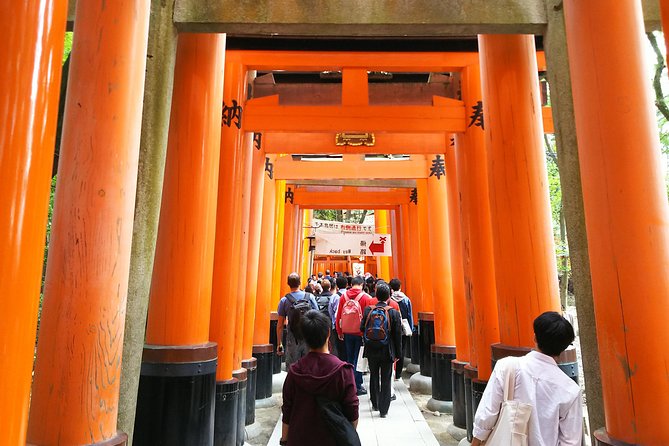
The first major stop is Fushimi Inari-taisha Shrine, with about an hour set aside for the visit. Its famous path passes through rows of vermilion torii gates, donated by worshippers in thanks for good fortune connected with the shrine’s deity.
The gates create a striking tunnel effect, but the setting is more than a photo stop. Your guide can explain the meaning of the donations and help you see the shrine as a working place of worship, not just a scenic backdrop.
An hour gives you time to experience the main approach and take photographs, but it does not allow for a long climb through every section of the mountain trails. That is worth knowing if Fushimi Inari is your top priority. You will see the signature feature, but the day’s schedule has five more stops ahead.
The shrine is also an early test of your footwear. The tour includes a lot of walking, and the stone paths, stairs, and later transfers make comfortable shoes a must.
Bamboo Forest Street in Arashiyama
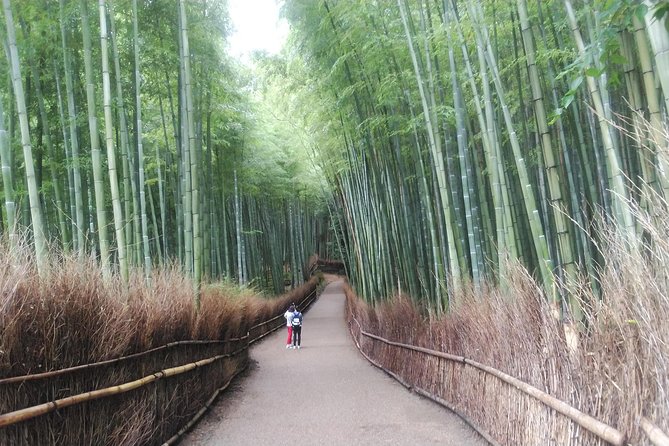
Next comes Bamboo Forest Street, with roughly 70 minutes planned for the visit. Tall bamboo rises on both sides of the path, filtering the light into soft green shades. The sound of leaves and trunks moving in the breeze is part of the appeal, so try not to treat this as only a camera stop.
The time here is useful, but it can feel short if you want a slow walk or a quiet look at the surrounding area. The bamboo path itself is the focus, and the schedule does not suggest a long stay in Arashiyama beyond that area.
This is one of the places where an early start helps most. The narrow path is famous, and it can become crowded. Your guide may also help you find better positions for photographs and keep the visit moving without turning it into a rushed dash.
Do not expect a private transfer between each sight. You will use public transportation, and Kyoto’s routes are not always direct or well connected. That is part of the day’s character: you get to walk through neighborhoods and use the same buses and subway lines that make up daily city life, but connections can take time.
Kinkakuji, the Golden Pavilion
Kinkakuji gets about 50 minutes. The temple’s gilded pavilion beside the pond is one of Kyoto’s instantly recognizable views, and the sight earns its fame. Its connection with Zen and samurai culture gives your guide a useful subject to explain as you look beyond the gold surface.
This is a popular stop, so expect a set route and a steady flow of people. The time is enough to see the pavilion and take photographs, but not to linger at length in every garden corner.
Admission is not included. The listed additional admission fee is ¥500 per person, so include it in your day’s cash planning. Since entry and transport are extra, you should not assume the $130.79 covers every cost from the meeting point to the final stop.
Kinkakuji is a good example of this tour’s basic approach. You see a major Kyoto icon, then move on to a less famous district and shrine. That balance keeps the day from becoming six versions of the same temple visit.
Same city, a completely different kind of day:
- PERFECT KYOTO 1-Day Bus Tour
★ 5.0 · 13,518 reviews - Kyoto: Fushimi Inari, Kinkakuji, Bamboo Grove 1 Day Bus Tour
★ 4.8 · 4,316 reviews - Kyoto: Tea Ceremony in a Traditional Tea House in Kiyomizu
★ 4.9 · 3,519 reviews - Kyoto: Tea Ceremony Ju-An at Jotokuji Temple
★ 4.9 · 3,207 reviews
Kitano Tenmangu and prayers for school success
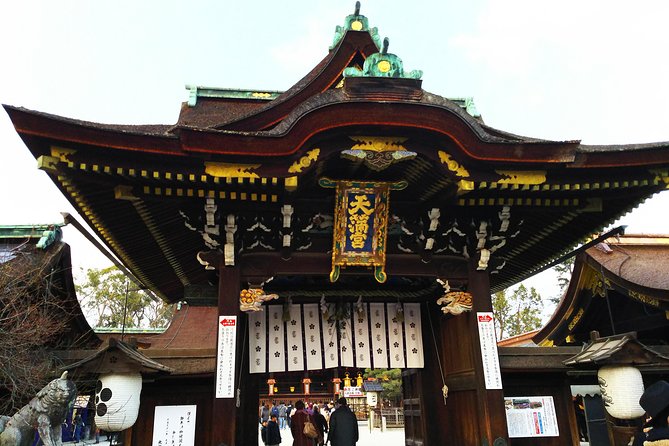
Kitano Tenmangu receives about 30 minutes. The shrine was built in 945 and is associated with Sugawara no Michizane, a figure linked with learning and academic success. Students come here to pray before examinations, giving the site a clear role in modern Japanese life.
Half an hour is enough for a focused visit, especially with a guide pointing out the shrine’s purpose and key features. It is not enough for a long, unhurried exploration, but this stop works well after Kinkakuji because it shifts the mood from royal-looking architecture to everyday devotion.
The shrine also sits next to Kamishichiken, making the next stop especially efficient. This is one of the day’s smarter pairings. You get two related but different Kyoto experiences without wasting time crossing the city again.
Kamishichiken, Kyoto’s oldest-style entertainment district
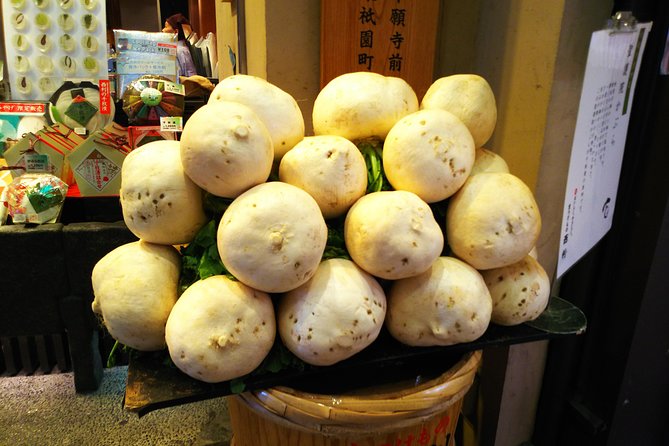
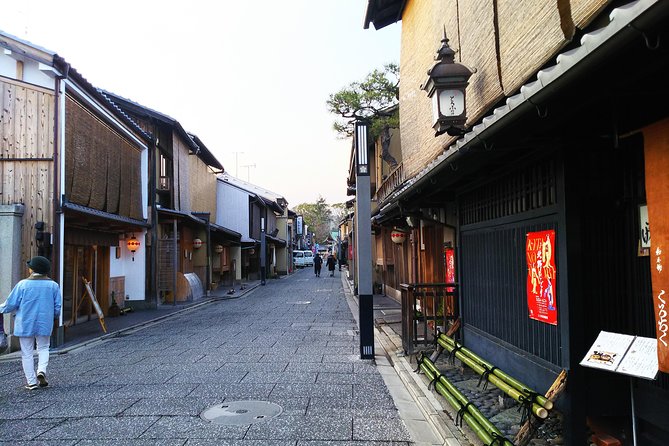
Kamishichiken Kaburenjo Theatre is allotted about 25 minutes. Kamishichiken is one of Kyoto’s five geisha districts, known for its geiko and maiko traditions and its traditional entertainment houses.
The district has fewer geisha houses and performers than some of Kyoto’s other hanamachi areas. That can make the visit feel less like a formal tourist attraction and more like a short look at a living neighborhood, though you should keep expectations sensible. A 25-minute stop does not promise a performance or a guaranteed sighting of geiko or maiko.
The theatre and nearby streets are valuable because they add cultural context to the day. You are not only checking off temples. You are seeing one part of the city’s traditional arts world, right beside a major shrine.
Your guide is especially useful here. The details can be easy to miss if you walk through alone, and a short explanation helps you understand why the district matters.
Nishiki Market and a taste of central Kyoto
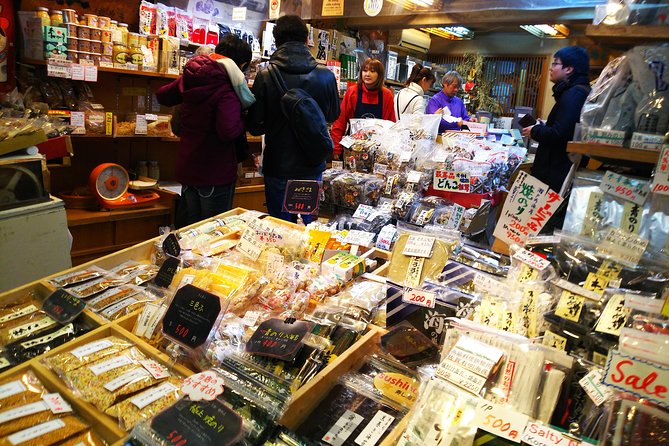
The final listed stop is Nishiki Market, with about 40 minutes for shopping and sampling. The market has served Kyoto residents for roughly 400 years, with 126 shops along a 390-meter covered street.
This is where the day becomes more hands-on. You can look for Kyoto vegetables, pickles, and other local foods, with opportunities to taste some items. It is also a good place to ask your guide what is distinctive to Kyoto rather than simply buying the first attractive snack.
Forty minutes is enough for an introduction, but not for a leisurely meal and a full survey of the market. If food is your main interest, tell your guide early. The private format gives you a better chance of shaping the stop around your appetite and interests.
Several participants praised guides for arranging lunch or suggesting a delicious place to eat. That is not a guaranteed inclusion, and lunch is not listed as part of the price, but it shows where the private format can add value. Ask your guide about lunch plans before the day gets busy.
The guide makes or breaks the day
The experience includes a professional guide, and the guide’s role is central because the itinerary covers a lot of ground. Names associated with especially positive days include Gigi, Fuji-san, Seiya, and Meg, though you should not assume a particular guide will be assigned to your booking.
Gigi was praised for adapting the day to personal interests, taking photographs, arranging a good lunch, and keeping the pace comfortable. Fuji-san was noted for covering everything the couple wanted and explaining the important details at each place.
Seiya received high marks for making public transport part of the experience rather than hiding it. Riding buses and the subway lets you see ordinary neighborhoods between the headline sights. Meg was remembered for answering questions and even bringing hand warmers when the weather was cold.
These details point to the main benefit of booking private rather than joining a large group. You can ask for more explanation, request a slower pace, or spend less time at a stop that does not interest you. The exact level of flexibility depends on your guide and the day’s transport conditions, but the format allows it.
The main weakness: too much city in one day
The itinerary is ambitious. Fushimi Inari, Arashiyama, Kinkakuji, Kitano, Kamishichiken, and Nishiki Market are spread across Kyoto, so you will spend part of the day moving between them.
That does not make the tour poorly planned. It simply means the city’s transport system becomes part of the experience. Kyoto buses can be crowded, routes are not always direct, and transfers can cut into time at the sights. One participant felt the day would work better split across two days, especially with more time around the bamboo forest.
I agree that this tour favors breadth over a slow pace. You see many of Kyoto’s main cultural markers, but you will not have hours to sit in one garden or explore every side street. If you have only one day in Kyoto, that tradeoff may be worthwhile. If you have three or four days, you might prefer to use this tour as an orientation day and return alone to the places you want to explore more deeply.
The walking load is also real. Most travelers can participate, and the experience is described as accessible for people with limited mobility and limited eyesight, but it is not stroller accessible. The schedule involves a lot of walking, public transport, and time on your feet, so ask about pacing when you meet your guide.
Who should book this Kyoto day
I would recommend it to first-time visitors who want a strong introduction without spending hours planning routes between distant sights. It also suits families and small groups that want a guide who can explain cultural details and adjust the day to their interests.
It is a good fit for anyone interested in Japanese culture, shrine customs, traditional neighborhoods, and food markets. The private setup is especially useful if you want help with photographs, lunch, or deciding how long to stay at each place.
You should think twice if you dislike public transportation or want a relaxed day with long pauses. You also may prefer a two-day plan if bamboo forest, Fushimi Inari, or Nishiki Market is a personal priority. The tour gives you an efficient first look, not a slow study of each area.
The experience begins and ends at the Kyoto Station Building. Confirmation arrives at booking, and free cancellation is available up to 24 hours before the start time. The activity requires good weather, with a different date or full refund offered if poor weather forces cancellation.
Should you book the Kyoto Early Riser Platinum tour?
Book it if you want to see Kyoto’s biggest sights in one private day and accept that transport and walking will shape the schedule. The strongest reasons are the early start, the one-party guide service, and the useful mix of famous places with Kitano and Kamishichiken.
Skip it if you want deep time at each stop, dislike buses and subway rides, or already know Kyoto well. At $130.79 per person before transport and admission, the value depends on how much you prize expert help and saved planning time.
For a first visit with limited time, I think the tour makes a sound choice. Bring comfortable shoes, a transport card, money for the listed extras, and a clear idea of your priorities. Tell your guide what matters most, and the day has a better chance of feeling personal rather than simply packed.
FAQ
Where does the tour start and finish?
The tour starts at the Kyoto Station Building at 901 Higashishiokōjichō in Shimogyo Ward. It ends back at the same meeting point.
How long does the tour last?
The experience lasts approximately eight hours.
Is this a private tour?
Yes. Only your group participates in the activity.
Which places does the tour visit?
The day includes Fushimi Inari-taisha Shrine, Bamboo Forest Street, Kinkakuji Temple, Kitano Tenmangu Shrine, Kamishichiken Kaburenjo Theatre, and Nishiki Market.
Are admission tickets and transportation included?
No. Entry tickets and public transportation cost extra. The listed additional costs are ¥500 per person for admission and ¥1,700 per person for public transportation.
Is lunch included?
Lunch is not listed as included. A guide may help arrange or suggest lunch, but you should plan to pay for your own meal.
Is the tour suitable for people with limited mobility or eyesight?
The activity is described as accessible for people with limited mobility and limited eyesight. It is not stroller accessible, and quite a bit of walking is involved.
Can I cancel for a full refund?
Yes, if you cancel at least 24 hours before the experience start time. Cancellations or changes made less than 24 hours before the start are not refunded, and poor weather may lead to a different date or full refund.
Newest Kyoto experiences on the site
- Treasures of Kyoto: Gion & historical Walking Tour★ 5.0 · 6 reviews
- Whisk Your Own Matcha: A Zen Matcha Experience at Temple★ 3.6 · 7 reviews
- Kyoto tea town for matcha lovers★ 5.0 · 16 reviews
- Uji: Private immersion into Kyoto’s tea and reglious culture★ 5.0 · 17 reviews
- Kyoto Matcha Green Tea Tour★ 4.5 · 23 reviews
- Uji and Wazuka Matcha Farm Half Day Private Guided Tour★ 5.0 · 21 reviews
- Utilising upcycled Matcha! Creating matcha incense (Uji, Kyoto)★ 5.0 · 6 reviews
- Sacred Temple Yoga Experience in Japan★ 5.0 · 3 reviews
Kyoto Walking Tours, compared.
Kyoto Geisha Walking Tour: Gion District & Hidden Gems
Read our review →
Gion Magical Night Walking Tour with Geisha Trivia
Read our review →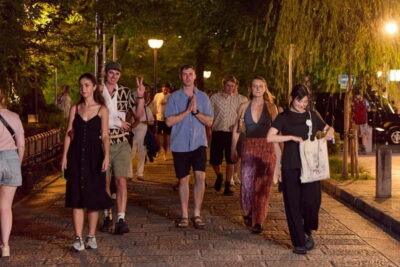
Gion Geisha District Walking Tour – Stories of Geisha
Read our review →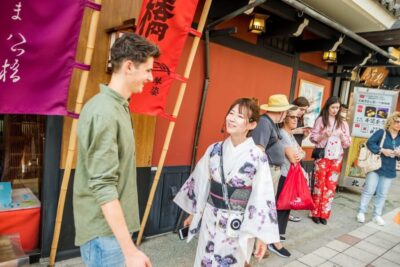
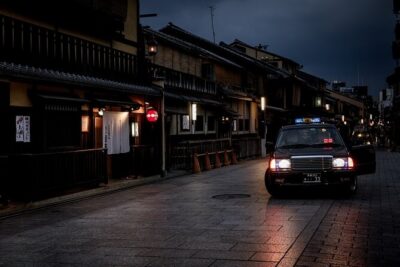
Kyoto Gion Geisha District Walking Tour – The Stories of Geisha
Read our review →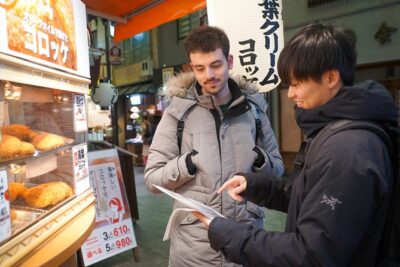
Nishiki Market Brunch Walking Tour (7 Tastings + Brunch)
Read our review →
Kyoto Arashiyama Walking Tour: Bamboo, Monkeys, Gardens & Secrets
Read our review →
Kyoto Gion: 2-Hour Geisha Culture & History Walking Tour
Read our review →Browse the lists this tour appears in