
Reviewed · NARA DAY TRIPS
Single- & multi-day Adventures within Kyoto Nara Osaka Kobe
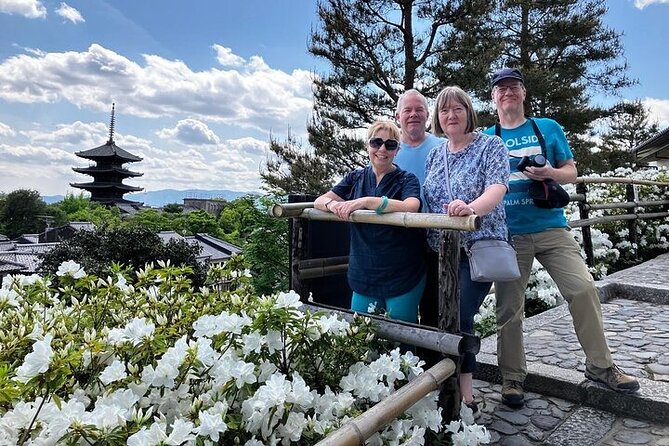
The best thing about this experience is its freedom. You can use one private vehicle to connect Kyoto, Nara, Osaka, Kobe, Himeji, Uji, or the northern Kyoto coast without changing trains or hauling bags through stations. Kevin and Chi can help shape the day, and the vehicle takes only your group of up to eight.
I like the custom itinerary, especially for families or groups with mixed interests. I also like the practical touches: onboard Wi-Fi, charging power, hotel or airport pickup, and the option to finish in a different city. The main caution is scope. The four-day plan lists far more places than most people could sensibly visit in four days, so you must agree on priorities before setting off.
Key points to know before booking
- Northern Kyoto is a full-day commitment: Amanohashidate and Ine are striking coastal destinations, but they are not quick add-ons to central Kyoto.
- You choose the pace and route: The service can run from one to four days and can include Kyoto, Nara, Osaka, Kobe, or airport transportation.
- The private car changes the experience: You avoid shared-bus schedules and can carry on to another city after sightseeing.
- Wi-Fi and charging are useful extras: The vehicle includes internet access and 100V power for phones, cameras, and laptops.
- Admission costs are mostly separate: Temples, museums, castle interiors, boat rides, observatories, and other paid sights are not covered.
- The price works best for a full group: At $385 per group for up to eight people, the per-person value improves sharply when the seats are filled.
A private road trip instead of a fixed sightseeing loop
This is best understood as a private transportation and sightseeing service rather than one rigid tour. You can book a single day or build a four-day plan, with pickup and drop-off at hotels, airports, or other agreed locations.
That matters in the Kansai region. Kyoto, Nara, Osaka, and Kobe are close enough to combine, but each has enough sights for several days. Public transport works well within the cities, yet a private vehicle is useful when you want to link a mountain, a shrine, a market, and a second city in one day.
Your group stays together, and you do not need to match the pace of strangers. If one person wants temples, another wants food, and someone else wants a scenic drive, the route can be adjusted around those interests. The trade-off is that a flexible plan needs firm decisions. Without them, you can spend too much of the day driving or trying to tick off places that deserve more time.
The advertised price is $385 per group of up to eight. That is a strong value for a large family or group, particularly when you use the car for long transfers between cities. For two people, the price is less compelling unless the convenience, privacy, and airport or intercity transfer solve a real problem.
More day trips down to Nara:
- Osaka/Kyoto:Kinkakuji,Arashiyama,FushimiInariShrine,NaraPark
★ 4.1 · 1,596 reviews - Kyoto/Osaka: Nara, Fushimi Inari Taisha, Arashiyama Bus Tour
★ 4.7 · 1,275 reviews - Osaka/Kyoto: Arashiyama, Nara & Fushimi Inari Shrine w/Lunch
★ 4.4 · 754 reviews
Day one: Kyoto classics, northern coast, and too many tempting choices
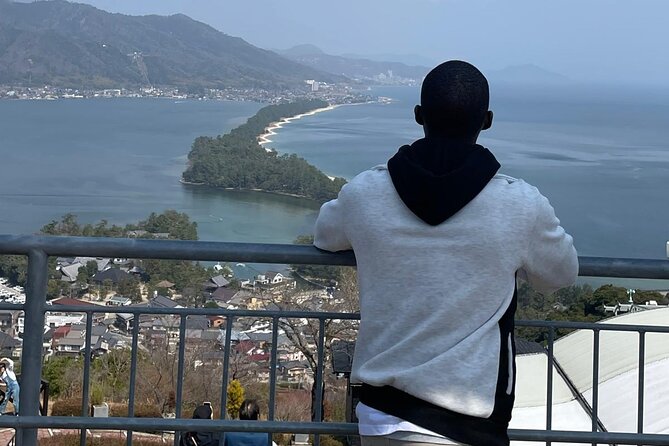
The first day combines central Kyoto with distant coastal stops. Amanohashidate is the headline. Its pine-covered sandbar crosses Miyazu Bay and is one of northern Kyoto’s best-known natural sights. Two hours gives you enough time to see the setting, but you should check which viewing areas and activities are included before committing.
Nearby Ine is a very different stop. This fishing village is known for funaya, traditional boathouses built along the bay. The setting is calm and distinctive, and a one-hour visit gives you a quick look at the waterfront. A boat ride is mentioned as part of the experience, but tickets are not included, so confirm the exact plan and cost.
The problem is distance. Amanohashidate and Ine are a poor match with a long list of central Kyoto temples on the same day. If you want the coast, give it the day it deserves. If this is your first Kyoto visit, use the private car for the city sights instead.
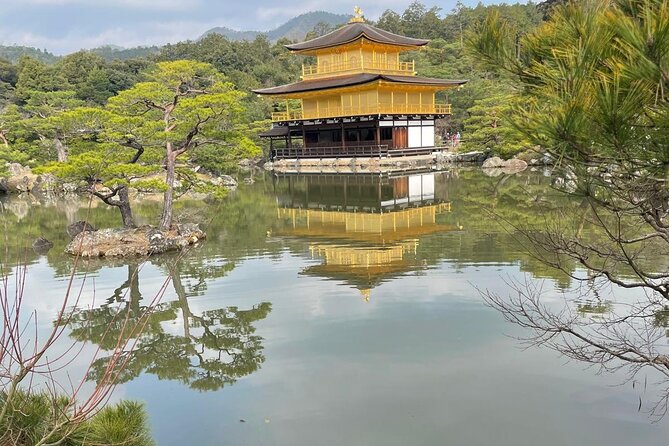
Arashiyama is a more familiar Kyoto stop, with the Togetsukyo Bridge area, temple grounds, and the famous bamboo grove nearby. Two hours is enough for a first look, though the district can feel crowded and spread out. Kinkakuji, the Golden Pavilion, is a quick 30-minute stop in the proposed schedule. Its gold-covered exterior reflected in the pond is memorable, but the visit is mostly about viewing the building from the path rather than exploring a large interior.
Nijo Castle offers a stronger historical visit. Allow an hour to see the former shogunal residence and its grounds. The castle connects directly with the political story of the Tokugawa period, and its rooms and gardens provide a useful contrast to Kyoto’s temples.
The Kyoto Imperial Palace needs about an hour. Its spacious grounds are a welcome change after compact temple lanes. Nishiki Market, known as Kyoto’s kitchen, is a good food-focused stop, but 45 minutes only gives you a taste. You may want longer if you plan to eat or browse the narrow arcade.
On Kyoto’s eastern side, Ginkakuji, or the Silver Pavilion, is less flashy than Kinkakuji but often more rewarding for its gardens and wooded setting. Nanzenji adds another layer, with temple buildings, gardens, and the large brick aqueduct nearby. These stops work well together, but traffic and walking time between them can eat into the schedule.
Gion is best treated as an evening or late-afternoon stroll, not just a photo stop. Yasaka Shrine is part of the area, and the old lanes give you a sense of Kyoto’s traditional entertainment district. Keep expectations realistic: you might see people in rented kimono, but that does not guarantee a geisha sighting.
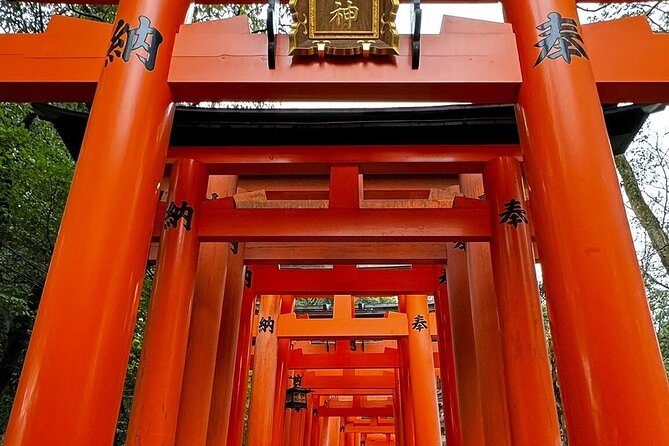
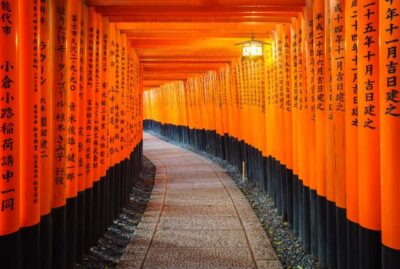
Sanjusangendo is a worthwhile interior visit for its 1,001 Kannon figures. Fushimi Inari Taisha is another essential, known for its long rows of vermilion torii gates. Thirty minutes is only enough for the entrance area and a short walk. If you want to climb farther up the mountain, plan more time.
The Hozugawa River boat ride is listed as a two-hour option. It suits you if you want scenery and an outdoor activity rather than another temple. Kyotango and Kotohiki-hama offer beaches and the unusual singing-sand shore, while the Amanohashidate Winery provides a quieter stop for wine and countryside views. These northern options should be selected in place of, not piled on top of, central Kyoto.
Day two: Osaka food, neon, and neighborhoods with character
Osaka Castle makes a sensible opening stop. The present structure is a major city symbol, while the surrounding grounds give you room to walk. The one-hour suggestion is enough for a concise visit, but admission to the interior is separate.
In Ikeda, the Cup Noodles Museum offers a playful change of pace. You can learn about instant ramen and see a recreation of Momofuku Ando’s early hut. This is a particularly useful choice for families or anyone who wants a hands-on food-related stop rather than another historic building. Admission is not included.
Minoo Park takes you outside central Osaka. The two-hour visit is aimed at greenery, walking, and a look at Ryuanji Temple. It is a better fit for a slower day and may not suit you if your main goal is shopping and street food.
The southern city sights are much more compact. Shinsekai has old Osaka character, Tsutenkaku Tower, and a distinctly retro feel. Sennichimae Doguyasuji is a specialist shopping street filled with kitchen tools, tableware, and restaurant supplies. It is more interesting than a standard souvenir arcade, especially if you enjoy Japanese cooking.
Kuromon Market is another food stop, with seafood, meat, and produce. Forty-five minutes lets you browse, but your spending is separate from the tour price. Hozenji Yokocho offers a narrow lane, stone paving, lanterns, and the small Hozenji temple. It is a pleasant contrast to Osaka’s bright commercial streets.
Dotonbori is the visual heart of an Osaka evening, with canal-side signs, street food, bars, and the famous Glico running figure. Shinsaibashi-suji continues the shopping experience under a covered arcade. If you want to sample food, shop, and take photographs, these two areas deserve more than the listed 45-minute and one-hour slots.
Sumiyoshi Taisha provides a quieter religious stop and a look at distinctive Sumiyoshi-zukuri shrine architecture. Tempozan Harbor Village offers shopping and access to the Kaiyukan aquarium, but aquarium admission is separate. Hoshi no Buranko is a suspension bridge with high views and seasonal autumn color, so it makes more sense for a nature-focused route than a central Osaka food day.
The Asahi Beer Museum adds a brewery angle, with tastings and visual displays, though tickets and any tasting arrangements are not included. Tondabayashi Jinaimachi, with preserved townhouses from the Edo period through the early Showa period, is the most unusual option on this day. The listed two-minute duration is clearly only a brief pass-through, so ask for more time if you want to walk the old streets.
Day three: Nara deer, temple scale, and tea country
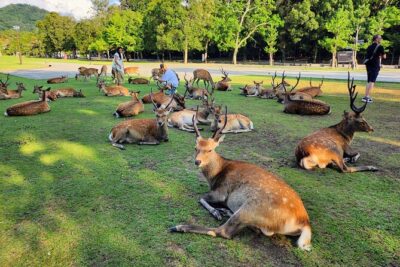
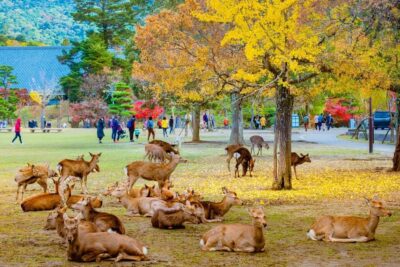
Nara Park is an easy first stop. Deer roam freely around the park, and the setting connects several major sights. Feeding the deer can be part of the experience, but use care and follow local instructions.
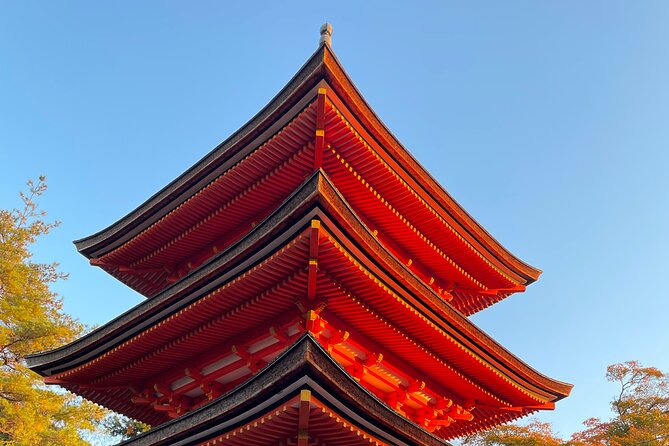
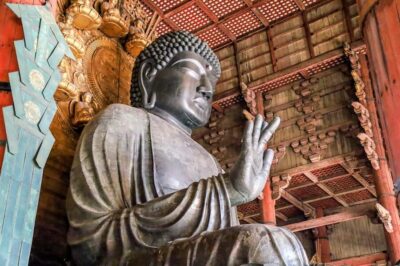
Todai-ji is the essential visit. Its giant bronze Buddha sits inside one of the world’s largest wooden buildings. One hour allows a focused look at the main hall and grounds, with admission separate.
Kofukuji adds pagodas and temple buildings near the park. Higashimuki Shopping Street is useful for lunch, sweets, and souvenirs, especially in wet weather. The arcade is also close to Nara Park, so it fits naturally into the route.
Kasuga Grand Shrine is known for its stone and bronze lanterns. A one-hour stop gives you time to walk into the shrine area, though the wooded approach can reward a slower pace. Naramachi offers a different side of Nara, with old merchant houses, small lanes, cafes, and shops.
Isuien Garden is one of the day’s quieter pleasures. Its pond, teahouse, and carefully arranged views give you a break from large temple compounds. Admission is included for Isuien in the proposed plan, while several other Nara entries list separate admission.
Uji shifts the day toward tea, river scenery, and southern Kyoto. Two hours gives you time to see the town and sample its tea culture. The route also includes Sanjodori Street in Kyoto, but combining Nara, Uji, and central Kyoto in a single day requires discipline. I would choose Nara plus Uji for a relaxed day, or Nara alone if Todai-ji, Kasuga, Naramachi, and Isuien are priorities.
More days that pair Kyoto with Osaka:
- One-Day Tour of Kyoto’s Highlights from Osaka/Kyoto
★ 4.5 · 1,092 reviews - Full Day Guided Tour to Kyoto and Nara from Osaka by Van
★ 5.0 · 420 reviews - Nara Afternoon Tour from Kyoto or Osaka
★ 4.5 · 390 reviews - Kyoto Morning Tour from Kyoto or Osaka
★ 4.0 · 281 reviews
Day four: Kobe, Himeji, and the Rokko hills
Kobe’s day begins high above the city at Mount Rokko. The mountain rises to 931 meters and offers access to gardens, viewpoints, and broad views toward Osaka Bay. The two-hour suggestion works if you want a scenic pause, but weather can affect what you see.
Nada is Kobe’s main sake district. The area benefits from suitable rice, water, and weather, and the route includes Kobe Shushinkan Brewery. You can browse sake products, eat at the restaurant, and possibly join the free warehouse tour offered once daily. Admission is not generally included, and tasting or tour timing should be checked before you arrive.
The Port of Kobe Earthquake Memorial Park gives the day serious weight. It recalls the Great Hanshin Awaji Earthquake of January 17, 1995, when more than 5,000 people died. This is not a light sightseeing stop, but it adds important context to Kobe’s modern story.
Kitano Ijinkan-gai shows the former homes of foreign merchants and diplomats who settled in Kobe after the port opened to overseas trade in 1868. Admission to individual houses is separate. Nankinmachi, Kobe’s Chinatown, is better for food and street atmosphere, while Harborland offers shops, restaurants, cinemas, and waterfront views.
Himeji Castle is the strongest reason to extend the day beyond Kobe. Its white exterior earned it the name White Heron Castle, and it was Japan’s first UNESCO World Heritage site. Koko-en Garden next door adds ponds, bridges, and carefully designed garden spaces. The listed one-hour stops are short, so decide if you want a quick exterior visit or a fuller castle experience.
Arima Onsen provides a change of rhythm with hot-spring bathing and a footbath. Rokko Garden Terrace and the Rokko-Shidare Observatory finish the day with gardens and views across Osaka Bay. As with Himeji, these are competing options. Kobe city, Himeji, Arima, and Mount Rokko cannot all receive equal attention in one day.
What the vehicle adds, and what it does not
The air-conditioned vehicle includes Wi-Fi and 100V outlets. Those details matter on long drives, especially when you are using maps, translating signs, charging cameras, or keeping children occupied. There is no restroom onboard, so plan breaks around temples, markets, stations, and other stops.
Pickup and drop-off can be arranged at hotels, airports, and other locations. The one-day option can begin in one city and end in another, which is useful if you are moving from Kyoto to Osaka or arranging an airport connection. Private transportation also means you can leave purchases in the vehicle rather than carry them all day.
The service is private, so only your group takes part. Most people can participate, and service animals are allowed. Since entry fees are not included, add the cost of castles, museums, temples, boat rides, observatories, and other ticketed stops when comparing the total price.
Cancellation is free up to 24 hours before the start time. Inside that window, the payment is not refunded and changes are not accepted.
Who should book this Kyoto and Kansai tour?
I would choose this for a family, older group, or party of friends that values door-to-door transport and wants to combine several cities. It is also a good fit if you have a long wish list but do not want to build every transfer yourself.
The strongest use is a carefully planned one or two-day route. A Kyoto temples day, an Osaka food day, a Nara and Uji day, or a Kobe and Himeji day will feel far better than trying to collect every listed stop.
The overall rating is 4.8 from 16 ratings, with 94 percent recommending the experience. Kevin and Chi received especially warm attention for flexible planning and frequent communication, though one unhappy booking involved a dispute over a canceled second day and a late pickup. That contrast is useful: confirm pickup time, cancellation terms, daily route, and admission costs in writing before you go.
Should you book it?
Book it if you want a private car, flexible routing, and a practical way to connect Kyoto, Nara, Osaka, and Kobe. The $385 group price can be excellent for up to eight people, but it is less attractive for a couple on a short city break.
I would not book it as a promise to see everything listed. Choose a small number of priorities, allow time for traffic and walking, and decide whether your day is about temples, food, coast, mountains, or city neighborhoods. With that approach, the service gives you convenience without taking away your control.
FAQ
How long can I book the private tour?
You can book the experience for one to four days, depending on your plans.
Which cities can the tour cover?
The service can include Kyoto, Nara, Osaka, and Kobe. It also lists destinations such as Uji, Himeji, Amanohashidate, Ine, and Kyotango.
How many people can join the private vehicle?
The price is listed per group for up to eight people, and only your group participates.
Is pickup and drop-off included?
Yes. Pickup and drop-off can be arranged at hotels, airports, and other locations you specify. The one-day option can begin in one city and end in another.
Are attraction admission fees included?
No. Admission fees and sightseeing tickets are not included. This applies to many temples, museums, castles, boat rides, observatories, and other paid attractions.
Does the vehicle have Wi-Fi and charging power?
Yes. The vehicle has Wi-Fi and 100V AC power for charging devices such as phones, cameras, and laptops. There is no restroom onboard.
Newest Kyoto experiences on the site
- Treasures of Kyoto: Gion & historical Walking Tour★ 5.0 · 6 reviews
- Whisk Your Own Matcha: A Zen Matcha Experience at Temple★ 3.6 · 7 reviews
- Kyoto tea town for matcha lovers★ 5.0 · 16 reviews
- Uji: Private immersion into Kyoto’s tea and reglious culture★ 5.0 · 17 reviews
- Kyoto Matcha Green Tea Tour★ 4.5 · 23 reviews
- Uji and Wazuka Matcha Farm Half Day Private Guided Tour★ 5.0 · 21 reviews
- Utilising upcycled Matcha! Creating matcha incense (Uji, Kyoto)★ 5.0 · 6 reviews
- Sacred Temple Yoga Experience in Japan★ 5.0 · 3 reviews
Nara Day Trips, compared.
Kinkakuji,Arashiyama,FushimiInariShrine,NaraPark
Read our review →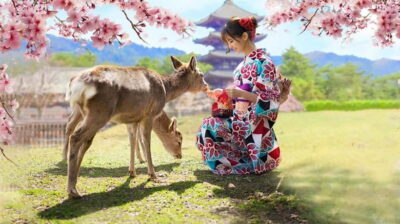
Nara, Fushimi Inari Taisha, Arashiyama Bus Tour
Read our review →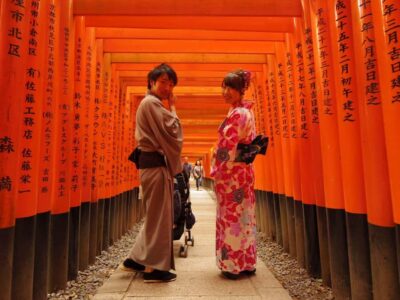
Arashiyama, Nara & Fushimi Inari Shrine w/Lunch
Read our review →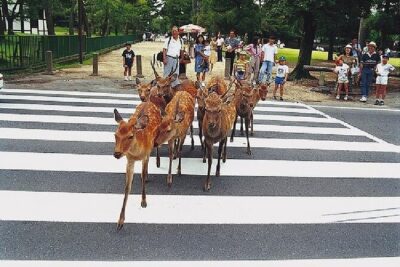
Full Day Guided Tour to Kyoto and Nara from Osaka by Van
Read our review →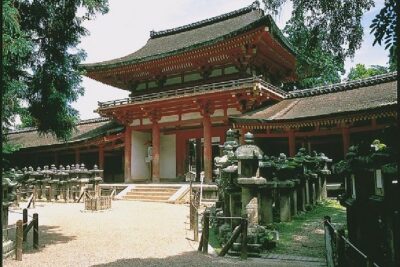
Browse the lists this tour appears in