Reviewed · GUIDED
Kyoto Japanese Garden Lover’s Private Tour with Government-Licensed Guide
Kyoto’s gardens reward slow looking, but the city’s best examples are scattered across town. This six-hour private tour lets you choose three or four sites, then adds a licensed guide who can explain why a moss garden, stone arrangement, pond, or clipped pine matters. It is a practical way to turn a long list of famous places into a route that fits your interests.
I like the freedom to request changes, something Kaeko and Shun have handled well. I also like the range of choices, from the famous Golden Pavilion and Ryoanji’s rock garden to quieter spots such as Honen-in and Taizo-in. The catch is cost: at $153.11 per person, you still pay for transport, meals, and most entrance tickets.
Key points at a glance
- Choose three or four sites: Build your day from 18 Kyoto temples, gardens, imperial properties, and Arashiyama sights.
- Meet a government-licensed guide: The National Government Licensed Guide Interpreter credential requires strong knowledge of Japanese culture and history.
- Private, not vehicle-based: Only your group joins, but pickup means meeting on foot in a designated Kyoto area.
- Expect extra costs: Transportation, admission fees, lunch, and personal expenses are not included.
- Great flexibility: Guides such as Kaeko and Shun have accommodated late location changes and shifting plans.
- Plan for distance: Combining northern Kyoto, eastern Kyoto, Arashiyama, or Uji in one day can make transport a major part of the outing.
Why a private garden day can work in Kyoto
A standard sightseeing day in Kyoto can feel like a race between famous temples. This tour gives you a different tool: choose the gardens that fit your taste, then let a guide connect them with cultural context.
You might focus on Zen gardens, which use rocks, gravel, moss, and spare design to suggest mountains, water, or stillness. Or you might prefer imperial villas, where garden paths, borrowed views, tea rooms, and carefully framed scenes show a more refined style.
The choice matters because Kyoto offers very different kinds of beauty. Kinkakuji is polished and instantly recognizable. Honen-in is subdued and woodland-like. Ryoanji is spare and puzzling. Katsura Imperial Villa is precise and architectural. Three or four stops can give you a useful contrast, while trying to see all 18 options would be impossible in six hours.
The guide is a major part of the value. A licensed interpreter can explain customs, religious ideas, and historical background without leaving you to guess why a particular garden looks the way it does. You can also ask questions as you go, rather than receiving a fixed speech at each stop.
A few more Kyoto tours worth putting on the shortlist
- PERFECT KYOTO 1-Day Bus Tour
★ 5.0 · 13,518 reviews - Kyoto: Fushimi Inari, Kinkakuji, Bamboo Grove 1 Day Bus Tour
★ 4.8 · 4,316 reviews - Kyoto: Tea Ceremony in a Traditional Tea House in Kiyomizu
★ 4.9 · 3,519 reviews
Building the right three or four-stop route
The best plan is not simply the four most famous names. It is a route with a clear geographic shape. Northern Kyoto options pair more naturally with one another. Eastern Kyoto works well as another cluster. Arashiyama and Uji require special planning because each sits away from several central Kyoto sights.
A sensible conversation with the guide should cover:
- Which gardens matter most to you
- How much walking you want
- Whether you prefer Zen gardens, moss, ponds, imperial sites, or seasonal plants
- Which famous Kyoto sight you would like to add
- How much time you are willing to spend moving between areas
The tour information says you may also select another famous Kyoto site, not only a garden. That is useful if one person in your group loves gardens while another wants a major temple or landmark.
Be realistic about the six-hour limit. The advertised stops are presented in short blocks of roughly 20 minutes, with 30 minutes suggested for some Arashiyama gardens. In real use, transport, entrances, photographs, questions, and pauses can quickly consume the day. Three well-chosen places will usually be more satisfying than four distant ones.
Golden Pavilion and Silver Pavilion: famous for good reason
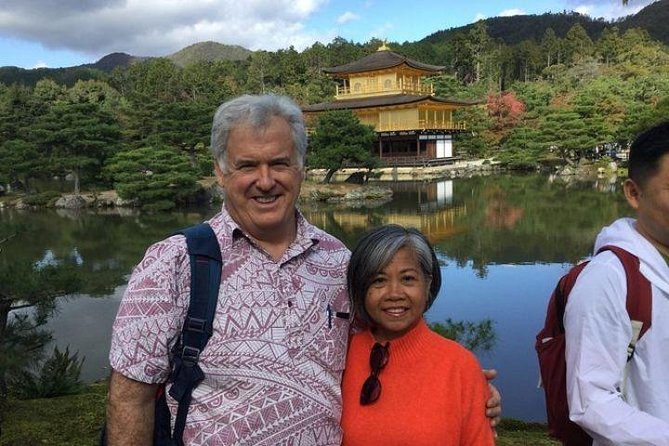
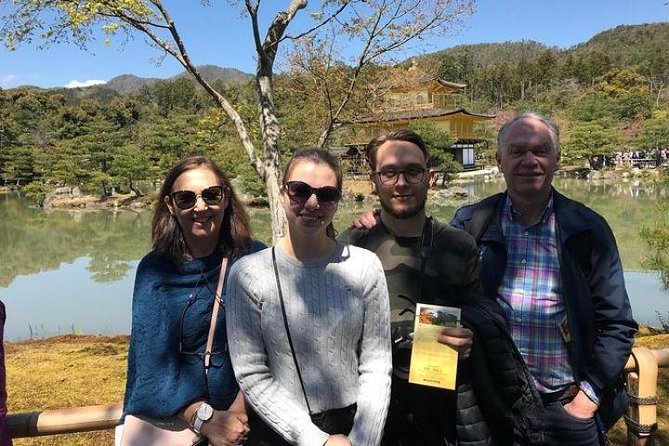
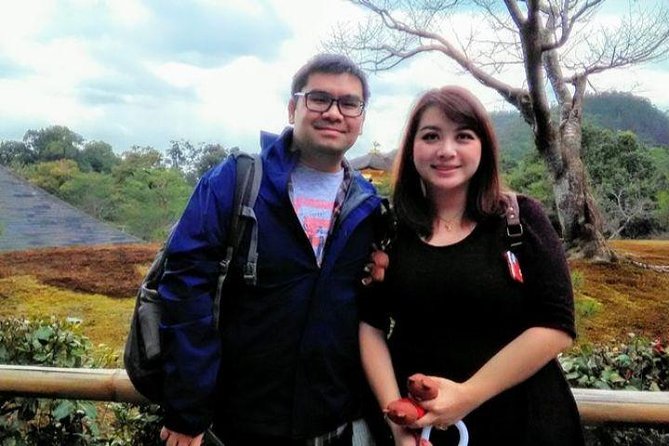
Kinkakuji, formally Rokuonji, is the northern Kyoto temple whose upper two floors are covered in gold leaf. Its reflection across the pond gives you the classic Kyoto image, but the setting also shows how a garden can frame a building as carefully as a painting frames its subject.
The planned visit is about 20 minutes, and admission is separate. That is enough for a focused look, though not a long temple visit. Crowds can affect the pace at famous sites, so ask the guide how Kinkakuji fits with your other choices before making it the anchor of the day.
Ginkakuji, or the Silver Pavilion, offers a quieter contrast in eastern Kyoto. Although the building was never covered in silver, the former retirement villa of shogun Ashikaga Yoshimasa is associated with a more restrained aesthetic. Its garden combines open areas, moss, and carefully arranged features.
Choosing both pavilions gives you a useful comparison between glittering display and controlled simplicity. Choosing both also creates a cross-city route, so transportation planning becomes important. If you want more time for gardens and less time in transit, select one pavilion and pair it with nearby eastern Kyoto sites.
Honen-in and Nanzenji: quiet details in Higashiyama
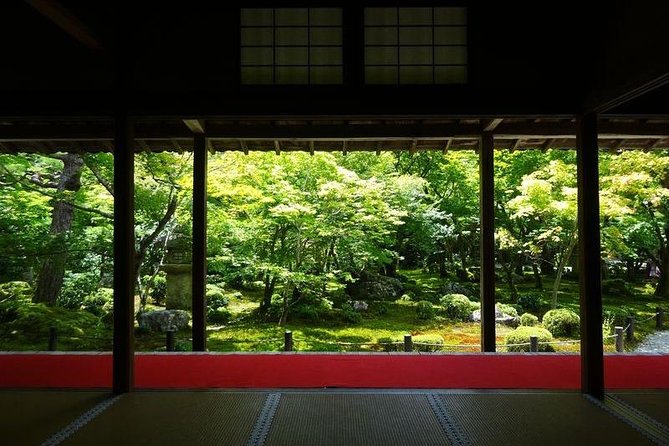
Honen-in begins with a scenic approach and a moss-covered gate. That entrance sets a slower mood before you reach the sand mounds and garden features inside. It is a good choice if you prefer atmosphere, trees, and subtle details over a grand architectural centerpiece.
The suggested 20-minute visit is brief. You can see the main character of the place in that time, but you should not expect an extended meditation session or a long walk. Its appeal lies in the transition from street to wooded temple grounds.
Nanzenji is one of Kyoto’s major Zen temples, set near the forested Higashiyama mountains. The grounds are spacious, and Nanzenji Suirokaku refers to the famous red-brick aqueduct that crosses part of the temple area. This stop gives you a mix of religious architecture, open grounds, and an unusual piece of Meiji-era engineering.
Nanzenji works well with Ginkakuji and Honen-in because the eastern Kyoto route can be shaped around nearby sites. It is less efficient to pair it with Arashiyama or Uji unless one of those places is a firm priority.
Same city, a completely different kind of day:
- Kyoto Geisha Walking Tour: Gion District & Hidden Gems
★ 4.7 · 3,273 reviews - Kyoto: Tea Ceremony Ju-An at Jotokuji Temple
★ 4.9 · 3,207 reviews - Kyoto: Gion Magical Night Walking Tour with Geisha Trivia
★ 4.9 · 2,393 reviews - Kyoto: 45-Minute Tea Ceremony Lesson Experience
★ 4.3 · 2,378 reviews
Tofukuji and the imperial sites
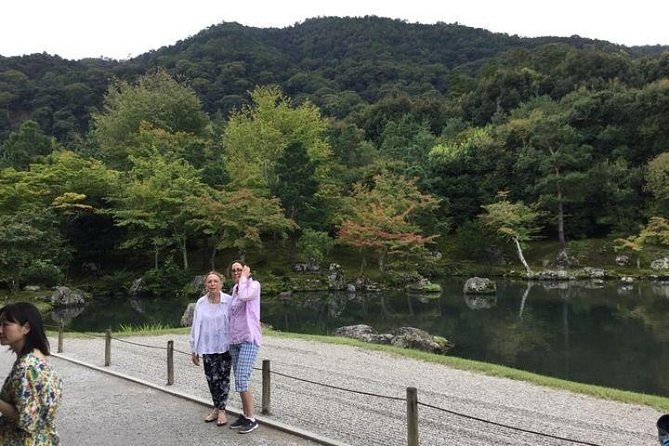
Tofukuji in southeastern Kyoto is especially known for autumn color. The large Zen temple has extensive grounds and a strong seasonal reputation, but its appeal is not limited to fall. The temple’s scale gives you a sense of how large a major Zen complex can be.
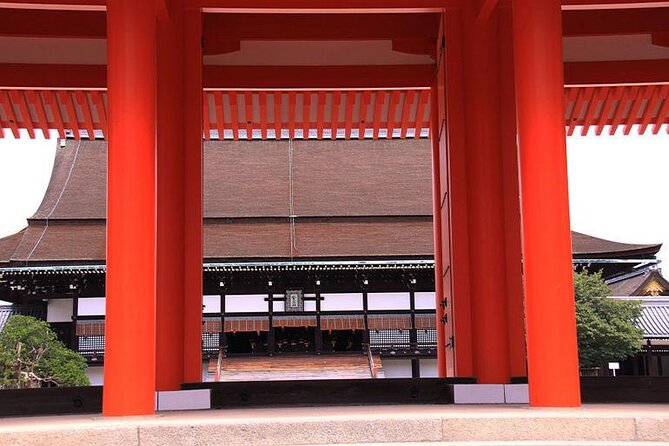
The Kyoto Imperial Palace offers a different kind of garden experience. It was the residence of Japan’s Imperial Family until 1868, when the capital moved to Tokyo. The spacious grounds and formal setting provide a useful contrast to smaller temple compounds.
Shugakuin Imperial Villa is a special choice for visitors who want a highly controlled garden setting. Built in the 17th century by Emperor Gomizuno, it includes Upper, Middle, and Lower Villas and is managed by the Imperial Household Agency. Because it is farther from many central sites and has a more formal character, ask the guide about access and timing before selecting it.
Katsura Imperial Villa is another major option. Its present form was completed in 1645, and it is widely valued for the relationship between its buildings and garden. Paths, views, and architectural details are central to the experience. If you care about garden design rather than simply checking off famous temples, Katsura may deserve one of your limited slots.
Ryoanji, Taizo-in, Daitokuji, and Kenninji
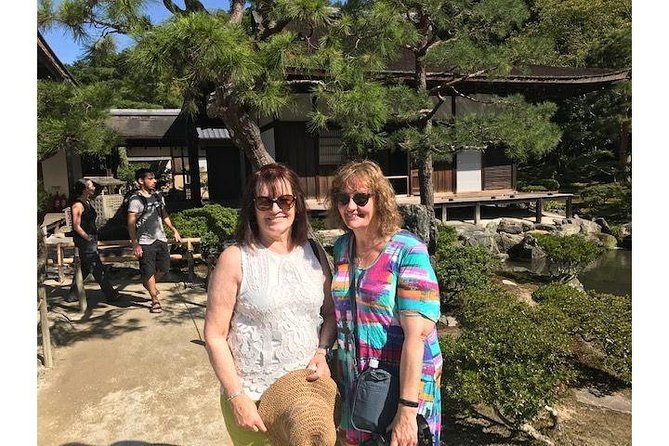
Ryoanji contains Japan’s most famous rock garden. Fifteen stones sit within a field of gravel, though the arrangement means that not all are visible from every angle. The spare design gives your guide plenty to discuss, but the visit is also personal: you may find the garden calming, puzzling, or simply difficult to read at first.
Give Ryoanji time beyond a quick photograph. Its central garden can be understood in seconds as an image, but longer viewing helps you notice the surrounding wall, gravel, and relationship between emptiness and stone. Admission is not included.
Taizo-in is a subtemple of Myoshinji in northwest Kyoto, known for a garden recommended in every season. It can be a smart alternative to Ryoanji if you want a less iconic but more intimate stop. One especially useful detail from the tour’s operation is that a guide may time your visit carefully. Kaeko described having Taizo-in nearly empty before another group arrived, a reminder that timing can change the feel of a garden.
Daitokuji is a large Zen complex that feels like a collection of temples within a temple. Its many subtemples and meditative gardens make it valuable for understanding different approaches to Zen design. Because not every part of a temple complex works the same way for casual sightseeing, a guide adds real value here.
Kenninji lies close to Hanamikoji and Shijo streets, yet its grounds provide a change of pace. The temple includes two dry gardens and is an easy option if you want to combine garden viewing with central Kyoto. The listed stop is only one minute, so treat that figure as a sign to confirm the intended visit length before booking your final route.
Arashiyama: bridge, bamboo, and moss
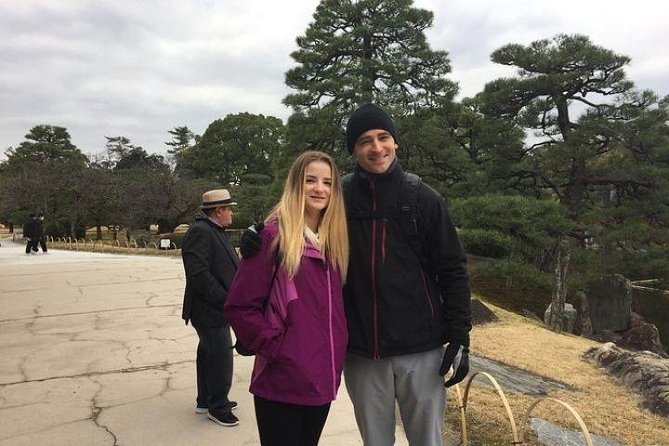
Arashiyama can fill an entire day on its own. Togetsukyo Bridge is the area’s best-known landmark, with the name Moon Crossing Bridge and a history reaching back to the Heian period. The bridge is free to view, and the river setting makes it a natural orientation point.
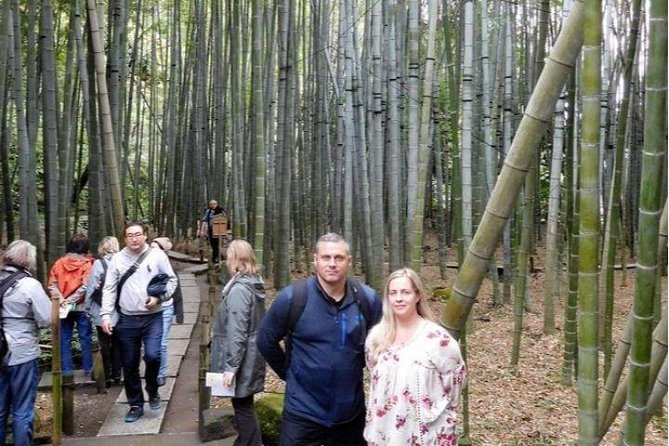
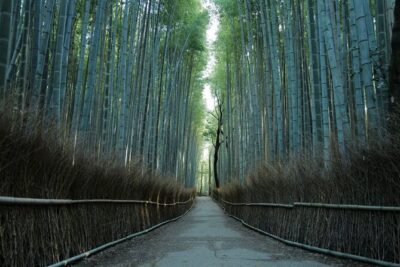
The Bamboo Forest Street offers a walk through tall bamboo groves. It is free, but the path is a public attraction rather than a private garden, so the pace and atmosphere may vary. A guide can help you fit it into the day, but you should not assume a short stop will provide a long, quiet walk.
Okochi Sanso Garden sits beyond the bamboo groves and was the former villa of actor Okochi Denjiro. The property includes several gardens and buildings, with a 30-minute visit suggested. This is a good choice if you want a cultivated garden with a personal story, not only a major religious site. Admission is separate.
Gioji is known for moss under tall maple trees. Its thatched entrance gate and small main hall give it a softer, more woodland feel than the grander temples. The suggested visit is 30 minutes, which is useful because moss gardens reward careful looking rather than a quick pass.
Arashiyama pairs naturally with Okochi Sanso, Gioji, Togetsukyo Bridge, and the Bamboo Forest Street. Trying to combine all of Arashiyama with Kinkakuji, Katsura, and Uji would make for a tiring day with too much time spent moving.
Kyoto Botanical Garden and Byodoin in Uji
The Kyoto Botanical Garden is one of the most affordable choices on the list, with seasonal plants and broad grounds. It offers a change from temple gardens, especially if you want living plant displays rather than gravel, stone, and moss. A 30-minute stop gives you an introduction, but the garden could reward more time if plants are your main interest.
Byodoin Temple is in Uji, outside central Kyoto, so extra travel time is expected. Its Phoenix Hall is a National Treasure and part of a UNESCO World Heritage Site. The building appears on the Japanese 10-yen coin, which gives the site a familiar place in Japanese daily life as well as historical importance.
The listed visit is only 10 minutes, so confirm exactly what the guide intends to cover. Uji is worth choosing when Phoenix Hall is a top priority, not as a casual add-on to a packed northern Kyoto route. The additional travel can be worthwhile, but only if you accept that another garden may need to be dropped.
What the $153.11 price really buys
The price is $153.11 per person, with group discounts available. For a private six-hour tour, the main purchase is not admission or transportation. It is the guide’s time, planning, language help, and ability to adjust the day for your group.
That value improves when several people share the tour and care about the subject. A garden-focused couple may appreciate the specialist attention, while a larger group can spread the per-person guide cost. The price is harder to justify if you only want a quick introduction to one famous temple.
Budget separately for train, bus, subway, or other transportation, all admission fees, lunch, and personal expenses. There is no private vehicle. Pickup is offered on foot within a designated Kyoto area, so clarify the meeting point and route before the day begins.
The tour has a 4.6 rating from 10 reviews, with 90 percent recommended. Kaeko and Shun are named as guides who have handled flexible plans well. Shun also managed several itinerary changes during a rainy day, while Kaeko accommodated a late location change. That flexibility is one of the strongest reasons to choose a private format.
Who should book this private garden tour
I would choose this tour if you have specific garden interests, want cultural explanation, or are visiting Kyoto for the first time and need help shaping a realistic day. It also suits repeat visitors who have already seen the Golden Pavilion and want less obvious choices such as Taizo-in, Honen-in, or Daitokuji.
It is less suitable if you want a fully escorted vehicle tour, a fixed all-inclusive price, or a relaxed pace with no concern about distance. You need to be comfortable walking and using public transportation, and most participants can take part according to the tour information.
You can cancel for a full refund up to 24 hours before the start time. Changes or cancellations inside that window are not accepted, so finalize your route early enough to avoid a costly change of mind.
Final call: book it for choice, not convenience
Book this tour if the garden itself is the reason you are visiting Kyoto. The private format, licensed guide, and broad selection let you compare moss, gravel, ponds, imperial grounds, bamboo, and seasonal plants in a way a standard highlights tour cannot.
Before booking, make a short list of three must-see places and two backups. Group them by area, ask about transport time, and confirm which admission fees you will pay. If you do that homework, the $153.11 price can be fair for focused guidance and a day shaped around your interests. If you simply want the easiest way to see Kyoto’s biggest sights, a less specialized tour may suit you better.
FAQ
How long does the Kyoto garden tour last?
The tour lasts approximately six hours.
How many places can I choose?
The tour includes a customizable walking plan featuring three or four sites from the listed choices.
Can I choose sites other than gardens?
Yes. In addition to the gardens and temple sites, you may choose another famous Kyoto site for your private plan.
Is transportation included?
No. Transportation fees are not included, and the tour does not provide a private vehicle. Pickup means meeting the guide on foot within a designated area of Kyoto.
Are entrance tickets included?
Admission tickets are not generally included. Guide entry fees are covered only for sights listed under the tour’s included expectations, so you should confirm the details for your selected sites.
Is this a private tour?
Yes. Only your group participates, and multiple separate tour groups cannot be combined.
Can I cancel for a full refund?
Yes, if you cancel at least 24 hours before the experience start time. Cancellations or changes made less than 24 hours before the start time are not accepted for a refund.
Newest Kyoto experiences on the site
- Treasures of Kyoto: Gion & historical Walking Tour★ 5.0 · 6 reviews
- Whisk Your Own Matcha: A Zen Matcha Experience at Temple★ 3.6 · 7 reviews
- Kyoto tea town for matcha lovers★ 5.0 · 16 reviews
- Uji: Private immersion into Kyoto’s tea and reglious culture★ 5.0 · 17 reviews
- Kyoto Matcha Green Tea Tour★ 4.5 · 23 reviews
- Uji and Wazuka Matcha Farm Half Day Private Guided Tour★ 5.0 · 21 reviews
- Utilising upcycled Matcha! Creating matcha incense (Uji, Kyoto)★ 5.0 · 6 reviews
- Sacred Temple Yoga Experience in Japan★ 5.0 · 3 reviews
Guided, compared.
Kyoto Early Morning Tour with English-Speaking Guide
Read our review →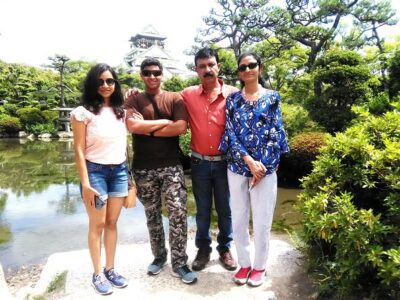
Kyoto 6hr Private Tour with Government-Licensed Guide
Read our review →Early Morning Tour with English-Speaking Guide
Read our review →
Nijo-jo Castle and Ninomaru Palace Guided Tour
Read our review →
Kyoto Gion Night Walk & Geisha District Guided Tour
Read our review →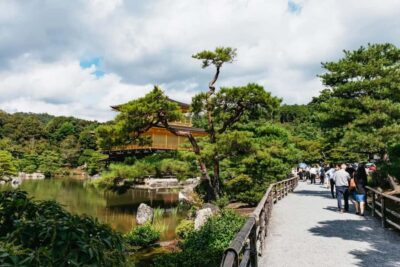
Nijo Castle, Kiyomizu & Fushimi Inari Guided Tour
Read our review →