
Reviewed · GION DISTRICT TOURS
Kyoto: Gion and Geisha District Walking Tour
Gion is not just a pretty set of lantern-lit lanes. It is a working district shaped by tea houses, shrine traditions, samurai history, and the world of geiko and maiko. This two-hour walk gives you the local context that can be easy to miss when you explore on your own. I especially like the small group of up to 10 people and the way the route links Gion with nearby Higashiyama sights.
I also like the practical help. Your guide can point out places where you might spot geisha and explain what you are seeing, rather than leaving you to guess. Guides such as Amy, Maria, Sam, and Shin have been singled out for clear English, thoughtful pacing, and strong storytelling. The main drawback is that this is a walking tour with several outdoor stops, and the schedule leaves limited time at each place. It is also important to understand that geisha sightings are not guaranteed.
Key points at a glance

- Small group capped at 10: You get a more personal walk than on a large city tour, with room for questions and photography stops.
- Gion plus Higashiyama: The route covers Yasaka Shrine, Maruyama Park, Nene-no-Michi, Ninenzaka, Yasui-Konpiragu, and Hanamikoji Street.
- Geiko culture explained clearly: Expect background on tea houses, maiko training, traditional entertainment, and places where you might spot geisha.
- Free sights, useful interpretation: The admission cost is included because the stops are free, but the guide supplies the context that makes them meaningful.
- A good Kyoto orientation: You get practical suggestions for the rest of your visit, along with stories about samurai and local customs.
- Two hours, starting and ending in Gion: Meet at the Starbucks inside the Kyoto Gion Hotel and return there at the end.
Why Gion makes a good first Kyoto walk
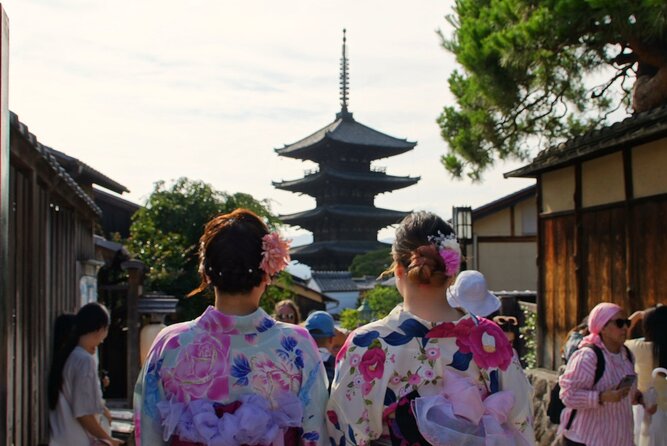
Gion can look simple at first glance: wooden townhouses, narrow streets, stone paths, and paper lanterns. The trick is understanding what those buildings and lanes were built for. This was, and remains, a district connected with traditional entertainment, tea houses, religious sites, and Kyoto’s old merchant culture.
A guide helps you read those details. Instead of seeing only a handsome facade, you can learn how the area relates to geiko and maiko, why certain lanes are treated with care, and how Kyoto’s older customs fit into life today. The route also reaches beyond Gion proper, so you get a broader look at the Higashiyama area.
That mix is the tour’s strongest feature. You are not spending two hours on geisha folklore alone. You are also walking through shrines, a park, preserved streets, and a site tied to samurai-era Kyoto. I would choose this tour early in a Kyoto visit because it helps you recognize places and customs later in the trip.
More ways to walk Gion:
- Kyoto Geisha Walking Tour: Gion District & Hidden Gems
★ 4.7 · 3,273 reviews - Kyoto: Gion Magical Night Walking Tour with Geisha Trivia
★ 4.9 · 2,393 reviews - Kyoto: Gion Geisha District Walking Tour – Stories of Geisha
★ 4.7 · 2,187 reviews
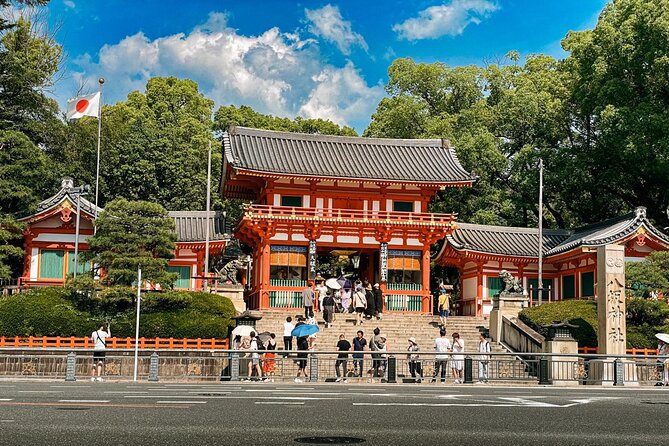
Starting at Yasaka Shrine
The meeting point is Starbucks Coffee at the Kyoto Gion Hotel, at 555 Gionmachi Minamigawa. From there, the first major stop is Yasaka Shrine, a Shinto sanctuary between Gion and Higashiyama.
You can expect about 20 minutes here. The shrine is known for its vermilion gate, lanterns, and paths used for worship. It is an especially useful opening stop because it gives you a clear sense of how religious life and entertainment districts sit close together in Kyoto.
Your guide can explain shrine customs and the role of Yasaka in the surrounding neighborhood. The stop is free, so there is no separate admission charge. Since the route is short and the shrine can have plenty of activity, do not expect a long private visit. The value comes from learning what to notice and how the site connects with the streets beyond it.
Maruyama Park and Kyoto’s seasonal traditions
From Yasaka Shrine, the walk continues to Maruyama Park, Kyoto’s oldest public park. The planned stop is about 10 minutes, so this is a brief pause rather than a long garden visit.
The park is especially noted for seasonal beauty and its famous weeping cherry trees. Guides use this setting to talk about seasonal celebrations and Japanese cultural traditions. That is useful because Kyoto’s appeal changes greatly with the time of year, and the guide can give the scenery a stronger cultural frame.
Ten minutes is enough to look around and hear an explanation, but not enough for a leisurely park stroll. If Maruyama Park is high on your personal list, you may want to return later on your own. On the tour, think of it as a calm transition between the shrine and the old streets of Higashiyama.
Nene-no-Michi and the old samurai quarter
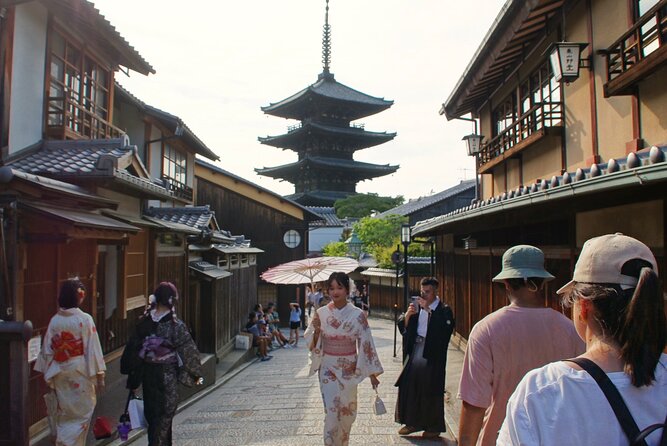
Nene-no-Michi is a picturesque lane named for Nene, the wife of samurai warlord Toyotomi Hideyoshi. The planned stop lasts about 10 minutes and focuses on preserved architecture, small shops, and tea houses.
This is one of the places where a guide adds real value. The lane is attractive enough to photograph, but its name and connections to Kyoto’s samurai past give it more weight. You can ask questions about the people linked to the area and hear how the street fits into the larger story of old Kyoto.
The drawback is that short stops can feel brisk if you want lots of photographs. I would keep your camera ready and avoid expecting a long shopping break. The point here is to understand the character of the lane, not to browse every shop.
More geisha and maiko evenings in Kyoto:
- Best of Kyoto: Gion, Geisha, Pagodas & Cobblestones
★ 4.9 · 2,058 reviews - Night Walk in Gion: Kyoto’s Geisha District
★ 4.5 · 2,003 reviews - Kyoto Gion Geisha District Walking Tour – The Stories of Geisha
★ 5.0 · 1,441 reviews - Kyoto Gion: 2-Hour Geisha Culture & History Walking Tour
★ 5.0 · 1,186 reviews
Ninenzaka and the classic Kyoto streetscape
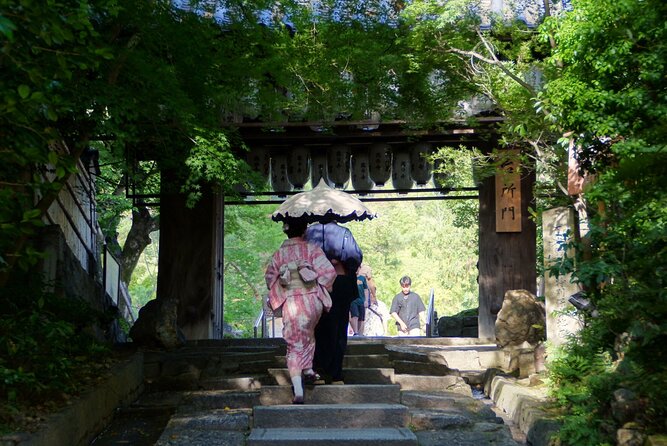
The tour then reaches the Ninenzaka and Sannenzaka area, with about 15 minutes set aside for this part of the walk. These stone-paved slopes are lined with wooden buildings, small shops, and artisan businesses.
This is likely to be one of the most visually memorable sections. The preserved streets give you the old Kyoto scene many people hope to find, but the area can also be busy. A guide helps you look beyond the obvious photo spots, pointing out architectural details and explaining how the streets would have felt in earlier times.
Because the path slopes downhill and is paved with stone, wear comfortable shoes. The route is not presented as a difficult hike, and most people can take part, but you are still on foot for roughly two hours. The 15-minute stop is enough for an introduction and some photographs. It is not a full shopping session or an extended visit to every side street.
Yasui-Konpiragu and the Power Stone
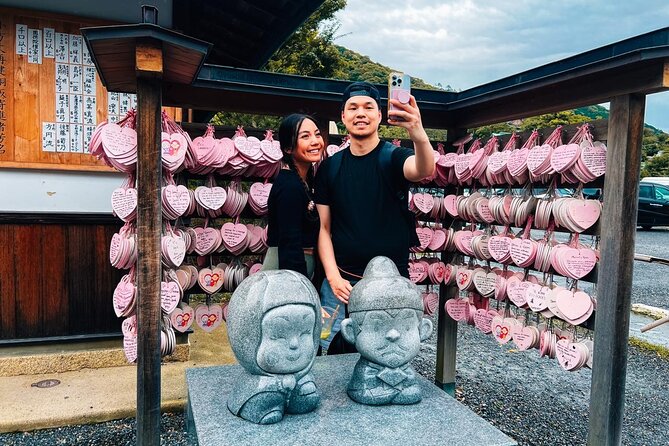
Yasui-Konpiragu is a smaller shrine with a very different mood. Its main feature is the Power Stone archway. People crawl through it while praying for strong relationships or for help breaking ties with the past.
The planned visit lasts around 10 minutes. This is a memorable stop because the ritual is physical and easy to understand, even if you know little about Japanese shrine customs. The guide can explain how the tradition works and why it still feels relevant to people today.
This stop also adds some humor to the walk. The custom is more unusual than simply passing through a shrine gate, and the explanation can make an ancient practice feel immediate rather than distant. If you have mobility concerns, keep in mind that the stated ritual involves crawling through the archway. The tour information says most people can participate, but it does not promise that every part of the shrine ritual will suit every person.
Hanamikoji Street and the heart of Gion
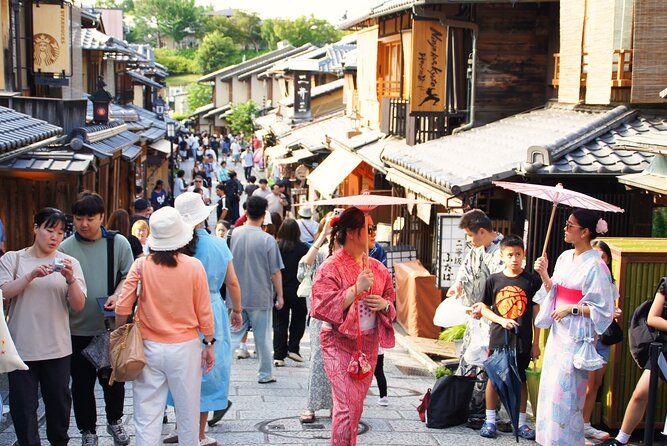
Hanamikoji Street is the final named stop and the clearest expression of the tour’s Gion focus. The street is lined with preserved machiya townhouses, traditional tea houses, and softly lit lanterns.
The visit is planned for about 15 minutes. Here, the guide can explain the world of geiko and maiko, traditional entertainment customs, tea ceremonies, and the meaning of the district’s wooden architecture. You also get tips about places where you might spot geisha during your own time in Kyoto.
Do not book this tour expecting a staged performance or a guaranteed geisha encounter. It is a cultural walk through the district, not a show. The best part is learning how to see Hanamikoji with more care and understanding.
The evening can be especially atmospheric. One guide-led departure was praised for showing how special Gion feels at night, when lanterns give the streets a quieter, more distinctive character. Still, the tour information does not state that every departure is at night, so check your selected start time before booking.
What the guides add to the experience
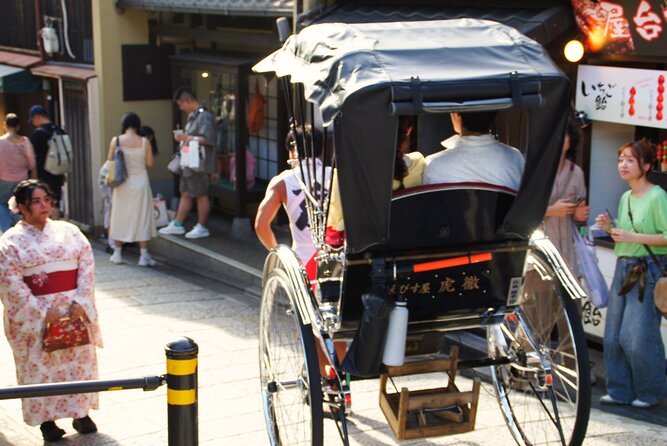
The guide is the main reason to book this walk instead of simply downloading a map and visiting the same places independently. The stops themselves are free, but the explanations connect them.
Several guides have been highlighted for different strengths. Amy is known for making history and culture easy to follow, with an energetic style that keeps the two hours moving. Maria has been praised for staying organized, communicating before the walk, and adjusting the route toward shade during hot weather. Sam, Shin, and Tim have also been noted for clear English, friendly conversation, and strong background on Gion.
Guide assignments can change, so you should not book on the assumption that one particular person will lead your departure. Still, the range of guide comments suggests that the operator has several people who can handle the subject well.
The best guides on this kind of walk do not treat geisha culture as a costume show. They explain the people, training, traditions, and working world behind the terms geiko and maiko. That difference matters. It makes the visit more respectful and gives you a better sense of why Gion is a living district rather than a museum set.
What two hours really gets you
The walk lasts about two hours, with the listed stops adding up to roughly 80 minutes. The remaining time is used for walking between locations, transitions, and explanations along the route.
That length works well if you want a focused introduction. You see six distinct places without giving up half a day. You also finish back at the original meeting point, which makes it easier to continue with dinner or another Kyoto activity.
The tradeoff is pace. You will not have unlimited time at Yasaka Shrine, Maruyama Park, Nene-no-Michi, Ninenzaka, Yasui-Konpiragu, and Hanamikoji Street. If you want to linger, shop, or photograph every lane, plan a return visit.
I would schedule this walk near the start of your Kyoto stay. Afterward, you can revisit the streets that caught your attention, use the guide’s suggestions, and recognize the difference between a shrine, a tea house district, and a preserved residential street.
Is the $22.55 price good value?
At $22.55 per person, this is a low-cost guided introduction to one of Kyoto’s most culturally important areas. You are not paying for expensive admissions, since the listed sights are free. You are paying for an English-speaking guide, a small group, route planning, and interpretation.
That is good value if you would otherwise walk through Gion without understanding what you were seeing. The guide can save you time, explain local customs, and give you practical ideas for the rest of your visit. A private guide would cost much more, while a large group could feel less personal.
The value is weaker if you already know Gion well or prefer to wander silently at your own pace. You may also want more time at each stop than this tour allows. For most first-time visitors, though, the price is reasonable because the cultural explanation is the central product.
Tips are optional and not included. You receive a mobile ticket, and confirmation comes when you book. Free cancellation is available if you cancel at least 24 hours before the start time. Within 24 hours, the amount paid is not refunded, and late changes are not accepted.
Who should book this Gion walk?
I would recommend it to first-time visitors who want a short, structured introduction to Gion and Higashiyama. It suits people who enjoy history, architecture, local customs, and stories more than shopping or entertainment.
It is also a good choice if you are curious about geisha culture but want a grounded explanation rather than a theatrical presentation. The small group makes it easier to ask questions, and the route includes several places you could easily pass without understanding.
Families and older visitors should consider the walking pace, stone streets, and sloped sections. The tour information says most people can participate, but it does not describe special accessibility arrangements. Hot weather can also matter, although a guide may try to use shade when possible.
Should you book it?
Book this tour if you want clear cultural context in two efficient hours, especially early in your Kyoto visit. The combination of Yasaka Shrine, Maruyama Park, Nene-no-Michi, Ninenzaka, Yasui-Konpiragu, and Hanamikoji Street gives you more than a narrow Gion stroll.
Skip it if you already have strong knowledge of the district or want a completely independent walk with long stops for shopping and photography. Also keep your expectations realistic: you may learn where geisha sightings are possible, but no sighting is promised.
For the price, the small group and guide-led storytelling make this a sensible Kyoto introduction. Bring comfortable shoes, arrive ready to walk, and treat the geisha material as cultural background rather than a guarantee of seeing anyone at work.
FAQ
How long does the Gion and Geisha District Walking Tour last?
The tour lasts approximately two hours.
What is the price of the tour?
The listed price is $22.55 per person.
Where does the tour start?
It starts at Starbucks Coffee inside the Kyoto Gion Hotel, at 555 Gionmachi Minamigawa in Kyoto’s Higashiyama Ward.
Where does the tour end?
The walk ends back at the original meeting point.
What places are visited?
The route includes Yasaka Shrine, Maruyama Park, Nene-no-Michi, the Sannenzaka and Ninenzaka area, Yasui-Konpiragu, and Hanamikoji Street.
Is an English-speaking guide included?
Yes. An English-speaking guide is included.
Are admission tickets included?
The listed stops have free admission, and entry to Gion and Hanamikoji Street is included.
How large is the group?
The tour has a maximum of 10 people.
Is cancellation free?
Yes, if you cancel at least 24 hours before the experience start time. Cancellations within 24 hours are not refunded, and changes during that period are not accepted.
More Walking Tours in Kyoto
- Nishiki Market Brunch Walking Tour (7 Tastings + Brunch)
★ 5.0 · 1,355 reviews - Kyoto Arashiyama Walking Tour: Bamboo, Monkeys, Gardens & Secrets
★ 5.0 · 1,216 reviews - Kyoto: Izakaya Bars Guided Walking Tour
★ 4.9 · 815 reviews - Kyoto Gion Night Walk & Geisha District Guided Tour
★ 5.0 · 786 reviews
Newest Kyoto experiences on the site
- Treasures of Kyoto: Gion & historical Walking Tour★ 5.0 · 6 reviews
- Whisk Your Own Matcha: A Zen Matcha Experience at Temple★ 3.6 · 7 reviews
- Kyoto tea town for matcha lovers★ 5.0 · 16 reviews
- Uji: Private immersion into Kyoto’s tea and reglious culture★ 5.0 · 17 reviews
- Kyoto Matcha Green Tea Tour★ 4.5 · 23 reviews
- Uji and Wazuka Matcha Farm Half Day Private Guided Tour★ 5.0 · 21 reviews
- Utilising upcycled Matcha! Creating matcha incense (Uji, Kyoto)★ 5.0 · 6 reviews
- Sacred Temple Yoga Experience in Japan★ 5.0 · 3 reviews
Gion District Tours, compared.
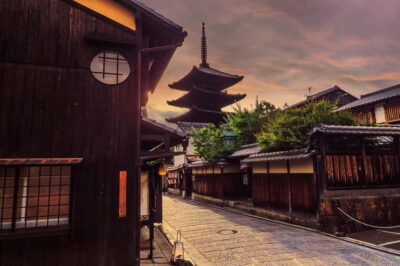
Kyoto Geisha Walking Tour: Gion District & Hidden Gems
Read our review →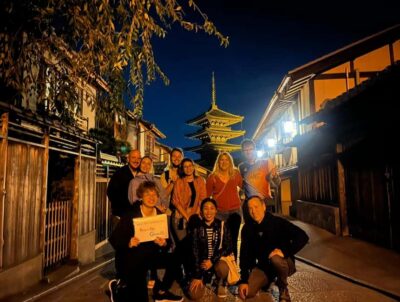
Gion Magical Night Walking Tour with Geisha Trivia
Read our review →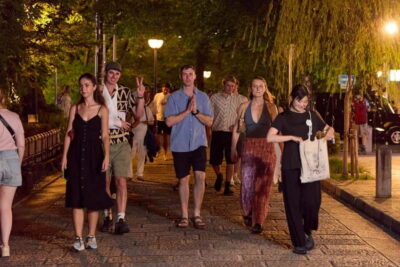
Gion Geisha District Walking Tour – Stories of Geisha
Read our review →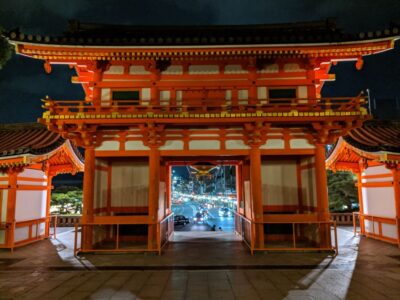
Best of Kyoto: Gion, Geisha, Pagodas & Cobblestones
Read our review →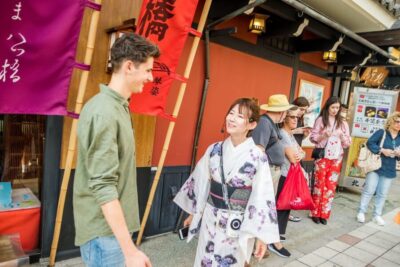

Kyoto Night Foodie Tour in Gion (9+ dishes + 6 Sake tastings)
Read our review →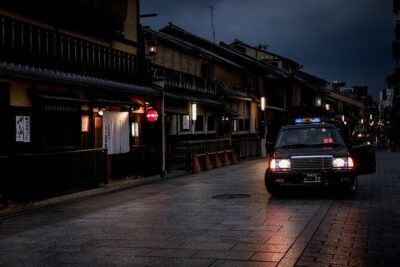
Kyoto Gion Geisha District Walking Tour – The Stories of Geisha
Read our review →
Kyoto Gion: 2-Hour Geisha Culture & History Walking Tour
Read our review →Browse the lists this tour appears in