
Reviewed · KYOTO CYCLING TOURS
Discover Kyoto by Bike: Authentic Half Day Tour
Kyoto is easier to understand from a bicycle seat. This four-hour ride connects Gion’s old lanes, Zen temple grounds, a canal-side path, a Shinto shrine, and the broad grounds of the Imperial Palace without making you cross the city by bus. The mostly flat route keeps the pace gentle, with only a few mild slopes.
I like the chance to see ordinary Kyoto streets, not just the big sights, and I like that the tour is private to your group. Guides such as Alex, Nobumasa, and Miya have been praised for useful local direction, historical explanations, and patiently taking photos. The main consideration is time: six major stops in four hours means some visits will be brief.
Key points at a glance
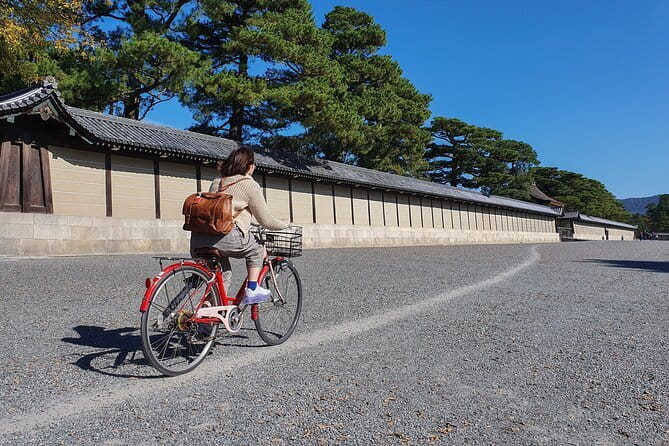
- A private ride on standard Mamachari bikes: You get a basic, non-electric bicycle with three gears, a helmet, and insurance.
- Six very different Kyoto sights: The route covers Gion, Nanzenji, Philosopher’s Path, Ginkakuji, Shimogamo Shrine, and the Imperial Palace.
- Mostly flat cycling: This suits riders who want a relaxed outing rather than a hard workout, though you should still be comfortable riding in city streets.
- A guide who handles the route: Past guides Alex, Nobumasa, and Miya have been praised for city navigation, history, photos, and quiet shortcuts.
- A private four-hour format: Only your group takes part, which gives the guide more room to adjust explanations and stops.
- Good value at $85: The price includes the guide, bicycle, helmet, insurance, and the Nanzenji entrance fee, but not food, drinks, transport to the meeting point, or personal costs.
Why Kyoto works so well by bicycle
Kyoto has a useful mix of broad roads, quiet lanes, temple districts, and paths beside the water. A bicycle lets you move between these areas without waiting for a bus or walking long distances between each sight. You also get a better sense of how the city functions beyond its postcard views.
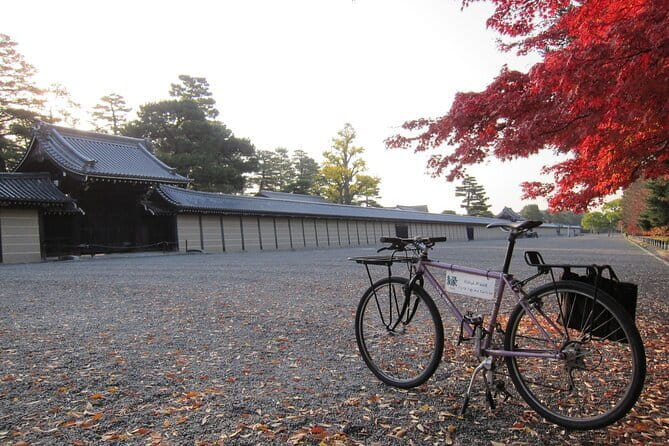
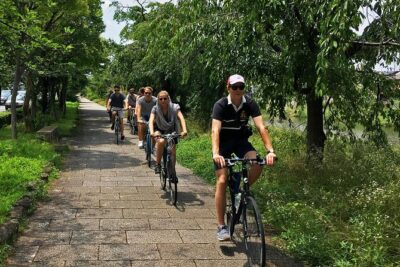
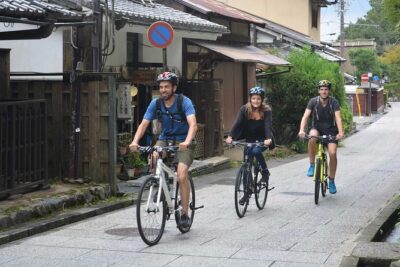
This is not a racing tour. The route uses a standard B-type Mamachari bike with three gear shifts. These are practical city bicycles, not sporty road bikes. You will wear a helmet, and insurance is included, but the tour still requires basic comfort on a bicycle.
The route is described as mostly flat, with a few gentle slopes. That makes it a reasonable choice for a relaxed ride, but the word mostly matters. You should be happy starting, stopping, turning, and riding through Kyoto streets. If you want an electric bicycle or a fast, athletic outing, this is not the right match.
The private setup is one of the tour’s strongest features. Your group is the only group taking part, so you are not waiting for a large line of riders to gather. A good guide can spend more time explaining a shrine, pointing out a local detail, or helping with a photo. Past guides named Alex, Nobumasa, and Miya have been singled out for friendly direction and clear explanations.
More bike days around Kyoto:
- Hidden Kyoto E-Biking tour
★ 5.0 · 1,843 reviews - Bike Tour Exploring North Kyoto plus Lunch
★ 5.0 · 1,087 reviews - Arashiyama Bamboo Forest & Hidden Gems Bike Tour (Early Bird)
★ 5.0 · 613 reviews
Meeting in Gojō and getting ready to ride
The tour begins at Gojō Station, in Osakacho, Shimogyo Ward. You need to make your own way there because hotel pickup and drop-off are not included. The meeting point is near public transportation, which makes the start practical if you are already moving around central Kyoto.
Expect the basic setup to include your bicycle, helmet, and a short orientation before setting out. The supplied details do not give a formal fitting procedure or a list of bicycle sizes, so if bike fit is important to you, it is sensible to ask the operator before booking.
The tour ends back at the same meeting point. That is helpful because you do not need to arrange a separate ride from the final stop, but it also means the four-hour schedule includes the time needed to return.
Gion: old Kyoto streets on two wheels
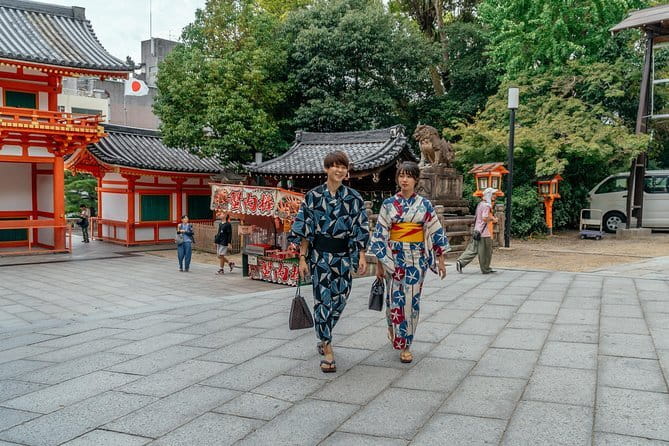
Gion is the natural opening scene for a Kyoto bike tour. Its traditional streets and tea-house architecture give you an immediate sense of the city’s older character. The stop lasts about 20 minutes, with no admission fee.
The value here is not simply checking off a famous district. Your guide can help you understand how to behave around quiet residential lanes and why some streets are best seen slowly. A bicycle also lets you approach Gion from a less mechanical angle than a bus tour. You move at street level, then continue without having to find a parking area or wait for traffic.
Keep your expectations practical. Twenty minutes is enough for orientation and a few photos, not a full exploration of every lane. Gion can also be busy, so your guide’s route choice matters. One of the clearest benefits of a local escort is knowing when to use a quieter street or a short cut.
Nanzenji: temple architecture and a pause from traffic
Next comes Nanzenji, one of Kyoto’s major Zen temple sites. The planned visit lasts around 30 minutes. The entrance fee for Nanzenji is included, which adds value because you do not have to stop and sort out that cost during the tour.
Nanzenji gives the ride a change of mood. After city streets, you enter a temple setting with a slower rhythm and room to look at architecture, gates, and grounds. Your guide’s explanation is especially useful here because the site can seem like a collection of beautiful structures if you do not know what you are seeing.
Half an hour is a sensible introduction, but it is not enough for every corner of the temple complex. If Nanzenji is your main reason for visiting Kyoto, you may want a separate visit with more time. On this tour, its strength is the contrast it creates with Gion and the cycling route that follows.
Same city, a completely different kind of day:
- PERFECT KYOTO 1-Day Bus Tour
★ 5.0 · 13,518 reviews - Kyoto: Fushimi Inari, Kinkakuji, Bamboo Grove 1 Day Bus Tour
★ 4.8 · 4,316 reviews - Kyoto: Tea Ceremony in a Traditional Tea House in Kiyomizu
★ 4.9 · 3,519 reviews - Kyoto Geisha Walking Tour: Gion District & Hidden Gems
★ 4.7 · 3,273 reviews
Philosopher’s Path: the prettiest stretch of the ride
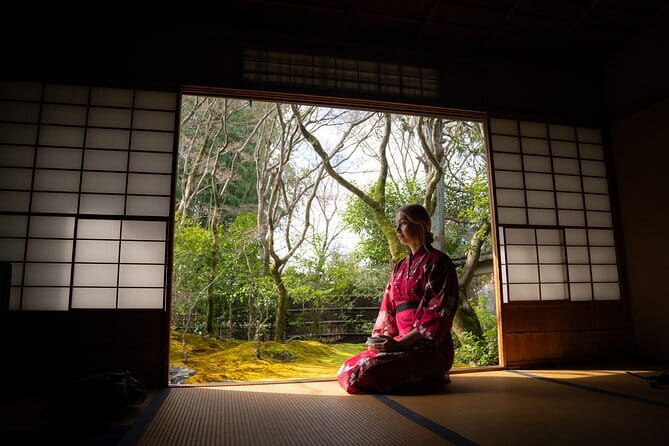
The ride then follows the Philosopher’s Path, a canal-side route known for trees, water, and a calmer feel. The planned stop is about 20 minutes. There is no meal or other paid activity included here, and the route itself is primarily a scenic passage rather than a long guided visit.
This is one of the tour’s most appealing stretches because a bicycle suits the path’s gentle pace. You can move steadily, stop for a look, and continue toward Ginkakuji without treating the route as a transfer between attractions. The setting changes with the season, but the canal-side character remains the main draw.
Take care with the schedule. Twenty minutes can feel short if you want many photographs or if the path is crowded. Your guide may also need to slow the group around pedestrians. This is a place to enjoy the ride itself rather than expect a long stop with a formal presentation.
Ginkakuji: quiet gardens near the canal
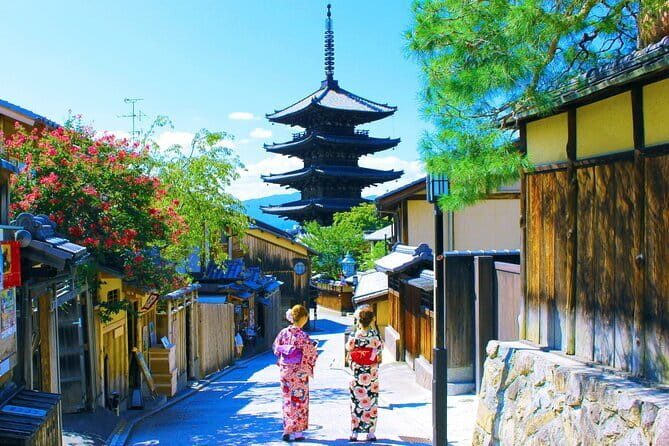
Ginkakuji, the Silver Pavilion, follows the Philosopher’s Path. The stop is planned for about 20 minutes. The tour information lists the stop without a separate admission charge, while the Philosopher’s Path is marked as having no included ticket. If exact entrance arrangements matter to your budget, confirm the current details with TripGuru before you go.
Ginkakuji is valued for its Zen setting and peaceful gardens more than for a flashy building. The name can create the expectation of a silver-covered pavilion, but the appeal is subtler. You will be looking at carefully arranged grounds, quiet forms, and the way the temple fits into its surroundings.
Again, twenty minutes gives you a compact look. It works well as part of a route that also includes Nanzenji, Shimogamo Shrine, and the Palace. It will not satisfy someone who wants to study every garden feature at length.
Shimogamo Shrine: a wooded Shinto setting
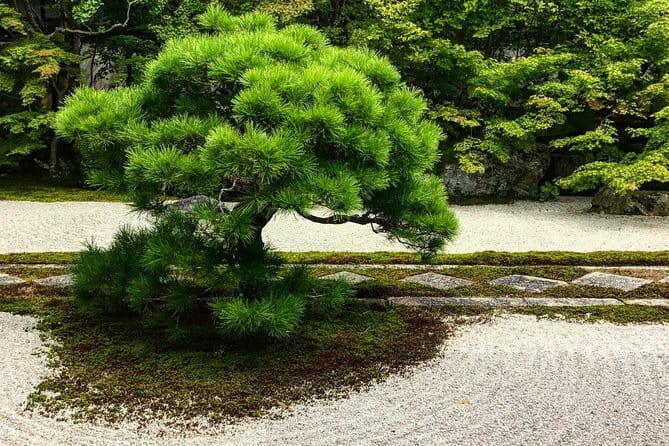
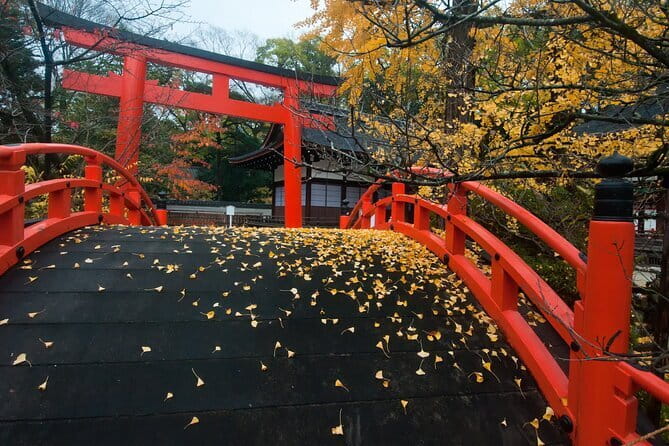
The longest scheduled visit is Shimogamo Shrine, with about one hour allotted. That extra time is welcome. This is one of Kyoto’s oldest Shinto shrines, set among wooded grounds that feel different from the Zen temples on the route.
The shrine gives you a chance to see another side of Kyoto’s spiritual life. Nanzenji and Ginkakuji represent Buddhist temple traditions, while Shimogamo offers a Shinto setting with its own approach to sacred space. A good guide can explain those differences without turning the visit into a lecture.
An hour also makes this stop less rushed. You can walk through the grounds, take photos, and listen without watching the clock every few minutes. If you are choosing this tour for cultural context rather than simple sightseeing, Shimogamo is one of its most useful stops.
The supplied schedule does not list an admission fee for Shimogamo Shrine. Food and drinks are not included anywhere on the tour, so plan around the four-hour duration if you need a snack or water.
Kyoto Imperial Palace: a spacious finish
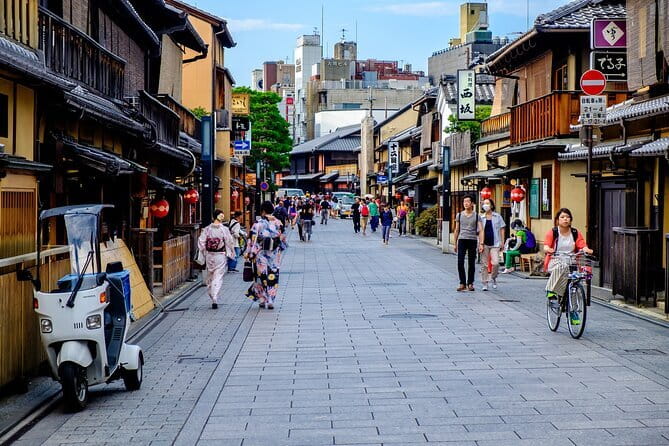
The final major stop is the Kyoto Imperial Palace, with about 30 minutes planned. The former residence of Japan’s imperial family occupies broad grounds where you can slow down after the ride and take in the scale of the site.
This is a fitting end because it changes the rhythm once more. Gion offers intimate lanes, Nanzenji and Ginkakuji offer temple settings, Shimogamo provides wooded shrine grounds, and the Palace gives you space and formality. You are not just seeing one type of Kyoto landmark.
Thirty minutes is enough for an introduction and a walk through part of the grounds. It is not a full palace tour. The available details do not promise special interior access or a private palace program, so book this as an outdoor visit with a guide, not as an in-depth imperial history tour.
After the Palace, you cycle back to Gojō Station. The return is part of the activity, and the tour ends at the original meeting point.
What the guide adds to the ride
The bicycle is useful, but the guide is the main reason to choose this experience over renting a bike on your own. Kyoto’s streets and paths can be confusing, and the route links several districts that would take more planning without help.
Alex has been praised for helping riders manage streets and pavements while offering an outsider’s view of life in Japan. Nobumasa has been noted for showing many good spots and explaining the history. Miya has been associated with a thoughtful pace, a balance between riding and temple visits, and time along the river and Philosopher’s Path.
Those details point to the kind of service you should expect: practical navigation, background information, and help with photos. The guide may also use authentic streets and shortcuts that are not obvious if you are following a bus route or walking map.
The quality of a private tour depends heavily on the individual guide, but the named guides give you useful examples of what the experience can offer. If you have specific interests, tell the operator before the ride so the guide can understand what matters most to you.
Is $85 a fair price?
At $85 per person, the tour costs more than simply renting a bicycle for half a day. The comparison is not quite equal. You are paying for an English-speaking guide, route planning, a helmet, insurance, a private format, and the Nanzenji entrance fee.
The value is strongest if you want someone else to connect the sights and keep the ride moving. It is also useful if you have limited time in Kyoto and want to cover several major areas in one morning or afternoon. The private arrangement can make the price easier to justify for a couple, family, or small group.
The value is weaker if you already know Kyoto well, are comfortable navigating on your own, or prefer to spend an hour or more at each temple. The schedule is broad rather than slow. Group discounts may be available, so check the current rate if you are booking for several people.
The tour is commonly booked about 11 days ahead. That is a useful planning guide, though availability can change. Free cancellation is available if you cancel at least 24 hours before the start time. Changes or cancellations inside that window are not accepted for a refund.
Who should book this Kyoto bike tour?
I would choose this ride if you want a first look at Kyoto that mixes famous sights with ordinary streets. It suits couples, families with riders who can manage a standard bicycle, and small private groups that prefer a guide’s help without joining a large party.
It is also a good fit if you want historical and cultural context but do not want a full-day commitment. The route offers six stops, and the guide can make the connections between them easier to understand.
I would think twice if you dislike cycling in city areas, need an electric bicycle, want a hard workout, or prefer long unhurried visits. The Mamachari is a basic three-gear bike, and the route has several stops to fit into roughly four hours.
FAQ
How long does the Kyoto bike tour last?
The tour lasts approximately four hours, including the cycling route, visits to six sights, and the return to the meeting point.
Where does the tour begin?
It begins at Gojō Station, at Osakacho in Shimogyo Ward, Kyoto, postal code 600-8177.
Where does the tour end?
The activity ends back at the original meeting point at Gojō Station.
Is the tour private?
Yes. Only your group participates in the activity.
What kind of bicycle is provided?
The tour provides a standard, non-electric B-type Mamachari bicycle with three gear shifts.
Are helmets included?
Yes. A helmet is included with the bicycle rental.
Is insurance included?
Yes. Insurance is included in the tour price.
Is the Nanzenji entrance fee included?
Yes. The Nanzenji entrance fee is included.
Are hotel pickup, meals, and drinks included?
No. Hotel pickup and drop-off, meals, drinks, and personal expenses are not included.
Should you book it?
Book this tour if you want to cover a wide slice of Kyoto by bicycle while a guide handles the route, explains the sights, and helps you find quieter streets. The combination of Gion, temple districts, Philosopher’s Path, Shimogamo Shrine, and the Imperial Palace gives you more variety than a short ride focused on one neighborhood.
The best reason to choose it is the private guided format. The main caution is the compact schedule and basic bicycle. If you accept those limits, $85 buys a practical introduction to Kyoto that reaches places a bus cannot easily connect.
Newest Kyoto experiences on the site
- Treasures of Kyoto: Gion & historical Walking Tour★ 5.0 · 6 reviews
- Whisk Your Own Matcha: A Zen Matcha Experience at Temple★ 3.6 · 7 reviews
- Uji: Private immersion into Kyoto’s tea and reglious culture★ 5.0 · 17 reviews
- Kyoto tea town for matcha lovers★ 5.0 · 16 reviews
- Kyoto Matcha Green Tea Tour★ 4.5 · 23 reviews
- Uji and Wazuka Matcha Farm Half Day Private Guided Tour★ 5.0 · 21 reviews
- Utilising upcycled Matcha! Creating matcha incense (Uji, Kyoto)★ 5.0 · 6 reviews
- Sacred Temple Yoga Experience in Japan★ 5.0 · 3 reviews
Kyoto Cycling Tours, compared.
Arashiyama Bamboo Forest & Hidden Gems Bike Tour (Early Bird)
Read our review →
5 Top Highlights of Kyoto Full Day Bike Tour (E-bike option)
Read our review →
Full Day Biking Tour Exploring the Best of Kyoto
Read our review →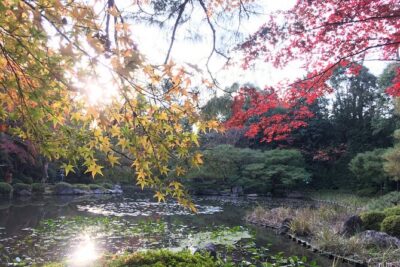
Afternoon Kyoto Bike Tour: Bamboo Forest, Monkeys & Hidden Spots
Read our review →
South Kyoto in a Nutshell: Gentle Backstreet Bike Tour!
Read our review →Browse the lists this tour appears in