
Reviewed · KYOTO MATCHA EXPERIENCES
Japanese Traditional Sweets making with Tatedashi Matcha
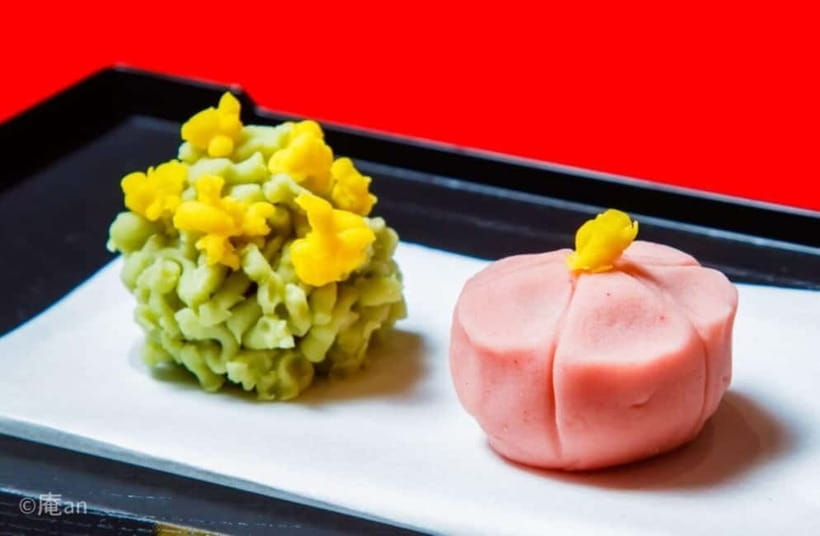
The best part of this class is that you do not just watch a sweet being made. You shape two seasonal nerikiri, the delicate bean-paste sweets often served with tea, then eat your creations with Tatedashi Matcha. I like the use of white and red bean paste from long-established Kyoto shops, and I like the low price for a hands-on activity near Gojo Station.
The main catch is group size. One participant found the class too crowded, while another felt the dough-like work was better suited to young children. English help is available as much as possible, but the instructor speaks Japanese, so you should be comfortable with some visual learning.
Key points for choosing this Kyoto sweets class
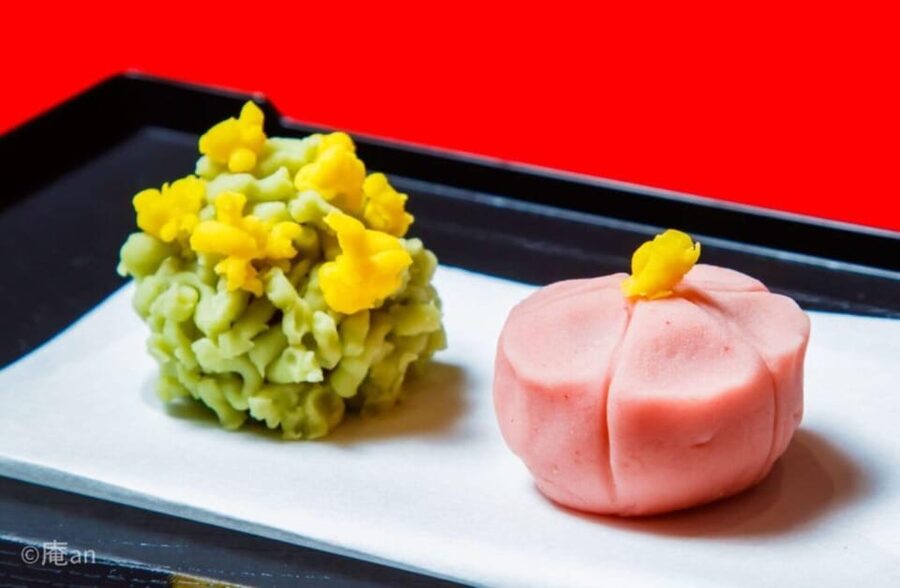
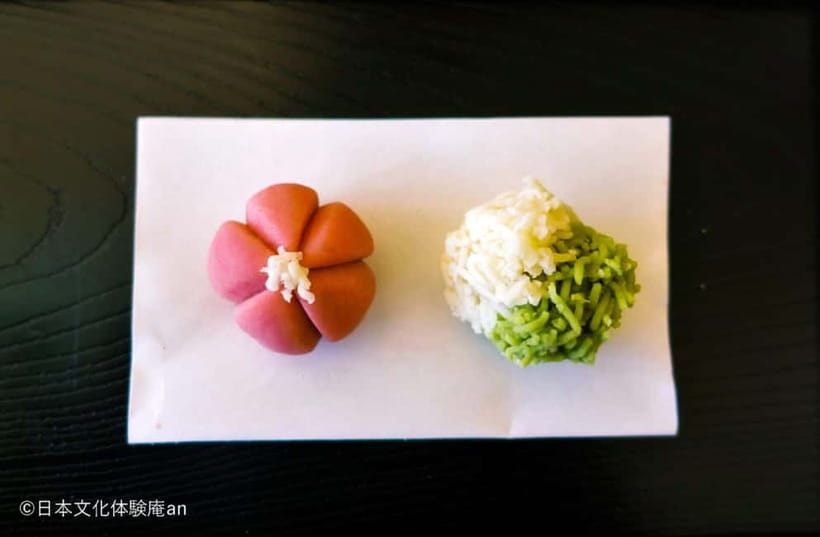
- Two seasonal sweets: You make one flower-shaped nerikiri and one kinton nerikiri.
- Kyoto ingredients: The white and red bean paste comes from long-established shops in Kyoto.
- Matcha is included: Tatedashi Matcha is served after the shaping work.
- Easy to reach: The venue is one minute from Exit 1 of Gojo Station on the Karasuma Subway Line.
- Good value: The $14 price covers a 65-minute activity, two sweets, and matcha.
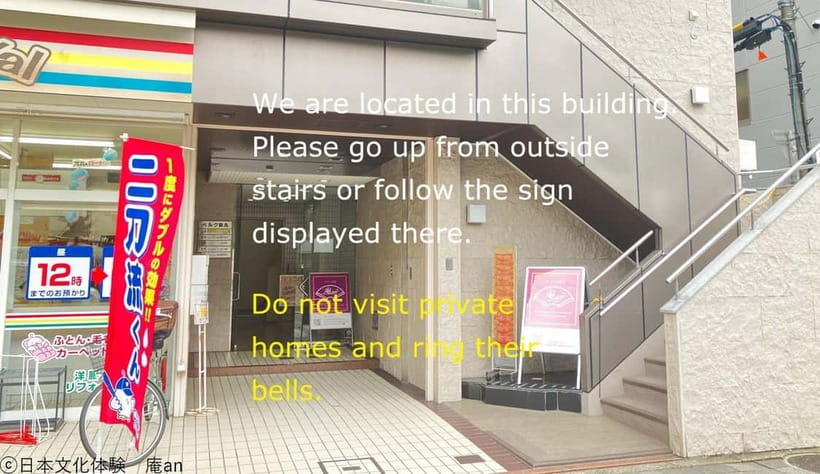
- Plan for stairs: The building has no elevator, and you need to use stairs to reach the venue.
What making nerikiri is really like
Nerikiri is a Japanese traditional sweet made from bean paste. It is soft, moldable, and often shaped into flowers, leaves, or other seasonal designs. Unlike a packaged souvenir, your sweet takes form in front of you, one small adjustment at a time.
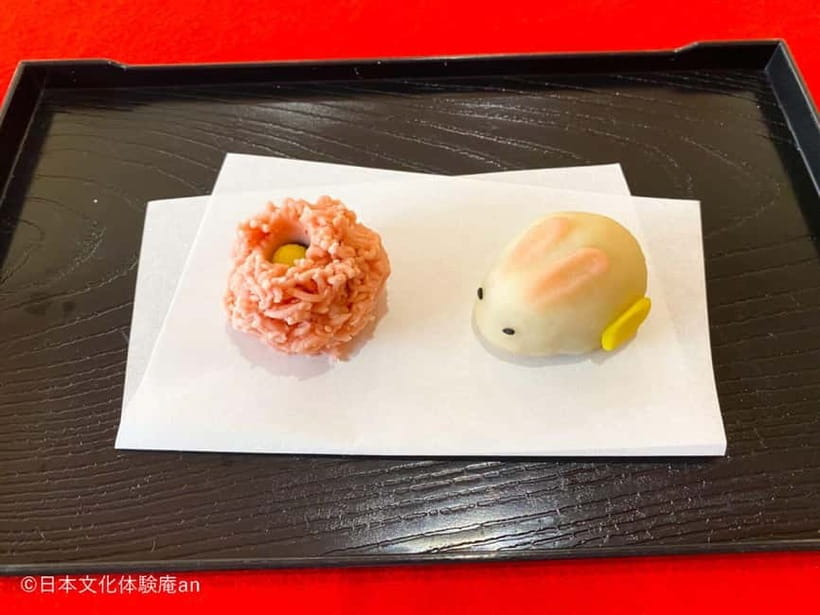
This class focuses on two styles. First, you make a flower-shaped nerikiri. Then you make a kinton nerikiri, a style with fine strands or a textured finish that gives the sweet a more delicate appearance.
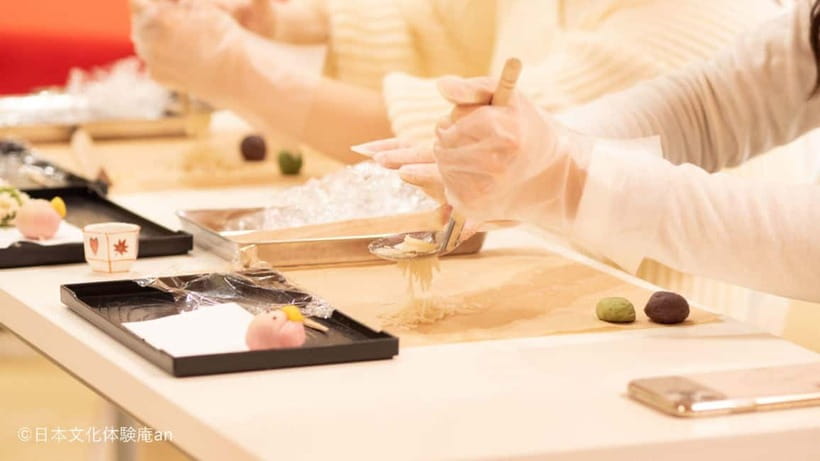
You do not need advanced cooking skills. The activity is closer to careful shaping than to full-scale baking. That makes it approachable, but it also explains why one person compared the texture and process to a play dough class. If you want a serious pastry lesson with cooking science, this may feel light. If you want a calm, tactile introduction to Japanese sweets, it fits well.
The class uses real white and red bean paste supplied by established Kyoto shops. That detail matters because the flavor is not an afterthought. You are working with the same basic kind of ingredient that gives traditional Japanese sweets their mild sweetness and smooth texture.
More matcha experiences in Kyoto:
- Kyoto: Arashiyama Bamboo Forest, Monkeys, Matcha & Temple Tour
★ 5.0 · 759 reviews - Kyoto: Tea Museum Tickets and Matcha Grinding Experience
★ 4.9 · 739 reviews - Kyoto: Tea Ceremony Meditation – Make Matcha with Tea Master
★ 4.8 · 406 reviews
The 65-minute schedule, step by step
The experience begins with an explanation of Japanese traditional sweets. You learn what you are making and how the ingredients fit into Japanese tea culture before shaping anything yourself.
Next comes the flower-shaped nerikiri. This is your first chance to get used to the bean paste and the shaping process. The finished sweet is meant to look like a small seasonal flower, so the visual result matters as much as the taste.
The second project is kinton nerikiri. Its texture gives you a different task from the first sweet. Instead of making two identical pieces, you get a small comparison between two traditional forms.
At about the 55-minute mark, the making portion ends. You have time to photograph the sweets on a plate, which is worthwhile because the presentation is part of the experience. The organizers describe the finished plate as a small work of art, and that is fair as long as you keep the scale in mind. These are tiny, carefully shaped sweets, not large desserts.
The final ten minutes are for Tatedashi Matcha and eating. You can try both sweets on the spot rather than carrying them around Kyoto. The matcha gives the class a proper tea-time finish and lets you taste the sweets in the setting they were made for.
The full visit lasts 65 minutes, including departure from the room. That is long enough to feel like an activity, but short enough to fit before or after sightseeing in central Kyoto.
Why the Kyoto bean paste makes a difference
The class does not ask you to assemble sweets from generic craft material. The white and red bean pastes come from long-established Kyoto shops, which gives the activity a direct link to local confectionery traditions.
For you, the practical benefit is flavor. The paste is both the material you shape and the main taste you eat. The finished sweets are not heavily decorated with unrelated toppings, so the quality of the bean paste matters.
Nerikiri is also a good example of how Japanese sweets connect food with the seasons. The shapes change with the time of year, and the flower design helps you see that seasonal idea in a simple way. You are not only making a snack. You are learning how appearance, season, and tea service come together in a small portion.
Still, do not expect a long lecture on Japanese confectionery. The available information points to a short explanation followed by hands-on work. The value comes from doing the shaping yourself, not from a detailed culinary seminar.
A small art project with an edible finish
The class works best when you treat it as a creative activity. The bean paste is forgiving enough for beginners, but the result depends on how carefully you shape it. Your sweets may not look exactly like the sample, and that is part of the fun.
The flower-shaped piece gives you a clear visual goal. The kinton piece adds a second design with a different texture. Together, they make the class feel more varied than simply repeating one recipe twice.
Photography is built into the schedule. Take your pictures before eating, since the sweets are small and delicate. If you want to carry them away, a take-out box costs an extra 100 JPY. The included plan is designed for eating at the venue, so decide in advance if you want a souvenir rather than a tea-time snack.
A completion certificate is also available for 300 JPY. It is not included in the $14 price, and it is best viewed as an optional keepsake rather than part of the lesson.
More wagashi and sweets workshops in Kyoto:
- Kyoto: Japanese Traditional Sweets Making and Tea Ceremony
★ 4.4 · 314 reviews - Kyoto Wagashi(Japanese sweets) Cooking Class near Fushimiinari
★ 5.0 · 60 reviews - Kyoto: Wagashi (Japanese sweets) Cooking near Fushimiinari
★ 5.0 · 40 reviews - Kyoto: Traditional Tea Ceremony with Matcha & Sweets in Gion
★ 4.9 · 27 reviews
Matcha turns the activity into a tea break
Tatedashi Matcha is provided after you finish making the sweets. This timing works well. You first concentrate on shaping, then sit down to taste the results with tea.
The matcha is not just a free drink added to the booking. It gives you a reason to pause and consider how nerikiri is traditionally served. The soft sweetness of the bean paste and the bitter edge of matcha are meant to work together.
I also like the pacing. The making section lasts about 55 minutes, and the final ten minutes are reserved for eating and drinking. You do not have to rush straight from shaping to the next sightseeing stop.
If you are booking this mainly for matcha, keep your expectations measured. The main event is the sweet-making. The tea is an included finish, not a dedicated tea ceremony with a long explanation of utensils, etiquette, or preparation.
Price and value at $14
At $14 per person, this is one of the easier Kyoto activities to justify on a budget. You receive a 65-minute hands-on class, two seasonal sweets, and Tatedashi Matcha. You also get a central location close to the subway.
The value is strongest if you want an activity rather than only a snack. Buying a sweet in a shop would cost less time, but it would not give you the chance to shape one yourself or learn the basic idea behind nerikiri.
The price is also useful for a mixed itinerary. You can fit the class into a day of temples, shopping, and food without spending half a day or committing to an expensive cooking course.
There are two small add-on costs. A take-out box costs 100 JPY, and a completion certificate costs 300 JPY. Neither is essential, so the advertised price remains a fair guide to what most people will spend.
Group size and the class atmosphere
The experience can be booked alone or with a group. That flexibility is helpful, but the atmosphere may depend on how many people are scheduled at your time.
One participant found that too many people were placed in the class. That is the clearest warning in the available feedback. A crowded table can make delicate shaping harder and may limit how much individual help you receive.
Another person found the activity simple and fun, describing it as a pleasant break from a busy sightseeing day. That is probably the right way to think about it. You are not signing up for a demanding culinary challenge. You are taking a short pause to work with your hands, make something attractive, and eat it with tea.
The class may suit families with young children, although small children need to be supervised. Children under two who sit on a parent’s lap are free. Everyone else who takes part needs a reservation, and people who are not participating cannot enter the experience area.
Language support and what to expect from the instructor
The instructor speaks Japanese. English translation will be provided as much as possible, but it is not described as a fully English-led class.
That does not make the activity impossible for English speakers. The shaping work is visual, and you can follow demonstrations. Still, contact the provider in advance if you want English support added to your booking.
You should also be ready for a class where actions may communicate more than spoken explanation. Watch the demonstration closely, copy the basic technique, and ask for help when needed. If you need detailed English instruction at every stage, this may not be your best choice.
No instructor name is provided, so you cannot request a particular teacher. The most useful preparation is to understand the plan: explanation first, flower nerikiri, kinton nerikiri, photographs, matcha, and tasting.
Finding the venue near Gojo Station
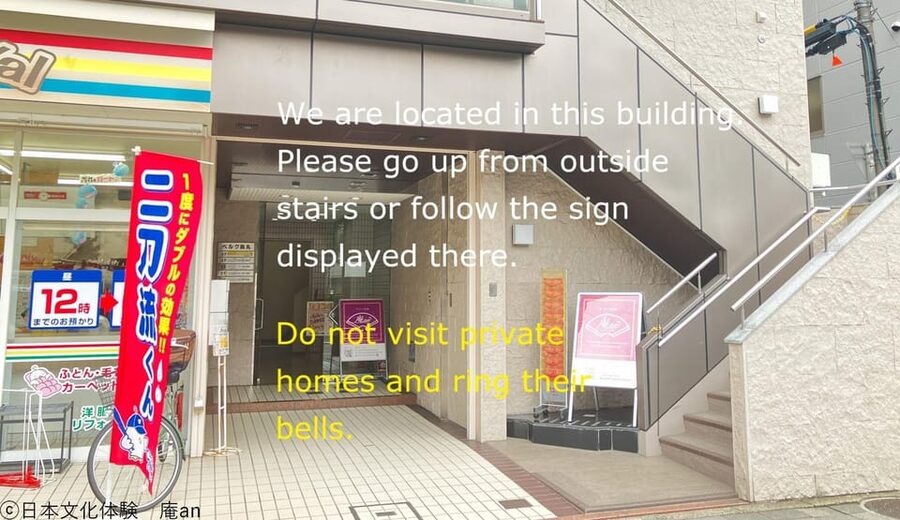
The meeting point is one minute from Exit 1 of Gojo Station on the Karasuma Subway Line. The entrance faces the main street, Gojo-dori.
This is a strong location for a short class. You do not need to spend time finding a remote workshop, and the subway makes it easy to pair with other stops in central Kyoto.
Give yourself enough time to arrive before the starting time. The venue will not hold the event for late arrivals, whatever the reason. That rule matters in Kyoto, where a small delay at a station or crossing can quickly become a missed start.
The building has no elevator, and you will need to take stairs to reach the venue. The activity is listed as wheelchair accessible, but the stair information creates an important practical question. Contact the provider before booking if you use a wheelchair or have difficulty with stairs so the access arrangements are clear.
Who will enjoy this experience most
I would choose this class for you if you want a short cultural activity with a clear result. It works especially well for:
- First-time visitors who want to try a Japanese food tradition without committing to a long cooking course
- Couples or friends looking for a shared activity near central Kyoto
- Families who enjoy hands-on projects
- Anyone interested in seasonal Japanese design and presentation
- Budget-conscious visitors who value an included drink and food tasting
It may be less suitable if you want a detailed English lecture, a full meal, or a quiet private lesson. It may also disappoint you if the thought of handling soft bean paste feels too much like a craft project.
The mixed reaction to the activity is easy to understand. One person praised the instructor and tasty sweets. Another found the process too much like play dough. Both views can be true. The class is simple by design, and that simplicity is either its appeal or its limit.
Timing, cancellation, and practical planning
The activity runs between 10:00 and 17:00, with starting times subject to availability. Reservations received after 17:00 are processed the next day.
You can cancel up to 24 hours in advance for a full refund. After that point, a cancellation fee applies. Changing the date or time after a cancellation fee has been incurred can also bring an additional specified fee.
If you are delayed, the event will not wait, and the provider does not cover travel expenses if you cancel. For that reason, I would avoid booking the class immediately after a long train connection or a tightly timed attraction.
Reserve and pay later is available, which helps if your Kyoto schedule is still shifting. Just remember that flexible payment does not remove the late-cancellation rules.
Should you book the nerikiri and matcha class?
Book it if you want a low-cost, one-hour cultural activity that combines making, photography, tasting, and tea. The Kyoto bean paste and seasonal designs give the class a genuine connection to local sweets, while the Gojo location keeps your travel time short.
Skip it if you want a large amount of instruction, a full English lesson, or a polished tea ceremony. Also think twice if stairs are a problem or if crowded classes frustrate you.
For most visitors, the decision comes down to expectations. This is not an advanced pastry course. It is a simple, hands-on chance to shape two traditional Japanese sweets and eat them with matcha. At $14, that is a reasonable way to add a creative pause to a busy Kyoto day.
FAQ
How long does the Japanese sweets class last?
The full experience lasts 65 minutes. The making and picture time finish at about 55 minutes, followed by matcha and eating time before departure.
How many sweets will I make?
You will make two seasonal Japanese sweets called nerikiri. One is flower-shaped, and the other is kinton nerikiri.
Is matcha included in the price?
Yes. Tatedashi Matcha is provided after you finish making the sweets.
Can I eat the sweets at the venue?
Yes. You are welcome to eat your handmade sweets on the spot during the final eating and drinking period.
Can I take the sweets home?
You can request a sweets take-out box for an additional 100 JPY.
Is the class taught in English?
The instructor speaks Japanese. English translation will be provided as much as possible, and you can contact the provider if you would like English support added.
Where does the activity take place?
The venue is one minute from Exit 1 of Gojo Station on the Karasuma Subway Line. The entrance faces Gojo-dori.
Is the experience wheelchair accessible?
The activity is listed as wheelchair accessible, but the building has no elevator and requires stairs to reach each venue. Contact the provider before booking to confirm the access arrangements for your needs.
What happens if I arrive late?
The event will not be held for delayed participants. Plan to arrive before the scheduled start time.
Can I cancel for a full refund?
You can cancel up to 24 hours in advance for a full refund. Cancellation fees apply after that point, and late changes to the date or time may also incur a specified fee.
Newest Kyoto experiences on the site
- Whisk Your Own Matcha: A Zen Matcha Experience at Temple★ 3.6 · 7 reviews
- Treasures of Kyoto: Gion & historical Walking Tour★ 5.0 · 6 reviews
- Kyoto tea town for matcha lovers★ 5.0 · 16 reviews
- Uji: Private immersion into Kyoto’s tea and reglious culture★ 5.0 · 17 reviews
- Kyoto Matcha Green Tea Tour★ 4.5 · 23 reviews
- Uji and Wazuka Matcha Farm Half Day Private Guided Tour★ 5.0 · 21 reviews
- Utilising upcycled Matcha! Creating matcha incense (Uji, Kyoto)★ 5.0 · 6 reviews
- Sacred Temple Yoga Experience in Japan★ 5.0 · 3 reviews
Kyoto Matcha Experiences, compared.

Arashiyama Bamboo Forest, Monkeys, Matcha & Temple Tour
Read our review →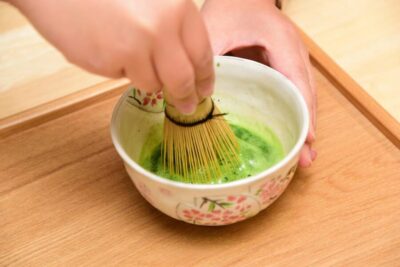
Tea Museum Tickets and Matcha Grinding Experience
Read our review →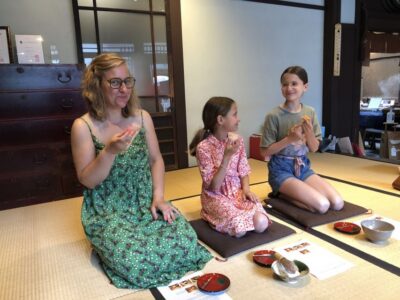
Tea Ceremony Meditation – Make Matcha with Tea Master
Read our review →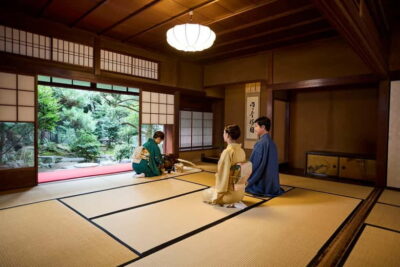

Arashiyama Bamboo, Temple, Matcha, Monkeys & secret spots
Read our review →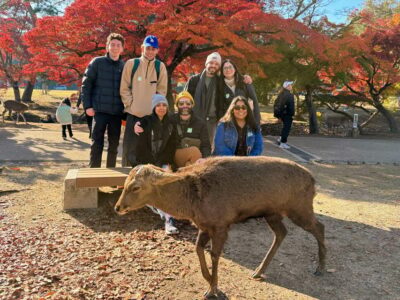
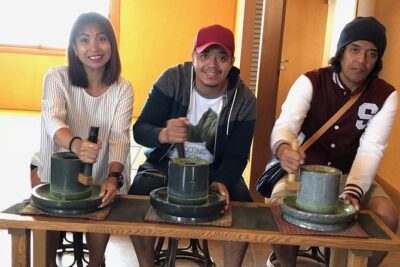
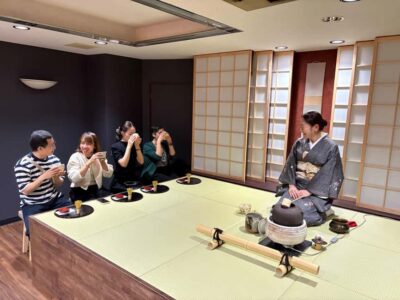
Traditional Tea Ceremony with Matcha & Sweets in Gion
Read our review →Browse the lists this tour appears in