
Reviewed · KYOTO IMPERIAL PALACE TOURS
Visiting to Katsura Imperial villa and tea ceremony experience
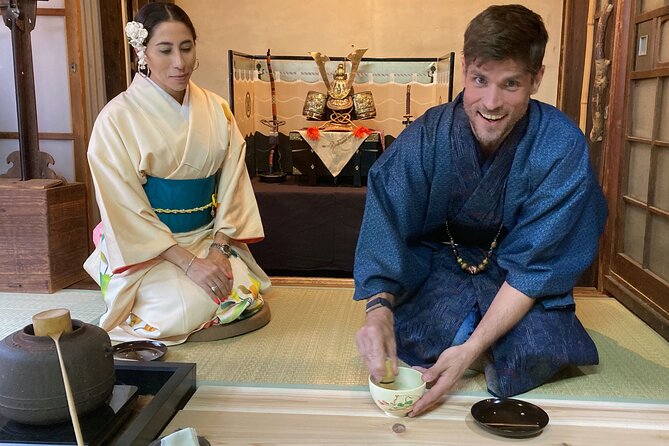
The heart of this Kyoto experience is the pairing of Katsura Imperial Villa with a hands-on tea ceremony. You first visit a 400-year-old imperial retreat known for its circular garden and Sukiya-style tea houses, then return to a traditional home to wear an antique kimono and learn how matcha is prepared and served.
I like two things here. First, the admission arrangements solve a real problem, since Katsura has limited visiting hours and numbered tickets. Second, owner Tokusaburo Miyagawa brings a family connection to the kimono lesson: his shop has been in the trade for four generations. The main caution is value. At $169.90 per person, you are paying far more than the villa entrance alone, so the tea ceremony and personal service need to matter to you.
Key points before you book
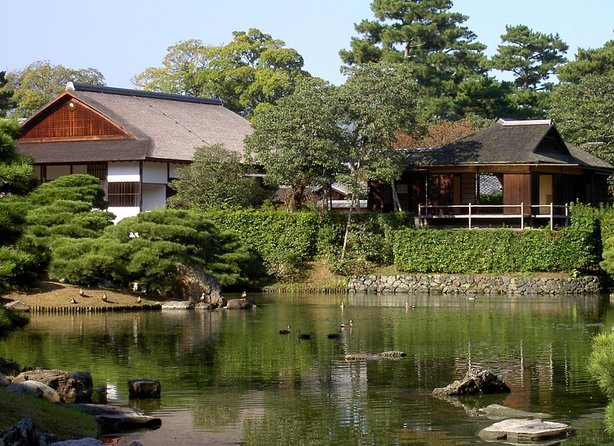
- Katsura Imperial Villa is the anchor: See a famous circular garden and Sukiya-style tea houses preserved with remarkably little change over four centuries.
- Toku handles the difficult admission arrangements: The tour includes the villa entrance, numbered ticket arrangements, and transport from his shop.
- The kimono is part of the lesson: You select an antique kimono and obi with Tokusaburo Miyagawa’s help, then receive professional dressing.
- Tea takes place in a 100-year-old house: The setting is quieter than central Kyoto, with a demonstration and instruction rather than only a photo opportunity.
- English support has limits: English service is available, but the villa portion may use a prerecorded headset with a Japanese-speaking guide.
- The experience lasts about three hours: It starts at 1:00 p.m. and finishes back at the shop in Kyoto’s Nishikyo Ward.
Why Katsura Imperial Villa is worth the effort
Katsura Imperial Villa was built in 1615 as an imperial villa. Its garden and tea houses reflect the Japanese taste for careful proportion, restrained materials, and views that reveal themselves a little at a time.
The villa is especially associated with the Sukiya style, a refined approach to architecture closely tied to tea culture. You will see how buildings, paths, ponds, planting, and small tea shelters work as one composition. The garden is circular in design, meaning the walk is not simply a march toward one grand building. It is a changing sequence of views.
That matters because Katsura is not just a pretty garden stop. It helps explain why tea ceremony became such an important part of Japanese aesthetics. A simple doorway, a carefully placed stone, or a framed view of water can carry as much weight as an ornate decoration.
The villa has undergone renovations, but it has remained almost completely unchanged for about 400 years. German architect Bruno Taut famously praised its beauty, which gives you a useful point of comparison. Katsura is not designed to overwhelm you with gold or monumental scale. Its appeal comes from balance, quiet, and control.
You should expect the villa visit to be organized around an official route and visiting rules. This is not a place where you simply arrive and wander in at any hour. The limited hours and admission system are why the ticket service has practical value.
More Imperial Palace and villa visits:
- Kyoto: Imperial Palace & Nijo Castle Guided Walking Tour
★ 4.7 · 453 reviews - Kyoto Imperial Palace & Nijo Castle Guided Walking Tour – 3 Hours
★ 4.5 · 106 reviews - Kyoto: Nijo Castle and Kyoto Imperial Palace Guided Tour
★ 4.6 · 98 reviews
A smooth start at Miyagawa Tokusaburo Shoten
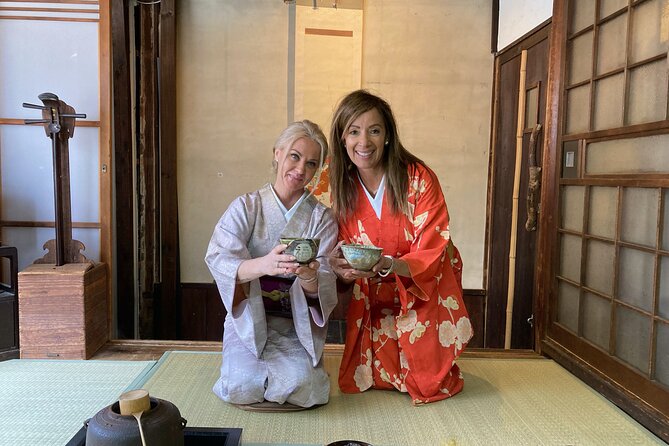
The experience begins at Miyagawa Tokusaburo Shoten, at 32-4 Katsuranozatocho in Kyoto’s Nishikyo Ward. The start time is 1:00 p.m., and the activity returns you to this same meeting point.
The shop is about five minutes by car from Katsura Imperial Villa. Round-trip transport between the shop and villa is included, which keeps the afternoon simple. You do not have to work out the short transfer yourself after changing into traditional clothing.
Tokusaburo Miyagawa, known as Toku, accompanies the group. English-speaking service is available, but you should understand exactly where that applies. The villa route may be led by a Japanese-speaking guide, with English information supplied through a prerecorded headset. That arrangement gives you access to the official tour, but it is not the same as having Toku explain every garden detail in English as you walk.
This distinction is important if detailed, live interpretation is your main reason for booking. The tea ceremony portion is more personal and direct. The villa portion is more formal and structured.
The activity is private for your group, though the villa visit itself may follow the site’s regular group format. That means the shop experience can feel personal while the imperial villa tour follows rules set by the villa.
Seeing the villa in an antique kimono
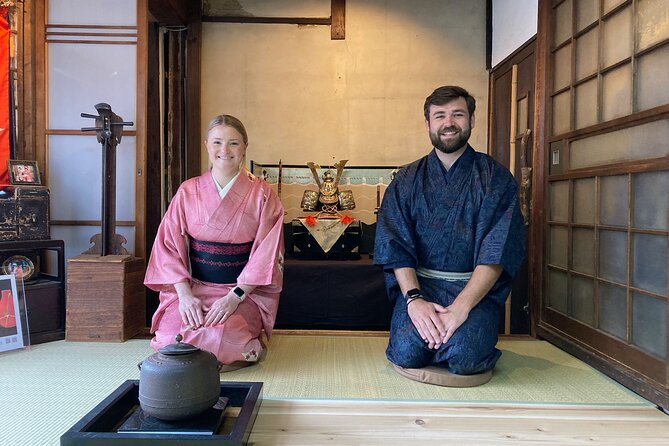
Before visiting Katsura, you select an antique kimono and obi with advice from Toku. The clothing comes from the early Showa period, and the owner helps coordinate the pieces before staff dress you.
This is not simply a modern costume rental. The point is to learn something about kimono design, how the garments are coordinated, and when people wear them. You get a chance to see the construction and form of the clothing up close, not just pose in it for a few minutes.
The fitting can also change how you experience the villa. Katsura’s architecture and garden were created within the same broad cultural world as tea practice and formal dress. Wearing a kimono gives you a physical connection to that setting, though you should expect the clothing to affect your pace and movement.
The photo value is clear. Katsura provides an elegant backdrop, and the traditional clothing makes for memorable pictures. But I would not book this solely as a photo session. The stronger reason is the connection between the garden, the clothing, and the tea lesson that follows.
Comfort is worth considering. An antique kimono is valuable clothing, and it is worn in a formal style. You should be ready for a structured outfit rather than loose sightseeing clothes. The supplied information does not specify changing-room details, footwear, or the exact garments provided, so ask the operator if those points matter to you.
What you actually see at Katsura
The garden is the main attraction. Its circular design creates a sense of movement, with paths leading you through changing views rather than presenting everything at once.
The Sukiya-style tea houses are equally important. They show how tea architecture favors modest scale, natural materials, and carefully controlled entrances and sightlines. These buildings help make sense of the second half of the experience, when you sit down to study tea ceremony in a traditional house.
Katsura is internationally praised for its beauty, but the visit may not feel like a free-form garden stroll. Admission is controlled, tickets are limited, and the route operates within set hours. If you like orderly visits to important historic places, that structure is reassuring. If you prefer to wander alone and stop whenever you wish, it may feel restrictive.
The English audio arrangement is another practical point. A prerecorded headset can provide accurate information, but it does not answer questions in the way a live guide can. Toku escorts the group and helps with the overall process, yet the villa interpretation may not be delivered personally by him.
Give yourself permission to look as well as listen. Notice the relationship between a building and the garden around it. Look for the way a tea house is placed within the larger setting. The villa is best understood through these small decisions, not through a long list of dates.
More tea ceremonies in Kyoto:
- Kyoto: Tea Ceremony in a Traditional Tea House in Kiyomizu
★ 4.9 · 3,519 reviews - Kyoto: Tea Ceremony Ju-An at Jotokuji Temple
★ 4.9 · 3,207 reviews - Kyoto: 45-Minute Tea Ceremony Lesson Experience
★ 4.3 · 2,378 reviews - Kyoto: Table-Style Tea Ceremony at a Kyo-Machiya
★ 4.9 · 1,211 reviews
Returning to a 100-year-old traditional house
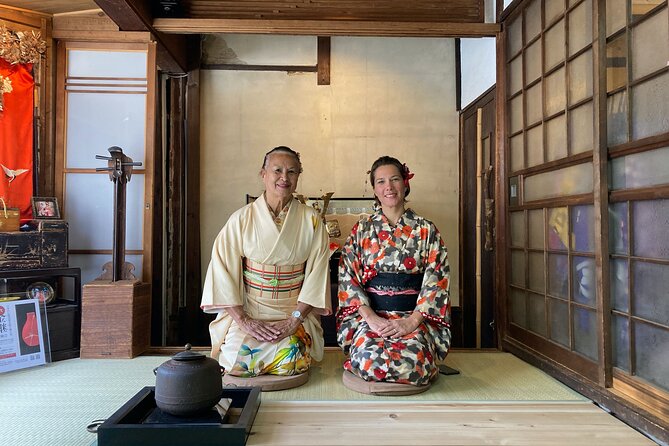
After the villa visit, you return by car to the shop for the tea ceremony. The setting is a 100-year-old traditional Japanese house, and its quieter location near Katsura gives the lesson a calmer feel than a busy central Kyoto venue.
The tea ceremony begins with a demonstration by the owner. You then learn the proper way to drink matcha and how the tea is prepared. Two cups of matcha are included, along with Japanese sweets made by a local confectioner in Katsura.
The sweets are not an afterthought. In tea practice, the sweet and tea balance one another, and the local confectioner gives the serving a direct connection to the neighborhood. You get more than a bowl of green tea and a quick explanation.
This is also where the experience earns its cultural value. You learn a set of movements and manners, but you also see how hospitality works through timing, presentation, silence, and attention to small details. The lesson gives context to what you saw at the villa.
Do not expect a large formal tea school performance unless that is specifically confirmed. The experience is described as a demonstration and hands-on lesson at the shop. One critical account found the tea ceremony loosely organized, so the presentation may feel informal rather than highly polished. Some people will enjoy that personal quality. Others may want a more exacting ceremony with a clearly staged sequence.
The value of Toku’s family connection
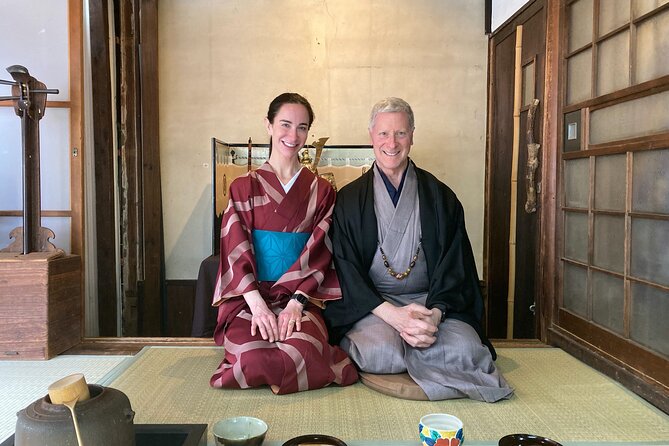
Tokusaburo Miyagawa is the fourth-generation owner of the kimono shop. That detail gives the clothing portion more weight than a standard rental counter.
Toku advises you on the kimono and obi, explains design, and discusses occasions for wearing kimono. His role is part guide, part host, and part teacher. The strongest version of this experience comes when you ask questions and take an interest in the clothing instead of treating the fitting as a quick stop before sightseeing.
His personal involvement is also why the tour may appeal to you more than a larger bus excursion. You are not only paying for transport and admission. You are paying for access to a family business, help with clothing, and a private cultural lesson.
At the same time, personal service can be less predictable than a tightly scripted commercial production. One account described the tea portion as chaotic, while other accounts found Toku’s attention and enthusiasm memorable. I would expect warmth and direct contact, but not the precision of a luxury hotel program.
Is $169.90 per person a fair price?
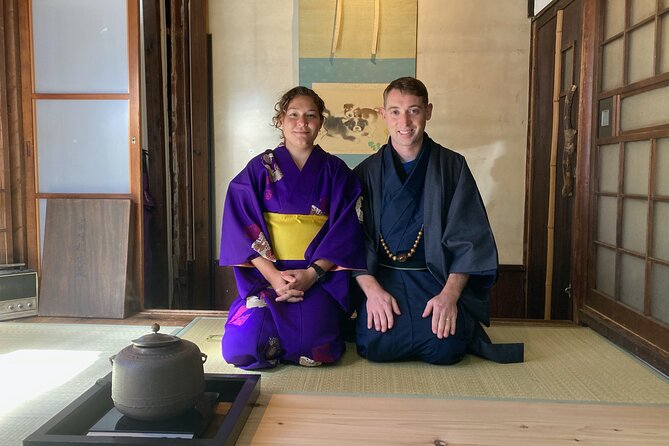
The price is $169.90 per person. That is a serious cost when the basic villa admission is much lower. One price comparison placed the standard entrance cost at about ¥3,000 per person, so the ticket itself does not explain the tour price.
The rest of the package includes several services:
- Antique kimono rental and dressing
- Kimono and obi selection advice
- Tea ceremony instruction
- Two cups of matcha
- Japanese sweets
- Villa admission arrangements
- Villa entrance fee
- Round-trip transport from the shop
- Owner accompaniment
The value depends on what you would otherwise arrange yourself. Katsura tickets can be difficult because visiting hours are limited and numbered admission is required. The operator handles that work, which can save planning time and reduce the risk of missing the villa.
The kimono is also more than a basic rental if you care about the antique pieces and the family knowledge behind them. Add the tea ceremony in a traditional house, and the price becomes easier to understand. Still, it will not feel like a bargain if your main goal is only to see Katsura.
I would compare this with booking villa admission independently and arranging a separate tea ceremony. If you already have access to a kimono experience or only want the garden, this package is likely too expensive. If you want all the parts tied together in one afternoon, the convenience has real value.
Timing, weather, and cancellation details
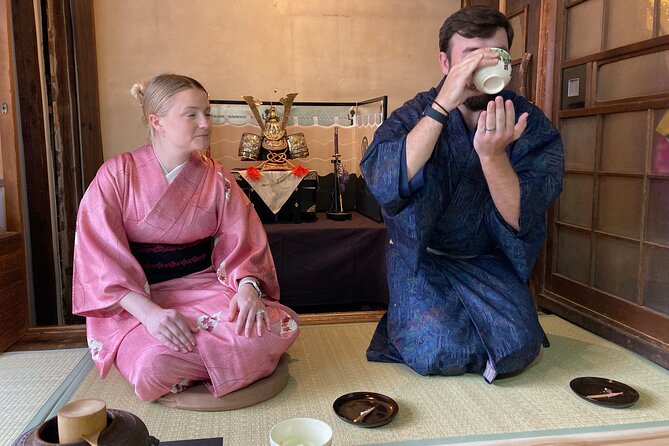
The experience lasts about three hours and begins at 1:00 p.m. It ends back at the shop. Lunch and dinner are not included, so plan your meals separately.
The activity requires good weather. If poor weather causes cancellation, you are offered another date or a full refund. You can cancel for a full refund up to 24 hours before the start time. Changes or cancellations made less than 24 hours before the start are not accepted for a refund.
The experience is booked, on average, about 50 days ahead. That suggests you should not leave it until the last few days if Katsura is important to your Kyoto plans. Admission is limited, and the operator must arrange the numbered ticket.
Who should book this Kyoto experience?
I would choose this for someone who wants a focused cultural afternoon rather than a fast checklist of Kyoto sights. It suits you if you care about Japanese gardens, traditional architecture, kimono, and tea ceremony in one package.
It is especially useful for first-time visitors who do not want to manage Katsura’s ticket process. It also works well for couples or small private groups who value photographs and personal attention.
I would hesitate if you want a fully live English guide inside the villa. The prerecorded headset may provide solid information, but it does not offer the same conversation. I would also hesitate if you dislike formal clothing, have a tight budget, or expect a perfectly choreographed tea ceremony.
Should you book it?
Book this experience if Katsura Imperial Villa is high on your Kyoto list and you want the garden connected to kimono and tea culture. The villa is the strongest sight, while Toku’s family business and the traditional house give the afternoon its personal character.
Skip it if you only want villa admission or if $169.90 feels too high for a package with mixed English support. For the right visitor, the ticket arrangements, antique clothing, transport, and tea lesson make the cost defensible. For everyone else, independent villa admission may be the wiser choice.
FAQ
Where does the experience begin?
It begins at Miyagawa Tokusaburo Shoten, located at 32-4 Katsuranozatocho, Nishikyo Ward, Kyoto, 615-8073, Japan.
What time does the tour start?
The start time is 1:00 p.m.
How long does the experience last?
The activity lasts approximately three hours and finishes back at the shop.
Is transportation included?
Yes. Round-trip transportation from the shop to Katsura Imperial Villa is included.
Is Katsura Imperial Villa admission included?
Yes. The package includes the villa entrance fee and the same-day admission ticket arrangement.
Will I wear an antique kimono?
Yes. You select an antique kimono and obi with advice from Tokusaburo Miyagawa, and staff provide the dressing.
What is included in the tea ceremony?
The tea experience includes a demonstration, instruction on preparing and drinking matcha, two cups of matcha, and Japanese sweets from a local confectioner in Katsura.
Can I cancel for a refund?
You can cancel at least 24 hours before the start time for a full refund. Cancellations or changes made less than 24 hours before the start time are not refunded. If poor weather causes the activity to be canceled, you are offered another date or a full refund.
Newest Kyoto experiences on the site
- Treasures of Kyoto: Gion & historical Walking Tour★ 5.0 · 6 reviews
- Whisk Your Own Matcha: A Zen Matcha Experience at Temple★ 3.6 · 7 reviews
- Kyoto tea town for matcha lovers★ 5.0 · 16 reviews
- Uji: Private immersion into Kyoto’s tea and reglious culture★ 5.0 · 17 reviews
- Kyoto Matcha Green Tea Tour★ 4.5 · 23 reviews
- Uji and Wazuka Matcha Farm Half Day Private Guided Tour★ 5.0 · 21 reviews
- Utilising upcycled Matcha! Creating matcha incense (Uji, Kyoto)★ 5.0 · 6 reviews
- Sacred Temple Yoga Experience in Japan★ 5.0 · 3 reviews
Kyoto Imperial Palace Tours, compared.
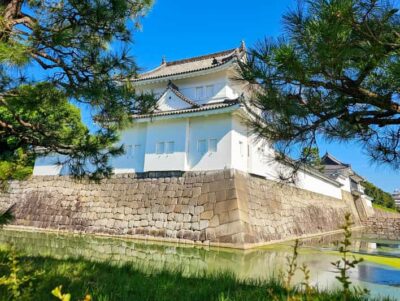
Imperial Palace & Nijo Castle Guided Walking Tour
Read our review →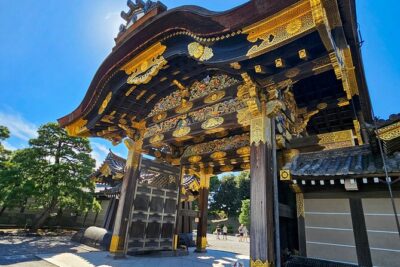
Kyoto Imperial Palace & Nijo Castle Guided Walking Tour – 3 Hours
Read our review →
Nijo Castle and Kyoto Imperial Palace Guided Tour
Read our review →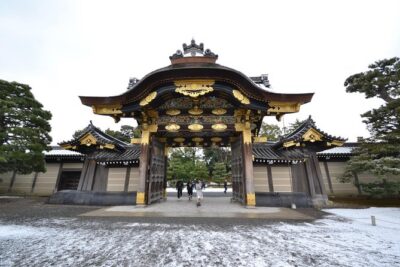
Nijo Castle and Imperial Palace Visit with Guide
Read our review →
Kyoto Imperial Palace and Nijo Castle Walking Tour
Read our review →Browse the lists this tour appears in