
Reviewed · KYOTO MATCHA EXPERIENCES
Kyoto: Uji Matcha Tea Museum Entry Ticket
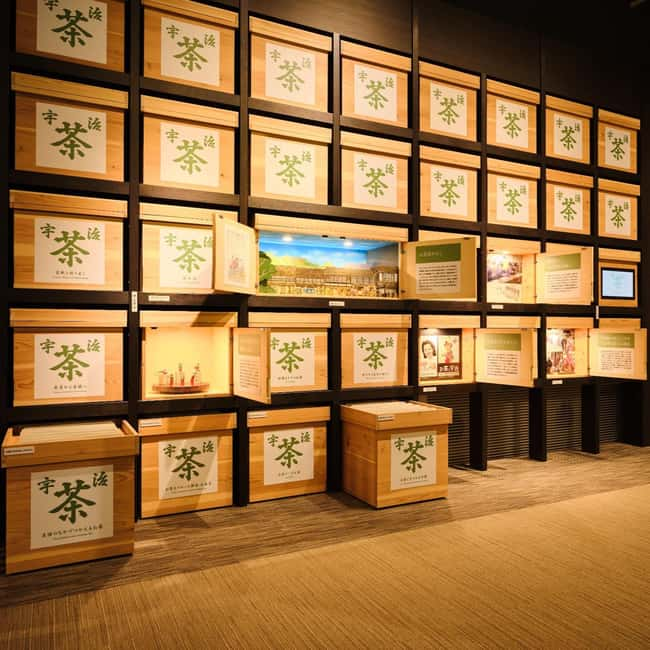
Uji tea gets more than a quick tasting here. At Chazuna’s Uji Tea Room, you can use touch-based digital exhibits to learn how tea is grown and made, why Uji became famous, and how Gyokuro differs from Sencha. The final tea-themed photo spot gives the visit a light, playful finish.
I like two things right away: the museum explains tea in a way that works for children and adults, and it connects tea with the town of Uji itself. The large 4K screen showing illustrated town scenes and the huge 10-yen coin with Byodoin Phoenix Hall add more than a simple lesson about leaves and cups.
The main consideration is scale. This is a museum entry ticket, not a guided tea ceremony, tasting class, or full-day tour. The supplied information does not give an exact visit length, so you should treat it as a focused cultural stop rather than your only activity in Uji.
Key points to know before you go
- Touch-friendly tea exhibits: Learn how Uji tea is produced through digital displays designed for active participation.
- Gyokuro and Sencha explained: Compare two important Japanese tea styles and learn what makes their preparation different.
- Uji’s story beyond tea: The History Room connects the tea trade with changes in the town and the Uji River.
- A giant Byodoin coin: A large 10-yen coin featuring Byodoin Phoenix Hall provides an easy-to-spot visual welcome.
- A 4K town display: The illustrated Meisho-zue town scenes are a central visual feature of the museum.
- Easy planning: Entry costs $3.87 per person, the ticket is valid for one day, and free cancellation is available up to 24 hours ahead.
Why this small museum matters in Uji
Uji is closely linked with high-quality Japanese tea, but it is easy to pass through town without understanding why. This museum gives you a clear starting point. Instead of treating matcha as a fashionable drink, it explains the work, methods, and local story behind Uji tea.
That context matters. A cup of tea becomes more meaningful when you understand how production methods affect flavor and why different teas are handled in different ways. The museum focuses on questions you are likely to have as you explore Uji: How is tea made? How did Uji tea begin? What separates Gyokuro from Sencha? How can you prepare tea well?
I like this question-and-answer approach because you do not need much background. You can arrive knowing only that Uji is associated with matcha and leave with a better sense of the wider tea culture. The displays aim to make you want to drink tea, but they also give you reasons to pay attention to what is in your cup.
This is especially useful if your time in Uji is limited. A short museum visit can give shape to the rest of your day, helping you see tea shops, local streets, and nearby sights with more context.
More tea days out in Uji:
- Uji: Green Tea Tour with Byodoin and Koshoji Temple Visits
★ 4.8 · 72 reviews - Uji: UNESCO Heritage & Tea Ceremony Walking Tour
★ 4.6 · 54 reviews - Matcha Grinding Experience and Walking Tour in Uji Kyoto
★ 5.0 · 26 reviews
The Uji Tea Room turns tea lessons into an activity
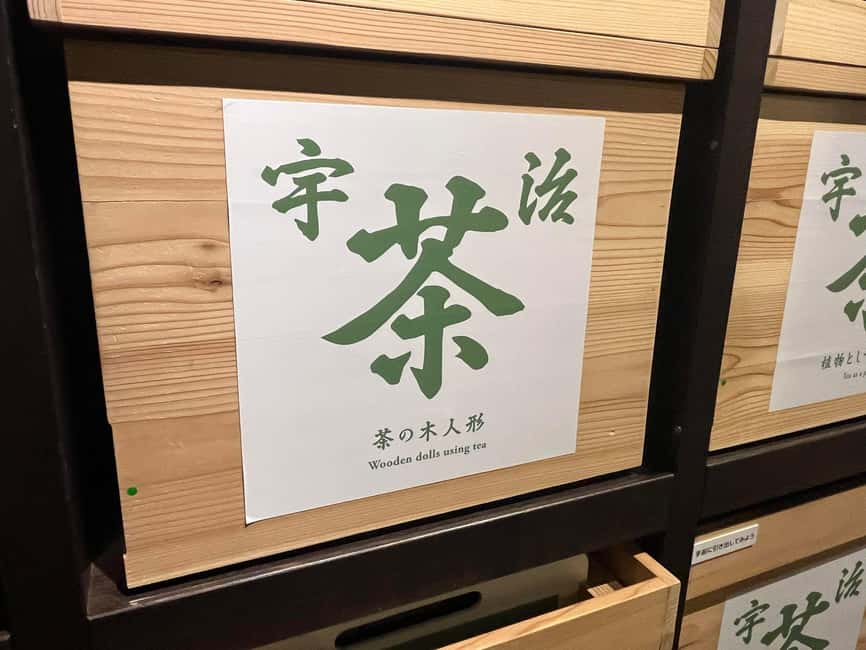
The Uji Tea Room, also called Uji-cha no Ma, is the main educational section. Here, digital exhibitions cover the birth story of Uji tea, production methods, and differences between major tea types.
The important detail is that these are touchable exhibits. You are not simply reading a wall of text. The format encourages you to interact with the information, which should make the visit easier for families and for anyone who prefers visual learning.
You can expect the displays to focus on the path from tea production to preparation. The exact order of the material is not specified, so I would not expect a formal lecture with a guide or a fixed presentation. Instead, you can move through the material at your own pace and spend more time on the questions that interest you.
Gyokuro and Sencha receive particular attention. This is useful because visitors often recognize the names but do not know how the teas differ. The museum also addresses how to prepare tea in a way that brings out good flavor. Even if you do not plan to become a tea expert, these details can make your next tea stop more rewarding.
One practical point: the ticket includes museum admission only. It does not list a tea ceremony, a tasting session, or a hands-on preparation workshop. If you specifically want to whisk matcha or sit through a traditional service, you should look for a separate activity.
The History Room links tea with Uji town
The History Room shifts the focus from the drink to the place. A huge 10-yen coin featuring Byodoin Phoenix Hall welcomes you into this section, giving you an instantly recognizable image tied to Uji.
The displays explore how Uji and the Uji River changed over time. That broad view is valuable because Uji is not only a tea destination. Its identity also comes from its river, its built environment, and the famous Phoenix Hall image seen on the 10-yen coin.
The museum uses digital exhibitions to present this story. The biggest visual feature is a 4K HDTV screen showing townscape drawings known as Meisho-zue. This is one of the sections I would make time for, even if your main interest is tea.
A large screen can make historical information easier to grasp than a long written explanation. You can see how the town was represented and consider how Uji’s river and streets fit into its story. The display is also a useful change of pace after the tea-focused material.
Do not expect a conventional collection of old objects based on the information provided. The museum’s strength is its digital presentation. If you enjoy interactive screens and visual storytelling, that is a plus. If you prefer original artifacts, formal lectures, or detailed archival displays, the experience may feel lighter.
The photo spot gives the visit a relaxed finish
The final corner includes a tea-themed photo spot. This may sound like a small feature, but it serves a purpose. After the more educational sections, it gives children and adults a chance to have fun with the subject rather than simply move on.
You can take photos there as a memory of your Uji visit. Families may find it especially useful, since younger visitors often need a playful moment after reading and screen-based exhibits. It also gives the museum a clear ending instead of leaving you at the last display with no sense of closure.
The photo area is not a reason by itself to buy the ticket. The tea and history exhibits are the main value. Still, it adds personality and makes the museum feel less formal.
More matcha experiences in Kyoto:
- Kyoto: Arashiyama Bamboo Forest, Monkeys, Matcha & Temple Tour
★ 5.0 · 759 reviews - Kyoto: Tea Museum Tickets and Matcha Grinding Experience
★ 4.9 · 739 reviews - Kyoto: Tea Ceremony Meditation – Make Matcha with Tea Master
★ 4.8 · 406 reviews - Kyoto: Kimono Tea Ceremony with Matcha and Sweet
★ 4.9 · 249 reviews
What the $3.87 ticket includes
At $3.87 per person, the admission price is low enough to fit easily into a day of sightseeing. The ticket includes entry to the museum, including the Uji Tea Room, History Room, digital exhibitions, 4K town display, and tea-themed photo spot.
The value depends on what you want from a museum. For a modest fee, you get a structured introduction to Uji tea and local history. That is useful if you are already planning to be in Uji and want more than a quick walk through town.
The price is less compelling if you expect a tasting, a ceremony, or a long guided tour. None of those are included in the supplied details. Think of the ticket as an affordable educational stop that can add meaning to other Uji activities.
The ticket is valid for one day, and the booking system allows you to reserve now and pay later. You can also cancel for a full refund up to 24 hours in advance. Those terms are helpful if your Japan schedule is still shifting, though the museum ticket itself does not list a specific visit time in the available information.
Who will get the most from this experience
I would recommend this museum to anyone curious about Japanese tea but unsure where to begin. The material starts with basic questions, so you do not need to know the difference between tea varieties before arriving.
It also suits families. The touch-based digital exhibits and photo area give children something active to do, while adults can focus on production methods, local history, and tea preparation. The museum does not rely only on quiet reading, which makes it more approachable for mixed-age groups.
It is a good choice for visitors who want an introduction before visiting tea shops or trying Uji tea elsewhere. Once you know a little about Gyokuro, Sencha, and production, you can pay closer attention to what you order.
The museum is wheelchair accessible, which makes it a practical option for visitors who need an accessible attraction. The supplied details do not specify the layout, restroom arrangements, or exact facilities, so you may want to confirm those points directly if they affect your planning.
How to fit it into a day in Uji
Because the ticket is valid for one day but no exact duration is provided, keep your schedule flexible. You do not need to build an entire day around the museum. Instead, use it as one part of a broader Uji visit.
A sensible approach is to allow enough time for both main areas without rushing. Start with the Uji Tea Room while your attention is fresh. Learn how Uji tea is made, consider the Gyokuro and Sencha comparison, and review the preparation advice.
Then move to the History Room. The huge coin and the 4K Meisho-zue screen shift your focus from the tea plant to the town. Finish at the photo spot, where you can take a few pictures before continuing elsewhere.
Since no guide names or group size are provided, plan for a self-guided visit. You should not expect a personal host to lead you through each display. That gives you freedom, but it also means you need to read and interact with the exhibits yourself.
Should you book the Uji Matcha Tea Museum?
Book it if you want an inexpensive, accessible introduction to Uji tea and local history, especially if you are visiting with children or prefer interactive displays. The $3.87 price is reasonable for a museum stop that explains production, tea types, preparation, and the story of Uji.
Skip it if your main goal is a traditional tea ceremony, a tasting, or a hands-on matcha workshop. Those are not included in the stated admission. For most visitors already spending time in Uji, though, this is an easy add-on that helps you understand the town and its best-known drink.
FAQ
Where is the Uji Matcha Tea Museum located?
The experience is located in Uji, in Honshu, Japan, and is provided by Chazuna.
What does the museum ticket include?
The ticket includes museum admission. This covers the Uji Tea Room, History Room, digital exhibitions, the 4K town display, and the tea-themed photo spot.
How much does admission cost?
The listed price is $3.87 per person.
How long is the museum ticket valid?
The ticket is valid for one day. The available details do not provide an exact length for the museum visit.
Is the museum wheelchair accessible?
Yes. The experience is listed as wheelchair accessible.
Can I cancel my booking?
Yes. You can cancel up to 24 hours in advance for a full refund. You can also reserve now and pay later.
More Museums in Kyoto
- Skip the lines Basic Ticket at SAMURAI NINJA MUSEUM KYOTO
★ 4.5 · 632 reviews - Kyoto : Geiko Maiko Dance of Kyoto & Visits of Gion Museum
★ 4.6 · 415 reviews - Kyoto Sword Experience – includes Museum Ticket/Ninja Experience
★ 4.5 · 149 reviews - Kyoto: Samurai Ninja Museum guided tour
★ 4.8 · 145 reviews
Newest Kyoto experiences on the site
- Treasures of Kyoto: Gion & historical Walking Tour★ 5.0 · 6 reviews
- Whisk Your Own Matcha: A Zen Matcha Experience at Temple★ 3.6 · 7 reviews
- Kyoto tea town for matcha lovers★ 5.0 · 16 reviews
- Uji: Private immersion into Kyoto’s tea and reglious culture★ 5.0 · 17 reviews
- Kyoto Matcha Green Tea Tour★ 4.5 · 23 reviews
- Uji and Wazuka Matcha Farm Half Day Private Guided Tour★ 5.0 · 21 reviews
- Utilising upcycled Matcha! Creating matcha incense (Uji, Kyoto)★ 5.0 · 6 reviews
- Uji Tea Ceremony and UNESCO Heritage Walking Tour★ 5.0 · 20 reviews
Kyoto Matcha Experiences, compared.

Arashiyama Bamboo Forest, Monkeys, Matcha & Temple Tour
Read our review →
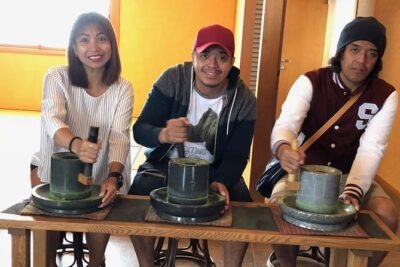
Tea Museum Tickets and Matcha Grinding Experience
Read our review →
Tea Ceremony Meditation – Make Matcha with Tea Master
Read our review →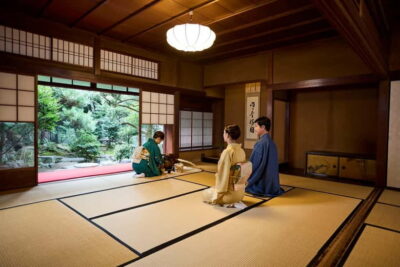

Arashiyama Bamboo, Temple, Matcha, Monkeys & secret spots
Read our review →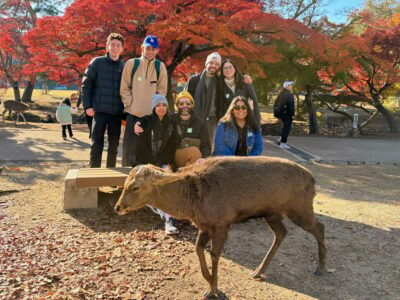
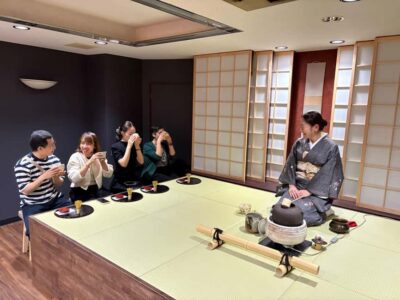
Traditional Tea Ceremony with Matcha & Sweets in Gion
Read our review →Browse the lists this tour appears in