Reviewed · TOURS
KYOTO: Tour guidato tra i tesori della città (in italiano)
Kyoto reveals itself in layers on this Italian-guided tour. You move from the quiet Sagano Bamboo Forest to the glittering Golden Pagoda, then return to the city for Kiyomizu-dera, the old lanes of Sannenzaka and Ninenzaka, Gion, and Pontocho. The route covers a lot, but it also gives you a useful view of how old Kyoto fits into modern city life.
I like two things right away: all local transport and monument entrance fees are included, and the guide is a native Kyoto resident who speaks Italian. The tour also ends in Pontocho, a good place to continue your evening on your own. The main drawback is the pace. You cover several districts by train, bus, subway, and foot, so this is not a slow, lingering visit.
Key points to know before booking
- The tour links Kyoto’s biggest sights in one day: Kinkaku-ji, Sagano, Kiyomizu-dera, Gion, and Pontocho all appear on one route.
- The guide speaks Italian and knows Kyoto from the inside: You can ask questions about history, customs, daily life, and the city today.
- Transport is part of the experience: Trains, buses, and the subway save you from arranging a complicated route yourself.
- The bamboo forest is a walking stop: Plan for about an hour on foot in the Sagano area.
- The afternoon shifts toward old Kyoto streets: Kiyomizu-dera leads into Sannenzaka, Ninenzaka, Gion, and the Minami-za theater.
- The finish is flexible: You end at Pontocho, but you can leave the tour earlier if the full route feels too long.
Why this Kyoto route works
Kyoto is easy to admire and surprisingly tricky to organize. Its famous sights sit in different parts of the city, and the best route changes depending on train lines, buses, crowds, and opening times. This experience takes care of that planning while giving you an Italian-speaking guide to explain what you are seeing.
The route is especially useful on a first visit. You see the northwest suburbs, the eastern temple district, and the traditional entertainment quarters in one day. That geographic spread helps you understand Kyoto as more than a collection of postcard views.
The guide’s role matters here. The tour promises a native Kyoto guide who can explain the city’s history, culture, and present-day life in Italian. That gives you a chance to ask about subjects that signs and guidebooks often skip, including the old aristocratic and samurai worlds, the imperial family’s connections, and the work of maiko and geiko.
The schedule is listed as one day, while another description calls the route a half-day itinerary. The detailed program includes a morning circuit, a one-hour break at Kyoto Station, and an afternoon circuit ending in Pontocho. I would plan for a substantial day and confirm the exact start time before booking.
A few more Kyoto tours worth putting on the shortlist
- PERFECT KYOTO 1-Day Bus Tour
★ 5.0 · 13,518 reviews - Kyoto: Fushimi Inari, Kinkakuji, Bamboo Grove 1 Day Bus Tour
★ 4.8 · 4,316 reviews - Kyoto: Tea Ceremony in a Traditional Tea House in Kiyomizu
★ 4.9 · 3,519 reviews
Starting at Kyoto Station
The meeting point is at Kyoto Station’s North Entrance, also called the Karasuma-guchi side. Look for the open space between the two escalators in front of the taxi terminal, not the bus terminal. Kyoto Tower should be visible ahead and slightly to your upper left when you are standing in the meeting area.
This is a helpful landmark, because Kyoto Station is large and busy. Give yourself enough time to reach the north side of the station and check the final meeting instructions sent by email the day before.
The first ride takes about 20 minutes by train toward the Sagano area. Starting with public transport gets you into the rhythm of Kyoto quickly. It also means you do not need to work out the first connection on your own.
Walking through Sagano’s Bamboo Forest
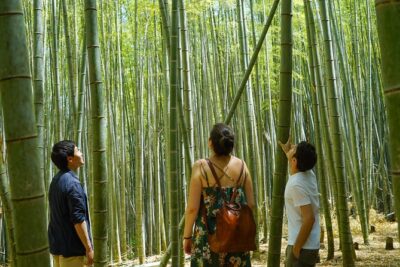
The Sagano Bamboo Forest is the first major stop, with about an hour for a guided visit and walk. Tall bamboo fills the paths, creating one of Kyoto’s most recognizable scenes. The appeal is visual, but the guide adds context about the surrounding area and its place in old Kyoto.
This is a walking stop, not a drive-by photo pause. Wear comfortable shoes and expect to share the paths with other people, since the forest is one of the city’s best-known sights. The walk comes early, which is useful: you handle one of the day’s most scenic outdoor sections before the later temples and old streets.
The Sagano area also introduces the theme of the tour: the northwestern suburbs as a retreat for imperial relatives, aristocrats, and writers of earlier periods. You are not only seeing bamboo. You are seeing an area tied to the quiet, rural side of Kyoto’s past.
After the forest, you take another train for roughly 20 minutes, followed by a bus ride of about 15 minutes. These transfers are practical, but they add movement to the day. If you prefer to stay in one neighborhood for several hours, this route may feel busy. If you want to connect major sights without transport research, it is a sensible trade.
The Golden Pagoda at Kinkaku-ji
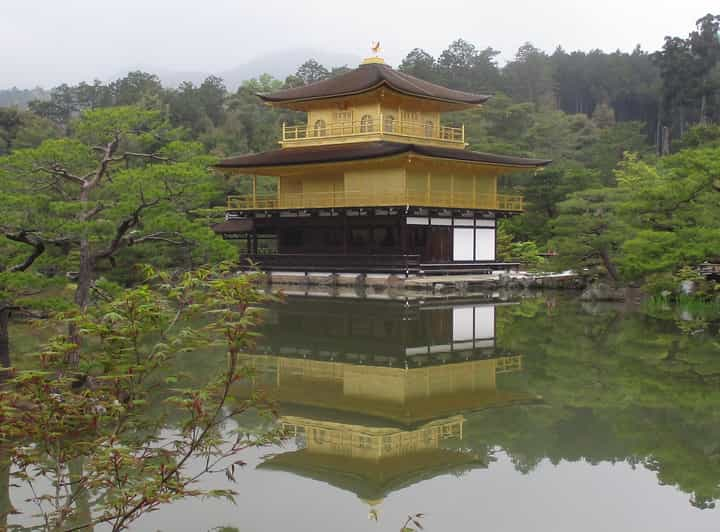
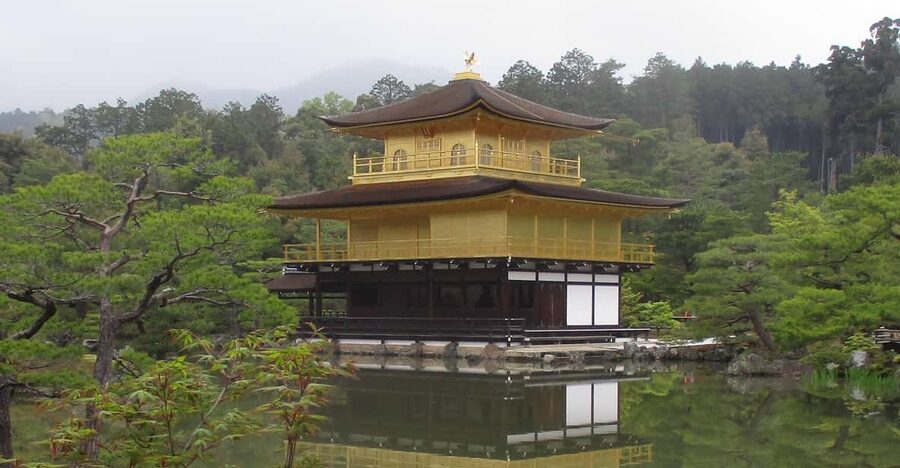
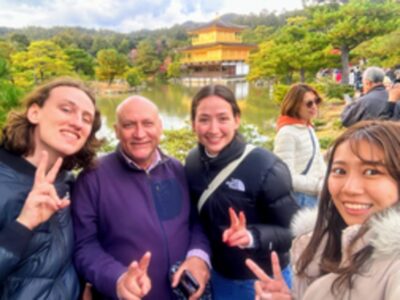
Kinkaku-ji, known as the Golden Pavilion, follows the bamboo forest. The visit includes about an hour for sightseeing with the guide. The building’s gold-covered exterior reflects in the pond, making this one of Kyoto’s most instantly recognizable temple views.
The grounds matter as much as the pavilion. The setting shows how religion, architecture, water, gardens, and elite retreats were designed to work together. The tour’s focus on aristocrats and imperial relatives gives your guide a useful starting point for explaining that world.
Kinkaku-ji is a popular stop, and the route allows about an hour rather than an extended garden visit. You should expect a focused introduction and time to see the main views, not a long private wander. The advantage is that you keep enough time for the eastern Kyoto sights later.
The next section includes another bus ride of about 15 minutes, then a subway ride of around 15 minutes back toward Kyoto Station. This is where a guide who knows the city can save you effort. Kyoto’s transport network is manageable, but the combination of rail and bus connections is less pleasant when you are trying to watch the clock.
Same city, a completely different kind of day:
- Kyoto Geisha Walking Tour: Gion District & Hidden Gems
★ 4.7 · 3,273 reviews - Kyoto: Tea Ceremony Ju-An at Jotokuji Temple
★ 4.9 · 3,207 reviews - Kyoto: Gion Magical Night Walking Tour with Geisha Trivia
★ 4.9 · 2,393 reviews - Kyoto: 45-Minute Tea Ceremony Lesson Experience
★ 4.3 · 2,378 reviews
The midday pause at Kyoto Station
The program includes about one hour of break time at Kyoto Station before the afternoon section. This pause separates the two halves of the route and gives you a chance to rest after the morning’s walking and transfers.
The station is a practical place for a break, but the supplied details do not specify whether lunch is included. Plan on handling food yourself unless the guide gives different instructions. You may prefer to eat quickly so you have more energy for the temple and hillside lanes ahead.
This pause also explains why the experience can feel like a full day even though one description calls it half-day. The overall route has a morning sightseeing circuit, a station break, and a second circuit that continues into the evening districts.
Kiyomizu-dera and the eastern hills
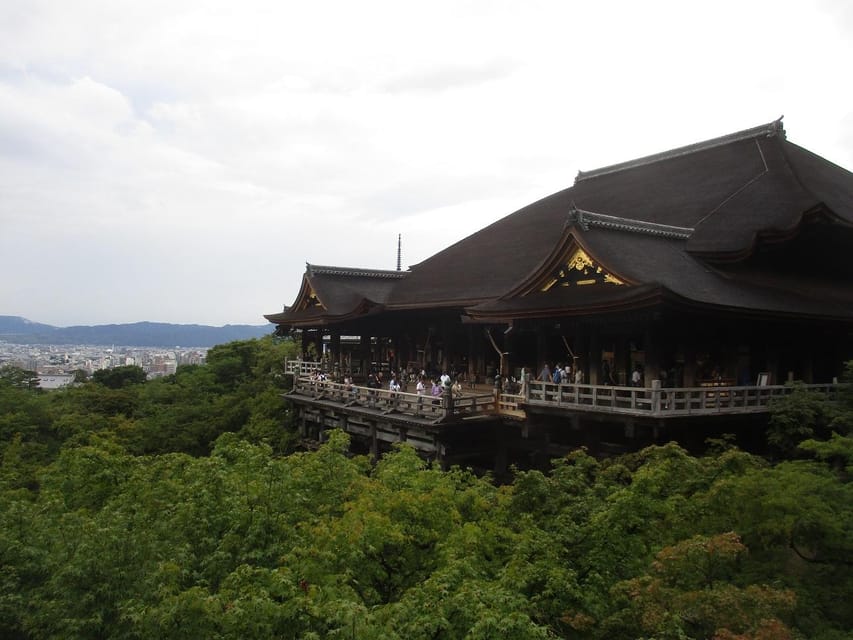
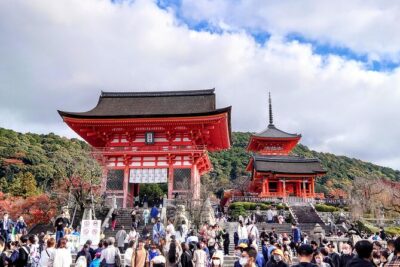
The afternoon begins with a bus ride of about 15 minutes to Kiyomizu-dera. You receive a guided visit and about an hour for sightseeing. The temple is one of Kyoto’s defining stops, known for its elevated wooden stage and broad views over the city.
Kiyomizu-dera gives the tour a different mood from Kinkaku-ji. The Golden Pavilion is a carefully framed view beside water. Kiyomizu-dera feels more connected to the hillside and the city below. Your guide can place the temple within Kyoto’s religious and cultural story while also answering practical questions about modern life.
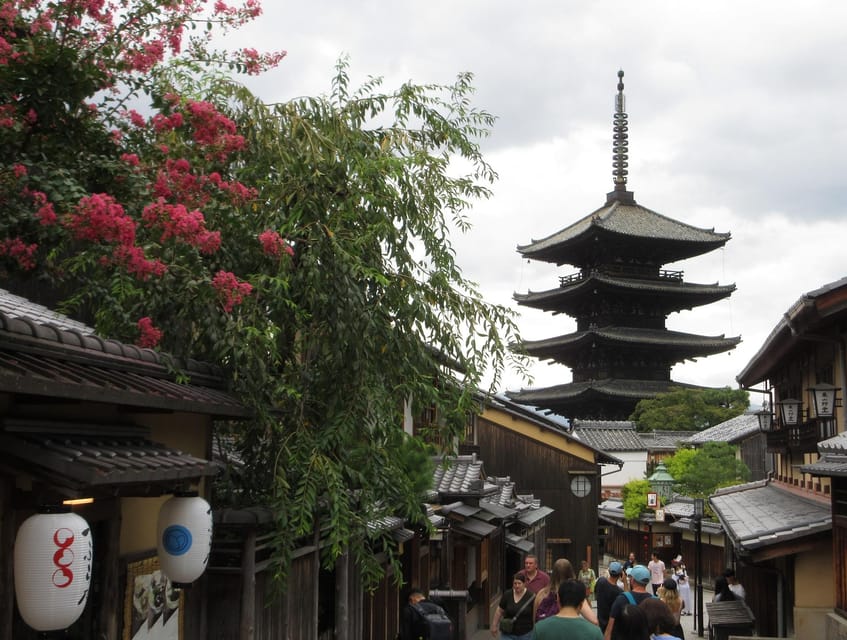
From the temple, you walk about five minutes to Sannenzaka. This old sloping lane is lined with traditional-style buildings and small shops. The walk is short, but the stone-paved streets and preserved facades help you see how Kyoto presents its historic quarters in daily use.
The next stop is Ninenzaka, reached after another five-minute walk. The listed visit here is brief, about two minutes, so do not expect a long shopping period. Instead, treat it as part of the connected walking route from Kiyomizu-dera toward Gion.
The eastern hills can be tiring. You will be walking on slopes and old-paved streets, and the schedule keeps moving. Comfortable shoes matter more here than stylish footwear. If you have mobility concerns, ask about the route in advance even though the activity is listed as wheelchair accessible, because the program includes several walking sections and transfers.
Gion and the world of maiko and geiko
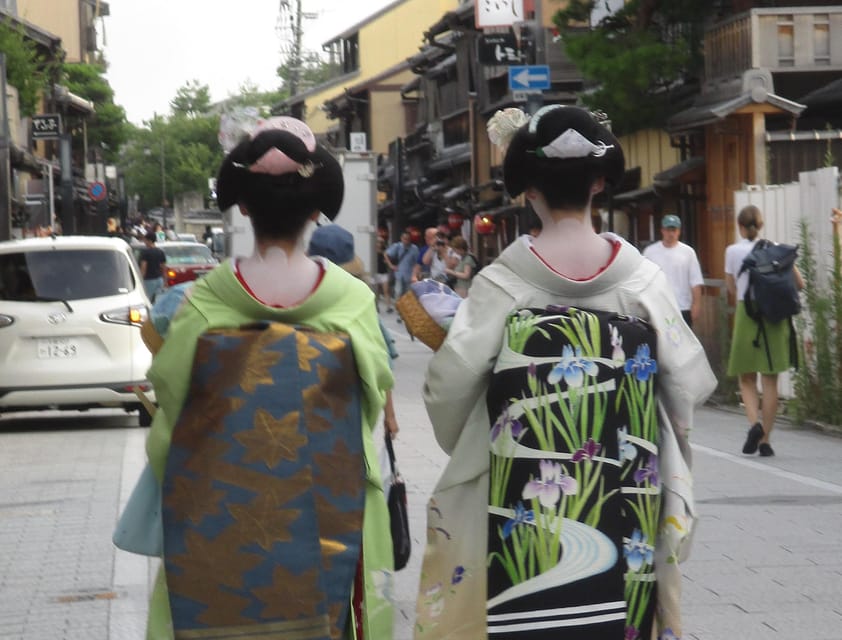
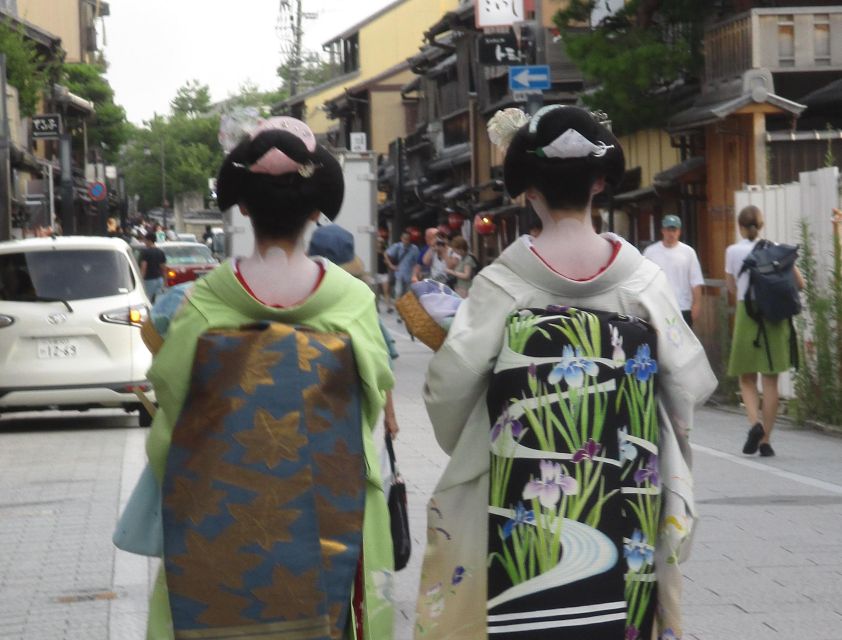
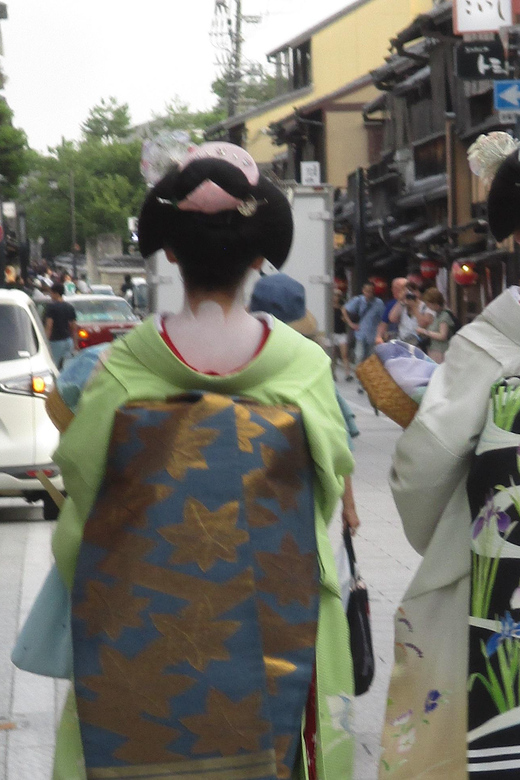
The walk from Ninenzaka to Gion takes about 15 minutes, followed by roughly 30 minutes of guided sightseeing. Gion is Kyoto’s best-known traditional entertainment district, and the guide introduces it as the working area of professional artists known as maiko and geiko, often called geisha in English.
That wording matters. Maiko are apprentices, while geiko are professional artists, and the district is not simply a stage set for visitors. The guide can help you understand the work and customs connected with these professions, rather than reducing the area to costume photos and narrow lanes.
Gion is also a place where good behavior counts. Walk quietly, do not block entrances, and remember that people live and work here. The tour’s short guided visit is useful because it can show you the district without encouraging the kind of careless sightseeing that causes problems in working neighborhoods.
The area provides a strong contrast with the forest and temples earlier in the day. You move from natural scenery to sacred buildings, then into a living quarter tied to music, dance, hospitality, and performance.
Kyoto’s Minami-za theater
The route includes a short guided stop at Kyoto Minami-za, with about three minutes for sightseeing. Minami-za is associated with traditional Japanese theater and sits near the Gion and Pontocho area.
Three minutes is enough for an introduction and exterior view, not a theater performance. That distinction is important. The stop adds cultural context to the neighborhood, but you should not book this tour expecting tickets to a show.
Its place in the route makes sense. After learning about maiko and geiko, you see another part of Kyoto’s performance culture. The brief pause keeps the focus on the district rather than turning the tour into a theater visit.
Ending in Pontocho
A short walk of about three minutes brings you to Pontocho, where the tour ends. Pontocho is one of Kyoto’s best-known dining and evening streets, set near the Kamo River. The experience does not include an onward activity there, so you are free to leave once the guided portion finishes.
This is a useful ending point. You do not have to return to Kyoto Station after seeing Gion and the eastern lanes. You can continue your evening in the central area, make your own dinner plans, or use local transport from there.
You can also leave the tour partway through. That flexibility helps if you have a dinner reservation, children who are tired, or enough temple visits for one day. Still, tell the guide clearly before separating so nobody is waiting for you at the next stop.
What the $153 price covers
At $153 per person, this is not a low-cost sightseeing walk. The price makes more sense when you count the pieces included: an Italian-speaking guide, train rides, buses, subway travel, and entrance fees for the monuments visited during the route.
You are also paying for route planning. Reaching Sagano, Kinkaku-ji, Kyoto Station, Kiyomizu-dera, Gion, and Pontocho in one organized sequence takes time and local know-how. If you would otherwise buy several tickets, check directions, and manage transfers in Japanese or English, the convenience has real value.
The price is harder to justify if you already know Kyoto’s transport system, speak Japanese, or prefer to spend half a day at one temple district. Independent sightseeing will give you more control over how long you stay at each stop.
The strongest reason to pay is the Italian language. The confirmed information does not provide the guide’s personal name, so you should not expect to choose a specific guide. What you do get is a native Kyoto guide conducting the experience in Italian, with time for questions about both past and present life.
Who should book this experience
I would recommend this tour to you if Italian is your preferred language and you want a broad first look at Kyoto. It suits visitors who want the major sights handled in one organized day, especially those who do not want to plan several rail and bus connections.
It also works well for curious first-time visitors who want more than photos. The guide is expected to explain the lives of aristocrats, imperial relatives, literati, and samurai, as well as the work of maiko and geiko. That range gives the day more meaning than a simple temple checklist.
You may want something else if you dislike fixed schedules or need long, quiet periods at each stop. The route covers a lot of ground, includes multiple transfers, and gives only short visits to some places. It is best seen as a carefully guided overview, not a slow study of one neighborhood.
The activity is listed as wheelchair accessible, but the detailed program includes walking through the bamboo forest, Sannenzaka, Ninenzaka, Gion, and Pontocho. Ask for specific route details before booking if accessibility is essential for you.
Practical details that affect your day
You can cancel up to 24 hours before the experience for a full refund, and the reserve-now, pay-later option keeps payment flexible. Starting times vary, so check availability for your date.
The tour is offered as a group or individual experience, with an Italian-speaking guide. Since no fixed group size is provided, confirm that point if the size of the group will affect your decision.
Bring comfortable walking shoes and plan for a long day. The first half includes the bamboo forest, Kinkaku-ji, and several transport changes. The second half adds Kiyomizu-dera, sloping historic streets, Gion, Minami-za, and Pontocho.
Should you book it?
Book this experience if you want one Italian-speaking guide to connect Kyoto’s major sights, and if saving transport planning is worth $153 to you. The route is broad, useful, and full of contrasting places, from bamboo paths and temple gardens to working entertainment districts.
Skip it if you want to linger, shop at length, or explore one area at your own pace. The best reason to choose this tour is not simply the number of stops. It is the chance to ask a native Kyoto guide why these places matter and how they fit into the city people live in today.
FAQ
What language is the tour conducted in?
The tour is conducted in Italian by a live Italian-speaking guide.
Where does the tour begin?
It begins at Kyoto Station’s North Entrance, on the Karasuma-guchi side.
How do I find the meeting point at Kyoto Station?
Meet in the space between the two escalators in front of the taxi terminal, not the bus terminal. Kyoto Tower should be visible ahead and slightly to the upper left. Final meeting instructions are sent by email by the day before the tour.
Which major sights are included?
The route includes the Sagano Bamboo Forest, Kinkaku-ji, Kiyomizu-dera, Sannenzaka, Ninenzaka, Gion, and Kyoto Minami-za. It ends in Pontocho.
Are transportation and entrance fees included?
Yes. Transportation during the itinerary and entrance fees for the monuments visited are included.
Where does the tour finish?
The guided route finishes in Pontocho. You may leave the experience partway through if needed.
Can I cancel the booking?
Yes. You can cancel up to 24 hours in advance for a full refund. A reserve-now, pay-later option is also available.
Newest Kyoto experiences on the site
- Treasures of Kyoto: Gion & historical Walking Tour★ 5.0 · 6 reviews
- Whisk Your Own Matcha: A Zen Matcha Experience at Temple★ 3.6 · 7 reviews
- Kyoto tea town for matcha lovers★ 5.0 · 16 reviews
- Uji: Private immersion into Kyoto’s tea and reglious culture★ 5.0 · 17 reviews
- Kyoto Matcha Green Tea Tour★ 4.5 · 23 reviews
- Uji and Wazuka Matcha Farm Half Day Private Guided Tour★ 5.0 · 21 reviews
- Utilising upcycled Matcha! Creating matcha incense (Uji, Kyoto)★ 5.0 · 6 reviews
- Sacred Temple Yoga Experience in Japan★ 5.0 · 3 reviews
Tours, compared.
Fushimi Inari, Kinkakuji, Bamboo Grove 1 Day Bus Tour
Read our review →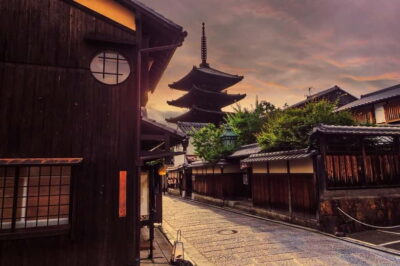
Kyoto Geisha Walking Tour: Gion District & Hidden Gems
Read our review →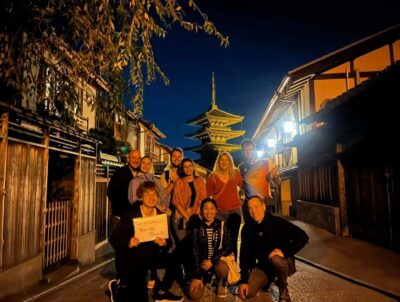
Gion Magical Night Walking Tour with Geisha Trivia
Read our review →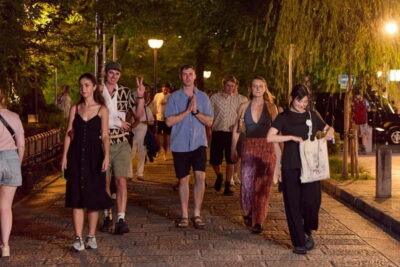
Gion Geisha District Walking Tour – Stories of Geisha
Read our review →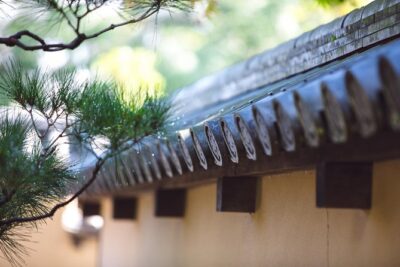
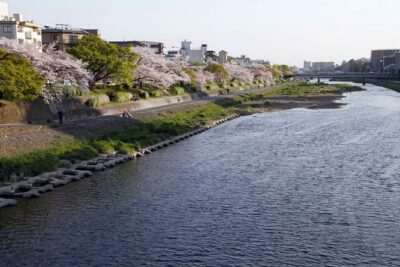
Kyoto Night Foodie Tour in Gion (9+ dishes + 6 Sake tastings)
Read our review →