
Reviewed · KYOTO PRIVATE CAR TOURS
Kyoto and Nara Private Car Tour with a Local English Guide Driver
Kyoto and Nara in one day is a tall order, but this private car tour gives you a practical way to link the two cities without wrestling with train stations, taxis, or long walks. An English-speaking local guide, including guides named Yama and Hibiki, handles the driving, directions, and on-the-ground details.
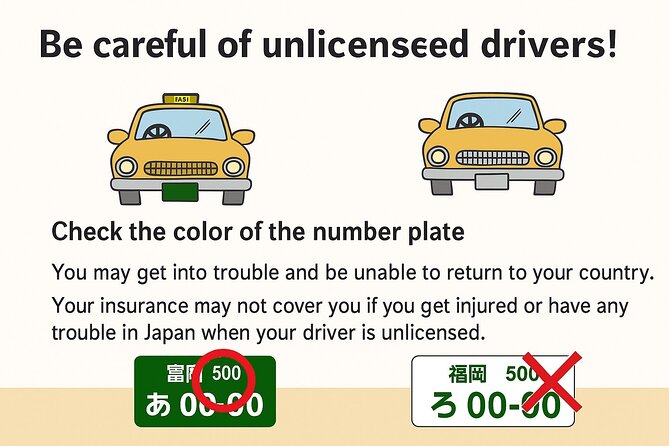
I like the hotel pickup and drop-off, especially for families and older visitors. I also like the flexible route and the licensed green-plate driver, since safety matters when a full day depends on road travel. The catch is simple: ten hours cannot do justice to every listed stop, and the extra 10,000 yen for gas, parking, and highway fees is paid in cash on the day.
Key points to know before booking
- A private group of up to 13: The $459.81 price covers the vehicle and group, not each person, making the tour more attractive for families and larger parties.
- Kyoto and Nara in one day: You can combine major sights such as Fushimi Inari, Kinkaku-ji, Nara Park, and Todai-ji without changing trains.
- A flexible route: The many listed sights form a menu of possibilities, not a promise that every stop will receive a full visit.
- English-speaking Japanese guides: Yama and Hibiki are named guides associated with especially positive experiences, and Japanese language support is available for emergencies.
- Extra costs matter: Temple admissions, meals, and 10,000 yen in gas, parking, and highway charges are not included.
- Comfort over independence: The air-conditioned private vehicle, onboard Wi-Fi, and hotel service save time, but you give up the freedom and lower cost of public transportation.
Why a private car helps in Kyoto and Nara
Kyoto’s famous sights are spread across the city. Fushimi Inari is in the south, Arashiyama is in the west, Kinkaku-ji is in the northwest, and Kiyomizu-dera and Gion sit in the eastern hills. Nara adds another city and another set of major sights.
Public transportation works well for many individual stops, but the connections can take time. A private car lets you move from one part of Kyoto to another with your group together. You do not need to search for the correct platform, squeeze onto a crowded bus, or figure out the last stretch from a station to a temple.
That convenience has real value for families with children, older adults, or anyone carrying luggage. It also makes sense for a group of six or more, since the $459.81 price is charged per group of up to 13 rather than per person.
The tradeoff is traffic. Kyoto can be slow, especially around Arashiyama, Gion, and the eastern temple district. A car removes some transport hassle, but it cannot remove road congestion. I would think of this as a way to connect priority sights comfortably, not as a guarantee of seeing every famous place in one sweep.
More day trips down to Nara:
- Osaka/Kyoto:Kinkakuji,Arashiyama,FushimiInariShrine,NaraPark
★ 4.1 · 1,596 reviews - Kyoto/Osaka: Nara, Fushimi Inari Taisha, Arashiyama Bus Tour
★ 4.7 · 1,275 reviews - Osaka/Kyoto: Arashiyama, Nara & Fushimi Inari Shrine w/Lunch
★ 4.4 · 754 reviews
A route built around your priorities
The experience is described as fully customizable. That is important because the list of possible sights is far too long for a meaningful visit to all of them in ten hours.
The practical approach is to choose a few major priorities before the day begins. A Kyoto-focused route might include Fushimi Inari, Kinkaku-ji, Arashiyama, Nishiki Market, and either Gion or Kiyomizu-dera. A Kyoto and Nara route could focus on Fushimi Inari, Kiyomizu-dera, Nara Park, and Todai-ji.
Your guide can help shape the day around your interests. The company also advertises support with Shinkansen and restaurant reservations, which can be useful if you are building a more complicated Japan itinerary. Japanese language help is available in emergencies, another small benefit when you are dealing with transport, medical needs, or a restaurant problem.
The guides are Japanese and fluent in English and Japanese. Yama received particular praise for explaining history and helping with specific shopping requests, while Hibiki was described as friendly and easy to understand. The company also emphasizes professional licensed drivers, including green-plate vehicles. That is worth confirming when you book, since safe, legal driving is more important than a bargain when you are spending a full day on the road.
Fushimi Inari and the red torii gates
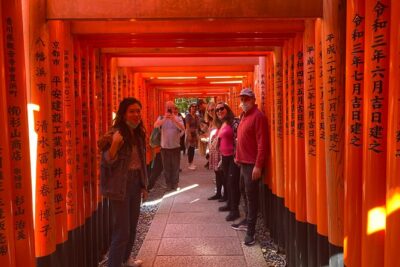
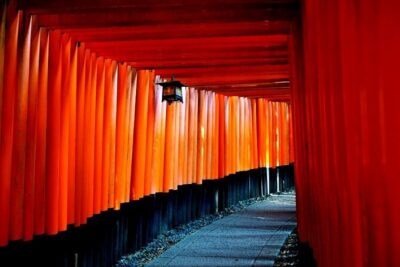
Fushimi Inari-taisha is one of the best choices for the start of a Kyoto day. Its thousands of orange-red torii gates form tunnels up the wooded mountain behind the shrine.
You do not need to climb the entire mountain to get a feel for the place. The lower section gives you the classic photographs and the strongest first impression. If you want to walk farther, tell your guide early, since even a short climb changes the timing of the rest of the day.
The shrine grounds are free, but the paths can be crowded. A brief visit is possible, yet this is one of the stops where an extra 15 minutes can make the experience feel rushed. If Fushimi Inari is a top priority, I would give it more time and remove several minor stops elsewhere.
Arashiyama has more than one famous view

Arashiyama is presented as a cluster of stops: the bamboo forest, Tenryu-ji, Togetsukyo Bridge, the Kimono Forest, the Sagano Romantic Train, and Monkey Park Iwatayama.
The Bamboo Forest is an easy choice for first-time visitors. Tall bamboo rises on both sides of the walkway, creating a cool, shaded passage that feels quite different from central Kyoto. It is also one of the most crowded places on the route, so a short walk may be more realistic than a long, quiet stroll.
Tenryu-ji adds a temple and garden setting to the bamboo visit. The gardens are the main reason to pay the admission fee, with views toward the surrounding hills and carefully arranged ponds, trees, and paths. The temple ticket is extra.
Togetsukyo Bridge crosses the Katsura River and gives you a broad open view after the narrow bamboo paths. It is especially attractive during spring blossoms and autumn color, though the bridge itself is a short photo stop rather than a full activity.
The Kimono Forest near Arashiyama Station is a modern installation of pillars covered in colorful kimono fabric. It takes little time to see, which makes it a reasonable add-on if you are already nearby. I would not choose it over Tenryu-ji or the bamboo forest on a tight schedule.
The Sagano Romantic Train is a scenic vintage-style ride through the Hozugawa Gorge. It is a separate paid activity, and fitting it into a private driving day requires careful timing. The same is true of Monkey Park Iwatayama. You climb a mountain trail to reach the Japanese macaques and a view over Kyoto, so this is not a quick roadside stop. It suits active visitors, but it may not suit a group trying to cover both Kyoto and Nara in one day.
More private car days in Kyoto:
- Private Kyoto Tour with Licensed Guide & Vehicle (Max 15 persons)
★ 5.0 · 417 reviews - Kyoto: Private Customizable Day Tour with Guide and Vehicle
★ 4.9 · 334 reviews - Kyoto: Private Highlights Tour with Guide and Luxury Vehicle
★ 4.6 · 316 reviews - Explore Kyoto | Private Tour – Local English Driver(guide option)
★ 4.5 · 203 reviews
Central Kyoto: Gion, Nishiki, and the eastern temples
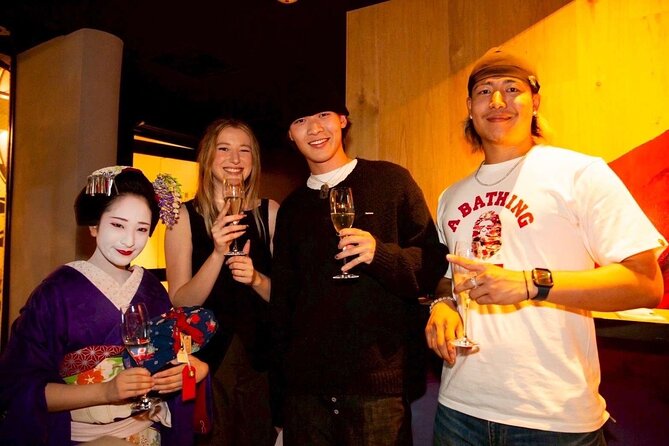
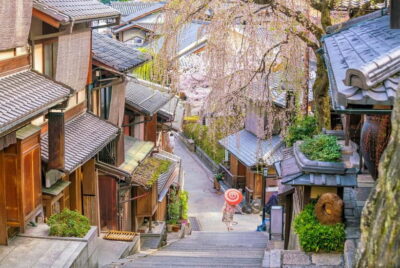
Gion offers traditional wooden buildings, narrow lanes, the Shirakawa Canal, and the city’s historic geisha and maiko culture. It is best treated as a place to walk quietly and respectfully, not as a checklist of photo opportunities.
Nishiki Market is Kyoto’s food-shopping street, with more than 100 shops and stalls. It is a good place to sample local foods or pick up small gifts, but meal and shopping costs are your responsibility. A market visit can easily expand beyond the planned time, so set a limit if you still want to reach Nara.
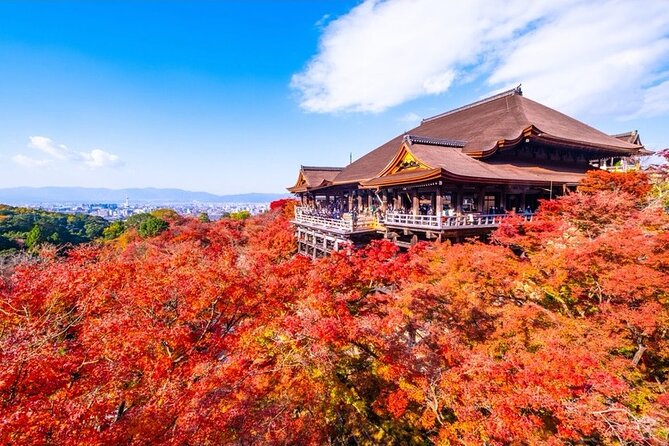
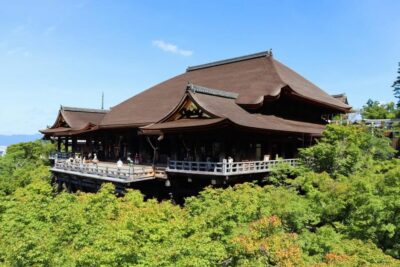
Kiyomizu-dera is one of Kyoto’s major temple visits. Its wooden stage projects from the hillside and gives the complex its famous profile. Admission is extra, and the approach involves uphill streets and substantial walking.
Nearby Yasaka Shrine is free and easy to pair with Gion. Its lanterns and connection to the Gion Matsuri make it an appealing short stop. Chion-in offers a grander temple setting, with a huge wooden Sanmon Gate and broad grounds. Sanjusangendo is different again, known for its long wooden hall and 1,001 life-size Buddhist statues. Each of these places is worth time, but choosing all of them would leave little room for Nara.
Kinkaku-ji and Ginkaku-ji show two sides of Kyoto
Kinkaku-ji, the Golden Pavilion, is one of Kyoto’s most recognizable sights. The gold-covered building reflects in a pond, and the walk through the grounds is fairly direct. Admission is extra, and the main viewing area can feel crowded, but it remains a sensible choice for a first visit.
Ginkaku-ji, the Silver Pavilion, offers a quieter kind of beauty. Despite its name, it was never covered in silver. Its appeal comes from restrained design, moss gardens, and carefully shaped paths rather than bright color.
The two temples make an interesting pair, but they are not close neighbors. If you want both, ask the guide to build the route around traffic and opening hours. I would choose one if your main goal is also to include Nara.
Nijo Castle adds a different layer of history, with palace buildings, gardens, and the former Kyoto residence of the Tokugawa shoguns. It is another paid stop and needs more than a quick photograph to appreciate the interiors and grounds.
The long detour to Amanohashidate and Ine
Amanohashidate and Ine no Funaya are included among the possible destinations, but they do not fit naturally into a normal Kyoto and Nara day. Amanohashidate is a 3.6-kilometer sandbar in northern Kyoto Prefecture, known as one of Japan’s Three Scenic Views. Amanohashidate View Land provides a higher viewpoint over the sandbar.
Ine is a fishing village famous for wooden boathouses built directly over the water, with boats traditionally kept on the lower level. Both areas are appealing, but the distance makes them a poor match for a route that also includes central Kyoto and Nara.
I would ask specifically for a northern Kyoto day if these are your priorities. Do not assume they can be added to a standard sightseeing loop without sacrificing most of the other stops.
Nara Park and Todai-ji deserve real time

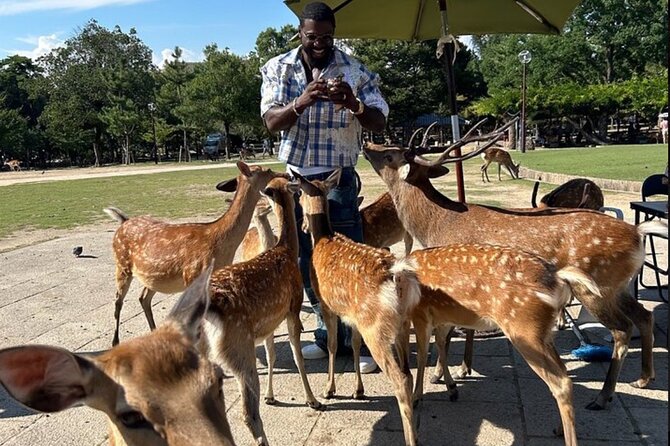
Nara Park is known for its freely roaming deer and its major cultural sites. The deer are an easy hit with children, but remember that they are still animals. Follow local instructions and keep food and belongings secure.
Todai-ji is the essential Nara temple stop for most first-time visitors. Its Great Buddha Hall houses a huge bronze Buddha, and the scale of the building is impressive even before you enter. Admission is extra.
Kasuga Grand Shrine adds a forested shrine setting, with rows of bronze and stone lanterns. Kofuku-ji, in central Nara, is known for its five-story pagoda and long history dating to the eighth century. The two are worthwhile, but the amount of walking and the time needed at Todai-ji make it hard to include every Nara sight after a full Kyoto morning.
If Nara is the main reason you are booking, I would give Nara Park and Todai-ji priority. If Kyoto is your main interest, keep Nara to a shorter visit or book a separate day.
What the price really includes
The price is $459.81 per group of up to 13. For a large family or group of friends, that can be good value. Split among ten people, the base cost is roughly $46 per person before additional charges. A smaller group of two pays much more per person, though the private service still offers comfort and control.
Included are hotel pickup and drop-off, private transportation, an air-conditioned vehicle, onboard Wi-Fi, and an experienced English and Japanese-speaking guide. A licensed professional driver uses a green-plate vehicle. A Mercedes-Benz V-Class is available as a higher-cost option for VIP service.
You still need to budget for temple and attraction admissions, meals, and 10,000 yen in cash for gas, parking, and highway fees per booking. That extra road charge is significant, so include it when comparing this experience with trains and taxis.
The price makes the most sense when you value time, privacy, and a simple day for a larger group. It is less compelling for a solo visitor or couple comfortable with Kyoto’s trains and buses.
Timing, comfort, and practical limits
The tour lasts about ten hours. That sounds generous, but Kyoto and Nara can consume the day quickly. Most stops are described with short visit times, which should be treated as rough planning rather than a promise of a full visit at each location.
Hotel pickup is useful because you can begin without finding a meeting point. The air conditioning matters in humid weather, and Wi-Fi can help you stay in touch or check reservations. The private vehicle also gives you a place to rest between temples.
You should wear comfortable shoes. Several sights involve uneven paths, hills, or extended walking, including Fushimi Inari, Kiyomizu-dera, Monkey Park, and Nara Park. Most people can participate, and service animals are allowed, but the tour is not a substitute for a low-walking itinerary.
Cancellation is free when made at least 24 hours before the start time. Changes or cancellations inside that window are not accepted for a refund.
Is this Kyoto and Nara tour a good match for you?
I would book this tour if you are a family, a larger group, or anyone who wants to see major Kyoto and Nara sights without managing Japanese transport. It is also a strong choice if an English-speaking local guide matters to you. Yama and Hibiki are useful names to request, though guide assignment should be confirmed when booking.
I would not book it expecting a slow, detailed visit to all 24 listed places. The route is best when you pick four to seven priorities and let the guide build a sensible day around them.
For the best value, gather a group, budget the extra 10,000 yen and entrance fees, and decide in advance whether Kyoto or Nara matters more. Used that way, the private car turns a difficult sightseeing puzzle into a comfortable, focused day.
FAQ
How long is the Kyoto and Nara private car tour?
The tour lasts approximately 10 hours.
How many people can join the private tour?
The private vehicle and tour price cover a group of up to 13 people.
Are hotel pickup and drop-off included?
Yes. Hotel pickup and drop-off are included.
Are attraction entrance fees included?
No. Entrance fees for places such as Tenryu-ji, Kinkaku-ji, Kiyomizu-dera, Todai-ji, and other paid sites are not included.
What extra transportation costs should I expect?
You must pay 10,000 Japanese yen in cash per booking on the tour day for gas, parking, and highway fees.
Can I cancel for a full refund?
Yes, if you cancel at least 24 hours before the experience start time. Cancellations or changes made less than 24 hours in advance are not refunded or accepted.
Newest Kyoto experiences on the site
- Treasures of Kyoto: Gion & historical Walking Tour★ 5.0 · 6 reviews
- Whisk Your Own Matcha: A Zen Matcha Experience at Temple★ 3.6 · 7 reviews
- Kyoto tea town for matcha lovers★ 5.0 · 16 reviews
- Uji: Private immersion into Kyoto’s tea and reglious culture★ 5.0 · 17 reviews
- Kyoto Matcha Green Tea Tour★ 4.5 · 23 reviews
- Uji and Wazuka Matcha Farm Half Day Private Guided Tour★ 5.0 · 21 reviews
- Utilising upcycled Matcha! Creating matcha incense (Uji, Kyoto)★ 5.0 · 6 reviews
- Sacred Temple Yoga Experience in Japan★ 5.0 · 3 reviews
Kyoto Private Car Tours, compared.
Private Kyoto Tour with Licensed Guide & Vehicle (Max 15 persons)
Read our review →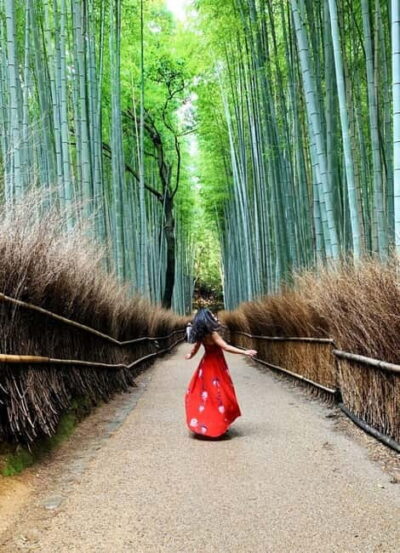
Explore Kyoto | Private Tour – Local English Driver(guide option)
Read our review →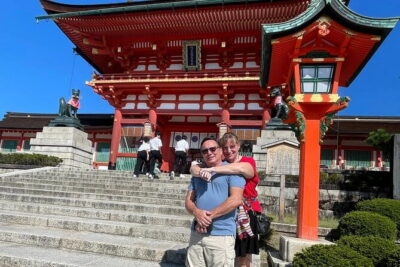
Kyoto Private Car Tour – Full Day with Local Guide & Nara Option
Read our review →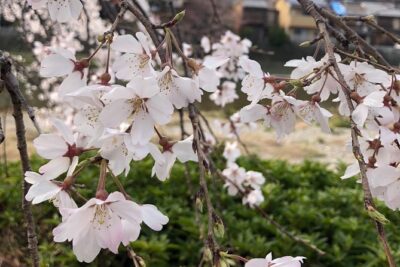
Kyoto Private 6 hour Tour: English Speaking Driver Only, No Guide
Read our review →Browse the lists this tour appears in