
Reviewed · KYOTO PRIVATE CAR TOURS
Kyoto: Private Highlights Tour with Guide and Luxury Vehicle
Kyoto’s biggest challenge is distance. Arashiyama sits on the western edge of the city, Fushimi Inari is far to the south, and the Golden Pavilion, Gion, and Kiyomizu-dera all pull you in different directions. This private tour tackles that sprawl in one long day, with a driver-guide handling the roads and parking while you focus on temples, gardens, and food.
I like the door-to-door pickup, especially if you are staying in Osaka or Nara, and I like the freedom to change the plan as the day unfolds. Guides such as Sam, Yash, Hashan, Malik, and Isuru have been praised for patience, photography help, clear communication, and quick itinerary changes. The catch is simple: 10 hours is a lot of sightseeing, and the route includes plenty of walking once the vehicle drops you near each attraction.
At a glance: what makes this Kyoto tour useful
- Private vehicle for up to six people: You avoid coordinating trains, buses, taxis, and walking routes across a very spread-out city.
- Pickup beyond Kyoto: Your hotel, Airbnb, or accommodation in Kyoto, Osaka, or Nara can be included, making this practical for a day trip.
- A serious list of sights: Arashiyama, the Bamboo Forest, Kinkaku-ji, Fushimi Inari, Kiyomizu-dera, Gion, Nishiki Market, and more are all possible in one day.
- Flexible scheduling: You can adjust the route and spend more time at places that matter most to you.
- Comfortable for families: Several guides have been praised for helping children, adjusting the pace, and keeping the vehicle clean and comfortable.
- Bring cash and walking shoes: Food and temple admission are extra, and some temple ticket counters may not accept cards.
Why a private vehicle makes sense in Kyoto
Kyoto is easy to explore by public transport, but its major sights do not form a tidy loop. A train can get you near Arashiyama, but then you still need to manage local buses, crowded streets, and transfers to reach the eastern temples and southern Fushimi Inari.
This tour solves the geography problem. You are collected at your accommodation and driven between districts in an air-conditioned vehicle with Wi-Fi. For a group of six, the listed price of $383 works out to roughly $64 per person before admission and food. That is a reasonable trade for a full day of private transport and a guide, especially if you are coming from Osaka or Nara.
For two people, the price is much harder to justify on cost alone. You are paying for time, comfort, and flexibility rather than the cheapest way around Kyoto. A family or group of friends gets the better value.
The vehicle also matters on difficult days. A winter booking continued comfortably through snow, and another tour operated during rain while still reaching many planned stops. You should not expect luxury-hotel extras, though. One detailed account described the service as no-frills, with no bottled water supplied, so pack your own drinks and snacks.
More private car days in Kyoto:
- Private Kyoto Tour with Licensed Guide & Vehicle (Max 15 persons)
★ 5.0 · 417 reviews - Kyoto: Private Customizable Day Tour with Guide and Vehicle
★ 4.9 · 334 reviews - Explore Kyoto | Private Tour – Local English Driver(guide option)
★ 4.5 · 203 reviews
Arashiyama, the Bamboo Forest, and the western start
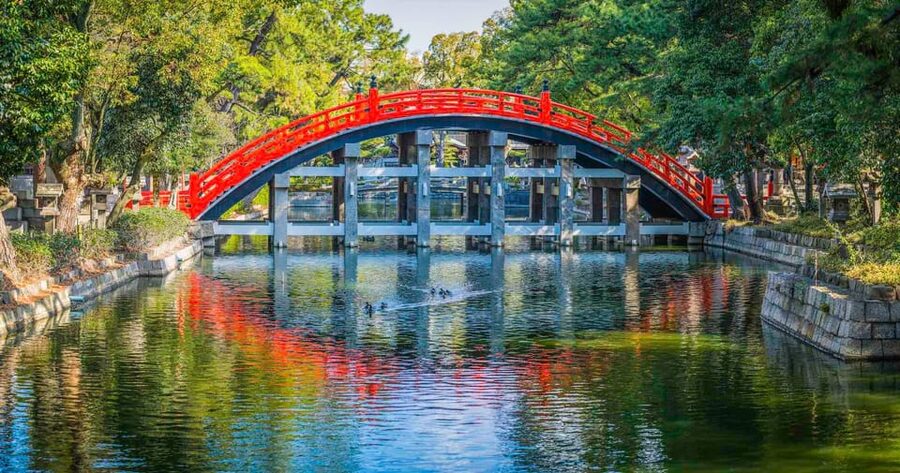
Arashiyama is usually the most atmospheric opening section of the day. The area includes the famous Sagano Bamboo Forest, the grounds around Tenryu-ji Temple, the Togetsu-kyo Bridge, and Monkey Park Iwatayama.
The bamboo path is striking, but it is also one of Kyoto’s most photographed places. You may find the route crowded, particularly during spring and autumn. A private vehicle does not make the grove private, but it does save you from figuring out the train connection and local transport.
Tenryu-ji adds more depth to the visit. Its temple buildings and garden provide a calmer setting after the bamboo path, while Togetsu-kyo gives you a broad view across the river and surrounding hills. Monkey Park requires an uphill walk, so ask your guide about the route if anyone in your group has limited mobility.
The Kimono Forest, made from colorful fabric-wrapped pillars near the Arashiyama rail area, is a quick visual stop rather than a major historical sight. It works well for photos and gives the morning some variety.
Plan your energy here. The schedule allows about an hour for Arashiyama and 40 minutes for the Bamboo Forest, but the actual walking time can expand quickly. One family found the vehicle helpful with tired children, while another person with walking limits felt worn out by the full day. Those two experiences point to the same advice: decide in advance which Arashiyama stops matter most.
Kinkaku-ji and the famous Golden Pavilion
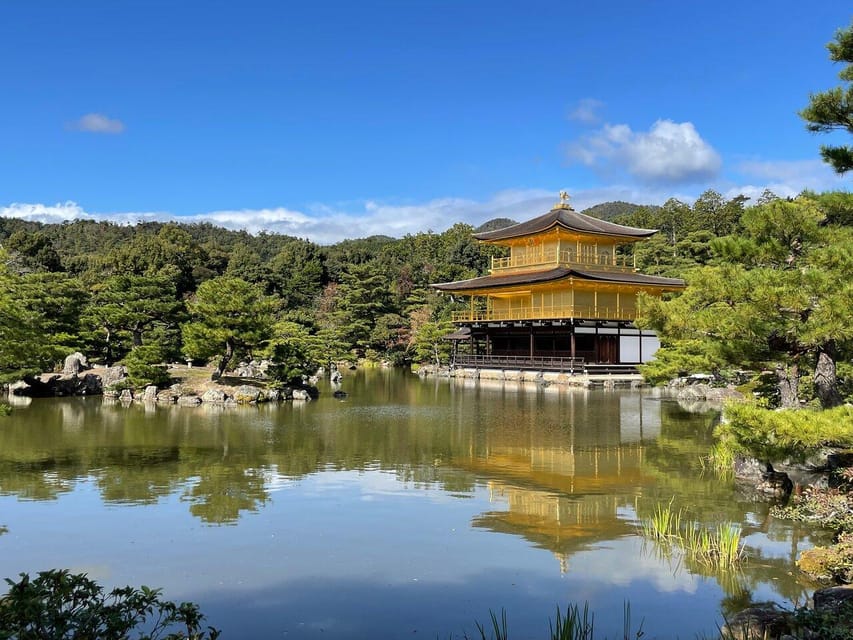
Kinkaku-ji, usually called the Golden Pavilion, is one of Kyoto’s easiest sights to recognize. Its gold-covered upper stories reflect in a pond surrounded by carefully arranged gardens.
The visit is visually rewarding but fairly controlled. You follow a set path around the grounds rather than wandering freely through the temple complex. One hour is a sensible target for seeing the pavilion, taking photos, and walking through the garden route.
Your guide can give the building some context beyond the famous image. Kinkaku-ji is a Zen Buddhist temple, and its design combines religious and aristocratic elements in a way that reflects Kyoto’s long cultural development. The photo is the obvious attraction, but the garden helps explain why the setting matters.
Admission is not included. Carry cash because some temple counters may not accept cards. The tour information says ticket-line skipping is available, but you should still expect crowds and a walking route after the vehicle drop-off.
Fushimi Inari’s red torii gates
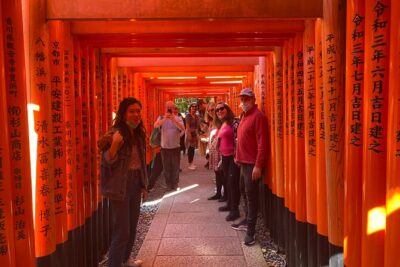
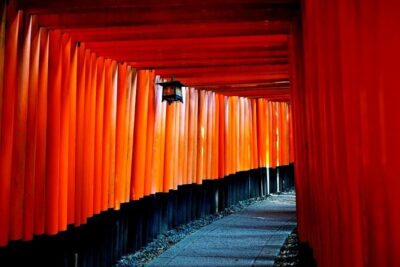
Fushimi Inari Taisha is one of Kyoto’s most memorable stops. Thousands of red torii gates rise behind the shrine and continue up the wooded mountain.
You do not need to climb the entire mountain to understand the place. The lower shrine area and first stretch of gates offer the most immediate visual impact, while the higher paths become quieter and more physically demanding. Your guide can help you choose how far to go based on the time left and your group’s energy.
This is one place where timing matters. A flexible driver-guide can move Fushimi Inari earlier or later to avoid some traffic and manage the rest of the route. Several bookings praised guides for rearranging stops around crowds, traffic, weather, and personal priorities.
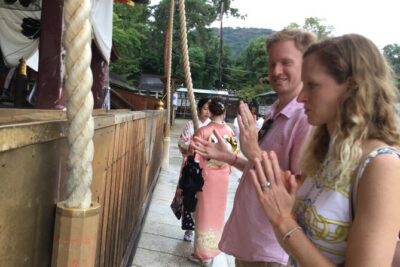
The shrine is active, not just a photo backdrop. You will see worshippers, gates donated by businesses and individuals, and a mountain route that feels different from Kyoto’s grand temple compounds. Wear proper shoes, and do not treat the entire visit as a quick roadside photo stop. Even a shorter walk takes time.
A few more Kyoto tours worth putting on the shortlist
- PERFECT KYOTO 1-Day Bus Tour
★ 5.0 · 13,518 reviews - Kyoto: Fushimi Inari, Kinkakuji, Bamboo Grove 1 Day Bus Tour
★ 4.8 · 4,316 reviews - Kyoto: Tea Ceremony in a Traditional Tea House in Kiyomizu
★ 4.9 · 3,519 reviews - Kyoto Geisha Walking Tour: Gion District & Hidden Gems
★ 4.7 · 3,273 reviews
Ginkaku-ji and Sanjusangen-do add welcome variety
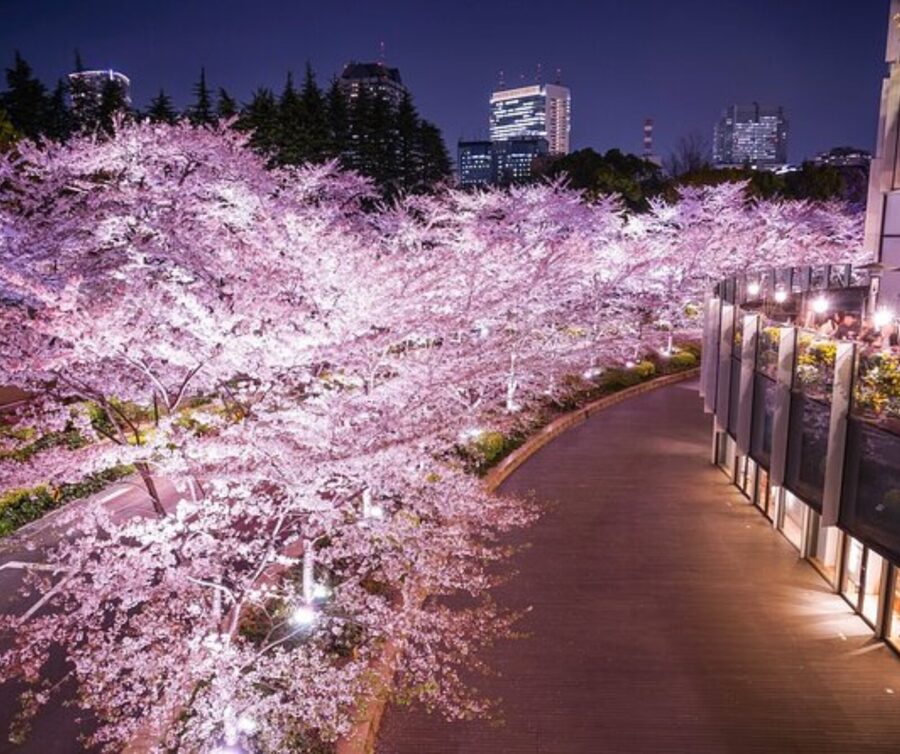
The published route also includes Ginkaku-ji, the Silver Pavilion, and Sanjusangen-do. These stops are important because the day is not only about the most famous photographs.
Ginkaku-ji is known for its Zen garden and restrained design. Despite its common English name, it is not covered in silver. Its appeal is quieter than Kinkaku-ji’s glitter, with garden composition and understated architecture carrying the visit.
Sanjusangen-do offers a very different experience. The temple is known for its long wooden hall and rows of Buddhist statues. It gives you a more interior, focused stop after the open-air walks at Arashiyama and Fushimi Inari.
The full list is ambitious. Since each location is given about an hour in the outline, traffic and walking can force changes. Do not assume you will enjoy every stop at equal length. Tell your guide your priorities at the start. If you care most about gardens, you may want more time at Ginkaku-ji or Kinkaku-ji. If this is your first Kyoto visit, you may prefer the Bamboo Forest, Fushimi Inari, and Kiyomizu-dera.
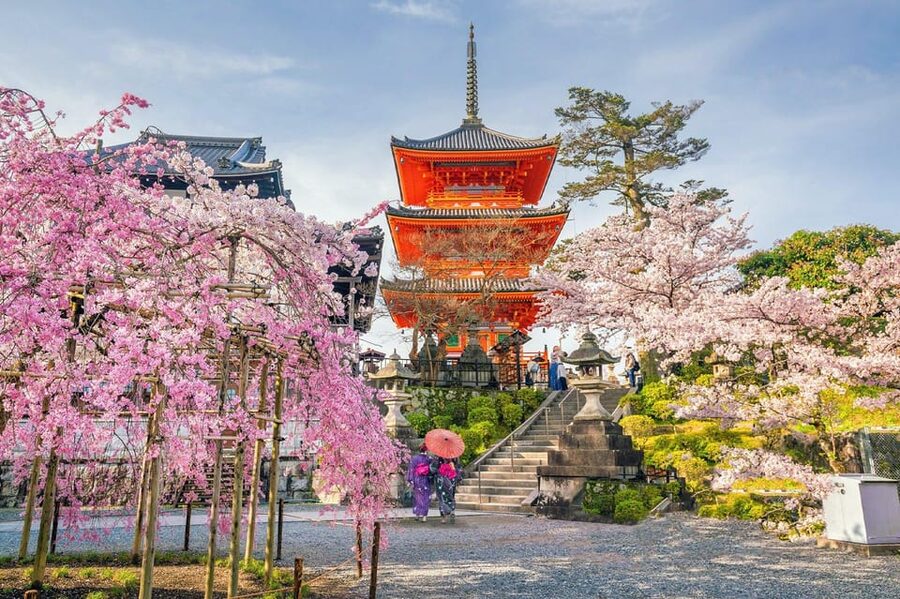
Kiyomizu-dera, Ninenzaka, and Sannenzaka
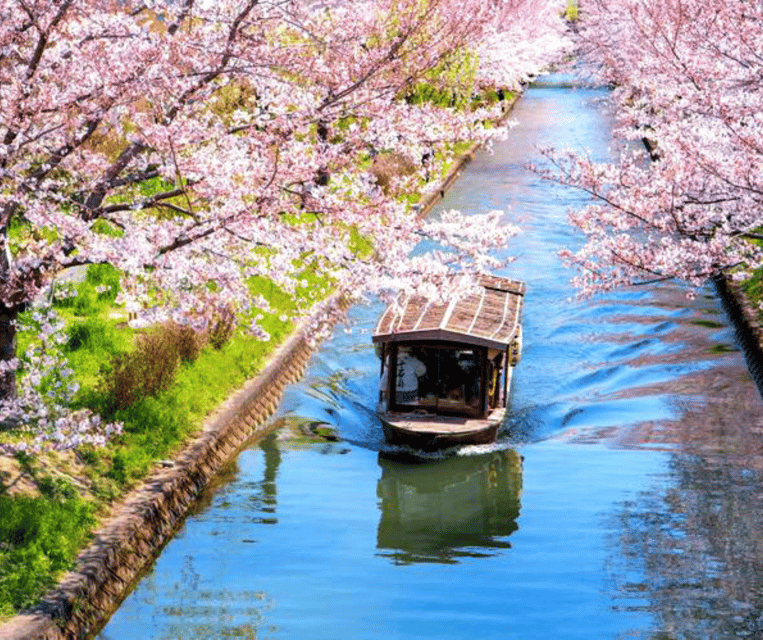
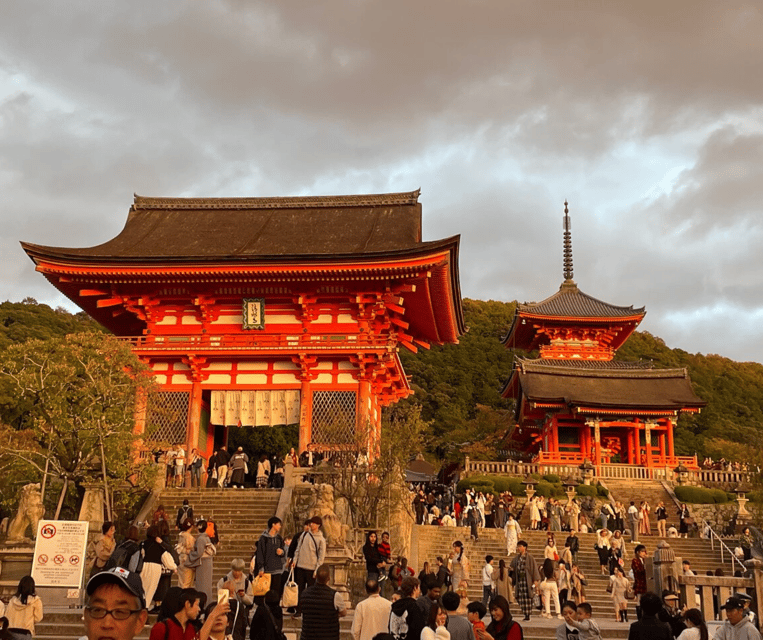
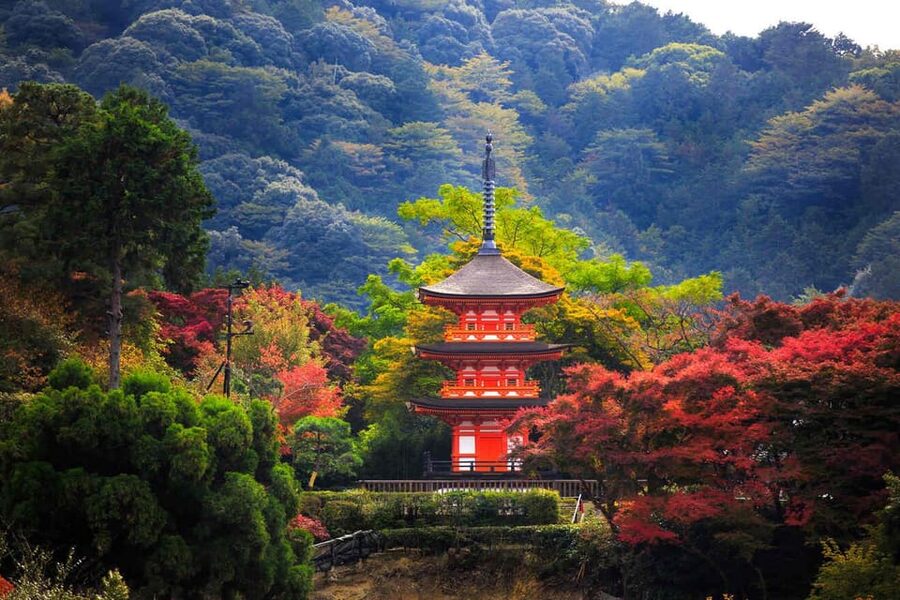
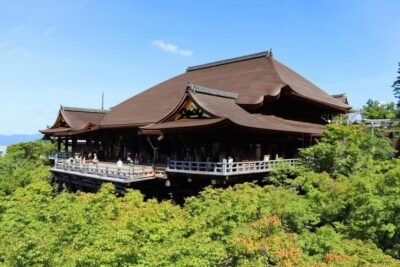
Kiyomizu-dera is one of Kyoto’s essential temple visits. Its wooden stage projects over the hillside and offers wide views across the city. The main approach is just as important as the temple itself.
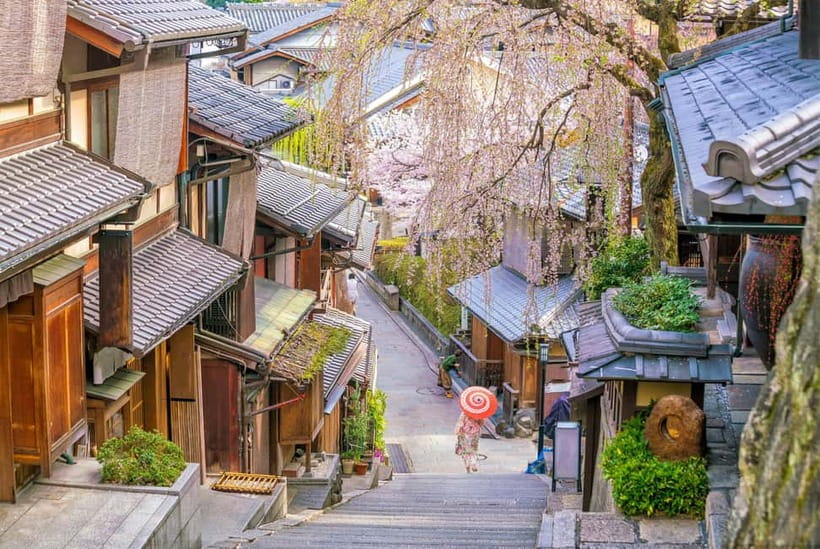
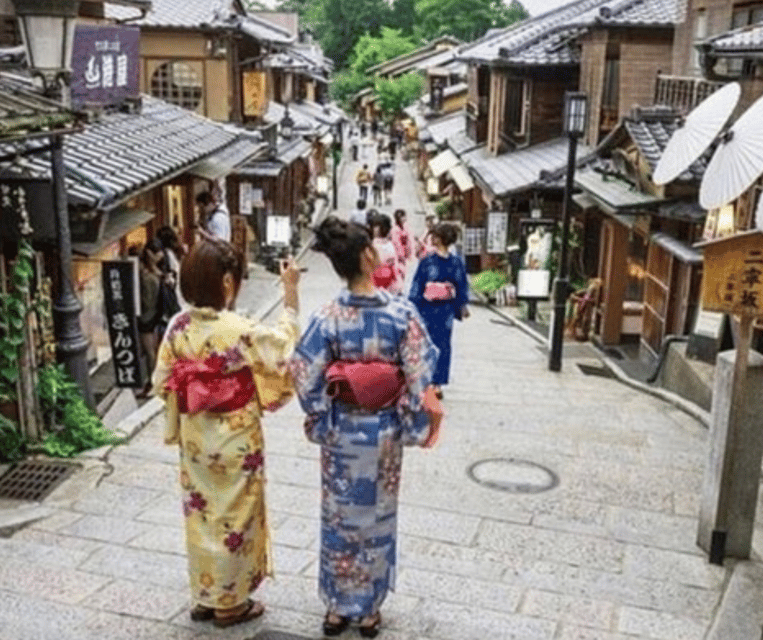
Ninenzaka and Sannenzaka are sloping historic streets lined with shops, tea houses, sweets, souvenirs, and traditional-style buildings. They are pleasant for browsing, but the paving and incline require steady walking. The private vehicle gets you close, but it cannot remove the hills or pedestrian streets from the experience.
This is a good place to slow down if your group enjoys food and shopping. It is also a place where a strict schedule can feel rushed. A guide can point out the main route and help with photos, but you should decide if you want a quick look or time to browse.
Kiyomizu-dera charges admission, and that cost is separate from the tour. Carry cash as a precaution. If rain is forecast, bring an umbrella, since much of this section takes place outdoors.
Gion after the temple crowds
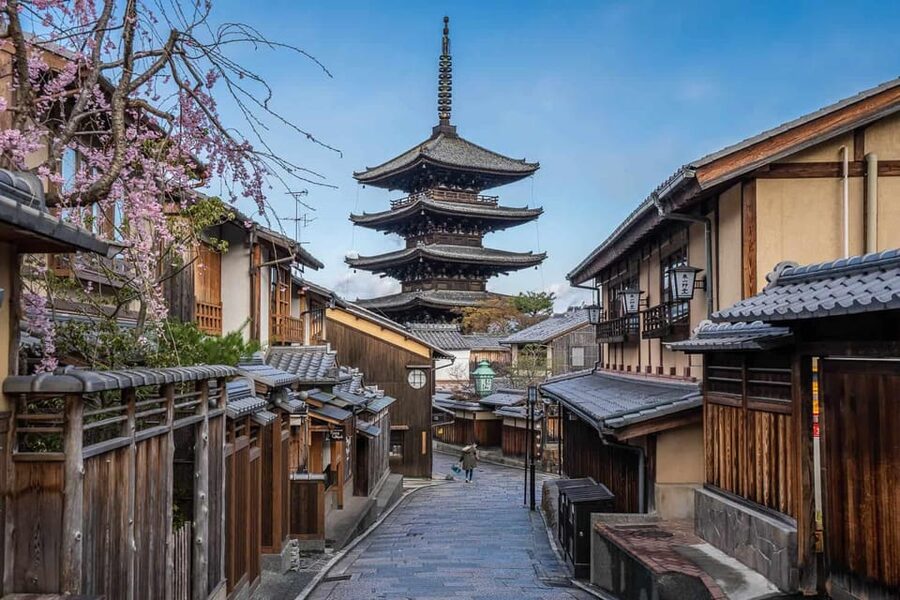
Gion offers a change of mood. Its narrow streets, wooden townhouses, tea houses, and traditional atmosphere connect modern Kyoto with its entertainment districts of earlier eras.
You should keep expectations realistic. Gion is not a stage show, and seeing a geisha or maiko is never guaranteed. The value is in the streets, architecture, and quiet observation. Follow local rules about photography and do not block entrances or pursue people.
The timing matters here. After several temples, you may be ready for a shorter walk and a chance to look around. The district can also be tiring because vehicles cannot take you through every pedestrian lane. One person specifically noted that the private car does not eliminate substantial walking around Gion and the temple areas.
Nishiki Market for a flexible lunch stop
Nishiki Market is a practical lunch option because it lets each person choose something different. The covered market area has small food vendors and eateries offering local specialties alongside familiar international choices.
Food is not included, and the market is not necessarily the best place for a long, formal meal. It works better when you want to sample, browse, and keep moving. If your group has dietary needs, tell the guide early. One guide found a vegan restaurant for a group, and another arranged a restaurant reservation during the drive back to the hotel.
You can also choose a restaurant outside the market. That flexibility is useful for families, vegetarians, and anyone who needs a real break after a morning of walking. I would protect at least enough lunch time to sit down, drink water, and recharge. Trying to treat lunch as another rushed attraction is a mistake on a 10-hour day.
Guides, communication, and the level of commentary
The strongest pattern across the experience is the guide’s practical help. Sam is repeatedly praised for punctuality, patience, safe driving, and a clean van. Yash is noted for adjusting the schedule and explaining each location. Hashan is praised for traffic planning, storytelling, safe driving, and photography.
Other named guides, including Malik, Isuru, Ali, Sunny, Shah, and Narayan, were also described as friendly, flexible, and helpful with photos or restaurant choices. These names reflect different bookings, so you cannot assume which guide you will receive.
The commentary may vary in depth. Some bookings describe detailed explanations of history and culture, while one account characterizes the driver as offering brief background and clear directions rather than acting as a formal temple specialist. You should view the service primarily as a private sightseeing day with a driver-guide, not as a specialist academic tour.
That distinction matters. If you want to see a great deal with help managing roads and timing, this arrangement is strong. If you want long lectures inside every temple, ask about the guide’s role when booking.
How to handle the 10-hour pace
The route can cover an impressive amount, but it is not a relaxed Kyoto day. You may visit nine or ten major areas, and each one involves walking from the vehicle, through the site, and back to the pickup point.
I suggest choosing three must-see stops before the day begins. Then choose two or three second-tier priorities. This gives your guide room to adjust the route without turning the day into a checklist.
A sensible priority list might be:
- Arashiyama and the Bamboo Forest
- Kinkaku-ji
- Fushimi Inari
- Kiyomizu-dera and the eastern streets
- Gion or Nishiki Market
Ginkaku-ji and Sanjusangen-do can replace lower priorities if they matter more to you. Families may want fewer temple interiors and longer breaks. Adults with limited walking ability should say so clearly at pickup and avoid promising to see every stop.
Comfortable shoes are essential. Bring water, an umbrella if rain is possible, and cash for admissions. Alcoholic drinks and drugs are not allowed in the vehicle.
Who gets the best value from this tour?
This tour suits a first-time visitor with only one day in Kyoto, a family that wants to avoid complicated transfers, or a small group staying in Osaka or Nara. It is also useful for anyone who values door-to-door service more than the lowest possible price.
The private format gives you control. You can start later, adjust the route, spend longer at Arashiyama, skip a stop, or ask for help finding lunch. Several guides have been praised for working patiently with children and changing plans during the day.
I would be more cautious if you prefer slow temple visits, quiet streets, or long meals. Kyoto rewards lingering, and this route asks you to cover a lot of ground. The best version of the tour is not necessarily the one that visits every listed stop. It is the one that uses the vehicle and guide to help you reach your personal shortlist without wasting time.
Should you book this Kyoto private highlights tour?
Book it if you have one day, a group of up to six, and a firm wish to see Kyoto’s major sights without handling the transport puzzle yourself. The pickup from Kyoto, Osaka, or Nara adds real value, and the private format is especially helpful for families and mixed-age groups.
Skip it if your priority is low-cost travel or an unhurried temple day. You will pay extra for convenience, and the full route can leave you tired. For most first-time visitors with limited time, though, the combination of a private vehicle, flexible planning, and practical guide support makes this a useful way to see Kyoto’s broad highlights in one demanding but productive day.
FAQ
How long does the Kyoto private highlights tour last?
The tour lasts 10 hours. Starting times depend on availability when you book.
How many people can join the private tour?
The listed price covers one private group of up to six people.
Where can pickup and drop-off take place?
Pickup and drop-off are available in Kyoto, Osaka, and Nara, including hotels, accommodations, and Airbnbs.
Is transportation included?
Yes. Private transportation in an air-conditioned vehicle is included, along with Wi-Fi on board.
Is a guide included?
Yes. An English-speaking guide is included. Live guiding is also available in Japanese, Hindi, and Urdu.
Are temple entry tickets included?
No. Entry tickets are paid separately. Bring cash because some temple ticket counters may not accept cards.
Is lunch included?
No. Food and drinks are not included. You can eat at a restaurant of your choice or at Nishiki Market.
Can the itinerary be changed?
Yes. The tour can be adjusted around your interests and preferences, subject to the available time.
Is the tour wheelchair accessible?
The activity is listed as wheelchair accessible, but many stops include walking and some areas may have slopes or uneven routes. Share your mobility needs when arranging the tour.
What should I bring?
Wear comfortable shoes. Bring an umbrella if rain is possible, and carry cash for temple admissions.
Newest Kyoto experiences on the site
- Treasures of Kyoto: Gion & historical Walking Tour★ 5.0 · 6 reviews
- Whisk Your Own Matcha: A Zen Matcha Experience at Temple★ 3.6 · 7 reviews
- Kyoto tea town for matcha lovers★ 5.0 · 16 reviews
- Uji: Private immersion into Kyoto’s tea and reglious culture★ 5.0 · 17 reviews
- Kyoto Matcha Green Tea Tour★ 4.5 · 23 reviews
- Uji and Wazuka Matcha Farm Half Day Private Guided Tour★ 5.0 · 21 reviews
- Utilising upcycled Matcha! Creating matcha incense (Uji, Kyoto)★ 5.0 · 6 reviews
- Sacred Temple Yoga Experience in Japan★ 5.0 · 3 reviews
Kyoto Private Car Tours, compared.
Private Kyoto Tour with Licensed Guide & Vehicle (Max 15 persons)
Read our review →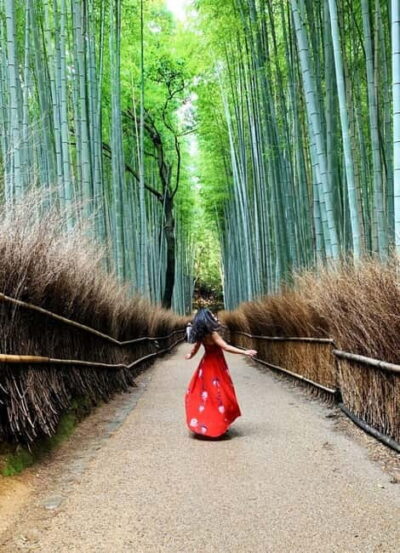
Explore Kyoto | Private Tour – Local English Driver(guide option)
Read our review →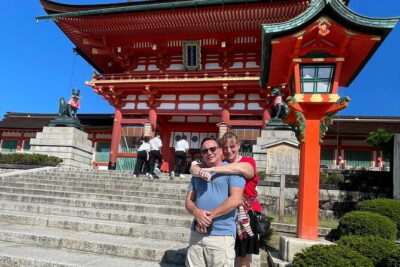
Kyoto Private Car Tour – Full Day with Local Guide & Nara Option
Read our review →
Kyoto Private 6 hour Tour: English Speaking Driver Only, No Guide
Read our review →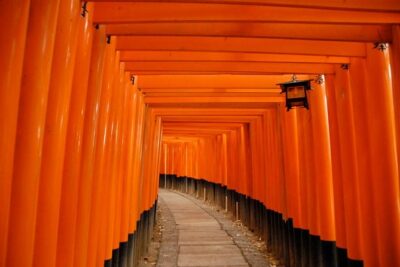
Kyoto Private Day Tour with English-Speaking Driver from Kyoto
Read our review →Browse the lists this tour appears in