Reviewed · TOURS
Kyoto: Amanohashidate Ine Funaya Tour
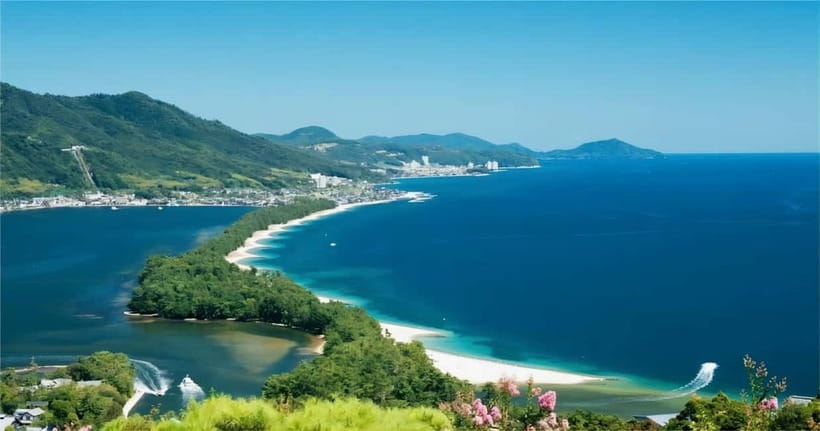
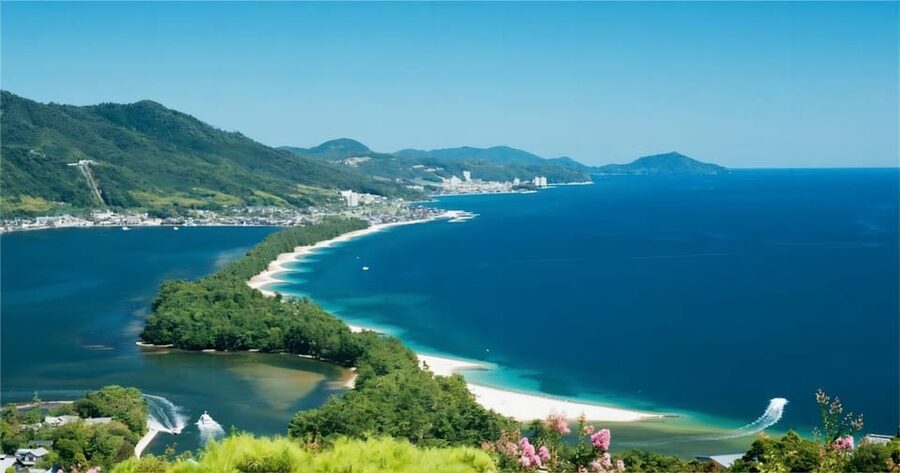
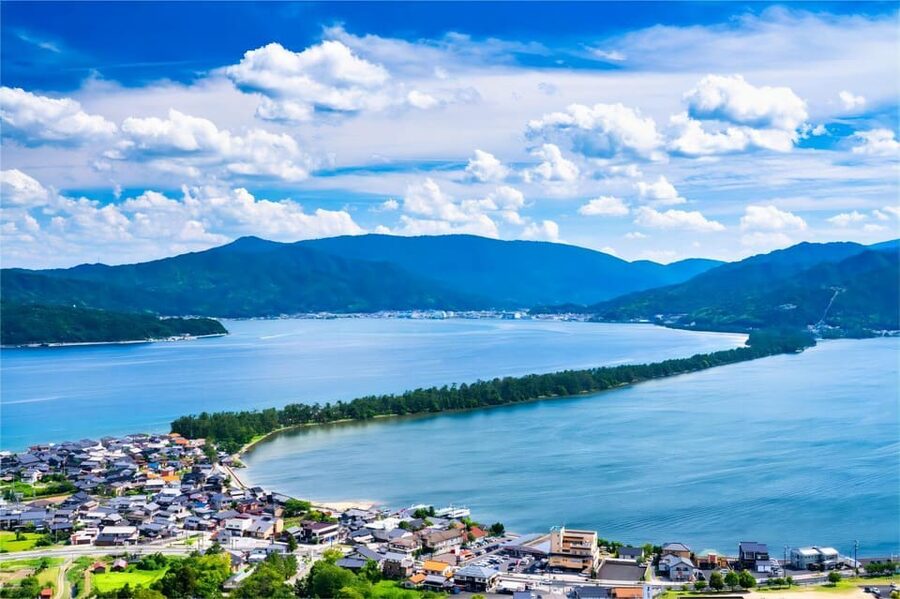
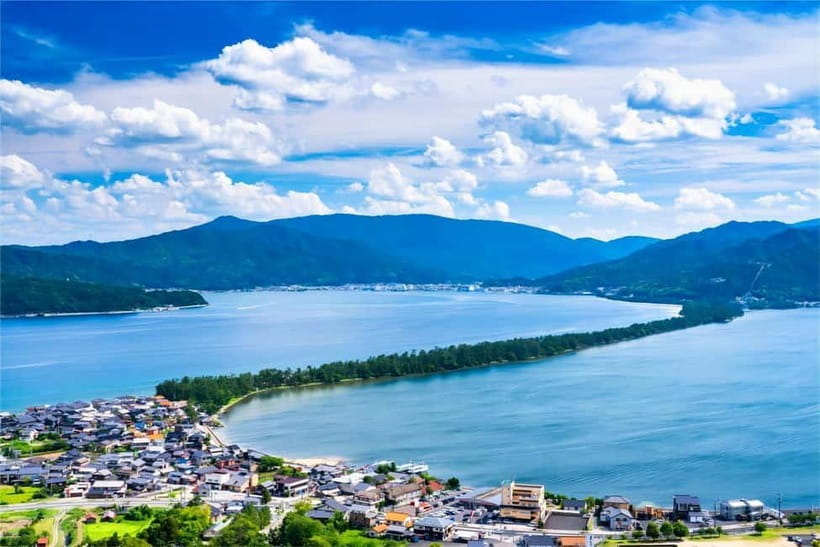
Amanohashidate is the star here: a long pine-covered sandbar crossing Miyazu Bay, with white beaches on one side and sea views in every direction. I like that this day trip pairs Japan’s famous Bridge to Heaven with the very different fishing town of Ine, rather than giving you only one scenic stop.
I also like the comfortable bus ride from Osaka and the chance to reach places that are awkward to connect by public transport in one day. Guides such as Jay and Fred have earned praise for being helpful and clear. The tradeoff is the long day, and guide commentary can vary. Some visitors found the English explanations thin, while others found their guide excellent.
Key points to know
- Amanohashidate takes about two hours: Allow time for the sandbar views, pine trees, beaches, and photographs.
- Chion-ji is a short but worthwhile stop: Students visit this temple to pray for success in their studies.
- Ine is the most distinctive village: Its waterfront boat houses give the fishing town its unusual character.
- The bay cruise costs extra: You can pay separately for a boat ride and feed gulls, and some visitors also saw eagles.
- The bus ride takes time: The journey from Osaka is about 2.5 hours each way, so expect a full 10-hour day.
- Bring enough cash: Food, drinks, entry tickets, and the optional boat ride are not included.
Why Amanohashidate makes this long day worthwhile
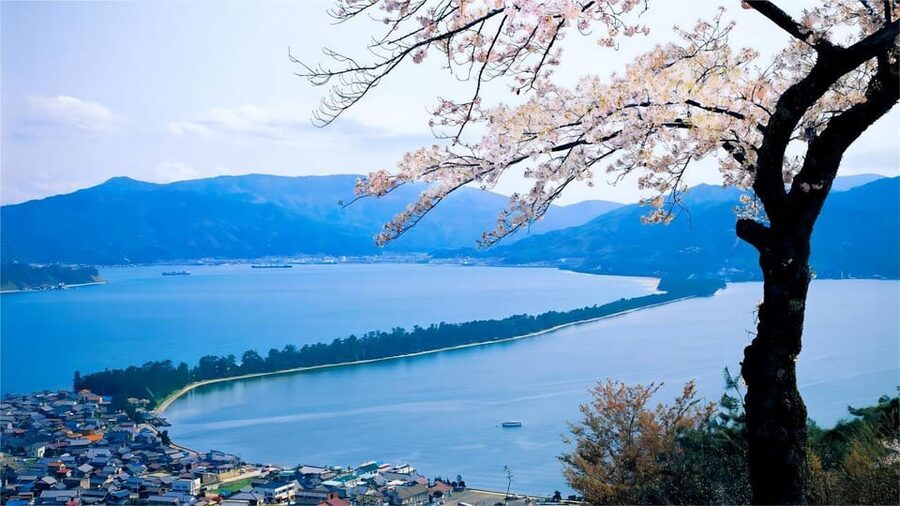
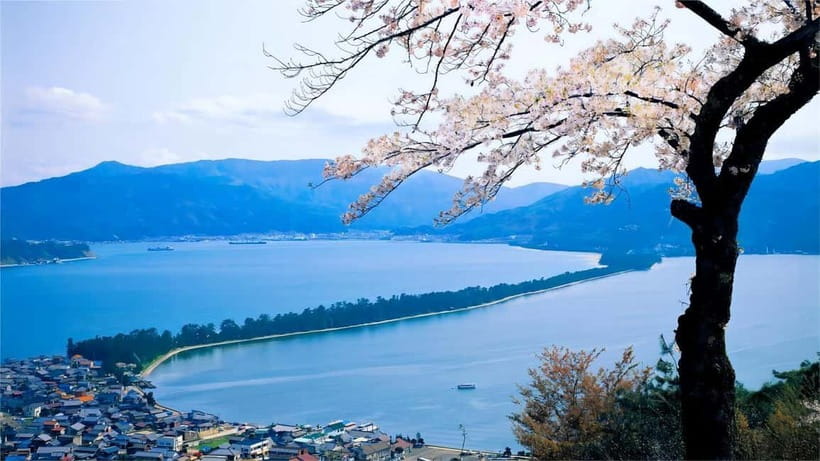
Amanohashidate translates as Bridge to Heaven, a fitting name for a narrow strip of land reaching across Miyazu Bay. Pine trees cover the sandbar, while pale beaches line its edges. From the shore, you can look toward the Aso Sea and the Sea of Japan, giving the stop a sense of open space that is hard to find in central Osaka or Kyoto.
I like this visit because it is not simply another temple-and-shopping outing. The main attraction is a natural feature shaped by sand, water, and trees. You get time to walk, take photographs, and enjoy the view rather than rushing through a single lookout.
The tour allows about two hours at Amanohashidate. That is enough for a good first look and a walk, though you should not expect a long beach day or a slow, unplanned exploration of every part of the sandbar. The schedule includes a photo stop, sightseeing, guided information, and free time.
The white sand and green pines make strong photographs, especially when the weather is clear. On a rainy day, the view can be softer and less dramatic, but the site still has appeal. One participant enjoyed the day despite rain, noting that the guide explained the plan clearly and kept the mood lively.
A few more Kyoto tours worth putting on the shortlist
- PERFECT KYOTO 1-Day Bus Tour
★ 5.0 · 13,518 reviews - Kyoto: Fushimi Inari, Kinkakuji, Bamboo Grove 1 Day Bus Tour
★ 4.8 · 4,316 reviews - Kyoto: Tea Ceremony in a Traditional Tea House in Kiyomizu
★ 4.9 · 3,519 reviews
The long ride from Osaka
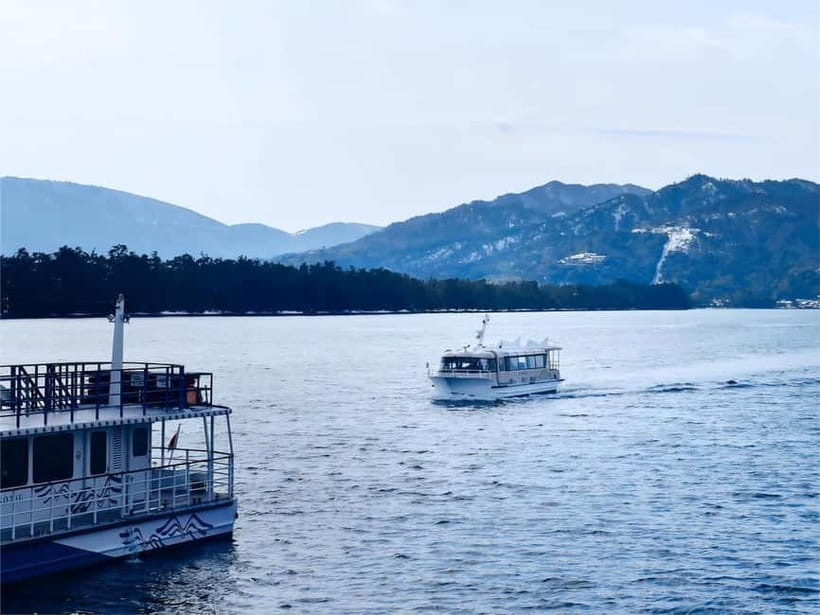
You begin at one of two pickup points: Nippombashi Station in Osaka or the Kyoto-Hachijoguchi Bus Loading Area. Check the option you book carefully, since the meeting point depends on your selection. The day ends at the same general pickup location.
The bus ride to the northern part of Kyoto Prefecture takes about 2.5 hours. That is a serious part of the day, but it is also the reason this tour can work. Amanohashidate and Ine are not easy additions to a normal Osaka day using public transport, especially if you want to see both.
The bus provides transportation between the stops, and the tour information describes return hotel transfer as included. In practice, you should follow the exact pickup instructions sent the day before. That message gives the meeting details, your guide’s contact information, and the bus license plate.
I would save that email and arrive early. You do not want to be searching for a bus in a large city while the group is ready to leave. Traffic, weather, holidays, and crowd levels can change the schedule, and holiday congestion may make the already long day longer.
One piece of luggage is free per person. An additional piece larger than 20 inches costs $16, so this is better suited to a day bag than to moving several large suitcases.
Walking across the Bridge to Heaven
At Amanohashidate, take time to absorb the shape of the place before focusing on photographs. The sandbar links the two sides of Miyazu Bay, with pine trees spread along its length and water visible beyond the beach.
You can walk and stop at different points for views. The attraction is its combination of simple parts: sand, pines, bay water, and the wider Sea of Japan. It feels more open than many of Kyoto’s enclosed temple grounds.
The guide provides information in English or Japanese, but the depth can vary. Jay received especially strong praise for answering questions, giving practical help, and staying in touch through WhatsApp. Fred was also praised for explaining the day well and keeping the group cheerful in wet weather.
At the same time, you should not book this as a specialist history tour. Some people found the guide more like a coordinator than a detailed lecturer, and one person found the English difficult to follow. If you want long historical explanations at every stop, this may feel light. If you mainly want transport, orientation, and a smooth day, that arrangement may suit you.
Chion-ji Temple and prayers for wisdom
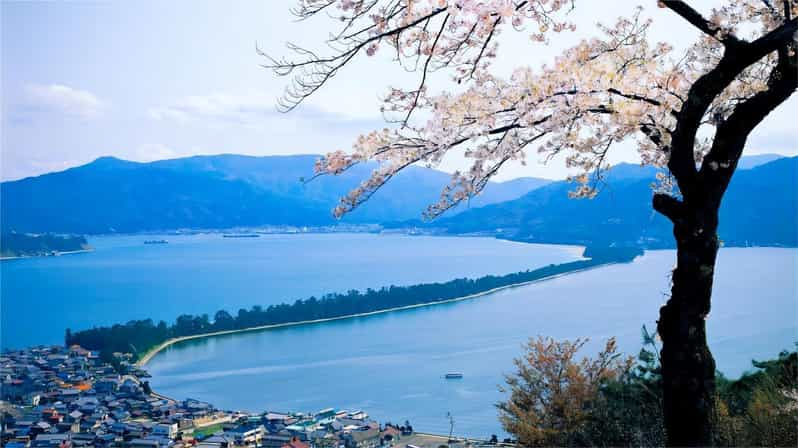
Chion-ji sits at the southern end of Amanohashidate. The temple is dedicated to Manjushri, the Buddhist figure associated with wisdom, and it has a special connection with students seeking success in their studies.
This stop lasts about 30 minutes. That is short, but it gives you enough time to pass through the ancient gate, look around the grounds, and hear the temple’s link with education and wisdom.
Watch for the fan-shaped signed poem, a small detail connected with progress and improvement. It gives the visit a human touch. This is not only a grand old religious site. It is also a place where students come with a practical hope: doing better in school.
I like Chion-ji as a companion to Amanohashidate because the two stops feel different. The sandbar gives you open sea and natural scenery. The temple adds architecture, belief, and a local custom. The drawback is simply the clock. Thirty minutes does not leave much room for lingering, quiet reflection, or a detailed look at every feature.
Same city, a completely different kind of day:
- Kyoto Geisha Walking Tour: Gion District & Hidden Gems
★ 4.7 · 3,273 reviews - Kyoto: Tea Ceremony Ju-An at Jotokuji Temple
★ 4.9 · 3,207 reviews - Kyoto: Gion Magical Night Walking Tour with Geisha Trivia
★ 4.9 · 2,393 reviews - Kyoto: 45-Minute Tea Ceremony Lesson Experience
★ 4.3 · 2,378 reviews
Ine and its waterfront boat houses
Ine is the most unusual stop on the tour. This small fishing town is known for boat houses built along the waterfront. Their lower levels connect directly with the water, creating a distinctive scene that is quite different from the more familiar temples and urban streets of Kyoto.
Take a walk along the town, look at the boat houses, and browse the shops and restaurants. The village is best enjoyed at a slower pace, but the tour schedule is shared with several other stops. The official timing gives about an hour to the Kyoto Prefecture portion of the day, and the description places Ine in this section.
This is where the schedule may feel tight. One person felt that an hour at a lakeside town was more than needed and would have preferred more time in Ine. That is useful advice if the boat houses are your main reason for booking. Check how the guide plans to divide the time on your day, since the exact flow can change with traffic and local conditions.
Ine rewards observation more than a checklist. Look at how the houses meet the water, notice the working character of the waterfront, and leave room for a short stop in a shop or restaurant. It is not presented as a large attraction with many formal sights. Its appeal comes from the village setting and the boat houses themselves.
The optional bay cruise and feeding the gulls
You can pay separately for a boat ride around the bay. The cruise is not included in the tour price, and neither are entry tickets, food, or drinks, so keep extra money available.
The boat ride offers a different view of the waterfront houses and bay. You can feed the gulls from the boat, and some visitors also encountered eagles. This adds a playful part to a day that otherwise centers on scenery, temples, and village streets.
I would treat the cruise as an optional extra, not a required part of the experience. If you prefer to walk and browse, you can skip it. If you enjoy short boat rides and wildlife close to the boat, it may be the liveliest part of the Ine visit.
Because the price is separate, ask the guide or local staff about the cost before committing. One useful lesson from this tour is to avoid carrying only the exact amount you expect to need. A participant knew that extras were not included but still had too little cash left for food when a card was not accepted.
What the $76 price really buys you
At $76 per person, the main value is transport and time management. You are paying to connect Osaka with two northern Kyoto destinations in one day, with a guide and return bus service included.
That can be good value if you have limited time and do not want to plan several train and bus connections. The distance is the key point. You are not paying for a deep temple program or a long cruise. You are paying for access to Amanohashidate and Ine without handling the route yourself.
The price does not include meals, drinks, entry tickets, or the optional boat cruise. Those costs may be modest individually, but they matter if you arrive with only enough cash for the advertised tour. Bring extra Japanese yen, especially if you want lunch, snacks, souvenirs, or the boat ride.
The air-conditioned bus is another part of the value. The journey is long, and a comfortable coach makes it less tiring than changing transport several times. Still, you should be honest with yourself about the time involved. Roughly five hours of travel can make this feel like a transport-heavy day, particularly if traffic slows the return to Osaka.
Guide quality and the shape of the day
The strongest guide experiences seem to come from guides who handle both information and practical details well. Jay was praised for answering questions, helping throughout the day, and even sharing a video of the boat departure through WhatsApp. Fred was praised for explaining the plan clearly and staying upbeat in poor weather.
That service matters on a day with several moving parts. You need to know where to meet the bus, how long you have at each stop, and when to return. A guide who keeps those details clear can make the day feel much easier.
The weaker point is consistency in the amount of historical information. Some people received interesting explanations, while others felt they had an escort rather than a full guide. English ability may also vary. If you have specific questions about Japanese religion, local fishing culture, or the construction of the boat houses, ask early and clearly.
The tour uses English and Japanese. That makes it suitable for many international visitors, but it is still wise to keep expectations practical. This is a sightseeing day with guided support, not a full academic lecture.
Who should book this day trip
I would recommend it to you if you want to see Amanohashidate and Ine but do not want to arrange the route yourself. It also suits visitors staying in Osaka or Kyoto who have one open day and want scenery far from the city.
You will probably enjoy it most if you like:
- Coastal views and unusual natural features
- Small fishing towns
- Short temple visits
- Bus-based sightseeing
- Optional activities such as a bay cruise
- A planned day with several distinct stops
It is less suitable if you want a relaxed pace, long meals, or hours at one site. It may also disappoint you if detailed guiding is your top priority. The day is broad rather than deep, and the long return journey can be tiring.
Families and first-time visitors may appreciate the simple structure. Independent planners who are comfortable with regional transport may prefer to stay longer in Ine or Amanohashidate on their own. The choice depends on whether you value convenience more than flexibility.
Practical details before you go
The activity lasts 10 hours. Pickup and drop-off options are Nippombashi Station and the Kyoto-Hachijoguchi Bus Loading Area, depending on the option selected.
You receive the exact meeting details, guide contact information, and bus license plate by email the day before. Check your inbox carefully, including spam folders, and keep the information easy to reach.
The tour has free cancellation up to four days in advance for a full refund. Once you are on the road, traffic, weather, holidays, and crowd levels can affect the schedule. Delays or cancellations caused by factors outside the operator’s control do not qualify for a refund.
Wear shoes suitable for walking and bring protection from changing weather. The stops include beaches, temple grounds, streets, and waterfront areas. Also carry cash for food, drinks, entry fees, souvenirs, and the boat cruise.
Should you book the Amanohashidate and Ine tour?
Book this tour if your priority is seeing two hard-to-reach northern Kyoto sights in one organized day. Amanohashidate’s pine-covered sandbar and Ine’s boat houses give you a strong contrast between natural scenery and a working coastal village.
Skip it if five hours on a bus sounds too much or if you want a slow, detailed visit to one place. At $76, it is a sensible transport-and-sightseeing package, but you must budget for extras and accept that guide detail can vary.
For most visitors with limited time, the convenience is the main reason to go. Bring cash, check the pickup email, ask how the Ine time will be divided, and keep your expectations focused on scenery, access, and a well-planned day.
FAQ
How long does the Amanohashidate and Ine tour last?
The tour lasts 10 hours, including travel between Osaka and the northern Kyoto destinations.
Where can I join the tour?
The two possible starting points are Nippombashi Station and the Kyoto-Hachijoguchi Bus Loading Area. Your meeting point depends on the option you book.
How long is the bus journey?
The bus ride from Osaka to the sightseeing area takes about 2.5 hours. The tour also returns to Osaka by bus.
What languages does the guide speak?
Live guiding is available in English and Japanese.
Is food included?
No. Food and drinks are not included, so you should bring money for meals and refreshments.
Is the boat cruise included?
No. The boat ride around the bay is an optional activity that you pay for separately.
Are entry tickets included?
No. Entry tickets are not included in the tour price.
Can I bring luggage?
Each person can bring one piece of luggage free of charge. An additional piece larger than 20 inches costs $16.
Can I cancel for a full refund?
Yes. You can cancel up to four days in advance for a full refund. Traffic, weather, holiday congestion, crowd levels, and other factors outside the operator’s control may affect the schedule and do not qualify for a refund.
Newest Kyoto experiences on the site
- Treasures of Kyoto: Gion & historical Walking Tour★ 5.0 · 6 reviews
- Whisk Your Own Matcha: A Zen Matcha Experience at Temple★ 3.6 · 7 reviews
- Kyoto tea town for matcha lovers★ 5.0 · 16 reviews
- Uji: Private immersion into Kyoto’s tea and reglious culture★ 5.0 · 17 reviews
- Kyoto Matcha Green Tea Tour★ 4.5 · 23 reviews
- Uji and Wazuka Matcha Farm Half Day Private Guided Tour★ 5.0 · 21 reviews
- Utilising upcycled Matcha! Creating matcha incense (Uji, Kyoto)★ 5.0 · 6 reviews
- Uji Tea Ceremony and UNESCO Heritage Walking Tour★ 5.0 · 20 reviews
Tours, compared.
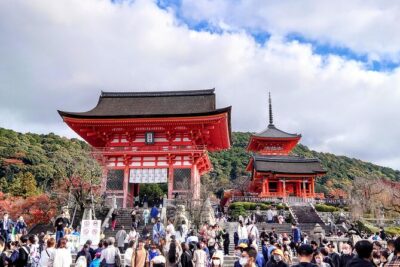
Fushimi Inari, Kinkakuji, Bamboo Grove 1 Day Bus Tour
Read our review →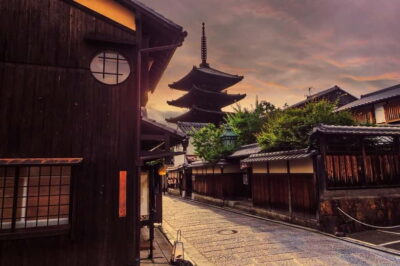
Kyoto Geisha Walking Tour: Gion District & Hidden Gems
Read our review →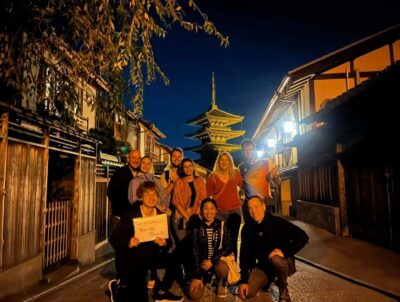
Gion Magical Night Walking Tour with Geisha Trivia
Read our review →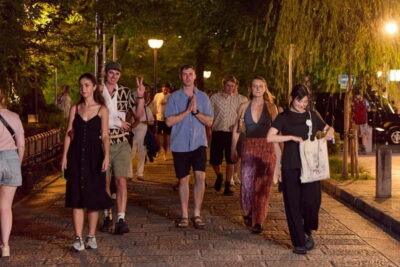
Gion Geisha District Walking Tour – Stories of Geisha
Read our review →
Kyoto Night Foodie Tour in Gion (9+ dishes + 6 Sake tastings)
Read our review →