
Reviewed · ARASHIYAMA MONKEY PARK TOURS
Full-Day Kyoto Walking Tour: Most Iconic Landmarks & Monkeys
Kyoto’s biggest sights are spread across the city, but this eight-hour walking tour links five of the most famous stops in one long day. You begin beneath the red torii gates of Fushimi Inari, cross to Arashiyama for bamboo, Zen gardens, and monkeys, then finish at the gold-covered Kinkakuji.
I like the mix of major sights and public transit. You do not spend the day sealed inside a tour bus, and the trains let you see how Kyoto works as you move between districts. I also like that the guides, including Tom, Agustin, and Remi, bring history, customs, language, and local context into the day.
The tradeoff is simple: this is a demanding tour. You walk for hours, climb to the Monkey Park, use trains and buses, and keep to a group schedule. If your knees are sore or you want a slow temple day, choose fewer sights. If you have one full day and good walking shoes, this gives you a lot of Kyoto for $96.
Key points to know before booking
- Start at Fushimi Inari: Meet beside the fox statue at Kitsunezo, across from JR Inari Station, 10 minutes before departure.
- Five headline sights in one day: The route includes Fushimi Inari, Arashiyama Bamboo Grove, Tenryuji, Iwatayama Monkey Park, and Kinkakuji.
- The Monkey Park requires a climb: The walk takes about 20 minutes for many people, but can take longer and is not recommended with leg or knee injuries.
- Public transport is part of the experience: Trains, a local tram, walking, and a bus replace a private coach. A Suica or Icoca card is recommended.
- Three admission fees are included: Tenryuji, Monkey Park, and Kinkakuji are covered, but lunch, transport, and drinks are not.
- Small group, not automatically private: Shared groups can have up to 10 people, with a private option available when booked that way.
Starting beneath the torii at Fushimi Inari
Your day begins at Kitsunezo, a fox statue across the street from JR Inari Station. The meeting point is easy to identify, but Kyoto stations can be confusing, so arrive 10 minutes early. This tour cannot wait for late arrivals, and a missed start means no refund.
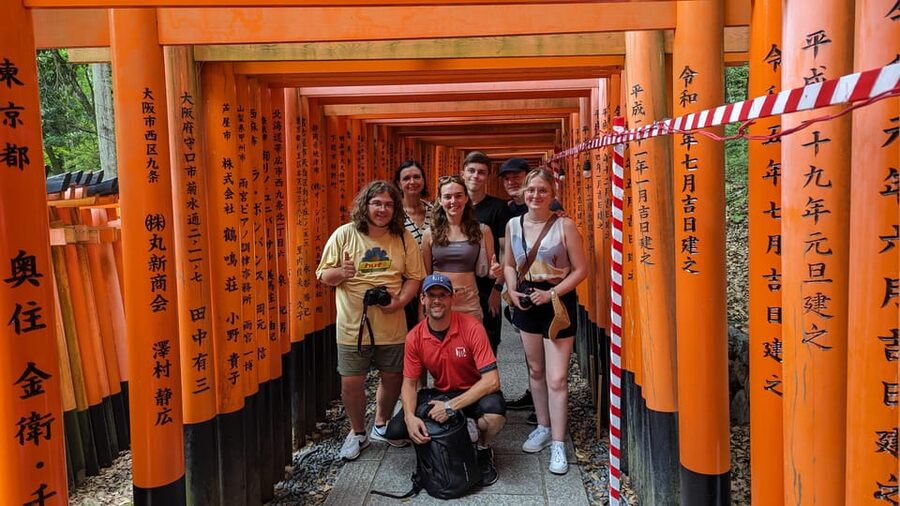
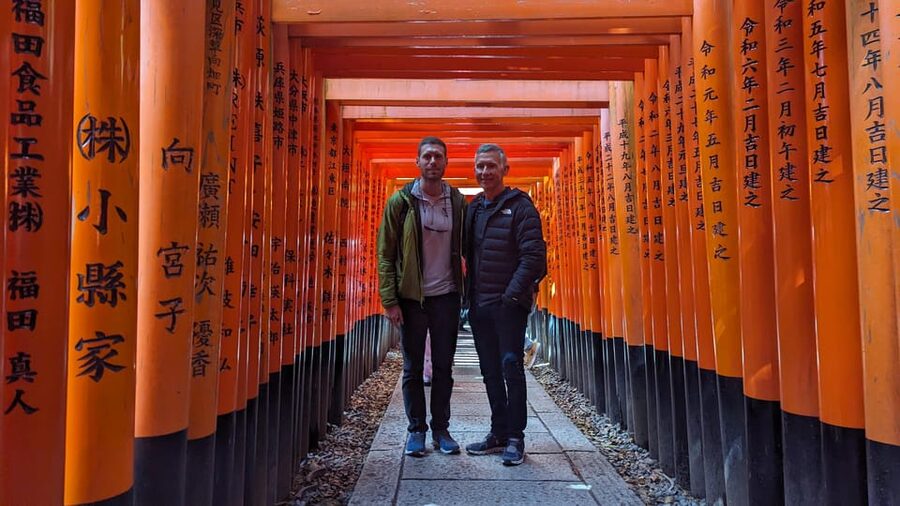
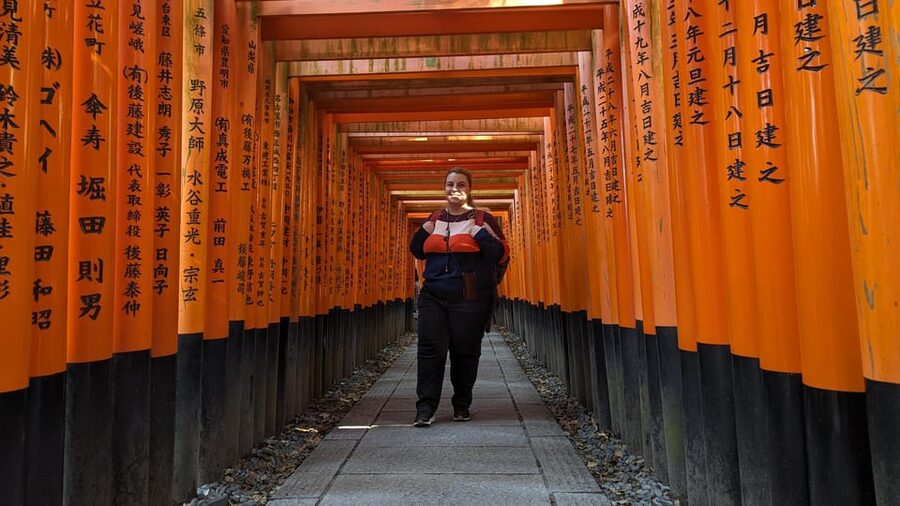
Fushimi Inari Taisha is an excellent first stop. Thousands of vermilion torii gates form long corridors up Mount Inari, creating the classic Kyoto photograph. The tour allows about an hour here, enough to walk through the lower section, hear about the shrine, and stop for pictures.
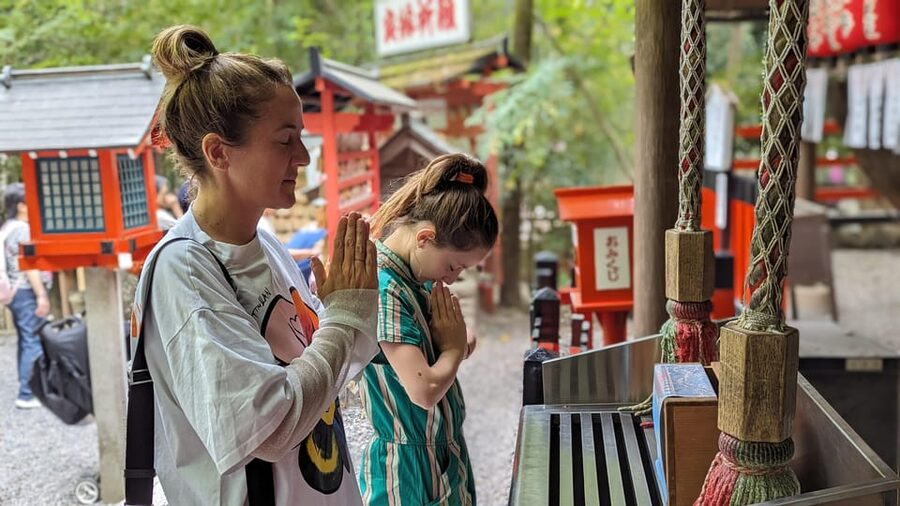
Do not expect to climb the entire mountain in this time. The appeal is the changing feel of the gates as you move away from the entrance and into quieter sections. The shrine is also a place of worship, so your guide can help you understand the customs rather than treating it as only a photo stop.
This is one of the busiest places on the route. The famous lower gates can be crowded, especially at popular times, and you will need to stay aware of your group. The guide’s value matters here. Agustin, one of the named guides, is especially praised for taking striking group photos in crowded places, while Tom is noted for answering questions about Japanese history, customs, and language.
More Arashiyama monkey park trips:
- Kyoto Arashiyama Walking Tour: Bamboo, Monkeys, Gardens & Secrets
★ 5.0 · 1,216 reviews - Arashiyama Bamboo, Temple, Monkeys, or Secret Sake Brewery
★ 4.8 · 886 reviews - Kyoto: Arashiyama Bamboo Forest, Monkeys, Matcha & Temple Tour
★ 5.0 · 759 reviews
Crossing Kyoto by train to Arashiyama
From Inari, the route uses the JR Nara Line to Kyoto Station, then the JR Sagano Line to Saga-Arashiyama Station. The rail journey takes about 30 minutes, followed by a short break and a walk toward the bamboo grove.
This transfer is not wasted time. You get a practical look at Kyoto’s transport system, and you avoid paying for a private vehicle. The downside is that you must manage station movement, keep up with the group, and budget separately for fares. A Suica or Icoca card makes the day easier, though the tour does not include transportation.
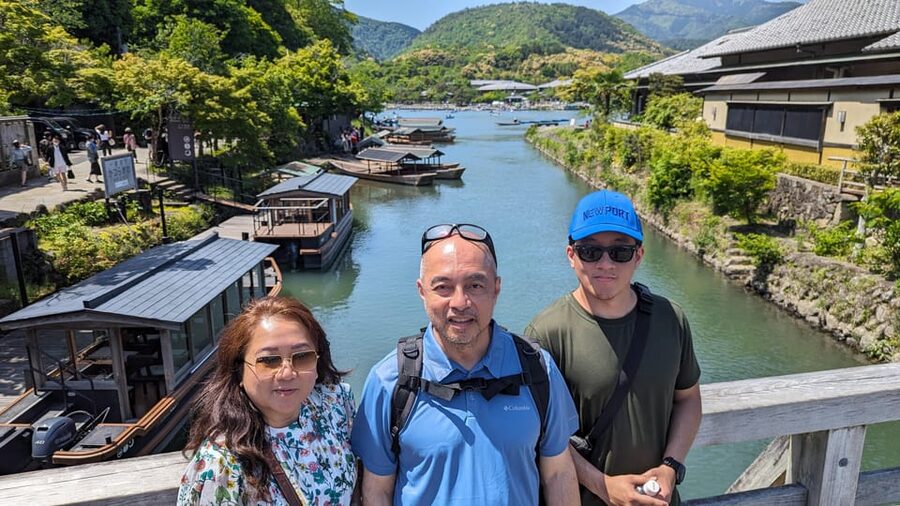
Arashiyama is one of Kyoto’s most recognizable areas, and it is also one of the busiest. The route gives you a short but useful introduction rather than hours to wander every lane. That makes sense for a tour covering so much ground, but you should not book this day expecting long, unplanned pauses.
Walking through the Arashiyama Bamboo Grove
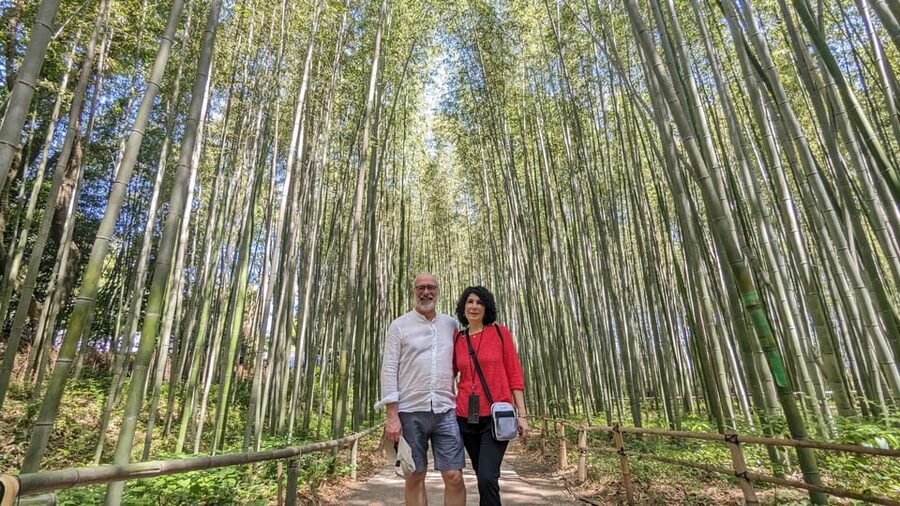
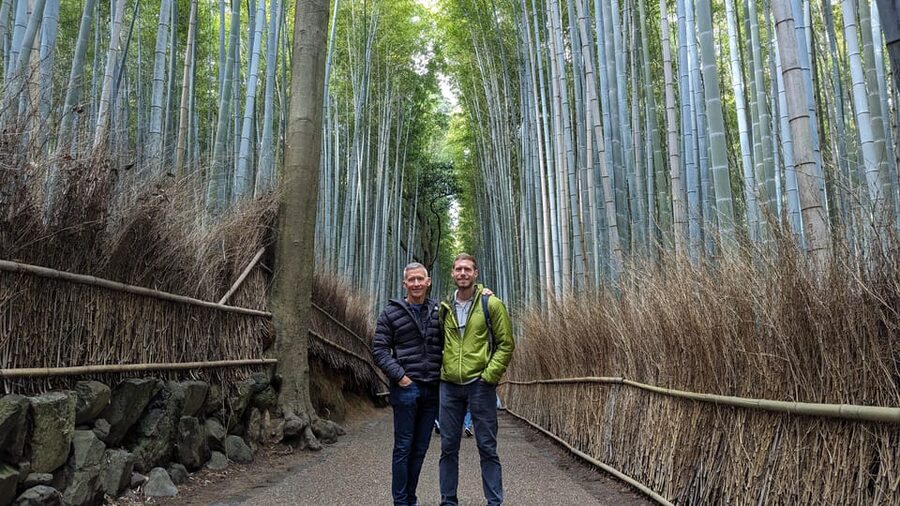
The Bamboo Grove receives about 45 minutes. Tall bamboo rises on both sides of the path, filtering the light and softening the noise from the surrounding streets. It is a calm place in good conditions, but the main path can feel crowded.
This is the stop where a guide can help you notice more than the famous view. You will have time for photographs, but also a chance to walk slowly and take in the sound and height of the grove. Comfortable shoes matter because the day involves much more walking after this point.
The route also includes Nonomiya Shrine, with about 15 minutes for a visit, pictures, and explanation. Its small scale gives you a useful change of pace after the bamboo. The timing is brief, so you will get an introduction rather than an extended religious visit.
Tenryuji’s gardens and Zen setting
Tenryuji is next to the bamboo grove and is one of Kyoto’s major Zen temples. The tour includes the entrance ticket, which helps the $96 price make more sense. You spend about 30 minutes here, walking through the temple grounds and its carefully arranged gardens.
The garden is the real reason to pay attention. Water, trees, rocks, and open views work together in a composed design that changes with the season. You also get a chance to compare the quiet garden with the more crowded path outside.
Thirty minutes is enough to see the main features, but not enough for a slow, detailed temple visit. If you love Japanese gardens and want to sit quietly for a long time, this schedule may feel tight. If you want a well-chosen introduction before moving on, it is a sensible use of time.
More walking tours in Kyoto:
- Kyoto Geisha Walking Tour: Gion District & Hidden Gems
★ 4.7 · 3,273 reviews - Kyoto: Gion Magical Night Walking Tour with Geisha Trivia
★ 4.9 · 2,393 reviews - Kyoto: Gion Geisha District Walking Tour – Stories of Geisha
★ 4.7 · 2,187 reviews - Night Walk in Gion: Kyoto’s Geisha District
★ 4.5 · 2,003 reviews
Lunch and free time in Arashiyama
After Tenryuji, you have about 40 minutes for lunch and free time. You can explore the main street on your own or join the guide for a meal in a restaurant with tables and chairs, hot or cold food, and a choice of dishes. Vegetarian food for children is available.
Lunch is not included, so bring cash and plan for your own meal budget. The 40-minute window is practical but short. You should not expect a long restaurant experience, and you may prefer to choose something quickly so you have time to look around.
This break is important because the second half includes the Monkey Park climb and another transfer across Kyoto. Eat enough to keep going, but do not assume the day will slow down after lunch.
Climbing to Iwatayama Monkey Park
The walk to Iwatayama Monkey Park takes about 10 minutes from the Arashiyama area, followed by a climb that is about 20 minutes for many people. The slope is short but steep enough to matter. The tour information specifically warns people with leg or knee injuries to avoid this part.
At the top, you see wild Japanese macaques and a broad view over Kyoto. You can feed the monkeys in the designated area, following the park’s instructions. This gives the day a welcome change from shrines and temples, and the view rewards the effort of the climb.
The park receives about an hour, including the visit and walking time. Physical condition affects the pace, especially in warm weather. A family with children aged 11 and 15 enjoyed the day but found it tiring in hot conditions. That is useful guidance: this can work well for active families, but it is not a light sightseeing stroll.
Bring water and wear shoes with good support. The supplied information asks you to bring comfortable clothes, comfortable shoes, a passport, and cash. The passport requirement is worth taking seriously even if you do not expect to show it during every stop.
A short Arashiyama pause before the final temple
After the Monkey Park, the schedule gives you about an hour in Arashiyama for a break and self-guided time. This is your best chance to browse, get coffee, or simply sit down before the final section.
The route then takes you on foot to Randen Arashiyama Station, followed by a local tram journey toward the Golden Pavilion area. There is another short break for coffee, a 20-minute walk, and then the final temple visit.
By this stage, the full-day design becomes clear. You are not just touring individual attractions. You are crossing Kyoto by local rail and tram, walking through several neighborhoods, and using the spaces between sights as part of the day. That is useful if you want to learn the city’s layout, but tiring if you prefer door-to-door transport.
Ending at the gold-covered Kinkakuji
Kinkakuji, also called the Golden Pavilion, receives about 45 minutes. The upper two floors are covered in gold leaf, and the building reflects in the pond below. The surrounding garden gives you different views as you follow the marked route.
This is a strong final stop because it is visually immediate. You do not need a long explanation to appreciate the pavilion, but your guide can explain its place in Kyoto’s temple culture and help you read the garden around it.
The visit is partly a photo stop and partly a walk through the grounds, with some time for shopping. Forty-five minutes is enough for the main path, but not for a leisurely exploration of every corner. You also cannot enter the pavilion itself, so set your expectations around viewing it from outside.
Afterward, you return to Kyoto Station by bus, with the ride taking about 35 minutes. The tour lasts approximately eight hours, but the finish can be around 30 minutes earlier or later depending on movement, crowds, and the group’s pace.
What the $96 price really covers
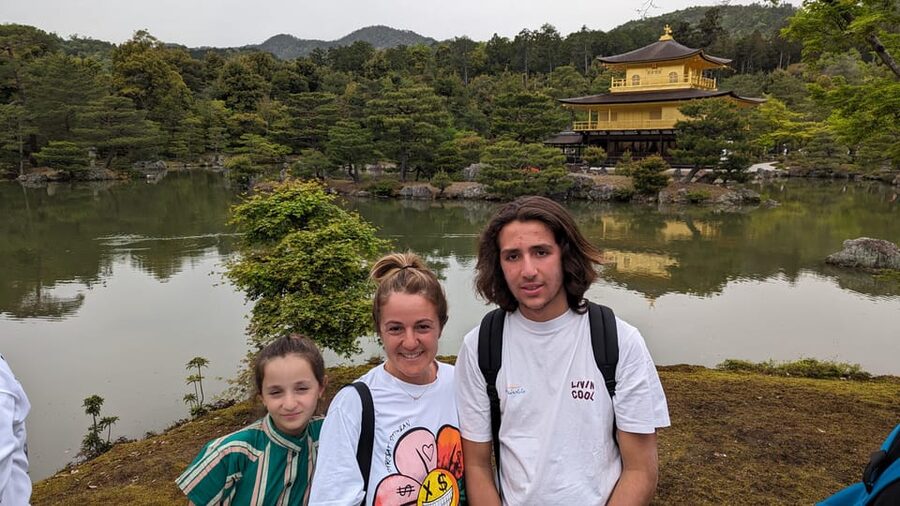
At $96 per person, the tour is priced as a full-day orientation to Kyoto rather than a simple temple walk. It includes an English or Japanese guide, with French, Spanish, and German available by confirmation, plus entry to Tenryuji, Iwatayama Monkey Park, and Kinkakuji.
You still pay for trains, the local tram, the bus, lunch, drinks, and personal purchases. That means the final cost will be higher than the advertised price. The transport expense is usually easier to manage with a Suica or Icoca card, and carrying cash is wise for small purchases and food.
The value depends on how you travel. If you already know Kyoto’s transport system and enjoy planning routes, you could visit these areas independently. The tour earns its price through the route planning, guide commentary, group photos, included admissions, and the ability to connect distant districts in one day.
The named guides also add an important human element. Tom is praised for clear organization, language ability, and wide-ranging conversation about Japan. Agustin brings historical context, humor, and strong photography skills. Remi is described as an interesting and cultured guide. Guide quality can shape a long day, so multilingual support is a practical advantage.
Who should book this Kyoto day
I would choose this tour if you have limited time in Kyoto and want the famous sights handled in one organized route. It suits first-time visitors, active couples, families with older children, and anyone who likes learning while walking.
The shared group can have up to 10 people, which is small enough for questions but still means you must follow the group pace. A private group is available if you want more control over timing, though the supplied price is for the standard experience and does not confirm a private-tour surcharge.
You should think twice if you have knee or leg problems, dislike public transportation, or want long quiet periods at each temple. The tour is not a coach trip. It is a walking day with trains, a tram, and a bus.
Cancellation is free up to 24 hours before the start, and you can reserve now and pay later. Those terms help if your Kyoto plans are still shifting, but they do not change the need to arrive early on the day.
FAQ
Where does the tour begin?
Meet your guide in front of Kitsunezo, a fox statue across the street from JR Inari Station.
Where does the tour finish?
The tour finishes at Kyoto Station after the return bus ride from Kinkakuji.
How long does the experience last?
It lasts approximately eight hours. The actual finish can vary by about 30 minutes before or after the estimated time.
Is this a private tour?
The standard experience is a shared group tour with up to 10 people. A private group option is available.
Which languages are available?
English and Japanese guides are offered. French, Spanish, and German may be available, and you should contact the provider to confirm the language you need.
Does the price include transportation?
No. Trains, the local tram, and the return bus are not included. A Suica or Icoca card is recommended for paying fares.
Is lunch included?
No. Lunch is not included. You have free time in Arashiyama and may join the guide for a meal, with the cost paid separately.
Which entrance tickets are included?
Admission to Tenryuji Temple, Iwatayama Monkey Park, and Kinkakuji is included.
How difficult is the Monkey Park walk?
The climb is described as about 20 minutes for many people, but it can take longer depending on physical condition. It is not recommended for people with leg or knee injuries.
What should I bring?
Bring your passport, comfortable shoes, comfortable clothes, and cash. You should also plan for transportation, lunch, and drinks.
Should you book it?
Book this tour if you want Kyoto’s major sights in one concentrated day and are comfortable walking, climbing, and using local transport. You will see the red gates of Fushimi Inari, Arashiyama’s bamboo, Tenryuji’s gardens, wild macaques, and the Golden Pavilion without having to plan the connections yourself.
Skip it if you want a slow visit, have mobility concerns, or already know how to reach these places independently. For most active first-time visitors, though, the route offers strong value for $96 before meals and transport, especially with three admission fees included and guides such as Tom, Agustin, or Remi helping the sights make sense.
Newest Kyoto experiences on the site
- Treasures of Kyoto: Gion & historical Walking Tour★ 5.0 · 6 reviews
- Whisk Your Own Matcha: A Zen Matcha Experience at Temple★ 3.6 · 7 reviews
- Kyoto tea town for matcha lovers★ 5.0 · 16 reviews
- Uji: Private immersion into Kyoto’s tea and reglious culture★ 5.0 · 17 reviews
- Kyoto Matcha Green Tea Tour★ 4.5 · 23 reviews
- Uji and Wazuka Matcha Farm Half Day Private Guided Tour★ 5.0 · 21 reviews
- Utilising upcycled Matcha! Creating matcha incense (Uji, Kyoto)★ 5.0 · 6 reviews
- Sacred Temple Yoga Experience in Japan★ 5.0 · 3 reviews
Arashiyama Monkey Park Tours, compared.
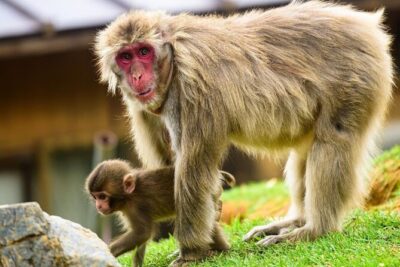
Kyoto Arashiyama Walking Tour: Bamboo, Monkeys, Gardens & Secrets
Read our review →
Arashiyama Bamboo, Temple, Monkeys, or Secret Sake Brewery
Read our review →
Arashiyama Bamboo Forest, Monkeys, Matcha & Temple Tour
Read our review →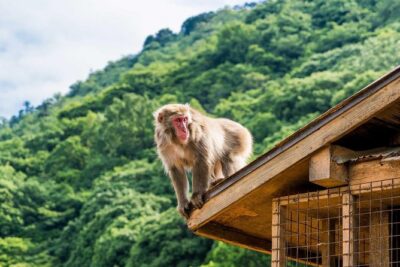
Afternoon Kyoto Bike Tour: Bamboo Forest, Monkeys & Hidden Spots
Read our review →
Arashiyama Bamboo, Temple, Matcha, Monkeys & secret spots
Read our review →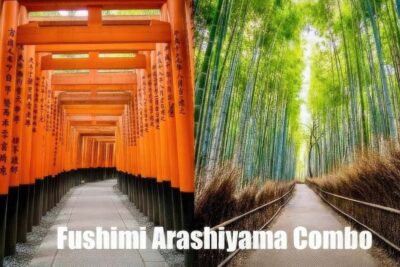
Fushimi, Arashiyama – Bamboo, Monkey, Torii & Secrets
Read our review →
Afternoon Bamboo Forest and Monkey Park Bike Tour
Read our review →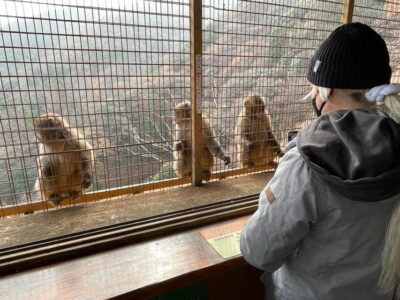
Arashiyama Guided Tour, Bamboo, Monkey, Zen Temple
Read our review →Browse the lists this tour appears in