
Reviewed · KYOTO TEA CEREMONIES
Authentic Tea Ceremony & Sushi in The Museum of Kyoto
Kyoto’s sushi and tea ceremony pairing brings two very different parts of Japanese food culture into one compact experience. You begin at Sushi Shin inside The Museum of Kyoto, then move to a traditional Japanese house on the basement floor, where a garden, tea utensils, matcha, and quiet ritual take over.
I like the contrast between sushi prepared directly in front of you and the slower tea ceremony that follows. I also like the chance to wear a haori, whisk your own matcha, and learn why the utensils and movements matter. The main drawback is the $133 price, which is a serious splurge for an experience without a full meal or a longer cultural program.
Key points at a glance
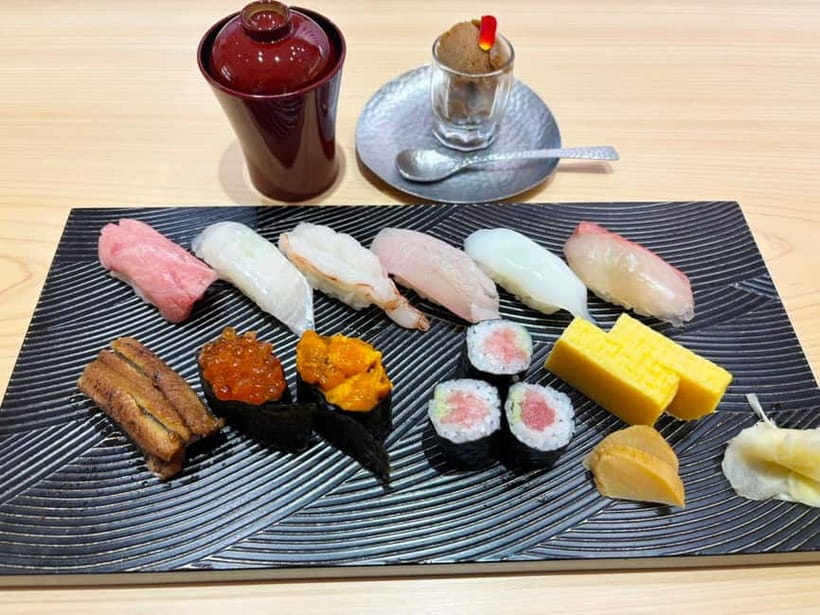
- Sushi is prepared in front of you by a trained master chef, giving the meal a personal, focused feel.
- The tea ceremony takes place in a traditional basement house, with a view of a carefully designed miniature garden.
- You wear a haori, a kimono-style jacket that adds a traditional touch without requiring a full kimono dressing session.
- You whisk your own bowl of matcha and pair it with a Kyoto sweet.
- The 11:00 and 13:30 sessions serve sushi in a different order, so timing matters when planning your day.
- The experience is best for adults and older children, but it is not suitable for children under 10, vegans, vegetarians, or anyone with unreported allergies.
Sushi Shin puts the chef at the center
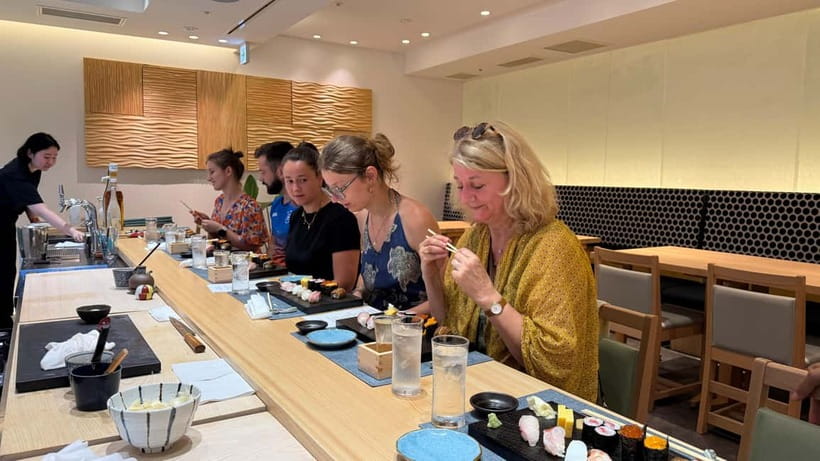
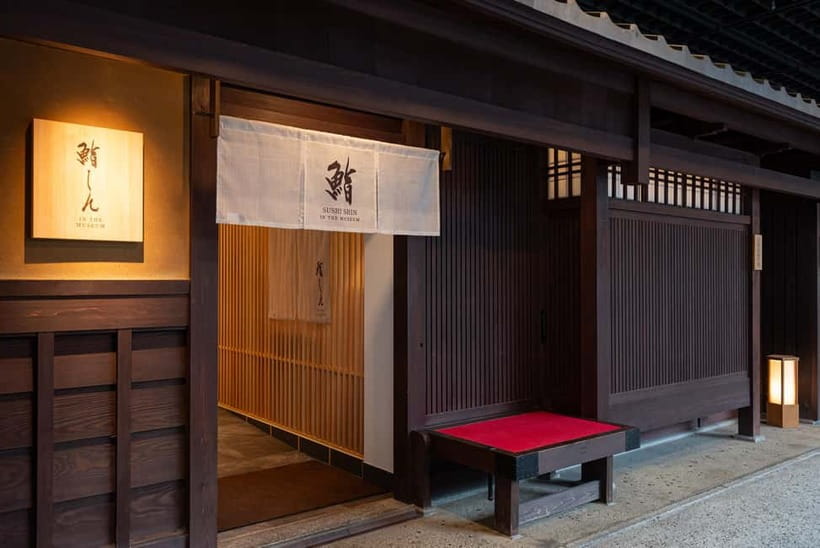
The experience begins at Sushi Shin, located inside The Museum of Kyoto. This is not a meal where sushi arrives in a large tray and the preparation disappears into a kitchen. The chef makes the sushi in front of you, turning the food itself into part of the program.
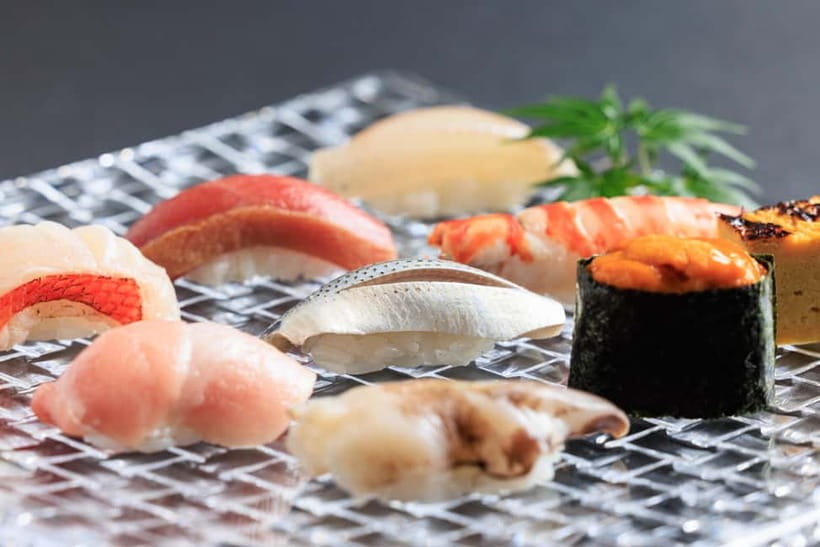
That direct view matters. You can watch the careful work behind each piece, from handling the ingredients to shaping the sushi. The supplied information does not give the exact number or type of pieces, so you should not book this expecting a fixed menu with a published list of courses. What you can count on is sushi prepared by a chef with years of training.
The timing changes the flow. At the 11:00 session, sushi is served at the end. At the 13:30 session, sushi is served at the beginning. That small difference can affect your choice.
The late-morning option gives you tea first and sushi afterward. This may suit you if you want to begin with the quieter cultural part, then finish with food. The afternoon option starts with sushi, followed by the tea ceremony. That arrangement can feel more natural if you prefer lunch before a calm cultural activity.
If your day includes other meals, check the time before booking. The 13:30 session may function as a late lunch, while the 11:00 session may leave you eating later than expected. Since the exact meal size is not stated, do not assume this replaces every other meal of the day.
More tea ceremonies in Kyoto:
- Kyoto: Tea Ceremony in a Traditional Tea House in Kiyomizu
★ 4.9 · 3,519 reviews - Kyoto: Tea Ceremony Ju-An at Jotokuji Temple
★ 4.9 · 3,207 reviews - Kyoto: 45-Minute Tea Ceremony Lesson Experience
★ 4.3 · 2,378 reviews
A traditional house below the museum
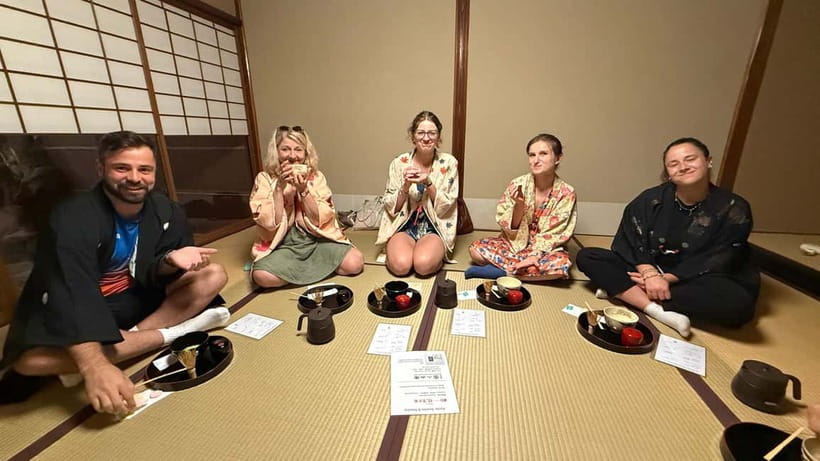
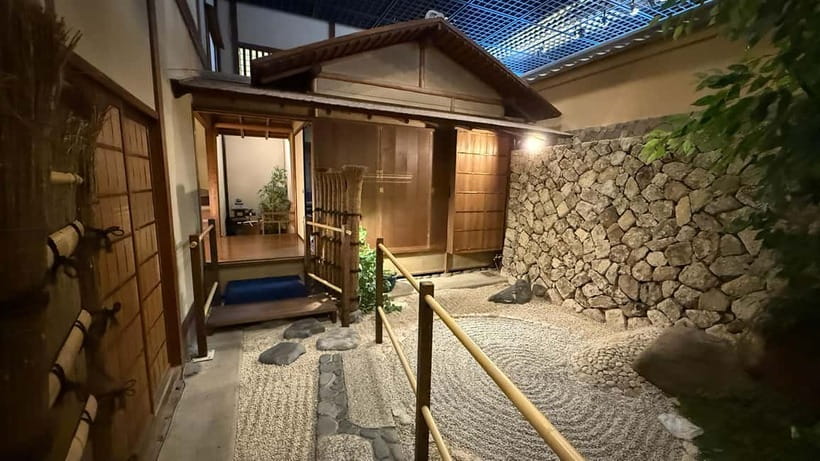
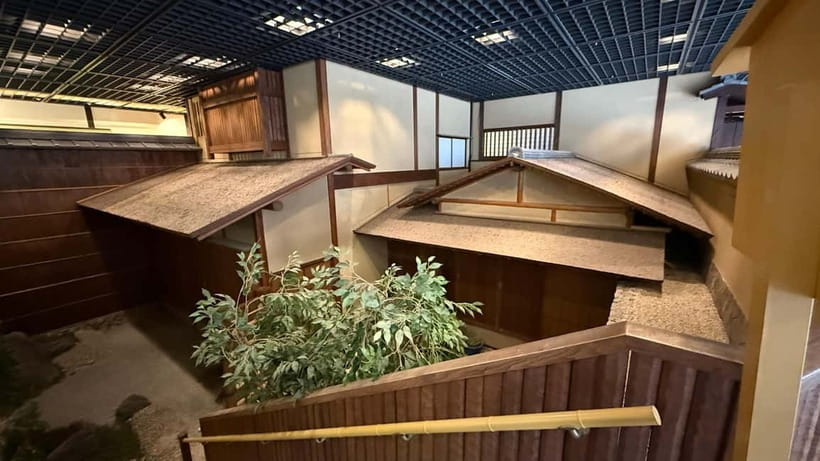
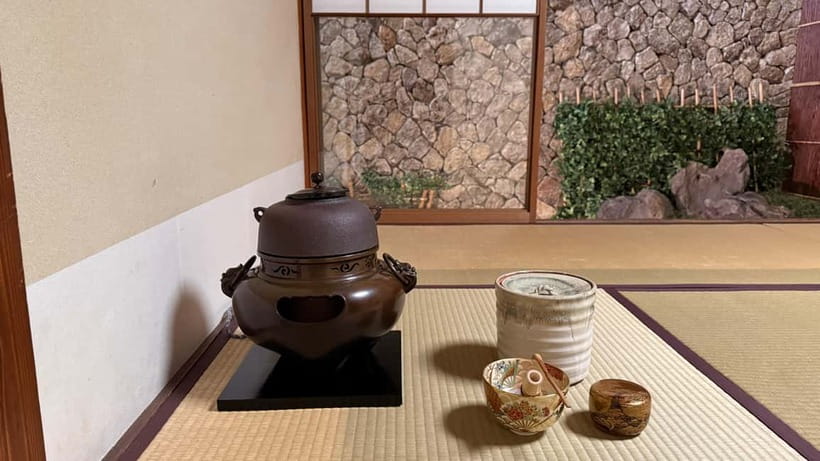
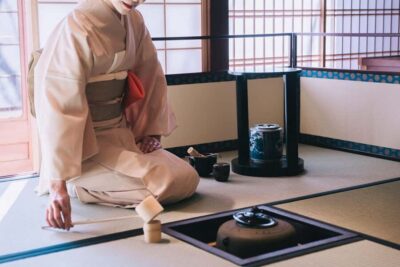
After the sushi portion, or before it, depending on your session, you are guided to a traditional Japanese house on the basement floor. The setting is designed to recall the elegant atmosphere of the Edo period. You also get a view of a meticulously made miniature garden.
This is one of the strongest reasons to consider the experience. You are not simply seated in a modern restaurant for a short demonstration. The change of setting helps you understand why the tea ceremony is about more than drinking matcha. The room, the garden, the clothing, the utensils, and the pace all work together.
The garden is miniature, but the description gives no further detail about its size or design. I would treat it as a visual part of the setting rather than a separate garden visit. You are there to observe it from within the traditional house, not to spend an hour walking through a large outdoor garden.
The basement location may surprise you. This is not an old standalone tea house in a historic street. It is a traditional-style space inside The Museum of Kyoto. For some people, that makes the experience easy to fit into a sightseeing day. For others, the setting may feel less authentic than a remote rural tea house or a historic temple room.
Still, the careful interior and quiet mood appear to do the job. If you want an accessible taste of Japanese aesthetics without committing to a long formal ceremony, this setup has real appeal.
Wearing a haori without a full kimono appointment
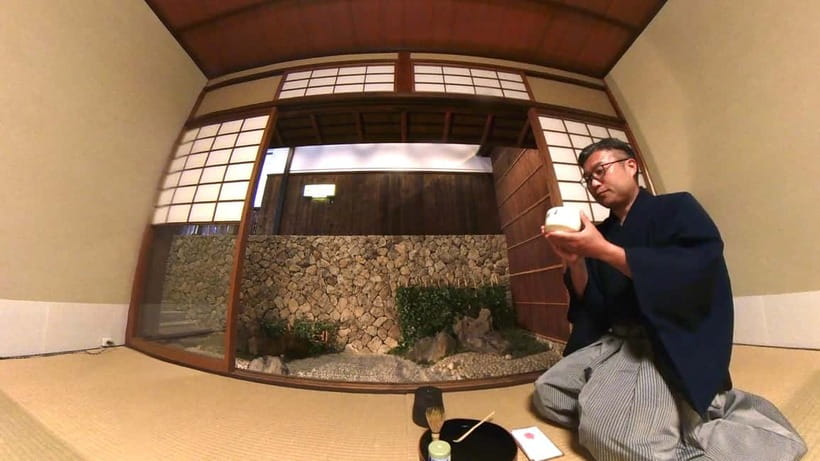
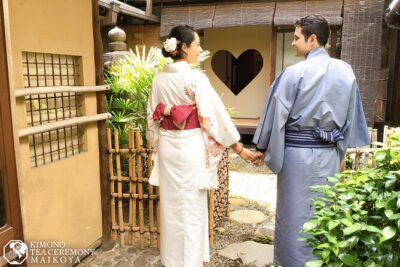
You are provided with a haori, a traditional kimono-style jacket. This is a useful middle ground for visitors who want to take part in Japanese dress without arranging a full kimono rental and dressing service.
A haori can make the occasion feel special while keeping the practical side simple. The activity does not say that you will wear a complete kimono, traditional footwear, or a full set of accessories. Keep your expectations to the jacket itself.
The haori also fits the ceremony’s visual style. You are not just watching a demonstration from an ordinary restaurant chair. You are given a small role in the setting, then invited to take part in preparing your tea.
No special dressing time or clothing size information is provided. If you have questions about fit, it is sensible to contact the provider before booking. The provider offers support in English and Japanese, which should help with basic questions before the activity.
Learning why the tea utensils matter
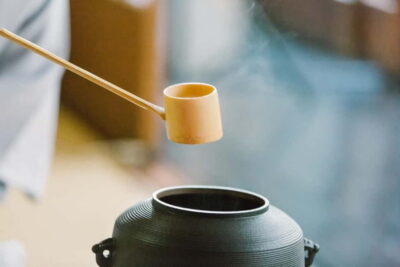
The tea portion includes an explanation of the history and cultural origins of chanoyu, the Japanese tea ceremony. You are also introduced to the traditional utensils used during the ceremony.
This explanation is important because the movements can otherwise seem mysterious. A tea ceremony is not simply a fancy way to make a hot drink. The tools and order of action carry meaning, and the host helps connect what you see with Japanese customs.
The experience is described as taking place in serene silence. That does not mean you will sit through a long performance without guidance. The program includes explanations, and the quiet seems to be part of the mood once the ceremony begins.
The balance should suit you if you want cultural context without a full academic lecture. You get an introduction to chanoyu, then a chance to perform part of the process yourself. The available information does not state how long the explanation lasts or how large the group is, so the amount of personal attention may vary.
That lack of detail is worth keeping in mind. If you want an intimate, private ceremony with extensive instruction, confirm the group size before paying. If you are content with a guided introduction in a carefully prepared setting, the format should fit well.
More sushi making classes in Kyoto:
- Sushi Making in Kyoto! Same-day bookings welcome!
★ 5.0 · 713 reviews - The Original Small-Group Sushi Making Class in Kyoto
★ 5.0 · 436 reviews - Kyoto: Small-Group Authentic Sushi Making Workshop
★ 5.0 · 137 reviews - Sushi – Authentic Japanese Cooking Class – the best souvenir from Kyoto!
★ 5.0 · 93 reviews
Whisking your own matcha
At some point during the tea ceremony, you whisk your own bowl of matcha. This is the hands-on part that keeps the experience from feeling like a demonstration only.
You also receive a traditional Kyoto sweet to eat with the tea. The pairing is deliberate. The sweet provides a contrast to matcha’s sharp, grassy taste, making the drink easier to appreciate if you are new to it.
The matcha is described as premium and rare. That does not mean every visitor will prefer it. Matcha can be bitter, earthy, and intense, especially if you are used to sweetened green tea. The value here is the chance to taste a high-grade preparation in the setting where it has a cultural role.
You are not only handed a cup and sent on your way. You whisk it yourself after receiving instruction. That gives you a better feel for the tools and the method, even if your first bowl does not look or taste exactly like the host’s.
If you dislike bitter drinks or powdered tea, this part may be challenging. The Kyoto sweet helps, but it does not turn matcha into a sugary café drink. I would book this for the ritual and the taste experience, not because it resembles ordinary tea service.
What the order of the sessions means
The two available times have different food sequences:
- 11:00: The tea ceremony comes before the sushi, with sushi served at the end.
- 13:30: The sushi is served at the beginning, followed by the tea ceremony.
The activity ends back at the starting point, Sushi Shin inside The Museum of Kyoto. There is no separate transport between the parts, and the provided details do not describe any hotel pickup or drop-off.
I would choose the 11:00 time if you want to finish with sushi and do not mind delaying your main meal. I would choose 13:30 if you want to eat first and then settle into the calmer tea portion.
Because the program ends where it starts, it can fit neatly into a day around The Museum of Kyoto. The exact duration is not provided, so leave room in your schedule rather than booking a timed attraction immediately afterward.
Is $133 a fair price?
At $133 per person, this is not a budget food stop. You are paying for more than sushi ingredients. The cost covers the chef-led preparation, the traditional setting, the haori, the tea utensils, the cultural explanation, premium matcha, Kyoto sweets, and the opportunity to whisk your own tea.
The value depends on what you want from Kyoto. If your priority is simply eating as much sushi as possible, a regular sushi restaurant may give you better value. The menu details and portion size are not supplied, so you should not compare this price only with the cost of a sushi lunch.
I see the strongest value for someone who wants one polished cultural experience rather than separate bookings for food, a tea ceremony, and traditional dress. Combining those elements saves time and gives the afternoon or morning a clear shape.
The rating is perfect across three submitted ratings, and the most consistent praise focuses on the sushi made in front of you, the quality of the matcha, the clear explanation, and the peaceful setting. That praise points to the parts most likely to justify the price.
Still, the small number of ratings means I would avoid treating the perfect score as a guarantee of every detail. The exact serving size, group size, and duration are not stated. Ask about those points if you are making the booking mainly for the meal.
Who should book this experience?
I would recommend it to couples, solo visitors, and small groups who want a refined cultural activity in Kyoto without a full-day excursion. It also suits anyone who likes food demonstrations but wants more substance than a standard restaurant meal.
It is a good choice if you are interested in Japanese aesthetics, tea utensils, traditional clothing, and food craft. The two-part format lets you compare the precision of sushi making with the calm repetition of tea preparation.
It is less suitable for young families. Children under 10 are not allowed, and the quiet ceremony may not suit children who need constant activity. It is also not suitable for vegans or vegetarians, according to the provided restrictions.
If you have allergies, tell the provider in advance. That is especially important for an experience involving sushi and sweets. The activity is not listed as suitable for people over 95, so check eligibility before booking for an older family member.
Practical booking advice for your Kyoto day
The meeting point is Sushi Shin inside The Museum of Kyoto. The activity ends at the same place, which makes the plan straightforward and avoids the uncertainty of a distant final stop.
English and Japanese are available. Since the program includes explanations of chanoyu and the utensils, language support matters. It should help you follow the cultural background as well as the practical instructions for whisking matcha.
You can reserve now and pay later, which helps if your Kyoto plans are still changing. Cancellation is allowed up to 24 hours in advance for a full refund. I would still check the final booking terms for your date, especially during a busy season.
The experience is not described as wheelchair accessible, private, or suitable for every dietary need. Do not assume those features. Confirm them directly if they affect your decision.
Should you book the sushi and tea ceremony?
Book it if you want a well-organized introduction to sushi craft and chanoyu in one setting, and if $133 fits your Kyoto budget. The best parts are clear: sushi made directly in front of you, an elegant traditional room, premium matcha, a Kyoto sweet, and the chance to wear a haori and whisk your own tea.
Skip it if you only want a cheap sushi meal, need vegan or vegetarian food, or expect a long temple-based ceremony with a large outdoor garden. The price, unknown duration, and limited menu details call for realistic expectations.
For the right visitor, this is a compact and polished way to spend part of a Kyoto day. Choose the session time carefully, report allergies early, and think of the cost as payment for the complete setting and instruction, not just the sushi on the plate.
FAQ
Where does the experience begin?
It begins at Sushi Shin, located inside The Museum of Kyoto.
Where does the experience end?
The activity ends back at the meeting point, Sushi Shin inside The Museum of Kyoto.
Is sushi served before or after the tea ceremony?
At the 11:00 session, sushi is served at the end. At the 13:30 session, sushi is served at the beginning.
Is a tea ceremony included?
Yes. The experience includes an introduction to chanoyu, explanations of traditional tea utensils, premium matcha, and a Kyoto sweet.
Can I make my own matcha?
Yes. You will whisk your own bowl of matcha during the tea portion.
Is traditional clothing provided?
Yes. You can wear a traditional haori, a kimono-style jacket.
What languages are available?
The experience is offered in English and Japanese.
Is the activity suitable for children?
It is not suitable for children under 10 years old.
Can people with allergies take part?
You should inform the provider in advance if you have any allergies. Vegans and vegetarians are not listed as suitable for this experience.
More Museums in Kyoto
- Kyoto: Tea Museum Tickets and Matcha Grinding Experience
★ 4.9 · 739 reviews - Skip the lines Basic Ticket at SAMURAI NINJA MUSEUM KYOTO
★ 4.5 · 632 reviews - Kyoto : Geiko Maiko Dance of Kyoto & Visits of Gion Museum
★ 4.6 · 415 reviews - Kyoto Sword Experience – includes Museum Ticket/Ninja Experience
★ 4.5 · 149 reviews
Newest Kyoto experiences on the site
- Treasures of Kyoto: Gion & historical Walking Tour★ 5.0 · 6 reviews
- Whisk Your Own Matcha: A Zen Matcha Experience at Temple★ 3.6 · 7 reviews
- Kyoto tea town for matcha lovers★ 5.0 · 16 reviews
- Uji: Private immersion into Kyoto’s tea and reglious culture★ 5.0 · 17 reviews
- Uji and Wazuka Matcha Farm Half Day Private Guided Tour★ 5.0 · 21 reviews
- Kyoto Matcha Green Tea Tour★ 4.5 · 23 reviews
- Utilising upcycled Matcha! Creating matcha incense (Uji, Kyoto)★ 5.0 · 6 reviews
- Sacred Temple Yoga Experience in Japan★ 5.0 · 3 reviews
Kyoto Tea Ceremonies, compared.
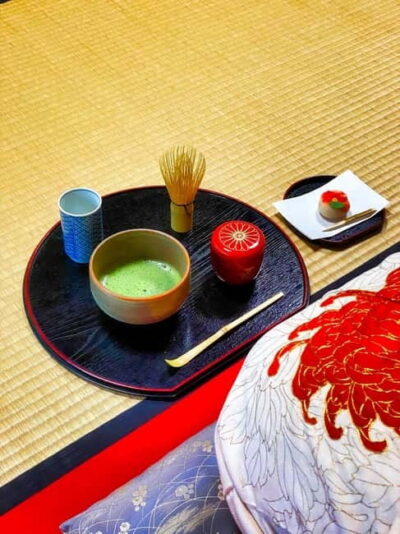
Tea Ceremony in a Traditional Tea House in Kiyomizu
Read our review →
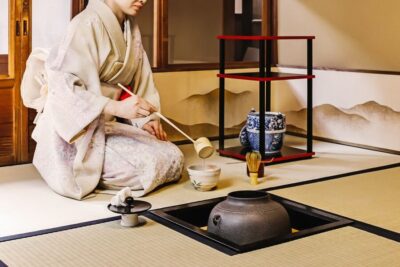
Tea Ceremony in 100-year-old Kyo-Machiya Townhouse
Read our review →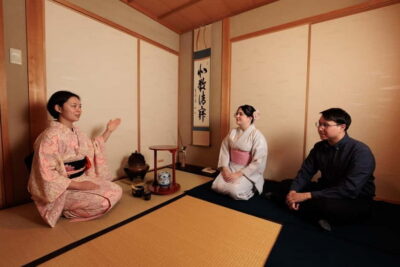
Browse the lists this tour appears in