
Reviewed · KYOTO SAMURAI EXPERIENCES
Ancient Katana Training in Kyoto with Local Students
Kyoto has plenty of sword-themed attractions, but this is something different: you join a real evening training session with the Kyoto Branch of Asayama Ichiden Ryu Hyōhō, a classical martial tradition with more than 400 years of history. You practice beside regular students, not actors performing a staged samurai show.
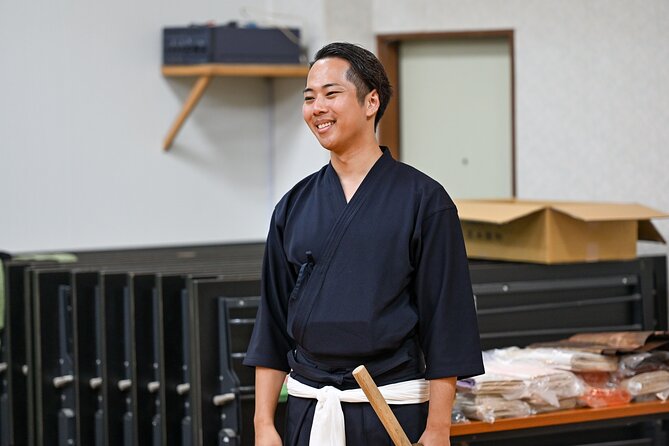
I like the small maximum of four participants and the chance to work with Shogo, who teaches in both English and Japanese. I also like that the session begins with reihō etiquette, then moves into iaijutsu and kenjutsu with a wooden katana. The main caution is simple: this is not built for complete beginners, and the dojo may decline you without prior budo experience.
Key points to know before you book
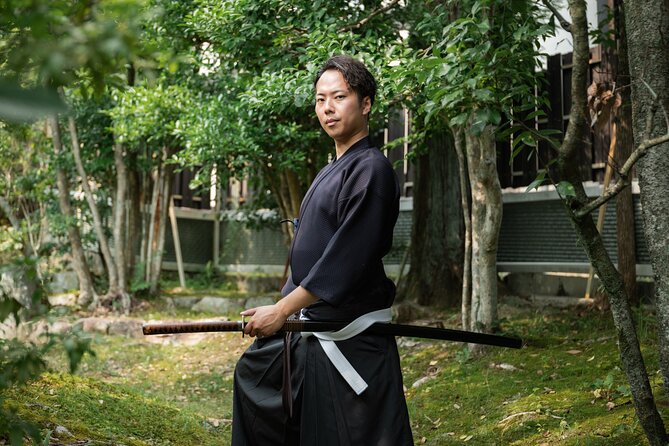
- A genuine dojo session: You train alongside regular members of the Kyoto Branch of Asayama Ichiden Ryu Hyōhō.
- Three traditional skills: The evening covers reihō etiquette, iaijutsu quick-draw work, and kenjutsu swordsmanship.
- Small group size: A maximum of four participants allows close attention and a less crowded class.
- Wooden swords are used: You practice with bokutō, or wooden katana, rather than a live blade.
- Prior experience matters: The general rule is that participants should have some budo background.
- A focused evening in Kyoto: Training starts at 6:30 pm at 7-chōme-27-1 Honmachi in Higashiyama Ward and ends at the same place.
This is training, not a samurai photo stop
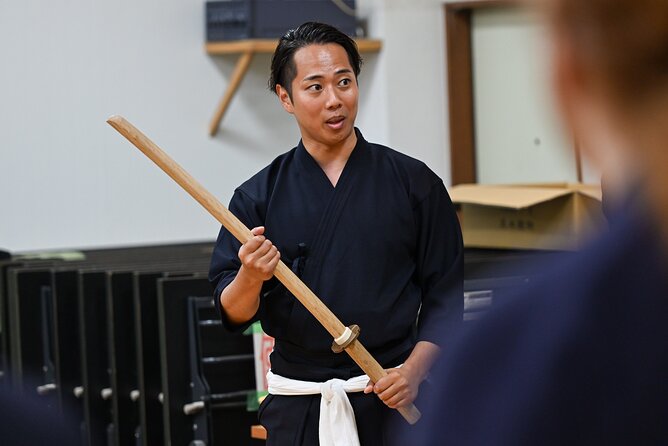
The most important thing to understand is the tone. You are not dressing up, posing with a sword, or watching a choreographed demonstration made for a passing audience. You are entering a working martial arts class with people who train regularly.
That difference gives the experience its value. You get to see how a traditional dojo operates, how students follow instruction, and how much attention goes into posture, etiquette, and controlled movement. It also means you need to arrive ready to listen and follow the class rather than expecting a loose, entertainment-focused activity.
The tradition is Asayama Ichiden Ryu Hyōhō, a form of Kobudo, or classical Japanese martial arts. Its techniques come from the period when samurai trained and fought while wearing armor. Sword work is central, but the larger system also includes sickle techniques, staff work, short staff, short-stick techniques, chain and weight methods, and throwing darts.
You will not cover all of those arts in one evening. The session focuses on sword practice, particularly iaijutsu and kenjutsu. Still, knowing that the school belongs to a wider martial system helps explain why the class places such weight on form and discipline.
More samurai experiences in Kyoto:
- Kyoto Samurai Experience
★ 5.0 · 1,294 reviews - Kyoto: Kendo and Samurai Experience with Uniform and Gear
★ 4.9 · 815 reviews - Kyoto: Samurai Sword Class by Experts in Traditional Arts
★ 4.9 · 657 reviews
What your three hours are likely to cover
The session begins at 6:30 pm, giving you an evening activity after a day of sightseeing in Kyoto. The exact flow may depend on the class and your level, but the stated focus is clear: reihō, iaijutsu, and kenjutsu.
Reihō: learning how to enter the practice
Reihō means etiquette and formal conduct within budo. It is not decoration added to the lesson for tourists. It sets the rules for how you enter the dojo, handle equipment, pay attention, and train around other people.
For a first visit, this part can feel unfamiliar. That is also why it matters. You are learning that sword practice is not only about making a fast cut or drawing a blade smoothly. It involves restraint, awareness, and respect for the space and the people in it.
I appreciate that the class starts here rather than rushing straight to sword movements. If you have trained in another budo style, you may recognize the general discipline. If your experience is limited, expect to spend time observing and copying carefully.
Iaijutsu: the quick-draw art
Iaijutsu centers on drawing the sword and responding with controlled, efficient movement. The appeal is easy to understand, especially if your interest in samurai culture began with films, books, or Japanese history.
The real practice is less theatrical than screen combat. You will work with a bokutō, a wooden katana, and focus on the sequence and body mechanics rather than dramatic speed. The training can reveal how much control is required for a movement that looks simple at first glance.
Shogo’s role is especially useful here. The supplied information describes him as able to instruct in both English and Japanese, and the class is adapted to the participant’s level. That matters when small details of stance, hand position, or timing need to be explained clearly.
A few more Kyoto tours worth putting on the shortlist
- PERFECT KYOTO 1-Day Bus Tour
★ 5.0 · 13,518 reviews - Kyoto: Fushimi Inari, Kinkakuji, Bamboo Grove 1 Day Bus Tour
★ 4.8 · 4,316 reviews - Kyoto: Tea Ceremony in a Traditional Tea House in Kiyomizu
★ 4.9 · 3,519 reviews - Kyoto Geisha Walking Tour: Gion District & Hidden Gems
★ 4.7 · 3,273 reviews
Kenjutsu: swordsmanship with a partner and a group
Kenjutsu is the broader sword-fighting practice. In this class, you work through traditional sword techniques with the bokutō while training alongside regular students.
This section may be the most rewarding part for people who want a practical martial arts session rather than a cultural lecture. You get a sense of how techniques are practiced in relation to another person, under rules that keep the work controlled.
You should not expect a free-form fight. The emphasis is on learning and repeating techniques correctly. The class may feel demanding if you are unfamiliar with martial arts, which is one reason the provider generally asks for prior budo experience.
Why the small group changes the experience
The maximum group size is four participants. That is a useful detail, not just a booking statistic.
A large sword class can leave you standing at the edge of the room, watching an instructor demonstrate while you try to copy from a distance. With only a few outside participants, Shogo can adjust the explanation and pay attention to your level. One participant specifically found the instruction well paced and forgiving when mistakes happened, which is the right expectation to bring.
The small size also protects the character of the regular class. You are joining an existing dojo rather than taking over the room with a large sightseeing group. That makes the session feel less like a packaged attraction and more like a brief visit into an ongoing practice.
There is a tradeoff. A tiny class may feel more personal, but it can also make your own lack of experience more obvious. You will not be able to hide in the back of a crowd. If you are nervous, contact the provider before booking and explain your background.
Shogo’s teaching style and language support
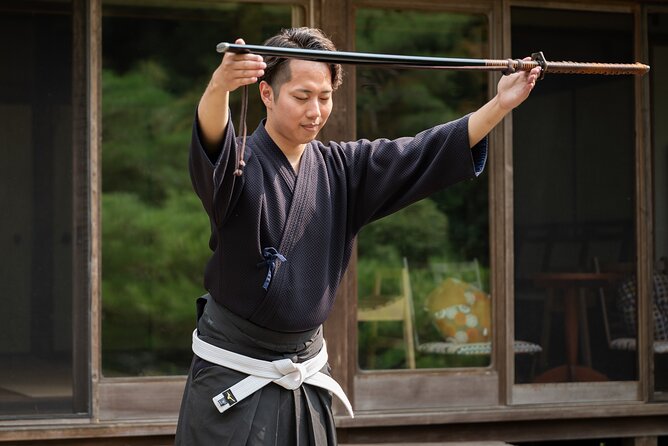
Shogo is the central contact for this experience, and the information supplied about him is a strong reason to consider it. He teaches in English and Japanese, and he has studied with different teachers and styles across Kyoto and Japan.
That background helps in two ways. First, you are not left trying to decode every instruction from gestures. Second, the lesson can place the sword work within the broader world of Japanese martial arts, rather than treating the katana as a simple souvenir symbol.
Several details point to an instructor who works well with international participants. One attendee arrived without a sword and was provided one, making the class easier to follow. Another described the experience as welcoming for a foreign woman who had concerns about language, gender expectations, and cultural rules in a Japanese dojo.
You should still remember that English support does not turn this into a beginner tourist lesson. The class keeps its regular training character. Clear communication helps, but you still need to pay attention, accept correction, and respect the pace of the dojo.
The wooden katana is the right tool for this class
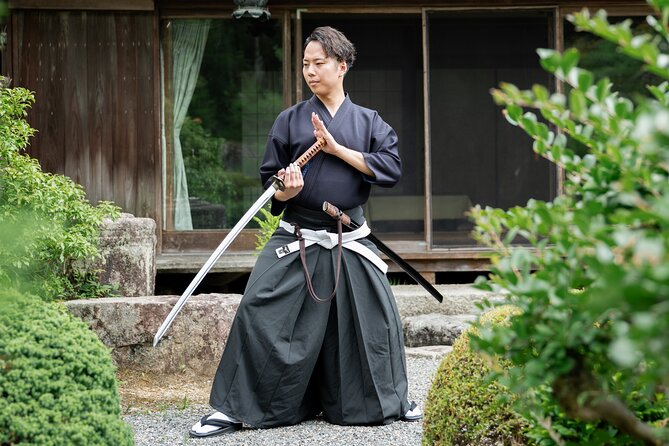
You practice with a bokutō, or wooden katana. This is important for safety and for the type of learning involved.
A wooden sword lets you work on grip, posture, drawing motion, distance, and formal handling without the danger of a sharp blade. It also keeps the focus on technique. You are not paying for the thrill of holding an antique or live sword.
If you do not bring equipment, the available information indicates that Shogo can provide a sword. That makes the experience easier for visitors who are flying into Japan or moving around Kyoto with a small bag.
The bokutō does not make the class fake or watered down. In a serious martial arts setting, controlled practice with a wooden weapon is a sensible way to learn. You should treat it as real training equipment, not as a prop for photographs.
How authentic training affects comfort and difficulty
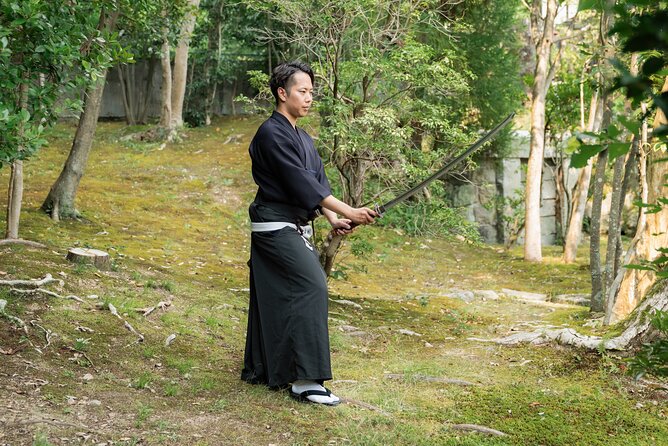
The phrase real training has practical consequences. You may be asked to repeat a movement many times. You may spend longer on etiquette or body position than you expected. You may also find that the class feels quieter and more formal than a typical cultural activity.
That can be a plus if you want substance. I would choose this session over a theatrical sword show if my goal were to understand how a traditional art is actually practiced. You leave with a better sense of the discipline behind the image of the samurai.
It can be a poor match if you want a relaxed, drop-in activity requiring no preparation. The provider generally does not accept people with no prior budo experience. Beginners who are very eager can contact the provider for a consultation, but approval is not automatic.
The stated fitness requirement is moderate physical fitness. You do not need to be an athlete based on the information provided, but you should be comfortable participating in a physical class for about three hours. If your body is tired after a full day of Kyoto sightseeing, plan your schedule with care.
Price, timing, and the value of a small class
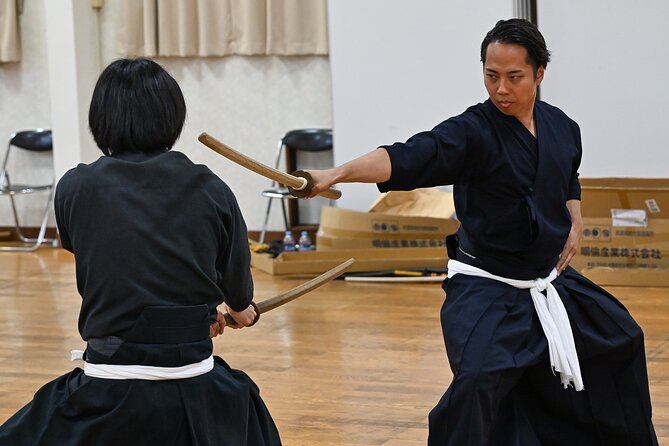
The price is $45.61 per person for about three hours. I see that as a fair price if you already have martial arts experience or a strong, specific interest in Japanese sword arts.
You are paying for more than an introduction to a katana. The session offers access to a traditional school, a small group setting, direct instruction from Shogo, and the chance to train beside regular students. That is a different value from a short demonstration or a large cultural workshop.
The price is harder to justify if you mainly want a quick samurai-themed memory. In that case, a shorter tourist activity may fit your expectations better. This class rewards attention and participation, not just curiosity.
The experience is booked on average 18 days ahead, so I would not leave it until the last minute if your Kyoto dates are fixed. The group limit is four, and small classes can fill quickly.
Training starts at 6:30 pm at 7-chōme-27-1 Honmachi in Higashiyama Ward. The activity ends at the same meeting point. It is near public transportation, but you should allow enough time to locate the dojo and arrive ready for a formal class.
A mobile ticket is provided, and confirmation is received at booking. You can cancel for a full refund up to 24 hours before the start time. Cancellations or changes made less than 24 hours before the session are not refunded or accepted, based on local time.
Who should book this Kyoto dojo session?
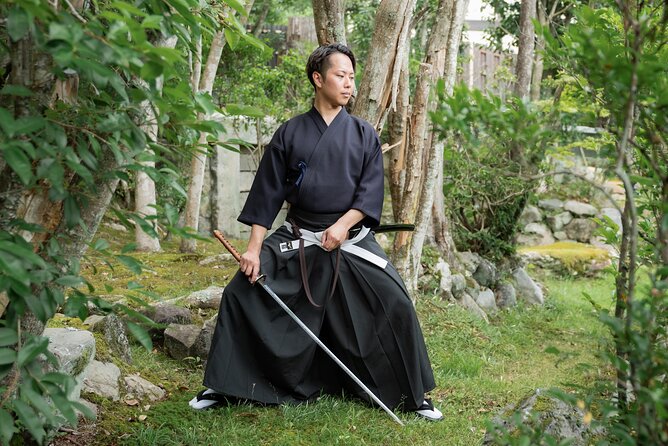
I would recommend it most strongly to:
- People with experience in iaido, kenjutsu, karate, judo, aikido, or another budo discipline
- Visitors who want to train in a real Japanese dojo rather than watch a staged performance
- Katana enthusiasts who understand that traditional technique takes patience
- International participants who want English and Japanese instruction
- Travelers who prefer a small, focused activity over a large group tour
- People willing to contact the provider first if they are new to budo
I would be cautious about booking it for young children, people seeking a casual photo opportunity, or anyone uncomfortable with formal instruction. The available information does not provide a minimum age, so families should ask the provider directly rather than assume the class is suitable.
The class may suit a solo visitor particularly well because the group is capped at four. It also makes sense for someone who has trained in a local dojo and wants to compare that experience with a traditional school in Japan.
Final call: book it if you want practice, not performance
Book this experience if you want to understand the discipline behind Japanese swordsmanship. The small group, English and Japanese instruction, wooden swords, and access to regular dojo training give it real substance for the right participant.
Skip it if you have no martial arts background and want a guaranteed beginner class. You can still contact Shogo for a consultation, but the general rule favors people with prior budo experience.
For an experienced student, this is a rare chance to train in Kyoto with the Asayama Ichiden Ryu Hyōhō community. For everyone else, be honest about your expectations before booking. Come ready to listen, move carefully, and treat the evening as martial arts practice rather than samurai entertainment.
FAQ
Where does the katana training take place?
The session starts at 7-chōme-27-1 Honmachi, Higashiyama Ward, Kyoto, Japan. It is near public transportation and ends back at the meeting point.
What time does the experience start?
Training starts at 6:30 pm.
How long does the session last?
The activity lasts approximately three hours.
Do I need prior martial arts experience?
Prior budo experience is generally expected. If you are very eager to join but have no experience, you can contact the provider for a consultation.
What kind of sword will I use?
Training uses a bokutō, which is a wooden katana. If you do not bring a sword, one may be provided.
How many people can join?
The activity has a maximum of four participants.
Newest Kyoto experiences on the site
- Treasures of Kyoto: Gion & historical Walking Tour★ 5.0 · 6 reviews
- Whisk Your Own Matcha: A Zen Matcha Experience at Temple★ 3.6 · 7 reviews
- Kyoto tea town for matcha lovers★ 5.0 · 16 reviews
- Uji: Private immersion into Kyoto’s tea and reglious culture★ 5.0 · 17 reviews
- Kyoto Matcha Green Tea Tour★ 4.5 · 23 reviews
- Uji and Wazuka Matcha Farm Half Day Private Guided Tour★ 5.0 · 21 reviews
- Utilising upcycled Matcha! Creating matcha incense (Uji, Kyoto)★ 5.0 · 6 reviews
- Sacred Temple Yoga Experience in Japan★ 5.0 · 3 reviews
Kyoto Samurai Experiences, compared.
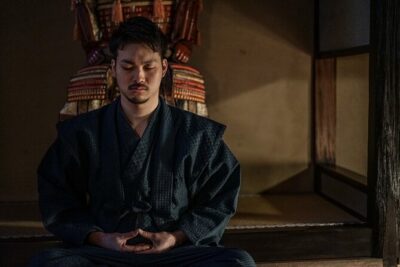
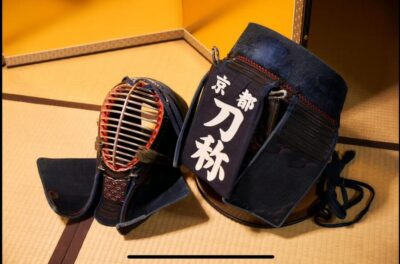
Kendo and Samurai Experience with Uniform and Gear
Read our review →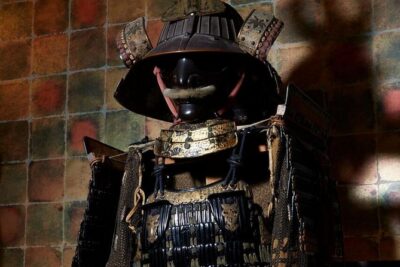
Skip the lines Basic Ticket at SAMURAI NINJA MUSEUM KYOTO
Read our review →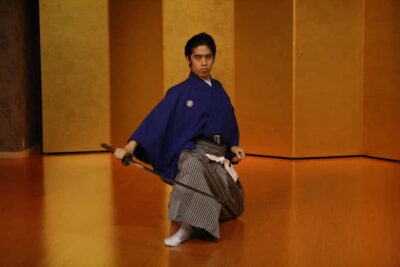
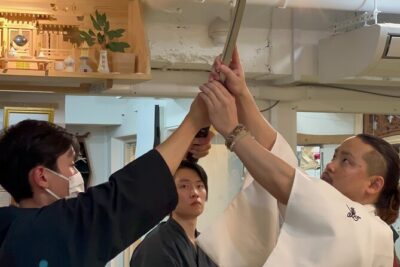
Samurai Training with Modern day Musashi in Kyoto
Read our review →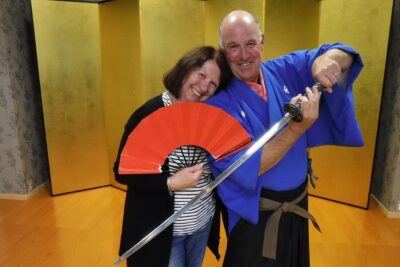
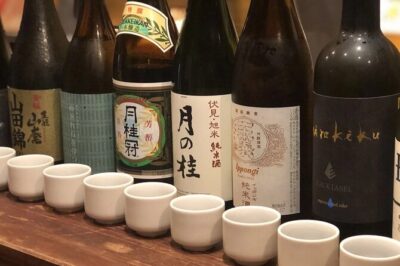
Private Tea Ceremony and Sake Tasting in Kyoto Samurai House
Read our review →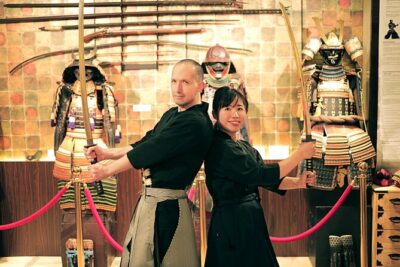
Kyoto Sword Experience – includes Museum Ticket/Ninja Experience
Read our review →Browse the lists this tour appears in