
Reviewed · NISHIKI MARKET TOURS
Kimono Tea Ceremony at Kyoto Maikoya, NISHIKI
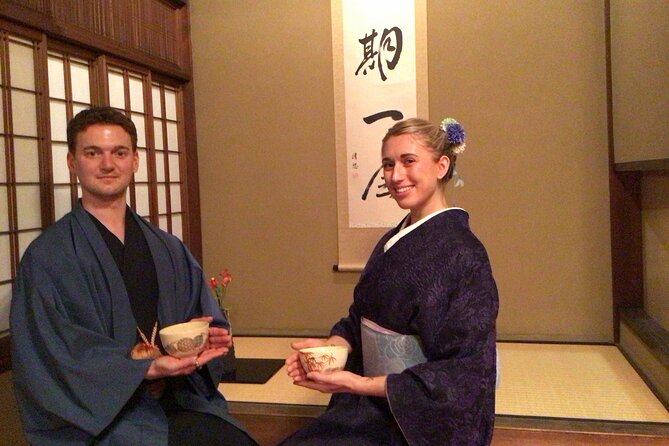
The best part of this Kyoto experience is that the kimono dressing and tea ceremony come together in one tidy visit. You choose from traditional clothing, have a simple hairstyle arranged, then sit on tatami as a tea master explains the tools, gestures, and meaning behind matcha.
I like the chance to make your own tea, not just watch someone perform. I also like the built-in photo time, including access to a garden, which gives you a pleasant keepsake without arranging a separate kimono rental. The main consideration is the floor seating, and the group may be larger than the booking limit suggests.
Key points at a glance
- Kimono dressing included: Choose traditional clothing, receive help putting it on, and get a simple hairstyle with accessories.
- Hands-on matcha making: You learn the steps and prepare your own green tea with quality matcha powder.
- Traditional setting: The ceremony takes place on tatami, with Japanese utensils, sweets, and a carefully arranged tea room.
- Central Nishiki location: The meeting point is at Maikoya Nishiki on Ebiyacho, near public transportation.
- Flexible timing: You can choose a morning or afternoon session, with the full visit lasting about 90 minutes.
- A social cultural activity: Sessions may include people from several countries, and reported group sizes range from about 8 to 12 people.
What the Maikoya Nishiki experience is really like
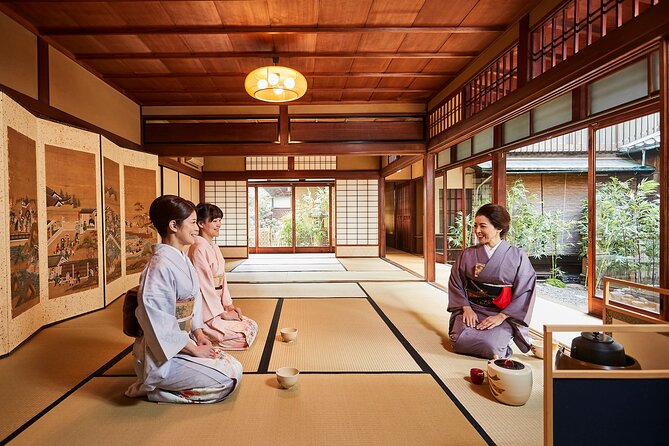
This is a compact introduction to two familiar symbols of Japanese culture: the kimono and the tea ceremony. You are not simply watching a formal ritual from the sidelines. You take part in the clothing, the preparation, the tasting, and the small acts of courtesy that give the ceremony its shape.
The setting is Maikoya Nishiki, at 329 Ebiyacho on Gokomachi-dori, south of Sanjo. You make your own way there, check in, and meet the staff and tea ceremony host. The activity ends at the same address, so it fits neatly into a day around Nishiki Market, central Kyoto, or nearby shopping streets.
At $65.66 per person, this is not the cheapest cup of matcha in Kyoto. But the price covers more than tea: kimono costume, dressing assistance, simple hairstyling, utensils, snacks, instruction, and the use of the traditional setting. If you want a single organized cultural activity rather than arranging a kimono rental and tea experience separately, the value is fairly strong.
More Nishiki Market walks and tastings:
- Nishiki Market Brunch Walking Tour (7 Tastings + Brunch)
★ 5.0 · 1,355 reviews - Kyoto Nishiki Market Food and Culture Walking Tour
★ 5.0 · 412 reviews - Kyoto: Nishiki Market Tea Ceremony with Koto Performance
★ 4.8 · 294 reviews
Choosing a kimono and getting ready
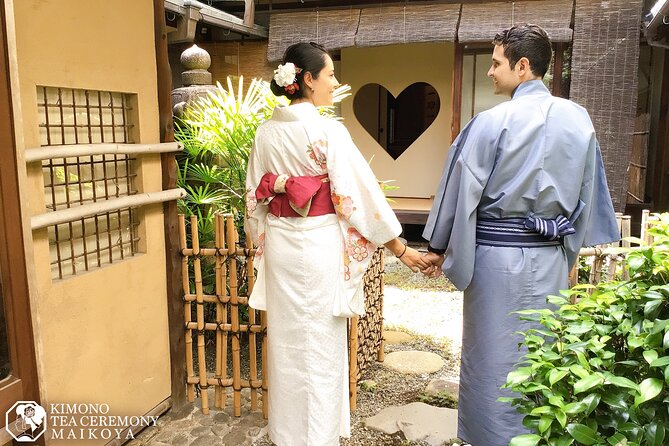
The visit begins with the part many people anticipate most: choosing a kimono. The available clothing gives you a personal choice rather than putting everyone in an identical outfit. Staff help you put it on properly, and women can have their hair arranged in a simple style to match the look.
This is practical help, not just a costume rack. A kimono has layers and needs to sit correctly, so assistance makes the process easier and gives the final appearance a more traditional shape. Hair accessories are also available, and a purse is provided for valuables while you are dressed.
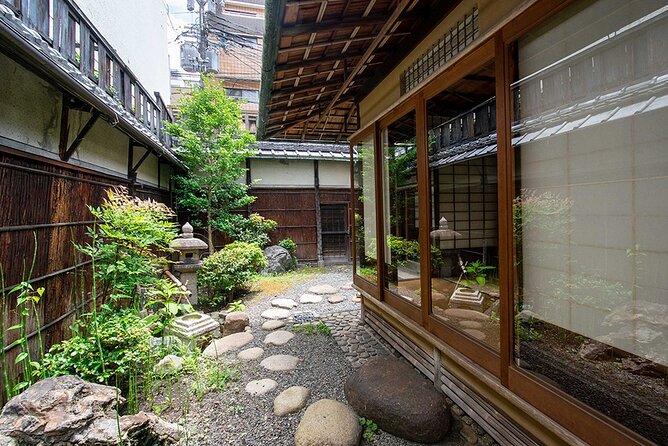
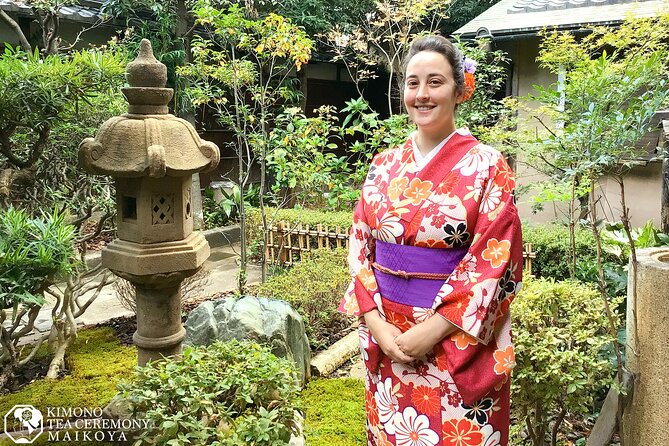
Allow yourself to enjoy this stage instead of treating it as a quick prelude. Several parts of the experience are especially photo-friendly, and the staff can help with pictures. There is also time in a garden for photographs, giving you a chance to record the occasion before sitting down for the ceremony.
The hairstyle is described as simple, so do not expect a full salon appointment. The kimono is the main feature. If you are looking for an elaborate formal dressing session, you may find this format more basic than a dedicated kimono studio.
The clothing can also affect comfort. Traditional dress is fitted, and the ceremony involves sitting Japanese-style on the tatami floor. If sitting on the floor is difficult for you, this is worth considering before booking.
Why the tea ceremony matters
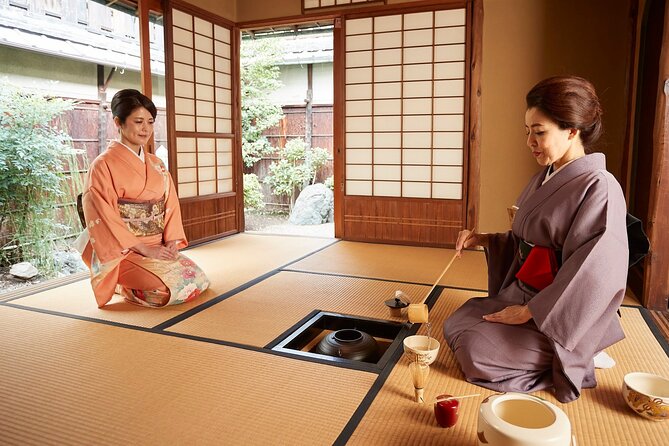
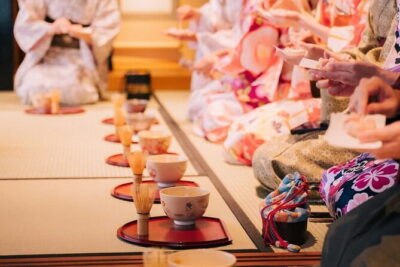
Once everyone is ready, you sit on tatami and watch the tea master demonstrate the ceremony. The host explains the history and purpose of the ritual, along with the meaning of the utensils and the order of the movements.
This explanation is what turns the activity from a dress-up photo stop into a cultural lesson. You begin to notice that the ceremony is built around care, attention, and respect. The movements are not random, and the utensils are not merely decorative. Each step has a place.
The ceremony also includes background about Kyoto and the origins of tea practice in Japan. One host identified in the experience is Sono, who is described as clear, funny, and welcoming. The exact host can vary by session, but the format gives you plenty of opportunity to ask questions.
A short meditation session may also be included. It adds a quiet moment before or during the tea ritual, though it should not be mistaken for a long spiritual retreat. This is a cultural activity designed for first-time visitors, with the teaching kept accessible.
The pace is one of the strengths. In about 90 minutes, you get an introduction rather than an exhaustive study. That makes it a good fit for a first visit to Kyoto, families with older children, and anyone who wants context without committing half a day.
Making matcha instead of only watching
The hands-on part begins when you prepare your own matcha. The tea master shows you how to use the utensils and mix the powder, guiding you through the process step by step.
That small act makes the ceremony easier to remember. You are not trying to master tea preparation in one sitting, but you do learn the basic rhythm and see how much care goes into making a bowl of matcha. The tea is made with high-quality matcha powder, and green tea is included in the price.
The taste is grassy and pleasantly bitter, as matcha should be. Japanese wagashi sweets are served alongside it, offering a mild, sweet contrast. Snacks are small, so this is not a meal or a substitute for lunch. Plan to eat beforehand if you are arriving hungry.
The utensils are part of the lesson. Rather than rushing through a cup of tea, the host points out how the tools are used and explains the customs around them. That detail helps you understand why the tea ceremony is valued as a practice, not just as a pretty performance.
More tea ceremonies in Kyoto:
- Kyoto: Tea Ceremony in a Traditional Tea House in Kiyomizu
★ 4.9 · 3,519 reviews - Kyoto: Tea Ceremony Ju-An at Jotokuji Temple
★ 4.9 · 3,207 reviews - Kyoto: 45-Minute Tea Ceremony Lesson Experience
★ 4.3 · 2,378 reviews - Kyoto: Table-Style Tea Ceremony at a Kyo-Machiya
★ 4.9 · 1,211 reviews
The traditional room and photo time
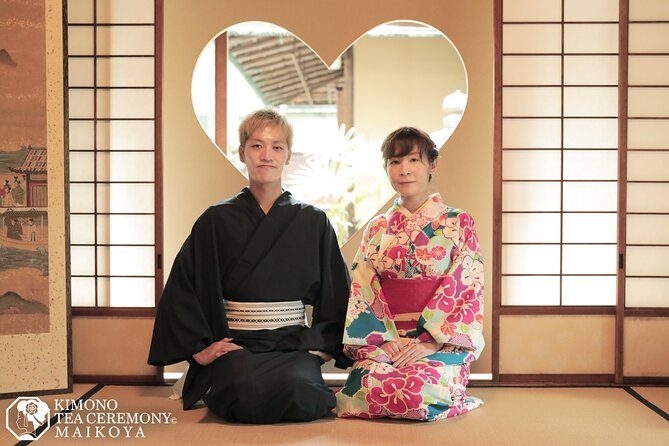
The room is arranged in a traditional style, and the tatami floor gives the ceremony a clear sense of place. You will sit Japanese-style, so clothing and posture matter. The setting is more meaningful than a modern café because the room supports the actions being explained.
Photo time is another practical bonus. You can take pictures in the kimono, and staff may help take photographs for you. The garden provides a second setting, which is useful if you want more than a single snapshot beside the tea table.
There is a tradeoff here. A photo-friendly experience can feel more organized and less private than a quiet tea ceremony held for one small party. Some sessions have been described as intimate, while others have included about 8 to 12 people. The booking information also says reservations made through Viator are limited to two people, but additional participants may join through other booking channels.
So, do not book this expecting a private ceremony unless your confirmation specifically says so. Think of it as a shared cultural session with time for personal attention, questions, and photographs.
Timing, location, and planning your day
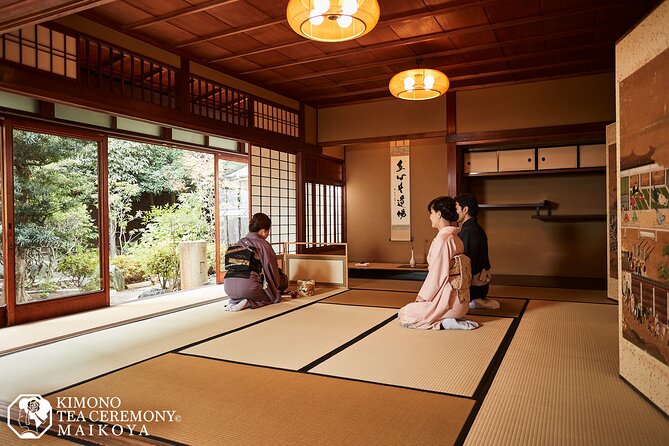
You can choose a morning or afternoon start, which makes this easy to place between sightseeing stops. A morning booking leaves the rest of the day open for Nishiki Market and Gion. An afternoon session can work after lunch and before an evening meal in central Kyoto.
The meeting point is Maikoya Nishiki, 329 Ebiyacho, Gokomachi-dori Sanjo sagaru, Kyoto. You are responsible for getting there, since transportation and hotel pickup are not included. The location is near public transportation, and the activity returns to the same meeting point.
Give yourself enough time to find the address. Central Kyoto streets can be confusing, especially when you are navigating from a market or a busy shopping area. A mobile ticket is included, so keep your booking confirmation easy to access.
The visit lasts about 1 hour and 30 minutes. That estimate includes dressing, hair arrangement, photographs, explanations, tea preparation, and sweets. The schedule is long enough to feel substantial but short enough to fit into a busy Kyoto itinerary.
Children under 7 cannot enter the tea ceremony venue. If one member of your party is younger than 7, the reservation cannot be made for the group. Older children can take part, and a 10-year-old has attended successfully with a parent, including the history lesson and a brief meditation.
Is $65.66 a fair price?
The answer depends on what you would otherwise book. If you only want to drink matcha, this costs more than a tea at a café. If you want a kimono rental, hair styling, a formal setting, instruction, sweets, and photographs, the price becomes easier to justify.
You are paying for convenience as much as for the tea. The staff handle the clothing, accessories, hair, and basic logistics in one place. You do not need to find a rental shop, return clothing elsewhere, and then locate a separate ceremony.
I consider it good value for first-time visitors who want a polished introduction. It is less compelling for someone who already owns a kimono, has attended a formal tea ceremony, or wants a highly private and specialized lesson.
The strongest value comes from the combination. The kimono makes the ceremony feel special, while the tea lesson gives the clothing cultural context. Remove either part and the price would be harder to defend.
Who will enjoy this most
I would recommend this experience to:
- First-time visitors who want an easy introduction to matcha customs
- Couples and friends looking for a shared cultural activity
- Families with children aged 7 and older
- Anyone who wants kimono photographs without arranging several bookings
- People with a free morning or afternoon in central Kyoto
- Visitors who appreciate a clear explanation rather than silent observation
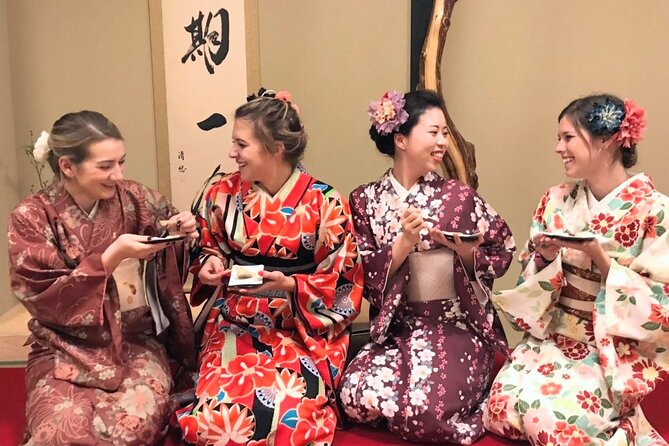
It is also a good choice if you enjoy meeting people from different countries. One session included participants from Russia, Israel, Poland, the United States, Argentina, and other places. That shared setting adds a friendly social side to an otherwise quiet ceremony.
You may want another option if you cannot sit on a tatami floor, need a private appointment, or want a long, formal study of tea practice. The ceremony is welcoming and informative, but it is built as a visitor activity with a fixed time and several participants.
What could be better
The main weakness is the uncertainty around group size. A booking limit of two people does not mean only two people will be in the room. Other bookings can add participants, and reported sessions range from small groups to around 10 or 12 people.
That does not ruin the experience, but it changes the mood. A larger group can make the ceremony feel less hushed and may mean waiting your turn for photographs or clothing assistance. On the other hand, a shared group can make the activity more lively and give you a chance to meet people from other countries.
The experience also depends on the host. The teaching is a major part of the value, and the hosts are described as friendly, clear, and well prepared. Still, each session has its own personality, and the exact guide may differ.
Finally, the weather policy deserves a quick note. Although most of the activity takes place indoors, poor weather can lead to a cancellation, with a different date or full refund offered. For an important once-in-a-lifetime schedule, keep a little flexibility if possible.
Booking and cancellation advice
You receive confirmation at the time of booking, and the activity uses a mobile ticket. Free cancellation is available when you cancel at least 24 hours before the local start time.
Cancellations or changes made less than 24 hours before the start are not refundable. If Maikoya cancels because of poor weather, you can choose another date or receive a full refund.
Book a morning or afternoon slot that leaves room around it. You do not want to rush from the ceremony to a timed attraction, especially if dressing or photographs take a little longer than expected.
Should you book the Maikoya Nishiki tea ceremony?
I would book this if you want a well-organized first taste of Kyoto culture and like the idea of wearing a kimono while learning how matcha is made. The combination of dressing, hairstyling, tea instruction, sweets, and photographs gives you plenty for a 90-minute visit.
I would pause only if floor seating is a problem, you need a private ceremony, or you have already had a similar experience. For most first-time visitors, the $65.66 price is reasonable because it combines several services that would otherwise take separate bookings.
The best way to approach it is with realistic expectations. This is not a private tea school or an extended religious ceremony. It is a friendly, hands-on introduction, with enough history and ritual to make the experience meaningful and enough photo time to make it memorable.
FAQ
Where does the kimono tea ceremony take place?
It takes place at Kimono Tea Ceremony Maikoya Nishiki, at 329 Ebiyacho, Gokomachi-dori Sanjo sagaru, in Kyoto, Japan.
How long does the experience last?
The activity lasts approximately 1 hour and 30 minutes.
Is transportation included?
No. You make your own way to the Nishiki location, and hotel pickup and drop-off are not included.
Can I choose a morning or afternoon time?
Yes. Morning and afternoon timings are available.
What is included in the price?
The experience includes the kimono costume, green tea, tea utensils, simple hairstyling, and snacks.
Will I make my own matcha?
Yes. The tea master explains the process and guides you as you make your own matcha using matcha powder and the traditional utensils.
Can children join the experience?
Children under 7 cannot enter the tea ceremony venue. If your party includes a child under 7, you cannot make a reservation for this activity.
What is the cancellation policy?
You can cancel for a full refund up to 24 hours before the experience start time. Changes or cancellations made less than 24 hours before the start are not refunded. If poor weather causes the activity to be canceled, you will be offered another date or a full refund.
More Kimono Rentals in Kyoto
- Kyoto: Kimono Rental with Hairstyling and Accessories
★ 4.8 · 653 reviews - Kyoto: Kimono Tea Ceremony at Orizuruya Gion
★ 4.9 · 618 reviews - KYOTO Tea Ceremony with kimono near by Imamiya Jinjya Shrine
★ 5.0 · 343 reviews - Kyoto: Kimono and Tea Ceremony Experience at Cultural Asset
★ 4.3 · 306 reviews
Newest Kyoto experiences on the site
- Treasures of Kyoto: Gion & historical Walking Tour★ 5.0 · 6 reviews
- Whisk Your Own Matcha: A Zen Matcha Experience at Temple★ 3.6 · 7 reviews
- Kyoto tea town for matcha lovers★ 5.0 · 16 reviews
- Uji: Private immersion into Kyoto’s tea and reglious culture★ 5.0 · 17 reviews
- Kyoto Matcha Green Tea Tour★ 4.5 · 23 reviews
- Uji and Wazuka Matcha Farm Half Day Private Guided Tour★ 5.0 · 21 reviews
- Utilising upcycled Matcha! Creating matcha incense (Uji, Kyoto)★ 5.0 · 6 reviews
- Sacred Temple Yoga Experience in Japan★ 5.0 · 3 reviews
Nishiki Market Tours, compared.
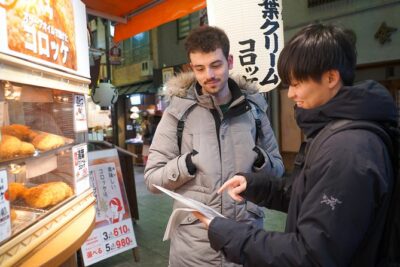
Nishiki Market Brunch Walking Tour (7 Tastings + Brunch)
Read our review →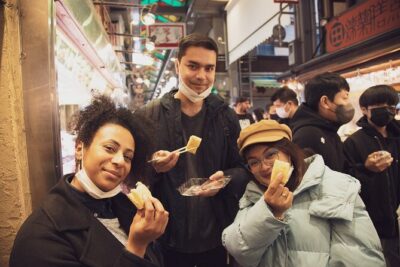
Kyoto Nishiki Market Food and Culture Walking Tour
Read our review →
Nishiki Market Tea Ceremony with Koto Performance
Read our review →
Kimono Tea Ceremony Experience at Kyoto Oritzuruya, Nishiki
Read our review →
Nishiki Market and Depachika Food Tour with a Local
Read our review →
Nishiki Market Tour with a Local Foodie & Tastings
Read our review →
Browse the lists this tour appears in