
Reviewed · 1-DAY TOURS
One Day Private Customized Self-Guided Tour in Kyoto
Kyoto’s biggest advantage here is freedom: you can set your own route, change plans during the day, and let a private car handle the traffic and parking. I like the hotel pickup and drop-off and the chance to link far-flung sights such as Arashiyama, Kinkaku-ji, and Fushimi Inari in one day.
I also like that the price covers highway tolls, parking, and up to six people in a private group. The catch is important: you do not receive a tour guide or translation service, and the quality of the driver’s advice can vary. You need to arrive with a plan.
Key points to know before booking
- A private car, not a guided sightseeing tour: Your driver provides transportation, but you explore each attraction on your own.
- You can change the route during the day: Plans may be adjusted within Kyoto’s urban area, depending on traffic and time.
- The recommended route is ambitious: Arashiyama, Kinkaku-ji, Nishiki Market, Kiyomizu-dera, Gion, Nijo Castle, and Fushimi Inari cannot all receive equal attention in ten hours.
- Pickup is available from four cities: Kyoto, Osaka, Nara, and Kobe, with port pickup available in Osaka and Kobe.
- The six-seat vehicle seats six people total: That includes the driver, so a group of six may find the rear seating tight.
- Driver quality matters: Ben and Mrs. Pan earned particular praise for punctuality, recommendations, and helpful service, while other bookings had delays and weak communication.
What this Kyoto day really offers
Think of this experience as a private chauffeur service with sightseeing flexibility. You choose the places, the driver moves you between them, and you pay your own admission fees and food costs.
That arrangement can work very well in Kyoto. The city’s sights are spread across several districts, and a car saves you from repeatedly finding stations, changing trains, and locating the correct bus stop. It also gives you a cool place to rest between temples, which matters during a long summer day or when you are traveling with children or older family members.
The service lasts ten hours, including transportation. You can start from Kyoto, Osaka, Nara, or Kobe and finish in Kyoto, Osaka, Kobe, or Nara. For Osaka and Kobe, pickup at the port is available, but city pickup is limited to people staying in urban areas.
The key point is simple: this is self-guided sightseeing by private vehicle. Your driver may suggest places or help with timing, but you should not expect explanations inside the temples, help translating signs, or a walking tour of Gion.
A few more Kyoto tours worth putting on the shortlist
Building a sensible route through Kyoto
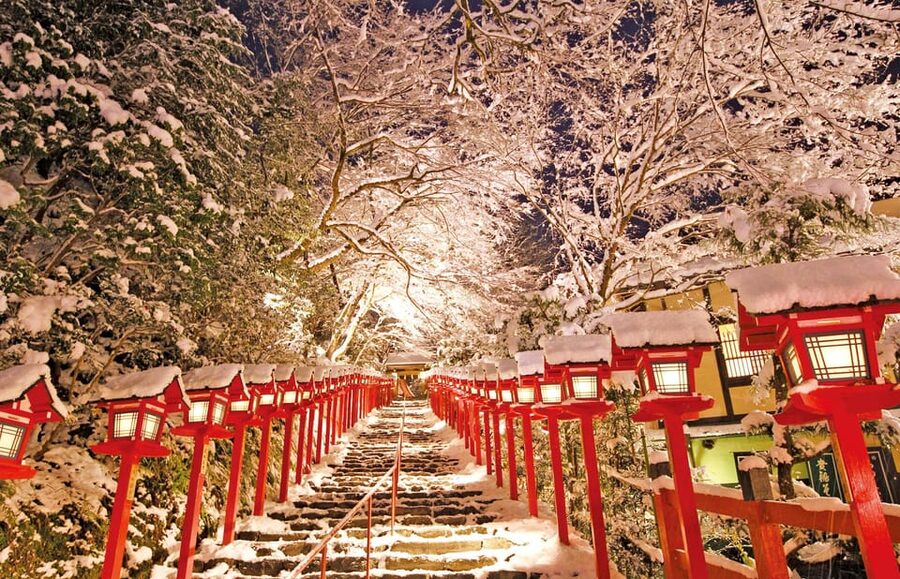
The suggested plan tries to cover much of Kyoto in one day. It includes Arashiyama, Kinkaku-ji, Nishiki Market, Kiyomizu-dera, the Ninenzaka and Sannenzaka slopes, Gion, Nijo Castle, and Fushimi Inari Taisha.
That is a useful menu, not a promise that every stop will receive a full hour. Traffic, crowds, opening conditions, parking, and the time you spend walking can quickly change the day. I would choose three or four major priorities before pickup, then keep one or two optional stops.
The service allows changes while you are in the vehicle, within Kyoto’s urban area. Still, flexibility works best when you know what you are giving up. If Arashiyama is your top choice, do not let the driver skip it simply because the day is getting busy. One unhappy booking involved confusion over the bamboo forest, which had been part of the planned route but was initially described as too far away.
Before the day begins, confirm your start time, pickup point, passenger count, luggage, and top attractions. The company contacts you in advance, and the driver’s phone number is sent one day before departure. That phone number is worth saving.
Arashiyama’s bamboo and river views
Arashiyama is usually the most time-sensitive stop because it lies on Kyoto’s western edge. The suggested visit includes the Bamboo Forest Trail, Arashiyama Park, a coffee stop, Togetsukyo Bridge, and Tenryu-ji Temple.
You can walk beneath the bamboo, cross toward the river, and choose between temple grounds, park paths, shops, and food stops. The bamboo path itself is not a full-day attraction, but the surrounding district rewards extra walking. Two hours gives you a taste, not a leisurely exploration.
The private car is useful here because you avoid figuring out the train or bus connection. The drawback is that the vehicle cannot follow you onto the walking paths. You still need comfortable shoes and a clear meeting point.
The coffee stop in the suggested route is described as an internet-famous café. Treat it as optional. If you care more about the bamboo and Togetsukyo Bridge, use the time on foot instead.
Kinkaku-ji, the Golden Pavilion
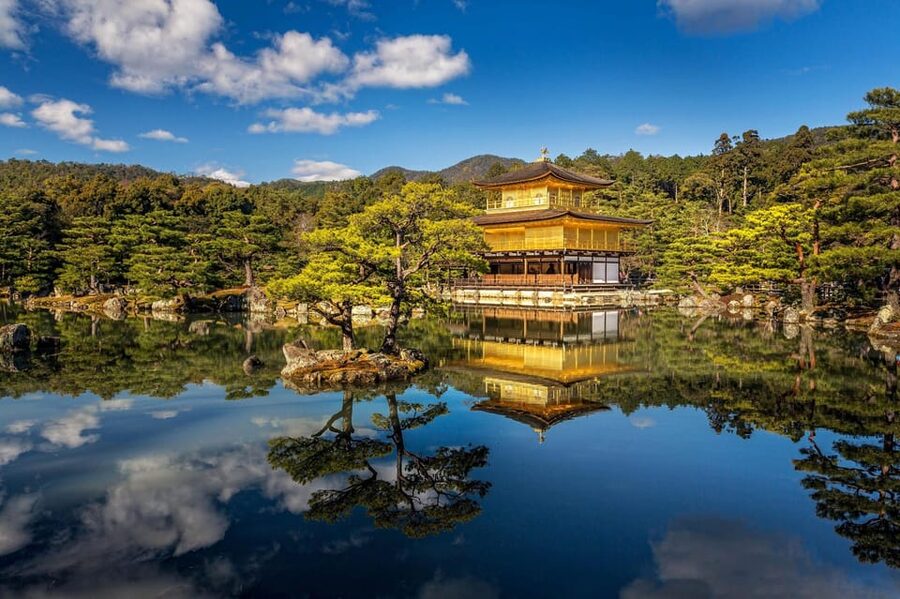
Kinkaku-ji is one of Kyoto’s most recognizable sights, with its gold-covered pavilion reflected in the pond. The visit is self-guided, and the planned stop allows about an hour.
That is enough for a focused visit if the grounds are moving smoothly, but it leaves little spare time for crowds or a slow photo stop. Admission is not included, so you pay at the entrance.
The driver’s role here is mainly practical: drop-off, a planned waiting point, and pickup. Ask where the vehicle will meet you before walking in. A private car saves road time, but it does not give you a shorter entrance line or a private viewing area.
Same city, a completely different kind of day:
- PERFECT KYOTO 1-Day Bus Tour
★ 5.0 · 13,518 reviews - Kyoto: Fushimi Inari, Kinkakuji, Bamboo Grove 1 Day Bus Tour
★ 4.8 · 4,316 reviews - Kyoto: Tea Ceremony in a Traditional Tea House in Kiyomizu
★ 4.9 · 3,519 reviews - Kyoto Geisha Walking Tour: Gion District & Hidden Gems
★ 4.7 · 3,273 reviews
Nishiki Market for lunch and snacks
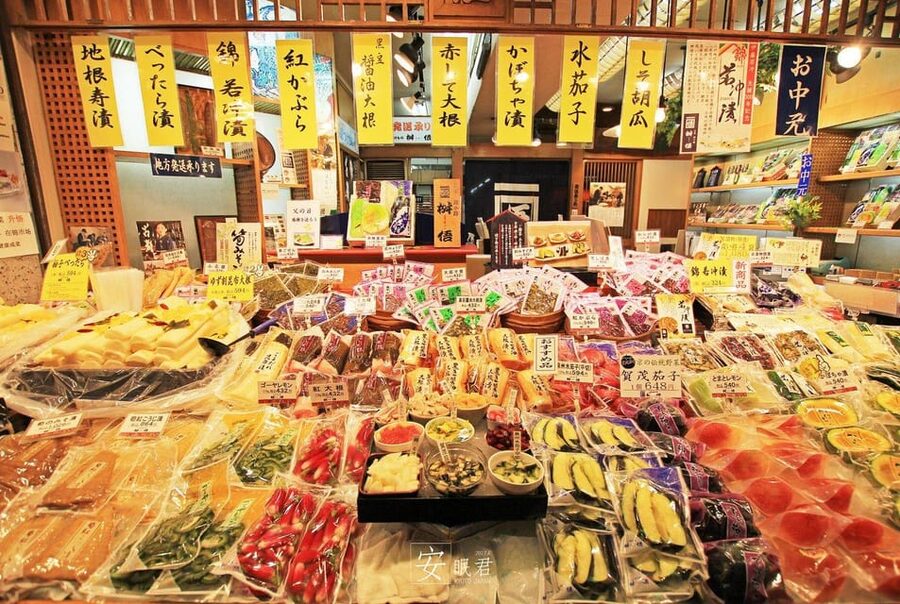
Nishiki Market gives the day a different rhythm. After temples and gardens, you can browse food stalls, local snacks, small shops, and tapas-style offerings.
The planned hour is best treated as a quick food stop rather than a relaxed lunch. You may need to choose between sitting down and sampling several small items. Food and drinks are not included.
I like having this stop in the middle of the day because it breaks up the temple schedule. It is also a useful place to make your own choices. If you have dietary restrictions, ask about ingredients directly, since no translation service is included.
Kiyomizu-dera and the historic slopes
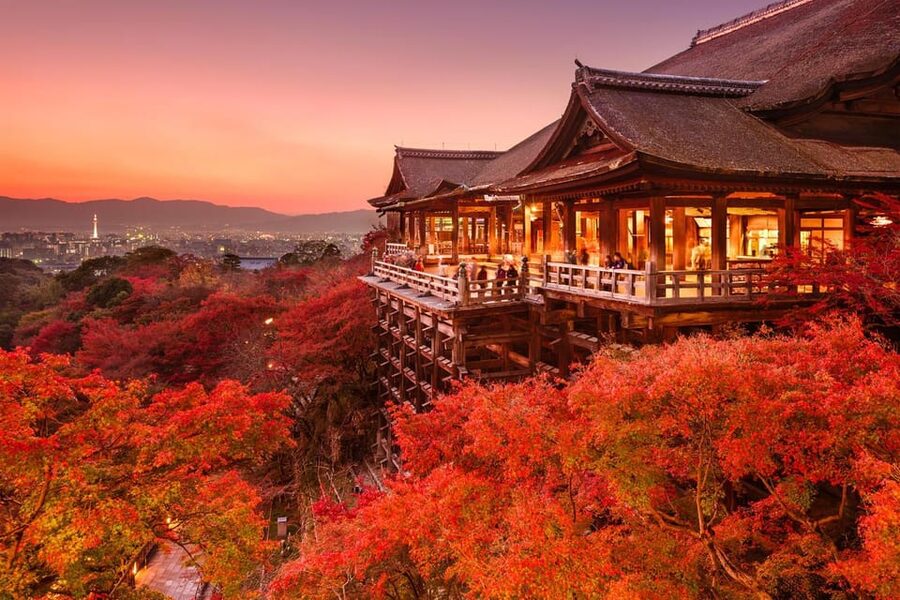
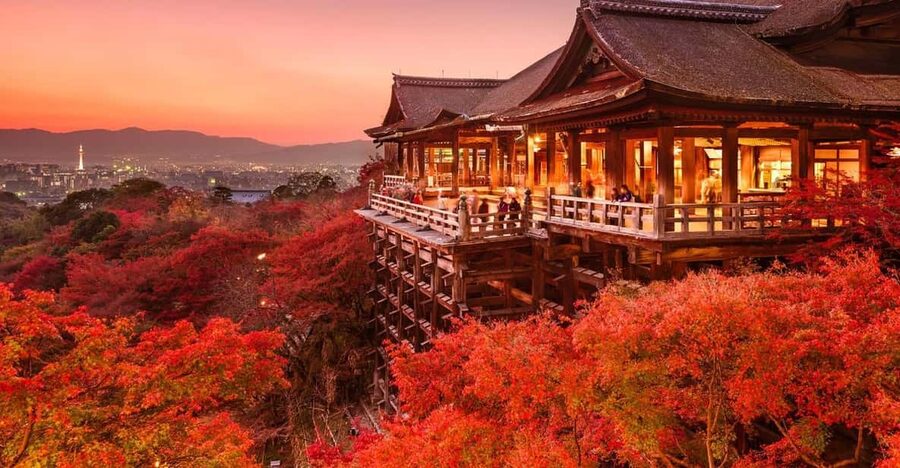
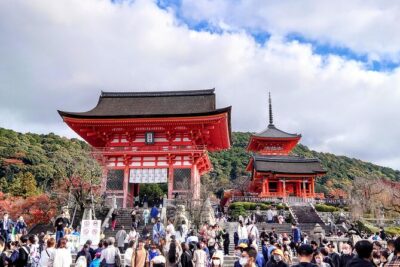
Kiyomizu-dera offers broad views over Kyoto and a dramatic temple setting on the eastern hills. The plan allows roughly an hour at the temple, followed by another hour for Ninenzaka and Sannenzaka.
Those two stops fit naturally together. The slopes are lined with traditional-looking streets, shops, snack counters, and souvenir stores. They are pleasant for a slow walk, but the stone streets and uphill sections may be tiring.
This is one of the places where a private car helps before and after the visit. You can be dropped near the area and collected later, rather than returning to a station. Confirm the exact meeting spot, since a busy pedestrian district may not allow the car to wait directly beside the temple.
Gion after the crowds thin
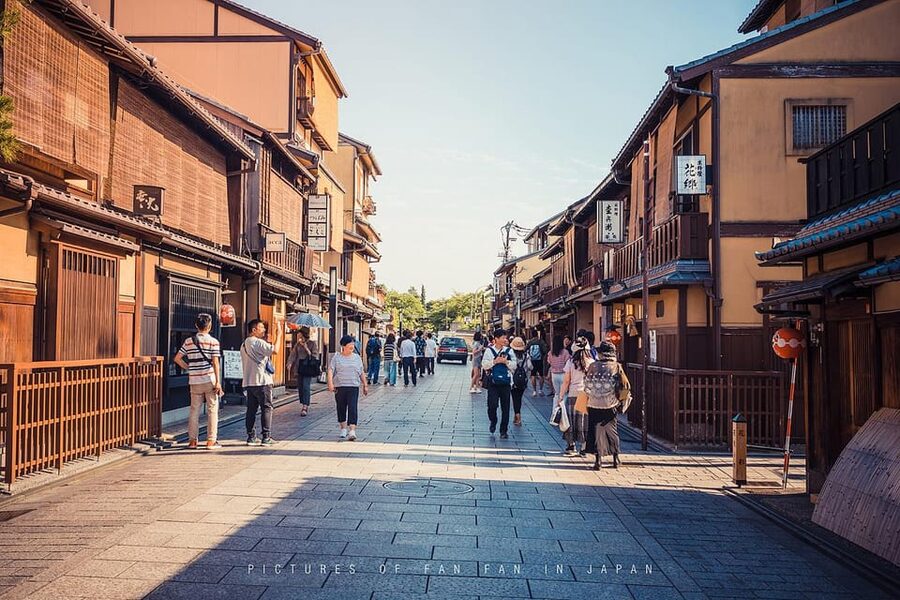
Gion is best approached as a place to walk quietly and observe traditional streets, wooden townhouses, small lanes, and tea-house areas. The planned hour gives you a brief look rather than a full evening in the district.
Do not expect a formal geisha performance or a guided explanation. The experience is simply time on foot in one of Kyoto’s best-known historic neighborhoods. Be respectful, keep photography discreet, and follow any posted restrictions.
Gion pairs well with Kiyomizu-dera and the eastern slopes. If your group has already spent a long day walking, you may prefer to shorten this stop and give more time to lunch or an earlier temple.
Nijo Castle and Fushimi Inari
Nijo Castle adds a different side of Kyoto. Instead of a hillside temple or shopping street, you get a former castle setting, formal grounds, and interior spaces associated with Japan’s shogun-era rule. The suggested schedule gives it about an hour, so focus on the main areas rather than trying to see every corner.
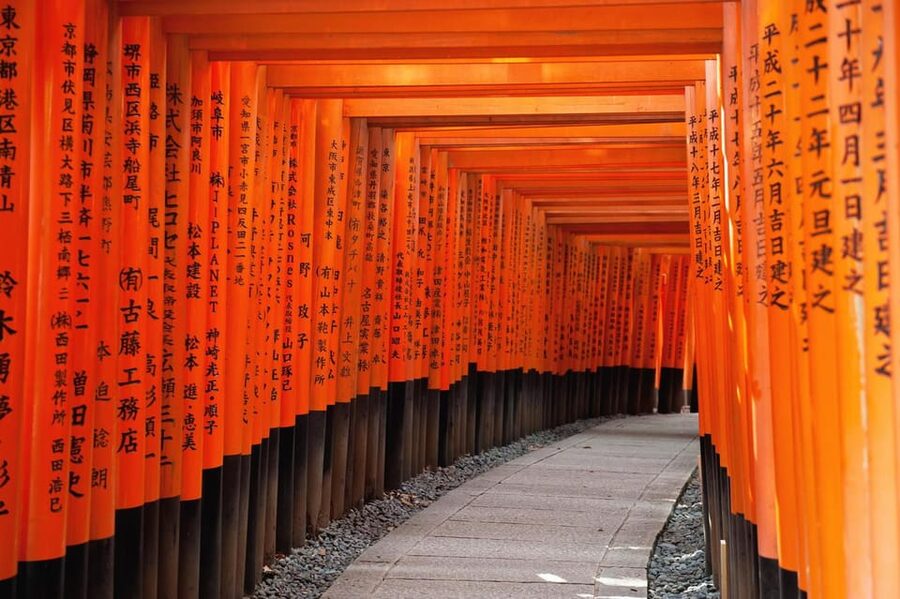
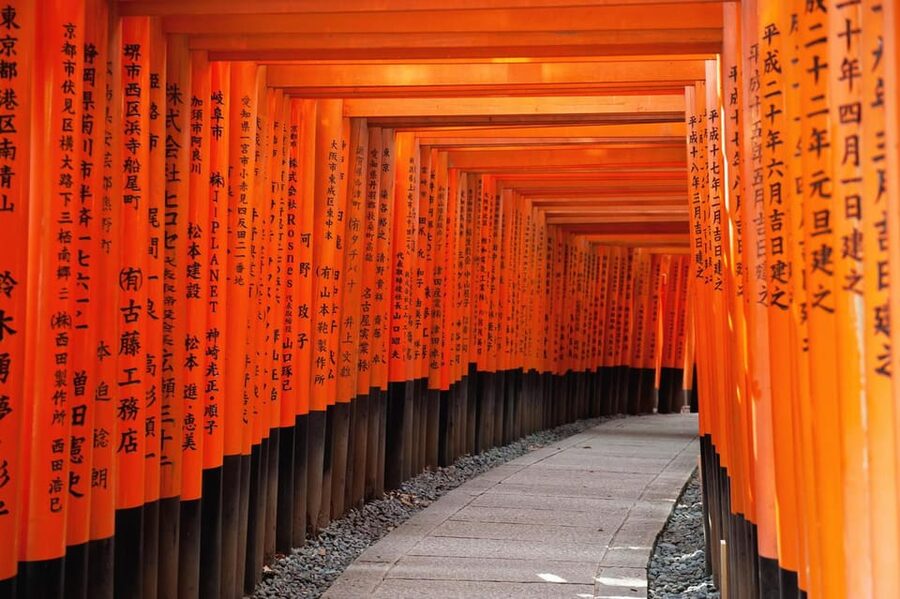
Fushimi Inari Taisha is famous for its long rows of orange torii gates. A one-hour stop lets you enter the main shrine area and walk part of the route. It is not enough for a complete mountain outing, so set your expectations accordingly.
These two sites are strong choices, but placing both near the end of a day that already includes Arashiyama and Kiyomizu-dera may make the schedule feel rushed. I would keep Fushimi Inari as a priority only if the torii gates are central to your Kyoto plans.
The driver can make or break the day
Several drivers have provided the sort of help you want from this service. Ben was praised for knowing the city, suggesting places to visit, and recommending a traditional lunch. Mrs. Pan was described as punctual and helpful with tips about planned stops.
Those examples show the best version of the experience: you arrive with your own interests, and the driver adds practical advice. But you should not count on every driver acting as a local guide. Drivers speaking English, Japanese, or Chinese are assigned at random, and you cannot select nationality or language.
There have also been problems with late pickup, poor introductions, wrong meeting points, and communication difficulties. One group lost around thirty minutes because the driver went to the wrong port and needed an interpreter to clarify the pickup. Another group found the driver offered no guidance and functioned only as a driver.
For that reason, send your exact pickup details in writing. Include the hotel or port name, terminal if relevant, passenger count, luggage, and preferred route. Keep the driver’s number available, and do not assume the driver will choose lunch or explain each attraction.
Vehicle size, luggage, and comfort
The company provides six-, nine-, and thirteen-seat vehicles. The stated capacity is:
- Six-seat vehicle: six people and four pieces of luggage
- Nine-seat vehicle: nine people and ten pieces of luggage
- Thirteen-seat vehicle: thirteen people and six pieces of luggage
The six-seat figure includes the driver. A group of six adults may therefore have three people sharing a rear seat designed for two, which one party found uncomfortable. If comfort matters, a smaller group or larger vehicle may be worth requesting.
Luggage is calculated around 24-inch bags by default. Tell the company about larger or additional bags before departure. The first child seat is free if requested in advance. A second seat costs 2,000 yen per child.
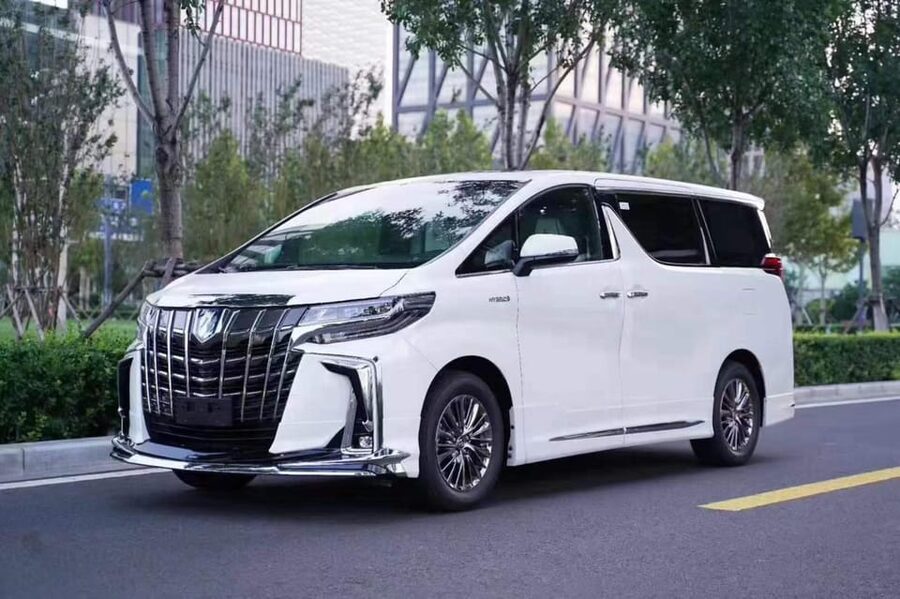
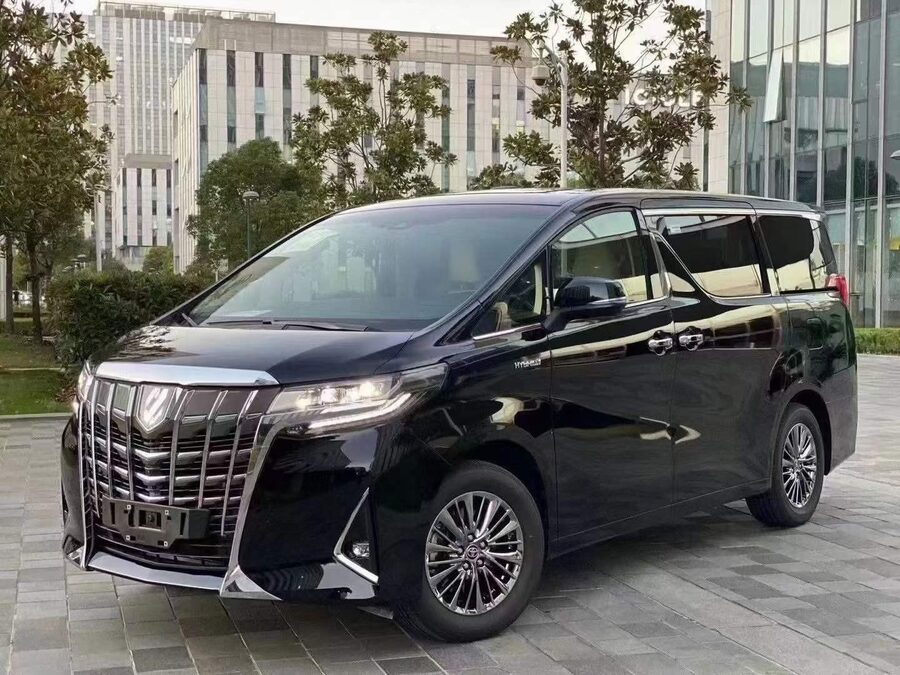
The vehicle photos are examples only, so do not book based on a specific model. Ask about the vehicle size that fits your group and luggage.
Is $509 good value for six people?
The listed price is $509 per group of up to six, or about $85 per person if six people share the cost. That is a fair value when you want a private vehicle, hotel pickup, tolls, parking, and a full ten hours of service.
The calculation looks less attractive for one or two people, especially once you add temple admissions, meals, snacks, and any overtime. Public transport will usually cost less, but it also demands more time and navigation.
The strongest value comes from families, multigenerational groups, and people arriving from outside Kyoto who want direct transport for a single day. It is also useful when your group has mobility concerns, though the exact vehicle and attraction access should be confirmed in advance.
Ten hours is the limit. Extra time costs 5,000 yen per hour for six- or nine-seat vehicles and 10,000 yen per hour for a thirteen-seat vehicle. After 9 p.m., a night service fee of 2,000 yen per hour applies. Build in a buffer rather than assuming you can extend the day cheaply.
Who should book this private Kyoto day?
I would consider it a good match if you:
- Want to combine distant Kyoto districts in one day
- Prefer a private car to trains and buses
- Are traveling with family, luggage, or older relatives
- Already know the places you want to see
- Value pickup and drop-off from Kyoto, Osaka, Nara, or Kobe
- Are comfortable exploring temples and neighborhoods on your own
I would choose another type of tour if you want detailed cultural explanations, a walking guide, translation help, or a fixed schedule that guarantees equal time at every stop. You can hire a guide separately, but that is not included here.
Free cancellation is available up to 24 hours before departure, and you can reserve now and pay later. The experience is wheelchair accessible, though practical details about the vehicle and individual sights should be confirmed before booking.
Should you book it?
Book this service if you see it as private transportation with flexible sightseeing, not as a fully guided Kyoto tour. The car, parking, tolls, and city-to-city pickup can save real effort, and a good driver such as Ben or Mrs. Pan may add useful local advice.
My strongest advice is to plan the day yourself, choose your top three or four stops, confirm the pickup details, and ask for the vehicle size that fits your group. If you do that, the tour can be an efficient way to sample Kyoto’s main districts. If you want stories, interpretation, and hands-on guidance at each temple, spend your budget on a proper guide instead.
FAQ
How long does the private Kyoto tour last?
The service lasts ten hours in total, including transportation time. Additional hours cost extra.
Where can pickup and drop-off take place?
Pickup and drop-off are available in Kyoto, Osaka, Nara, and Kobe. Port pickup is available in Osaka and Kobe. City pickup is limited to urban areas.
Is this a guided tour?
No. The service provides a private vehicle and driver, but it does not provide a translation service or tour guide. You visit attractions independently.
Can I customize the route?
Yes. You can select your preferred attractions in Kyoto’s urban area and share special requests in advance. The route can also be adjusted during the day, depending on traffic, time, and conditions.
What attractions are included in the suggested route?
The suggested route includes Arashiyama, Kinkaku-ji, Nishiki Market, Kiyomizu-dera, Ninenzaka and Sannenzaka, Gion, Nijo Castle, and Fushimi Inari Taisha.
Are admission tickets and meals included?
No. Admission tickets, food, and drinks are not included in the price.
How many people can ride in the vehicle?
Six-, nine-, and thirteen-seat vehicles are available. The stated six-seat capacity includes the driver, and luggage capacity varies by vehicle.
Is a child seat available?
The first baby seat is free if requested before departure. A second baby seat costs 2,000 yen per child.
Newest Kyoto experiences on the site
- Treasures of Kyoto: Gion & historical Walking Tour★ 5.0 · 6 reviews
- Whisk Your Own Matcha: A Zen Matcha Experience at Temple★ 3.6 · 7 reviews
- Kyoto tea town for matcha lovers★ 5.0 · 16 reviews
- Uji: Private immersion into Kyoto’s tea and reglious culture★ 5.0 · 17 reviews
- Kyoto Matcha Green Tea Tour★ 4.5 · 23 reviews
- Uji and Wazuka Matcha Farm Half Day Private Guided Tour★ 5.0 · 21 reviews
- Utilising upcycled Matcha! Creating matcha incense (Uji, Kyoto)★ 5.0 · 6 reviews
- Sacred Temple Yoga Experience in Japan★ 5.0 · 3 reviews
1-Day Tours, compared.
Fushimi Inari, Kinkakuji, Bamboo Grove 1 Day Bus Tour
Read our review →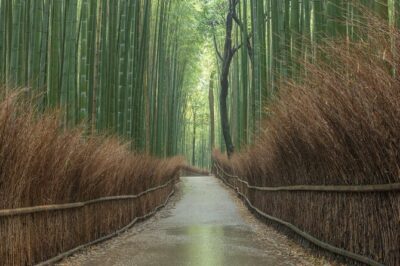
10 Must-see Spots in Kyoto One Day Private Tour (up to 7 people)
Read our review →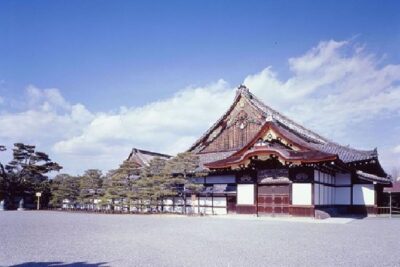
Kyoto Customized Private Tour: See Top Attractions in 1 Day
Read our review →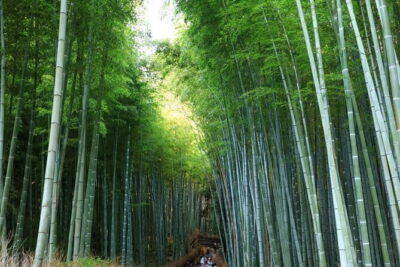
From Kyoto / Osaka: Kyoto Must-see Spots & Nara Park One Day Tour
Read our review →
Nara, Osaka & Kobe Day Trip – 3 Cities in 1 Day
Read our review →Browse the lists this tour appears in