
Reviewed · KYOTO TEA CEREMONIES
Kyoto: Tea Ceremony Meditation – Make Matcha with Tea Master
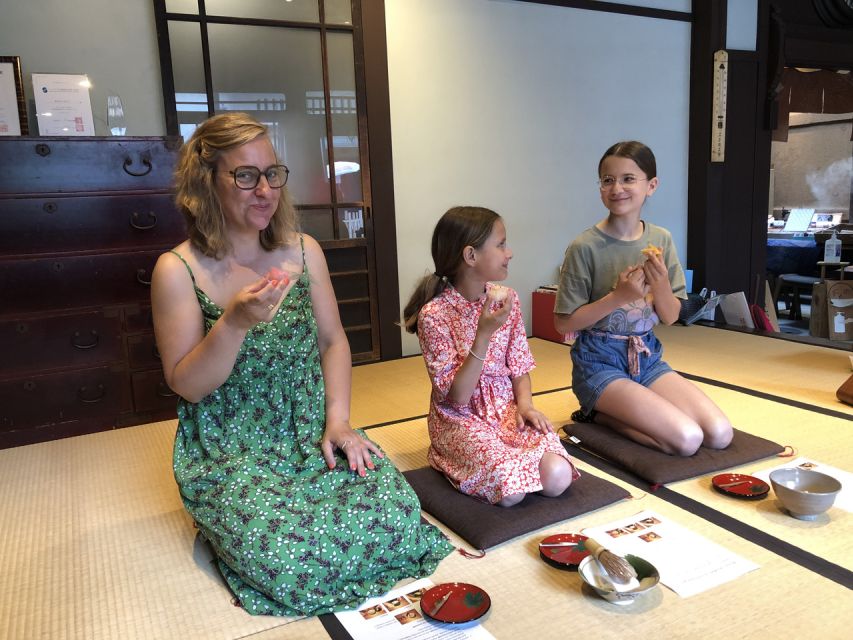
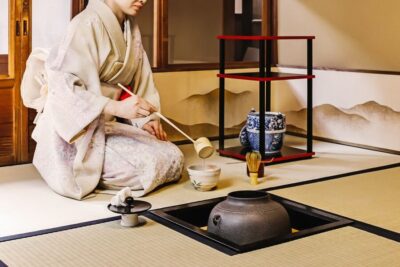
Kyoto’s tea ceremony can seem formal from the outside, but this 45-minute matcha workshop makes the tradition easy to approach. In a 100-year-old townhouse, an English-speaking tea master demonstrates the Omotesenke style, explains the meaning behind each step, and then lets you prepare your own bowl.
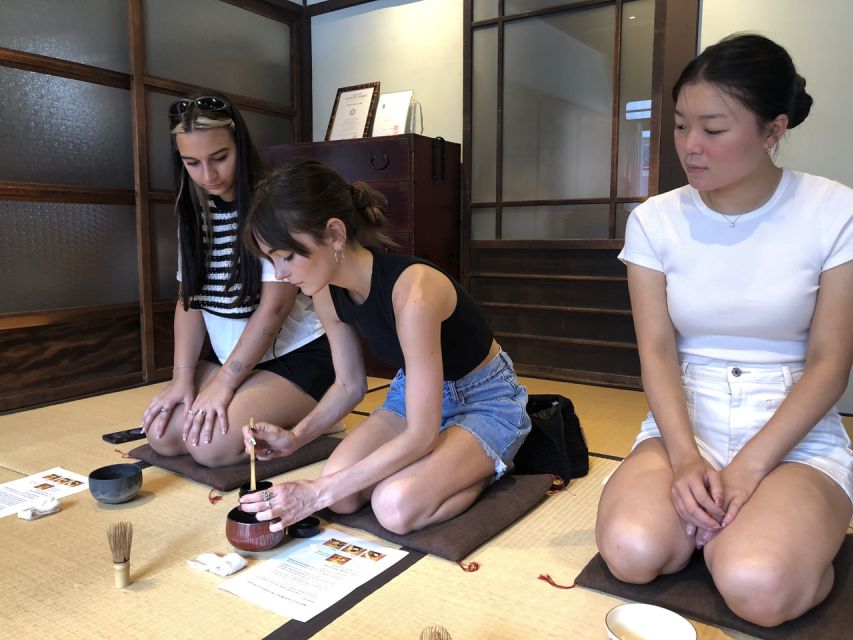
I like the small groups, limited to 10 people, and the chance to ask real questions rather than simply watch. I also like the setting: tatami, quiet surroundings, handcrafted utensils, and a traditional sweet give the session a sense of place.
The main limitation is time. Forty-five minutes is enough for a friendly introduction, but not a full study of tea ceremony. Kimono dressing, hair styling, hotel transport, and extra food or drink are not included.
Key points to know before booking
- Make your own matcha: You do not only watch a demonstration. You whisk your own tea with guidance from the tea master.
- Meet in a 100-year-old townhouse: The setting adds quiet, texture, and a stronger connection to Kyoto than a plain modern classroom.
- Learn the Omotesenke tradition: The host introduces one of Japan’s respected tea schools and explains the etiquette in clear English.
- Small groups help: With no more than 10 participants, you have room to ask questions and receive help with the whisking.
- A useful 45-minute format: The session fits neatly into a day of sightseeing, though it remains an introduction rather than an advanced lesson.
- Leave perfume at the door: Avoid cologne or perfume so everyone can enjoy the aroma of the matcha.
A calm introduction inside Kyoto’s old townhouse
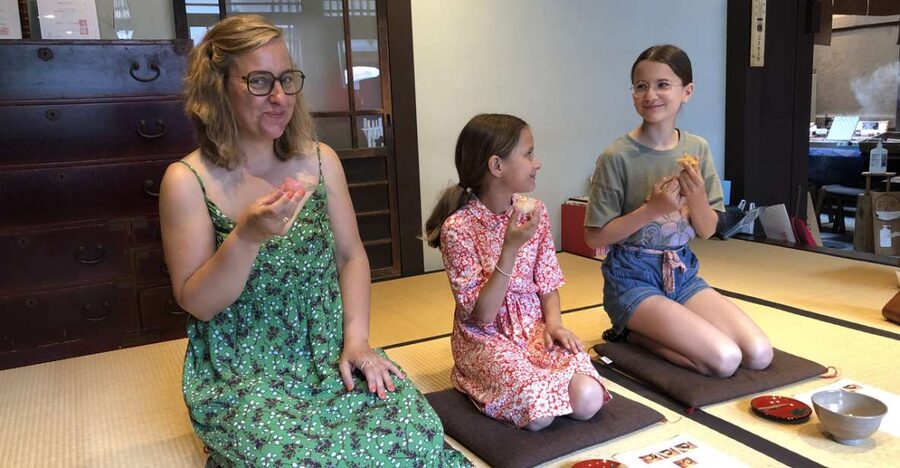
The first pleasure here is the change of pace. Kyoto can fill your day with temple visits, station crowds, traffic, and long walks. Then you step into a traditional townhouse where tatami and quiet encourage you to slow down.
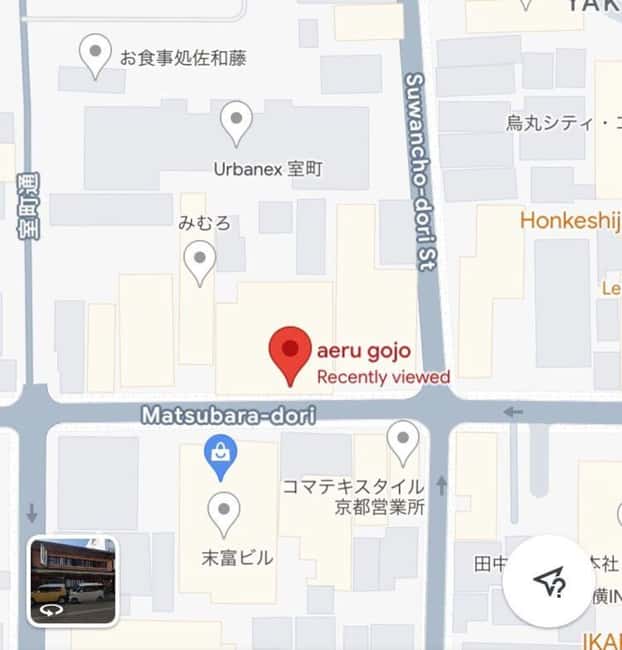
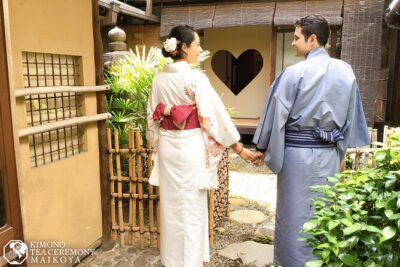
The venue is aeru gojo, in central Kyoto. If you approach from Karasuma-dori Street, turn at the corner with the Family Mart convenience store. Walk straight for one block and look for the sign beside Only Corporation and across from Zen Kyoto.
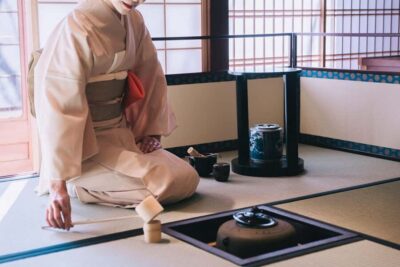
This is not a grand tea garden or a palace room. That is part of its appeal. The townhouse gives the activity a practical, lived-in feeling. You are not only hearing about Japanese culture in a lecture room. You are sitting in a space designed around calm and attention.
The atmosphere is contemporary Japanese rather than theatrical. The materials and utensils matter, but the focus stays on the tea, the host, and your own participation.
More tea ceremonies in Kyoto:
- Kyoto: Tea Ceremony in a Traditional Tea House in Kiyomizu
★ 4.9 · 3,519 reviews - Kyoto: Tea Ceremony Ju-An at Jotokuji Temple
★ 4.9 · 3,207 reviews - Kyoto: 45-Minute Tea Ceremony Lesson Experience
★ 4.3 · 2,378 reviews
What happens during the 45-minute session
The experience follows a clear rhythm. Your tea master first introduces the ceremony and its place in Japanese culture. Hosts such as Miki, Aki, Yoko, Joko, and Kiyoka have been praised for speaking clear English, answering questions patiently, and helping people feel comfortable with unfamiliar etiquette.
You then watch a demonstration of matcha preparation. The motions are graceful and deliberate, but the explanation keeps the ritual from feeling mysterious. You learn what the host is doing and why the order matters.
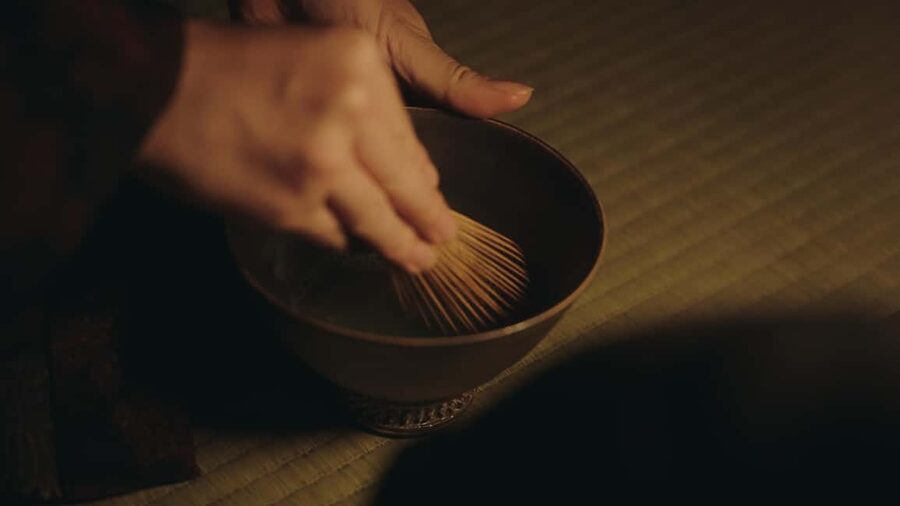
After the demonstration, you prepare your own tea. The host shows you how to use the utensils and how to whisk the matcha. This hands-on section is the heart of the activity. It gives you something to do with your hands while you absorb the meaning of the ceremony.
Do not worry about producing a perfect bowl on your first attempt. The point is to learn the basic movement and to understand how preparation becomes a focused ritual. The English-speaking tea masters guide participants individually, which is especially useful if your whisking technique needs a little help.
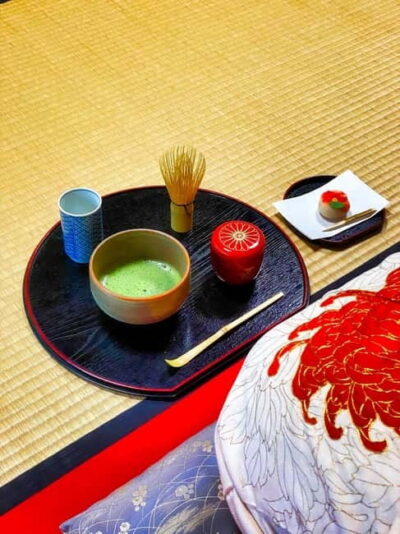
You then drink your matcha with a Japanese traditional sweet. The sweet provides a pleasant contrast to the tea and completes the small ceremony. One cup of matcha and the sweet are included in the $45 price.
Why the Omotesenke connection matters
The host is trained in the Omotesenke tradition, one of Japan’s respected schools of tea ceremony. That detail gives the experience a firm cultural foundation, even though the session is adapted for international visitors.
You will not be expected to know Japanese etiquette in advance. The activity explains the actions as you go, making it suitable for a first visit to a tea ceremony. The aim is not to test you. It is to help you understand the care behind the preparation.
That balance is important. A ceremony can lose its meaning if it becomes only a photo opportunity, but it can also feel intimidating if every movement is presented as a rule you might break. Here, the hosts use gentle instruction and conversation to make the custom approachable.
I especially like the question time. You can ask about matcha, tea utensils, ceremony etiquette, or Japanese culture more broadly. Several hosts have been praised for continuing the conversation beyond the basic demonstration, which makes the experience feel more personal than a scripted show.
Small groups make the lesson more useful
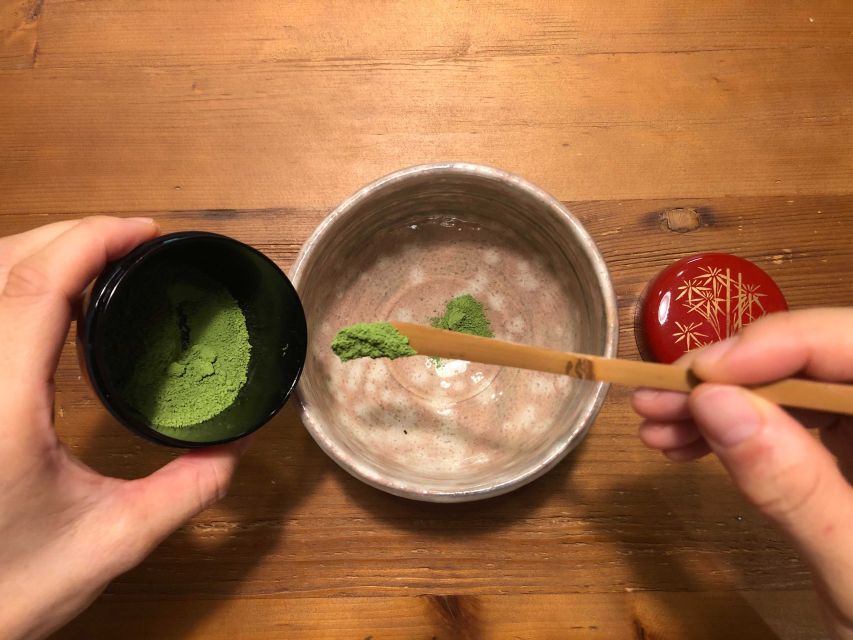
The group limit is 10 people, though some sessions may be smaller. That size gives the host enough room to watch participants prepare their tea and offer individual guidance.
Small groups also change the mood. You can hear the explanations clearly, ask questions without calling across a room, and share the activity with other people who are curious about Japanese culture. Solo visitors should find it easy to take part, while couples and families can enjoy the activity together.
The format has worked well for children around ages 8 and 10, and one host was especially patient with a restless toddler. Still, this is a quiet experience. If your children are old enough to follow a short explanation and enjoy a hands-on activity, it can be a good fit. Very young children who cannot settle may find the calm pace difficult.
One participant felt the atmosphere was best enjoyed without children who might disturb the quiet. That is fair advice. The activity is welcoming, but it is not a noisy entertainment show.
More matcha experiences in Kyoto:
- Kyoto: Arashiyama Bamboo Forest, Monkeys, Matcha & Temple Tour
★ 5.0 · 759 reviews - Kyoto: Tea Museum Tickets and Matcha Grinding Experience
★ 4.9 · 739 reviews - Kyoto: Kimono Tea Ceremony with Matcha and Sweet
★ 4.9 · 249 reviews - Kyoto: Arashiyama Bamboo, Temple, Matcha, Monkeys & secret spots
★ 5.0 · 219 reviews
The utensils are part of the lesson
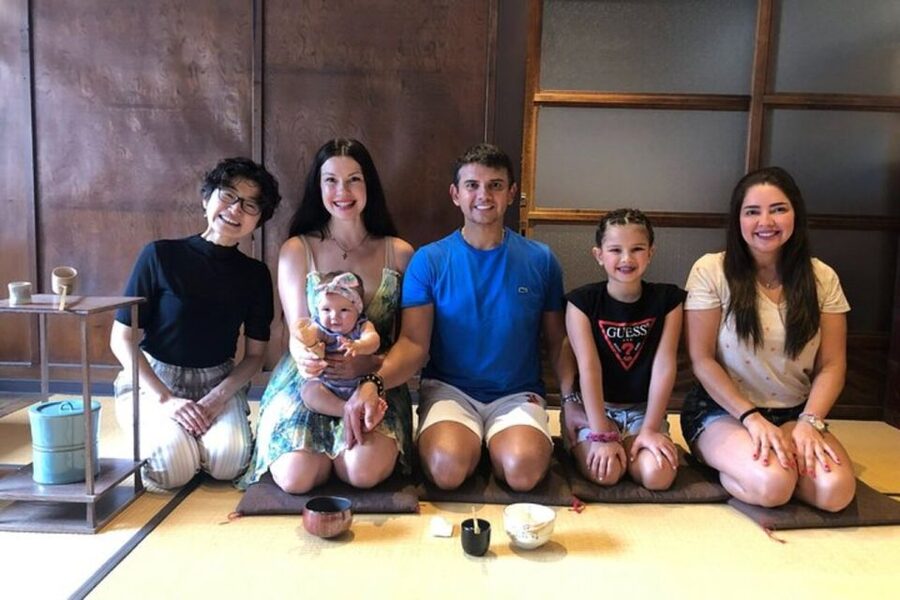
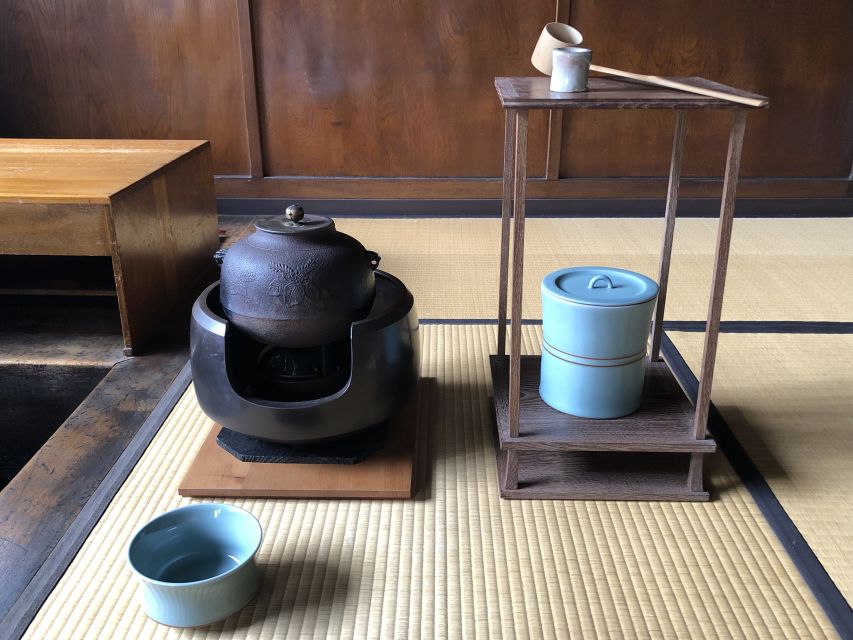
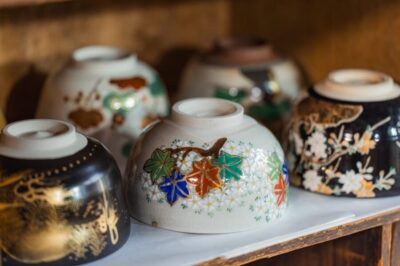
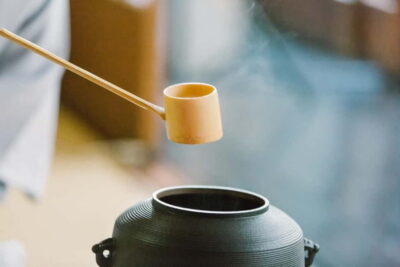
The host uses authentic, handcrafted utensils made by skilled artisans. These tools are not just decoration. They help show how Japanese tea preparation gives attention to everyday objects, materials, and movement.
You will handle the utensils while making your own matcha, so you gain a better sense of how the preparation works. The tea bowls, whisk, and other implements also give the room a strong visual character.
At the end, you can browse Japanese crafts and purchase items to take home. This is optional, and the activity does not require you to buy anything. Still, it is a useful chance to find a souvenir connected to what you have just learned, rather than picking up a generic Kyoto item at a station shop.
You should treat this shopping time as an extra, not as part of the main value of the booking. The core experience is the lesson, the tea, the sweet, and the conversation.
Is $45 a fair price?
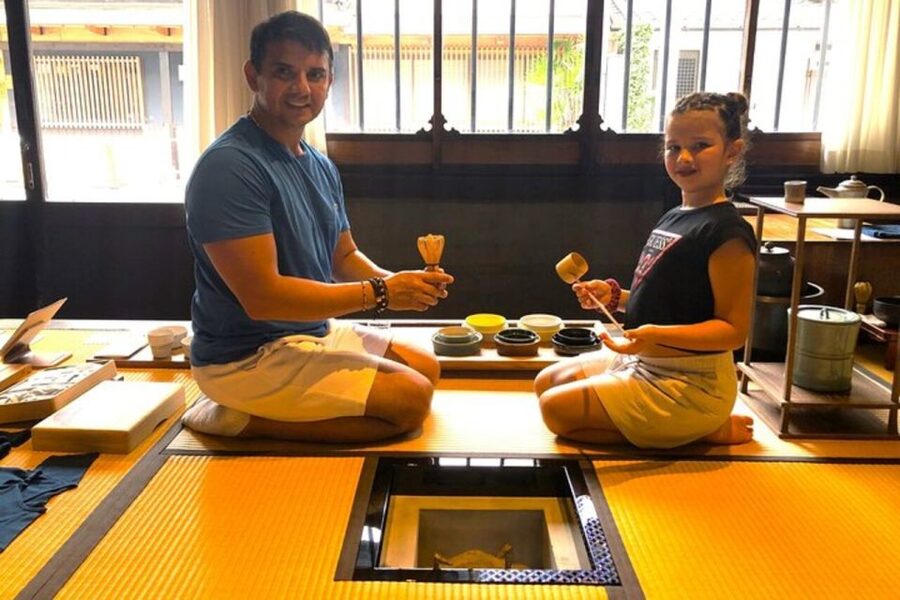
At $45 per person, this sits in a reasonable range for a short cultural activity in Kyoto. You receive a 45-minute tea ceremony lesson, one bowl of matcha, and a traditional sweet. The small group and English instruction add practical value.
The price makes the most sense if you want understanding, not just a drink. A café can serve matcha for less, but it will not explain the Omotesenke tradition, show you the etiquette, or guide you through making your own tea.
The award-winning tea program is also run by aeru, a culture-focused company recognized by American Express. That background supports the activity’s attention to Japanese crafts and cultural context.
Still, keep your expectations in proportion. This is not a full-day cultural course, a formal tea master apprenticeship, or a kimono photo session. Kimono rental and hair setting are not included. You receive one cup of tea, not unlimited refills.
For a first introduction, the compact format is a strength. It gives you a clear taste of the tradition without taking half a day from your Kyoto plans. If you already have serious tea ceremony experience, you may want a longer or more formal session.
Practical details that affect the experience
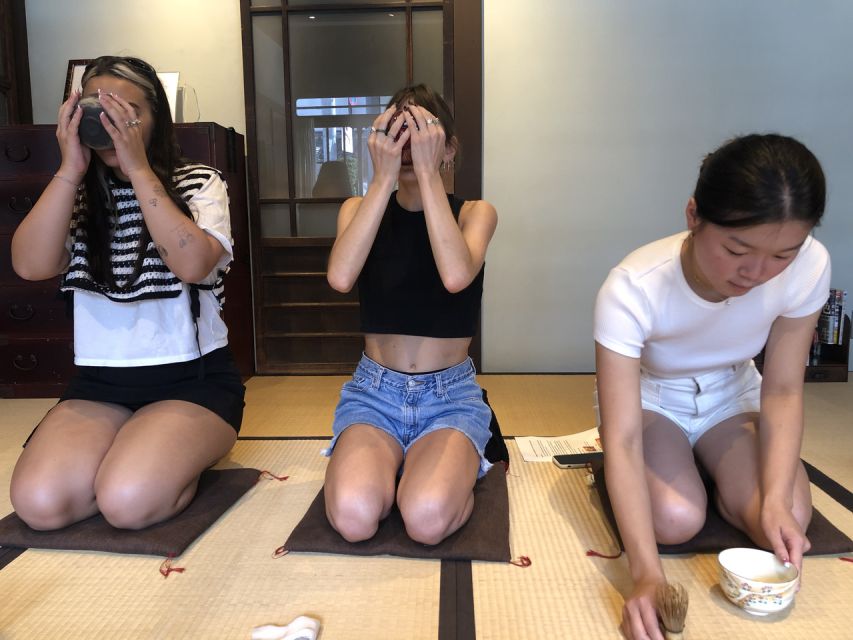
Plan to arrive no more than 10 minutes before your scheduled start. The venue is small, so arriving much earlier is discouraged.
Do not wear perfume or cologne. Matcha has a delicate aroma, and the request helps everyone enjoy the tea properly. Food and drinks are not allowed in the space, and you should not arrive expecting to eat a meal there.
Bikes are not allowed inside, and there is no parking lot. If you arrive by rental bicycle, use public bicycle parking. The closest listed parking area is at the location provided by the operator.
The meeting point is in central Kyoto, but you should still allow time to find the sign. Look for aeru gojo beside Only Corporation and across from Zen Kyoto. The Family Mart corner is the simplest landmark when coming from Karasuma-dori Street.
The activity is wheelchair accessible. English is the listed language, and the tea masters are prepared to explain the process for international visitors.
Free cancellation is available up to 24 hours before the scheduled time, and you can reserve now while paying later. Those terms help if your Kyoto schedule is still shifting.
Who will enjoy this matcha experience most?
This activity suits first-time visitors who want a clear, friendly entry into Japanese tea culture. You do not need previous knowledge, Japanese language skills, or a formal interest in ceremony.
It is also a good choice for solo visitors. The small group gives you a natural way to meet other people, while the host keeps the activity interactive rather than leaving you on your own.
Families with older children may enjoy it too. The combination of watching, listening, and making tea gives children something concrete to do. The calm setting means parents should choose it only if their children can manage a quiet 45-minute session.
Couples may appreciate the gentle pace, especially after a busy day of sightseeing. It also works well near the end of a Kyoto trip, when you can place the tea ceremony alongside the temples, crafts, and customs you have seen elsewhere.
You may want a different experience if you are specifically looking for kimono rental, hair styling, a full formal ceremony, or an extended meal. Those are not part of this booking.
Should you book it?
I would book this if you want to understand what matcha preparation means, not simply taste powdered tea. The townhouse setting, English-speaking hosts, Omotesenke instruction, and chance to make your own bowl create a useful introduction with real cultural content.
The strongest reason to choose it is the personal guidance. Hosts such as Miki and Aki have helped participants feel at ease, while answering questions in clear English and adjusting their explanations to the group.
At $45, the value is solid for a small-group activity with tea, sweets, and hands-on instruction. Just remember that 45 minutes goes quickly, the experience is intentionally informal, and kimono dressing is not included.
If you have room for one quiet cultural stop in Kyoto, this is a sensible choice. You will leave with a better understanding of matcha, a simple skill you can repeat at home, and a souvenir option that connects to the lesson.
FAQ
How long does the Kyoto matcha experience last?
The activity lasts 45 minutes.
What is included in the price?
The price includes the tea ceremony experience, one cup of matcha tea, and Japanese traditional sweets.
Can I make my own matcha?
Yes. The tea master demonstrates the preparation and then guides you as you make your own bowl of matcha.
Is the experience conducted in English?
Yes. English-speaking tea masters lead the session, and English is the listed language.
How many people can join the group?
The group is limited to 10 participants.
Is kimono rental included?
No. Kimono rental and hair setting are not included.
Can I cancel my reservation?
You can cancel up to 24 hours in advance for a full refund. You can also reserve now and pay later.
More Zen Sittings in Kyoto
- Kyoto Zen Meditation & Garden Tour at a Zen Temple with Lunch
★ 5.0 · 441 reviews - Kyoto: Zen Experience in a Hidden Temple
★ 5.0 · 437 reviews - Kyoto: Zen Meditation at a Private Temple with a Monk
★ 5.0 · 202 reviews - Kyoto: Zen Garden, Zen Mind (Private)
★ 5.0 · 126 reviews
Newest Kyoto experiences on the site
- Treasures of Kyoto: Gion & historical Walking Tour★ 5.0 · 6 reviews
- Whisk Your Own Matcha: A Zen Matcha Experience at Temple★ 3.6 · 7 reviews
- Kyoto tea town for matcha lovers★ 5.0 · 16 reviews
- Uji: Private immersion into Kyoto’s tea and reglious culture★ 5.0 · 17 reviews
- Uji and Wazuka Matcha Farm Half Day Private Guided Tour★ 5.0 · 21 reviews
- Kyoto Matcha Green Tea Tour★ 4.5 · 23 reviews
- Utilising upcycled Matcha! Creating matcha incense (Uji, Kyoto)★ 5.0 · 6 reviews
- Sacred Temple Yoga Experience in Japan★ 5.0 · 3 reviews
Kyoto Tea Ceremonies, compared.
Tea Ceremony in a Traditional Tea House in Kiyomizu
Read our review →
Tea Ceremony in 100-year-old Kyo-Machiya Townhouse
Read our review →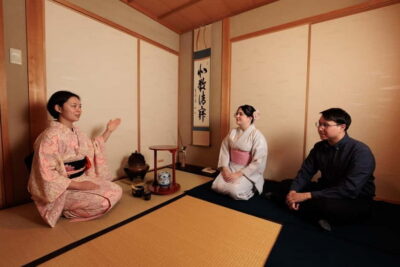
Browse the lists this tour appears in