
Reviewed · KYOTO TEA CEREMONIES
Kyoto: Wazuma Magic Show & Tea Ceremony
Wazuma is the star here: a Japanese illusion tradition said to be about 1,000 years old, practiced by fewer than ten masters, and recognized by Japan as intangible cultural heritage. The tricks happen just centimeters from you, yet the method stays out of reach.
I like the six-seat private setting, which turns the show into a personal salon rather than a stage act. I also like the clean two-part design: first lively magic, then Uji matcha and English guidance in a quiet Gion tea room.
The one-hour format is efficient, but it can feel short if you want a full tea ceremony or a longer theatrical production. You also need to find your own way to the venue, arrive five minutes early, and manage stairs or access concerns, since the activity is not suitable for wheelchair users.
Key points at a glance
- A rare Japanese art: Wazuma is a traditional illusion form with roots said to reach back 1,000 years.
- Only six seats: Your group has the tea room to itself, making every trick close and interactive.
- Two very different halves: The first 30 minutes bring fast amazement, while the final 30 minutes slow down over Uji matcha.
- English support: A host or greeter provides the experience in English, including guidance during tea time.
- Small personal touch: Several experiences end with a souvenir or momento, adding a pleasant keepsake.
- A compact Gion activity: At $77 per person, you pay for privacy, rarity, and a polished one-hour cultural encounter.
Wazuma magic in a six-seat Gion tea room
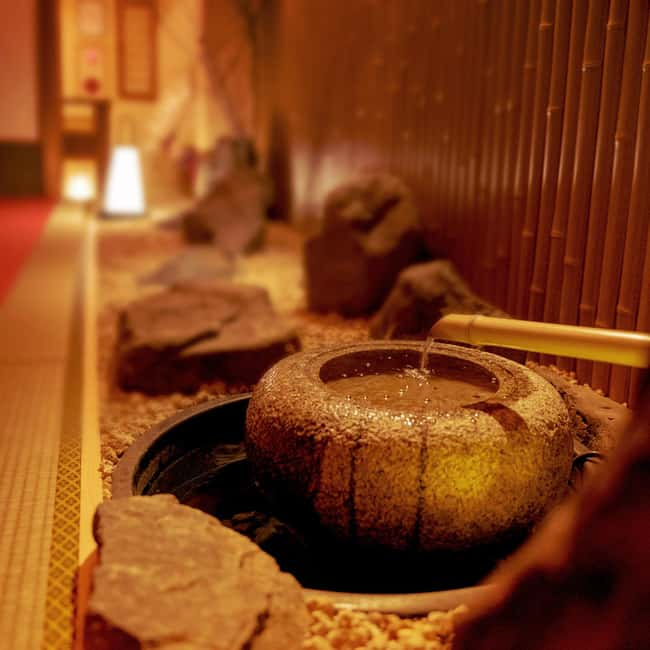
You begin outside a traditional tea room in Kyoto’s Gion area. A staff member meets you in front of the building five minutes before the scheduled start, so do not treat this like a casual walk-in attraction. It is reservation only, and punctuality matters in a room with such limited seating.
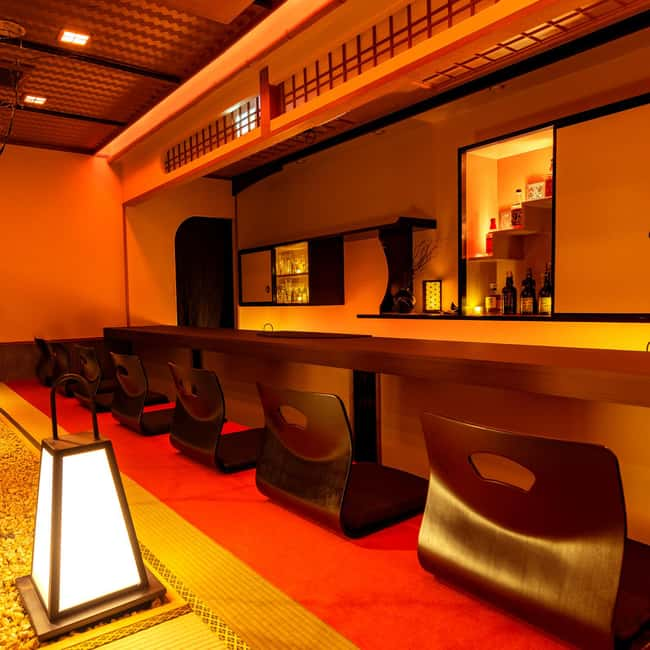
Inside, the mood is quiet and refined. The room itself is part of the experience. Instead of a large theater, you sit close to the performer, with no crowd between you and the action. The setting gives the magic a more personal feel, and it also means that every movement is easy to watch.
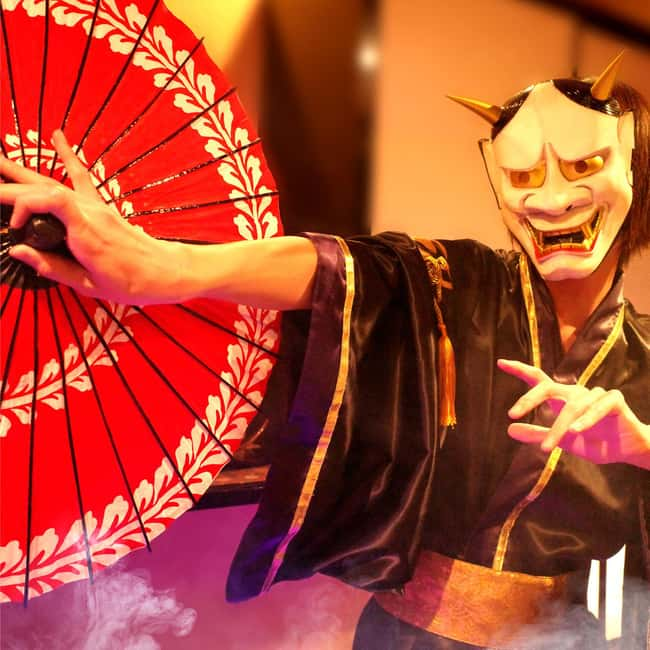
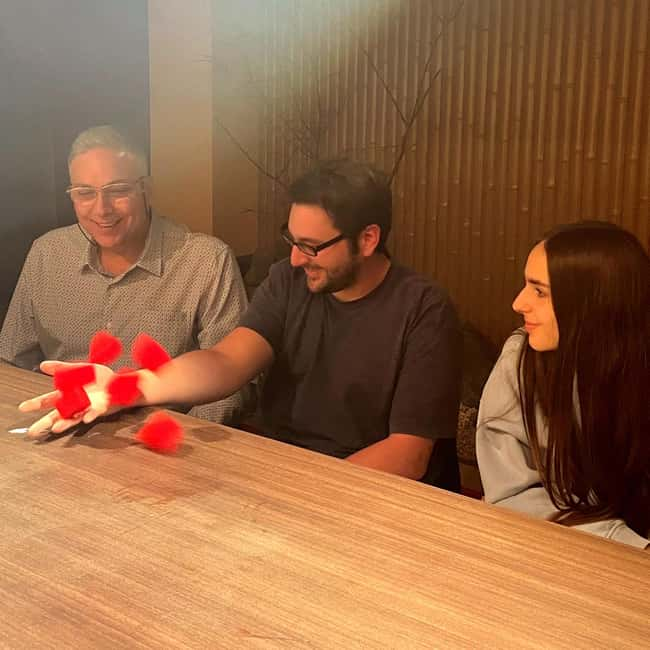
The 30-minute Wazuma performance uses old Japanese illusion techniques. The supplied information describes Wazuma as a 1,000-year-old art with fewer than ten remaining masters. That rarity gives the show more weight than a standard tourist magic act. You are not simply watching tricks in a Japanese-looking room. You are seeing a little-known performance tradition that has been officially recognized as intangible cultural heritage.
I would keep your expectations focused on close-up wonder rather than a large stage spectacle. The show is short, intimate, and built around precise gestures, spoken presentation, and tricks performed right in front of you. The small scale is the point. There are no big screens, rows of seats, or long travel time between attractions.
Names connected with the performance include Masaya and Tamaki. Individual roles and the exact running order are not specified, but the experience is presented in English, making it easier to follow the cultural background and instructions.
More tea ceremonies in Kyoto:
- Kyoto: Tea Ceremony in a Traditional Tea House in Kiyomizu
★ 4.9 · 3,519 reviews - Kyoto: Tea Ceremony Ju-An at Jotokuji Temple
★ 4.9 · 3,207 reviews - Kyoto: 45-Minute Tea Ceremony Lesson Experience
★ 4.3 · 2,378 reviews
Why the close-up format changes the show
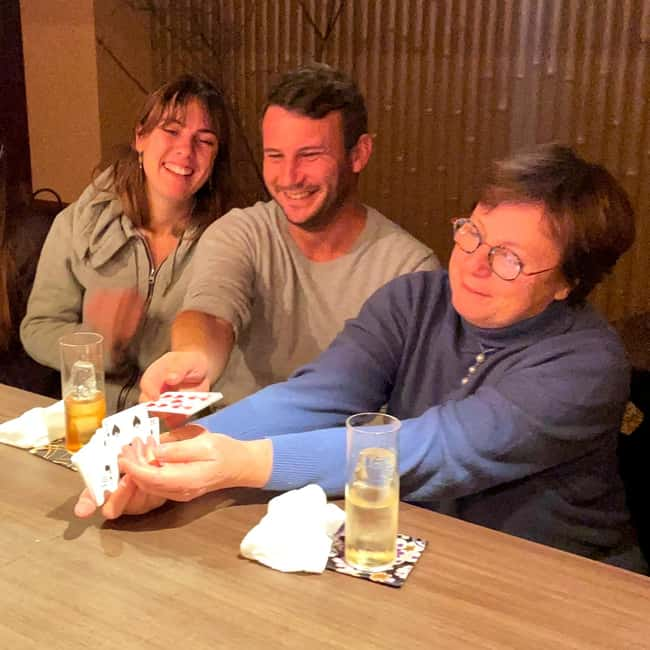
Magic is often easier to enjoy when you cannot see the performer’s hands clearly. Wazuma takes the opposite approach. You are close enough to follow the action, which makes the mystery sharper. A trick performed a few meters away can feel impressive. A trick performed almost within reach can feel slightly unfair in the best way.
The small room also allows the show to feel interactive. The experience information describes the audience as one private group, and several visitors have taken part directly in sleight-of-hand acts. That does not mean every person will be pulled into every trick, but you should expect more personal attention than at a public stage show.
I especially like this arrangement for couples, families, or a small group of friends. You do not have to share the room with a large tour party, and you can pay attention without a noisy audience around you. It is also a good choice if you have already spent the day visiting temples and want something cultural that does not require another long walk through a major site.
There are a few limits. A private show does not automatically mean a fully private performance for two people. The group can include up to six seats, and the exact number depends on your booking. Flash photography is not allowed during the performance, so you should plan to watch rather than document each trick.
A quiet change of pace with Uji matcha
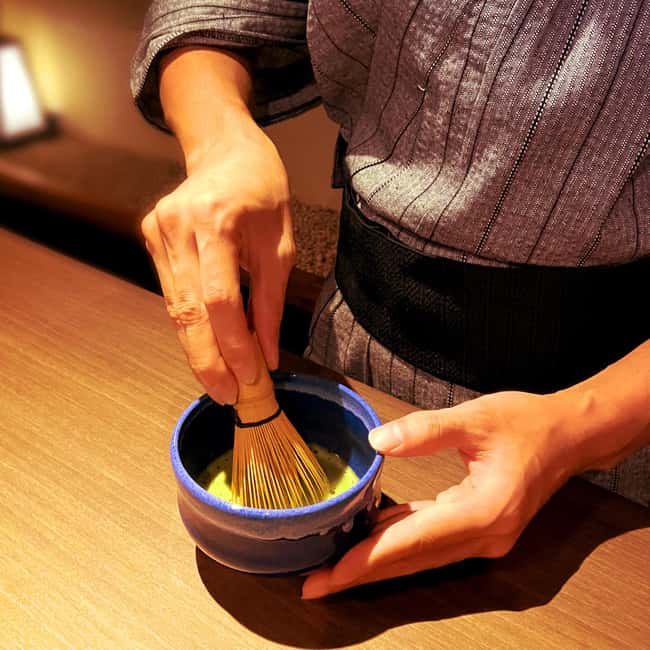
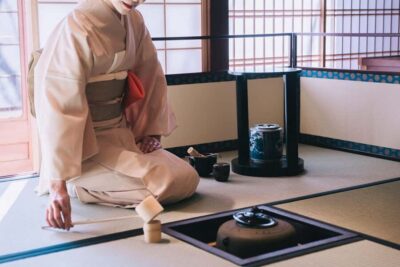
After the magic, the mood shifts for a 30-minute matcha session. You receive a bowl of Uji matcha, hand-whisked and served with English guidance. This second half gives the hour a useful balance. The first portion is lively and puzzling. The last portion is slower and more reflective.
Uji, near Kyoto, is closely associated with high-quality matcha. Here, you get more than a cup of green tea dropped onto a table. The preparation and explanation give you a clearer sense of how matcha fits into Japanese culture and hospitality.
The tea service is described as a tea time rather than a full formal tea ceremony. That distinction matters. You should expect a concise introduction and a chance to taste the matcha, not a long ceremonial lesson with an extensive sequence of etiquette. For many people, that shorter format will be a benefit. You get the cultural flavor without committing to a lengthy event.
I would not book this solely for a serious tea-school instruction session. The tea is one half of a combined experience, and the magic remains the main draw. But if you want a calm finish after the performance, the matcha works well.
Some visitors have also received a small souvenir at the end. The exact item is not specified, so consider it a pleasant possibility rather than a guaranteed feature to plan around.
The value of $77 for one hour
At $77 per person, this is not a bargain activity in the simple sense of minutes per dollar. One hour passes quickly, and transportation to the venue and personal expenses are not included. If your goal is the cheapest tea tasting in Kyoto, you can find simpler options.
The value comes from the combination of four things: a private room, an unusual traditional art, very limited seating, and an English-led matcha session. You are paying for access to a performance that few visitors will encounter, along with the atmosphere of a reserved Gion tea room.
I think the price makes the most sense for a special evening, a honeymoon or anniversary outing, or anyone who wants one distinctive cultural activity rather than another large attraction. It can also work well for a small group splitting the experience among friends.
The value is less clear if you dislike magic, prefer a longer tea ceremony, or want a broad historical tour of Gion. This activity does not include transportation, a neighborhood walk, or a temple visit. It is a focused performance and tea experience.
The high rating of 4.8 from 29 ratings fits the strongest features: the magic feels close, the room is attractive, and the tea provides a peaceful ending. The praise is especially consistent around the show’s unusual nature, the friendly staff, and the surprise of seeing tricks from such a short distance.
More shows and performances in Kyoto:
- Kyoto Gion Cultural Walk & Geisha Show with Dining Options
★ 5.0 · 518 reviews - Kyoto Gion Cultural Walk & Geisha Show with Dining Options
★ 5.0 · 483 reviews - 1 Hour Geisha Show in Kyoto
★ 5.0 · 452 reviews - Kyoto: Samurai Kenbu Traditional Sword Dancing Show
★ 4.5 · 426 reviews
Planning your arrival in Gion
You are responsible for reaching the meeting point. No transportation is included, so build in enough time to find the building and get oriented in the Gion area. A staff member waits outside five minutes before your appointment, which gives you a clear handoff, but it is not a reason to arrive at the last second.
The activity is reservation only. Check the available starting times when booking, then plan the rest of your Gion visit around the fixed appointment. The one-hour duration is easy to fit between meals, evening walks, or another scheduled activity, but lateness can reduce your time.
One person arrived late and received help from the guide, but I would not count on that outcome. A private show has less flexibility than a large public performance because the room and host are arranged for one group. Arrive early, especially if you are unfamiliar with Gion’s side streets.
The venue has only six seats. That is excellent for intimacy, but it also means popular time slots can disappear quickly. If you are traveling with a group, confirm that your whole party fits before booking.
Who will enjoy this most
I would recommend this for you if you want:
- A cultural activity that feels unusual rather than standard
- Close-up magic with a Japanese connection
- A private setting for a couple, family, or small group
- A short activity that fits into a busy Kyoto schedule
- An English-supported introduction to Uji matcha
- An atmospheric experience in Gion without a large crowd
It is especially good for people who have already seen Kyoto’s major temples and want an evening activity with a different rhythm. The show can also suit children and adults who enjoy puzzles and surprise, although no specific age guidance is provided.
I would think twice if you want a long formal tea ceremony, a large-scale magic production, or a fully accessible venue. Wheelchair users cannot take part, and the activity does not provide transportation. If flash photography is important to you, remember that it is prohibited during the show.
What makes the experience feel authentic
The strongest cultural element is not simply the tea room or the matcha. It is the use of Wazuma, an old Japanese illusion tradition that is now rarely performed. That gives the show a connection to Japanese performing arts rather than treating Japan as a backdrop for generic entertainment.
The tea portion adds another layer. You taste Uji matcha with English explanation, which helps you understand what you are drinking instead of treating the tea as a decorative final course. The room, the controlled pace, and the hand-whisked preparation all reinforce the sense of a small cultural gathering.
At the same time, you should keep the experience in proportion. It is a polished introduction, not a full course in Japanese magic or tea practice. In one hour, you get a concentrated sample of two traditions. That is its strength and its limit.
Practical details before you book
The activity costs $77 per person and lasts one hour. The schedule is split evenly between a 30-minute Wazuma performance and a 30-minute Uji matcha tea time.
The group is private, with only six seats available. English is the stated language, and a host or greeter is present. You skip a ticket line because the activity is arranged by reservation.
You can cancel up to 24 hours before the start for a full refund, and the booking option allows you to reserve now and pay later. These policies are useful if your Kyoto schedule is still changing, but they do not remove the need to confirm the meeting time and route.
No flash photography is allowed during the show. Transportation, food beyond the stated matcha experience, and personal expenses are not included.
Should you book this Kyoto experience?
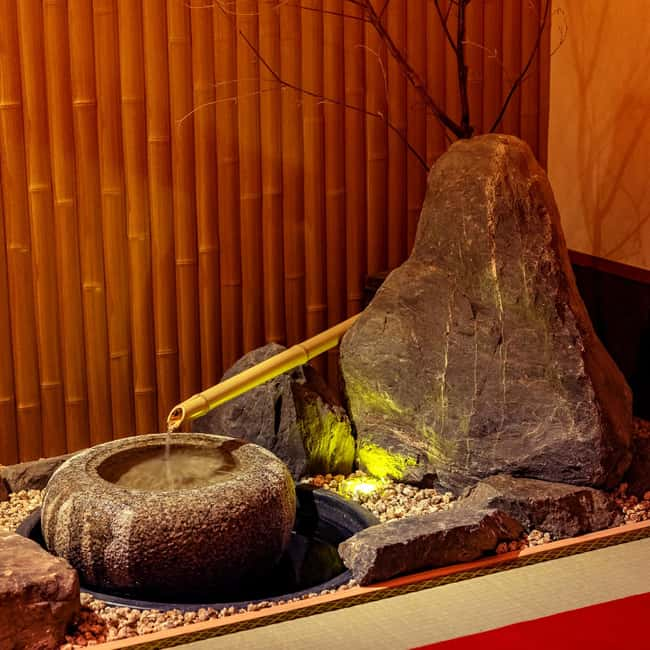
Book it if you want a rare, intimate activity that combines close-up Japanese magic with a calm tea service. The private six-seat room, Wazuma tradition, English guidance, and small souvenir make it feel more personal than a standard sightseeing stop.
Skip it if you want a longer ceremony, a major stage show, or a low-cost tea tasting. For the right audience, $77 is a fair price for access to an uncommon performance in Gion. For everyone else, the short duration and focused format may not justify the cost.
FAQ
Where does the Wazuma magic show take place?
It takes place in a traditional tea room in Kyoto’s Gion area.
How long is the experience?
The full experience lasts one hour. It includes 30 minutes of traditional Japanese magic and 30 minutes of Uji matcha tea time.
How many people can attend?
The tea room has only six seats available, and your booking is for a private group.
Is the activity available in English?
Yes. The host or greeter and the matcha guidance are provided in English.
What is Wazuma?
Wazuma is a traditional Japanese illusion art described as about 1,000 years old. Fewer than ten masters are said to still perform it, and Japan recognizes it as intangible cultural heritage.
Is transportation included?
No. You need to make your own way to and from the activity location.
How early should I arrive?
You should arrive five minutes before the show begins. A staff member will be in front of the building at that time.
Can I take photos during the performance?
Flash photography is not allowed during the performance.
Is the activity wheelchair accessible?
No. The experience is not suitable for wheelchair users.
Can I cancel my booking?
Yes. You can cancel up to 24 hours in advance for a full refund. A reserve-now, pay-later option is also available.
Newest Kyoto experiences on the site
- Treasures of Kyoto: Gion & historical Walking Tour★ 5.0 · 6 reviews
- Whisk Your Own Matcha: A Zen Matcha Experience at Temple★ 3.6 · 7 reviews
- Kyoto tea town for matcha lovers★ 5.0 · 16 reviews
- Uji: Private immersion into Kyoto’s tea and reglious culture★ 5.0 · 17 reviews
- Kyoto Matcha Green Tea Tour★ 4.5 · 23 reviews
- Uji and Wazuka Matcha Farm Half Day Private Guided Tour★ 5.0 · 21 reviews
- Utilising upcycled Matcha! Creating matcha incense (Uji, Kyoto)★ 5.0 · 6 reviews
- Sacred Temple Yoga Experience in Japan★ 5.0 · 3 reviews
Kyoto Tea Ceremonies, compared.
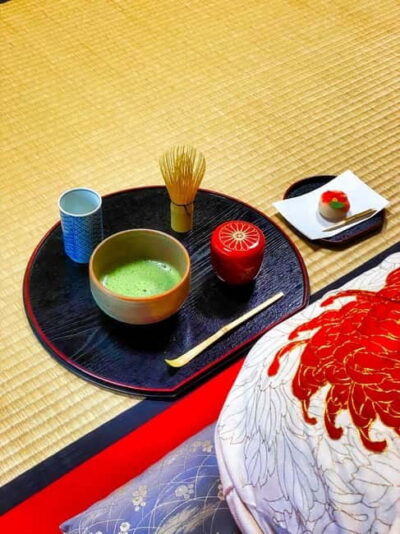
Tea Ceremony in a Traditional Tea House in Kiyomizu
Read our review →
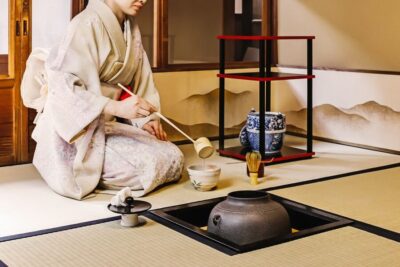
Tea Ceremony in 100-year-old Kyo-Machiya Townhouse
Read our review →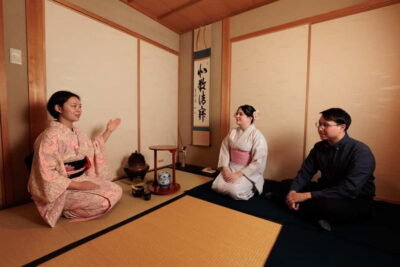
Browse the lists this tour appears in