
Reviewed · KIYOMIZU-DERA TEMPLE TOURS
Kyoto: Tea Ceremony in a Traditional Tea House in Kiyomizu
Kyoto’s most memorable tea experience may be the one that slows you down in the middle of Sannenzaka. Behind a large gate near Kiyomizu-Dera, this 45-minute ceremony leads you into a traditional tea house with a carefully tended garden by landscape artist Ogawa Jihei VII. The noisy tourist street fades quickly once you sit down.
I like the clear, hands-on format: you watch a tea master prepare matcha, then make your own cup. I also like the English guidance, especially the warm welcome from May, who explains the customs without making you feel lost. The main consideration is time. Forty-five minutes gives you a polished introduction, not a long study of tea culture, and the $49 price feels fair mainly because the setting is special.
Key points at a glance
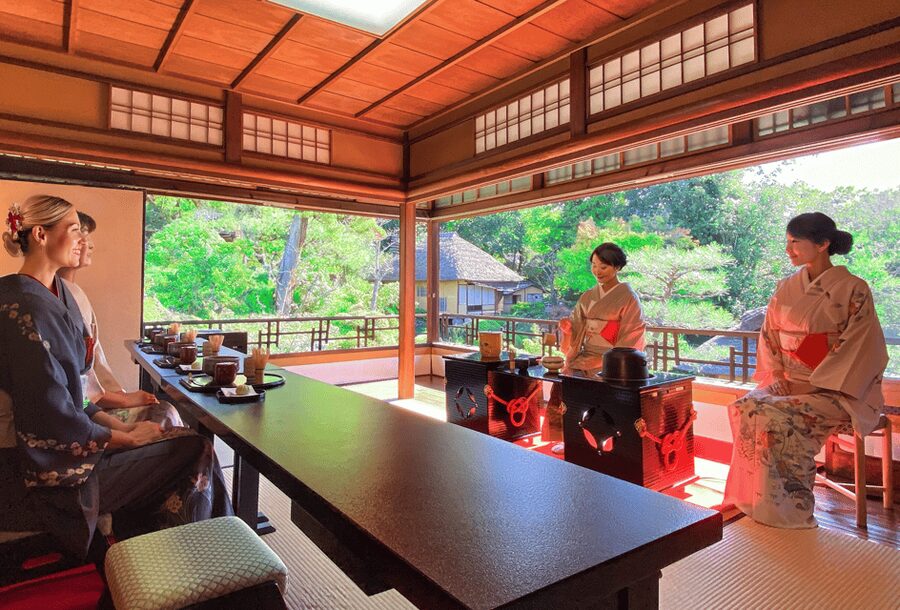
- A quiet garden behind busy Sannenzaka: The tea house sits close to Kiyomizu-Dera, yet the garden gives you a calm break from the crowds.
- A real demonstration, not only a tasting: A tea master performs the preparation with precise movements before you try whisking matcha yourself.
- Two cups of matcha included: You receive tea prepared by the master and another cup that you make on your own.
- May provides English explanations: The introduction covers the ceremony, its meaning, and roughly 500 years of tradition.
- Small groups suit the setting: Sessions have been held with about eight to ten people, keeping the demonstration easy to see.
- Bring only what you need: Large bags and luggage are not allowed, and children must be at least seven years old.
Entering the tea house near Kiyomizu-Dera
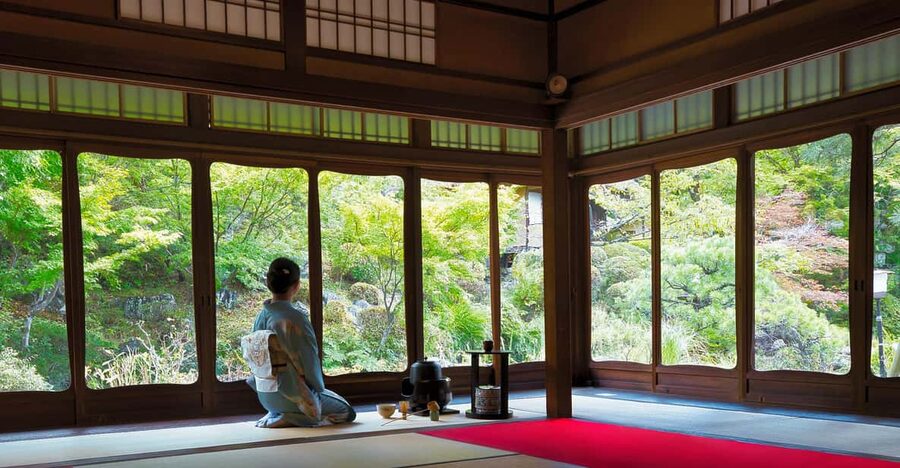
The first challenge is finding Sakaguchian. Walk down Sanneizaka near Kiyomizu-Dera Temple for about 50 meters, then look for a large gate on the right. You can see the Japanese garden from the gate. Go straight for about 10 meters after entering, then pass through the white gate on your left.
That tucked-away entrance matters. Sannenzaka is one of Kyoto’s busiest walking streets, lined with shops, sweets, souvenirs, and people heading toward Kiyomizu-Dera. The tea house does not feel removed from the district, but once you pass through the gate, the mood changes sharply. You get a peaceful room and a view of greenery instead of another shopfront.
If you take a cab, tell the driver to head toward Kodaiji Temple and get out at the intersection of Sanneizaka and Ishin-no-michi. The Japanese address is 京都市東山区清水3丁目334. I would allow extra time to find the entrance, especially if this is your first visit to the area.
Do not arrive with a suitcase or large backpack. Large bags are not allowed, so plan to leave bulky luggage at your accommodation or another permitted storage point. The activity takes place rain or shine, but the ceremony itself is indoors.
More Kiyomizu-dera visits and hillside walks:
- Kyoto: Nijo Castle, Kiyomizu & Fushimi Inari Guided Tour
★ 4.7 · 700 reviews - Kyoto: Nijo, Kinkaku-ji, Arashiyama, Kiyomizu & Fushimi Inari
★ 5.0 · 699 reviews - Kyoto Tea Ceremony & Kiyomizu-dera Temple Walking Tour
★ 5.0 · 115 reviews
A 500-year tradition explained in plain English
Your host begins with a short introduction to Japanese tea ceremony customs and the long tradition behind them. May has been praised for her warm welcome and clear English, and that matters here. Tea ceremony has many quiet gestures, so a good explanation helps you understand what you are seeing rather than simply watching someone whisk a green drink.
The introduction also gives you a basic sense of the ceremony’s purpose. The movements are deliberate, the tools are handled with care, and the host explains how guests should approach the experience. You do not need prior knowledge of Japanese etiquette. The format is designed for first-time visitors.
I appreciate that the explanation is kept brief. You have enough context to follow the performance, but you are not sitting through a lecture while the garden waits outside. If you want a detailed account of tea schools, utensils, seasonal philosophy, or the full history of chanoyu, this visit will probably feel too short. For a first look during a busy Kyoto schedule, the balance works well.
The setting adds meaning to the talk. The tea house is connected to a garden created by Ogawa Jihei VII, a well-known Japanese garden designer. You are not just looking at a decorated room. The garden, the building, and the calm pace all support the idea that tea ceremony is about attention to the moment.
Watching the tea master work
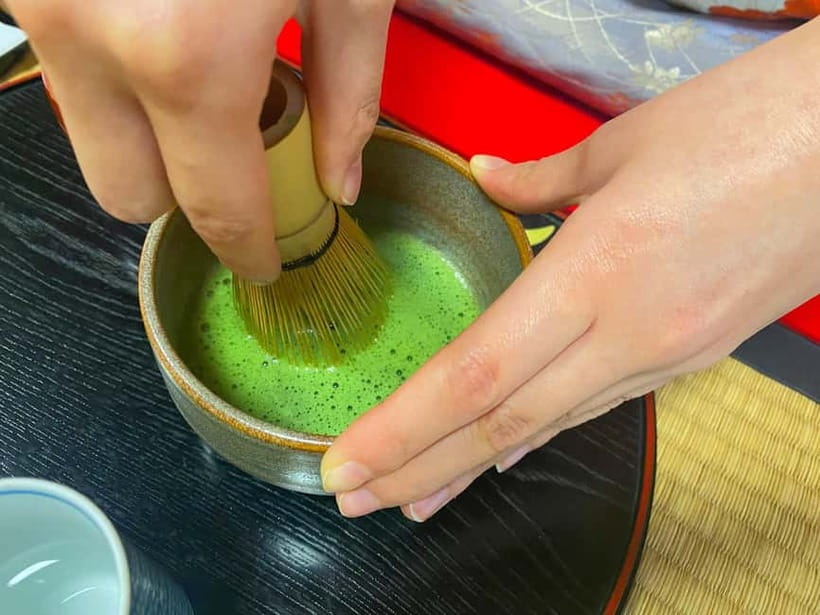
The heart of the visit is the tea master’s demonstration. You watch the preparation of matcha as a carefully ordered performance, with each movement done in a measured and graceful way. The appeal is not only the finished bowl. It is seeing how much control and practice goes into a task that looks simple at first.
The tea master prepares a bowl for you to taste. This is a useful comparison point before you make your own. You can notice the texture and flavor, then try to reproduce the result under instruction.
The ceremony is formal, but the tone is not stiff. The tea master answers questions and explains the purpose of the actions. Several sessions have included a female tea master whose calm presentation and precise movements made a strong impression. The tea house staff also help with photographs after the ceremony, so you are not left to manage the camera on your own.
Pay attention to the small details. The quiet handling of the bowl, the whisking motion, the way the tea is presented, and the pause before drinking are all part of the experience. You are encouraged to observe rather than wander around, which is important in a small room. Keep your movement to a minimum while the ceremony is underway.
Making your own bowl of matcha
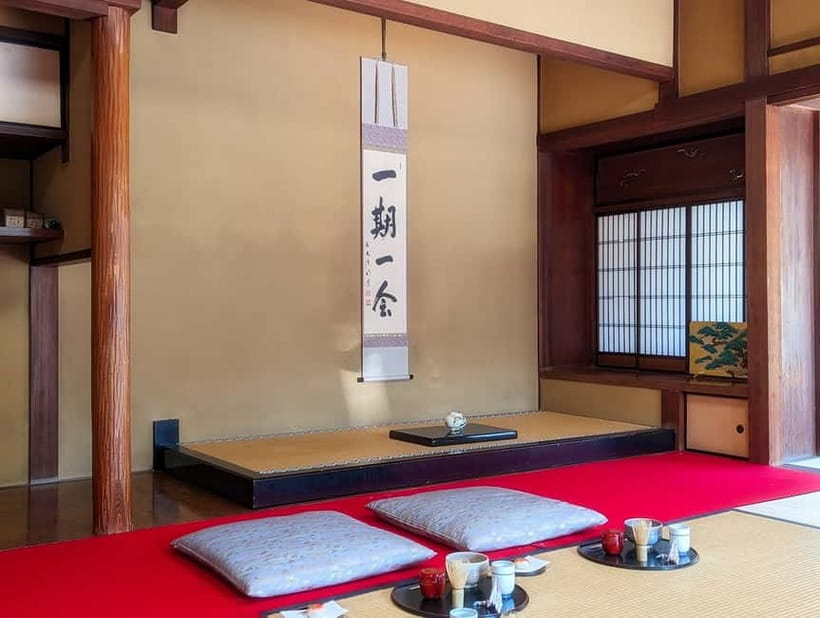
After watching the demonstration, you get to prepare your own matcha. This is the part that turns the visit from a performance into a practical lesson. You learn the basic whisking method and receive guidance on how to make a smooth cup.
Your result may not look exactly like the tea master’s. That is part of the fun. Matcha can taste bitter when it is poorly mixed, but the tea served here has been described as smooth enough to win over people who did not previously like matcha. You get a chance to adjust your technique and understand why the whisking matters.
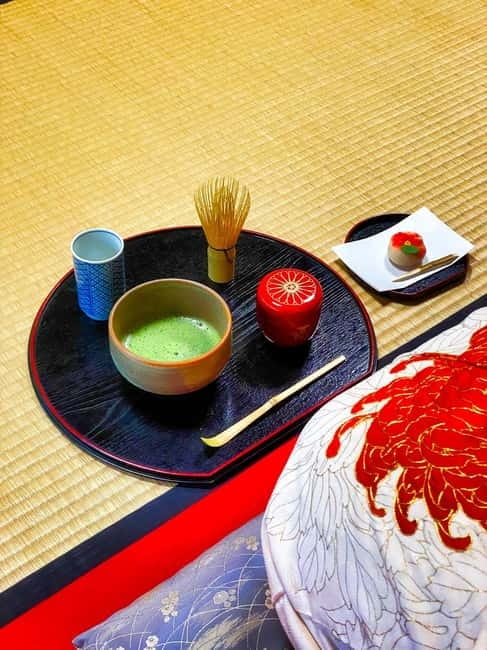
Two cups of matcha are included in the $49 price: one prepared by the tea master and one made by you. A traditional Japanese sweet is served with the tea. Its sweetness helps balance matcha’s earthy flavor, and it gives you another small piece of the custom rather than just a modern café-style tasting.
The hands-on part is especially good for couples, families with older children, and anyone who likes learning by doing. Children under seven cannot join, but families with children around nine and thirteen have found the activity manageable. The room is calm, so very young children or anyone who needs a constantly moving activity may not be the best fit.
More tea ceremonies in Kyoto:
- Kyoto: Tea Ceremony Ju-An at Jotokuji Temple
★ 4.9 · 3,207 reviews - Kyoto: 45-Minute Tea Ceremony Lesson Experience
★ 4.3 · 2,378 reviews - Kyoto: Table-Style Tea Ceremony at a Kyo-Machiya
★ 4.9 · 1,211 reviews - Kimono Tea Ceremony at Kyoto Maikoya, NISHIKI
★ 5.0 · 911 reviews
The garden is part of the experience
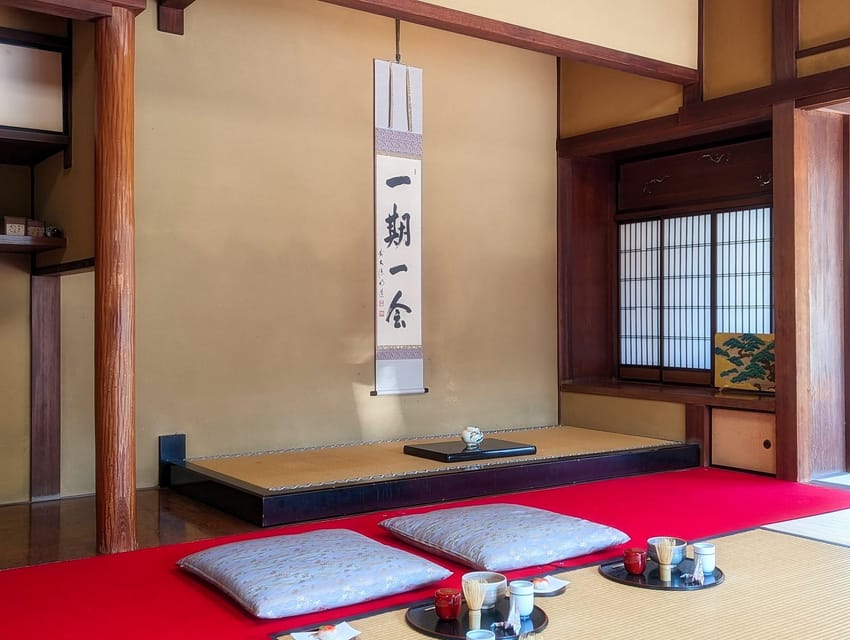
The view into the garden is one of the strongest reasons to choose this tea house. You sit in a traditional setting with greenery beyond the room, and that view gives the ceremony a sense of place. It also makes the activity feel different from a tea demonstration held in a hotel or a modern cultural center.
The garden is not a separate sightseeing stop with a long walking route. It works more like a framed view, something to look at while you listen and drink. That is a strength if you want a restful pause during a day around Kiyomizu-Dera. It may disappoint you if you expect a large garden tour with extensive time outdoors.
The contrast with Sannenzaka is part of the charm. Outside, you are in one of Kyoto’s most popular tourist areas. Inside, the room feels removed from the street. I would book this between visits to Kiyomizu-Dera and nearby Kodaiji rather than treating it as a stand-alone destination across town.
At the end, you pose for a photo with your group and the garden behind you. It is a simple souvenir, but a useful one. The image records the setting as well as the ceremony, and staff can help take it for you.
Is $49 a good value?
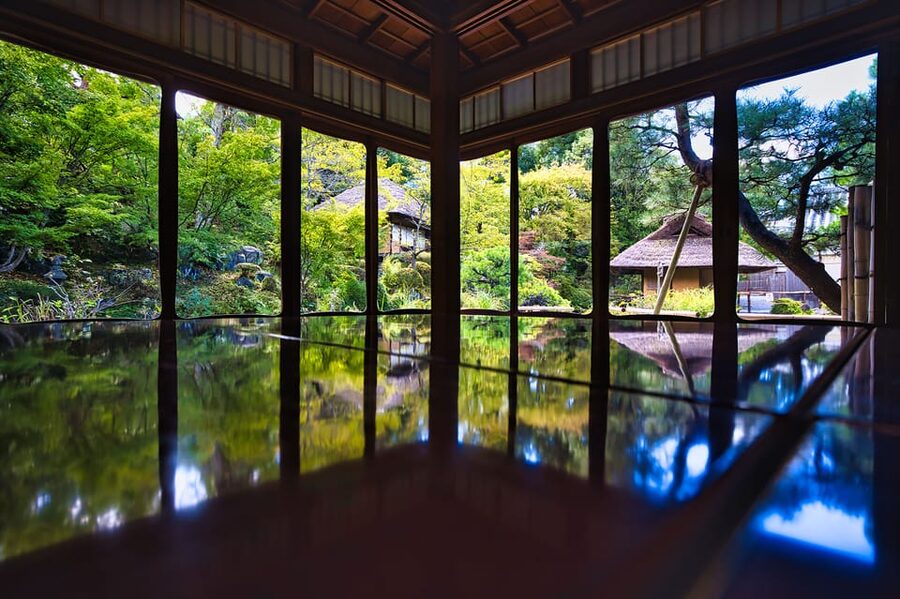
At $49 per person, this is not the cheapest way to drink matcha in Kyoto. You can find tea and sweets for much less at a café. The value here comes from the setting, instruction, ceremony, and chance to prepare the tea yourself.
You receive two cups of matcha, a traditional sweet, an English-language introduction, a tea master’s demonstration, and a photo. You also avoid the difficulty of finding and understanding a formal tea ceremony on your own. For a first introduction to Japanese tea customs, the price is reasonable, especially if the garden setting matters to you.
The short duration keeps the cost easier to justify. You are not committing half a day, and you can fit the activity into a sightseeing plan around eastern Kyoto. It works as a calm break between temples, shops, and uphill streets.
Still, I would not book it if you only want a drink or if you are seeking a full formal tea-school lesson. The ceremony is adapted for international visitors and beginners. That makes it accessible, but it also means the experience is an introduction rather than an advanced study.
Kimono rental is not included. This is worth noting because many visitors expect a tea ceremony to come with a costume. You attend in your own clothes, which keeps the experience simpler and avoids adding another fee. Several people have found that the lack of costumes made the visit feel more natural.
Who will enjoy this most?
I would recommend the activity to first-time visitors who want a clear, manageable introduction to Japanese culture. You get enough background to understand the ceremony, enough participation to remember it, and enough quiet time to appreciate the room and garden.
It also suits couples looking for a calm shared activity. The pace gives you time to focus on the ritual instead of rushing from one attraction to another. The final photo works well as a small record of the visit.
Families can consider it if their children are seven or older and can sit quietly for a short ceremony. The activity has worked well for families with children aged nine and thirteen. Adults who want a more serious or longer traditional ceremony may find the format too brief.
This is also a good option for anyone who is unsure about matcha. You taste tea prepared by a professional, then learn how to whisk it yourself. If you already dislike matcha, the sweet and the instruction may help, but there is still no guarantee you will become a fan.
Practical timing and booking advice
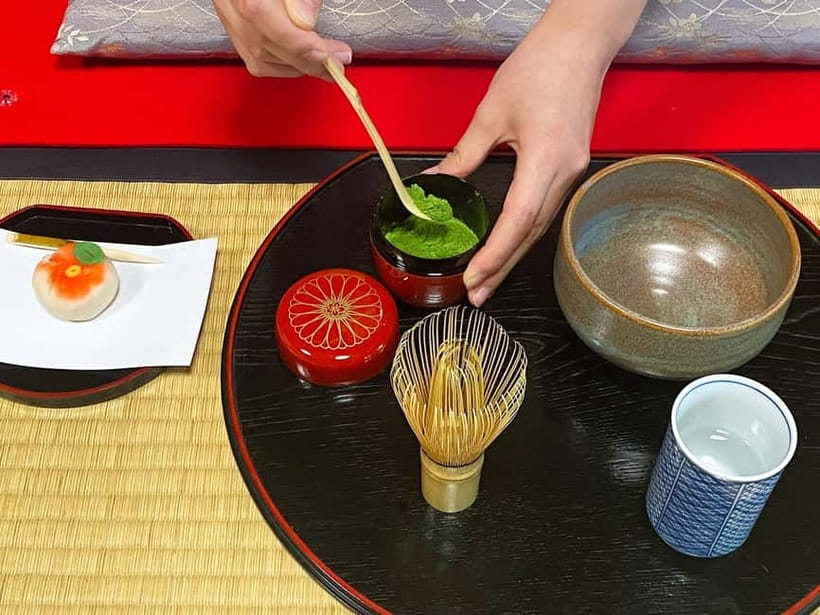
The visit lasts 45 minutes, with starting times based on availability. I would schedule it after arriving in the Kiyomizu area, not before an important timed reservation elsewhere. Sannenzaka can be crowded, and the entrance is easy to miss.
You can cancel up to 24 hours in advance for a full refund, and the reserve-now, pay-later option keeps your plans flexible. Those terms are useful in Kyoto, where weather, temple crowds, and transport can change the shape of your day.
Wear something comfortable and easy to sit in. The activity information does not specify a dress code, but you should be prepared for a quiet, traditional setting. Leave large luggage behind, and remember that the ceremony runs in rain or shine.
The overall rating is 4.9 from 3,519 reviews, with repeated praise for the peaceful garden, friendly English guidance, skilled tea master, and small-group feel. The most consistent strength is the contrast between the busy street and the quiet room. The most sensible caution is that the experience costs more than a simple matcha stop and gives you only a short introduction.
Should you book this Kyoto tea ceremony?
Book it if you want a polished first encounter with Japanese tea ceremony in a beautiful setting near Kiyomizu-Dera. The garden, English explanations, live demonstration, hands-on matcha preparation, sweet, and group photo give you more than a drink at a café.
Skip it if you want a long, highly formal ceremony, a garden tour, or kimono rental included in the price. For most visitors, though, this is a smart 45-minute pause in eastern Kyoto. It is easy to fit into a temple day, gentle enough for older children, and memorable without taking over your schedule.
FAQ
How long does the tea ceremony last?
The activity lasts 45 minutes.
Where does the tea ceremony take place?
It takes place at Sakaguchian, a traditional tea house in Sannenzaka near Kiyomizu-Dera Temple in Kyoto.
How do I find the meeting point?
Walk down Sanneizaka near Kiyomizu-Dera for about 50 meters and enter the large gate on the right. After entering, walk straight for about 10 meters and pass through the white gate on the left to find Sakaguchian.
What should I tell a taxi driver?
Tell the driver to go toward Kodaiji Temple. Get out at the intersection of Sanneizaka and Ishin-no-michi.
How much does the experience cost?
The price is $49 per person.
How much matcha is included?
Two cups of matcha are included. You receive tea prepared during the ceremony and prepare another cup yourself.
Is a Japanese sweet included?
Yes. A traditional Japanese sweet is included with the tea.
Is kimono rental included?
No. Kimono rental is not included.
Can children join the activity?
Children must be at least seven years old to participate.
Is the tea ceremony held in bad weather?
Yes. The activity takes place rain or shine.
Is the instruction available in English?
Yes. The instructor and activity information are in English.
Can I bring luggage?
Large bags and luggage are not allowed, so bring only what you need for the 45-minute visit.
Can I cancel my booking?
You can cancel up to 24 hours in advance for a full refund.
Do I have to pay when I book?
The reserve-now, pay-later option allows you to book your place without paying immediately.
Newest Kyoto experiences on the site
- Treasures of Kyoto: Gion & historical Walking Tour★ 5.0 · 6 reviews
- Whisk Your Own Matcha: A Zen Matcha Experience at Temple★ 3.6 · 7 reviews
- Kyoto tea town for matcha lovers★ 5.0 · 16 reviews
- Uji: Private immersion into Kyoto’s tea and reglious culture★ 5.0 · 17 reviews
- Kyoto Matcha Green Tea Tour★ 4.5 · 23 reviews
- Uji and Wazuka Matcha Farm Half Day Private Guided Tour★ 5.0 · 21 reviews
- Utilising upcycled Matcha! Creating matcha incense (Uji, Kyoto)★ 5.0 · 6 reviews
- Sacred Temple Yoga Experience in Japan★ 5.0 · 3 reviews
Kiyomizu-dera Temple Tours, compared.
Nijo Castle, Kiyomizu & Fushimi Inari Guided Tour
Read our review →
Nijo, Kinkaku-ji, Arashiyama, Kiyomizu & Fushimi Inari
Read our review →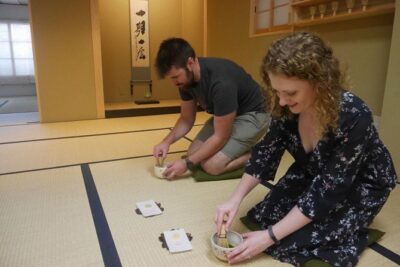
Kyoto Tea Ceremony & Kiyomizu-dera Temple Walking Tour
Read our review →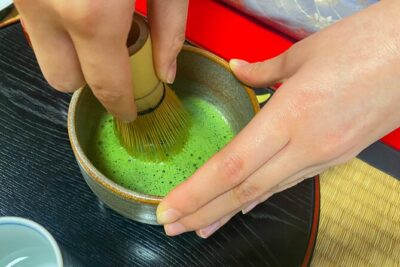
Kyoto Kiyomizu Tea Ceremony with Scenic Garden Views
Read our review →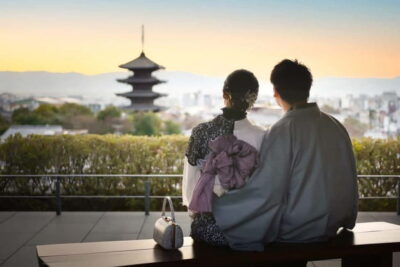
Kimono/Yukata Rental 5 Minute from Kiyomizu-dera
Read our review →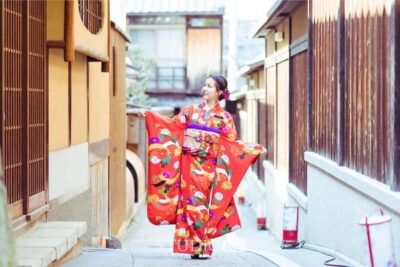
Kyoto Gion Kiyomizudera Kimono Yukata Hairstyle | Photoshoot
Read our review →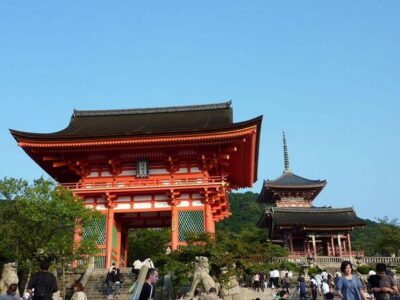
Kiyomizu Temple and Backstreets of Gion, Half Day Group Tour
Read our review →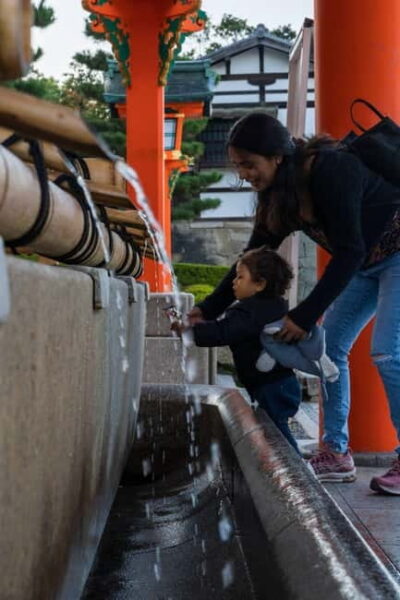
Best of Kyoto: Red Gates of Fushimi Inari & Kiyomizu Temple
Read our review →Browse the lists this tour appears in