
Reviewed · NISHIKI MARKET TOURS
Kyoto: Nishiki Market Tour with a Local Foodie & Tastings
Kyoto’s Nishiki Market is much easier to understand with a local foodie beside you. The narrow arcade is packed with seafood, sweets, pickles, tofu, produce, and unfamiliar snacks. A good guide turns that crowded food lane into a readable tour, explaining what to try, how ingredients are used, and which customs matter.
I like the opening at Nishiki Tenmangu Shrine, which gives the tour a cultural frame instead of sending you straight to the food stalls. I also like the tasting focus. Guides such as Kaito, Akino, Hiro, and Teppei have helped visitors try foods they might otherwise skip, including sesame croquettes, fish pancakes, plum wine, smoky tea, and sake.
The main drawback is the fixed 90-minute schedule. You get a useful introduction, not a slow, full meal through every section of the market. Food restrictions cannot be accommodated, and beverages are not included, so this tour is best for flexible eaters who want a guided first look.
Key points at a glance
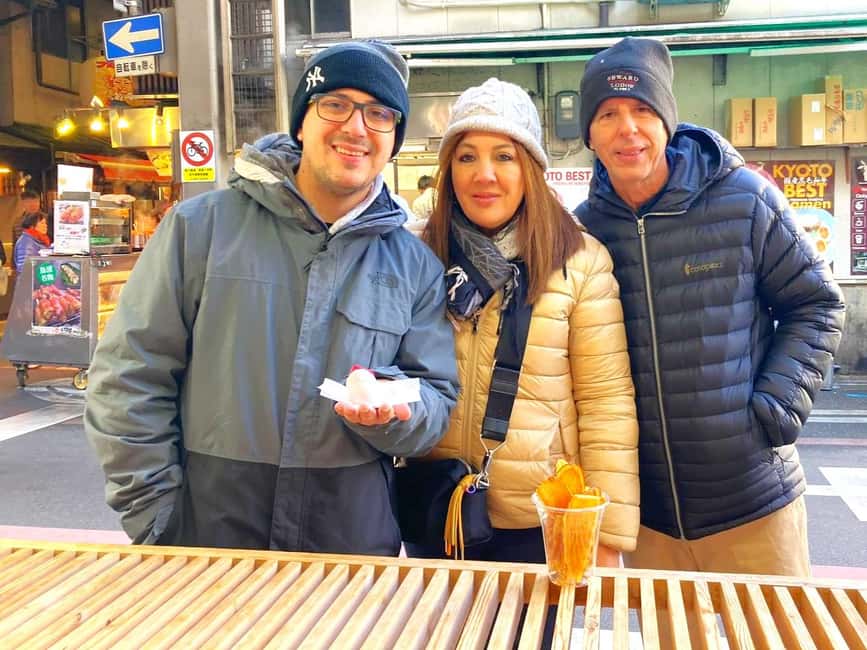
- Start at a learning shrine: Nishiki Tenmangu offers a calm and meaningful opening before the food market.
- Walk two connected shopping areas: Teramachi Street comes before Nishiki Market, adding shops and local goods to the food focus.
- Taste beyond the obvious: Depending on the guide and stalls available, you may sample seafood, sweets, tofu, pickles, croquettes, tea, sake, or other regional foods.
- Get help with unfamiliar choices: Guides explain ingredients, preparation, and local customs in English or Japanese.
- Allow 90 focused minutes: The route ends at Nishiki Market’s west entrance, making it easy to continue exploring afterward.
- Check food needs carefully: The operator cannot accommodate allergies, religious restrictions, or other food limitations.
Why this short Kyoto food tour works
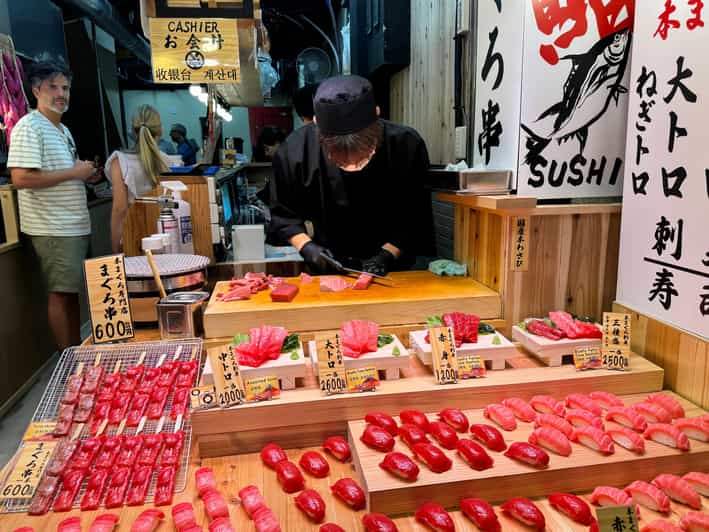
Nishiki Market can look simple on a map: one long covered street lined with shops. In practice, it is a dense run of small counters and storefronts, each offering foods that may be hard to identify at a glance. Some items are meant to be eaten immediately. Others are bought as gifts or ingredients for home cooking.
That is where a local guide earns the fee. You are not simply pointed toward a famous snack. You can ask what something is, how it is eaten, and why it matters in Kyoto food culture. The guide also helps you move through the market without wasting your limited time on random choices.
The tour costs $67 per person. That is not the cheapest way to walk through Nishiki Market, since you can enter the shopping arcade without paying an admission fee. The value depends on how much you want from the visit. If you already know Japanese food well and enjoy choosing stalls on your own, you may prefer to spend the money directly on food. If you are unsure about seafood, fermented foods, regional sweets, or Japanese drinks, the explanations and tastings make the price easier to justify.
You also get more than food. The first 40 minutes cover the shrine and Teramachi Street, so the tour connects eating with the neighborhood’s religious and commercial life. That wider setting gives you a better sense of Kyoto than a quick snack crawl alone.
More Nishiki Market walks and tastings:
- Nishiki Market Brunch Walking Tour (7 Tastings + Brunch)
★ 5.0 · 1,355 reviews - Kimono Tea Ceremony at Kyoto Maikoya, NISHIKI
★ 5.0 · 911 reviews - Kyoto Nishiki Market Food and Culture Walking Tour
★ 5.0 · 412 reviews
Nishiki Tenmangu Shrine sets the tone
Meet your guide in front of the torii gate at Nishiki Tenmangu Shrine. Look for the yellow DeepExperience sign. The shrine is dedicated to learning and scholarship, and the guided visit lasts about 20 minutes.
This is a smart starting point. The shrine offers a quieter pause before the tight market lanes, and it introduces traditions that help explain the area. Your guide can tell you about the deity honored here and the shrine’s place in local life. Reviews of guides including Akino and Kiki describe this opening as an important part of the experience, not just a meeting point.
I appreciate tours that place food in its cultural setting. Kyoto cuisine is not only about flavor. It also reflects season, local ingredients, presentation, preservation, and long-running customs. A shrine visit cannot explain all of that in 20 minutes, but it gives your walk a useful starting point.
The stop may feel less exciting if you booked this strictly for eating. You will spend roughly one fifth of the tour here, before the first market tasting. For most people, that is a fair trade. For children or hungry visitors expecting nonstop food, it is worth knowing in advance.
Teramachi Street adds shops and local life
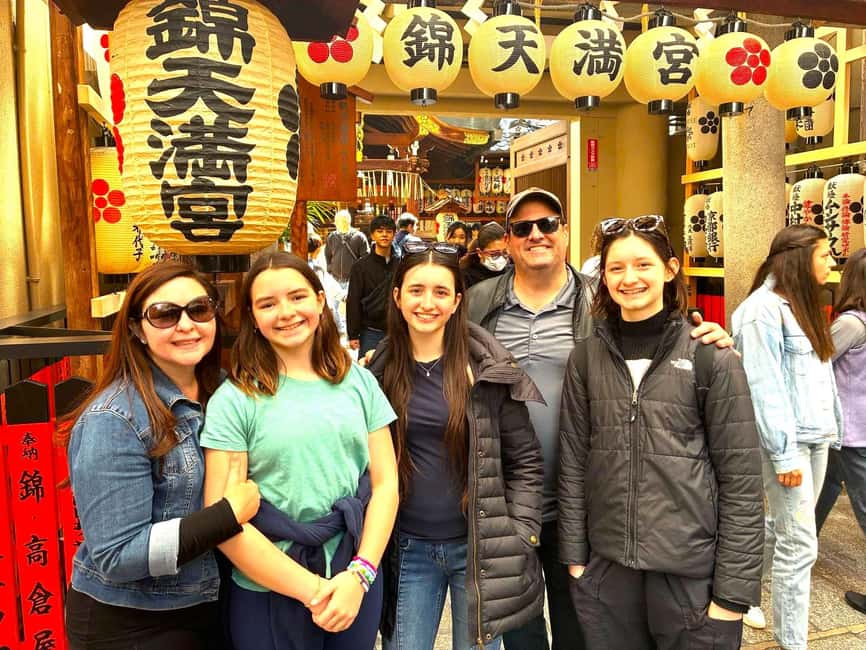
From the shrine, the route continues through Teramachi Street Shopping District for about 20 minutes. This covered shopping arcade sits next to Nishiki Market and gives you a look at local goods, services, and everyday shopping.
Teramachi helps prevent the tour from becoming a narrow line of food samples. You can browse shops and see how the area serves local shoppers as well as people looking for Kyoto souvenirs. Your guide can point out useful purchases and explain the difference between something made for visitors and something people buy for regular use.
This section also gives you time to ask questions before the tasting portion becomes busier. Several guides have been praised for making conversation easy and offering suggestions for the rest of a Japan trip. Kaito, in particular, has helped people with food ideas for Osaka, while other guides have offered advice on sake and kitchen knives.
The limitation is time. Twenty minutes is enough for an introduction and a little browsing, but not enough for a serious shopping session. If you see something you want, note the shop and return after the tour. The route ends at the west entrance of Nishiki Market, so you can continue nearby without needing another transfer.
Nishiki Market is the main event
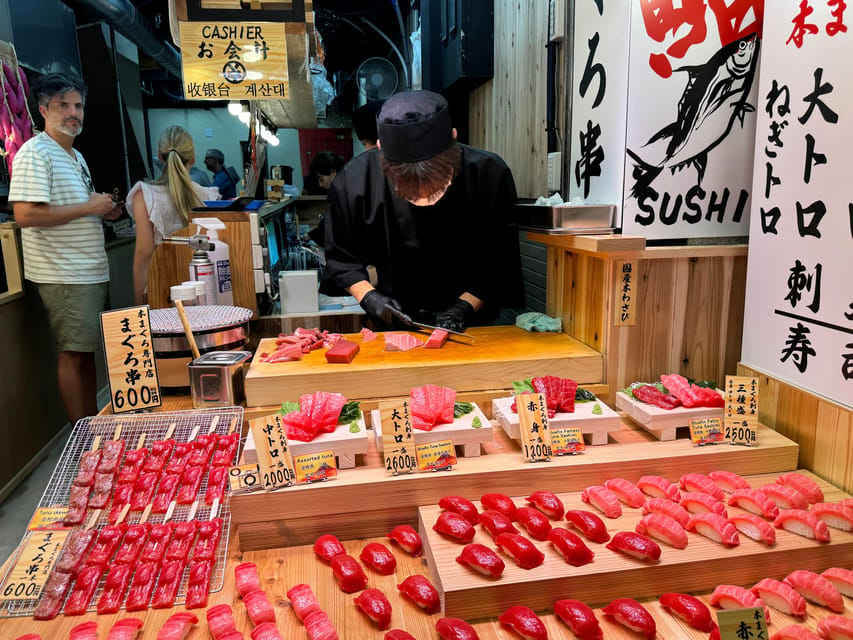
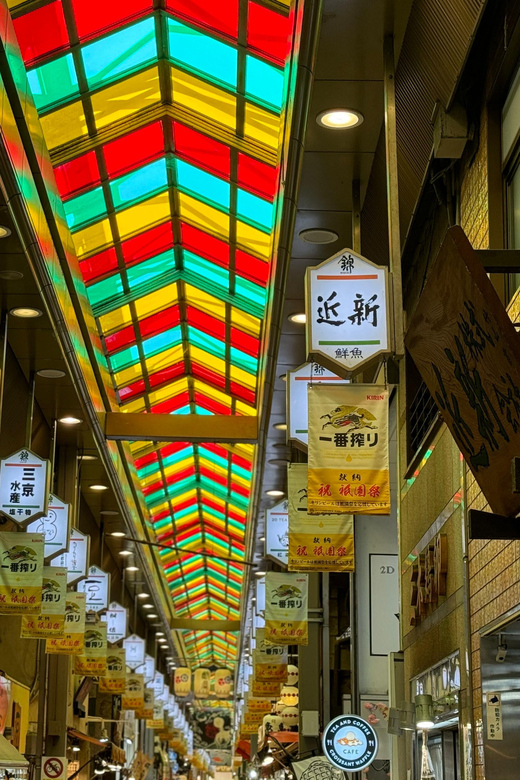
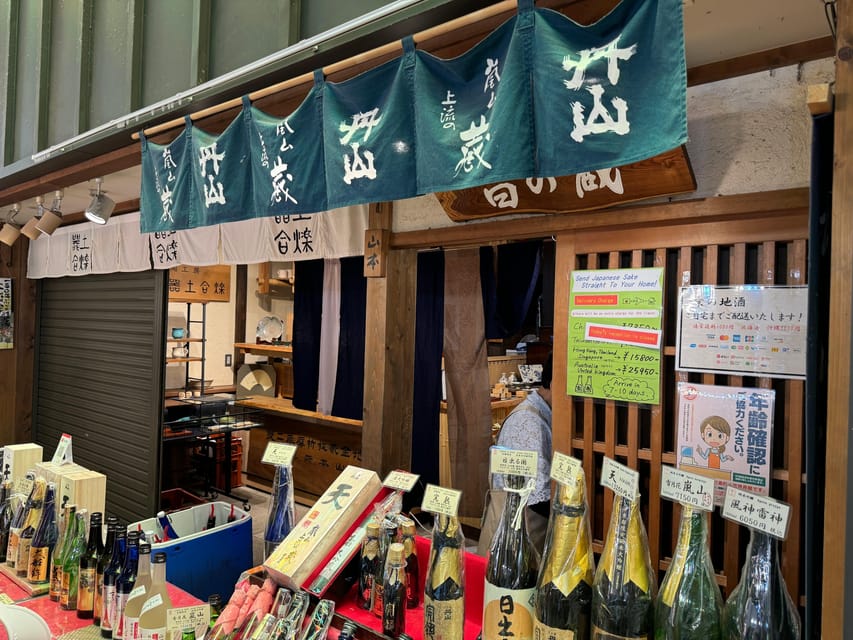
The final 50 minutes take place in Nishiki Market, a food arcade stretching more than 400 meters. This is the heart of the tour, with stalls and shops selling seafood, produce, traditional snacks, sweets, and other regional foods.
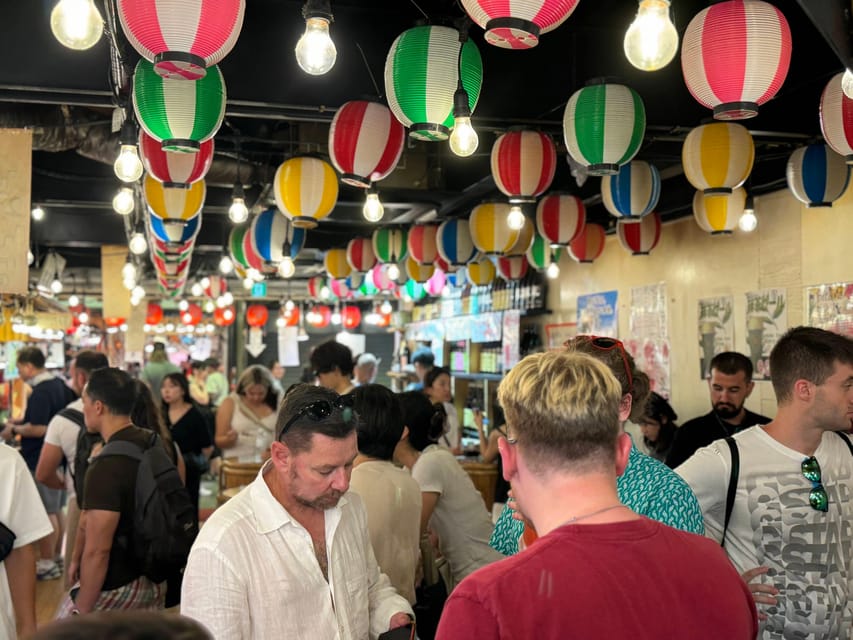
Expect a busy setting with narrow rows and plenty to look at. Keep your group close and listen for the guide’s explanations. The market is designed for browsing, but the number of choices can make an independent first visit confusing. A guide helps you focus on foods with a Kyoto connection rather than simply choosing the most familiar item.
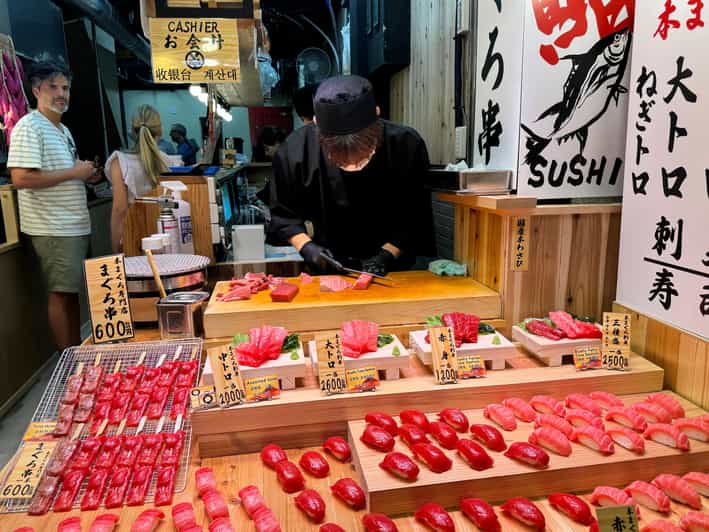
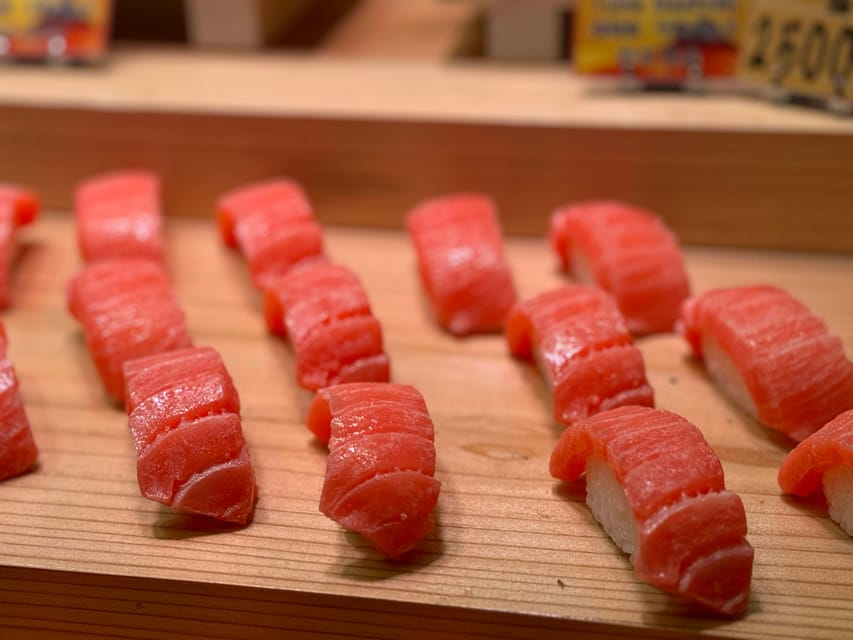
The tasting list is not fixed in the information provided, so you should not book expecting a precise menu. That flexibility can be useful. The guide may adjust the stops to what is available, your interests, or the pace of the market. Past tasting suggestions have included fresh fish, tofu, pickles, sweets, sesame croquettes filled with cheese and curry, fish pancakes with bean paste, smoky tea, plum wine, and sake.
Those examples also show why this is more than a standard snack stop. Some foods may be recognizable, while others are likely to be new to you. Kaito has introduced people to items they would not have ordered alone, and Akino has helped visitors navigate the crowded rows while choosing worthwhile bites.
You should expect small tastings rather than a formal restaurant meal. One person described stopping for lunch at a local restaurant just outside the market, but that should not be treated as a guaranteed part of every departure. The listed experience includes tastings, not lunch, and beverages are excluded.
More food tours in Kyoto:
- Kyoto Night Foodie Tour in Gion (9+ dishes + 6 Sake tastings)
★ 5.0 · 1,762 reviews - Kyoto: Insider Sake Brewery Tour with Sake and Food Pairing
★ 5.0 · 704 reviews - Kyoto: Gion Food Tour 13 Dishes at 4 Eateries
★ 5.0 · 408 reviews - Kyoto Foodie Night Tour
★ 5.0 · 376 reviews
The guides make the difference
The tour is available in English or Japanese, with private or small-group options. The guide you receive will shape the experience, since the route is short and much of the value comes from conversation.
Kaito is repeatedly singled out for his humor, strong English, cultural explanations, and ability to introduce unusual foods. One particularly distinctive account describes smoky tea, plum wine, sake, fish pancakes with bean paste, and sesame croquettes with cheese and curry. Kaito even played the harmonica during one outing, which gives you an idea of his lively style.
Akino has been praised for calmly guiding people through the market and helping with practical purchases, including high-quality knives. Kiki, also called Akino in one account, explained the market’s history, traditions, ingredients, and tasting choices. Other guides, including Hiro, Teppei, Juliette, Amino, and Megumi, have been described as friendly, attentive, and easy to question.
Names and personalities are not guaranteed, so do not book solely because you want one particular guide. Still, the pattern is useful. This experience works best when you ask questions. Tell the guide what you normally eat, what you are curious about, and what you plan to buy later. The more specific you are, the more useful the 50-minute market section can become.
What the tastings are really worth
The included tastings are the strongest practical reason to book. You are paying for a chance to try several foods without buying full portions at every stall, plus help understanding what is in front of you.
That matters in Nishiki Market because unfamiliar foods can be difficult to judge. A description may not tell you if something is sweet, salty, smoky, fermented, creamy, or strongly flavored. A guide can explain the ingredients before you commit, and may also show you how the food fits into Japanese cooking.
Sake advice is another possible benefit. One guide helped a visitor identify high-quality sake, while another tasting included what was described as the best sake of the person’s trip. Sake is not included as a guaranteed drink, and beverages generally cost extra, but the guidance may be useful if you want to shop for a bottle.
You should budget for additional purchases if you see something appealing. The $67 fee includes the guide and tastings, not drinks, souvenirs, knives, or extra food. That is a sensible arrangement for a short tour, but the total cost can rise quickly if you continue eating after the official tasting stops.
The pace, group size, and practical fit
At 90 minutes, this is a compact introduction. The time is divided into roughly 20 minutes at the shrine, 20 minutes in Teramachi, and 50 minutes in Nishiki Market. You get a clear route and a finish point, but not a relaxed afternoon of shopping.
Private or small-group departures are available. A small group should make it easier to hear the guide and ask questions in narrow market lanes. A private format may suit couples or families who want to focus on specific foods, though the supplied information does not state a separate price for that option.
The activity is listed as wheelchair accessible. That is useful, but the market’s narrow shopping lanes and busy pedestrian setting may still affect how easily you move from stall to stall. Ask the guide for help if you need a slower pace or more room.
The meeting point is straightforward: the torii gate at Nishiki Tenmangu Shrine, with a yellow sign. The tour finishes at Nishiki Market’s west entrance. Since the start and finish are in the same central area, you can keep exploring the market afterward without losing time crossing Kyoto.
Free cancellation is available up to 24 hours before the start, and you can reserve now while paying later. Starting times vary, so check availability for your date.
Who should book this Nishiki Market experience
I would recommend this tour to first-time Kyoto visitors who want a friendly introduction to Japanese food without planning every stop themselves. It also suits people who enjoy asking questions, trying unfamiliar ingredients, and learning why a food is sold rather than only tasting it.
It is a good match for English-speaking visitors who want cultural context. Guides such as Kaito have explained Japanese language and customs as well as food, and several guides have been praised for answering questions about other parts of Japan.
Families and mixed-interest groups may also benefit. The shrine and shopping arcade give non-food fans something to enjoy, while the market provides the main tasting focus. A private or small-group format can make the outing more comfortable for your own pace.
I would skip it if you have serious food restrictions, allergies, religious limits, or a strict vegetarian or vegan requirement. The operator says it cannot accommodate food restrictions, so do not assume substitutions will be available.
I would also skip it if you want a full sit-down meal. This is a guided tasting walk, not a restaurant booking. You may leave satisfied, and one outing included lunch nearby, but a restaurant meal is not promised.
Should you book it?
Book this Nishiki Market tour if you want a guided first encounter with Kyoto food and prefer explanations over random sampling. The shrine opening, Teramachi walk, and market tastings give you more context than a stand-alone food purchase, while the 90-minute length fits neatly into a busy Kyoto day.
At $67, it is worth the cost for curious eaters who might otherwise miss the best choices or avoid unfamiliar foods. It is less convincing for confident food explorers who enjoy researching stalls and paying as they go. Check the food restriction policy first, then book it for a small group if conversation and personal recommendations matter to you.
FAQ
Where does the Nishiki Market tour begin?
It begins at Nishiki Tenmangu Shrine. Meet your guide in front of the torii gate and look for a yellow sign with the DeepExperience logo.
Where does the tour finish?
The tour finishes at the west entrance of Nishiki Market.
How long does the experience last?
The tour lasts 90 minutes. The planned timing includes about 20 minutes at Nishiki Tenmangu Shrine, 20 minutes on Teramachi Street, and 50 minutes at Nishiki Market.
What languages are available?
Live guiding is available in English and Japanese.
Are food tastings included?
Yes. Tastings and the guide are included in the price.
Are drinks included?
No. Beverages are not included.
Can the tour accommodate allergies or religious food restrictions?
No. The operator states that it cannot accommodate food restrictions due to allergies, religion, or other dietary needs.
Is the tour wheelchair accessible?
Yes, the activity is listed as wheelchair accessible. Private or small-group options are also available.
Newest Kyoto experiences on the site
- Treasures of Kyoto: Gion & historical Walking Tour★ 5.0 · 6 reviews
- Whisk Your Own Matcha: A Zen Matcha Experience at Temple★ 3.6 · 7 reviews
- Kyoto tea town for matcha lovers★ 5.0 · 16 reviews
- Uji: Private immersion into Kyoto’s tea and reglious culture★ 5.0 · 17 reviews
- Kyoto Matcha Green Tea Tour★ 4.5 · 23 reviews
- Uji and Wazuka Matcha Farm Half Day Private Guided Tour★ 5.0 · 21 reviews
- Utilising upcycled Matcha! Creating matcha incense (Uji, Kyoto)★ 5.0 · 6 reviews
- Sacred Temple Yoga Experience in Japan★ 5.0 · 3 reviews
Nishiki Market Tours, compared.
Nishiki Market Brunch Walking Tour (7 Tastings + Brunch)
Read our review →
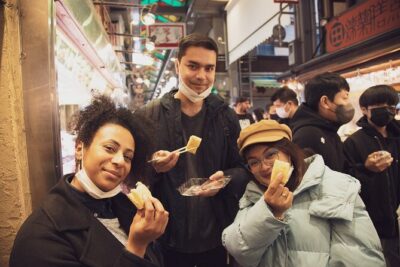
Kyoto Nishiki Market Food and Culture Walking Tour
Read our review →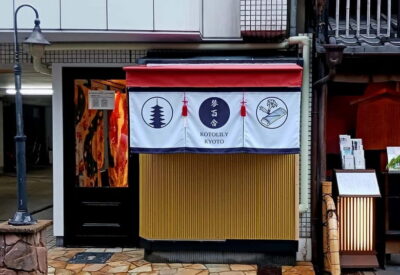
Nishiki Market Tea Ceremony with Koto Performance
Read our review →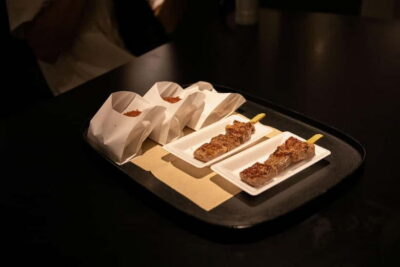
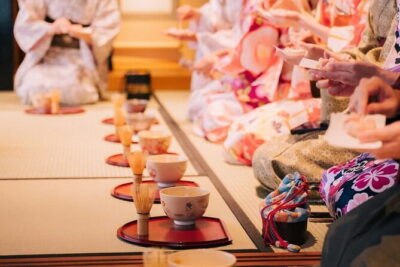
Kimono Tea Ceremony Experience at Kyoto Oritzuruya, Nishiki
Read our review →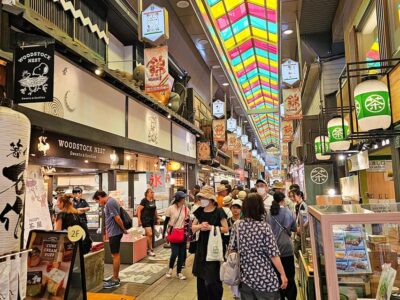
Nishiki Market and Depachika Food Tour with a Local
Read our review →
Browse the lists this tour appears in