
Reviewed · NISHIKI MARKET TOURS
Kyoto: Nishiki Market Food Tour with Local Guide
Kyoto’s Nishiki Market is best understood one bite at a time. This five-block food street has served as the city’s kitchen for centuries, and a local guide helps you see why the stalls matter beyond the food itself. You’ll taste seasonal specialties while learning how Buddhist cooking, careful presentation, and Kyoto’s changing seasons shape the local table.
I like the market’s long story, from early fish shops to more than 100 food stalls and specialty stores. I also like the chance to ask questions as you go, rather than simply picking snacks at random. The drawback is the narrow market lane and steady foot traffic, which can make the walk feel crowded, and last-minute bookings may be canceled.
Key points to know before you book
- Five blocks of Kyoto food culture: Nishiki Market offers a compact look at local ingredients, prepared foods, and traditional food shops.
- Seasonal tasting: The food served depends on what is available, giving the experience a stronger link to Kyoto’s calendar.
- English-speaking local guide: Steven is named in the feedback, and his explanations cover both market history and cooking traditions.
- Buddhist influence: You’ll learn how vegetarian Buddhist cuisine helped shape Kyoto’s food customs.
- $64 per person: The price includes the guide, food tastings, and cultural background, but not transportation or hotel pickup.
- Helpful planning: Wear comfortable shoes, carry water, and tell the operator ahead of time if you need vegetarian choices.
Entering Nishiki Market, Kyoto’s Kitchen
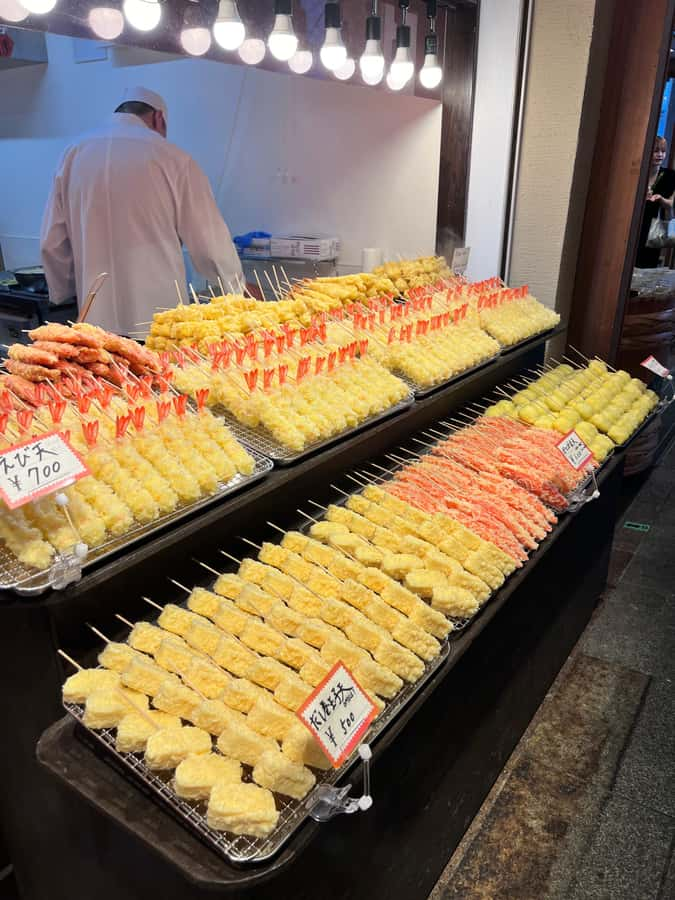
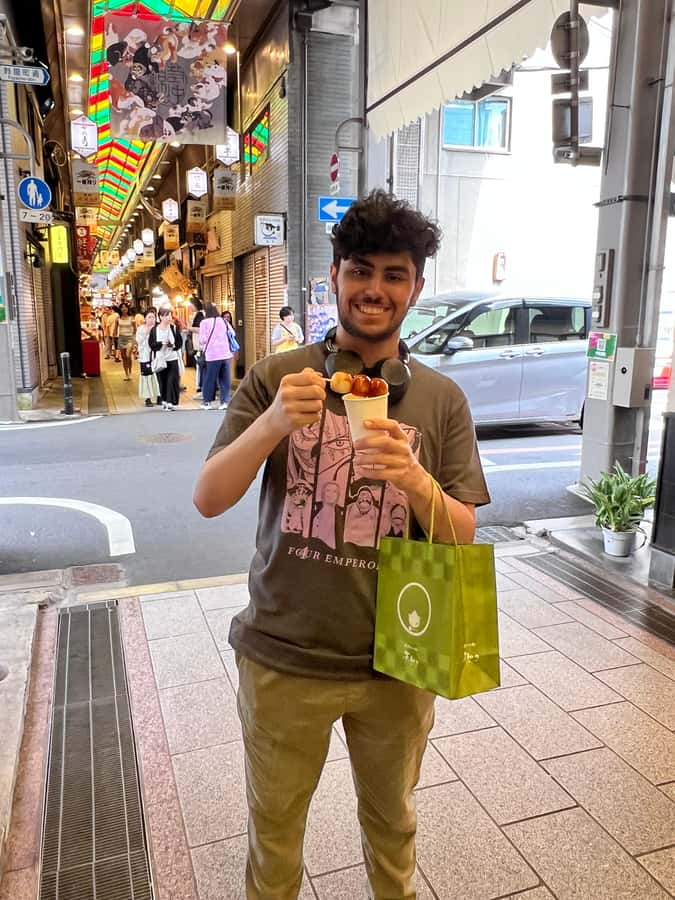
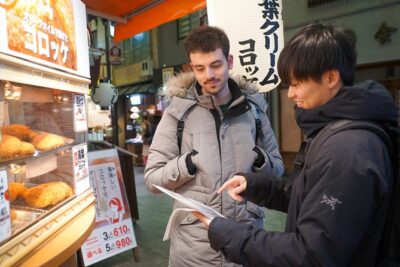
Nishiki Market is not a single restaurant or formal food hall. It is a long, narrow marketplace lined with more than 100 stalls and specialty shops. You move through it on foot, stopping to look at ingredients, prepared foods, and traditional goods.
The market dates to the early 14th century. It began with fish shops and grew into a central part of Kyoto’s food trade. That past still matters because many of the shops focus on one kind of product or one particular skill. A guide can connect those individual stalls to the wider story of Kyoto cooking.
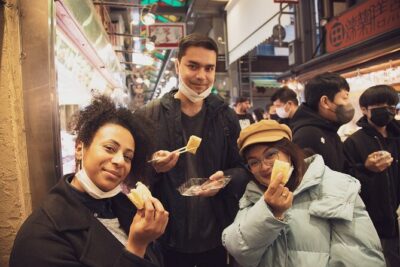
I would approach this tour as a food-and-culture walk, not as a full restaurant meal. The tastings give you several small samples, while the guide explains what you are eating and why it belongs in Kyoto’s food tradition. That makes the $64 price easier to assess. You are paying for food, but also for context that is difficult to get while walking through the market alone.
The setting itself is part of the experience. You’ll hear vendors calling out their offerings, smell food being prepared, and see displays arranged to catch the eye. Since the passage is narrow, you should keep your group moving and stay aware of other shoppers. Comfortable shoes are important because the tour involves a lot of walking.
More Nishiki Market walks and tastings:
- Nishiki Market Brunch Walking Tour (7 Tastings + Brunch)
★ 5.0 · 1,355 reviews - Kimono Tea Ceremony at Kyoto Maikoya, NISHIKI
★ 5.0 · 911 reviews - Kyoto Nishiki Market Food and Culture Walking Tour
★ 5.0 · 412 reviews
What the food stops reveal about Kyoto
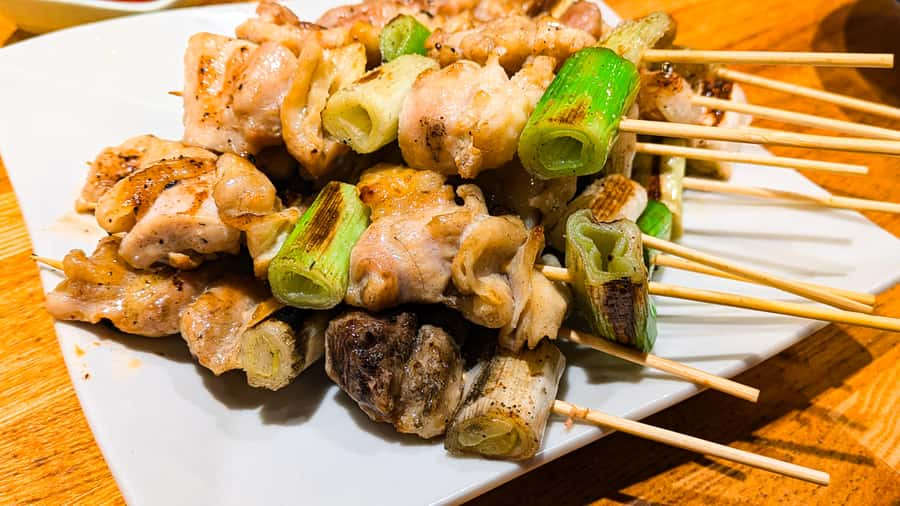
The tour presents a range of seasonal traditional foods rather than one fixed dish. The exact items can change, so you should not book expecting a particular snack or ingredient. That flexibility is useful in a market where food depends on the season and the stalls operating that day.
Your guide helps turn each tasting into a small lesson. You may learn how an ingredient is used, why it appears at a certain time of year, or how the food fits into Kyoto’s broader cooking style. The goal is not simply to collect samples. It is to understand why freshness, timing, and careful preparation matter so much here.
Kyoto cuisine is often linked with restraint and detail. Flavors may be delicate rather than heavy, and presentation can be as important as taste. The tour introduces the idea of Kyoto Kaiseki, a multi-course style of dining built around seasonal ingredients and thoughtful presentation.
That does not mean you will receive a formal kaiseki meal in the market. Instead, the guide uses the concept to explain how Kyoto cooks think about food. Even a small market sample can reflect the same attention to season and balance found in more elaborate dining.
For me, this is the strongest reason to take the tour early in a Kyoto visit. Once you understand the local approach, you may look at later meals with a better sense of what you are seeing. A snack becomes more than a quick bite, and a display of produce becomes part of the city’s food calendar.
Buddhist vegetarian cooking in a busy market
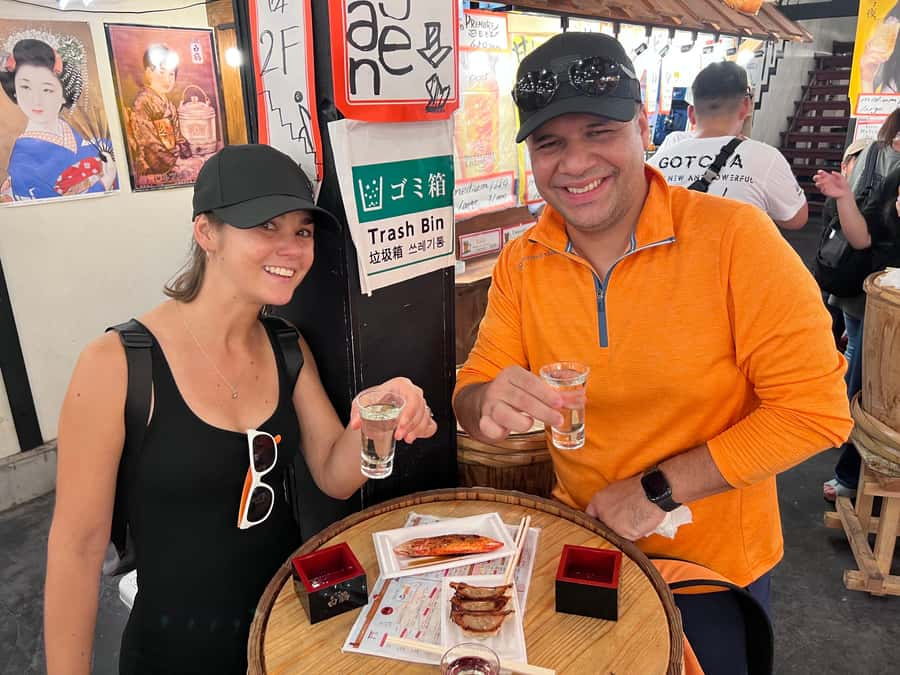
One of the more distinctive parts of the experience is the discussion of Buddhist vegetarian cuisine. Kyoto has long been influenced by Buddhist food traditions, and that influence reaches beyond strictly vegetarian meals.
The tour explains how Buddhist cooking affected the ingredients, methods, and habits found in Kyoto. This gives you a useful counterpoint to the market’s fish shops and prepared foods. Nishiki is not presented as a place with only one food tradition. It reflects several strands of Kyoto cooking, including meat-free and plant-based practices.
If you eat vegetarian food, tell the operator in advance. Vegetarian options are available, but the request needs to be made ahead of time. The supplied information does not promise that every tasting will be vegetarian, so advance notice is the sensible way to avoid confusion.
Even if you do eat everything, this part of the tour adds welcome depth. It shows that Kyoto food is shaped not only by luxury dining and seasonal produce, but also by religious customs and everyday choices. That wider view makes the market more interesting than a simple snack stop.
Learning with Steven or another English-speaking guide
The tour is conducted in English, and the guide is central to its value. The guide explains the market’s background, the food on offer, and the way Kyoto cuisine is prepared. You can expect the experience to work best when you ask questions and stay involved as you walk.
Steven is the guide named in the available feedback. His strengths include clear explanations of the market’s history and Kyoto cooking. He is also described as kind and helpful, including an occasion when a partner fell and needed assistance. That suggests a considerate approach, though your guide may vary depending on the date and booking.
This personal help matters in Nishiki Market. A self-guided walk can show you the stalls, but it may leave you guessing about what to buy, how to eat it, or why it is important. A guide can also help you focus on selected tastings instead of spending your time trying to choose from every shop.
Do not expect a lecture delivered from one spot. The value comes from linking the walk, the stalls, and the food as you go. You’ll likely hear short explanations at different points, with the market itself supplying the sights, smells, and sounds around you.
The group size is not provided, so I would not book this expecting a private tour. If you prefer a quiet, slow meal, the market setting may feel hectic. If you enjoy asking questions while looking at real food shops, the format should suit you well.
More food tours in Kyoto:
- Kyoto Night Foodie Tour in Gion (9+ dishes + 6 Sake tastings)
★ 5.0 · 1,762 reviews - Kyoto: Insider Sake Brewery Tour with Sake and Food Pairing
★ 5.0 · 704 reviews - Kyoto: Gion Food Tour 13 Dishes at 4 Eateries
★ 5.0 · 408 reviews - Kyoto Foodie Night Tour
★ 5.0 · 376 reviews
How the walking route feels in practice
The available details do not give a set duration or a precise list of stops. What is clear is that you’ll walk through the five-block marketplace, pause for food tastings, and hear about the area’s history and culinary customs.
At the beginning, the guide helps you understand the market as a whole. That opening context is useful because Nishiki can otherwise feel like a long corridor of unrelated stalls. Once you know that the market grew from fish shops into a broad food center, the variety makes more sense.
The middle of the walk focuses on tasting. You’ll sample traditional seasonal foods and learn about the ingredients and preparation behind them. Because the selections are seasonal, the experience can change across the year. That is a benefit if you value local timing, but it means you should keep your expectations open.
The route also brings in Kyoto’s cooking philosophy. The guide discusses seasonality, kaiseki, and Buddhist vegetarian food, giving the tastings a clear cultural frame. You are not just moving from one sample to the next.
At the end, you should have a better sense of which foods or shops you want to revisit on your own. You may also leave with ideas for later meals in Kyoto. Bring a water bottle, since walking and tasting in a covered market can be tiring, especially if the day is warm.
Photography is encouraged, but ask before photographing vendors or their displays. The market is a working commercial space, not only a sightseeing backdrop. A little courtesy makes it easier to enjoy the visual side of the walk without getting in the way.
What the $64 price includes
At $64 per person, the tour sits in the mid-range for a guided food experience. The price includes the local guide, food tastings, and cultural and historical information. It does not include hotel pickup or drop-off.
The value depends on how much you want from a market visit. If you only want to browse and buy one or two snacks, you can spend less by exploring alone. If you want several tastings plus clear explanations of Kyoto food traditions, the guided format makes the cost more reasonable.
The cultural material is particularly useful for first-time visitors. Nishiki Market is easy to reach on foot once you are in the central Kyoto area, but ease of access does not mean ease of understanding. A guide helps you sort through unfamiliar foods and explains details you might otherwise miss.
I would not judge the price only by the quantity of food. This is not advertised as a large meal, and the information does not state how many tastings you receive. Think of it as a guided introduction to Kyoto’s food culture, with samples included.
The reserve-now, pay-later option can help if your schedule is still shifting. You can book without paying immediately, and cancellation is allowed up to 24 hours in advance for a full refund. Keep in mind that a last-minute booking might have to be canceled, so booking ahead is wiser if this walk is important to your plans.
Who will enjoy this Nishiki Market walk
This tour fits first-time Kyoto visitors who want an easy introduction to local food without having to research every stall. It also suits people who enjoy history, cooking methods, and the reasons behind what they eat.
Food-focused visitors will appreciate the seasonal angle. The changing selection means the walk is tied to what Kyoto is offering at that time, rather than forcing the same menu all year. You’ll get a more local sense of the calendar.
It is also a good choice for anyone unsure about ordering unfamiliar foods. Your guide can explain the tastings and provide context before you try them. That removes some of the guesswork that can make a first market visit awkward.
Vegetarians should contact the operator in advance. The tour can provide vegetarian choices, but this is not something to leave until the meeting point.
The tour may be less suitable if you dislike crowded shopping streets, narrow walking routes, or small food samples. It is not the right pick for someone seeking a formal sit-down meal, hotel transportation, or a guaranteed list of dishes. The missing duration and group-size details are also worth noting if you plan your day very tightly.
Simple tips for a better visit
Wear comfortable shoes. The market stretches across five blocks, and the experience involves walking and standing rather than sitting through a meal.
Bring water, especially if you are visiting during warmer weather. The market offers food, but you should not assume that the tour itself covers every drink or refreshment you may want.
Tell the operator about vegetarian needs before the tour. Advance notice gives the guide a better chance to arrange suitable tastings.
Keep your camera ready, but ask before taking photos of vendors. Food displays are attractive, yet the stalls are active businesses.
Leave room in your schedule for browsing after the tour. The guide may introduce you to foods you want to inspect again, and a quick walk through Nishiki can easily turn into a longer stop.
Should you book the Nishiki Market food tour?
Book it if you want more than a quick market stroll. The combination of seasonal tastings, Kyoto cooking traditions, Buddhist food culture, and an English-speaking local guide gives Nishiki Market a clear story.
I would especially recommend it for first-time visitors, curious eaters, and anyone who feels unsure about choosing food in an unfamiliar market. The strongest feature is the human guidance, with Steven known for clear explanations and a kind, helpful manner.
Skip it if you want a large meal, a private experience, or a fixed menu with a published duration. The market can feel crowded, and the route details are limited.
For most food-minded visitors, $64 is fair when you count the tastings and the insight that comes with them. Book ahead rather than at the last minute, wear good shoes, and arrive ready to sample whatever the season offers.
FAQ
Where does the tour take place?
The tour takes place at Nishiki Market in Kyoto, on Honshu, Japan. The market is a five-block marketplace with more than 100 stalls and specialty stores.
What is included in the price?
The $64 price per person includes a local guide, food tastings, and cultural and historical information.
Is hotel pickup included?
No. Hotel pickup and drop-off are not included.
Is the tour offered in English?
Yes. English is the listed tour language.
Are vegetarian food options available?
Yes, vegetarian options are available. You should notify the operator in advance if you need them.
Can I cancel for a refund?
Yes. You can cancel up to 24 hours in advance for a full refund.
Can I reserve now and pay later?
Yes. You can reserve your place and pay later, so you do not need to pay anything at the time of booking.
Newest Kyoto experiences on the site
- Treasures of Kyoto: Gion & historical Walking Tour★ 5.0 · 6 reviews
- Whisk Your Own Matcha: A Zen Matcha Experience at Temple★ 3.6 · 7 reviews
- Kyoto tea town for matcha lovers★ 5.0 · 16 reviews
- Uji: Private immersion into Kyoto’s tea and reglious culture★ 5.0 · 17 reviews
- Kyoto Matcha Green Tea Tour★ 4.5 · 23 reviews
- Uji and Wazuka Matcha Farm Half Day Private Guided Tour★ 5.0 · 21 reviews
- Utilising upcycled Matcha! Creating matcha incense (Uji, Kyoto)★ 5.0 · 6 reviews
- Sacred Temple Yoga Experience in Japan★ 5.0 · 3 reviews
Nishiki Market Tours, compared.
Nishiki Market Brunch Walking Tour (7 Tastings + Brunch)
Read our review →
Kyoto Nishiki Market Food and Culture Walking Tour
Read our review →
Nishiki Market Tea Ceremony with Koto Performance
Read our review →
Kimono Tea Ceremony Experience at Kyoto Oritzuruya, Nishiki
Read our review →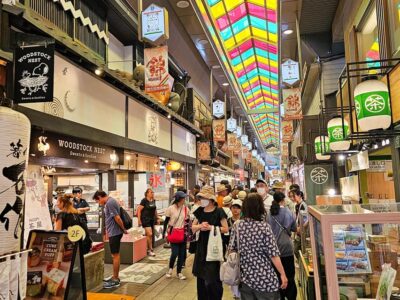
Nishiki Market and Depachika Food Tour with a Local
Read our review →
Nishiki Market Tour with a Local Foodie & Tastings
Read our review →Browse the lists this tour appears in