
Reviewed · NISHIKI MARKET TOURS
Kyoto: Local Food Tasting Tour at the Nishiki Market
Kyoto’s Nishiki Market is easiest to enjoy when someone else handles the choices. In three hours, you can taste tofu skin, home-style obanzai, hamo tempura, wagyu steak on a skewer, and several smaller bites while learning why they matter in Kyoto cooking. The market is 400 years old and packed with about 130 food stalls, so a guide saves you from wandering hungry past the best stops.
I like two things here. First, the small group is limited to six, which gives you room to ask questions and keeps the food stops manageable. Second, the tour does not stop at eating. You also visit Nishiki-Tenmangu Shrine, Shinkyogoku Shopping Arcade, and Teramachi Street, with guides such as Ayu, Toshi, and Takuma often adding useful advice for the rest of your Kyoto stay.
The main catch is food flexibility. The tour cannot handle vegetarian, halal, kosher, gluten-free, or allergy-related requests, and this is a walking-and-tasting outing rather than a full meal. Bring comfortable shoes, leave large bags behind, and expect crowds in the market.
Key points at a glance
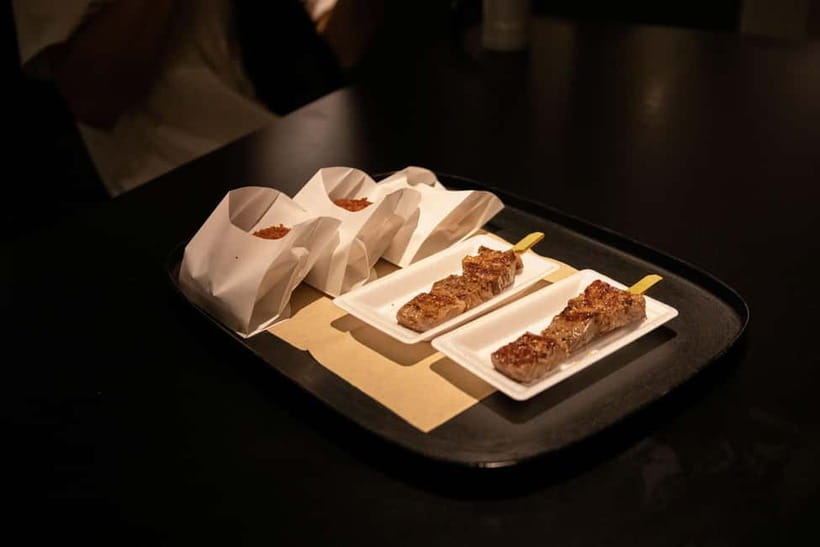
- Five selected Kyoto specialties: Try yuba, obanzai, hamo tempura, wagyu steak skewers, and other local bites.
- A 400-year-old food street: Nishiki Market brings around 130 stalls into a narrow, busy passage known as Kyoto’s Kitchen.
- Small groups of six or fewer: You get a better chance to hear the guide and ask about unfamiliar foods.
- Food plus city history: The route adds Nishiki-Tenmangu Shrine, Shinkyogoku, Teramachi, and another lesser-known stop.
- Optional tea ceremony: Choose the package with a 90-minute ceremony, kimono dressing, tea instruction, and photos.
- Best for curious eaters: This works especially well for first-time Kyoto visitors who want help ordering and tasting.
Why Nishiki Market works better with a guide
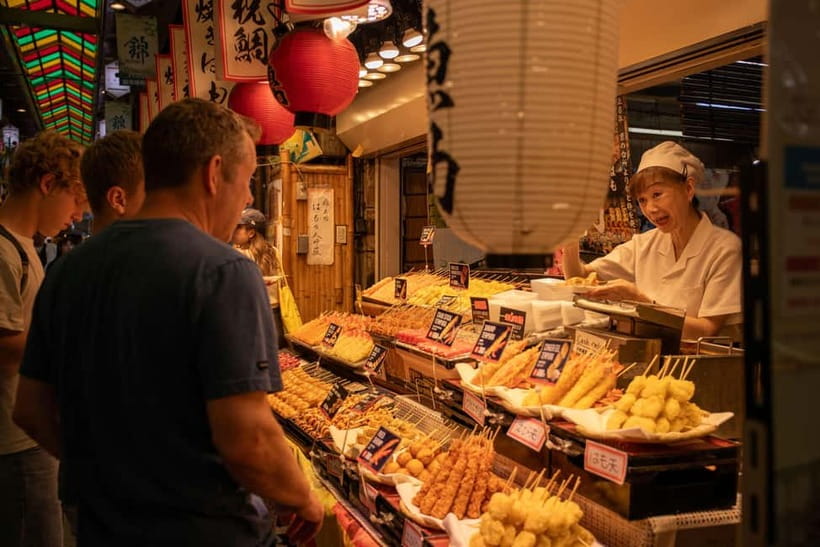
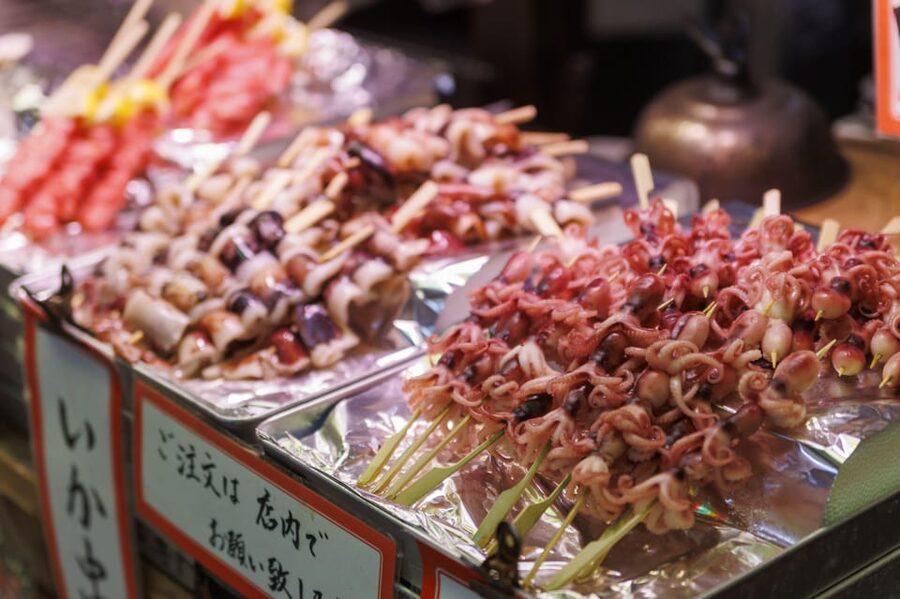
Nishiki Market is not a tidy row of identical food stands. It is a long, narrow shopping street where seafood, pickles, sweets, kitchen goods, prepared foods, and small restaurants compete for your attention. Signs may not tell you much in English, and some items are not obvious to a first-time visitor.
That is where the guide earns the fee. Instead of spending your first half hour guessing what to buy, you move from shop to shop with a local who explains what you are seeing and selects five main specialties. The food is served in tasting portions, so you can sample a broad range without committing to one large dish.
I particularly like the mix of familiar and less familiar items. Wagyu steak is easy to understand, but yuba, the delicate skin formed on the surface of heated soy milk, is a quieter Kyoto specialty. Obanzai introduces you to everyday home cooking rather than only festival food or expensive restaurant dishes. Hamo tempura adds a local seasonal flavor and gives you a chance to try an ingredient you might otherwise pass by.
The smaller tastings also suit a busy market. You can eat, listen, and keep moving. This is not a formal dining experience with a long pause between courses. It feels more like an introduction to the city through several small plates.
More Nishiki Market walks and tastings:
- Nishiki Market Brunch Walking Tour (7 Tastings + Brunch)
★ 5.0 · 1,355 reviews - Kimono Tea Ceremony at Kyoto Maikoya, NISHIKI
★ 5.0 · 911 reviews - Kyoto Nishiki Market Food and Culture Walking Tour
★ 5.0 · 412 reviews
Entering Kyoto’s Kitchen
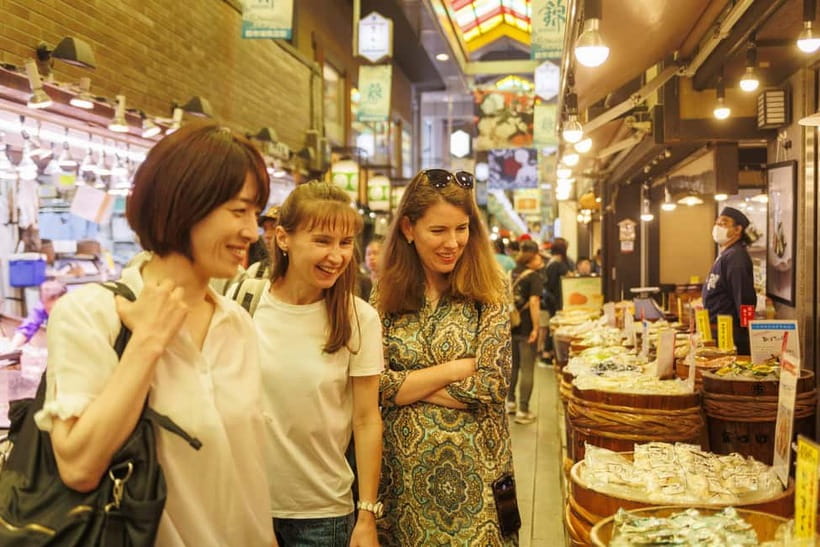
The market portion lasts about an hour and a half within the wider walking route. Your guide leads you through selected stalls, explains the food, and handles the practical side of finding appropriate portions. Depending on the day and the guide, the exact shops and order of tastings may vary.
The included foods feature:
- Yuba, a refined soy product with a soft, delicate texture
- Obanzai, Kyoto-style home cooking made in the spirit of everyday meals
- Hamo tempura, a local eel-like fish prepared in a crisp coating
- Wagyu steak skewers
- Smaller tastes such as Kyoto seasonings, crackers, and Japanese-flavored honey
Do not approach this as a guaranteed lunch replacement. The amount of food can feel generous, and past outings have sometimes lasted about three and a half hours, but the formal description presents it as a roughly three-hour activity. Eat a light breakfast if you book an early start, but do not arrive overly hungry if you are sensitive to unfamiliar foods or rich snacks.
The best part is the explanation. A guide can tell you how a product fits into Japanese food culture, not just name it. Past guides including Ayu, Miho, Saki, Nagisa, and Takuma have been praised for answering questions, adjusting the pace, and helping people try foods they would not have ordered alone. That human link is the real reason to book instead of simply walking the market independently.
Nishiki-Tenmangu Shrine adds a quiet pause
After the food tasting, the route visits Nishiki-Tenmangu Shrine for about ten minutes. This is a short stop, not a full temple tour, but it changes the rhythm of the outing.
The market can be crowded and noisy. A shrine visit gives you a chance to slow down while your guide explains the site and basic customs. Several guides have also used the shrine stops to answer broader questions about Japanese culture, local traditions, and the way Kyoto developed around its commercial streets.
Ten minutes is enough for an introduction, not enough for a detailed religious or architectural study. If shrine history is your main interest, you will want to return independently with more time. As part of a food tour, though, this stop gives the walk some balance and prevents the afternoon from becoming one long sequence of snacks.
Shinkyogoku and Teramachi show Kyoto’s shopping side
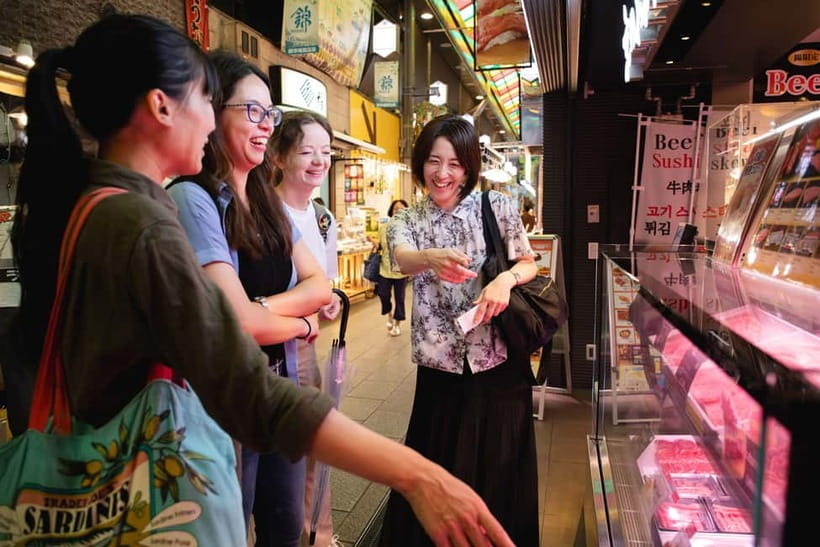
The tour then moves through Shinkyogoku Shopping Arcade for about 45 minutes. This is a useful contrast to Nishiki. You are still in the central shopping area, but the focus broadens beyond food to shops, souvenirs, and everyday city life.
You may have time to browse or buy something, but keep your hands free during the earlier tastings. Large bags and luggage are not allowed on the tour, and carrying a new purchase through a crowded market is awkward. If you find something worth buying, ask the guide about the best time to return.
Teramachi Street Shopping District follows for around 30 minutes. The route gives you a chance to see how Kyoto’s market culture connects with covered shopping streets and local retail. The guide can point out things you might otherwise overlook and explain the difference between a food stall, a specialty shop, and a shopping arcade.
There is also a ten-minute stop described as a lesser-known site. The exact character of this stop is not specified, so do not book expecting a named landmark or a major attraction. Think of it as a short local detail folded into the walk.
More food tours in Kyoto:
- Kyoto Night Foodie Tour in Gion (9+ dishes + 6 Sake tastings)
★ 5.0 · 1,762 reviews - Kyoto: Insider Sake Brewery Tour with Sake and Food Pairing
★ 5.0 · 704 reviews - Kyoto: Gion Food Tour 13 Dishes at 4 Eateries
★ 5.0 · 408 reviews - Kyoto Foodie Night Tour
★ 5.0 · 376 reviews
What the small group changes
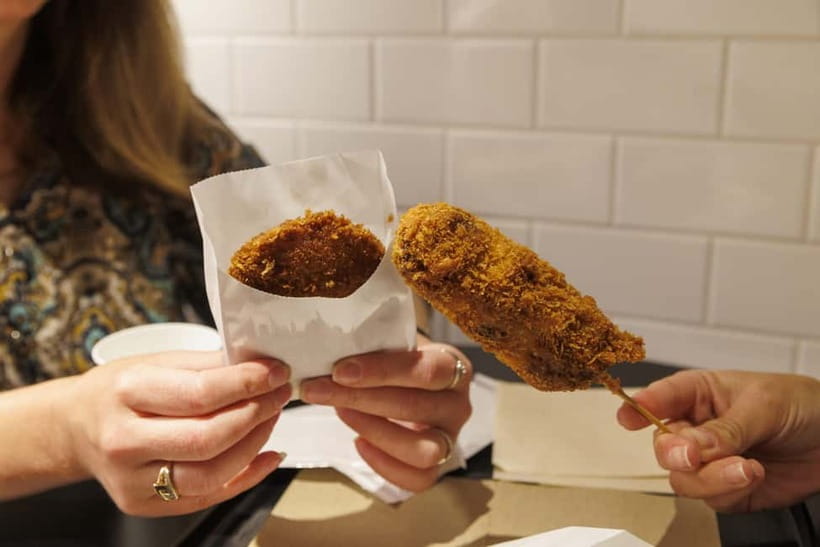
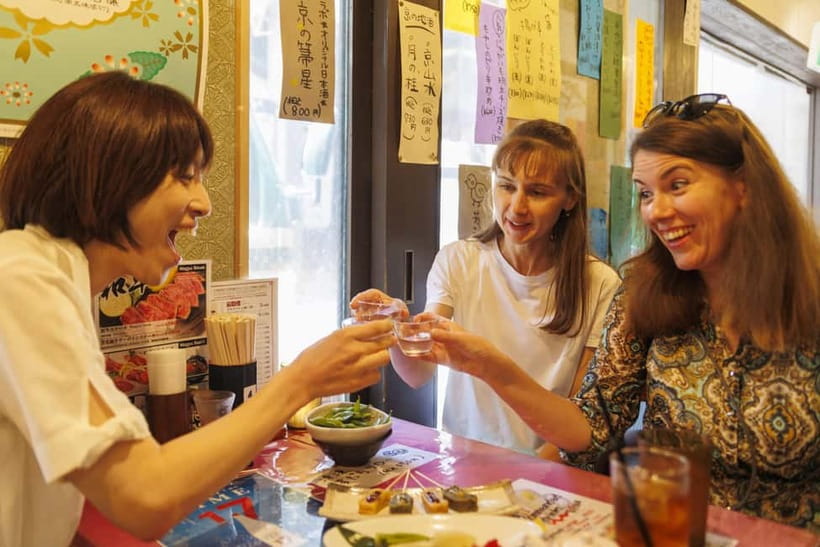
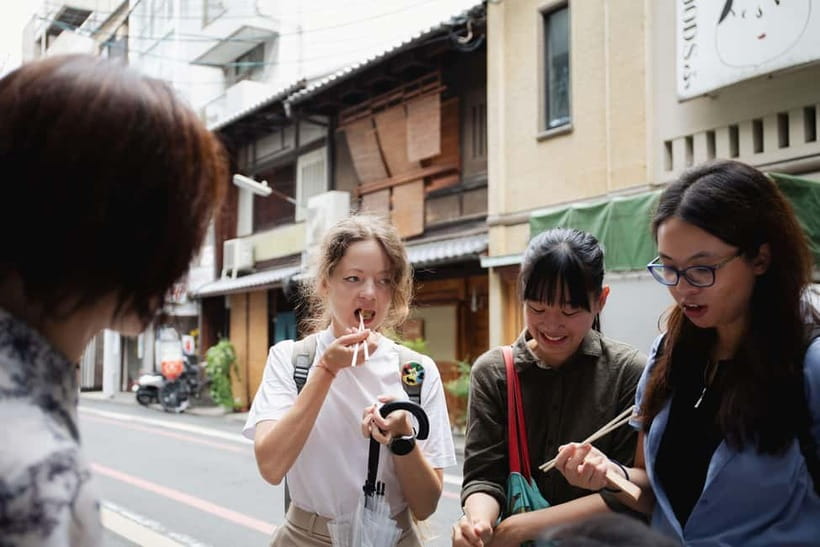
The group limit is six participants. That number matters in Nishiki, where narrow lanes and crowds can make a large tour frustrating. A guide can keep everyone close without shouting constantly, and you can ask why a dish is prepared in a certain way.
The group size also affects the mood. This is a social activity, but it is not a giant procession. Some outings have been private or nearly private, while others have included families with children and small groups of friends. One family with three adults and three children found the guide patient when the children wanted to pause and taste extra items.
Your guide may also help with the rest of your itinerary. Guides such as Hide, Annie, and Miho have been praised for offering suggestions after the official route, while other guides have helped visitors find a taxi or plan nearby sightseeing. That support is not a separate service, but it is a useful side benefit of having a local person beside you.
The English level should be suitable for ordinary questions about food, customs, and Kyoto. The guides are described as English-speaking, and several names repeatedly appear in strong feedback, including Ayu, Toshi, Takuma, Saki, and Annie. You cannot choose a particular guide when booking, so treat those names as examples of the team rather than a promise.
Price and what you receive for $78
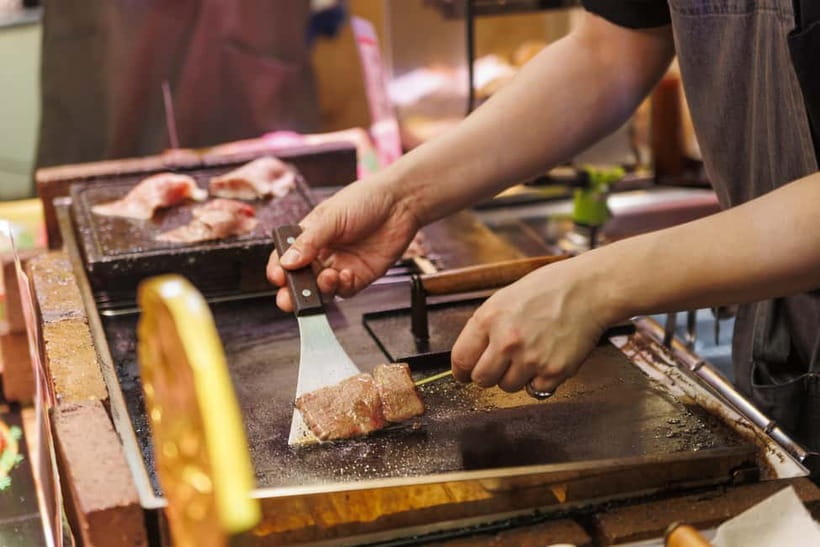
At $78 per person, this is not the cheapest way to buy food at Nishiki Market. You could certainly purchase snacks on your own for less. The value comes from the structure: five selected foods, a local guide, cultural context, and a route through several nearby districts.
I would consider it good value if you are new to Kyoto, unsure about Japanese food, or short on time. You are paying to reduce guesswork and to taste several specialties in a sensible order. The guide also helps you avoid buying a full portion of something you may not enjoy.
The value is weaker if you already know Nishiki Market well, speak Japanese comfortably, or prefer to eat slowly at your own pace. One participant felt the route could be done independently. That is fair. The market is open to independent exploration, and the tour does not provide a private dining room or a long seated meal.
For many first-time visitors, the added interpretation makes the difference. You can return later with more confidence, knowing what yuba is, how to spot obanzai, and which types of stalls interest you. In that sense, the tour can function as a useful orientation for a second visit on your own.
The optional tea ceremony
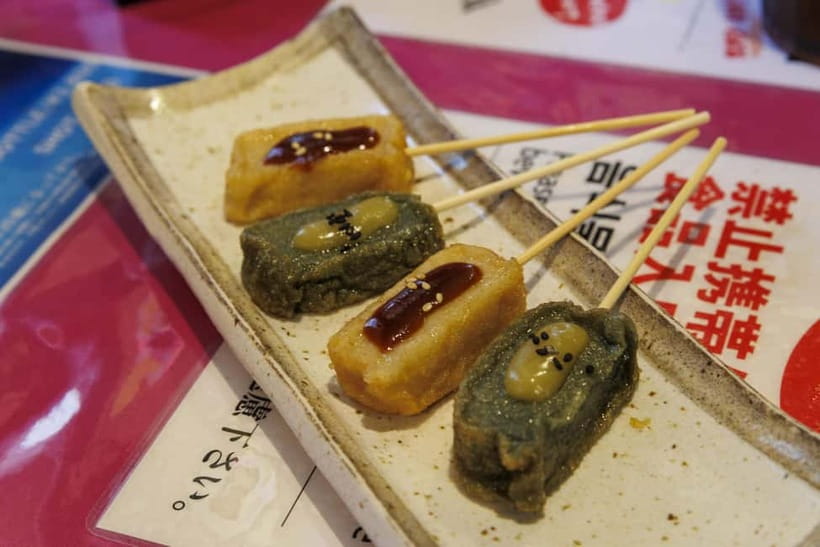
You can add a traditional tea ceremony after the market tour. The ceremony begins at 2:00 PM, and you must make your own way to the venue near Nishiki Market. It is a separate 90-minute experience, so leave enough time between the walking tour and the ceremony.
The tea option includes professional kimono dressing, instruction from a tea master, an explanation of the meaning behind the movements, and time for commemorative photographs. This is a more formal cultural experience than the market walk.
The timing deserves attention. If the food tour runs close to its listed maximum of 270 minutes, the 2:00 PM start could require careful planning. Check the available starting time before booking the combined option. The tea ceremony is best for you if you want a structured introduction to Japanese customs and enjoy dressing up for photographs. If you mainly want food, the standard market tour is enough.
Who should book this walk
I would recommend it to first-time Kyoto visitors who want an easy introduction to local food without facing every menu decision alone. It also suits families with older children, couples, solo visitors, and anyone who likes to ask questions while walking.
It is a good early-trip choice. You can learn what foods appeal to you, then use that knowledge at Nishiki, department store food halls, and restaurants later in your stay. The route also gives you useful central Kyoto orientation without requiring a separate sightseeing day.
I would not choose it for anyone who needs strict control over ingredients. The inability to accommodate vegetarian, halal, kosher, gluten-free, and allergy-related needs is a serious limitation, not a minor footnote. You should also reconsider it if you use a wheelchair or have significant mobility limitations, since it is a group walking tour through crowded shopping areas.
Wear comfortable shoes and bring rain gear. Leave luggage and large bags at your accommodation. The meeting point and drop-off point vary by the selected option, with possible locations around Shijo Street, Nishiki Orizuruya, or Kyoto Takashimaya.
Final verdict: book it for context, not just calories
Book this tour if you want Nishiki Market to make sense. The food is the hook, but the guide’s explanations, shrine visit, shopping streets, and small group are what turn a crowded market visit into a useful Kyoto introduction.
Skip it if you prefer complete independence, need special dietary arrangements, or want a full sit-down meal. At $78, the tour is worthwhile for the structure and local guidance, especially at the start of your Kyoto stay. Choose the tea ceremony option only if you can comfortably reach the 2:00 PM venue and want a second cultural activity after eating.
FAQ
How long does the Nishiki Market food tour last?
The activity is listed as three hours, with the duration also shown as up to 270 minutes. Some past outings have lasted around three and a half hours, so allow flexibility.
How many people are in the group?
The group is limited to six participants.
What language is the tour conducted in?
The live tour guide speaks English.
Which foods are included?
The included tastings feature yuba, obanzai, hamo tempura, wagyu steak skewers, and other small tastes such as Kyoto seasonings, crackers, and Japanese-flavored honey.
Is this a full lunch or dinner?
No. It is a walking food-tasting experience with several selected portions, not a single sit-down meal.
Can the tour accommodate dietary restrictions?
No. The activity cannot accommodate vegetarian, halal, kosher, gluten-free, or allergy-related requests.
Is the tour suitable for wheelchair users?
No. The activity is not suitable for wheelchair users or people with mobility impairments.
What should I bring?
Wear comfortable shoes and bring rain gear. Large bags and luggage are not allowed.
Can I add a tea ceremony?
Yes. You must select the option that includes the tea ceremony. The 90-minute session begins at 2:00 PM near Nishiki Market, and you must travel to the venue yourself.
What is the cancellation policy?
You can cancel up to 24 hours in advance for a full refund. A reserve-now, pay-later option is also available.
Newest Kyoto experiences on the site
- Treasures of Kyoto: Gion & historical Walking Tour★ 5.0 · 6 reviews
- Whisk Your Own Matcha: A Zen Matcha Experience at Temple★ 3.6 · 7 reviews
- Kyoto tea town for matcha lovers★ 5.0 · 16 reviews
- Uji: Private immersion into Kyoto’s tea and reglious culture★ 5.0 · 17 reviews
- Kyoto Matcha Green Tea Tour★ 4.5 · 23 reviews
- Uji and Wazuka Matcha Farm Half Day Private Guided Tour★ 5.0 · 21 reviews
- Utilising upcycled Matcha! Creating matcha incense (Uji, Kyoto)★ 5.0 · 6 reviews
- Sacred Temple Yoga Experience in Japan★ 5.0 · 3 reviews
Nishiki Market Tours, compared.
Nishiki Market Brunch Walking Tour (7 Tastings + Brunch)
Read our review →
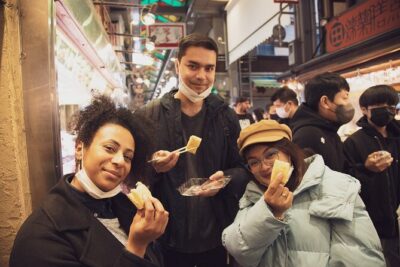
Kyoto Nishiki Market Food and Culture Walking Tour
Read our review →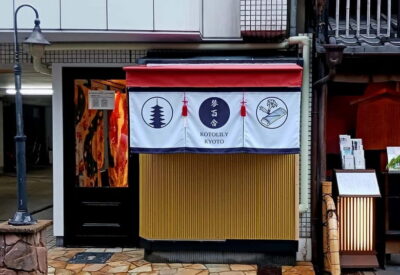
Nishiki Market Tea Ceremony with Koto Performance
Read our review →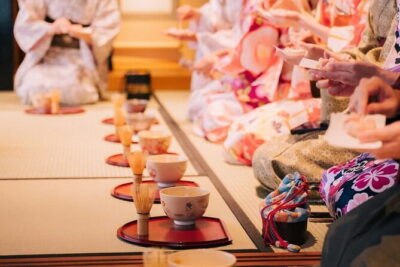
Kimono Tea Ceremony Experience at Kyoto Oritzuruya, Nishiki
Read our review →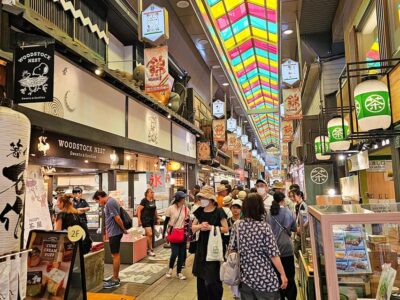
Nishiki Market and Depachika Food Tour with a Local
Read our review →
Nishiki Market Tour with a Local Foodie & Tastings
Read our review →
Browse the lists this tour appears in