
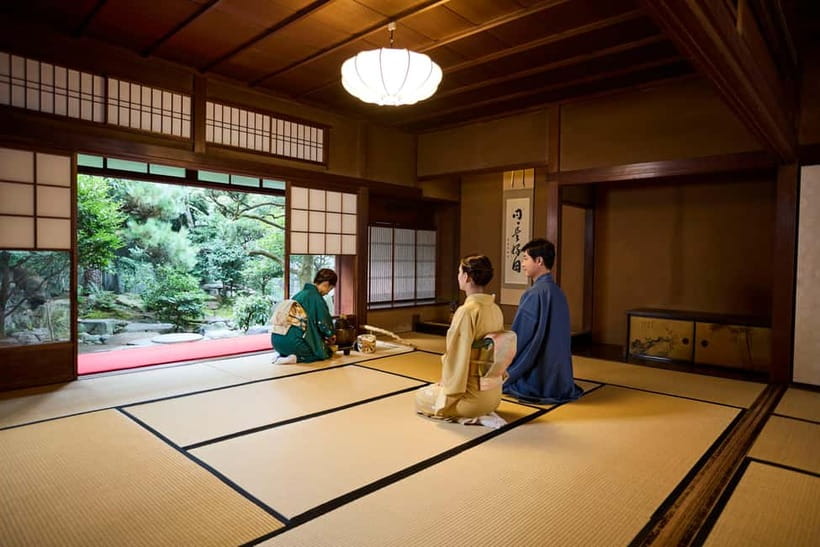
Reviewed · KYOTO KIMONO RENTALS
Kyoto: Kimono Tea Ceremony with Matcha and Sweet
Kyoto’s kimono and tea ceremony makes a smart introduction to Japanese customs because you do more than watch. You choose traditional clothing, learn how the tea room works, prepare your own bowl of matcha, and taste a seasonal sweet. The whole session lasts about 90 minutes, though the full visit can run closer to two hours.
I like the choice of kimonos and the patient help with dressing. I also like that the tea lesson explains the meaning behind the movements instead of treating the ceremony as a quick photo opportunity. The main consideration is that the group can reach 12 to 14 people, and some find the hands-on tea preparation less formal than being served by a tea master.
Key points at a glance
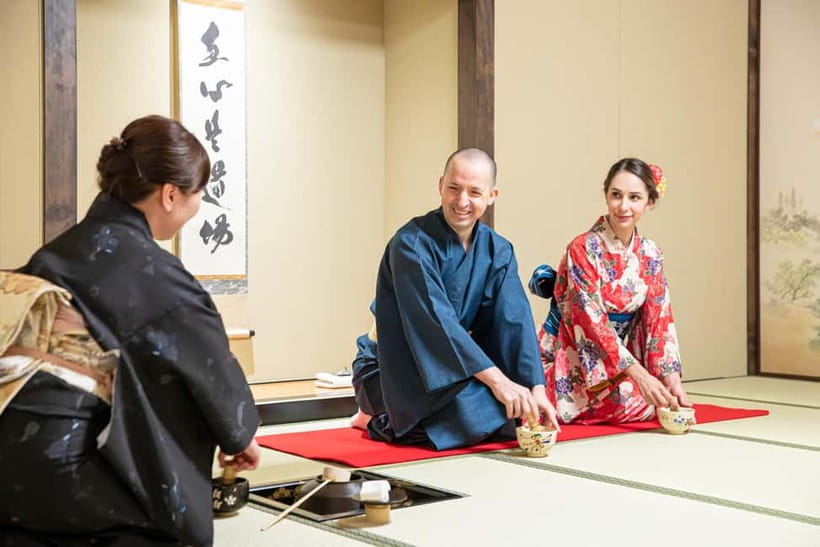
- Choose your own kimono: Select from a range of colors, patterns, sizes, and obi belts before the ceremony begins.
- Learn by making matcha: You watch the tea master, then whisk your own bowl with high-quality matcha powder.
- Seasonal wagashi included: The Japanese sweets change in flavor, color, and design through the year.
- English guidance throughout: Bilingual staff explain the clothing, tools, movements, etiquette, and cultural meaning.
- Tatami or bamboo chair seating: You can request a chair in advance if sitting on the floor is uncomfortable.
- Plan for up to two hours: Dressing, hair styling, photographs, and the tea ceremony together may take longer than the advertised 90 minutes.
Choosing a Kimono Before the Tea Room
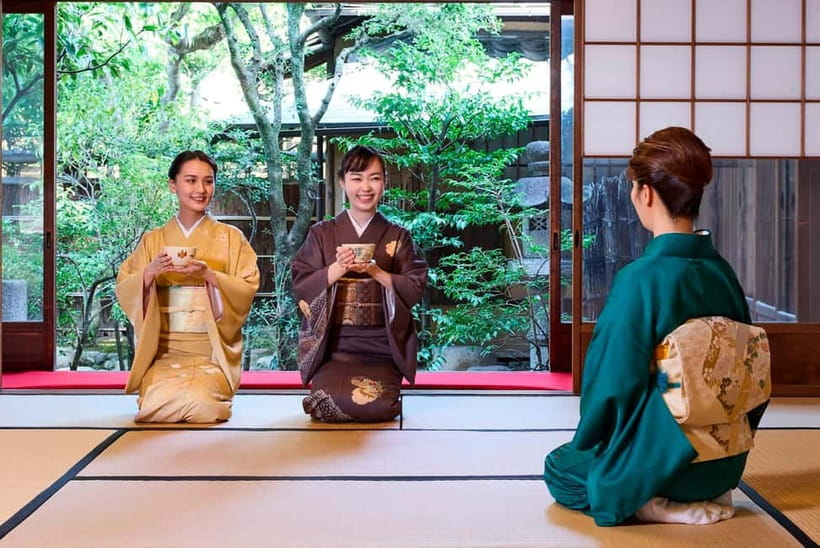
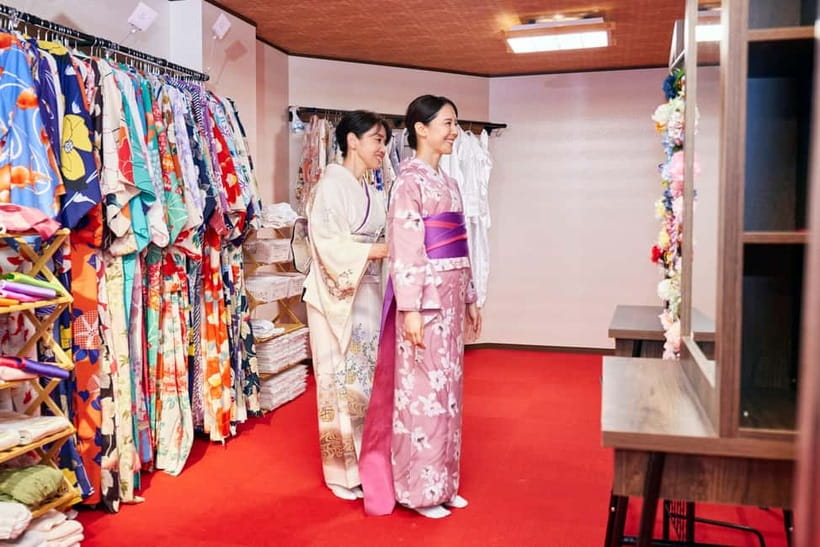
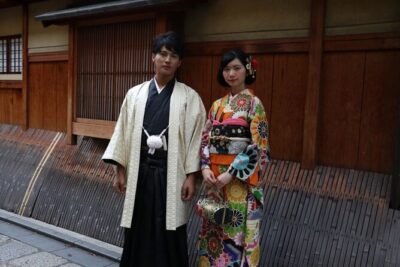
The visit begins with the clothing, not the tea. Staff help you select a kimono and an obi, the wide sash worn around the waist. This gives you a personal choice in the experience, rather than putting everyone into the same outfit.
The range includes different colors, patterns, and sizes. Several women particularly enjoyed choosing hair ornaments, and hair styling is included for women with long hair. You also receive kimono socks, which complete the look and make the clothing feel more than a costume rental.
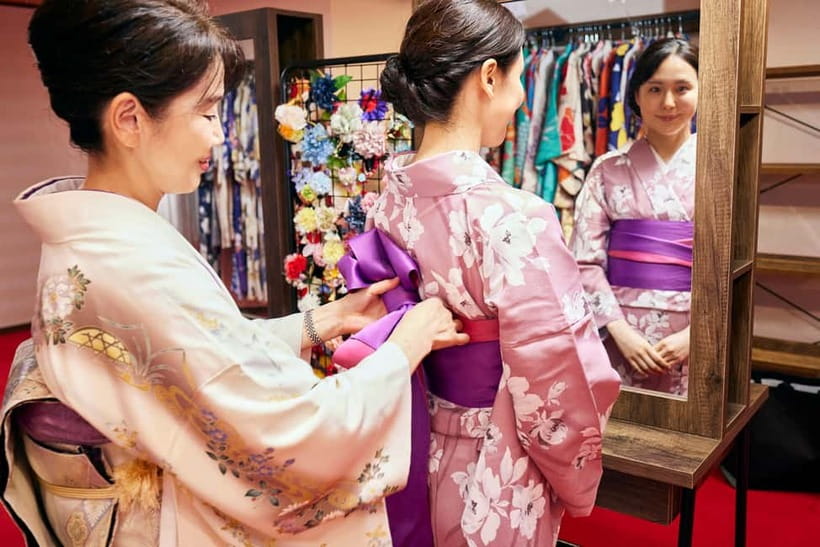
Dressing is handled by staff, and the process is designed to be efficient. That is useful if you want plenty of time for photographs, but it also means you may not have much time to do your own makeup or linger over the fitting. If photographs matter to you, arrive ready rather than counting on a long preparation period.
The clothing is worn during the ceremony, and some arrangements allow you to keep it on for up to two hours afterward. That gives you time for photographs before changing back. The supplied information does not promise a particular photo location, but the setting and nearby photo opportunities are clearly part of the appeal.
For couples and families, getting dressed is often the most playful part of the visit. One person may expect only to accompany a partner and end up changing into Japanese clothing too. Children under seven are not permitted, so this is better suited to older children, teenagers, and adults.
More tea ceremonies in Kyoto:
- Kyoto: Tea Ceremony in a Traditional Tea House in Kiyomizu
★ 4.9 · 3,519 reviews - Kyoto: Tea Ceremony Ju-An at Jotokuji Temple
★ 4.9 · 3,207 reviews - Kyoto: 45-Minute Tea Ceremony Lesson Experience
★ 4.3 · 2,378 reviews
What the Tea Room Adds
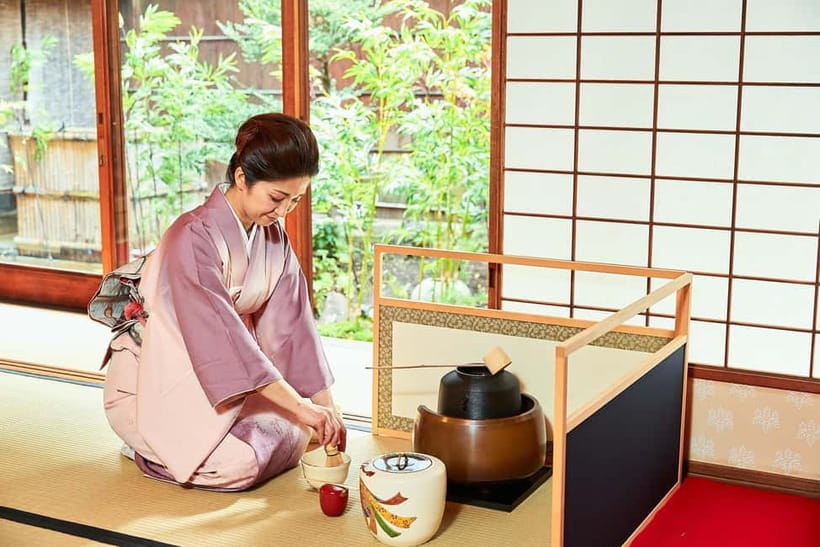
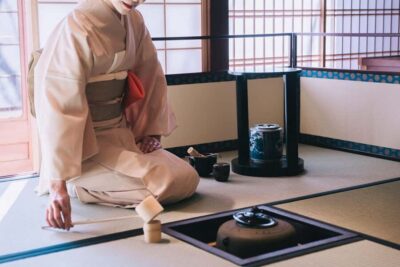
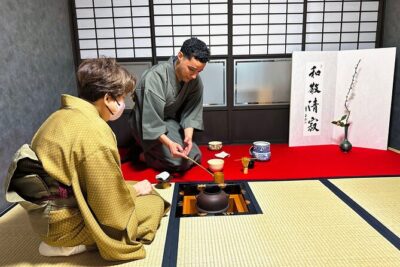
Once dressed, you move into a traditional tea room where the utensils are arranged for the ritual. The room, tatami mats, carefully placed tools, and quiet pace help show that Japanese tea is about attention and conduct, not simply drinking powdered green tea.
You learn the names and purposes of the main tools, along with basic etiquette. The instructor explains how the ceremony developed and why each movement is deliberate. English guidance is provided throughout, which matters here because the meaning can disappear if you are only copying gestures without understanding them.
The four principles explained during the session are Wa, harmony; Kei, respect; Sei, purity; and Jaku, tranquility. These ideas give the activity some weight. You are not just learning how to make a foamy drink. You are being shown how the tea room creates a calm setting through order, cleanliness, courtesy, and restraint.
You do not need prior knowledge of tea ceremony customs. The instruction is designed for beginners, and hosts speak slowly and encourage participation. Past sessions have included hosts named Maki and Megumi, though your instructor may be someone else. The important point is that the English-led format lets you ask questions and follow the ritual without guessing.
Preparing Your Own Matcha
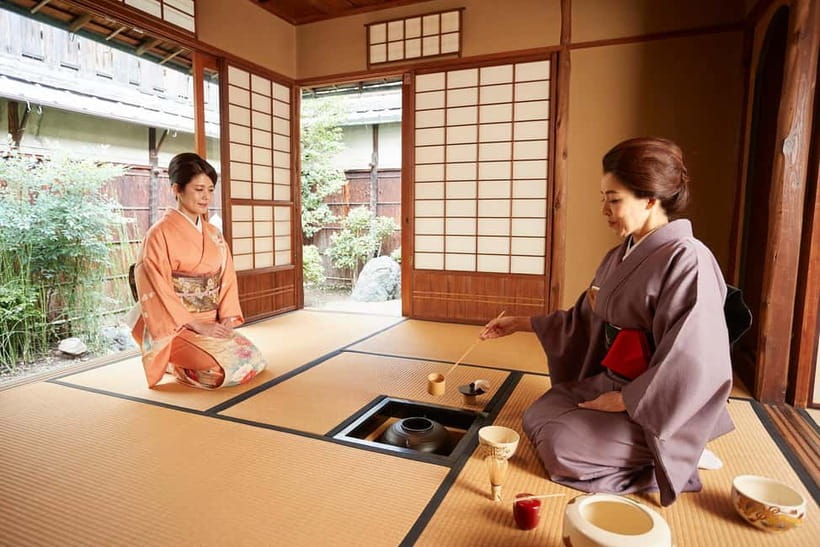
The hands-on portion is a useful choice for first-time visitors. After watching the tea master demonstrate the process, you prepare your own bowl using premium matcha powder. You learn how the utensils are handled and how whisking creates the fine froth on top.
This part makes the ceremony easier to remember. You are not sitting passively while someone else performs every step. You have to pay attention to the order of the actions and then try the technique yourself.
There is also a small tradeoff. If your idea of a formal tea ceremony is to sit quietly while a tea master prepares and serves your tea, this workshop-style format may feel less traditional. The activity teaches the ritual by having you take part, rather than presenting a full service in which you only receive the bowl.
I think the self-preparation works best for visitors who want a clear introduction. You leave with a better sense of how matcha is made and why the whisking matters. It is less suitable if you want a long, highly formal ceremony with no instructional workshop element.
Wagashi and the Rhythm of the Seasons
The matcha comes with wagashi, traditional Japanese sweets served with tea. These are not fixed snacks that look the same all year. Their flavor, color, and design change with the season.
That seasonal detail is one of the nicest touches in the program. Japanese food often reflects the time of year, and wagashi gives you a small, edible example of that idea. The sweetness also balances matcha’s earthy, slightly bitter taste.
The exact sweet served on your visit is not specified, so you should treat it as a seasonal surprise rather than expect a particular flavor. The focus is on the connection between tea, presentation, and the calendar.
The session also leaves room for questions about local customs and symbolism. Several instructors have been praised for explaining the culture in clear English and at an easy pace. That makes the sweets and tea feel connected to the ceremony rather than added as a simple refreshment.
More matcha experiences in Kyoto:
- Kyoto: Arashiyama Bamboo Forest, Monkeys, Matcha & Temple Tour
★ 5.0 · 759 reviews - Kyoto: Tea Museum Tickets and Matcha Grinding Experience
★ 4.9 · 739 reviews - Kyoto: Tea Ceremony Meditation – Make Matcha with Tea Master
★ 4.8 · 406 reviews - Kyoto: Arashiyama Bamboo, Temple, Matcha, Monkeys & secret spots
★ 5.0 · 219 reviews
How Long the Visit Really Takes
The stated duration is 90 minutes, but the practical estimate is about 90 to 120 minutes. Dressing comes first, followed by the ceremony, matcha preparation, sweets, and likely time for photographs.
Allow extra time in your Kyoto schedule. You do not want to book this between two attractions with a tight connection. The exact starting times vary, so check availability when choosing your date.
Group size is another useful detail. Sessions may combine bookings from different booking sites, with around 12 to 14 people in total. That is still small enough to follow the instructor, but it is not a private ceremony.
Some sessions may be much smaller. One reported visit had only four participants, which would naturally make the lesson feel more personal. You cannot count on that size, so book this for the activity itself, not for the hope of a private class.
Sitting on Tatami and Staying Comfortable
Traditional seating is on tatami mats. That helps create the proper atmosphere, but kneeling or sitting on the floor can be difficult if you have stiff knees, limited mobility, or simply are not used to it.
Bamboo chairs are available by advance request. Ask for one before arrival rather than assuming you can get it at the last minute. The staff also indicate that you may sit in the way that feels comfortable, so the ceremony is not meant to be a test of endurance.
Kimono clothing can feel snug and restrictive, especially around the waist. Comfortable underlayers and clothing that are easy to change out of will make the dressing process simpler. Since you may wear the kimono for photographs afterward, think about comfort as well as appearance.
The activity is not suitable for children under seven. The calm format, floor seating, and need to listen to explanations make it a better fit for older children and adults.
Is $66 a Fair Price?
At $66 per person, this is more than a quick cup of matcha and a costume photograph. The price includes kimono dressing, the tea ceremony, hands-on matcha preparation, wagashi, bilingual staff help, and hair styling for women with long hair.
I see the value in the combination. Booking separate kimono rental and cultural instruction could take more planning, while this puts both into one timed visit. You also get direct teaching about the tea tools and Zen principles, not just a chance to pose in traditional clothing.
The value depends on what you want most. If your priority is a polished kimono, hair styling, and photographs, the price includes useful extras. If you mainly want to taste matcha, you can find cheaper ways to do that in Kyoto. If you want a formal ceremony in which a master serves tea to you, this hands-on format may not fully match your expectations.
Transportation is not included, so you must make your own way to the venue. The location is in Kyoto, on Honshu, but the supplied details do not identify a specific station or address. Check the meeting point carefully and allow time to arrive before the dressing begins.
The free cancellation policy also reduces the risk of booking ahead. You can cancel up to 24 hours in advance for a full refund, and the reserve-now, pay-later option lets you hold a place without paying immediately.
Who Will Enjoy This Most
I would recommend this activity to first-time visitors who want a friendly introduction to Japanese customs without committing to a full day of study. The English explanations, short length, and guided participation make it easy to fit into a Kyoto itinerary.
It also suits:
- Couples looking for a shared cultural activity and photographs
- Families with children aged seven and older
- Visitors who want to wear a kimono without arranging a separate rental
- Anyone curious about matcha preparation rather than just drinking it
- People who appreciate seasonal food and quiet, mindful activities
You may want to choose another format if you dislike dressing up, sitting on tatami, or participating in demonstrations. You should also think twice if your main goal is an intimate ceremony, since the group may include up to 12 to 14 people.
The experience is culturally focused, but it is still accessible and social. You do not need to know Japanese etiquette before arriving. Staff guide you through the clothing and the ritual, and the atmosphere is intended to be relaxed rather than intimidating.
Small Details That Make the Difference
The strongest part of the activity is the care given to beginners. Staff help with the clothing, explain the sequence, and encourage you to make the tea yourself. Several sessions have been praised for hosts who speak clearly, move patiently, and make people feel comfortable.
The kimono selection also gives the visit a personal touch. You are not simply handed an outfit. You can choose a style and obi, and women with long hair can have their hair arranged with flowers or other accessories.
Photography is another reason to leave time around the ceremony. You can take pictures in the kimono before or after the tea session, and some people choose to visit a professional selfie studio nearby. That is not included, so treat it as an optional add-on rather than part of the booking.
The setting is peaceful, but it is not silent or private. You will be learning alongside other people, and the activity includes explanation and participation. That balance works well for most visitors, but it is worth knowing before you book.
Should You Book This Kyoto Tea Ceremony?
Book it if you want a well-organized introduction to kimono dressing, matcha, wagashi, and tea ceremony customs in one visit. The English instruction, seasonal sweets, helpful staff, and chance to prepare your own tea give you more than a quick photo session.
I would be cautious only if you want a private ceremony or expect a tea master to prepare every bowl for you. The group can be sizeable, the dressing may feel fast, and the hands-on format is closer to a cultural workshop than a long formal service.
For most first-time visitors, $66 is reasonable because it joins clothing, instruction, food, and participation in a single Kyoto activity. Request a bamboo chair in advance if needed, arrive prepared for the kimono fitting, and leave enough time for photographs. With those expectations, this is a practical and memorable way to meet an important part of Japanese culture.
FAQ
How long does the Kyoto kimono tea ceremony take?
The listed duration is 90 minutes, but the complete visit can last about 90 to 120 minutes. Kimono dressing takes place before the tea ceremony.
What is included in the price?
The price includes kimono dressing, a traditional tea ceremony led by a tea master, hands-on matcha preparation, Japanese sweets, bilingual staff assistance, and hair styling for women with long hair.
Is the activity conducted in English?
Yes. English guidance is provided, and the instructor explains the ceremony, tools, history, etiquette, and matcha preparation.
Can I choose my kimono?
Yes. You can choose from the available kimonos and obi belts, with staff assisting you during the dressing process.
Are chairs available instead of tatami seating?
Bamboo chairs are available for people who prefer not to sit on tatami mats. You should request one in advance.
Are children allowed to join?
Children under seven are not allowed to participate. The activity is suitable for children aged seven and older.
Can I cancel the booking?
You can cancel up to 24 hours in advance for a full refund. The reserve-now, pay-later option also allows you to book without paying immediately.
More Kimono Rentals in Kyoto
- Kimono Tea Ceremony at Kyoto Maikoya, NISHIKI
★ 5.0 · 911 reviews - Kyoto: Kimono Rental with Hairstyling and Accessories
★ 4.8 · 653 reviews - Kyoto: Kimono Tea Ceremony at Orizuruya Gion
★ 4.9 · 618 reviews - KYOTO Tea Ceremony with kimono near by Imamiya Jinjya Shrine
★ 5.0 · 343 reviews
Newest Kyoto experiences on the site
- Treasures of Kyoto: Gion & historical Walking Tour★ 5.0 · 6 reviews
- Whisk Your Own Matcha: A Zen Matcha Experience at Temple★ 3.6 · 7 reviews
- Uji: Private immersion into Kyoto’s tea and reglious culture★ 5.0 · 17 reviews
- Kyoto tea town for matcha lovers★ 5.0 · 16 reviews
- Kyoto Matcha Green Tea Tour★ 4.5 · 23 reviews
- Uji and Wazuka Matcha Farm Half Day Private Guided Tour★ 5.0 · 21 reviews
- Utilising upcycled Matcha! Creating matcha incense (Uji, Kyoto)★ 5.0 · 6 reviews
- Sacred Temple Yoga Experience in Japan★ 5.0 · 3 reviews
Kyoto Kimono Rentals, compared.
KYOTO Tea Ceremony with kimono near by Imamiya Jinjya Shrine
Read our review →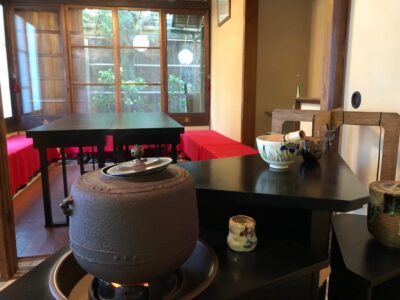
Kimono and Tea Ceremony Experience at Cultural Asset
Read our review →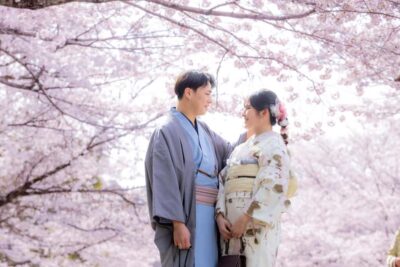
Family-Friendly Kimono & Yukata Experience at WARGO
Read our review →
1 Day Traditional Japanese Kimono Rental Experience
Read our review →
Kimono Rental Traditional Experience at Wargo in Gion
Read our review →Browse the lists this tour appears in