
Reviewed · KYOTO SAMURAI EXPERIENCES
Kyoto: Kendo Samurai Experience Tour
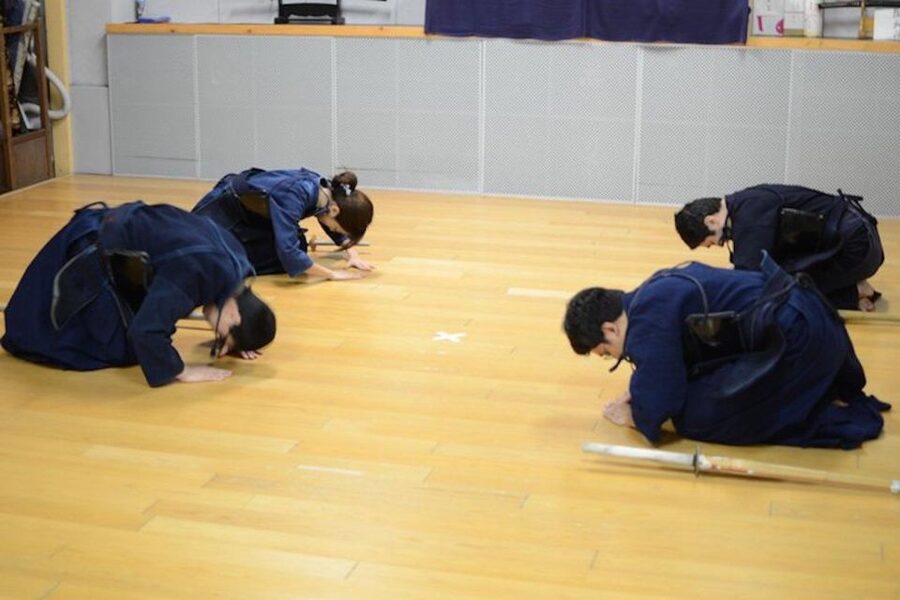
Kyoto’s kendo experience puts you inside a real dojo, not a staged samurai show. You learn etiquette, footwork, strikes, and rules, then put on full kendo armor and face another student with a bamboo sword. The match is controlled, but the effort is genuine.
I like the clear teaching from instructors such as Hayashi-sensei, along with the chance to train under a 7th Dan master with more than 40 years of kendo experience. I also like the small-group feel, which can turn the class into near-private instruction. The main drawback is location: JR Hanazono is about 15 minutes from Kyoto Station, so this is not a quick activity in central Kyoto.
Key points to know before you book
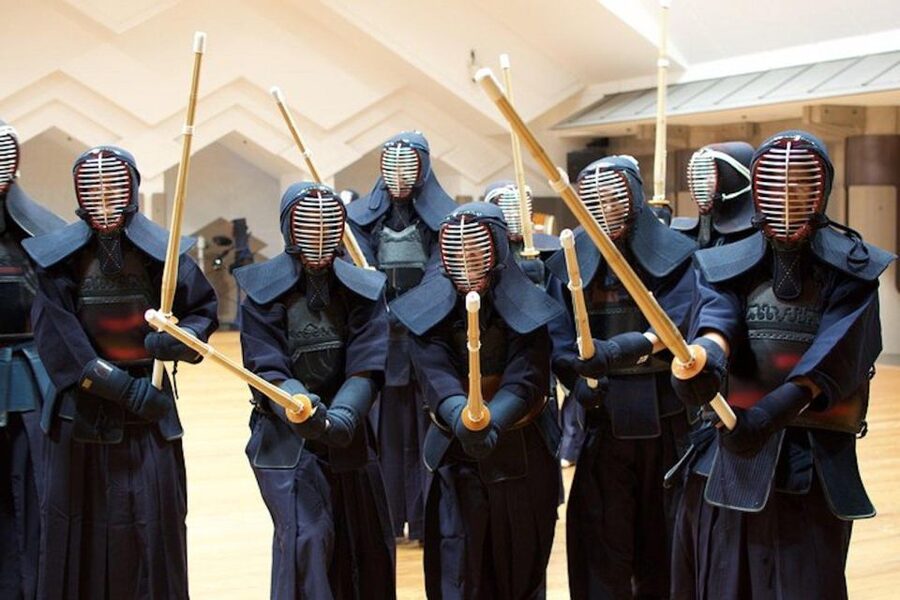
- You wear the full kit: Armor, protective equipment, and practice gear are supplied, so you do not need prior kendo experience.
- The match comes after the basics: Expect etiquette, movement, strikes, and rules before you face an opponent.
- Hayashi-sensei is a patient teacher: Clear demonstrations make the class workable even if your Japanese is limited.
- It is physical: The session is friendly, but it is training, not a passive cultural demonstration.
- JR Hanazono is the meeting point: Take the JR Sagano Line from Kyoto Station and use the north exit.
- The $116 price buys a hands-on lesson: Equipment rental, instruction, water, and a kendo towel are included.
What this Kyoto kendo class really offers
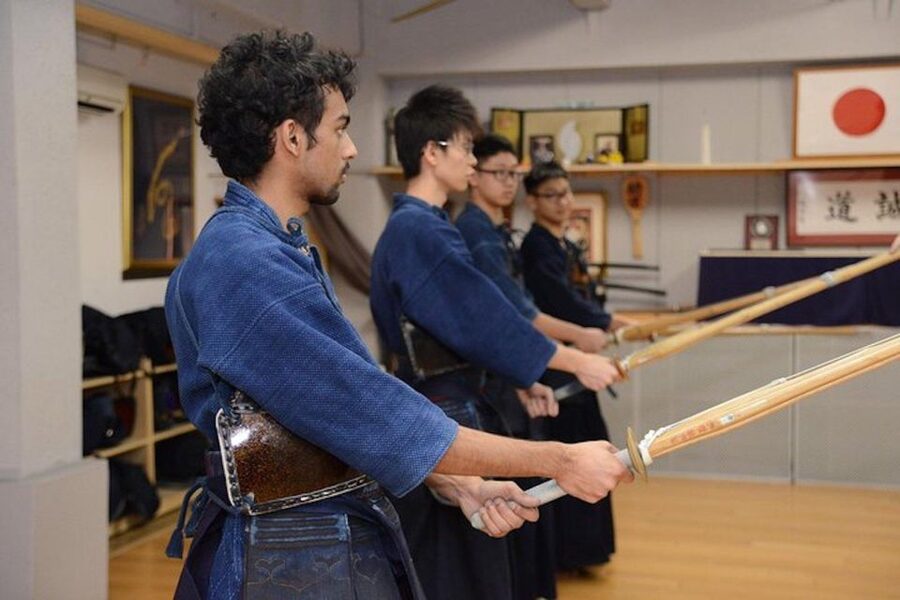
Kendo is often described as Japanese swordsmanship, but this class is not a lesson in historical sword fighting with sharpened blades. You use a bamboo practice sword, called a shinai, and protective armor. The point is to learn the discipline and form of kendo while practicing safely.
That distinction matters. The promotional language about a real samurai sword fight can sound dramatic, but the activity itself is modern kendo training. You will strike and defend in a controlled setting, with an instructor guiding the pace.
For me, that is the appeal. You are not simply dressing up for a photograph. You learn how to stand, move, bow, hold the sword, and follow the rules before you take part in a bout. The training gives the costume and equipment a purpose.
The class lasts two hours, though one participant described about 90 minutes of active cultural instruction. I would reserve a full two-hour window, since changing, explanations, drills, and the match all take time.
More samurai experiences in Kyoto:
- Kyoto Samurai Experience
★ 5.0 · 1,294 reviews - Kyoto: Kendo and Samurai Experience with Uniform and Gear
★ 4.9 · 815 reviews - Kyoto: Samurai Sword Class by Experts in Traditional Arts
★ 4.9 · 657 reviews
Meeting Hayashi-sensei at JR Hanazono Station
You meet at the north exit of JR Hanazono Station, written locally as JR 花園駅北口. From Kyoto Station, the ride takes about 15 minutes on the JR Sagano Line. The station is not in the middle of the main sightseeing district, so check your route before leaving your hotel.
This is the first practical catch. If your day is built around Gion, Nishiki Market, or Kiyomizu-dera, Hanazono is a separate trip rather than a walk between major sights. On the other hand, the train ride is straightforward, and the clear station meeting point removes much of the confusion that can come with finding a small dojo.
The class is offered in English and Japanese. English ability may vary by instructor, so do not expect a long lecture in polished English. Hayashi-sensei has been praised for using clear demonstrations, patience, and humor to explain the movements. One session also included Miho as a translator and guide.
That teaching style suits kendo well. You can watch a stance or strike more easily than you can understand a long explanation about it. Even with limited Japanese, you should be able to follow the basic exercises when the instructor shows each step carefully.
Etiquette comes before the first strike
Kendo begins with manners. Before you swing the bamboo sword, the instructor introduces the respectful behavior expected inside the dojo. You learn how to stand, how to move, and how to treat the training space and the person facing you.
This part can feel slower than the match, especially if you arrive hoping to start hitting things at once. Do not skip over it. Etiquette is not decoration added for tourists. It explains the discipline behind the sport and helps you understand why the class feels orderly even when the strikes begin.
You will also learn basic rules. The instructor explains where and how a valid strike is made, along with the movements needed to approach and retreat. At this stage, the class is suitable for a first-timer. You do not need previous martial arts training.
The focus on form also gives you a better sense of what kendo demands. It is not wild swinging. Timing, balance, attention, and control matter as much as force.
Footwork and strikes before armor
The technical section builds the class in sensible steps. You begin with basic exercises for movement and learn how to handle the shinai. Then you practice strikes under the instructor’s eye.
The exact pace can vary with the group, but the teaching is designed for beginners. Instructors break the actions into smaller pieces rather than expecting you to understand a complete bout immediately. This helps families and mixed-age groups train together.
The workout is real. One father described the session as physically demanding but enjoyable, while another family found the training challenging and fun. You should expect to move, concentrate, and repeat techniques. Kendo may look calm from outside the dojo, yet the combination of footwork, armor, and strikes can leave you working hard.
I would wear comfortable clothes under the armor and avoid scheduling this as a rushed activity between two fixed appointments. The supplied information does not give a detailed clothing policy, so ask the operator if you need specific guidance.
A few more Kyoto tours worth putting on the shortlist
- PERFECT KYOTO 1-Day Bus Tour
★ 5.0 · 13,518 reviews - Kyoto: Fushimi Inari, Kinkakuji, Bamboo Grove 1 Day Bus Tour
★ 4.8 · 4,316 reviews - Kyoto: Tea Ceremony in a Traditional Tea House in Kiyomizu
★ 4.9 · 3,519 reviews - Kyoto Geisha Walking Tour: Gion District & Hidden Gems
★ 4.7 · 3,273 reviews
Putting on full kendo armor
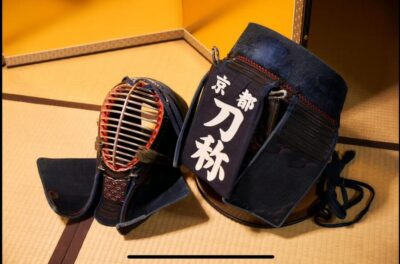
The most memorable part for many first-timers is getting into the equipment. The tour supplies the kendo armor and other equipment, and the operator asks for each participant’s gender and height in advance so the right sizes can be prepared.
The armor changes your sense of the activity. Holding a bamboo sword in ordinary clothes feels like a lesson. Wearing the protective gear makes the practice feel more serious and gives you a clearer idea of how kendo is actually performed.
The equipment has also been described as excellent and well maintained, and the dojo as neat and clean. That matters here. You are trusting the instructor and the protective kit while you practice strikes, so the condition of the equipment is not a minor detail.
The armor can feel heavy or unfamiliar, particularly if you are not used to martial arts equipment. That is part of the experience, but it is also why you should treat the class as physical exercise rather than a gentle photo opportunity.
The controlled match at the end
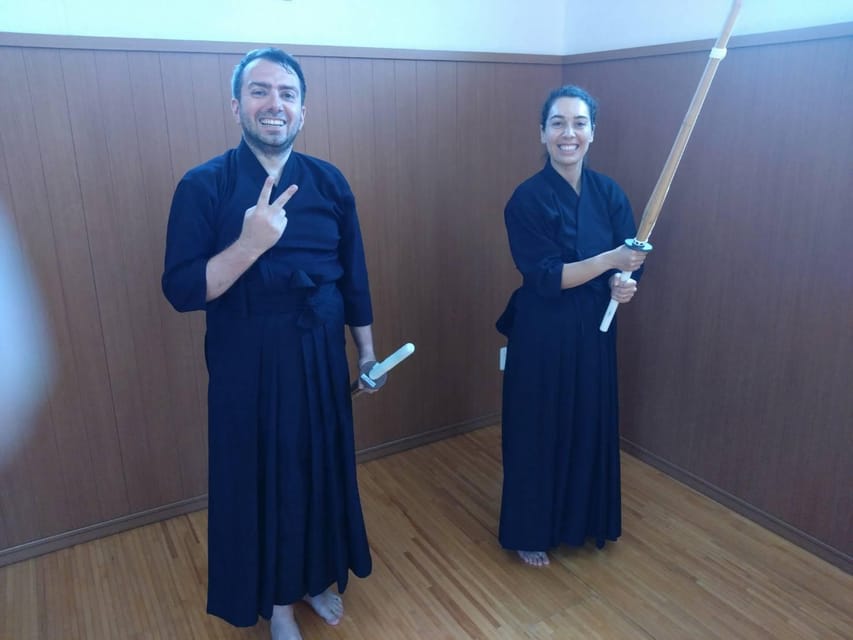
After the drills, you get the chance to practice as if you are in a real game. This is the part most families remember, especially when a parent faces a son or brothers face each other.
The match is controlled and supervised. You do not arrive as a trained fighter, and you are not expected to win through raw strength. The instructor keeps the activity safe while letting you use the movements you have just learned.
That balance is important. You get the excitement of facing another person, but the session remains an introduction rather than a full competitive tournament. The bamboo sword and armor make contact possible without turning the activity into reckless combat.
If your group has only two participants, you may receive unusually close instruction. One father and son found themselves as the only students, with the instructor forming the third person in the dojo. That kind of small class can be a major advantage because the teacher can correct your stance and timing directly.
Group size is not guaranteed, so I would not book solely for a private lesson. Still, the possibility of a small class adds value, especially for families and couples who want a personal introduction.
Why the $116 price can make sense
At $116 per person, this is not a budget activity. You are paying more than you would for a standard museum visit or a simple cultural demonstration.
The price is easier to justify if you value participation. You receive professional instruction, rental armor and equipment, mineral water, and a kendo towel. You also get a structured lesson from an experienced instructor rather than a short costume fitting and staged performance.
The instructor’s background adds weight to the fee. The teaching team includes a 7th Dan master, and the kendo tradition connected with the instructors has more than 40 years of experience. You are not merely handed a bamboo sword and left to imitate a pose.
For a family, the cost can also buy a shared activity that everyone remembers. Parents and children can train together, then face one another in the final practice. That makes the experience more personal than watching a demonstration from the side.
Still, the value depends on your interests. If you want a quick samurai photograph, this is too expensive and too physical. If you want to understand how a Japanese martial art feels from inside the training process, the price is more reasonable.
Who will enjoy this most
I would recommend the class to visitors who want an active cultural experience and are willing to work. It suits families with older children, couples, friends, and solo participants who like learning by doing.
It is especially good for you if:
- You have always wanted to try kendo in Japan.
- You enjoy structured physical activities.
- You want instruction rather than a performance.
- You are comfortable following etiquette and repeating basic movements.
- You would enjoy a supervised match at the end.
- You do not speak much Japanese but can learn through demonstrations.
The class is not suitable for pregnant women or people with pre-existing medical conditions. If you have any concern about strenuous movement or protective equipment, ask the operator before booking.
You should also provide everyone’s genders and heights in advance. This allows the team to prepare suitable equipment and sizes. It is a small booking detail, but it can make the fitting process smoother.
What to bring and what not to expect
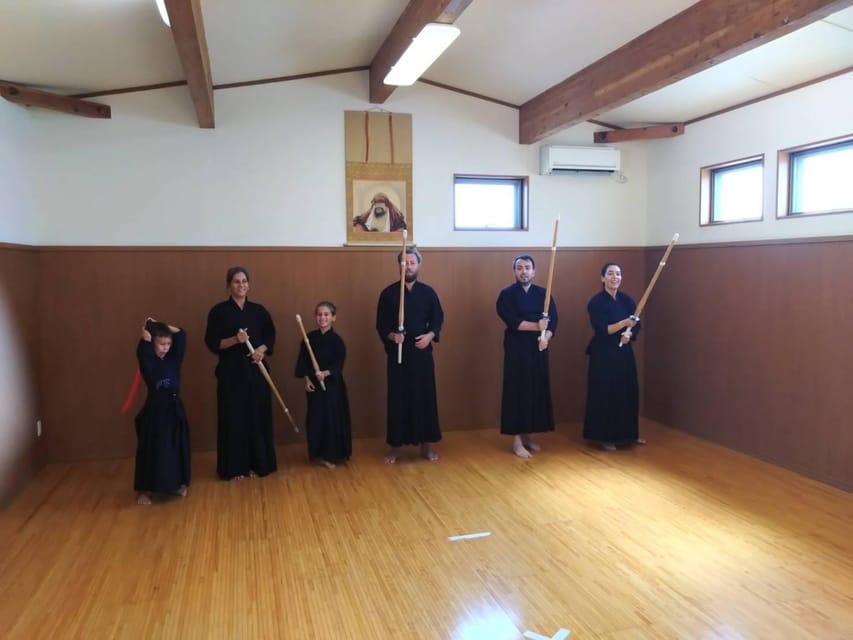
The tour includes armor, practice equipment, water, and a kendo towel. Food is not included, and there is no hotel pickup or drop-off.
You need to get yourself to the station and back. Build in enough time for the train from Kyoto Station and for finding the north exit. A late arrival can cut into a short two-hour session, even though the instructor may be understanding.
Do not expect a full lesson in samurai history or a tour of several Kyoto sights. The focus is the dojo, etiquette, training, and practice match. That narrow focus is a strength if you want kendo, but a weakness if you want a broad cultural tour.
You also should not expect polished English at every moment. The instructors use English and Japanese, and demonstrations help bridge gaps. If you need every technical point explained in detail in English, the experience may require extra patience.
Booking flexibility for a Kyoto itinerary
You can cancel up to 24 hours in advance for a full refund. You can also reserve now and pay later, which helps if your Kyoto schedule is still shifting.
That flexibility is useful because Kyoto plans often change with weather, temple reservations, and train timing. I would still avoid booking the class on a day packed with fixed appointments. The train ride to Hanazono, preparation, class, and return trip need room.
Check the available start times before committing. The activity runs for two hours, but the supplied details do not list one universal daily departure time.
Should you book this kendo experience?
Book it if you want a serious, hands-on introduction to Japanese martial arts rather than a quick samurai-themed photo stop. The combination of etiquette, instruction, full armor, and a supervised match gives the class a clear beginning, middle, and finish.
I would be especially comfortable recommending it to families. The lesson is structured, the teachers are patient, and the final match creates a natural shared memory. Solo visitors and couples can also benefit, particularly if the group is small and the instructor can offer close guidance.
Think twice if you dislike exercise, have a relevant medical condition, or are looking for an activity in central Kyoto. Hanazono requires a short train ride, and the $116 fee makes most sense when you plan to take part fully.
For the right visitor, this is a thoughtful way to meet kendo on its own terms: bow first, learn the basics, work up a sweat, and only then face an opponent.
FAQ
Where does the kendo experience meet?
The meeting point is the north exit of JR Hanazono Station, written as JR 花園駅北口.
How far is JR Hanazono Station from Kyoto Station?
The station is about 15 minutes from Kyoto Station by the JR Sagano Line.
How long does the activity last?
The stated duration is two hours.
What languages are available?
Instruction is available in English and Japanese.
Do I need previous kendo experience?
No. The experience is designed to guide beginners through basic exercises, movement, techniques, and rules.
Will I wear real kendo armor?
Yes. Rental kendo armor and equipment are included, and you take part in practice while wearing the protective gear.
Is the sword made of metal?
The practice uses kendo equipment, including bamboo swords. This is controlled martial arts training, not combat with sharpened swords.
What is included in the price?
The price includes a professional instructor, rental kendo armor and equipment, mineral water, and a free kendo towel.
Is hotel transportation included?
No. Hotel pickup and drop-off are not included. You must make your own way to and from JR Hanazono Station.
Can I cancel the booking?
Yes. You can cancel up to 24 hours in advance for a full refund. You can also reserve now and pay later.
Newest Kyoto experiences on the site
- Treasures of Kyoto: Gion & historical Walking Tour★ 5.0 · 6 reviews
- Whisk Your Own Matcha: A Zen Matcha Experience at Temple★ 3.6 · 7 reviews
- Kyoto tea town for matcha lovers★ 5.0 · 16 reviews
- Uji: Private immersion into Kyoto’s tea and reglious culture★ 5.0 · 17 reviews
- Kyoto Matcha Green Tea Tour★ 4.5 · 23 reviews
- Uji and Wazuka Matcha Farm Half Day Private Guided Tour★ 5.0 · 21 reviews
- Utilising upcycled Matcha! Creating matcha incense (Uji, Kyoto)★ 5.0 · 6 reviews
- Sacred Temple Yoga Experience in Japan★ 5.0 · 3 reviews
Kyoto Samurai Experiences, compared.
Kendo and Samurai Experience with Uniform and Gear
Read our review →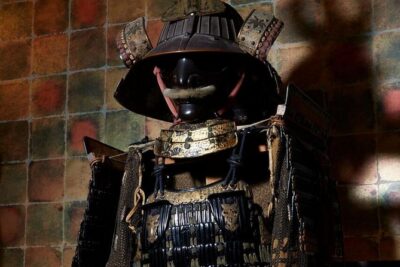
Skip the lines Basic Ticket at SAMURAI NINJA MUSEUM KYOTO
Read our review →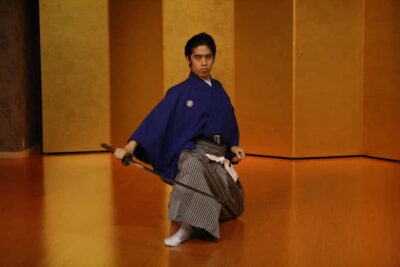
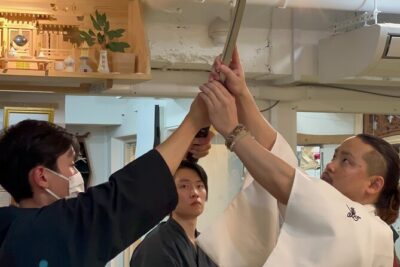
Samurai Training with Modern day Musashi in Kyoto
Read our review →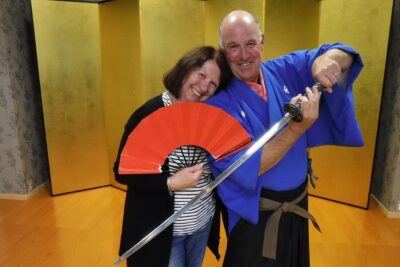
Private Tea Ceremony and Sake Tasting in Kyoto Samurai House
Read our review →
Kyoto Sword Experience – includes Museum Ticket/Ninja Experience
Read our review →Browse the lists this tour appears in