Reviewed · CONCERTS
Kyoto: Japanese Koto & Shamisen Concert and Koto Class
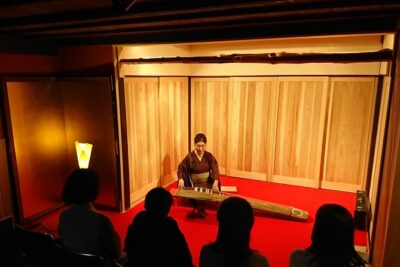
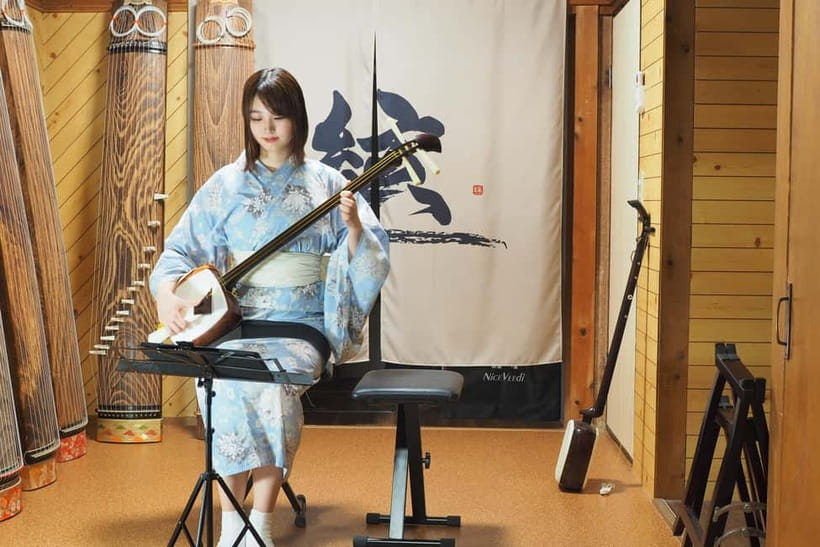
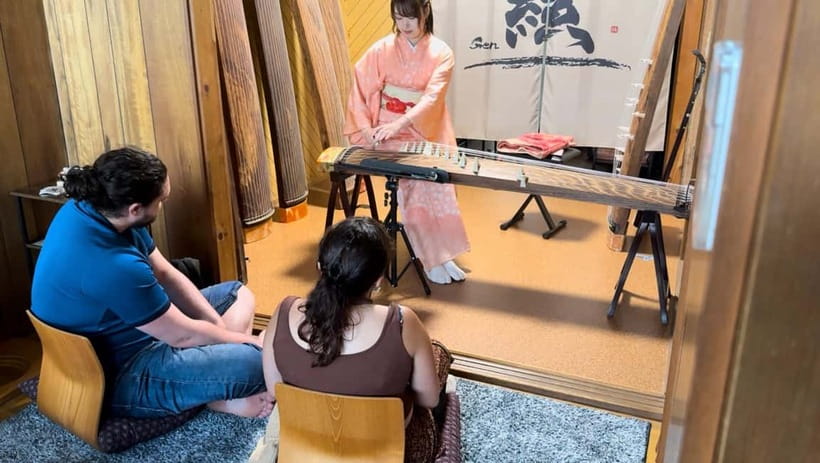
The best part of this Kyoto experience is the setting: you listen to live koto and shamisen music inside a small old Japanese house, not a concert hall. The room feels like a family home, and the close seating lets you see the musician’s fingers, picks, strings, and playing techniques.
I like the mix of serious live music and hands-on practice. You hear classical pieces, contemporary works, and original compositions, then try the koto with help from a professional. I also like the open question time, which makes the instruments less mysterious and lets you ask about the music, notation, and techniques.
The main thing to consider is finding the house. It sits in a residential area, and one visitor found the alley dark and had to wait outside until shortly before the performance. The meeting point can also vary by booking option, so check your confirmation carefully and allow extra time.
Key points at a glance
- A concert in a real Kyoto home: Expect a small, warm room rather than a formal theater.
- Two distinctive instruments: Learn how the koto and shamisen sound, work, and differ.
- A varied musical program: The selection may include classical, contemporary, and original pieces.
- A beginner-friendly koto lesson: You play a simple piece with guidance from a professional.
- Personal contact with the musicians: The session includes questions, conversation, and photos.
- Convenient central access: Saiin Station connects well with Arashiyama, Nijo Castle, Kinkakuji, and Nishiki Market.
A Kyoto concert with the feel of a family home
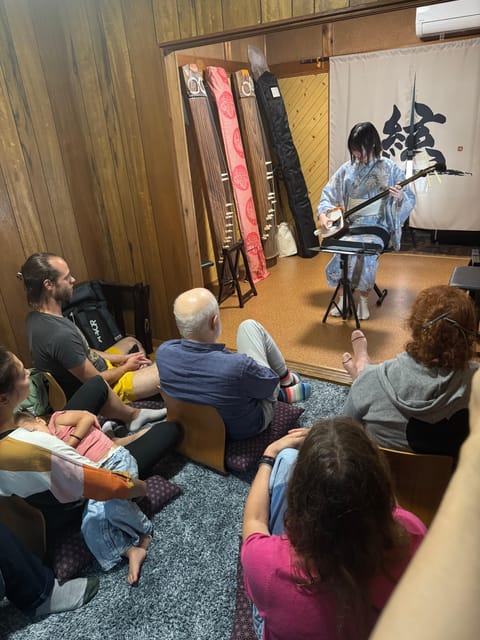
Kyoto offers plenty of grand cultural sights, but this activity takes you somewhere smaller and more personal. You enter an old house in a residential neighborhood, sit close to the performer, and listen as the koto and shamisen fill the room.
That setting changes the experience. In a theater, you admire the music from a distance. Here, you can watch the player’s hands and notice how a small change in pressure or technique changes the sound. The room also makes the question period feel natural. You are not raising your hand in a large audience. You are speaking directly with the person who just performed.
The group may be private or small, depending on the option you choose. One session described by a participant had only the performer and guides present. That level of attention is not guaranteed for every booking, but the format is designed to keep the experience personal.
The performers associated with the sessions include Aoi, Kyoko, and Shohei, although the exact lineup can vary. Aoi has been especially praised for both her koto playing and singing, while Kyoko has been noted for encouraging students to try their own ideas. Shohei has helped with presentation and interpretation in some sessions.
More traditional music evenings in Kyoto:
- Kyoto: Traditional Concert at Townhouse or Bathhouse
★ 4.9 · 224 reviews - Concerts Played with Traditional Instruments in Kyoto
★ 5.0 · 50 reviews - Traditional Concert in Public bath near Kyoto Station
★ 5.0 · 5 reviews
What you hear before you play
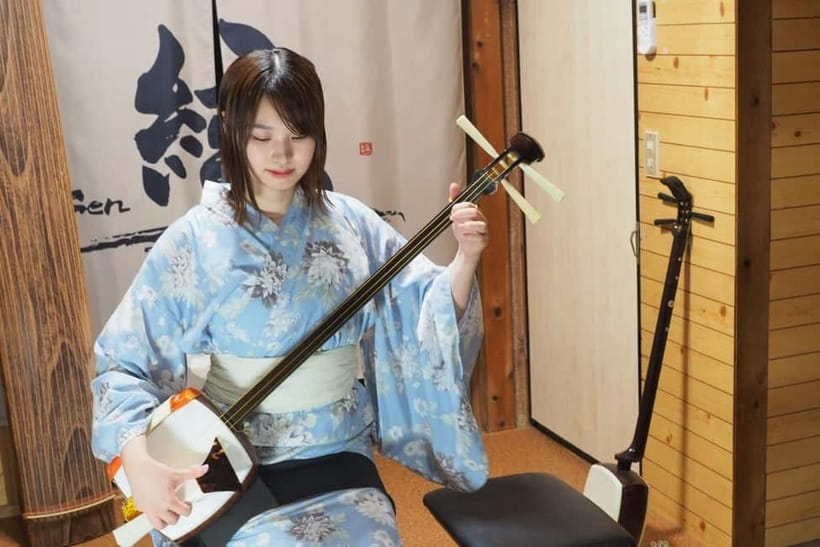
The program begins with a short introduction to Japanese traditional instruments. You learn about the koto and shamisen, their place in Japanese music, and the unusual way their sheet music works.
This introduction matters because the instruments can look simple at first glance. The koto is a long stringed instrument, while the shamisen has a very different shape and sound. The presentation helps you notice what is happening during the performance instead of hearing it as an unfamiliar stream of notes.
The concert itself can last roughly an hour to 100 minutes, depending on the option and format. The music may move from classical pieces to contemporary works and original compositions. Some traditional selections include vocals, while modern pieces can bring more energy and contrast.
The program is not fixed for every date. It can change with the season or performer, so you should not book this expecting one exact song list. That variety is useful if you return to Kyoto or want an experience that feels tied to the musician and occasion.
A particularly memorable detail available in one session was a birthday song performed for a participant. Special requests are not promised, but the close format can allow for a more personal touch when the performer and schedule permit it.
Seeing the koto and shamisen up close
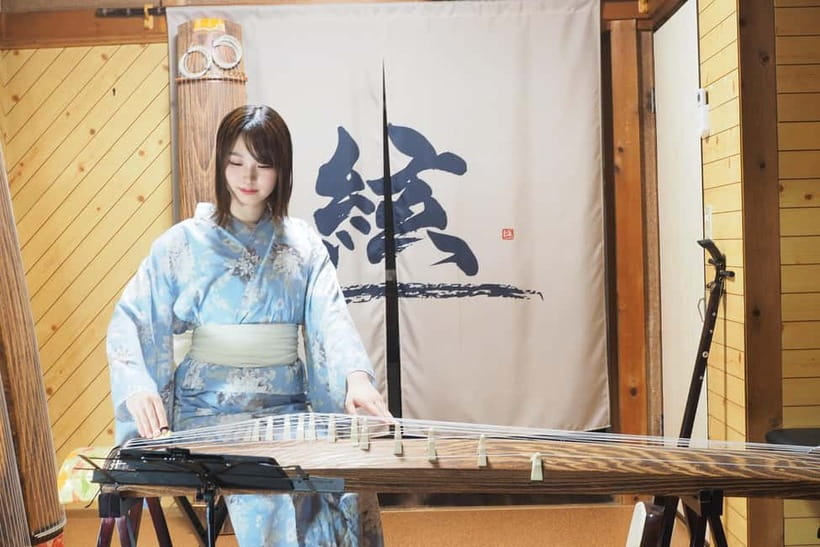
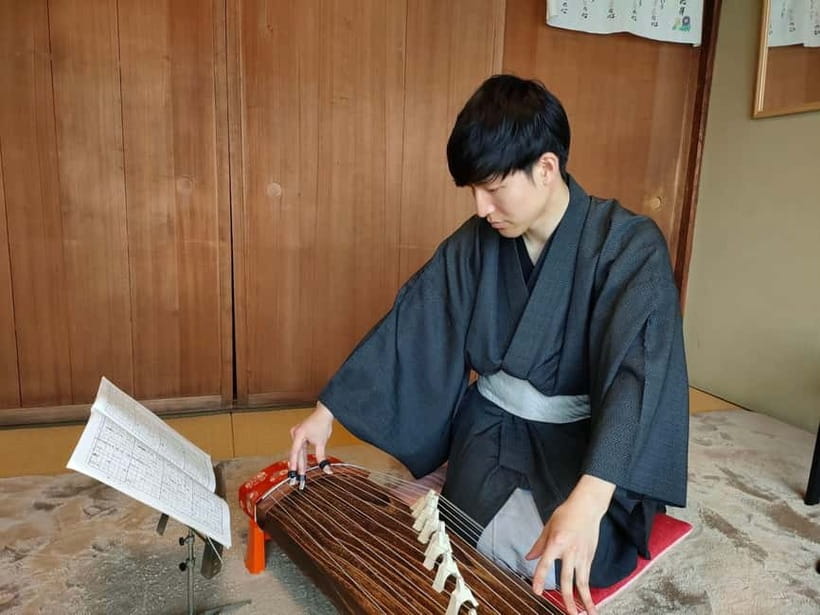
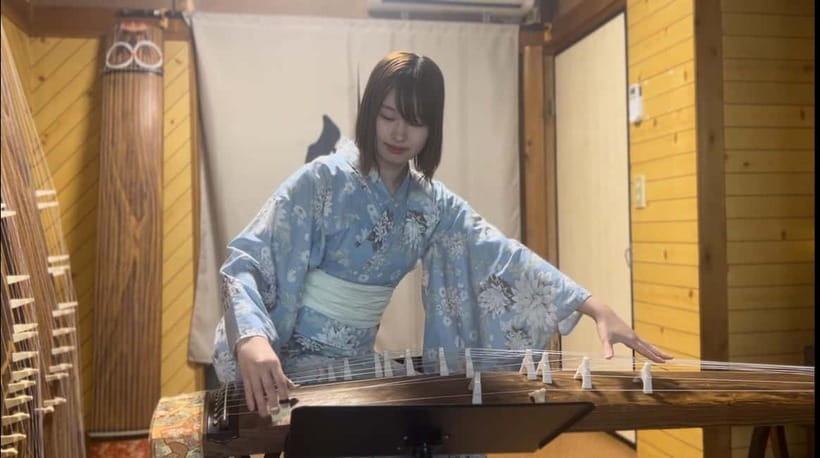
The koto has a delicate, ringing sound, but the performance is not limited to quiet, gentle music. Skilled playing can produce different tones and textures, and the changes are easier to understand when you are seated nearby.
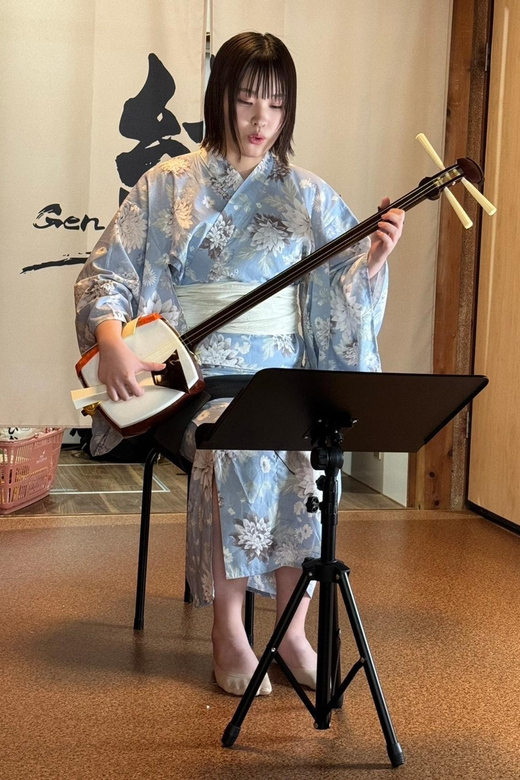
The shamisen adds a sharper, more percussive voice. Hearing both instruments in one program gives you a better sense of how varied Japanese traditional music can be. You may also hear singing, especially in some of the classical pieces.
I would pay attention to the performer’s technique rather than simply waiting for the familiar melody. You can see how the hands work across the strings and how the sound changes with different approaches. Several participants found the musicianship impressive, and that is important when judging the value of the experience. This is not just a demonstration for tourists. The concert portion is a proper performance by trained musicians.
The question period follows the music. You can ask about the instruments, the score, the pieces, or the performer’s methods. Photos are also included, giving you a record of both the concert and the practical portion.
The koto lesson: simple, direct, and suitable for beginners
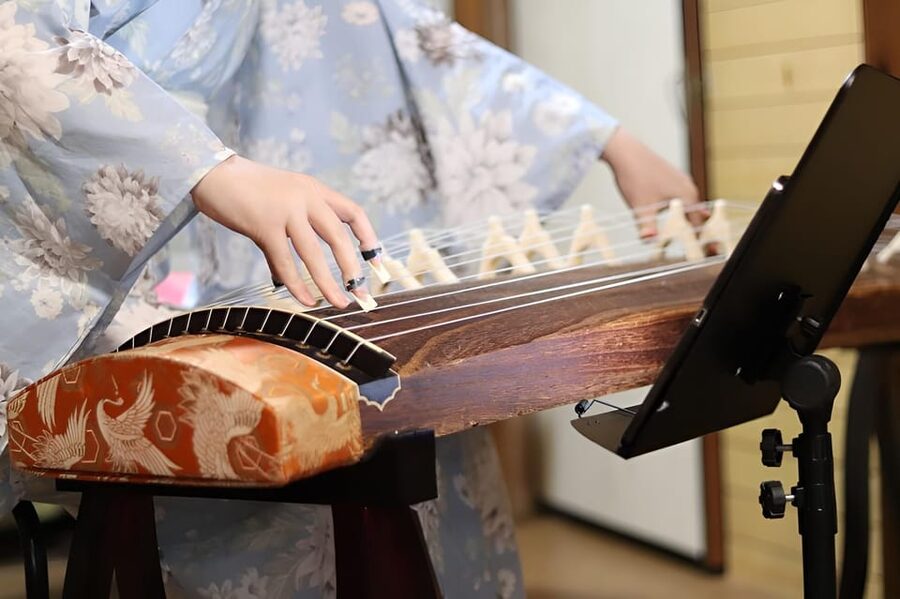
At the end, you sit at the koto and try a simple piece under professional guidance. All necessary materials and tools are included, as is use of the instrument.
You do not need musical training. The lesson is aimed at beginners, and the instructors guide you through the basic technique rather than expecting you to arrive prepared. One participant with no musical confidence found the basics surprisingly approachable, while another appreciated being able to test personal musical ideas with Kyoko’s help.
The lesson is short, so do not expect to master the koto. Its value is different. You gain a physical sense of the strings, the posture, and the concentration required to produce a clean sound. After watching a professional perform, even a simple exercise gives you a new respect for the instrument.
In some sessions, you may play a piece together with the performer. That possibility creates a memorable finish, but it can depend on the exact program and available time. If trying the instrument is your main reason for booking, choose the concert-and-class option rather than a performance-only format.
More craft workshops in Kyoto:
- Kyoto: 45-Minute Tea Ceremony Lesson Experience
★ 4.3 · 2,378 reviews - Ramen Cooking Class at Ramen Factory in Kyoto
★ 5.0 · 1,937 reviews - Kyoto : Chopsticks Making Workshop in Gion with Engraving Option
★ 5.0 · 958 reviews - Kyoto: Samurai Sword Class by Experts in Traditional Arts
★ 4.9 · 657 reviews
Why the small group matters
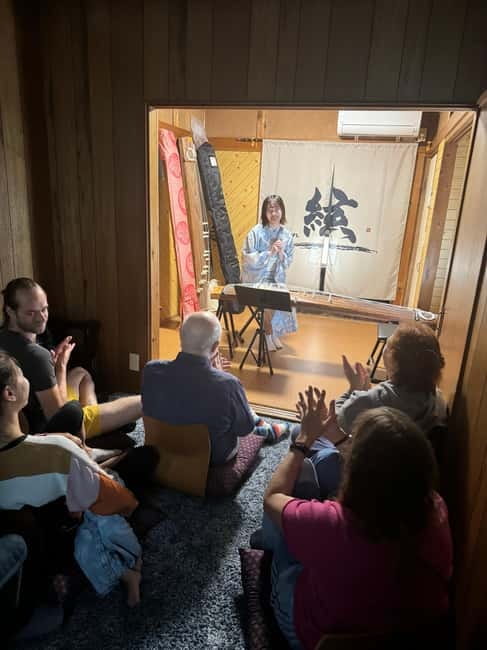
The intimate setting is more than a pleasant backdrop. It affects how much you can see, ask, and try.
A large cultural show can provide spectacle, but it rarely allows a close conversation with the performer. Here, you have time to ask questions after the music and receive help during the lesson. Parents can also use the format to keep children engaged, since the experience moves from listening to discussion to playing.
The private or small-group arrangement may also suit couples, families, and solo visitors who prefer a quieter cultural activity. It is not a loud or crowded evening out. You spend most of the time seated and focused on the sound.
The tradeoff is that a small house has limited space. You should not expect the polished staging, wide sightlines, or formal seating of a major venue. The atmosphere is the point, but it also means the experience feels modest and local.
The location and how to fit it into your day
The house is near Saiin Station, a useful connection between the Hankyu Line and the Randen Line. That makes the activity practical when you are planning a day in western or central Kyoto.
Arashiyama is about 25 minutes away by train and on foot. You can pair the music with Arashiyama before or after the session, especially if you are already using Saiin as a transfer point.
Nijo Castle is about 20 minutes away by train and on foot. The route connects conveniently with Nijo Castle-mae on the Tozai Line, making this a reasonable evening or mid-day addition to a castle visit.
Kinkakuji, the Golden Pavilion, takes roughly 20 to 25 minutes by bus and on foot. The nearby Nishioji Sanjo bus stop offers a practical link, though Kyoto bus travel can be less predictable than rail travel during busy periods.
Nishiki Market is about 25 minutes away by train and on foot. A direct Hankyu Line ride toward Karasuma or Kawaramachi makes it easy to combine the concert with lunch, snacks, or shopping.
Give yourself extra time to locate the house. One participant found the small alley difficult to spot and dark in the evening. You may find a taxi simpler if you are carrying luggage, arriving after sunset, or traveling with young children. Since the meeting point can vary by option, use the exact instructions attached to your reservation instead of relying only on a general map pin.
Is $38 a fair price?
At $38 per person, this is a good value if you want more than a short cultural performance. The price covers the live concert, cultural introduction, access to the koto, instructor guidance, and photos of your experience.
The strongest value comes from combining three parts: you watch a professional, speak with the performer, and then play the instrument yourself. Many cultural activities offer only one of those elements. Here, the lesson gives the performance more meaning, while the concert gives the lesson context.
The price is especially reasonable for a private or small-group activity. A larger show might offer more elaborate staging, but it would not normally provide the same personal attention. If you only want to hear the instruments and do not care about the lesson, check if a performance-only option is available, since one such alternative has been mentioned.
Meals, drinks, transport, souvenirs, and extra koto accessories are not included. Plan this as a focused cultural stop, not a full evening package. You can eat before or after in another part of Kyoto.
Who will enjoy this most?
I would recommend it to anyone curious about Japanese music, especially if you prefer meeting artists to watching a large staged show. The session works well for first-time visitors because you do not need prior knowledge of the instruments.
It also suits families with older children who can sit quietly during the concert and follow basic instruction during the lesson. Children under 2 are not suitable, and the supplied information also lists children under 3 and under 4 as not suitable, so confirm age rules carefully when booking for a young child.
Musicians may appreciate the technical details, including the different tones and playing methods. But you do not need to be a musician. The welcoming instruction is meant to make the koto approachable, not to test your ability.
This may be less suitable if you want a fast-moving activity, a large audience, or a fully formal concert hall. It is also not ideal if you dislike sitting in a small home or need a highly predictable schedule. Late arrival can shorten your session, so punctuality matters.
The activity is offered in English and Japanese. If you have physical limitations or allergies, tell the organizer ahead of time. The information does not specify detailed accessibility features, so ask before booking if you need particular arrangements.
Should you book the koto and shamisen experience?
Book it if you want a close, hands-on introduction to Japanese music and like the idea of entering an ordinary Kyoto house rather than visiting another major sight. The combination of professional performance, conversation, and a beginner lesson gives you more substance than a standard cultural show.
I would especially choose it for a repeat visit to Kyoto, a family outing, or a rainy-day plan near Saiin. Allow extra time to find the house, confirm the meeting point, and choose the option that includes the lesson if playing the koto is important to you.
Skip it if you want a grand concert with elaborate staging or if your schedule leaves no room for a small-location activity. For most curious visitors, though, $38 buys a personal encounter with instruments you are unlikely to understand as well from a museum display or large theater.
FAQ
How long does the koto and shamisen experience last?
The activity lasts between 1 hour and 100 minutes, depending on the option and schedule selected.
How much does the experience cost?
The listed price is $38 per person.
What instruments will I hear?
You will hear the traditional Japanese koto and shamisen. The program may also include vocals in some pieces.
Can I play the koto myself?
Yes. At the end of the program, a professional instructor guides you through playing a simple piece on the koto.
Do I need musical experience?
No. The activity is designed for beginners, and professional guidance is included.
Is the experience held in a concert hall?
No. It takes place in an old, small Japanese house with a warm, home-like atmosphere.
What languages are available?
Instruction and presentation are available in English and Japanese.
Is transportation included?
No. Transportation to and from the location is not included.
Can I cancel my booking?
You can cancel up to 24 hours in advance for a full refund. A reserve-now-and-pay-later option is also available.
Newest Kyoto experiences on the site
- Treasures of Kyoto: Gion & historical Walking Tour★ 5.0 · 6 reviews
- Whisk Your Own Matcha: A Zen Matcha Experience at Temple★ 3.6 · 7 reviews
- Kyoto tea town for matcha lovers★ 5.0 · 16 reviews
- Uji: Private immersion into Kyoto’s tea and reglious culture★ 5.0 · 17 reviews
- Kyoto Matcha Green Tea Tour★ 4.5 · 23 reviews
- Uji and Wazuka Matcha Farm Half Day Private Guided Tour★ 5.0 · 21 reviews
- Utilising upcycled Matcha! Creating matcha incense (Uji, Kyoto)★ 5.0 · 6 reviews
- Sacred Temple Yoga Experience in Japan★ 5.0 · 3 reviews
Concerts, compared.
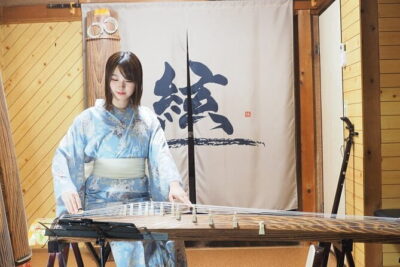
Concerts Played with Traditional Instruments in Kyoto
Read our review →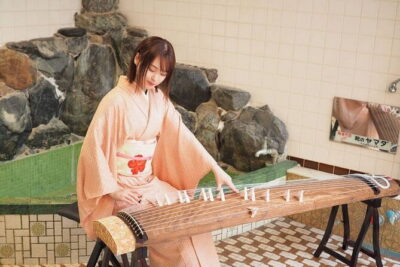
Traditional Concert in Public bath near Kyoto Station
Read our review →