Reviewed · PRIVATE
Kyoto: Japanese Gardens Private Customizable Tour
Kyoto’s gardens reward slow looking, and this private six-hour tour gives you time to study the rocks, plants, paths, and open spaces without being tied to a fixed group route. You can request famous sights such as Ryoanji and Kinkakuji, or ask your guide to shape the day around Zen design, seasonal plants, or less familiar temple gardens.
I like the custom route, which lets you build the day around your interests, and I like the one-to-one attention from a licensed guide. Guides named Shoji, Kazu, and Yuka have been praised for clear English, thoughtful planning, and the right amount of explanation. The main drawback is cost control: the $151 price does not include entrance fees, meals, or transport during the tour.
Key points at a glance
- Six hours for a private garden route: You set the focus, pace, and priority stops with your guide.
- Choose famous Zen sites or a quieter mix: Possible stops include Ryoanji, Ginkakuji, Nanzenji, Honen-in, and Tofuku-ji.
- Guide insight makes the gardens easier to read: Learn how rocks, plants, and open spaces express Japanese ideas.
- Transport is flexible but extra: Your guide can use public transportation or a taxi, with those costs paid separately.
- Pickup is on foot: Meet at your accommodation or a train station, ready 10 minutes before departure.
- Rain or shine: Plan clothing and footwear for six hours outside and between temple grounds.
Why a private garden tour works well in Kyoto
Kyoto has enough notable gardens to fill several days, but the best choices are spread across the city. A private guide can help you avoid wasting half the day crossing town, then adjust the plan when one place has already satisfied your curiosity or another deserves more time.
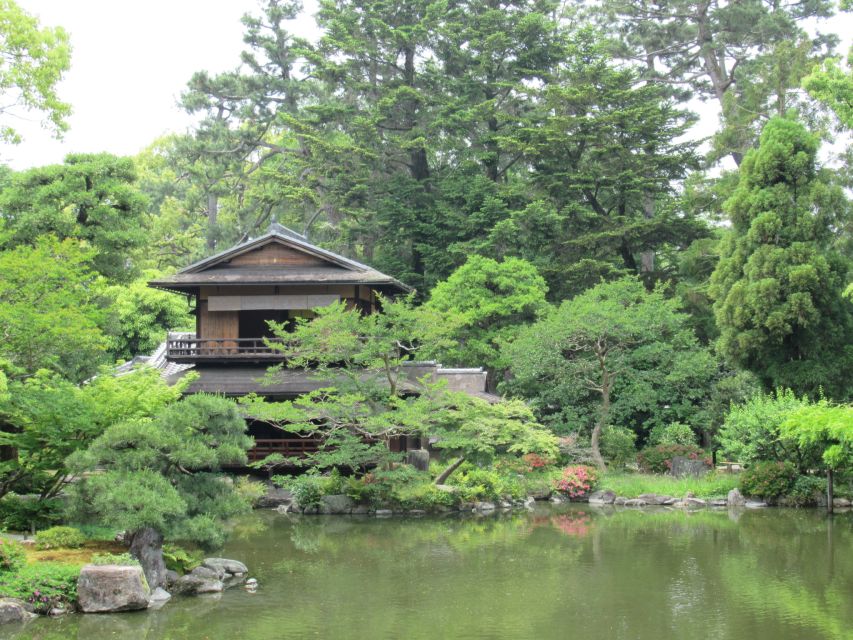
The real value is not simply being shown a famous temple. It is learning what to look at. A guide can point out how rocks, moss, water, plants, paths, and empty space work together. The tour description specifically includes both artistic gardens with seasonal plants and dry gardens at Zen temples, so you get a useful contrast rather than six hours of similar views.
You can tell the guide what matters to you before the day begins. Ask for famous photo stops, a stronger focus on Zen gardens, seasonal planting, imperial sites, or a route that keeps walking manageable. If you prefer not to plan, your guide can handle the itinerary.
This is especially useful for a first visit to Kyoto. You may recognize the names of Ryoanji, Kinkakuji, and Arashiyama, but not know how to place them sensibly in one day. The guide can explain the tradeoffs before you commit to a route.
A few more Kyoto tours worth putting on the shortlist
- PERFECT KYOTO 1-Day Bus Tour
★ 5.0 · 13,518 reviews - Kyoto: Fushimi Inari, Kinkakuji, Bamboo Grove 1 Day Bus Tour
★ 4.8 · 4,316 reviews - Kyoto: Tea Ceremony in a Traditional Tea House in Kiyomizu
★ 4.9 · 3,519 reviews
The famous gardens: Ryoanji, Kinkakuji, and Ginkakuji
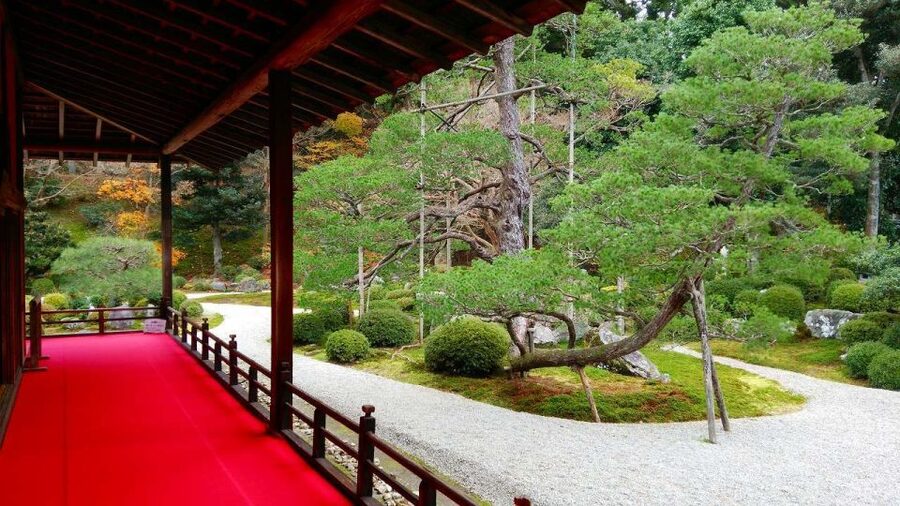
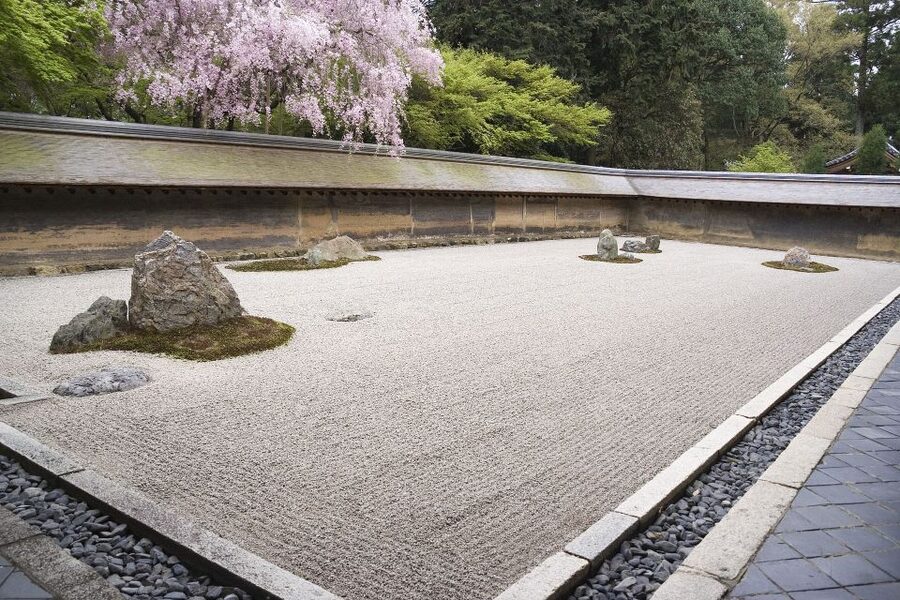
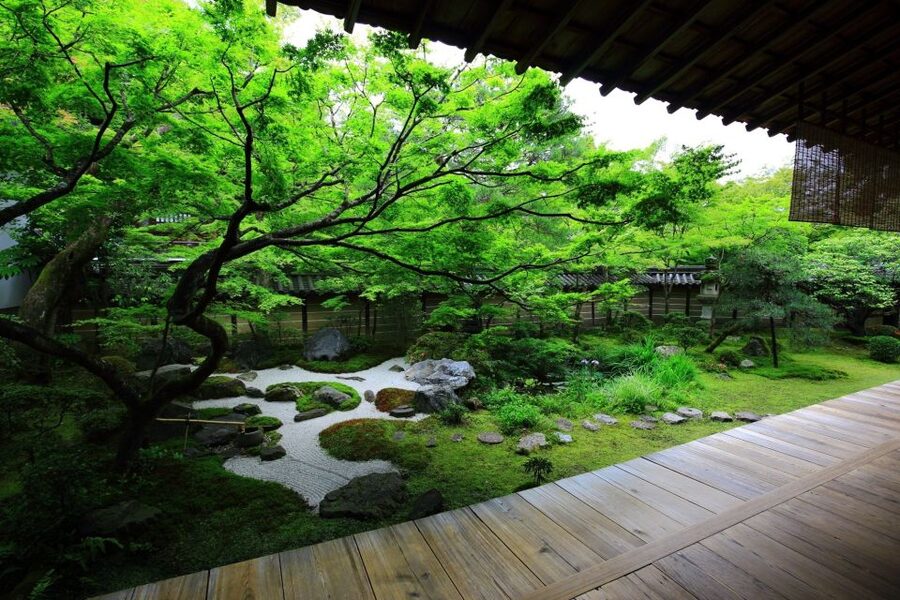
Ryoanji Temple is the clearest choice if dry Zen gardens are your main interest. Its spare arrangement of rocks and gravel invites quiet observation rather than a quick checklist stop. Ask your guide to explain the design and the ideas represented by its simple materials.
The limitation is time. Ryoanji is one of the most requested places on the list, so it may be harder to enjoy at a rushed pace if you also want several distant sites. Tell your guide if this is your priority, and allow enough time to look rather than simply arrive, photograph, and leave.
Kinkakuji Temple, often called the Golden Pavilion, offers a very different visual experience. Here, the building, pond, plants, and carefully arranged surroundings create a more decorative scene. It is a good counterpoint to Ryoanji because it shows how varied Kyoto garden design can be.
Kinkakuji is popular for a reason, but popularity can mean a faster, more crowded-feeling visit. Your guide can give the setting context and help you notice details beyond the main building. If your main goal is silence and long contemplation, ask how it compares with quieter temple choices.
Ginkakuji Temple provides another important contrast. Its garden includes carefully shaped gravel and planted areas, giving you a chance to compare a more refined garden setting with Ryoanji’s dry arrangement and Kinkakuji’s pond-centered view.
These three temples make a strong themed route, but they are not the only sensible combination. A six-hour day has limits, especially once you add transport and entrance fees. Your guide should help you choose quality over an ambitious list.
Quieter temple gardens at Honen-in, Nanzenji, and Tofuku-ji
If you want a garden day with less emphasis on the most famous names, ask about Honen-in and Nanzenji Temple. Both appear among the possible stops, and they can broaden the day beyond the standard first-visit circuit.
Honen-in suits you if you like a calmer temple setting and want to pay attention to small details. The point of a custom tour is that you can tell your guide you prefer quieter places instead of accepting only the biggest attractions.
Nanzenji gives your guide another way to discuss temple grounds and garden design. It can work well as part of a route focused on eastern Kyoto, though the final order depends on your starting point and the sites you select.
Tofuku-ji Temple is another useful choice for a garden-focused itinerary. Ask your guide how it fits with the rest of your day, especially if you want to compare different garden styles rather than visit several places that feel alike.
The benefit of these options is variety. The possible stops are not all dry Zen gardens. They include temple grounds, seasonal plantings, imperial gardens, a botanical garden, a bamboo forest, and specialized garden sites. You can ask for a broad introduction or a narrow study of one design tradition.
Arashiyama and bamboo: beautiful, but a different emphasis
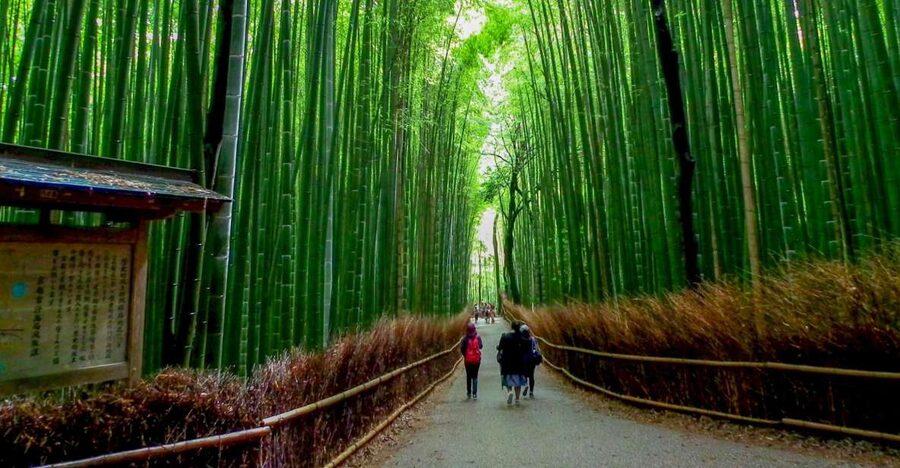
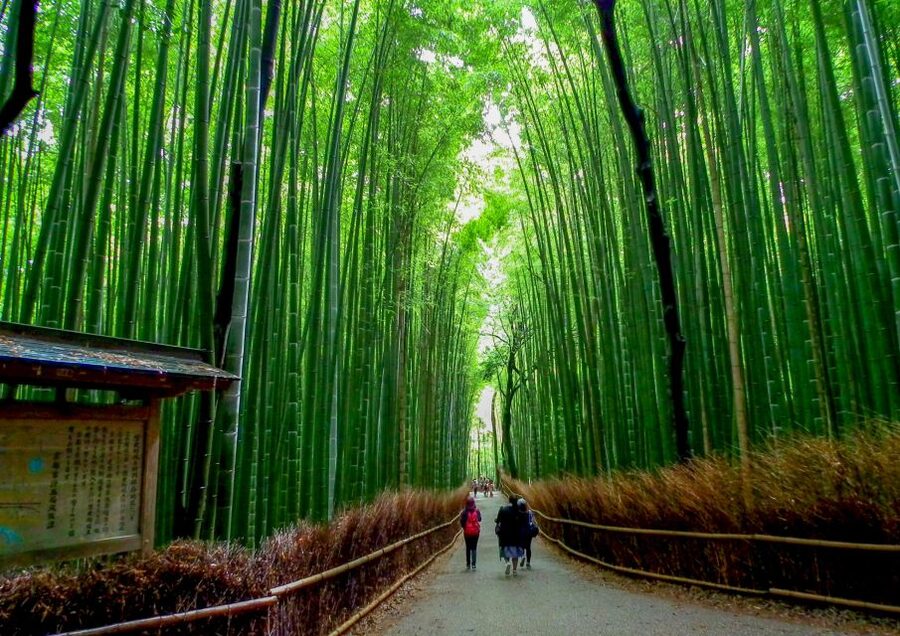
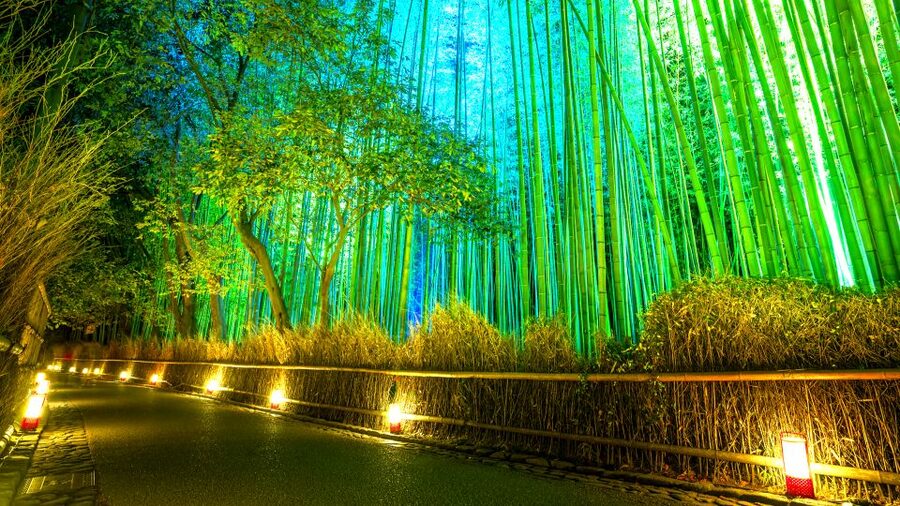
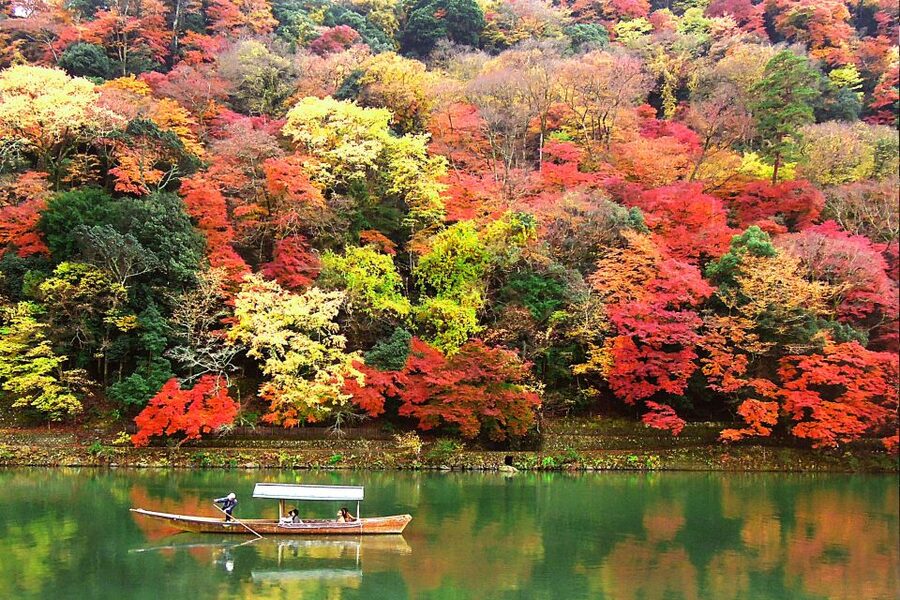
The Arashiyama Bamboo Forest is included among the popular options, though it is not a Zen garden in the same way as Ryoanji’s dry garden. It gives the day a strong plant-based experience and may appeal to you if you want a famous Kyoto sight alongside temple gardens.
Arashiyama can also shape the whole day because it lies away from several central and eastern Kyoto sites. Ask your guide about transport and timing before making it the first or last major stop. Adding Arashiyama to a long list can leave little time for careful garden visits.
This is where a private guide has a practical advantage. You can say that bamboo is essential, or that you would rather skip it in favor of two more temple gardens. A fixed group cannot adjust so easily.
Same city, a completely different kind of day:
- Kyoto Geisha Walking Tour: Gion District & Hidden Gems
★ 4.7 · 3,273 reviews - Kyoto: Tea Ceremony Ju-An at Jotokuji Temple
★ 4.9 · 3,207 reviews - Kyoto: Gion Magical Night Walking Tour with Geisha Trivia
★ 4.9 · 2,393 reviews - Kyoto: 45-Minute Tea Ceremony Lesson Experience
★ 4.3 · 2,378 reviews
Imperial grounds, botanical gardens, and specialist choices
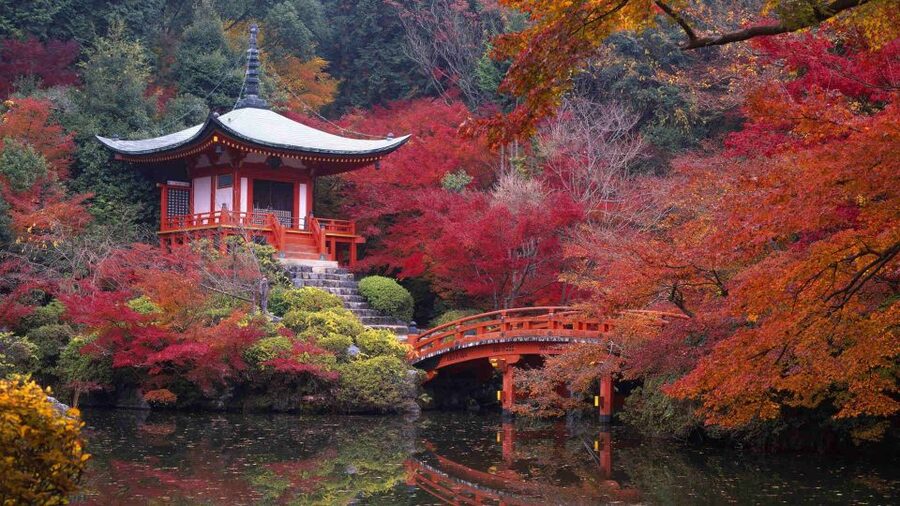
The possible route includes Kyoto Imperial Palace, Shugakuin Imperial Villa, and Katsura Imperial Villa. These choices suit you if you want to look beyond Zen temples and see formal garden planning connected with imperial sites.
The description does not promise admission to every site, and entrance fees are not included. Ask your guide about availability, entry arrangements, and how much time each place would consume before you build your day around one of them.
Kyoto Botanical Garden offers a different way to think about Kyoto’s plant life. It can be a good choice if seasonal plants matter more to you than temple architecture. The garden-focused itinerary is flexible enough for you to state that preference clearly.
Daitoku-ji Temple and Kokedera, also called Suzumushi-dera, add further possibilities for a more specialized route. These names are best treated as options, not promises that you will visit them all. Six hours is enough for a satisfying selection, not every garden on the list.
A useful question to ask before departure is simple: Which two or three places best match my interests and travel time? Let the guide solve the order after that.
What your guide adds to the experience
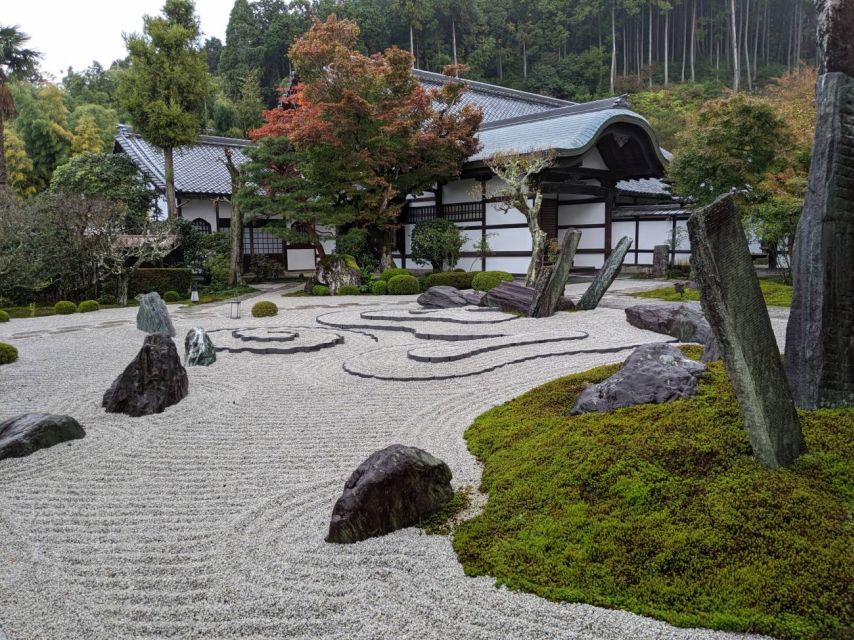
A garden can look beautiful without being easy to understand. Your guide helps connect the visible features to Japanese ideas represented through rocks, plants, and overall design. That explanation changes the way you look at an apparently empty patch of gravel or a carefully placed stone.
The guide can also adjust the amount of talking. Shoji was praised for giving just the right amount of information, neither too much nor too little, while also discussing Japanese culture and customs from a broad personal perspective. Kazu planned a strong day and offered useful context about Kyoto, Japan, and local customs. Yuka was described as thoughtful and well informed.
Those details matter because garden tours can go wrong in two ways. You can receive a lecture so long that you stop noticing the garden, or you can get little more than names and directions. When you meet your guide, say how much explanation you want and which subjects interest you.
The tour offers English and Japanese. English ability can vary by guide, so the provider contacts you before the activity to confirm arrangements. If detailed English explanation is important, use that contact to clarify the language of your tour.
Six hours, walking, and getting around Kyoto
The listed duration is six hours. Pickup is on foot from your accommodation or a train station, and you should be ready 10 minutes before the scheduled time. The guide can use public transportation or a taxi, depending on your preference and the route.
Transport costs during the tour are not included. That matters more here than on a compact walking tour because Kyoto’s gardens are spread across different parts of the city. Ask about the likely transport plan at the beginning, then keep money available for fares or taxi costs.
The $151 price is per person. For one or two people, that is a meaningful expense once you add admission fees and transport. For a larger private group, the personal planning and guide time may offer better value, particularly if everyone wants the same garden theme.
You should also expect a fair amount of walking and standing, although the activity is listed as wheelchair accessible. If you use a wheelchair or have mobility limits, tell the provider and guide your needs in advance so the route can be discussed clearly. Do not assume every possible garden stop will suit the same mobility requirements.
The activity runs rain or shine. Kyoto’s gardens can still be worth seeing in wet weather, but your comfort depends on proper clothing and shoes. A rain jacket, compact umbrella, and footwear with a firm sole are sensible additions.
What the price includes, and what it does not
The fee includes a private tour, a licensed guide, and pickup on foot from your accommodation or a train station. It does not include food, drinks, admission fees, transport to or from the meeting point, or transport used during the tour.
That makes the price easier to assess honestly. You are paying for planning, private attention, and guide time, not for an all-inclusive day. If your route includes several paid gardens, the final cost will be higher.
I would compare this tour with the cost of arranging several separate visits on your own. If you already know Kyoto well and only need directions, the price may be hard to justify. If you want someone to connect the gardens, explain the design, and handle the order of the day, the private format earns its keep.
You can also control the value by stating your priorities in advance. A focused route with two or three well-chosen stops is likely to feel more rewarding than trying to collect every name on the list.
Who should book this garden experience
This tour fits first-time Kyoto visitors who want more than quick photographs. It also suits repeat visitors who have seen the major temples and now want a day shaped around garden design.
It is a good match for couples, families, or friends who want to stay together and set their own pace. The private format lets you ask questions freely and change the balance between temple gardens, imperial grounds, plants, and bamboo.
You should think twice if you want a fixed, all-inclusive itinerary with no extra costs. You may also prefer another type of Kyoto tour if gardens are only a minor interest. Six hours devoted mainly to garden settings is a long commitment.
Before booking, decide which of these sounds most like you:
- Famous sights such as Ryoanji and Kinkakuji
- A quieter mix including Honen-in and Nanzenji
- A comparison of dry gardens and planted gardens
- Imperial sites and formal garden design
- A broad introduction planned by the guide
That answer will help your guide make the day feel intentional rather than crowded.
Should you book the Kyoto garden tour?
Book it if you want a private, flexible garden day and value explanation as much as sightseeing. The strongest reasons are the custom route, the chance to compare several garden styles, and the personal guidance offered by an English or Japanese-speaking licensed guide.
Skip it if you need entrance fees and transport folded into one simple price, or if you would rather explore only one neighborhood at your own pace. The $151 fee is not the whole budget, but it can be fair for a private six-hour plan, especially when divided among several people.
When you book, send clear requests early. Name your top two stops, say how much walking suits you, choose public transport or taxis based on your budget, and ask what is realistic in six hours. Do that, and you give the guide the information needed to create a focused Kyoto garden day.
FAQ
How long is the tour?
The tour lasts six hours.
Is the tour private?
Yes. It is offered for a private group.
Which languages are available?
The live guide languages are English and Japanese.
Can I customize the itinerary?
Yes. You can share special requests, and the guide can tailor the route. You may also let the guide plan the itinerary.
Which gardens and sights may be included?
Possible stops include Arashiyama Bamboo Forest, Kinkakuji Temple, Ginkakuji Temple, Ryoanji Temple, Honen-in, Nanzenji Temple, Tofuku-ji Temple, Kyoto Imperial Palace, Shugakuin Imperial Villa, Daitoku-ji Temple, Kokedera Suzumusidera, Katsura Imperial Villa, and Kyoto Botanical Garden.
Are entrance fees included?
No. Entrance fees are not included in the tour price.
Is transportation included?
Pickup from your accommodation or a train station is on foot. Transport used during the tour is not included. The guide can use public transportation or a taxi, depending on your preference.
Where do I meet the guide?
You meet the guide in your hotel lobby or at a train station. Be ready 10 minutes before the scheduled pickup time.
Can I cancel the tour?
You can cancel up to 24 hours in advance for a full refund. You can also reserve now and pay later.
Newest Kyoto experiences on the site
- Treasures of Kyoto: Gion & historical Walking Tour★ 5.0 · 6 reviews
- Whisk Your Own Matcha: A Zen Matcha Experience at Temple★ 3.6 · 7 reviews
- Uji: Private immersion into Kyoto’s tea and reglious culture★ 5.0 · 17 reviews
- Kyoto tea town for matcha lovers★ 5.0 · 16 reviews
- Kyoto Matcha Green Tea Tour★ 4.5 · 23 reviews
- Uji and Wazuka Matcha Farm Half Day Private Guided Tour★ 5.0 · 21 reviews
- Utilising upcycled Matcha! Creating matcha incense (Uji, Kyoto)★ 5.0 · 6 reviews
- Sacred Temple Yoga Experience in Japan★ 5.0 · 3 reviews
Private, compared.
Fushimi Inari Hidden Hiking Tour (Private Option Available)
Read our review →
Private Kyoto Tour with a Local, Highlights & Hidden Gems, Personalised
Read our review →
Kyoto 6hr Private Tour with Government-Licensed Guide
Read our review →
10 Must-see Spots in Kyoto One Day Private Tour (up to 7 people)
Read our review →
Kyoto 4hr Private Tour with Government-Licensed Guide
Read our review →
Private Kyoto Tour with Licensed Guide & Vehicle (Max 15 persons)
Read our review →