
Reviewed · KYOTO HIKING TOURS
Kyoto: Hike and Hot Springs in Kurama
The best part of this half-day outing is the change of pace. In less than an hour, Kyoto’s city streets give way to a mountain train, a quiet riverside village, towering cedars, and the sacred paths of Kurama Mountain. You get nature, local legends, and a temple visit in one tidy trip.
I like the ride through the mountains and the chance to see Kibune Shrine, where you can pray for good relationships. I also like the flexible finish: you can eat in Kurama, catch the train back, or pay extra for a hot spring bath with mountain views. The main catch is the climb. It is short, but the steep steps and summer heat can make it a serious workout.
Key points to know before booking
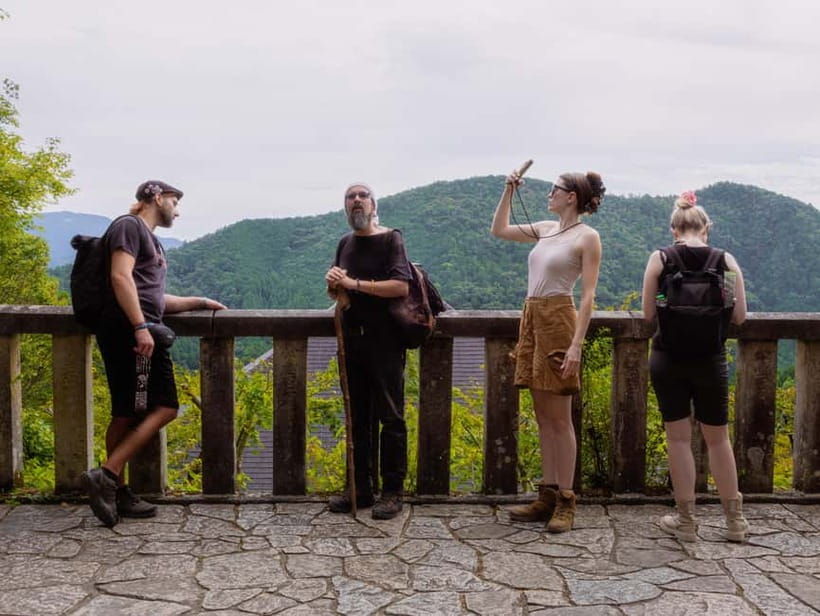
- A mountain escape from Kyoto: Ride the Eizan train from Demachiyanagi through the northern hills to the villages of Kibune and Kurama.
- A 30 to 40-minute uphill climb: The route is moderate, but steep steps require decent fitness and comfortable shoes.
- Sacred sites along the trail: Visit Kibune Shrine and Kurama Temple, a local power spot tied to old legends and Reiki tradition.
- Guides add real value: Philippe, Phillipe, Chris, Kevin, Salome, and others have led this walk, with particular praise for local history and cultural insight.
- The onsen is optional: The Kurama Hot Spring costs extra, but it is a highly appealing way to finish after the hike.
- Not a casual stroll: Children under 11, wheelchair users, people with mobility impairments, and people without hiking experience should choose another outing.
Why this northern Kyoto trip feels different
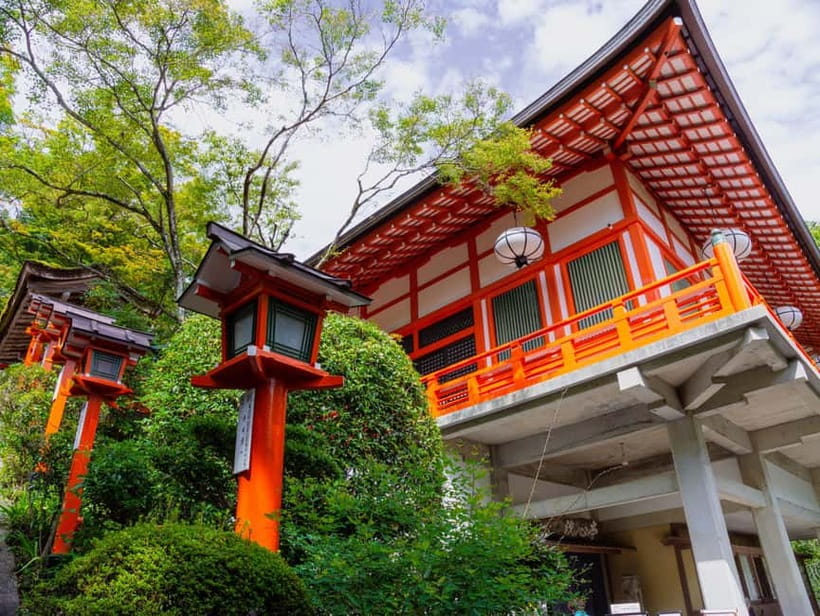
Kyoto has plenty of temples, but this trip gives you a temple reached through the forest rather than by taxi or city bus. That matters. The approach to Kurama Temple is part of the experience, with stone steps, old religious sites, mountain air, and long views down the valley.
You begin at Demachiyanagi Station, exit 7, in front of the Eizan Railway. From there, the train ride is a pleasant warm-up. The railway carries you away from central Kyoto and into the mountains, with the route itself becoming part of the outing. You are not simply being dropped at a famous sight. You are watching the city fade into rural northern Kyoto.
The tour lasts about four hours. That is enough time to make the journey feel substantial without taking a full day from your Kyoto schedule. It also leaves room for you to continue on your own at the end, perhaps with lunch, a village stroll, the train back to town, or the hot spring.
More hikes out of Kyoto:
- Fushimi Inari Hidden Hiking Tour (Private Option Available)
★ 5.0 · 1,750 reviews - Kyoto: 3-Hour Fushimi Inari Shrine Hidden Hiking Tour
★ 4.9 · 270 reviews - Kyoto Hiking Tour: The Nature and Legends of Kurama and Kibune
★ 5.0 · 75 reviews
Kibune Shrine and the prayer for good relationships
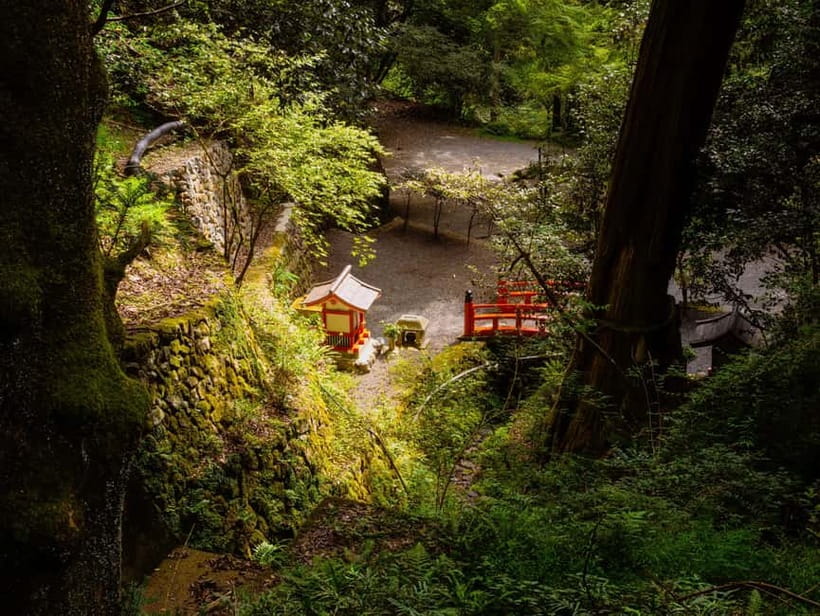
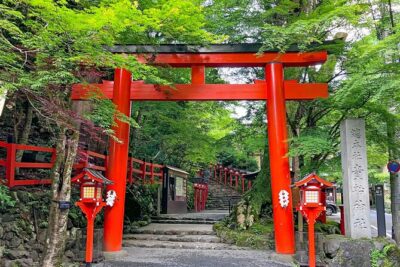
The first important stop is Kibune Shrine, a sacred site associated with the mountain valley and the river below. The shrine gives the walk a clear spiritual beginning before the physical work starts.
One of the tour’s special details is the chance to make a prayer for good relationships. That makes Kibune more than a quick photo stop. Your guide can explain the customs and stories connected with the shrine, helping you see how religious practice still shapes a visit to these mountain communities.
The setting is a strong part of the appeal. Kibune is tied to a legendary river and surrounded by tall cedar trees. The air is cooler and cleaner than in central Kyoto, although summer can still be hot during the climb. Bring water, and wear long pants if you want to reduce the chance of bug bites.
The cedar trail up Kurama Mountain
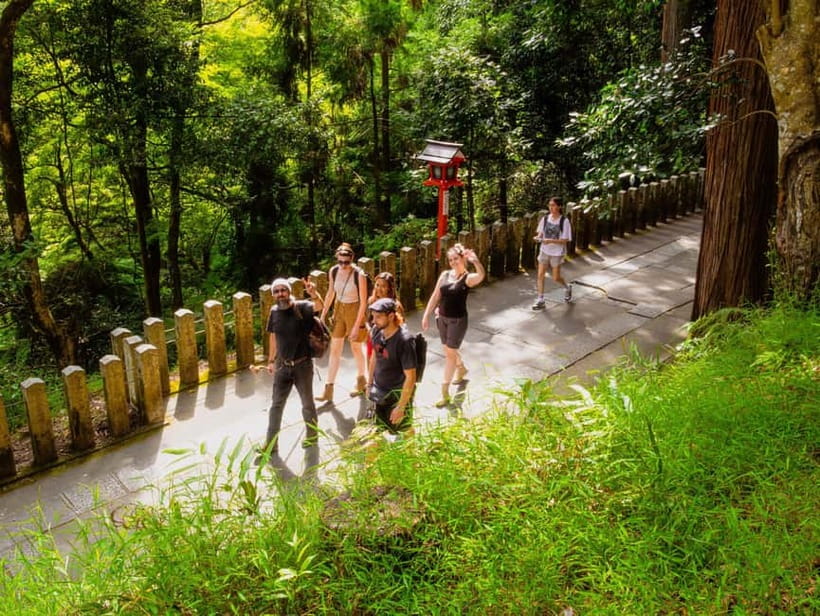
After the shrine visit, you start the main climb. The top can be reached in roughly 30 to 40 minutes, but do not read that figure as a promise of an easy walk. The trail uses many steps, and the ascent can feel demanding if you are not used to hills.
I would describe it as a moderate hike with a short, steep section rather than a relaxed nature walk. Several people have found it hard work, especially in warm weather. The tour information asks for a decent level of fitness and some hiking experience, and that advice deserves attention.
The good news is that you are not expected to race upward. The guide makes stops for views, rest, and points of interest along the way. Guides such as Philippe and Phillipe have been praised for pacing the climb, explaining the shrines and deities, and adjusting the route to suit the group.
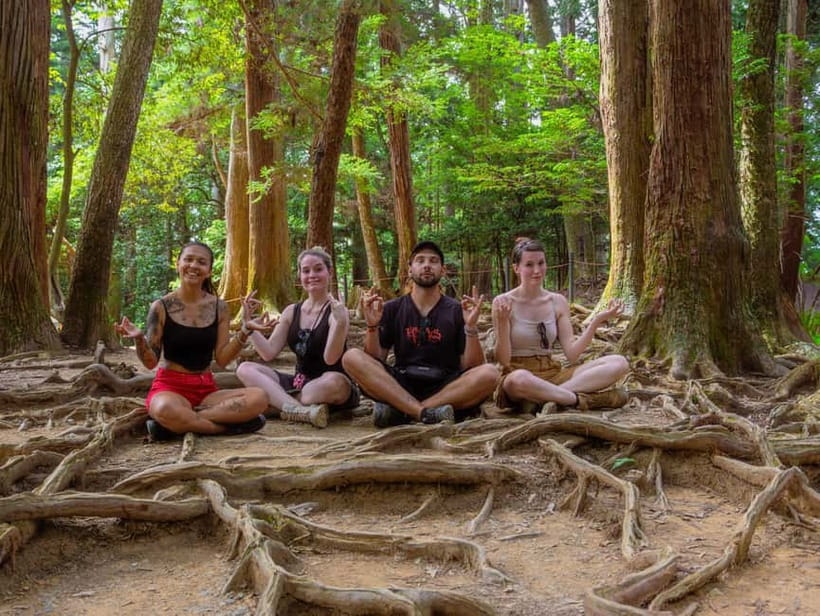
The forest is the reason to accept the effort. Cedar trunks rise around the path, the air feels crisp, and the trail has a quiet quality that is hard to find in Kyoto’s central districts. You might also see wildlife. One outing included deer, and another guide made a special effort to track down a monkey. Sightings are never guaranteed, but the forest feels alive even when nothing appears.
Kurama Temple at the mountain summit
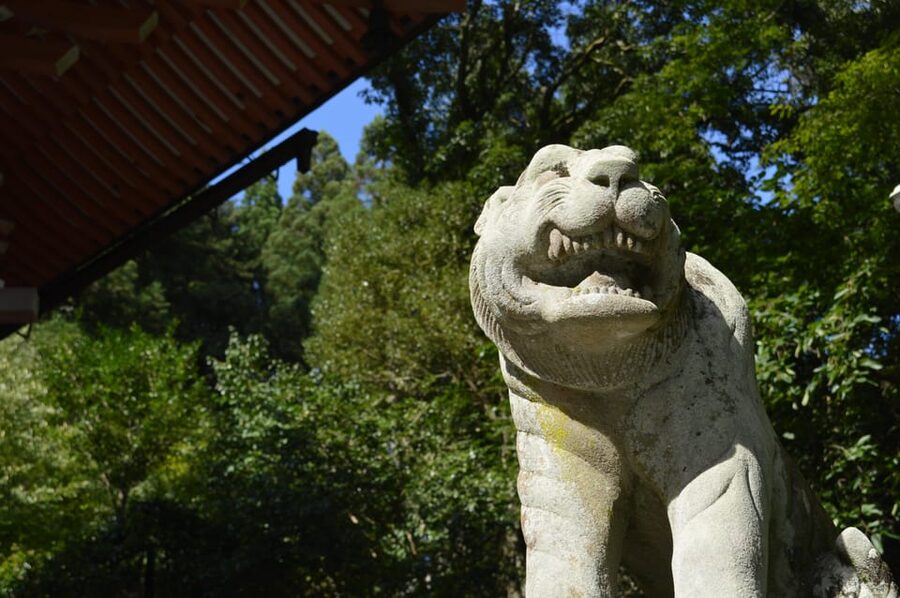
Kurama Temple is the high point of the walk in both senses. The temple is closely linked with local legends and is regarded by many people as a power spot. For visitors interested in Japanese religion, spirituality, or Reiki, the site has extra meaning. One participant especially valued seeing the place connected with the origins of Reiki.
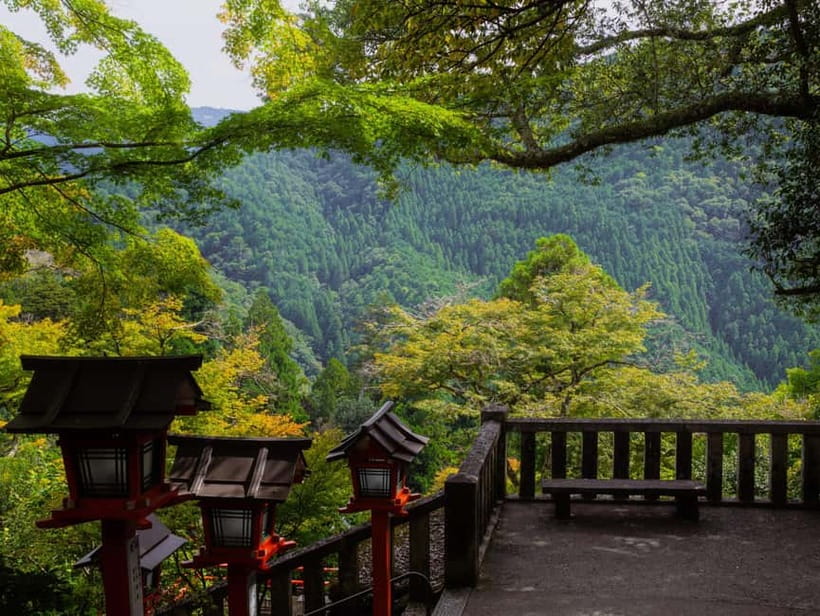
The temple also rewards you with views across the valley. After the climb, take time to breathe, look out over the hills, and let the setting do its work. This is not a stop to rush through for a single photograph.
Guides are a major part of what you receive here. Philippe has been singled out for explaining the area’s stories, deities, and cultural traditions, while Chris, Kevin, Salome, and others have also received strong praise for their friendly approach. A good guide helps connect the physical trail with the beliefs and legends attached to it.
The temple may not always look exactly as expected. Maintenance work once left the main building covered in scaffolding, which limited the view from outside. The temple could still be entered, and the large bell in the hills remained a worthwhile feature, but construction can affect the appearance of a major stop.
More onsen soaks near Kyoto:
- Guide tour of Japanese bathing culture at Funaoka Onsen
★ 5.0 · 15 reviews
A flexible finish in the village of Kurama
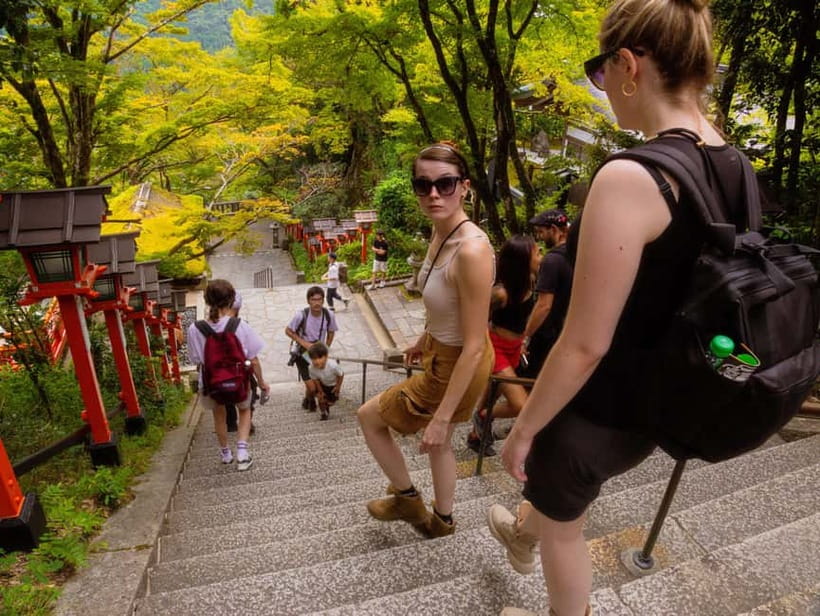
From the temple, you descend by steps toward the small village of Kurama. The downhill section is easier on your lungs, but it still puts pressure on your knees, particularly after the ascent. Take care on the steps and keep your pace comfortable.
The guided portion ends in the village, where you receive help choosing what to do next. This is an important point to understand before booking: the tour does not return you to the original meeting point as part of the included service. Transportation to the starting point is included, but your return from Kurama is not.
You can have a late lunch, stroll through the village, or take the train back to Kyoto. Lunch is not included, so plan to pay separately. The village restaurants and riverside setting offer a pleasant way to slow down after the climb, but the timing may feel late for a standard lunch.
The flexible ending is useful for different kinds of days. You can return to Kyoto if you have evening plans, linger in the mountains if you want a slower afternoon, or finish with the hot spring. The guide can explain the options, but the choices after the tour are your own.
Why the Kurama Hot Spring is worth considering
The hot spring bath costs extra, but it is the most natural finish to this outing. After a climb and descent, soaking in an outdoor bath with mountain views can turn a tiring morning into a genuinely restorative one.
The bath is optional, and you should not assume it is included in the $80 price. The tour includes the guide fee, temple admission, and transportation connected with the guided outing. Lunch and the hot spring fee are separate. A discounted bath ticket may be available through the tour, which can improve the value.
I would make the onsen a priority if your schedule allows. Several people have found it to be the perfect reward after the mountain walk. You do need to bring enough time and budget for it, though. If you want only the hike and temple, you can skip the bath and return by train.
Guides, group size, and the human side of the walk
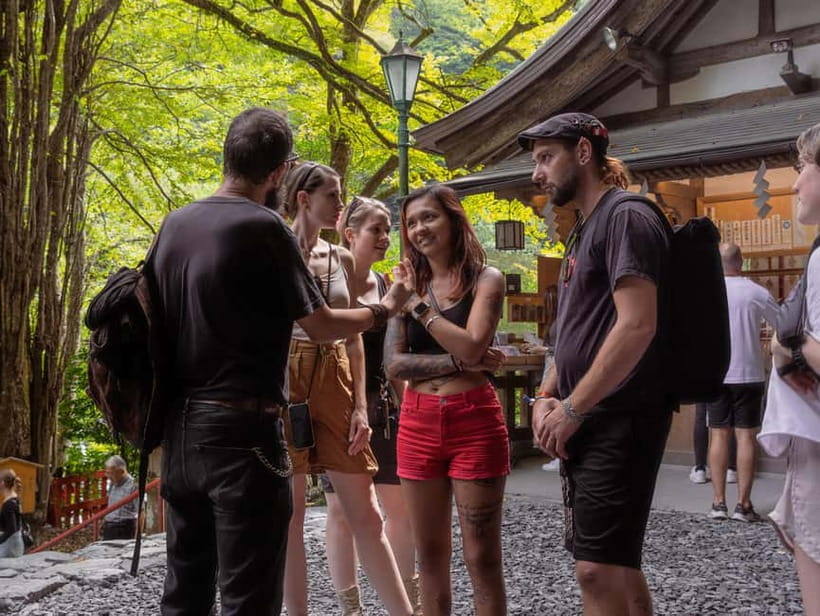
The tour is offered as a private experience or in a small group. That distinction matters on a trail like this. A small group lets the guide adjust the pace, answer questions, and make extra stops without holding up a large crowd.
The strongest pattern in the guide feedback is the quality of the explanations. Philippe and Phillipe have been especially well received for their local insight, humor, patience, and understanding of the mountain. Chris, Kevin, Salome, and other guides have also been praised for making the outing friendly and informative.
A private booking may give you more room to shape the day, especially if you care about Reiki, religious sites, photography, or taking a slower climb. One private group was able to spend extra time at Kurama and visit lesser-known areas beneath the temple. That sort of flexibility is one reason the tour can feel more personal than a standard sightseeing transfer.
There is one fair warning. Guide quality can vary. One participant reported that the guide smoked while walking ahead and drank beer before the tour had fully ended. That appears to be an isolated complaint among an otherwise very strong set of ratings, but it is worth noting if you are sensitive to smoke or expect a highly polished guiding style.
Is $80 a fair price?
At $80 per person, the tour is not the cheapest way to visit Kurama. You could arrange the train journey and temple visit yourself, especially if you are comfortable reading maps and handling the route without help.
The price becomes easier to justify if you value context and convenience. You receive the guide, temple admission, and transportation for the guided portion. You also avoid working out the best route between Kibune and Kurama, and you gain explanations about the shrines, deities, legends, and local customs.
The guide can also help you use your time well. The tour is compact, and the route is physically demanding enough that a poor pace or a missed turn would be frustrating. For a first visit to northern Kyoto, the cost is reasonable if you want the cultural background rather than just a hike.
Budget separately for lunch, your return train, and the hot spring. The onsen is not required, but it is the expense most likely to add real pleasure to the day.
Who should book this experience?
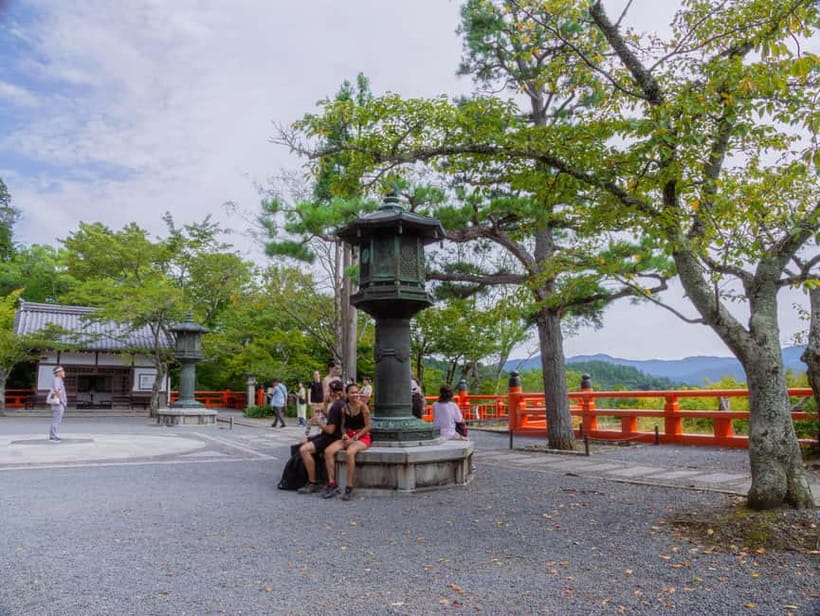
This outing suits you if you want a break from Kyoto’s busy temple districts and enjoy walking through nature. It is a good match for adults and older teenagers with hiking experience, especially those interested in Japanese religious traditions, local legends, or Reiki.
It is less suitable if you want an easy sightseeing day. The steps are real, the climb can be hot, and mobility limitations make the route impractical. Children under 11 are not accepted, and the experience is not suitable for wheelchair users or people without hiking experience.
Bring comfortable shoes and water. Long pants are a smart choice for the forest. You should also leave enough time after the official four hours if you hope to eat, bathe, or linger in Kurama.
The tour has a five-star rating from 49 reviews, with repeated praise for the guides, the mountain setting, and the cultural explanations. The most useful way to read that is not as a guarantee of a perfect day, but as a sign that the core idea works: a short train journey, a meaningful mountain walk, and a flexible finish.
Should you book the Kurama hike?
Book it if you want to see a quieter side of Kyoto and are ready for a proper uphill walk. The combination of Kibune Shrine, cedar forest, Kurama Temple, and a possible hot spring bath gives you far more variety than a simple temple visit.
I would choose a private or small-group option if you care about pace and personal questions. I would also try to arrange the hot spring afterward, since it makes the physical effort feel worthwhile.
Skip it if you are looking for flat paths, guaranteed temple views without construction, or a fully self-contained day with every cost included. For fit visitors who want mountains, spiritual sites, and useful local guidance in just half a day, this is one of the better escapes from central Kyoto.
FAQ
Where does the tour meet?
The meeting point is Demachiyanagi Station, exit 7, in front of the Eizan Railway in Kyoto.
How long does the experience last?
The guided experience lasts about four hours. You can continue independently in Kurama afterward for lunch, a village walk, the hot spring, or the train journey back.
How difficult is the hike?
The hike is moderate, with steps leading uphill to Kurama Temple. The summit can be reached in about 30 to 40 minutes, but you should have a decent fitness level and some hiking experience.
Is transportation included?
Transportation connected with the guided outing is included. Transportation back to the original meeting point is not included.
Is the hot spring included in the price?
No. The hot spring fee is separate. A special discounted bath ticket may be available through the tour.
What should I bring?
Bring comfortable walking shoes and water. Long pants are recommended if you want to reduce the chance of bug bites.
Which languages are available, and can I book privately?
The tour is available in English and French. Private and small-group options are offered.
Newest Kyoto experiences on the site
- Treasures of Kyoto: Gion & historical Walking Tour★ 5.0 · 6 reviews
- Whisk Your Own Matcha: A Zen Matcha Experience at Temple★ 3.6 · 7 reviews
- Kyoto tea town for matcha lovers★ 5.0 · 16 reviews
- Uji: Private immersion into Kyoto’s tea and reglious culture★ 5.0 · 17 reviews
- Kyoto Matcha Green Tea Tour★ 4.5 · 23 reviews
- Uji and Wazuka Matcha Farm Half Day Private Guided Tour★ 5.0 · 21 reviews
- Utilising upcycled Matcha! Creating matcha incense (Uji, Kyoto)★ 5.0 · 6 reviews
- Sacred Temple Yoga Experience in Japan★ 5.0 · 3 reviews
Kyoto Hiking Tours, compared.
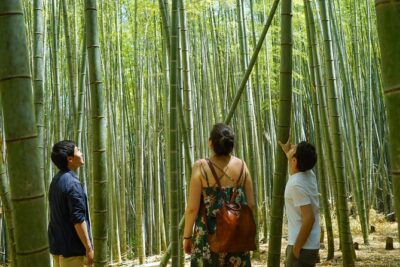
Fushimi Inari Hidden Hiking Tour (Private Option Available)
Read our review →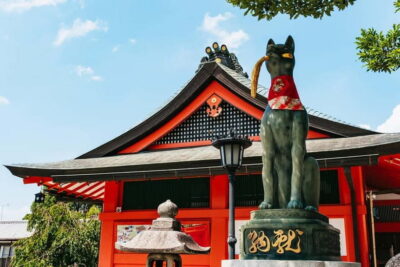
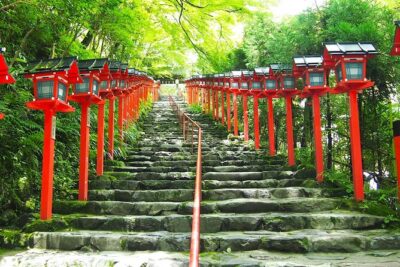
Kyoto Hiking Tour: The Nature and Legends of Kurama and Kibune
Read our review →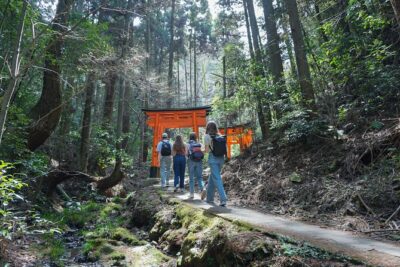
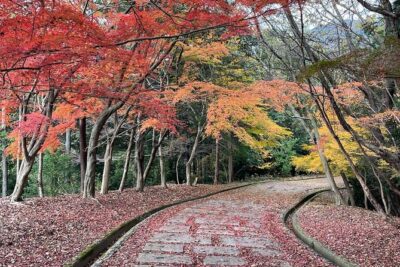
Kyoto Arashiyama Bamboo Forest Hiking Tour(Hidden Temples)
Read our review →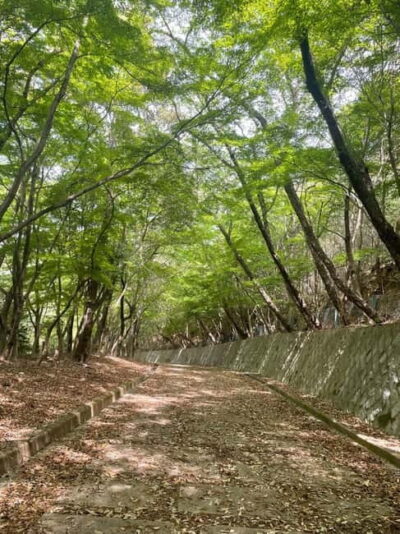
Hiking Tour for Sacred Sites in Kyoto with a Guide
Read our review →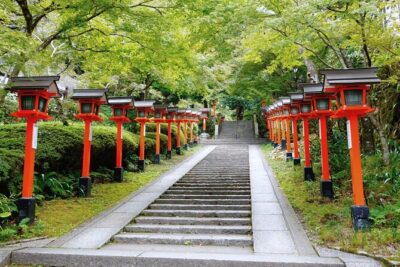
Hike and explore the Kurama and Kibune ancient Paths
Read our review →Browse the lists this tour appears in