
Reviewed · GION DISTRICT TOURS
Kyoto: Gion Walking Tour for First-Time Visitors
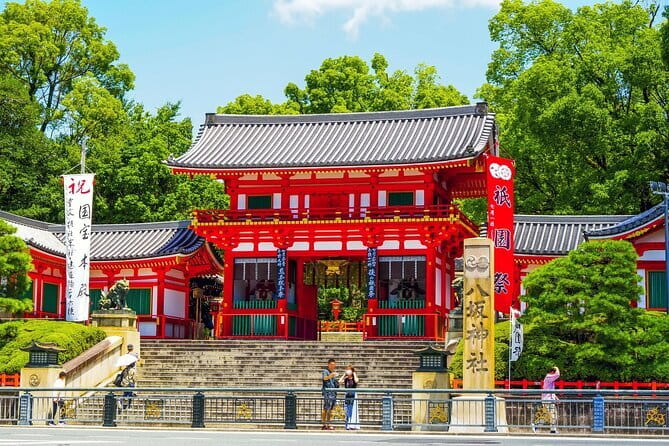
Kyoto’s spiritual heart comes into focus on this two-hour walk from Gion to Yasaka Shrine. You’ll pass through temple grounds, old lanes, teahouse streets, and shrine gardens while your guide explains how these places fit together. Yasaka Shrine is the main prize, with its vermilion gates, long history, and connection to Susanoo, the god of storms.
I like the low price, $22 per person, and the useful route for a first visit. I also like that the tour ends at Yasaka Shrine rather than sending you back to the starting point. The main drawback is pace: two hours covers several important places, so you should expect an introduction rather than a slow, detailed study of every temple and lane.
Key points to know before you go
- Yasaka Shrine is the main focus: Learn about its 1,300-year history and dedication to Susanoo.
- Gion comes first: The route gives you an early look at Kyoto’s traditional streets and cultural quarter.
- Kenninji Temple adds a temple stop: You receive about 15 minutes of guided attention here.
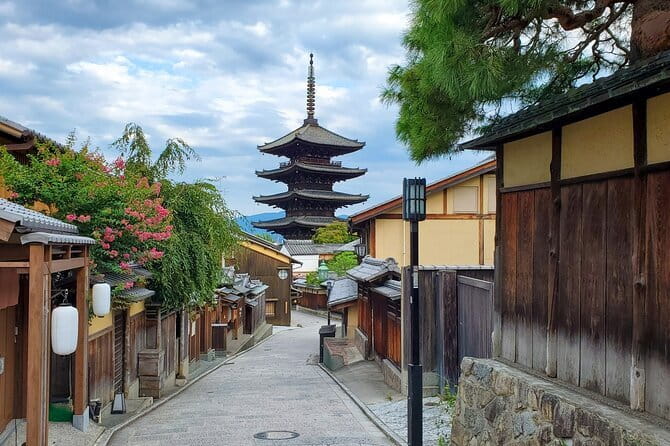
- Ninenzaka brings the classic Kyoto views: Expect cobblestones, teahouses, artisan shops, and local food shops.
- Saki is one named guide: Another praised guide was described as Norwegian and a Japanese Fine Arts student.
- The tour is walk-only: Wear good shoes, bring water, and note that it is not suitable for wheelchair users or people with mobility impairments.
Why this Gion walk works for a first visit
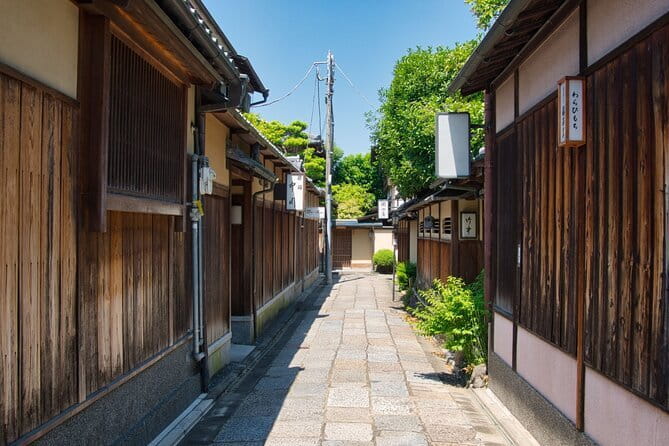
Gion can feel confusing at first. It is not one single attraction with a clear gate and exit. It is a district of lanes, shrines, temples, shops, restaurants, and traditional buildings, and the most interesting details are often easy to miss when you are walking alone.
This tour gives you a simple route through that setting. You meet at Kyoto Tourist Lounge Gion, walk through Gion, visit Kenninji Temple, continue toward Ninenzaka, and finish at Yasaka Shrine. That direction makes practical sense for a first outing because you get both the feel of the district and a clear final destination.
I especially like the tour’s mix of religious sites and ordinary streets. You are not spending two hours inside a single temple complex. Instead, you see how sacred places sit beside shops, teahouses, food stalls, and daily city life. That combination helps Kyoto feel like a living place rather than an open-air museum.
The English-language guide is another important part of the experience. The tour is designed to explain what you are seeing, not simply point out buildings. Saki is named as one of the guides, and another guide was described as Norwegian and a Japanese Fine Arts student. That background suggests a guide who can connect local art, Japanese culture, and the visible details along the route.
More ways to walk Gion:
- Kyoto Geisha Walking Tour: Gion District & Hidden Gems
★ 4.7 · 3,273 reviews - Kyoto: Gion Magical Night Walking Tour with Geisha Trivia
★ 4.9 · 2,393 reviews - Kyoto: Gion Geisha District Walking Tour – Stories of Geisha
★ 4.7 · 2,187 reviews
Starting at Kyoto Tourist Lounge Gion
The meeting point is Kyoto Tourist Lounge Gion. From there, the walk begins in the Gion district, one of the city’s best-known areas for traditional streets and teahouses.
Your first few minutes matter because they help you get your bearings. Rather than arriving at Yasaka Shrine on your own and trying to understand the surrounding lanes afterward, you begin with a guide who can set the scene. You can ask questions early, then use that context for the rest of your Kyoto visit.
The tour does not include hotel pickup, so you need to make your own way to the meeting point. It also does not include meals. Plan to eat before or after the walk, or bring water for the route. The supplied information does not promise food tastings, so do not book this expecting a food tour.
The walk is in English. At $22 per person, that is a modest price for a live guide and two hours of sightseeing in one of Kyoto’s most sought-after areas. You are paying for orientation and interpretation, not transportation, admission extras, or a meal.
Gion in 15 minutes: temples, teahouses, and old lanes
The guided section through Gion lasts about 15 minutes. That is enough time to introduce the district, but not enough for a detailed tour of every side street or building.
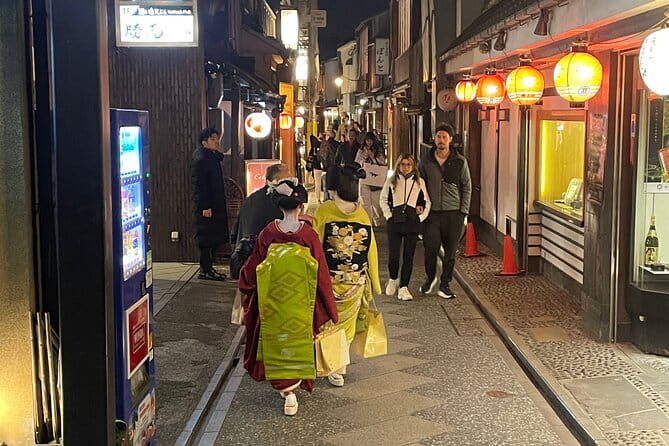
Gion is valuable as a starting point because it gives you the visual language of old Kyoto. Look for traditional façades, narrow lanes, and streets where teahouses and craft shops sit close together. The tour description points to local delicacies and artisan shops, so you will have useful places to notice and possibly revisit after the walk.
Keep your camera ready, but stay aware of the setting. Gion is a working neighborhood, not only a photo backdrop. A guided walk is useful here because it can help you understand the difference between sightseeing in a historic district and simply rushing from one picture spot to another.
The short timing means you should not expect long stops at each shop. Instead, think of this part as an introduction to the district’s character. If Gion is high on your Kyoto list, this walk can help you decide where to return later with more time.
Kenninji Temple and the value of a short guided stop
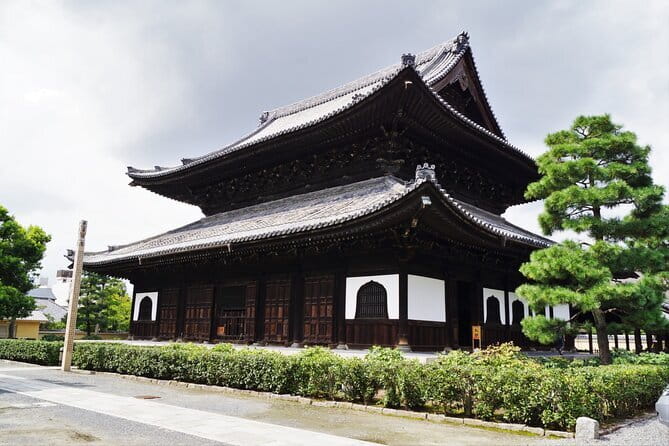
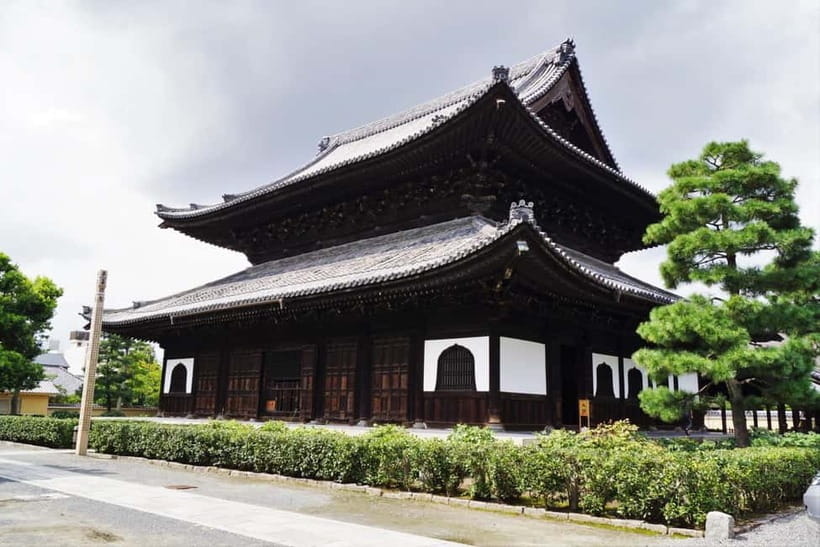
Kenninji Temple receives about 15 minutes of visiting and explanation. Even a brief stop here adds an important counterpoint to Gion’s streets. The temple gives the route a quieter, more reflective pause before the walk continues through the city.
The supplied details do not specify which buildings, artworks, or gardens you will see inside Kenninji, so I would not book this as a complete temple tour. The value is in having the site placed into the wider route and explained by a guide.
Fifteen minutes can work well if you prefer variety. You get a taste of the temple atmosphere without spending the whole morning in one location. On the other hand, visitors who want long periods for photography, meditation, or close study may find the stop too brief.
This is one place where the guide’s background matters. A guide with an art and cultural interest can help you notice design, religious symbols, or visual details that might otherwise pass without explanation. One guide was described as both Norwegian and a Japanese Fine Arts student, while Saki is another named guide associated with the tour.
More walking tours in Kyoto:
- Night Walk in Gion: Kyoto’s Geisha District
★ 4.5 · 2,003 reviews - Kyoto Gion Geisha District Walking Tour – The Stories of Geisha
★ 5.0 · 1,441 reviews - Nishiki Market Brunch Walking Tour (7 Tastings + Brunch)
★ 5.0 · 1,355 reviews - Kyoto Arashiyama Walking Tour: Bamboo, Monkeys, Gardens & Secrets
★ 5.0 · 1,216 reviews
The unnamed middle stops: time for context and photographs

The itinerary includes two additional 15-minute sections listed as a visit and guided tour, followed by a photo stop, visit, and guided tour. The supplied information does not name these stops, so it would be wrong to promise a particular gate, street, garden, or building.
What you can expect is a series of short sections rather than one long stay at a single attraction. This format keeps the walk moving and gives your guide room to explain the route as you go. It also means you should be ready for brief pauses, photographs, and continued walking.
I recommend keeping your belongings light. A small bag, water bottle, and camera are enough for this kind of outing. You will get more from the walk if you can move easily between stops instead of carrying a full day pack.
The unknown details are a small weakness in the description. If you need to know every stop before booking, ask the operator for the exact names. For most first-time visitors, though, the broad route matters more than a fully itemized list, since Gion, Ninenzaka, and Yasaka Shrine are the clear anchors.
Ninenzaka’s cobblestones and traditional shops
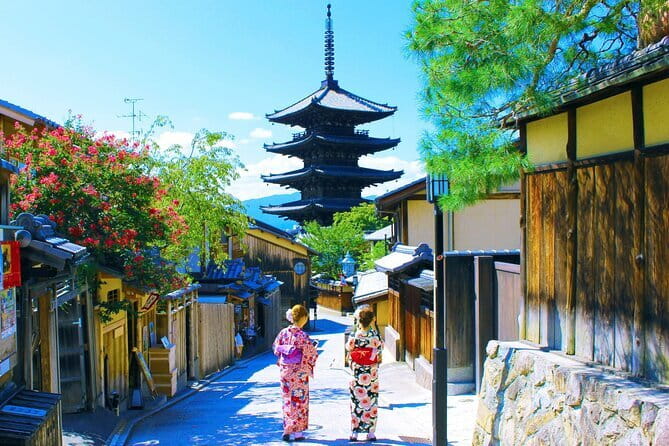
Ninenzaka is one of the most appealing parts of the route. This picturesque cobblestone street is lined with traditional teahouses, artisan shops, and local delicacies. It offers the kind of old-Kyoto setting many first-time visitors hope to see.
The street is also where comfortable shoes become essential. Cobblestones can make walking less comfortable, especially if you are wearing thin sandals or hard-soled shoes. The tour lasts two hours, and the route is not designed for wheelchair users or people with mobility impairments.
Ninenzaka works best as a guided photo stop and orientation walk. You can admire the architecture, note shops you may want to revisit, and learn how this old lane connects with the surrounding temple and shrine area. The walk does not include meals, so any food or drink you buy here is at your own cost.
Do not expect the guide to give you unlimited shopping time. The group has a schedule, and the route continues to Yasaka Shrine. If a particular craft shop or sweet catches your eye, remember its location and return after the tour.
Yasaka Shrine and the god of storms
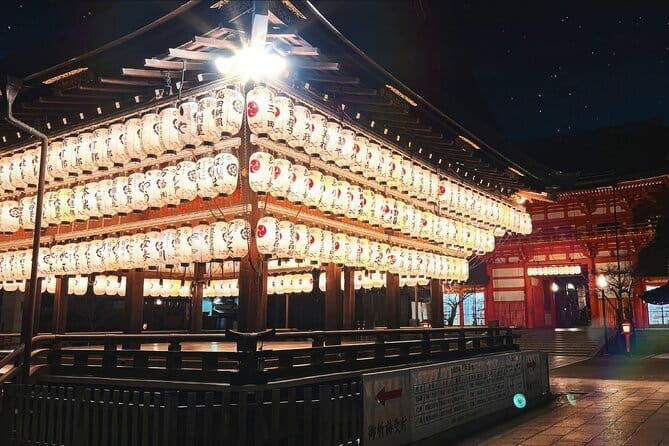
The walk finishes at Yasaka Shrine, the key destination of the experience. The shrine is described as more than 1,300 years old and dedicated to Susanoo, the god of storms. That gives the guide a strong story to tell, especially for visitors who want more than attractive gates and lanterns.
The shrine grounds include lush gardens and striking vermilion torii gates. These details make the final stop highly photogenic, but the setting also has religious meaning. Take a moment to notice the contrast between the bright gates, the greenery, and the steady activity around a sacred Shinto site.
Ending here is practical. You are not required to retrace your steps to Gion, and the shrine can serve as a useful point for continuing your day. The tour information does not include onward transportation, so you will need to make your own plans after the walk.
The 15-minute guided visit is enough for an overview of the shrine’s story and layout. It is not a substitute for returning later when you have more time. I like this approach because the guide gives you a framework, then leaves you free to explore the shrine area on your own after the formal tour ends.
What $22 gets you
At $22, this is a strong value if you want a short cultural introduction with a live English-speaking guide. The price includes the Gion walking tour, local guide, and the route through Kenninji Temple, Ninenzaka, and Yasaka Shrine.
You are not paying for a meal, hotel pickup, or a long private tour. That keeps expectations clear. The tour is best understood as an affordable orientation walk that helps you recognize important parts of eastern Kyoto and decide where to spend more time later.
The value is strongest for first-time visitors with limited time. You receive explanations at several stops and finish at a major shrine. It is also a good fit for solo visitors who want structure without committing to a full-day activity.
The value is weaker if you already know Gion well or want a specialist tour focused only on temple architecture, Shinto ritual, shopping, or food. In that case, the short stops may feel too general.
The experience has received a top rating from five verified bookings, including strong praise for the full two-hour duration, useful historical background, and value for money. Saki was also singled out by name as a lovely guide. Those comments support the idea that the human guide is the main reason to book.
Practical advice for a smoother walk
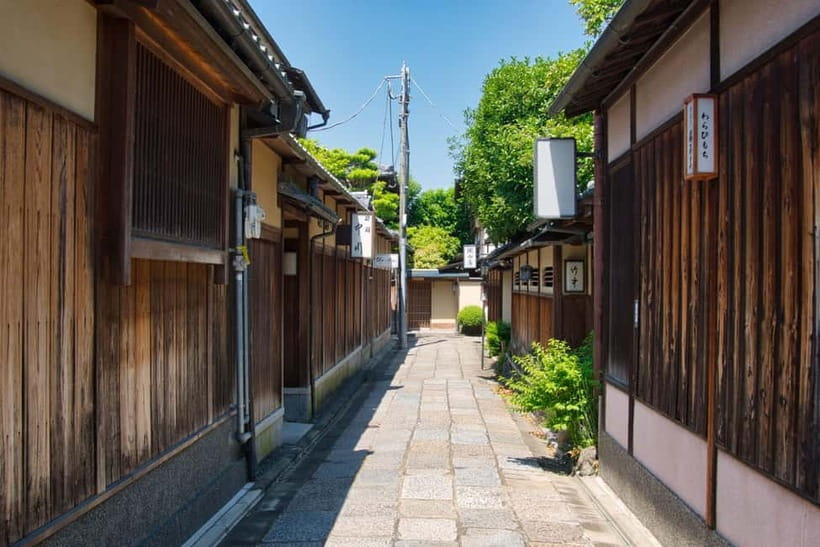
Wear comfortable walking shoes. This is not optional advice, given the cobblestones around Ninenzaka and the amount of walking between stops.
Bring a camera and water. The route includes gardens, shrine gates, traditional lanes, and photo stops, so you will have plenty to capture. Staying hydrated matters because the tour is outdoors and does not include refreshments.
Smoking is not allowed during the activity. Hotel pickup and drop-off are not included, and meals are also excluded. The tour is offered in English and has a live guide.
The activity is not suitable for wheelchair users or people with mobility impairments. If stairs, uneven surfaces, or sustained walking are difficult for you, this may not be the right choice. The supplied information does not provide a detailed accessibility assessment, so ask the provider for current route details if you have specific concerns.
You can cancel up to 24 hours in advance for a full refund, and the reserve-now-pay-later option lets you hold a place without paying at the time of booking. That flexibility is useful when your Kyoto schedule is still changing.
Who should book this Kyoto walk?
I would recommend it most strongly to first-time Kyoto visitors who want a clear introduction to Gion and the eastern temple and shrine area. It suits people who value explanation, photography, and a steady route more than long independent browsing.
It is also a good choice for solo visitors, couples, and small groups looking for a low-cost activity before a larger day of sightseeing. The two-hour length leaves room for lunch, shopping, or another attraction afterward.
Families should consider the walking conditions and the short attention span that some children may have for temple explanations. The route is not suitable for wheelchair users or people with mobility impairments.
If you want an in-depth study of Kenninji Temple or Yasaka Shrine, book something longer or plan a return visit. This tour gives you the essentials, not every detail.
Should you book the Gion walking tour?
Book it if you want an inexpensive, English-language introduction to Gion, Ninenzaka, Kenninji Temple, and Yasaka Shrine. The route is well suited to a first day in Kyoto, and the finish at Yasaka Shrine lets you continue exploring instead of doubling back.
The strongest reasons to go are the $22 price, the full two-hour format, and the chance to hear cultural context from guides such as Saki or the Norwegian and Japanese Fine Arts student described in the tour details. Just bring good shoes, water, and realistic expectations. You will see several important places, but each receives only a short guided stop.
FAQ
How long does the Kyoto Gion walking tour last?
The tour lasts two hours.
What language is the tour offered in?
The live tour guide speaks English.
Where does the tour begin?
The meeting point is Kyoto Tourist Lounge Gion.
Where does the tour end?
The walk ends at Yasaka Shrine.
What places are included on the route?
The route includes Gion, Kenninji Temple, Ninenzaka, Yasaka Shrine, and additional guided and photo stops that are not named in the supplied details.
Is food included?
No. Meals are not included.
What should I bring?
Bring comfortable walking shoes, a camera, and water.
Is the tour suitable for wheelchair users?
No. The activity is listed as unsuitable for wheelchair users and people with mobility impairments.
Newest Kyoto experiences on the site
- Treasures of Kyoto: Gion & historical Walking Tour★ 5.0 · 6 reviews
- Whisk Your Own Matcha: A Zen Matcha Experience at Temple★ 3.6 · 7 reviews
- Kyoto tea town for matcha lovers★ 5.0 · 16 reviews
- Uji: Private immersion into Kyoto’s tea and reglious culture★ 5.0 · 17 reviews
- Kyoto Matcha Green Tea Tour★ 4.5 · 23 reviews
- Uji and Wazuka Matcha Farm Half Day Private Guided Tour★ 5.0 · 21 reviews
- Utilising upcycled Matcha! Creating matcha incense (Uji, Kyoto)★ 5.0 · 6 reviews
- Sacred Temple Yoga Experience in Japan★ 5.0 · 3 reviews
Gion District Tours, compared.
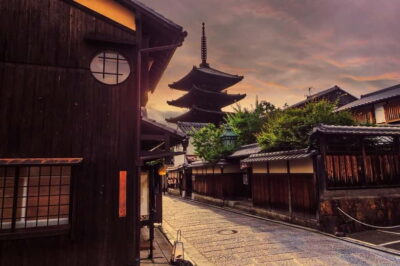
Kyoto Geisha Walking Tour: Gion District & Hidden Gems
Read our review →
Gion Magical Night Walking Tour with Geisha Trivia
Read our review →
Gion Geisha District Walking Tour – Stories of Geisha
Read our review →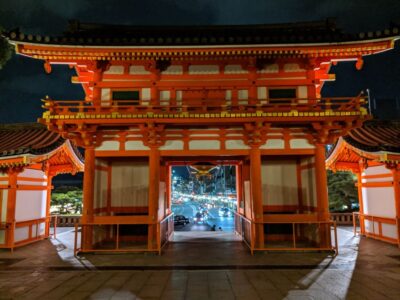
Best of Kyoto: Gion, Geisha, Pagodas & Cobblestones
Read our review →

Kyoto Night Foodie Tour in Gion (9+ dishes + 6 Sake tastings)
Read our review →
Kyoto Gion Geisha District Walking Tour – The Stories of Geisha
Read our review →
Kyoto Gion: 2-Hour Geisha Culture & History Walking Tour
Read our review →Browse the lists this tour appears in