Reviewed · TOURS
Kyoto: Fully customizable your own tour in the old capital
Kyoto is best explored when the day fits your interests, not a fixed checklist. This private tour lets you build an eight-hour route with Nori, a guide who speaks English and Japanese and has lived in the United States, the United Kingdom, and India.
I like the true customization here, especially if you have already seen Kyoto’s main sights or want to mix famous temples with local food and shopping. I also like the small private group, capped at six people, which makes it easier to adjust the pace or change plans when the weather shifts.
The main drawback is cost control. The $365 group price covers up to six people, but transportation, entrance fees, and the guide’s lunch are extra. You also need comfortable shoes, some walking stamina, and enough yen for small shops that may not accept cards.
Key points to know before booking
- Choose the route with your guide: Build your day around temples, shrines, markets, food, shopping, or quieter places.
- Meet Nori at your hotel or a central station: Pickup and return can be arranged at your hotel, Kyoto Station, or Shijō Station.
- Use public transport and your own feet: The sample plan includes several roughly 30-minute public-transport legs and two 20-minute walks.
- Plan lunch around your appetite: Ramen, udon, soba, tonkatsu, yudofu, and kaiseki can all be considered.
- Budget for extras: Temple admissions are often about 500 yen, and the guide’s transport and lunch are also your responsibility.
- Best for flexible adults: The experience is not suitable for children under 10, pregnant women, or people over 70.
Why a custom Kyoto day can work better than a fixed route
Kyoto has more famous sights than most visitors can sensibly fit into one day. The Golden Pavilion, Fushimi Inari, Arashiyama, Kiyomizudera, Gion, Ryoanji, Daitokuji, Nijo Castle, and Nishiki Market could each take a substantial part of your day.
A fixed tour has to make hard choices for you. This private experience lets you make those choices yourself. You can focus on traditional architecture, religious sites, food, shopping, photography, or a mix of all five.
That flexibility matters most if you are traveling with a small group that has different interests. One person may want shrines, another may care more about noodles and traditional crafts. A private guide can help shape the day so you are not simply following a standard bus route.
It is also useful for repeat visitors. If you have already seen the Golden Pavilion and Kiyomizudera, you can ask for Daitokuji, a local market, less crowded places, or shops selling traditional Japanese items. The exact route is decided with the guide rather than promised in advance, so you should discuss your priorities clearly before the day begins.
A few more Kyoto tours worth putting on the shortlist
- PERFECT KYOTO 1-Day Bus Tour
★ 5.0 · 13,518 reviews - Kyoto: Fushimi Inari, Kinkakuji, Bamboo Grove 1 Day Bus Tour
★ 4.8 · 4,316 reviews - Kyoto: Tea Ceremony in a Traditional Tea House in Kiyomizu
★ 4.9 · 3,519 reviews
Meeting Nori at Kyoto Station or Shijō Station
The listed starting points are Kyoto Station and Shijō Station, and hotel pickup is also available at a place arranged with the guide. This gives you a practical choice.
Kyoto Station is convenient if you arrive by train or are staying near the main transport hub. Shijō Station works well for people staying around central Kyoto. If your hotel is elsewhere, confirm the meeting point during planning rather than assuming the guide will come to any address without prior arrangement.
Nori’s background is part of the appeal. Originally from Nagoya, he has lived abroad for about 20 years in the United States, the United Kingdom, and India, and has traveled to about 30 countries. That experience helps with the small but important work of guiding in another country: explaining customs, translating questions, and helping you compare options.
His English is described as excellent in the booking feedback, and communication before the tour received especially strong praise. One useful detail is that plans were changed around the weather, with advice given for other days as well. That tells you to treat the itinerary as a working plan, not a rigid contract.
Building a route through Kyoto’s major sights
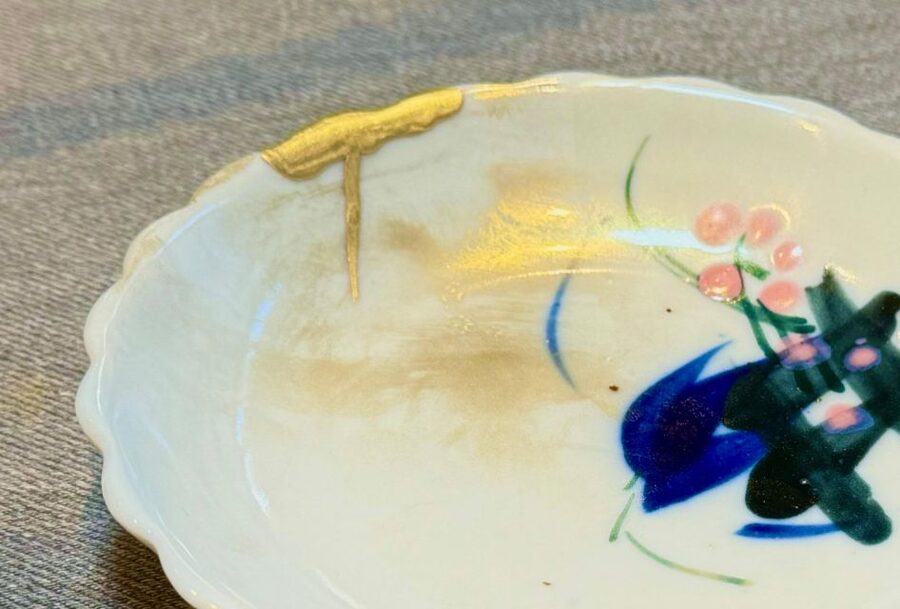
You can ask for a classic first-time Kyoto day, but the order matters. Kyoto’s attractions are spread across the city, and crossing from one district to another takes time.
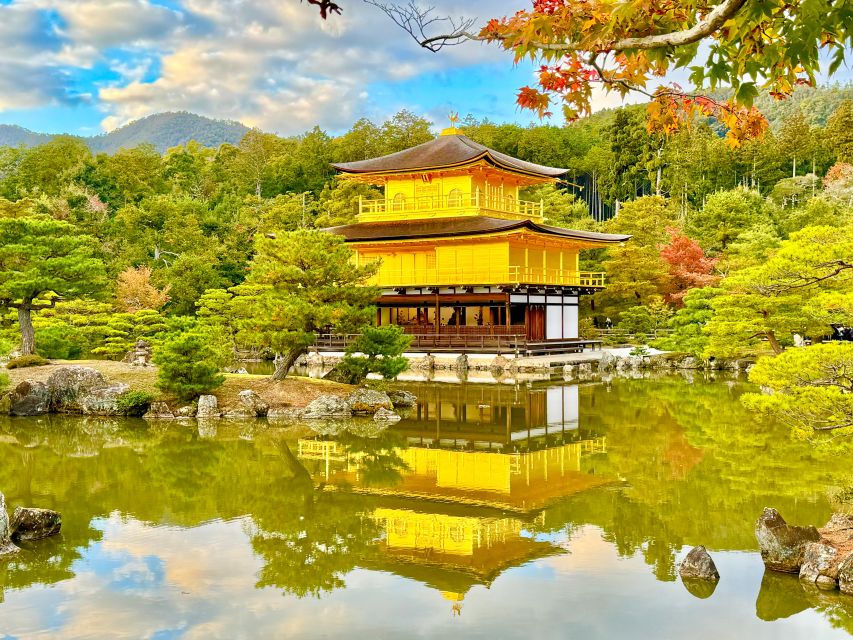
The Golden Pavilion, or Kinkakuji, gives you one of Kyoto’s most recognizable views. Its bright exterior and garden make it an easy choice for a first visit, but it is also a popular stop. If you include it, ask Nori how it fits with the rest of your route so the day does not become a long series of transfers.
Fushimi Inari is known for its rows of red torii gates. The shrine grounds extend up a wooded mountain, so your time and energy depend on how far you walk. You do not need to cover the entire route to get a sense of the place, but comfortable shoes are essential.
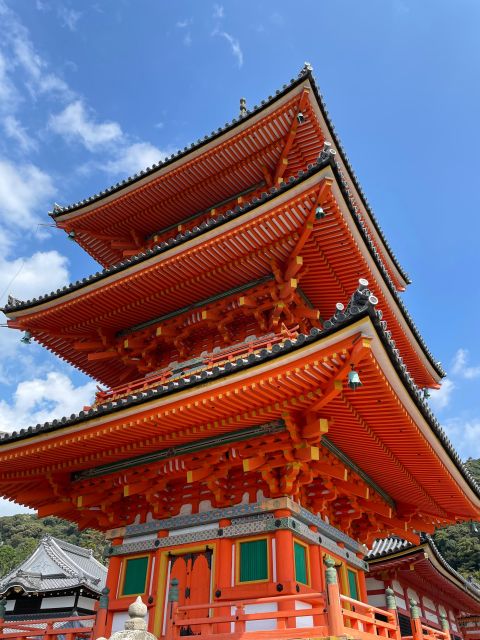
Kiyomizudera offers a classic Kyoto temple setting and can be paired with nearby streets and the Gion area. The approach includes walking and can be busy, so it may not suit you if you prefer a quiet, slow morning. It does suit visitors who want architecture, traditional streets, and a strong sense of old Kyoto in one part of the city.
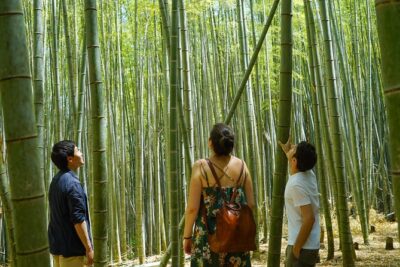
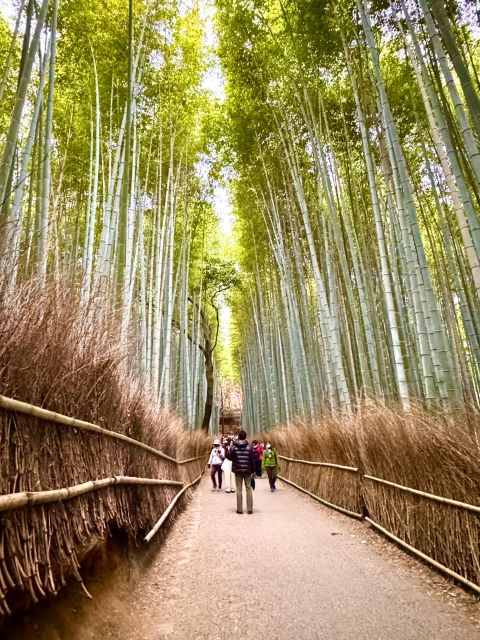
Arashiyama brings a different mood, with major sights and natural surroundings. It is not close to every other stop on the list, so choosing it may mean giving up another district. A private guide can help you decide if Arashiyama is worth the travel time for your particular interests.
Smaller temples and quieter choices
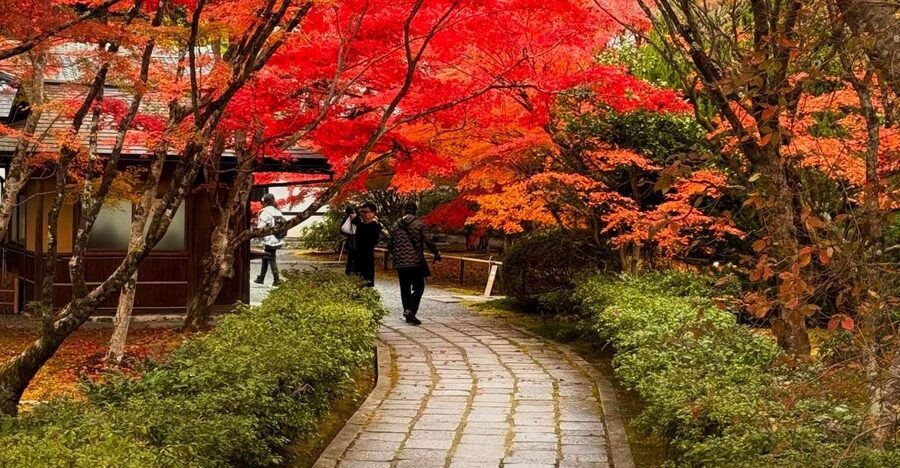
The tour is not limited to the biggest names. You can request Ryoanji or Daitokuji, along with smaller places that may feel less crowded than Kyoto’s headline attractions.
Ryoanji is known for its Zen garden, and it is a good fit if you prefer quiet observation over a long list of stops. Daitokuji is another sensible request for visitors interested in Zen temples and traditional temple spaces. The supplied information does not promise a particular sub-temple or special entry, so ask Nori what can be visited on your date.
This is one of the strongest reasons to choose a private day. You can say that you would rather see two places carefully than rush through six. You can also combine a major sight with a smaller one, giving the day both the famous Kyoto image and a less predictable stop.
Keep in mind that less crowded does not mean free. Temple and facility admissions are extra, usually around 500 yen per temple according to the tour information. Carry cash in yen, since smaller businesses may not take credit cards.
Same city, a completely different kind of day:
- Kyoto Geisha Walking Tour: Gion District & Hidden Gems
★ 4.7 · 3,273 reviews - Kyoto: Tea Ceremony Ju-An at Jotokuji Temple
★ 4.9 · 3,207 reviews - Kyoto: Gion Magical Night Walking Tour with Geisha Trivia
★ 4.9 · 2,393 reviews - Kyoto: 45-Minute Tea Ceremony Lesson Experience
★ 4.3 · 2,378 reviews
Markets, Gion, and traditional shopping
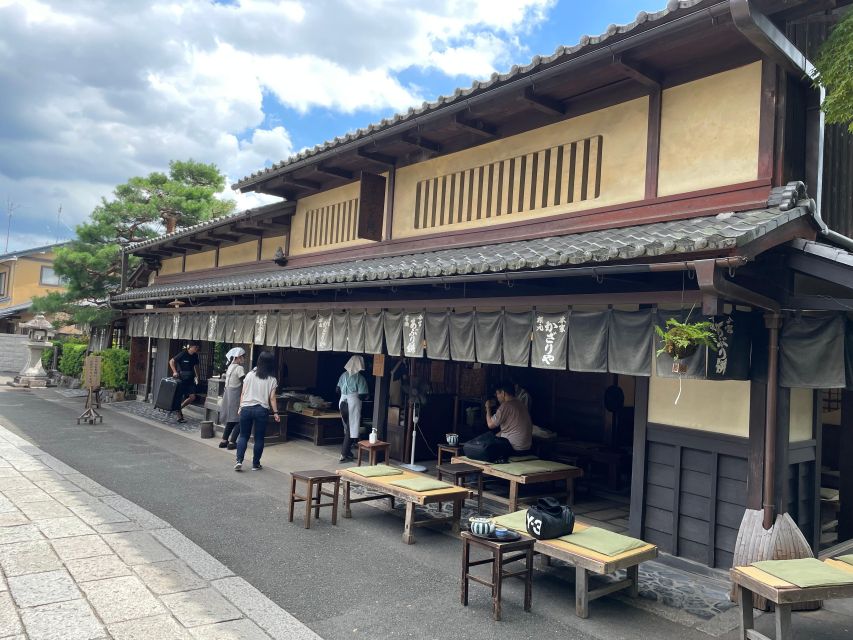
Nishiki Market is a natural choice if food interests you. It offers a way to see ingredients, snacks, and local shopping in one concentrated area. The market can also turn a simple sightseeing stop into a food-focused part of the day.
You can ask to include Gion, especially if you want traditional streets and Kyoto’s older cultural setting. The experience does not promise a geisha performance or a special appointment, so keep your expectations to walking, seeing the district, and learning from the guide.
Shopping can be built into the route as well. The guide can help you look for traditional Japanese items, though the exact shops depend on your interests and the route you create. Tell Nori if you want useful souvenirs, crafts, food products, or something tied to Japanese culture.
I like this combination because it avoids treating Kyoto as a collection of temple gates. Food and shops give you a practical connection to the city. You get to ask what an item is used for, how food is eaten, or what makes a traditional product different from a mass-market souvenir.
Choosing lunch, from ramen to kaiseki
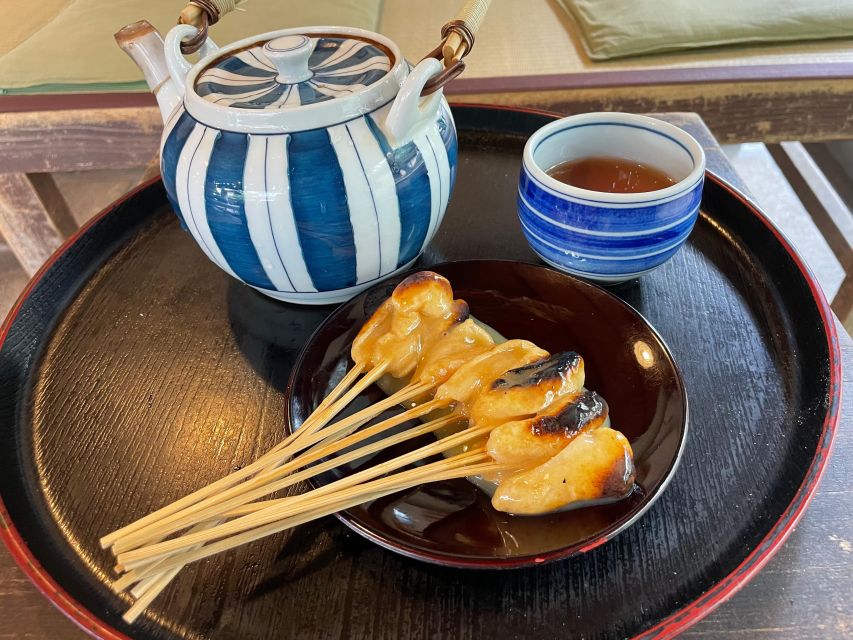
Lunch is not included, but the choice is yours. Nori asks about your food preferences, and possible options include ramen, udon, soba, tonkatsu, yudofu, and traditional kaiseki.
This range covers very different budgets and time commitments. Ramen, udon, soba, and tonkatsu can suit a quicker, more casual meal. Yudofu is a traditional tofu-based choice that fits especially well with a temple-focused day. Kaiseki is the more formal option and may require more time and planning.
The guide’s lunch cost is also paid by your group. That is worth remembering when comparing the $365 price with a standard tour. You are not only paying for the guide’s time, you may also be covering his transportation and meal during the day.
Ask about lunch early, particularly if your group has dietary needs or a firm budget. The provided information confirms that the guide will ask about food preferences, but it does not promise specific dietary accommodations or restaurant reservations.
How the eight-hour schedule works
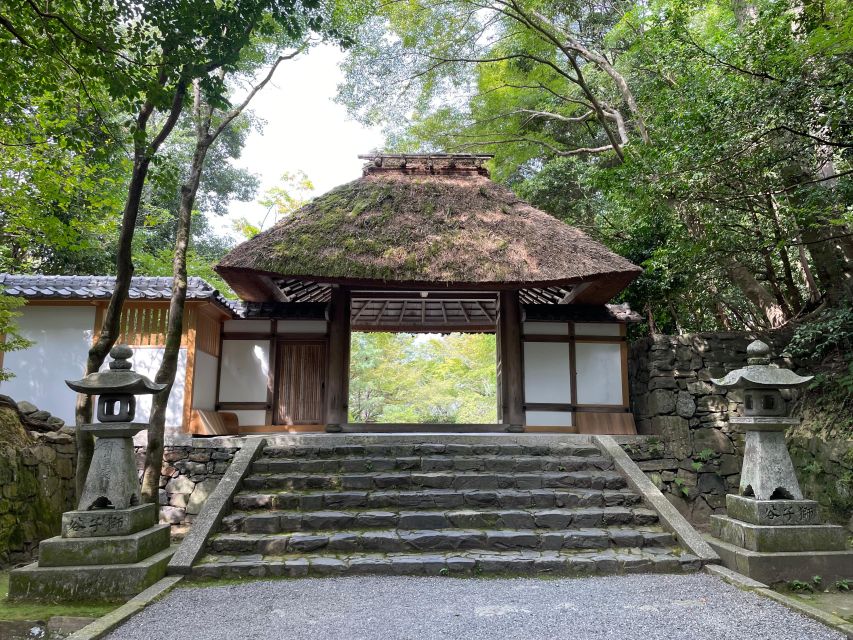
The sample itinerary begins with pickup and includes three public-transport segments of about 30 minutes each. Two walking portions are listed at roughly 20 minutes apiece. These numbers show that the day involves real movement, not a vehicle waiting outside every temple.
Public transport keeps the experience connected to ordinary Kyoto life and may be more practical than a car on crowded city streets. It also means you should expect stations, transfers, and some standing or walking. The guide’s fare is extra, so your group pays local transport costs for both the participants and the guide.
The itinerary ends with a return to Kyoto Station, Shijō Station, or another agreed location. Hotel return can also be arranged. That is helpful if you have an evening train, but allow enough time for the final transfer rather than booking a tight connection.
An eight-hour private day can feel full. You should identify your top two or three priorities instead of naming every possible sight. If you insist on the Golden Pavilion, Fushimi Inari, Arashiyama, Kiyomizudera, Gion, and Nishiki Market in one day, you may see many places but have little time at each one.
What the $365 group price really buys
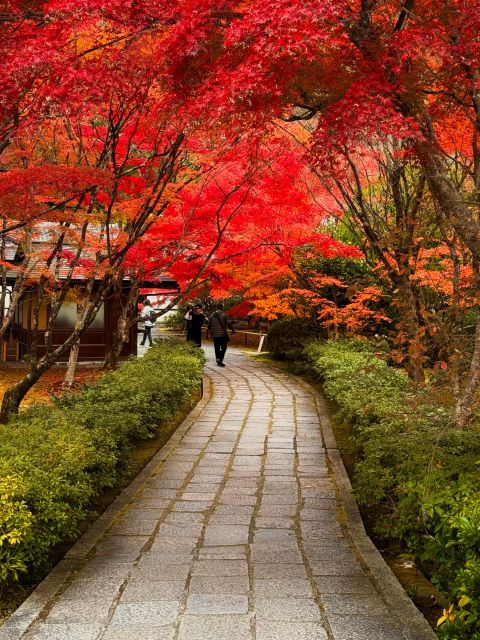
The price is $365 for a private group of up to six. For six people, that works out to about $61 per person before transport, admissions, and lunch. For two people, the per-person cost is much higher, but you receive a full day of private guiding rather than a seat on a large group tour.
The value depends on how much you want help with planning and translation. If you already know Kyoto well and are comfortable using public transport, a self-guided day costs less. If you want to combine several interests, adjust plans around weather, and ask questions throughout the day, private guidance can make the price easier to justify.
The guide fee and hotel pickup and drop-off are included. Entrance fees, local transportation for everyone including Nori, and lunch are not. Keep those costs in your working budget.
Free cancellation is available up to 24 hours before the start time, and you can reserve now and pay later. Starting times depend on availability, so check the schedule before building the rest of your Kyoto plans around this day.
Who should book this experience
I would recommend it most to first-time visitors who feel overwhelmed by Kyoto’s size, couples or families with a clear list of interests, and repeat visitors who want something beyond the standard sights. It is also a good match for people who appreciate direct explanations in English and want help handling local transport and food choices.
The private format works well for groups of up to six. You can speak openly about pace, walking, budget, and the kinds of places you want to see. Nori’s international background may also make it easier to explain what you need.
This is not a good choice if you want an all-inclusive price with no extra payments. It is also not suitable for children under 10, pregnant women, or people over 70 according to the activity conditions. The walking and public transport make comfortable shoes a must.
Should you book this Kyoto tour?
Book it if you want a flexible day built around your own interests and you are happy to pay separately for transport, admissions, and lunch. The strongest features are the private group, Nori’s clear English, hotel pickup and return, and the ability to mix major sights with food, shopping, or quieter temples.
Skip it if you prefer a fixed itinerary, a lower upfront cost, or a tour where every expense is bundled. Before booking, send Nori your top priorities, food preferences, walking limits, and preferred meeting point. That short conversation will determine how useful the eight hours become.
FAQ
How long does the Kyoto private tour last?
The tour lasts eight hours. Starting times depend on availability.
How many people can join the private group?
The price covers one private group of up to six people.
Where can pickup and drop-off take place?
Pickup and drop-off can be arranged at your hotel or another agreed location. The listed central options are Kyoto Station and Shijō Station.
Which languages does the guide speak?
The guide speaks English and Japanese.
Are entrance fees included?
No. Temple and facility admissions are extra. The activity information gives approximately 500 yen as a typical temple entrance fee.
Is public transportation included?
No. Your group pays local public transportation costs for both the participants and the guide.
Is lunch included?
No. Lunch is paid separately, including the guide’s lunch. Possible food choices include ramen, udon, soba, tonkatsu, yudofu, and traditional kaiseki.
What should I bring, and who cannot join?
Bring comfortable shoes and enough Japanese yen for small shops that may not accept credit cards. The activity is not suitable for children under 10, pregnant women, or people over 70.
Newest Kyoto experiences on the site
- Treasures of Kyoto: Gion & historical Walking Tour★ 5.0 · 6 reviews
- Whisk Your Own Matcha: A Zen Matcha Experience at Temple★ 3.6 · 7 reviews
- Kyoto tea town for matcha lovers★ 5.0 · 16 reviews
- Uji: Private immersion into Kyoto’s tea and reglious culture★ 5.0 · 17 reviews
- Kyoto Matcha Green Tea Tour★ 4.5 · 23 reviews
- Uji and Wazuka Matcha Farm Half Day Private Guided Tour★ 5.0 · 21 reviews
- Utilising upcycled Matcha! Creating matcha incense (Uji, Kyoto)★ 5.0 · 6 reviews
- Sacred Temple Yoga Experience in Japan★ 5.0 · 3 reviews
Tours, compared.
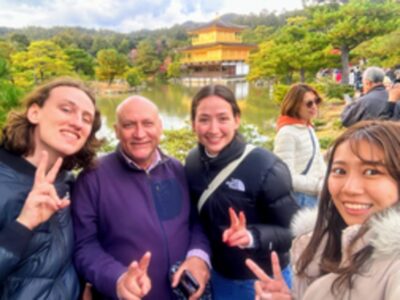
Fushimi Inari, Kinkakuji, Bamboo Grove 1 Day Bus Tour
Read our review →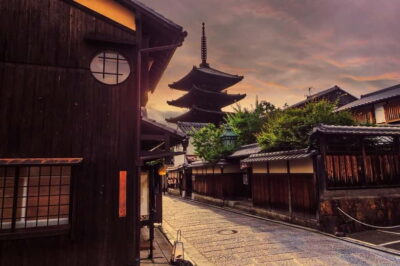
Kyoto Geisha Walking Tour: Gion District & Hidden Gems
Read our review →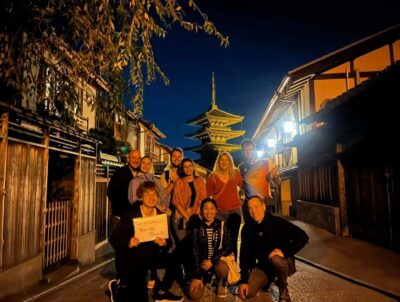
Gion Magical Night Walking Tour with Geisha Trivia
Read our review →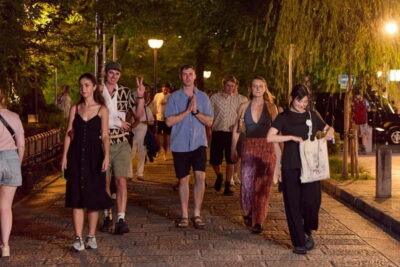
Gion Geisha District Walking Tour – Stories of Geisha
Read our review →
Kyoto Night Foodie Tour in Gion (9+ dishes + 6 Sake tastings)
Read our review →