
Reviewed · NISHIKI MARKET TOURS
Kyoto: Nishiki Market Food Tour
Nishiki Market is where Kyoto’s food culture becomes easy to read, one bite at a time. This three-hour walk takes you through the city’s famous food corridor, stopping at about 10 family-owned shops and stalls for seasonal samples, seafood, sweets, tea, and local snacks. You get more than a meal. You get the small clues that explain how Japanese cooking follows the seasons.
I like the small group of no more than eight, which gives you room to ask questions without losing the market’s energy. I also like that the tour reaches family-run vendors rather than simply pointing out the market’s best-known storefronts. The main drawback is the price: at $173 per person, this is a costly food walk, especially if you are comfortable ordering and shopping on your own.
Key points at a glance
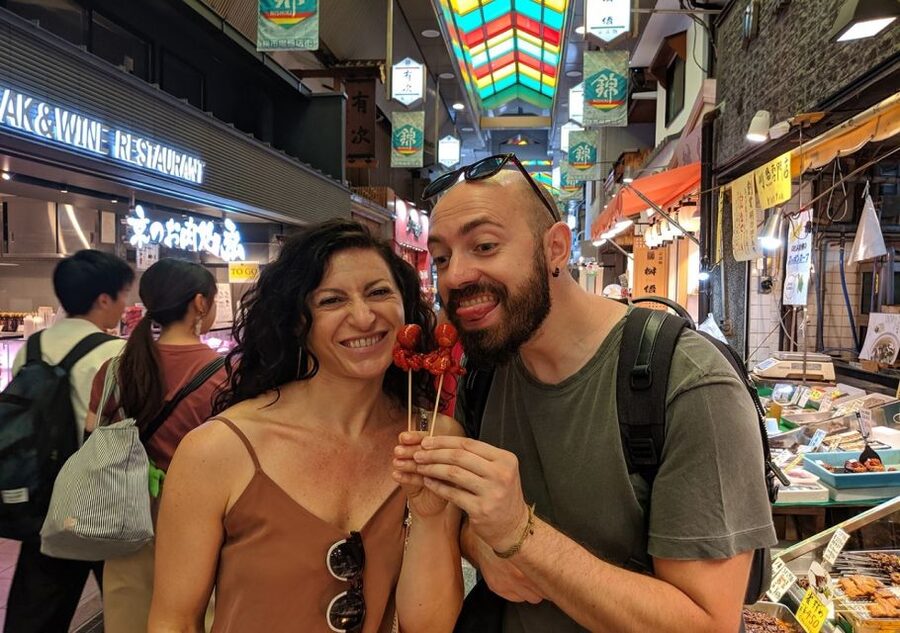
- About 10 vendor stops: Taste seasonal and regional foods instead of eating one large restaurant meal.
- A guide makes the difference: Guides such as Sae, Sanae, Raquel, Marie, and Ida have received especially warm praise for their food knowledge and friendly manner.
- Tea and lunch tastings included: You can sample a broad range of Kyoto flavors without paying for every planned taste.
- A useful first look at Nishiki: The guide explains ingredients, customs, and the market’s place in Kyoto life.
- Small group format: With a maximum of eight people, the walk should feel more personal than a large bus-style outing.
- Bring questions and appetite: Shopping time is included, but extra food and drinks cost more.
Why Nishiki Market works so well as a food tour
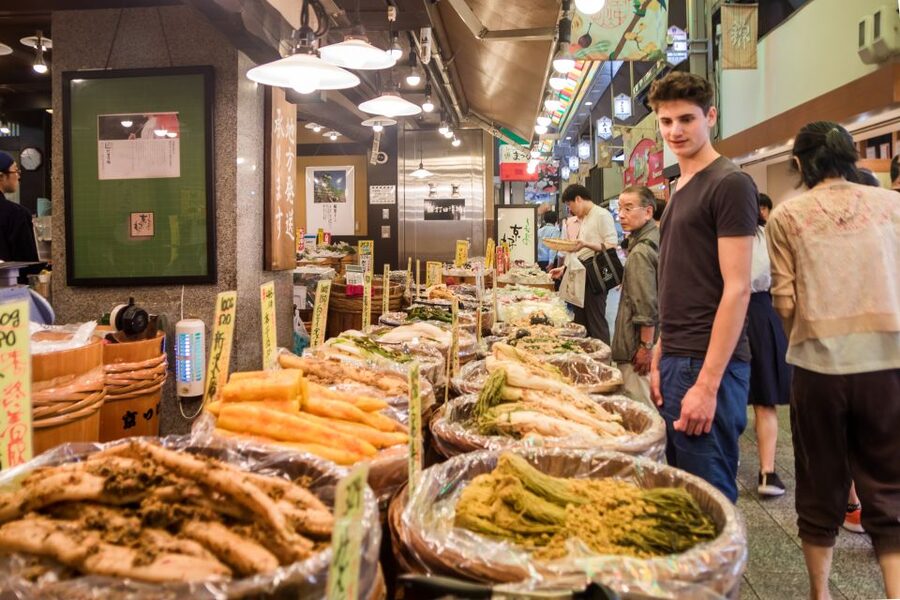
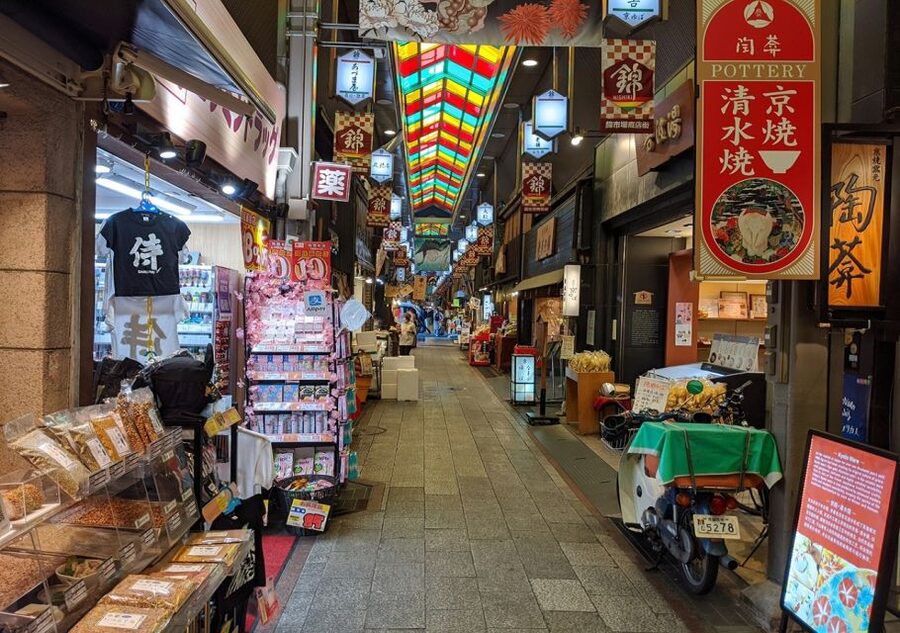
Nishiki Market is often called the Kitchen of Kyoto, and the name fits. Its long, covered passage brings together seafood, pickles, tea, sweets, produce, snacks, and cooking ingredients in a tight walking area. You can wander through it alone, but the market does not always explain itself to first-time visitors.
A guide helps you understand what you are seeing before you decide what to eat. A tray of pickled vegetables is not just a colorful display. A piece of dried bonito is not simply a snack. Tea, seafood, sweets, and seasonal produce all connect to the way Japanese food is prepared, served, and enjoyed.
That context is the real reason to consider this tour. You are not only paying for food. You are paying for an English-speaking interpreter of the market’s customs and ingredients, plus a planned route through shops you might otherwise pass without noticing.
The market is also a good place to see the connection between food and the calendar. Seasonal eating is a central part of Japanese cuisine, and the tour uses the current selection to show you what is being sold at its best during your visit. The exact tastings can vary, so you should think of the menu as a guided introduction rather than a fixed restaurant course.
More Nishiki Market walks and tastings:
- Nishiki Market Brunch Walking Tour (7 Tastings + Brunch)
★ 5.0 · 1,355 reviews - Kimono Tea Ceremony at Kyoto Maikoya, NISHIKI
★ 5.0 · 911 reviews - Kyoto Nishiki Market Food and Culture Walking Tour
★ 5.0 · 412 reviews
Meeting your guide near Kawaramachi
The tour begins in front of Lacoste at Naramonochi 375, on Shijo-dori near Kawaramachi. If you are using the Hankyu train line, get off at Kawaramachi Station and use Exit 9.
This meeting point is practical, but give yourself enough time to find it. Kawaramachi is a busy shopping area, and a clear plan matters when you are joining a small group at a set time. I would save the address in both English and Japanese before leaving your hotel:
〒600-8004 京都府京都市下京区 四条通寺町西入奈良物町375
Hotel pickup is not included. It can be arranged for an additional charge, but most visitors will meet the guide at the stated point. Transportation to and from the meeting point is also your responsibility.
The guide leads in English. Past guides have included Sae, Sanae, Raquel, Marie, Ida, and Kohei. Specific guides can vary by date, but the strong pattern is clear: the best part of the walk is the human explanation at each stop. Sae was praised for helping participants try many foods while learning along the way. Sanae was noted for linking the market to local history and culture. Raquel was described as professional and attentive, while Marie added restaurant and sightseeing suggestions beyond the tour itself.
The first stretch through Kyoto’s food corridor
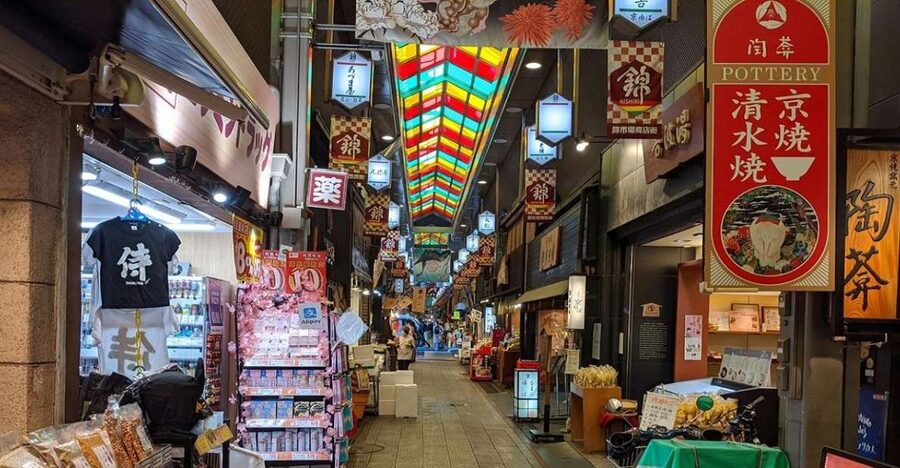
The opening part of the walk gives you time to get used to Nishiki’s tight passage and steady movement. The market is not a quiet museum. It is a working food area where shop staff sell ingredients and ready-to-eat items, and where displays change with the seasons.
You can expect the guide to point out foods and explain how they fit into Kyoto cooking. The sensory side is part of the fun: grilled seafood, skewers, tea, pickled vegetables, sweets, and other foods compete for your attention. A guide keeps the experience from becoming a random series of samples.
This is also where the tour can be most useful for cautious eaters. If you do not recognize an ingredient or are unsure how it is normally eaten, ask before taking a bite. The guide can explain what you are trying and may help you choose foods that fit your tastes.
The market corridor can be busy, and you will spend much of the three hours on your feet. Comfortable shoes are not a minor suggestion. This is a walking tour, not a seated tasting session.
Tasting at family-owned shops and stalls
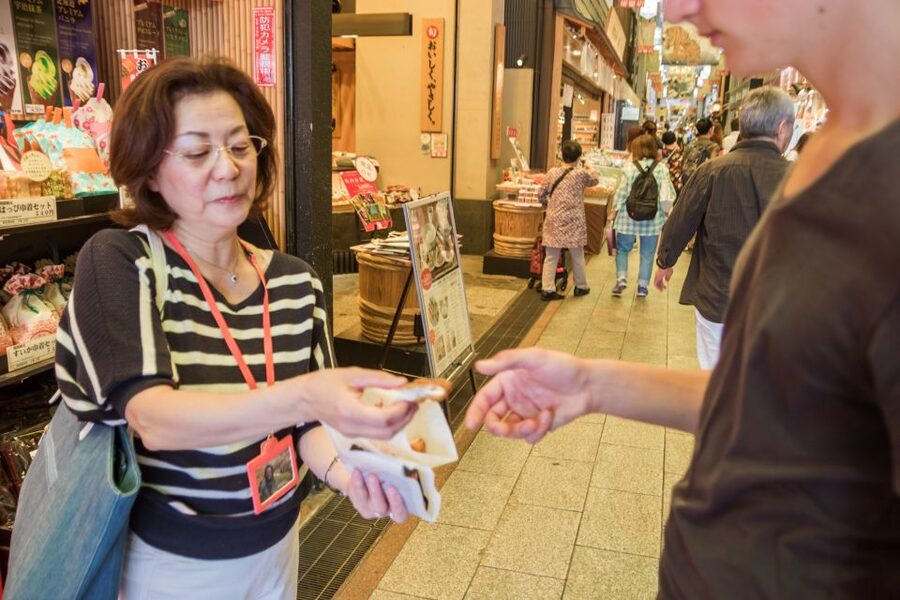
The core of the experience is the series of stops at roughly 10 vendors. You will taste seasonal and regional foods, with the selection shaped by what is available at the market. The included food functions as lunch and a tasting menu, though you should not expect a single formal meal with a printed list of courses.
Fresh seafood and local snacks are part of the planned experience. You may also encounter pickled foods, specialty ingredients, delicately made sweets, and other products tied to Kyoto’s food traditions. The exact details are not fixed, which is a strength if you enjoy eating with the seasons, but a limitation if you want to know every dish before booking.
The family-owned setting matters. A large food hall can give you variety, but small shops often show you how ordinary shopping works in the neighborhood. You can see products displayed for daily use, not just for sightseeing. The guide’s explanation adds the missing link between the item in front of you and the way it belongs in a Japanese kitchen.
One especially memorable food mentioned by a past participant was dried bonito. That is a useful example of what makes the tour different from a simple snack crawl. Some foods may be familiar immediately, while others are ingredients you might not think to buy or taste without guidance.
There is also a practical etiquette point here. Nishiki is a market, not a picnic area. Follow the guide’s instructions about where to eat each sample and avoid walking through the crowd while holding food. A little care helps keep the experience pleasant for the vendors and the people shopping around you.
More food tours in Kyoto:
- Kyoto Night Foodie Tour in Gion (9+ dishes + 6 Sake tastings)
★ 5.0 · 1,762 reviews - Kyoto: Insider Sake Brewery Tour with Sake and Food Pairing
★ 5.0 · 704 reviews - Kyoto: Gion Food Tour 13 Dishes at 4 Eateries
★ 5.0 · 408 reviews - Kyoto Foodie Night Tour
★ 5.0 · 376 reviews
Tea, lunch, and the value of many small tastes
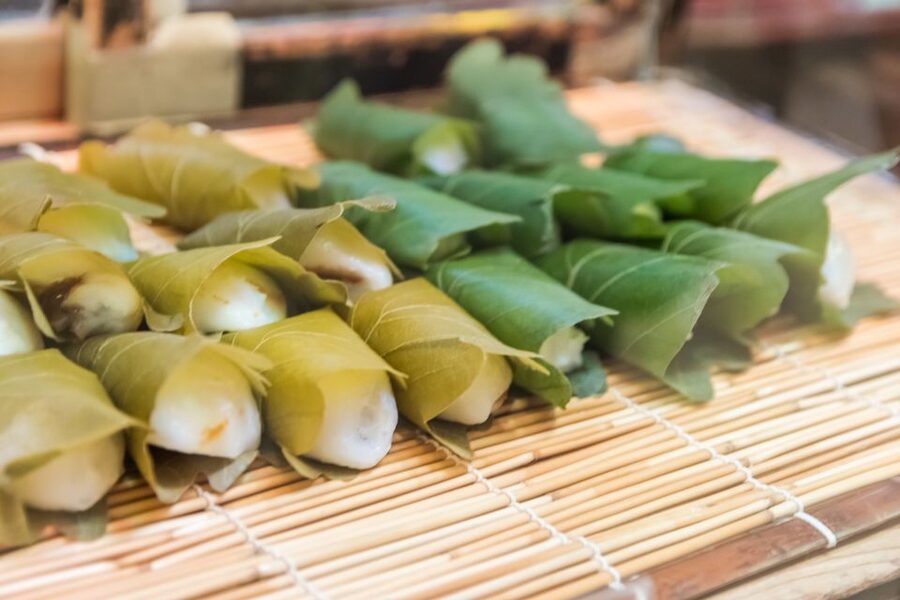
Japanese tea is included, and it gives the food stops a calmer pause. Tea is not just a drink added to fill out the itinerary. It is part of Kyoto’s food identity, and the guide can place it alongside the other ingredients you encounter.
The included lunch tastings are best understood as a broad sampling of Kyoto flavors. You get to try more than you would at a single restaurant, and each small portion leaves room for the next stop. That format suits you if curiosity matters more than eating one large, familiar meal.
At the same time, $173 is a serious price for three hours. The value depends on how much help you want. If you already know Nishiki Market, speak Japanese, and enjoy choosing food on your own, you may find the cost hard to justify. You could spend less by buying individual snacks and tea yourself.
If this is your first visit, or if unfamiliar ingredients make you hesitant, the price becomes easier to understand. The fee covers the guide’s time, the planned tastings, access to a small group, and the chance to ask questions throughout the walk. You are also buying a smoother introduction to a market that can otherwise feel like a string of tempting but unexplained storefronts.
Extra food and drinks are not included. Bring some spending money if you want to buy a larger portion, a souvenir food item, or something that catches your eye during the shopping period.
Food culture, seasons, and UNESCO recognition
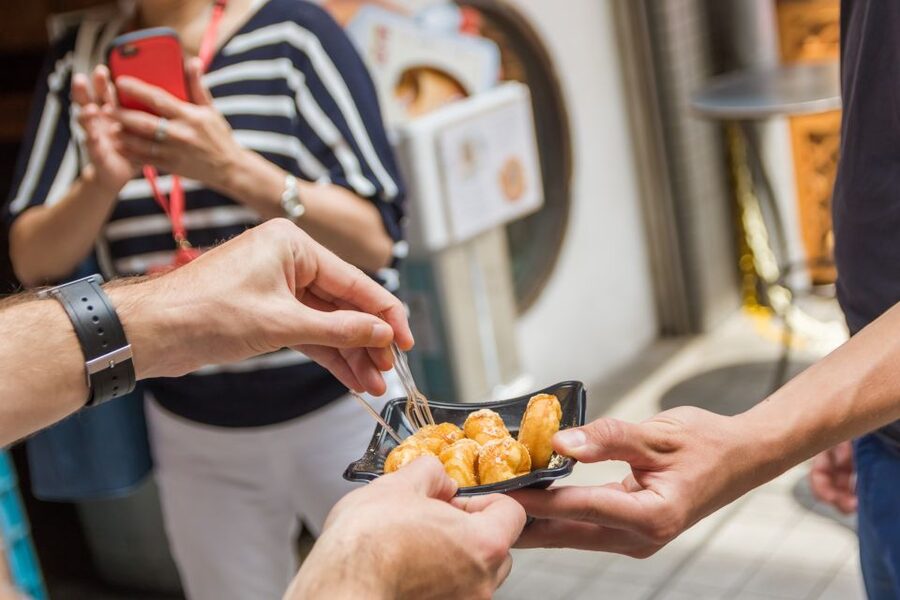
The tour also explains what makes Japanese cuisine distinctive and discusses its UNESCO World Heritage recognition. The useful point is not the label alone. You learn how seasonality, presentation, ingredients, and local food customs work together.
Kyoto is a strong setting for this lesson because the market brings many parts of the food system into one walk. Pickles, tea, seafood, sweets, and produce do not all serve the same purpose, but they show how Japanese cooking gives attention to freshness, timing, texture, and appearance.
You should expect the cultural information to be conversational rather than an academic lecture. The best guides use the food in front of you as the starting point. That keeps the history connected to what you are actually tasting.
Past guide feedback points to this as a major strength. Sanae was praised for historical insight, while several other guides were described as warm, prepared, and helpful. Kohei was remembered as gracious and interesting, though one participant wanted more detail about how a local family might shop at Nishiki day to day. That is a fair reminder that guide styles differ. If daily market life is important to you, ask direct questions rather than waiting for the guide to cover every angle.
Shopping time for tea, snacks, and ingredients
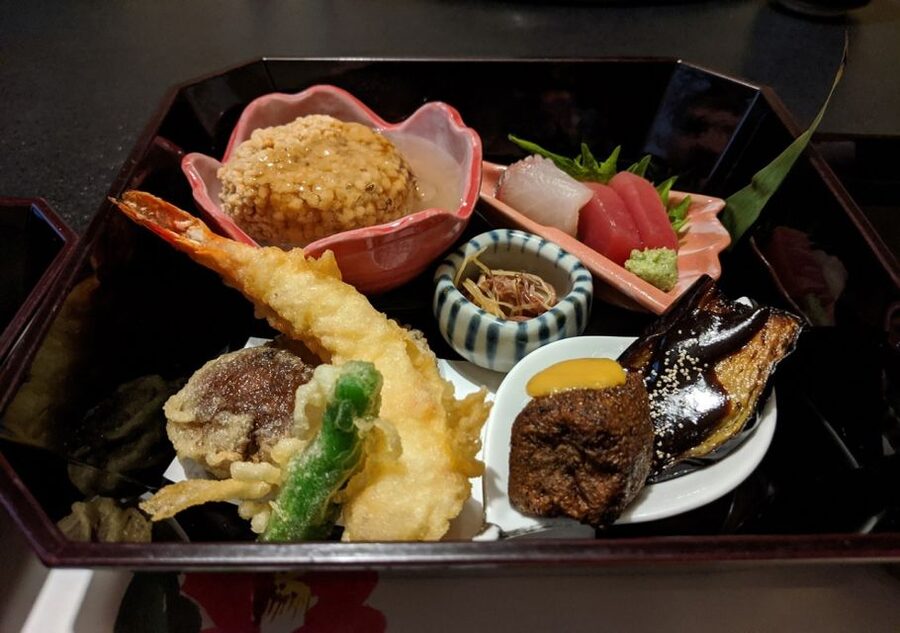
Shopping time is included, so you are not rushed out of the market as soon as the tastings end. This is useful because your first pass through Nishiki may be more about noticing than deciding. After you have learned what you are looking at, you can return to an item with a better sense of its purpose.
You might buy tea, sweets, pickled foods, or another regional specialty, but the supplied details do not promise a particular product or vendor. Treat the shopping period as a chance to choose based on your own taste, not as a guaranteed shopping list.
Remember that purchases are extra. The included tastings are enough to give you a solid food introduction, but you should budget separately for anything you want to take away.
Group size, pace, and practical limits
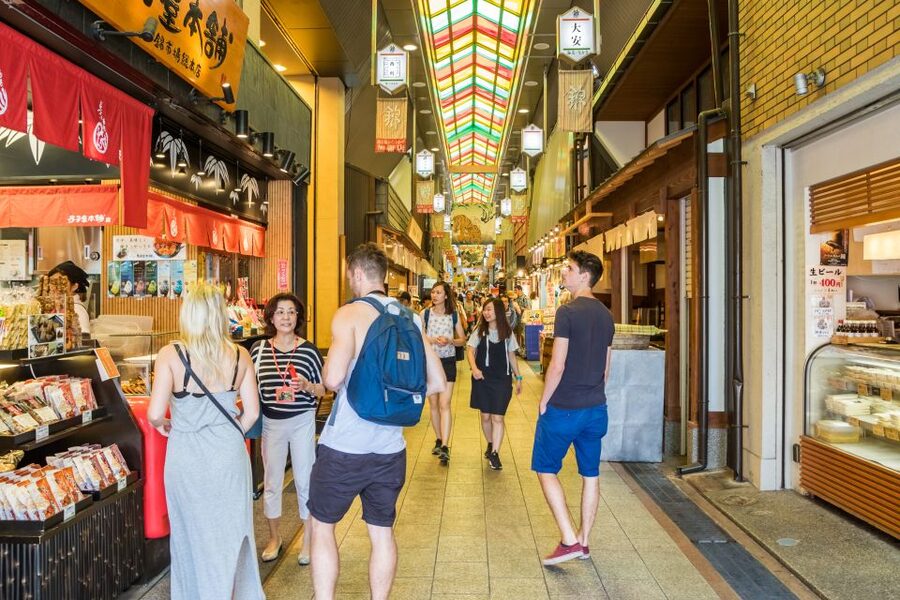
The group is limited to eight participants. That is a useful middle ground. You get more personal attention than on a large group tour, but you still have the social feel of sharing food with other people.
The three-hour length is long enough for a proper market introduction without taking up your entire day. I would schedule it early in your Kyoto stay if you can. That way, the guide’s explanations may help you make better food choices for the rest of your visit.
A minimum of two people per booking is required. Participants aged 10 and over must provide a copy of passport information. You also need to report food allergies and dietary requirements before the tour. Do not assume every tasting can be changed at the last minute, especially in a market where products and preparation methods vary.
The tour is conducted in English. Comfortable shoes are essential, and you should arrive at the Kawaramachi meeting point with enough time to locate the guide. Free cancellation is available up to 24 hours before the activity, and you can reserve now and pay later, which helps if your Kyoto plans are still shifting.
Who should book the Nishiki Market food tour
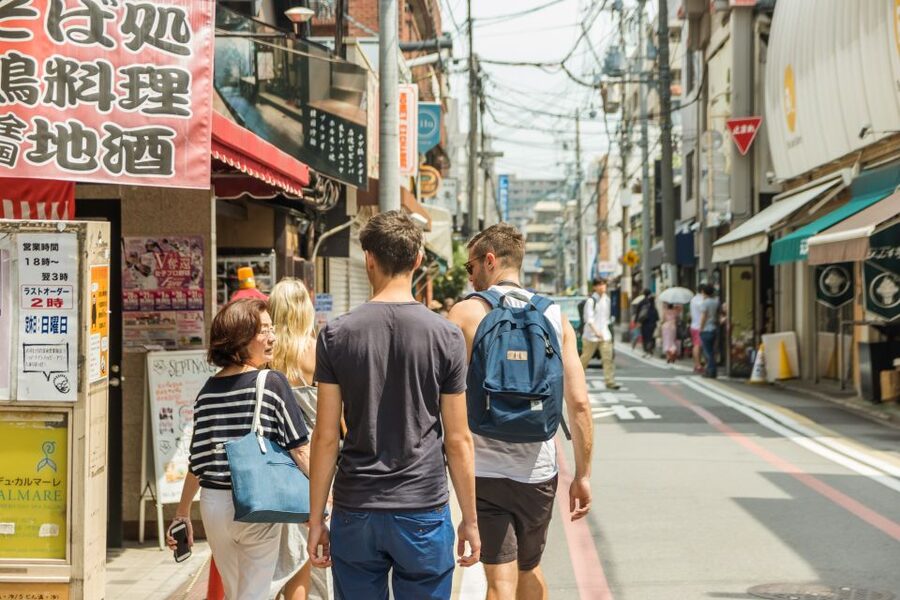
I would recommend this tour to you if:
- You are visiting Nishiki Market for the first time.
- You want explanations of Japanese ingredients and food customs.
- You prefer many small tastings to one restaurant meal.
- You are interested in seasonal eating and Kyoto’s culinary traditions.
- You value a small English-speaking group.
- You want suggestions for other places to eat during your stay.
It is less suitable if you want a cheap food crawl, a fixed menu, or a long seated lunch. It may also feel slow if you already know Nishiki well and are comfortable shopping without help.
Food allergies and dietary needs require advance notice. The tour includes seafood and a range of regional foods, but the available information does not promise a fully vegetarian, vegan, gluten-free, or allergy-free menu. Ask before booking if your diet is strict.
Should you book it?
Book this Nishiki Market tour if you want the market explained as well as tasted. The strongest reasons are the small group, the family-run vendor stops, the seasonal focus, and the guides’ repeated reputation for warmth and clear food explanations.
The $173 price is the key question. I think it makes sense for a first-time visitor who wants structure, cultural context, and a broad tasting lunch. I would skip it if you prefer to browse independently or if the price would stop you from trying other Kyoto meals.
For the best experience, wear walking shoes, arrive early at Kawaramachi, tell the operator about dietary needs, and bring a little extra money for shopping. If you do that, the tour should give you a useful food map for the rest of your time in Kyoto.
FAQ
How long is the Nishiki Market food tour?
The tour lasts three hours.
Where does the tour meet?
The meeting point is in front of Lacoste at Naramonochi 375, Kyoto. From the Hankyu train line, use Kawaramachi Station Exit 9.
How many people are in the group?
The group is limited to eight participants.
What language is the tour conducted in?
The live tour guide speaks English.
How many market vendors will I visit?
The tour visits around 10 market vendors.
Is lunch included?
Seasonal and regional lunch tastings at the market are included, along with other food samples.
Is Japanese tea included?
Yes. Japanese tea is included.
Is hotel pickup included?
No. Hotel pickup is not included, though it can be arranged for an additional charge.
Do I need to pay for extra food or drinks?
Yes. Additional food and drinks are not included, but you can buy them at your own expense.
Can I cancel for a full refund?
Yes. You can cancel up to 24 hours in advance for a full refund.
Newest Kyoto experiences on the site
- Treasures of Kyoto: Gion & historical Walking Tour★ 5.0 · 6 reviews
- Whisk Your Own Matcha: A Zen Matcha Experience at Temple★ 3.6 · 7 reviews
- Uji: Private immersion into Kyoto’s tea and reglious culture★ 5.0 · 17 reviews
- Kyoto tea town for matcha lovers★ 5.0 · 16 reviews
- Kyoto Matcha Green Tea Tour★ 4.5 · 23 reviews
- Uji and Wazuka Matcha Farm Half Day Private Guided Tour★ 5.0 · 21 reviews
- Utilising upcycled Matcha! Creating matcha incense (Uji, Kyoto)★ 5.0 · 6 reviews
- Sacred Temple Yoga Experience in Japan★ 5.0 · 3 reviews
Nishiki Market Tours, compared.
Nishiki Market Brunch Walking Tour (7 Tastings + Brunch)
Read our review →
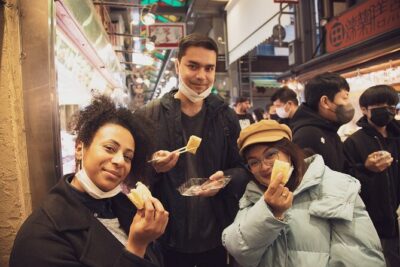
Kyoto Nishiki Market Food and Culture Walking Tour
Read our review →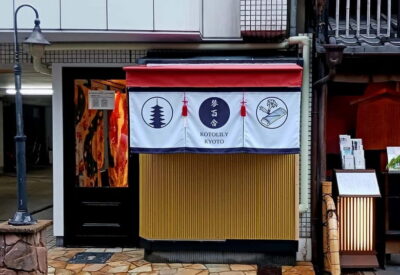
Nishiki Market Tea Ceremony with Koto Performance
Read our review →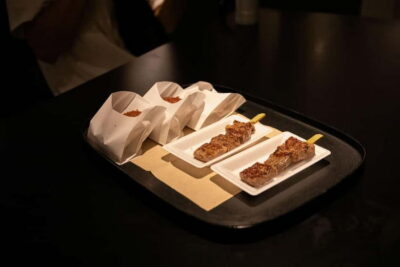
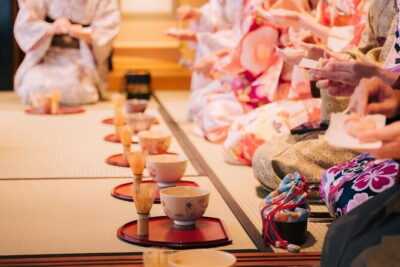
Kimono Tea Ceremony Experience at Kyoto Oritzuruya, Nishiki
Read our review →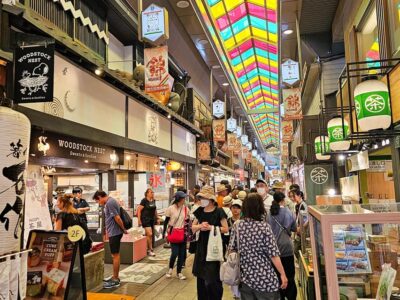
Nishiki Market and Depachika Food Tour with a Local
Read our review →
Nishiki Market Tour with a Local Foodie & Tastings
Read our review →Browse the lists this tour appears in