
Reviewed · KYOTO ZEN MEDITATION
Kyoto: Zen Meditation at a Private Temple with a Monk
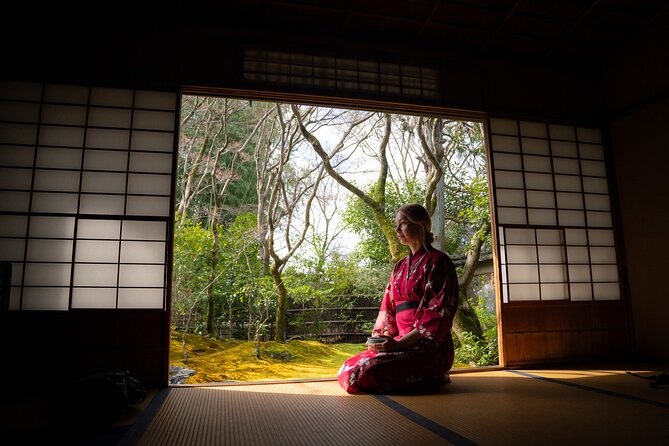
Kyoto’s most unusual temple experience may be one you can barely find on a map: a private temple near Kodaiji Park, opened for a small Zen session with a monk. You’ll learn the basic ideas behind Zen, practice meditation in a quiet setting, and share matcha with traditional snacks afterward.
I like the personal scale, with no more than nine people, and the useful instruction on posture. I also like the cultural context, since this is not simply a silent sitting session. The monk explains how Zen fits into Japanese life, and the translation helps make the lesson accessible.
The main drawback is time. At about 90 minutes, this is a gentle introduction rather than a long retreat or a full temple tour. You’ll need to reach the Kodaiji Park meeting point yourself, and the experience ends near Nene-no-michi rather than returning you to the starting point.
Key Points to Know Before You Book
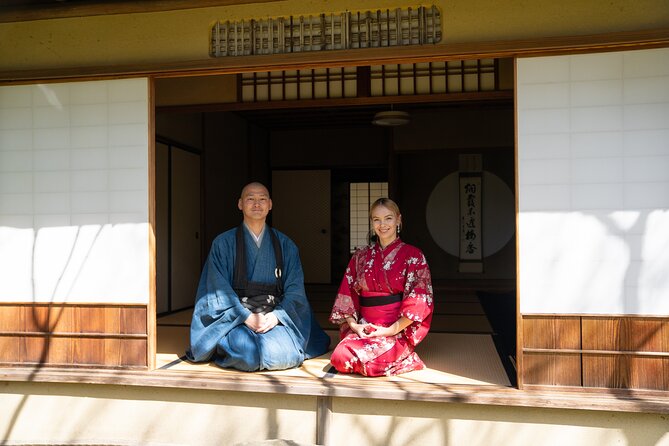
- A rare private-temple visit: You enter a small temple that is usually closed to the public.
- A monk leads the session: Expect instruction on Zen principles, meditation, and correct sitting posture.
- Small group of up to nine: The format feels more personal than a large sightseeing activity.
- Matcha and traditional snacks included: The visit closes with a simple Japanese tea experience.
- Convenient Higashiyama setting: Meet at Kodaiji Park and finish on Nene-no-michi.
- Flexible cancellation: You can receive a full refund if you cancel at least 24 hours before the start time.
A Private Temple Near Kodaiji Park
The meeting point is Kodaiji Park at 463-28 Shimokawaracho in Kyoto’s Higashiyama Ward. From there, the guide takes you to a nearby private temple that is not normally open to the public.
That access is the heart of the experience. Kyoto has plenty of famous temples, but many are busy, highly managed, and built around a set sightseeing route. Here, the appeal is different. You are not simply looking at a temple from the outside or rushing through a large complex with a camera in hand. You are given a reason to sit still and pay attention.
The setting is described as small but beautiful, which is useful context when deciding what to expect. Do not book this hoping for the scale of Kinkaku-ji or the grand gates of a major temple compound. The value comes from quiet access, personal instruction, and the chance to spend time in a place that most people cannot visit.
I like this kind of stop for a Kyoto itinerary because it gives the Higashiyama district another layer. You may already be walking around Kodaiji Park and Nene-no-michi, but the meditation session changes the pace. Instead of adding one more photograph to your morning, you get a focused cultural activity in the same area.
More zen sittings and garden visits in Kyoto:
- Kyoto Zen Meditation & Garden Tour at a Zen Temple with Lunch
★ 5.0 · 441 reviews - Kyoto: Zen Experience in a Hidden Temple
★ 5.0 · 437 reviews - Kyoto: Tea Ceremony Meditation – Make Matcha with Tea Master
★ 4.8 · 406 reviews
What the Monk Teaches You About Zen
The monk begins with an introduction to Zen and meditation. The lesson is not presented as a mysterious ritual that only experts can understand. It is an accessible explanation of the basic principles, followed by practical advice on how to sit and pay attention.
One especially useful point concerns sitting upright. That sounds simple until you try to hold a steady posture without becoming stiff. The instruction gives you something concrete to take home, even if you do not continue with a formal meditation practice. A good posture tip can make the difference between feeling calm and spending the whole session wondering what to do with your back.
The monk also uses a helpful metaphor to explain the meditation practice. The exact metaphor is not specified, but the teaching clearly goes beyond a set of rigid instructions. You are encouraged to understand the purpose behind the practice, not just copy the shape of someone sitting on a cushion.
This is where the experience has more value than a generic wellness class. You are learning from a Buddhist monk in a temple setting, with Japanese culture and Zen placed together in the same conversation. The cultural explanation helps you see meditation as part of a wider tradition rather than a quick relaxation trick.
Translation is part of the experience, and it has been described as clear and educational. That matters because Zen terms and Buddhist ideas can lose their meaning when translated too quickly. You should still expect some concepts to require thought, but the format is designed for an international audience.
The Meditation Session: Quiet, Simple, and Beginner-Friendly
After the introduction, you try the meditation for yourself. The session is intended as an introduction, so you do not need previous experience. Most people can take part, and the small group limit of nine helps keep the room from feeling crowded.
The meditation itself is likely the most quiet part of your Kyoto schedule. That is both its strength and its challenge. If you spend your trip moving between temples, shops, restaurants, and train stations, even a short period of stillness can feel surprisingly different. You are asked to stop collecting sights and give your attention to one activity.
Do not expect a long retreat. The full experience lasts about one hour and 30 minutes, including the teaching, meditation, and refreshments. That makes it manageable for first-time participants and easy to fit around other plans in Higashiyama.
You should also set realistic expectations about meditation. This is not a promise of instant calm, perfect concentration, or a life-changing revelation. Your mind may wander. Your legs may become uncomfortable. The useful part is learning how to approach the practice, with guidance from someone who can explain the basics and correct common mistakes.
I especially like that the instruction includes body position. Many introductory meditation activities speak in general terms about breathing and clearing your mind, then leave you to guess how to sit. Here, you receive a more practical starting point. That makes the session suitable for someone who has never meditated as well as someone who wants a reminder of why regular practice matters.
Matcha, Traditional Snacks, and a Slower Finish
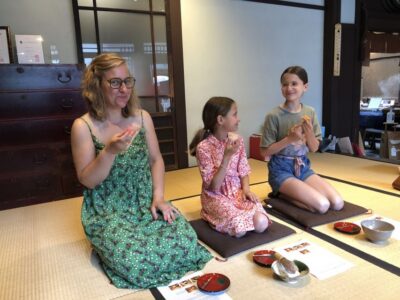
After the meditation, you enjoy matcha tea and traditional Japanese snacks. This is not just a snack break added to fill time. Tea gives the experience a natural closing ritual, moving you from the stillness of meditation back into the rhythm of sightseeing.
Matcha has a distinctive taste that can be stronger and more bitter than visitors expect. Pairing it with traditional sweets helps balance that flavor and gives you a small introduction to Japanese tea culture. The details of the sweets are not specified, so you should not book this expecting a particular dessert or a full tea ceremony.
The refreshments also create time for the experience to settle. A short conversation over tea can make the cultural lesson feel less formal. You have just heard about Zen and tried meditation, and now you can reflect on it in a relaxed setting.
If you are looking for a full tea ceremony with elaborate movements, specialized utensils, and a long explanation of every step, this may not be the right choice. The advertised focus is Zen meditation with matcha and snacks as part of the visit. That balance suits people who want a cultural taste without committing to a separate, formal tea event.
More temples worth an hour in Kyoto:
- Kyoto: Tea Ceremony Ju-An at Jotokuji Temple
★ 4.9 · 3,207 reviews - Arashiyama Bamboo, Temple, Monkeys, or Secret Sake Brewery
★ 4.8 · 886 reviews - Kyoto: Arashiyama Bamboo Forest, Monkeys, Matcha & Temple Tour
★ 5.0 · 759 reviews - Kyoto: Arashiyama Bamboo, Temple, Matcha, Monkeys & secret spots
★ 5.0 · 219 reviews
Why the Small Group Matters
The maximum group size is nine people. That is small enough to preserve the private feel of the temple and large enough to avoid the pressure of a one-to-one lesson.
A small group can also help with questions. Meditation instruction is more useful when you can hear an explanation clearly and watch the teacher without a crowd blocking the view. It may also make the sitting session feel less self-conscious, since everyone is taking part in the same beginner-friendly activity.
The group size is not a guarantee of complete silence or individual coaching. Nine people can still create a little movement, especially before and after the meditation. Still, it is a meaningful advantage over a large cultural tour where the guide speaks to a packed room and the activity becomes a performance.
The private setting adds to that feeling. You are not visiting a temple as part of a constant stream of sightseeing groups. You are entering for a specific purpose, and the monk’s guidance gives the visit a clear shape.
What the 90-Minute Schedule Means for Your Day
The total duration is approximately 90 minutes. That is long enough for an introduction, an actual meditation session, and tea, but short enough to combine with a half-day in southern Higashiyama.
You meet at Kodaiji Park and finish on Nene-no-michi in Shimokawaracho. This point-to-point arrangement is useful because you do not need to return to the park after the activity. Nene-no-michi is already a pleasant area for continued walking, so you can carry on through Higashiyama after the session.
Pay attention to the meeting instructions. The experience does not begin with a hotel pickup, and transportation is not listed as part of the activity. Plan to reach Kodaiji Park on your own and allow enough time to find the precise meeting point at 463-28 Shimokawaracho.
The end location can also help with planning. Since you finish on Nene-no-michi, you can continue exploring the surrounding streets or arrange your next stop from there. The provided information does not specify the exact walking distance between the meeting point and the temple, so follow the guide rather than assuming the temple entrance is directly at the park.
Is $98.83 a Fair Price?
At $98.83 per person, this is not a low-cost way to spend an hour and a half in Kyoto. The price makes more sense if you value the private access and the monk-led instruction rather than treating the activity as a simple meditation class.
You are paying for several things at once: entry to a temple that is usually closed to the public, a small group, interpretation, cultural explanation, guided meditation, matcha, and traditional snacks. A public temple visit may cost far less, but it will not provide this combination of access and teaching.
The price is harder to justify if you mainly want to see a famous building or take photographs. You may prefer to spend the money on a larger temple complex, a longer cultural tour, or a food experience. This activity rewards attention and participation, not fast sightseeing.
I see the strongest value for people who want one personal, quiet activity during a busy Kyoto trip. You are buying a chance to slow down in a setting that is normally unavailable, with instruction that can remain useful after the trip. The value depends heavily on your interest in meditation and Zen. If those subjects do not appeal to you, the private temple alone may not feel like enough.
Who Will Get the Most From This Experience?
This session suits first-time meditators because the monk explains the basics and offers practical guidance. You do not need to arrive with a formal practice or detailed knowledge of Buddhism.
It also suits people who already meditate and want to connect the practice with Japanese Zen. The instruction on posture and the reminder about maintaining a regular practice may give experienced participants a useful reset, even if the session itself feels introductory.
Culture-focused visitors will appreciate the explanation of Japanese customs and Zen. The experience provides more context than simply walking through a temple, yet it does not ask you to spend an entire day in a lecture.
I would be more cautious about booking it for young children or anyone who dislikes sitting quietly. The provided information says most people can participate, but it does not give a specific child age policy or describe adjustments for children. If your group needs a highly active activity, this is probably not the best match.
The activity may also feel too short for someone seeking an extended retreat. Think of it as a calm cultural session, not a full day of silence or an advanced course.
Practical Details That Matter
Your booking confirmation is provided at the time of booking, and the experience uses a mobile ticket. Keep the ticket available on your phone when you meet the guide.
The tour is offered by Travel Japan Together and accepts a maximum of nine participants. The data does not name the monk or guide, so you should not expect to select a particular teacher in advance.
Cancellation is free up to 24 hours before the start time. Cancel at least 24 hours ahead for a full refund. Cancellations or changes made less than 24 hours before the start time are not refunded or accepted, and the cut-off follows Kyoto local time.
The experience has a five-star rating from 25 reviews, with 100 percent recommending it. That is a strong signal, though the sample is small. The most consistent strengths are the genuine manner of the monk, the clear translation, the beautiful ceremony, the private atmosphere, and the practical meditation lesson.
Should You Book This Kyoto Zen Session?
Book it if you want a small, thoughtful cultural experience rather than another quick temple stop. The private setting, monk-led teaching, clear translation, posture advice, and matcha finish give the visit a purpose beyond sightseeing.
Think twice if you are mainly seeking a famous temple, a long meditation retreat, or the lowest possible price. At $98.83, this is a specialized experience, and its value depends on your interest in Zen.
For many visitors, it works best as a pause between Kyoto’s busy sights. Meet near Kodaiji Park, sit with a monk, drink matcha, and finish on Nene-no-michi. That is a compact schedule, but it offers a kind of access and attention that a standard temple visit rarely provides.
FAQ
Where does the experience begin?
It begins at Kodaiji Park, at 463-28 Shimokawaracho, Higashiyama Ward, Kyoto, 605-0825, Japan.
Where does the experience end?
The experience ends on Nene-no-michi in Shimokawaracho, Higashiyama Ward, Kyoto.
How long does the activity last?
The experience lasts approximately one hour and 30 minutes.
How many people can join?
The activity has a maximum of nine participants.
Is the temple open to the general public?
The experience visits a private temple that is typically closed to the public.
Is meditation experience required?
No specific previous meditation experience is required. Most people can participate, and the monk provides an introduction and practical instruction.
Are matcha and snacks included?
Yes. The experience includes matcha tea and traditional snacks.
What is the cancellation policy?
You can cancel for a full refund up to 24 hours before the experience start time. Cancellations or changes made less than 24 hours before the start time are not accepted or refunded.
Newest Kyoto experiences on the site
- Treasures of Kyoto: Gion & historical Walking Tour★ 5.0 · 6 reviews
- Whisk Your Own Matcha: A Zen Matcha Experience at Temple★ 3.6 · 7 reviews
- Kyoto tea town for matcha lovers★ 5.0 · 16 reviews
- Uji: Private immersion into Kyoto’s tea and reglious culture★ 5.0 · 17 reviews
- Kyoto Matcha Green Tea Tour★ 4.5 · 23 reviews
- Uji and Wazuka Matcha Farm Half Day Private Guided Tour★ 5.0 · 21 reviews
- Utilising upcycled Matcha! Creating matcha incense (Uji, Kyoto)★ 5.0 · 6 reviews
- Sacred Temple Yoga Experience in Japan★ 5.0 · 3 reviews
Kyoto Zen Meditation, compared.
Kyoto Zen Meditation & Garden Tour at a Zen Temple with Lunch
Read our review →
Tea Ceremony Meditation – Make Matcha with Tea Master
Read our review →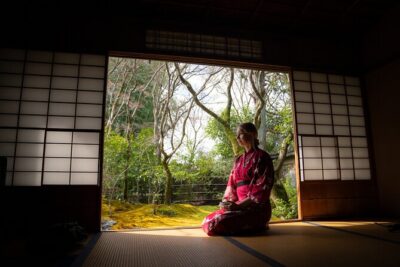
4.5-Hour Kyoto Bike Tour with Lunch and UNESCO Zen Temples
Read our review →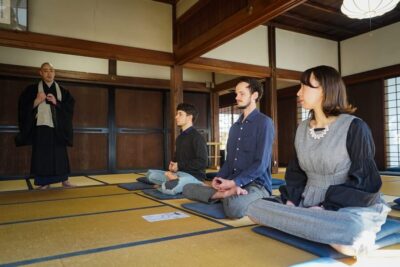
Zen Meditation and Garden Tour at a Temple with Lunch
Read our review →
Arashiyama Guided Tour, Bamboo, Monkey, Zen Temple
Read our review →Browse the lists this tour appears in