
Reviewed · KYOTO PRIVATE CAR TOURS
Private Kyoto Tour with Licensed Guide & Vehicle (Max 15 persons)
Kyoto’s best advantage is also its daily headache: the major sights are spread across town. This private tour lets you link Fushimi Inari, Kiyomizu-dera, Gion, Nishiki Market, Nijo Castle, or Kinkaku-ji without wrestling with packed buses and confusing transfers. Your licensed English-speaking guide and driver handle the road while you focus on the temples.
I like two things especially. First, you choose the day’s three or four main stops rather than being locked into one fixed route. Second, the guide can adjust the pace. Noriko helped one visitor limit stairs, Shuji planned around a wheelchair, and several guides, including Ken, Haru, Yuka, and Michi, added useful food and photo stops along the way.
The trade-off is simple: six hours passes quickly, and Kyoto’s sights are not close together. You cannot see all 24 places on the suggested list. A rushed plan can turn beautiful temples into quick photo stops, and the price is high for one or two people.
Key points to know before booking
- Private vehicle saves time: Avoid Kyoto’s crowded buses and difficult public transport connections.
- You choose three or four sights: The long attraction list is a menu, not a promise to visit everything.
- Guide quality matters: Strong guides such as Ken, Haru, Noriko, Yuka, Michi, and Tomy have tailored days around pace, food, mobility, and family interests.
- Six hours rewards a smart route: Choose sights in the same part of town instead of chasing distant temples.
- Entrance fees are extra: Bring cash for admission to places such as Kinkaku-ji, Nijo Castle, Kiyomizu-dera, and other paid sites.
- The price favors groups: At $634.72 per group of up to two, the cost makes more sense when shared by a larger party, subject to the booking terms.
Why a private car helps in Kyoto
Kyoto looks compact on a map, but its sightseeing districts are spread from the southeastern hills to the northern and western edges of the city. Fushimi Inari is southeast. Kinkaku-ji is north. Arashiyama is far west. Add Gion, Nishiki Market, and Nijo Castle, and a day of public transport can become a series of waits, transfers, and wrong turns.
A private vehicle changes the rhythm. You are picked up at your hotel, ryokan, or another agreed location, then driven between sights while the guide explains what you are seeing. The driver can also get close to certain areas, an advantage when your feet are tired or your group includes older relatives or children.
This is not a chauffeur service with a few facts added on. The guide walks with you at the stops. The strongest guides do more than point toward a temple gate. They explain customs, history, food, and local details, then adjust the day when your energy or interests change.
The listed price is $634.72 for a group of up to two. That is a serious expense for a couple, particularly because entrance tickets, lunch, and personal purchases are not included. For a family or small group, though, the per-person cost can become more reasonable, especially when you value time, comfort, and a private schedule.
The experience is described as private, with a maximum group size of 15. The advertised price covers up to two people, so larger parties should confirm the exact cost before booking.
More private car days in Kyoto:
- Kyoto: Private Customizable Day Tour with Guide and Vehicle
★ 4.9 · 334 reviews - Kyoto: Private Highlights Tour with Guide and Luxury Vehicle
★ 4.6 · 316 reviews - Explore Kyoto | Private Tour – Local English Driver(guide option)
★ 4.5 · 203 reviews
The most sensible six-hour route
You get the best value by picking three or four places that work together geographically. A sensible first-time plan might include Fushimi Inari, Kiyomizu-dera, Gion, and Nishiki Market. Another might pair Kinkaku-ji with Nijo Castle, Nishiki Market, and Gion.
Do not try to collect every famous name. Each temple deserves time, and traffic can slow the vehicle. One successful group visited Kinkaku-ji, Nijo Castle, Nishiki Market, and Fushimi Inari in six hours, including lunch at the market, without feeling hurried. That is a useful target.
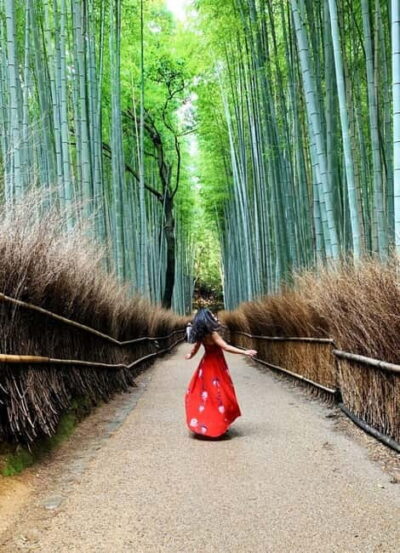
If you want Arashiyama, give it a larger share of the day. The bamboo grove, Tenryu-ji, Daikaku-ji, and nearby sights can fill several hours on their own. Combining Arashiyama with Fushimi Inari and northern Kyoto is possible only as a fast overview.
Ask your guide to group nearby sights. This one planning choice will make the difference between a relaxed day and a checklist.
Fushimi Inari and Tofuku-ji in southeastern Kyoto
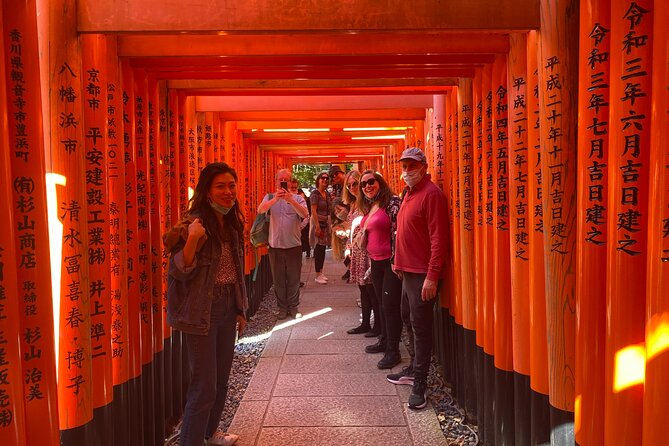
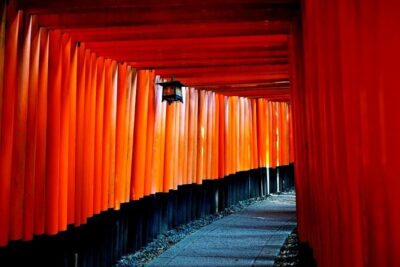
Fushimi Inari-taisha is one of Kyoto’s unmistakable sights, with long rows of orange torii gates climbing the wooded hillside. You can walk only a short section for the famous photographs, or continue farther if your legs and schedule allow. The shrine grounds are free, but the walking surface rises and can be tiring.
The tour information gives this stop only about 15 minutes in the sample schedule. That is enough for a quick introduction and photographs, not a full climb. If Fushimi Inari is a priority, tell the guide before the day begins so the timing reflects that.
Nearby Tofuku-ji is especially known for its autumn colors and broad Zen grounds. It is a better choice for someone who wants temple architecture and seasonal scenery rather than only the torii gates. Admission is not included.
Toji, another possible stop in the south, dates to the early Heian period and is famous for its connection to Kyoto’s first years as the imperial capital. It is also listed as a free stop in the supplied plan, though you should confirm which areas your guide intends to visit.
Kiyomizu-dera, Higashiyama, and Gion
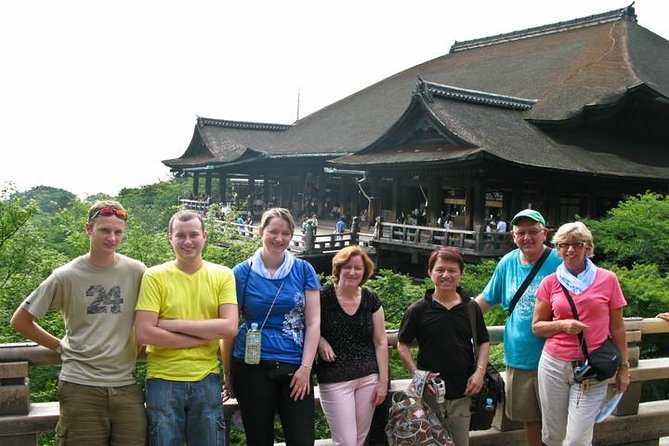
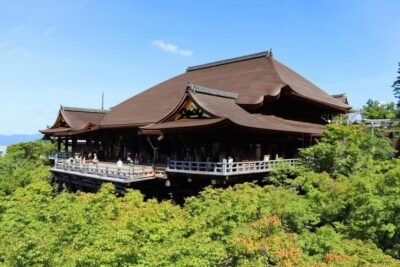
Kiyomizu-dera sits on the eastern hills above Kyoto and is one of the city’s major temple visits. The approach and grounds can be busy, with slopes and walking surfaces that require comfortable shoes. Admission is extra.
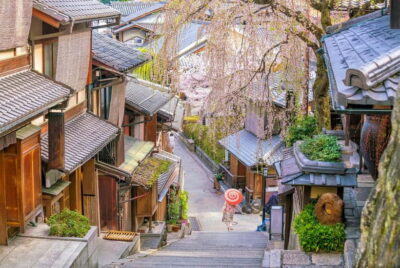
The nearby Higashiyama district gives you old Kyoto streets, traditional-looking buildings, and lanes leading toward the temple area. It is one of the better places to slow down and walk rather than simply arrive, take a photograph, and leave.
Gion offers a different mood. Its narrow lanes and traditional entertainment houses can feel mysterious to first-time visitors, but a guide helps you understand the district without wandering aimlessly. Do not expect a guaranteed geisha sighting. The value here is learning how the neighborhood fits into Kyoto’s culture while behaving respectfully in a residential area.
Kennin-ji, close to Gion and the Hanamikoji area, is another possible stop. Its spacious grounds and dry gardens provide a quieter break from the streets. The sample schedule gives only five minutes, so ask for more time if you want to see the temple properly.
A few more Kyoto tours worth putting on the shortlist
- PERFECT KYOTO 1-Day Bus Tour
★ 5.0 · 13,518 reviews - Kyoto: Fushimi Inari, Kinkakuji, Bamboo Grove 1 Day Bus Tour
★ 4.8 · 4,316 reviews - Kyoto: Tea Ceremony in a Traditional Tea House in Kiyomizu
★ 4.9 · 3,519 reviews - Kyoto Geisha Walking Tour: Gion District & Hidden Gems
★ 4.7 · 3,273 reviews
Nishiki Market, Pontocho, and lunch
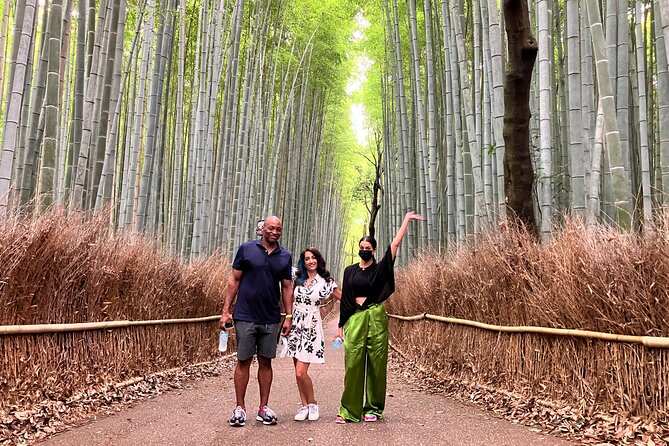
Nishiki Market is a narrow shopping street stretching across about five blocks, filled with food stalls, shops, and restaurants. It is often called Kyoto’s Kitchen, and it works well for a flexible lunch stop because everyone in your group can choose something different.
The market is not a formal food tour. Your guide may point out local specialties, explain unfamiliar ingredients, or recommend a place to eat. Several guides have helped visitors find particular foods, including conveyor-belt sushi and okonomiyaki. Lunch remains your responsibility.
Bring patience and good manners. The passage can be crowded, and some stalls expect you to eat in designated areas rather than while walking. A short 15-minute stop is enough to look around, but not enough for a relaxed meal and shopping. Plan accordingly.
Pontocho, the narrow dining lane beside the Kamogawa River, is another evening-friendly area on the menu. During a daytime tour, you may simply walk through and get your bearings. It is not a substitute for returning later for dinner, but it adds a pleasant view of Kyoto’s restaurant culture.
Nijo Castle and the Imperial Palace
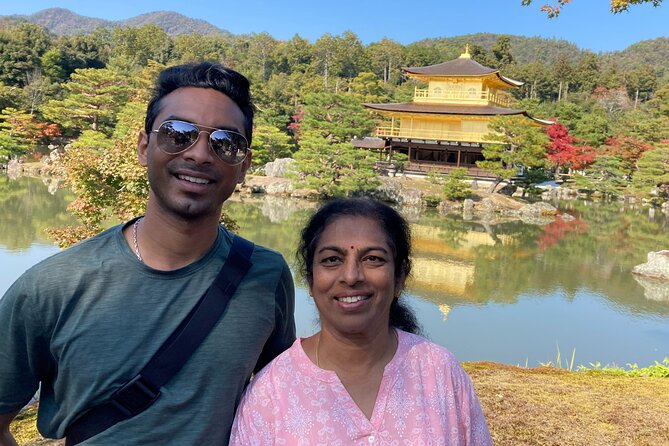
Nijo Castle was built in 1603 as the Kyoto residence of Tokugawa Ieyasu, the first shogun of the Edo period. It gives you a clear look at political power in early modern Japan, with grand gates, palace buildings, and grounds designed to impress.
Admission is not included, and 15 minutes is only a brief exterior visit. If you want to enter the palace buildings and take your time, make Nijo Castle one of your main three or four stops.
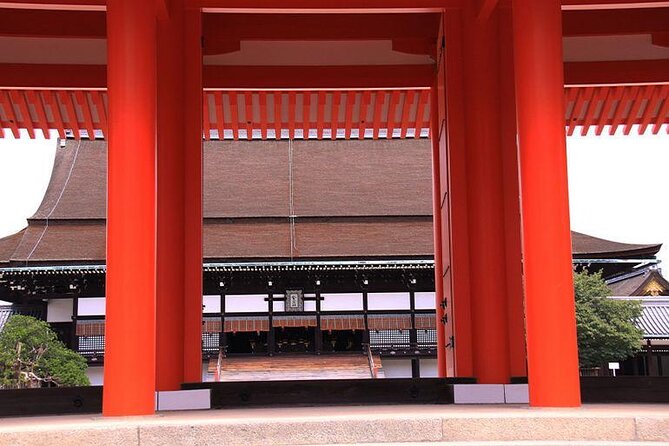
The Kyoto Imperial Palace served as the home of Japan’s imperial family until 1868, when the capital moved to Tokyo. It sits within a spacious park and offers a quieter contrast to the more crowded temple districts.
The palace grounds are not a quick roadside attraction. You will get more from the visit if you care about court life, architecture, and the shift from Kyoto’s imperial past to modern Japan. Admission is listed as extra.
Kinkaku-ji, Ryoan-ji, and Ninna-ji
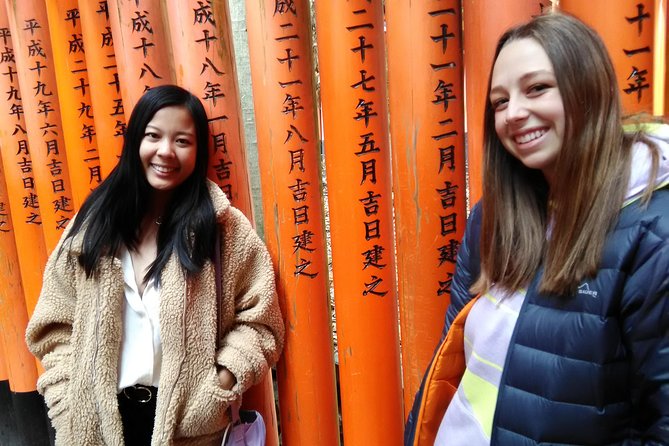
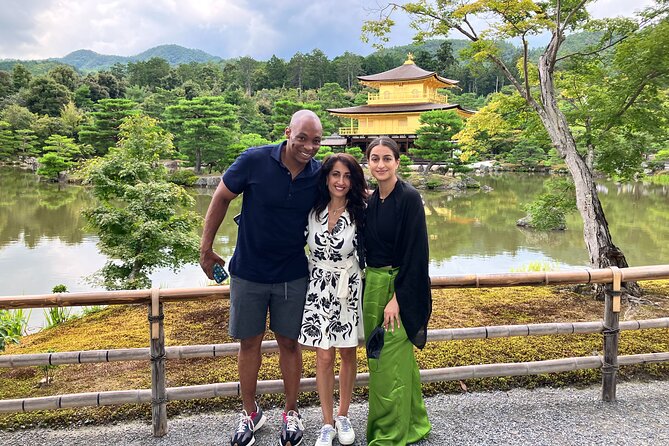
Kinkaku-ji, the Golden Pavilion, is Kyoto’s most instantly recognizable temple image. Its upper floors are covered in gold leaf, and the building reflects across the pond in the surrounding garden. Admission is extra.
This is also one of the busiest stops. A guide can help you move through the grounds and find good photo positions, but no private tour can remove the crowds. One group found it especially crowded with school visits, yet still considered it essential.
Nearby Ryoan-ji offers a very different experience. Its famous rock garden is spare and quiet in design, inviting you to sit and look rather than collect photographs. Ninna-ji, founded in 888 and linked to the Omuro school of Shingon Buddhism, adds another major temple with a long imperial connection.
These northern sights make a good cluster. If you want all three, skip distant southern or western stops. Trying to combine them with Arashiyama and Fushimi Inari will leave little time for anything beyond entrances and pictures.
Ginkaku-ji, Nanzen-ji, and the eastern hills
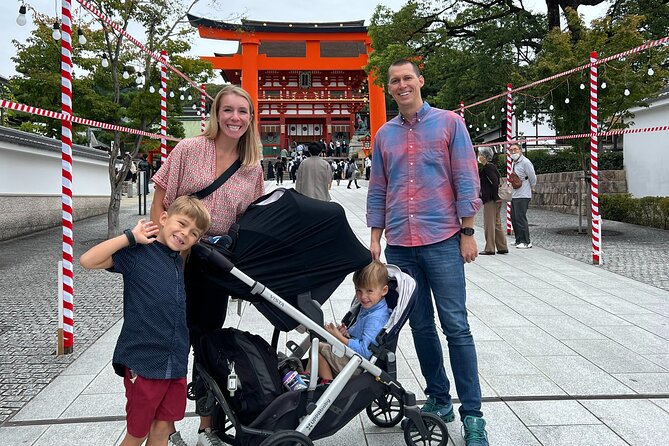
Ginkaku-ji, the Silver Pavilion, began as the retirement villa of shogun Ashikaga Yoshimasa. Despite its name, it is not covered in silver. Its gardens and restrained Zen design are the real attraction.
Nanzen-ji is one of Kyoto’s major Zen temples, with spacious grounds at the foot of the Higashiyama mountains. The brick Suirokaku aqueduct adds an unusual visual detail and makes this stop different from Kyoto’s many wooden temple buildings.
These sights work well with Gion, Kiyomizu-dera, and Higashiyama. They do not fit neatly with Arashiyama or Kibune in a six-hour first visit. Admission fees are extra for the paid sites, so keep a little cash ready.
Arashiyama, Tenryu-ji, and the western temples
Arashiyama is a popular district in western Kyoto, known for its bamboo grove, river setting, and temple visits. Tenryu-ji is the area’s leading temple and a World Heritage site, while Daikaku-ji began as an imperial detached palace.
The bamboo grove is lovely but short and often crowded. A private car gets you to the district without a long public transport connection, but it cannot solve congestion on foot. Choose Arashiyama because you want to spend real time there, not because you hope to squeeze in every famous sight.
Katsura Imperial Villa is known for its architecture and garden design. Shugakuin Imperial Villa occupies the northern hills and includes upper, middle, and lower villa areas. These are specialized choices for visitors with a strong interest in imperial design, rather than quick highlights.
Yoshimine-dera, in Kyoto’s western mountains, offers hillside temple scenery and a slower rural feel. It is a poor match for a compact central Kyoto route, but a good option if you have already seen the famous central sights.
Northern mountain options: Kibune and Kurama
Kibune is a small forested mountain town developed around Kifune Shrine. Kurama, less than an hour from central Kyoto, is known for Kurama-dera and a hot spring.
These stops can give your day a calmer, more rural character. They also consume valuable driving time. Pick them only if you are willing to trade several central landmarks for wooded valleys and mountain temples.
This is where a private vehicle helps most, but it does not change the basic geography. Your guide can reduce transport friction, not make distant places next door.
The guides make or break the day
The strongest part of this experience is the human service. Ken has been praised for clear English, useful explanations, and practical advice. Haru has been described as funny, flexible, and good at making the most of a six-hour schedule. Yuka has handled a demanding day with energy and strong English.
Noriko has adjusted routes for limited walking and helped families find good lunch stops. Michi stayed beyond the planned tour to help a group find a particular food. Tomy has been effective at arranging a first Kyoto introduction and taking photographs at useful points.
That does not mean every guide will suit every group. One poor experience involved a guide who did not seem interested in the group’s preferences, and another visitor found the storytelling flat. Set expectations early. Send your must-see list, walking limits, food needs, and preferred pace before the day.
Communication about the pickup time and place also deserves care. One group had confusion before the tour, although the sightseeing itself went well. Confirm the meeting details in advance.
Comfort, mobility, and family needs
Most people can take part, and service animals are allowed. Only a limited number of car seats and booster seats are available, and rear-facing seats are not offered. Contact the operator directly if you need child seating.
The vehicle can be especially useful for families, older adults, and anyone recovering from a long flight. It does not eliminate walking at temples, stairs, slopes, or crowded lanes. Tell the guide what your group can comfortably manage.
A wheelchair user had a successful day after the guide planned routes in advance. That is encouraging, but you should still discuss the specific sights before booking because each temple has different surfaces, entrances, and walking demands.
Should you book this Kyoto tour?
Book it if you have one day in Kyoto, dislike public transport, are traveling with family, or want a guide to explain what you are seeing. It is also a strong choice for a group arriving by train from Tokyo and needing an efficient day before an afternoon departure.
I would not book it for a slow temple-by-temple visit, a low-cost trip, or a plan that includes every major sight. The price is hard to justify for two people unless private transport and saved time are central to your plans.
Choose three or four sights, not ten. Share your priorities before pickup. Bring cash for entrance fees, wear shoes suited to walking, and leave room for lunch. Done that way, this tour gives you a practical first look at Kyoto without turning the city into a transportation puzzle.
FAQ
How long is the private Kyoto tour?
The tour lasts approximately six hours.
How many people can join the tour?
It is a private activity with a maximum group size of 15 people. The listed price of $634.72 is for a group of up to two, so larger groups should confirm the applicable price.
What is included in the tour?
A licensed local English-speaking guide and private vehicle are included. You also receive a customizable walking tour covering your choice of three or four sites from the listed options.
Are entrance fees included?
No. Entrance fees, lunch, and personal expenses are not included. Bring money for paid sights such as Kinkaku-ji, Nijo Castle, Kiyomizu-dera, and other temples.
Can I choose which Kyoto sights to visit?
Yes. The tour is customizable, and the listed choices include Fushimi Inari, Gion, Nishiki Market, Kiyomizu-dera, Kinkaku-ji, Nijo Castle, Arashiyama, and many other sites. You should plan for three or four stops in six hours.
Is pickup available?
Yes. Pickup is offered, and the tour includes private transportation. Confirm the exact pickup time and place before the day of the tour.
What is the cancellation policy?
You can cancel for a full refund up to 24 hours before the experience start time. Cancellations or changes made less than 24 hours in advance are not accepted for a refund.
Newest Kyoto experiences on the site
- Whisk Your Own Matcha: A Zen Matcha Experience at Temple★ 3.6 · 7 reviews
- Treasures of Kyoto: Gion & historical Walking Tour★ 5.0 · 6 reviews
- Kyoto tea town for matcha lovers★ 5.0 · 16 reviews
- Uji: Private immersion into Kyoto’s tea and reglious culture★ 5.0 · 17 reviews
- Kyoto Matcha Green Tea Tour★ 4.5 · 23 reviews
- Uji and Wazuka Matcha Farm Half Day Private Guided Tour★ 5.0 · 21 reviews
- Utilising upcycled Matcha! Creating matcha incense (Uji, Kyoto)★ 5.0 · 6 reviews
- Sacred Temple Yoga Experience in Japan★ 5.0 · 3 reviews
Kyoto Private Car Tours, compared.
Explore Kyoto | Private Tour – Local English Driver(guide option)
Read our review →
Kyoto Private Car Tour – Full Day with Local Guide & Nara Option
Read our review →
Kyoto Private 6 hour Tour: English Speaking Driver Only, No Guide
Read our review →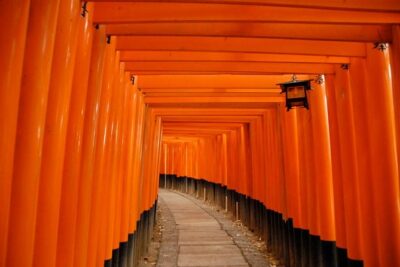
Kyoto Private Day Tour with English-Speaking Driver from Kyoto
Read our review →Browse the lists this tour appears in