Reviewed · PRIVATE
Private Highlights of Kyoto Tour
Kyoto’s best sights are spread across the city, and this private tour tackles them by bus and train, not from behind a coach window. You choose between a northwest day of bamboo, Zen gardens, the Golden Pavilion, and food stalls, or a southeast route of sake, torii gates, Kiyomizu-dera, and Gion.
I like the one-to-one guiding, which lets you ask about everything from Shogun-era castles to Japanese customs. I also like the practical feel: your guide helps you use local transport, and the included city bus pass remains useful after the tour. The main drawback is the price, $151.20 per person, plus lunch and other food, which can feel high for a day that relies on public transport.
Key points at a glance
- Two very different routes: Pick the northwest course for Arashiyama and Kinkaku-ji, or the southeast course for Fushimi Inari and Kiyomizu-dera.
- Private attention: The group is limited to eight, with many bookings handled as a private party.
- Strong guide feedback: Mie, Mia, Chako, Choko, and Mai are praised for clear English, historical detail, patience, and flexibility.
- Seven hours on foot and in transit: You will cover plenty of ground, so comfortable shoes matter.
- Lunch is flexible but not included: Your guide can suggest a place, including local options such as ramen or okonomiyaki.
- A useful finish in Gion: The tour ends in one of Kyoto’s best areas for an evening walk or a separate Gion activity.
Two routes, one busy Kyoto day
This experience is best understood as a choice between two concentrated routes. You cannot sensibly see every listed site in depth in seven hours, so the route you select matters.
The northwest-bound route centers on Arashiyama, Ryoan-ji, Kinkaku-ji, and either Nishiki Food Market or Nijo Castle. It gives you some of Kyoto’s most recognizable scenery and works well if bamboo groves, gardens, and grand temple architecture are high on your list.
The southeast-bound route combines the Gekkeikan Okura Sake Museum, Fushimi Inari-taisha, Sanjusangendo, Kiyomizu-dera, and the Gion area. This is the stronger choice if you want shrine customs, traditional streets, Kyoto views, and a glimpse at sake production.
Both plans begin at Hotel Granvia Kyoto near Kyoto Station at 9:00 am. You use public transport with your guide, which adds some walking and transfers but also shows you how Kyoto works. That is useful if you have just arrived and still find the city’s buses and train lines a little puzzling.
A few more Kyoto tours worth putting on the shortlist
- PERFECT KYOTO 1-Day Bus Tour
★ 5.0 · 13,518 reviews - Kyoto: Fushimi Inari, Kinkakuji, Bamboo Grove 1 Day Bus Tour
★ 4.8 · 4,316 reviews - Kyoto: Tea Ceremony in a Traditional Tea House in Kiyomizu
★ 4.9 · 3,519 reviews
Arashiyama and the bamboo forest
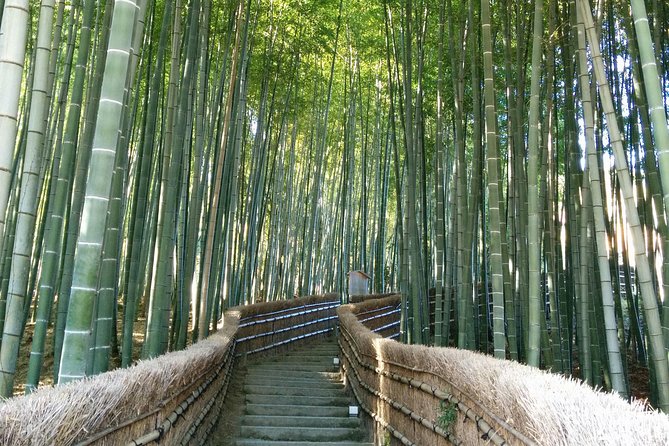
On the northwest route, Arashiyama Park is the early highlight. The bamboo forest is a short stop of about 30 minutes, enough to walk through the famous grove and take photographs without spending the whole morning there.
The bamboo path is scenic, but it is not a quiet private trail. You might find crowds, especially at popular times, and the short visit means you should keep moving. The nearby Togetsukyo Bridge adds another recognizable Arashiyama view, with the river and surrounding hills providing a change from the narrow bamboo path.
Your guide can give the area context, point out nearby temples, and help you decide how much time to give the forest. That personal judgment matters here. A first-time visitor may want photographs, while someone more interested in temples may prefer to protect time for Ryoan-ji.
Ryoan-ji and the art of looking slowly
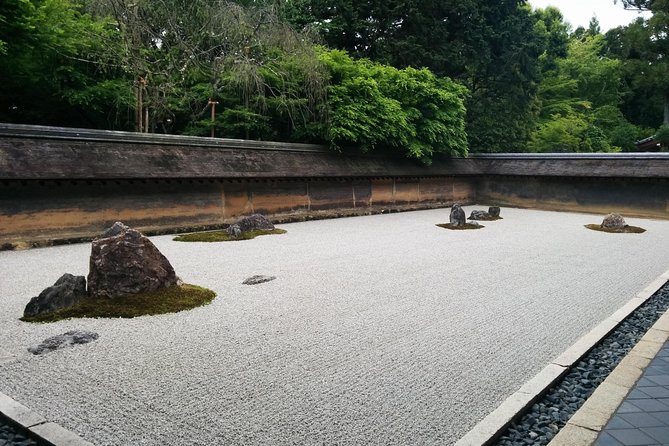
Ryoan-ji offers a different mood from Arashiyama. Its famous Zen rock garden is composed of 15 stones, arranged so that the full set cannot be seen from one viewpoint. The visit is listed at about 30 minutes, which is enough to see the garden and hear its basic meaning, but not enough for a long, quiet contemplation if the grounds are crowded.
I like this stop because it gives the day a pause. Kyoto is full of ornate buildings and dramatic views, while Ryoan-ji asks you to pay attention to emptiness, placement, and restraint. Your guide can explain the symbolism and the Zen setting in a way that makes the garden easier to appreciate than it might be from a quick photograph.
Kinkaku-ji, Kyoto’s Golden Pavilion
Kinkaku-ji, or the Golden Pavilion, is one of Kyoto’s most famous sights. The three-story pavilion is covered in gold leaf and reflected in a pond surrounded by trees. The visit lasts about 50 minutes, and admission is included.
This is a highly polished sight, not a rough or remote temple visit. The building you see today is a reconstruction, but the setting remains striking. The gold, water, and greenery are arranged for maximum visual effect, and you will understand why it appears on so many postcards.
The drawback is that this is one of Kyoto’s most heavily visited places. You follow a set path and may have limited time at the best viewing points. A private guide cannot remove the crowds, but can explain the building’s role and keep the stop efficient.
Same city, a completely different kind of day:
- Kyoto Geisha Walking Tour: Gion District & Hidden Gems
★ 4.7 · 3,273 reviews - Kyoto: Tea Ceremony Ju-An at Jotokuji Temple
★ 4.9 · 3,207 reviews - Kyoto: Gion Magical Night Walking Tour with Geisha Trivia
★ 4.9 · 2,393 reviews - Kyoto: 45-Minute Tea Ceremony Lesson Experience
★ 4.3 · 2,378 reviews
Nishiki Market or Nijo Castle
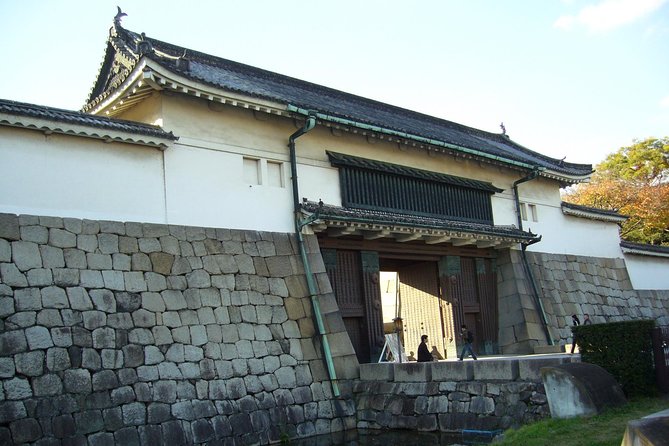
The northwest route gives you a choice between Nishiki Food Market and Nijo Castle, a useful decision because the two stops suit different interests.
Nishiki is the better pick if you want a taste of Kyoto’s food culture. You can browse stalls and see ingredients and prepared foods, but lunch remains your own expense. It is wise to treat the market as a place for small tastes and local color rather than assume a full meal is included.
Nijo Castle suits you better if you prefer political history and interiors. Built during the Tokugawa Shogunate period in the early 17th century, it is Kyoto’s only castle. The original living quarters of the Shogun are the main draw, with gold leaf and elaborate painted decoration.
The private format helps here. Your guide can point out motifs and explain how the castle differs from a temple or shrine. One guide, Hiseko, received particular praise for explaining the meaning of sculptures and decorative designs at Nijo Castle and Kinkaku-ji.
Gekkeikan and the southeast route
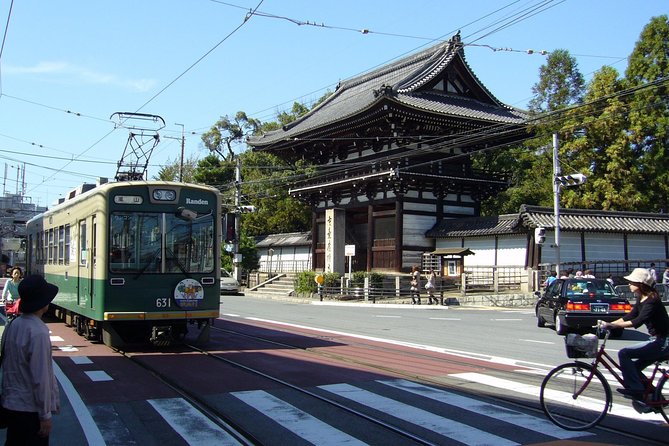
The southeast plan begins with the Gekkeikan Okura Sake Museum, housed by one of Japan’s oldest sake brands. The visit lasts around 50 minutes and admission is included.
This is a practical cultural stop. Sake can seem mysterious if you only encounter it on a restaurant menu, but a brewery museum gives you a way to understand the drink’s production and place in Japanese life. The experience may include a tasting, depending on the operating arrangements on the day. The supplied tour details specifically include a sake museum visit and tasting in one account, so you should still check the day’s plan with your guide.
From there, the route continues to Fushimi Inari-taisha. Combining sake with the shrine creates a useful thread: both stops connect to long-standing Japanese customs, but in very different ways.
Fushimi Inari’s red gates
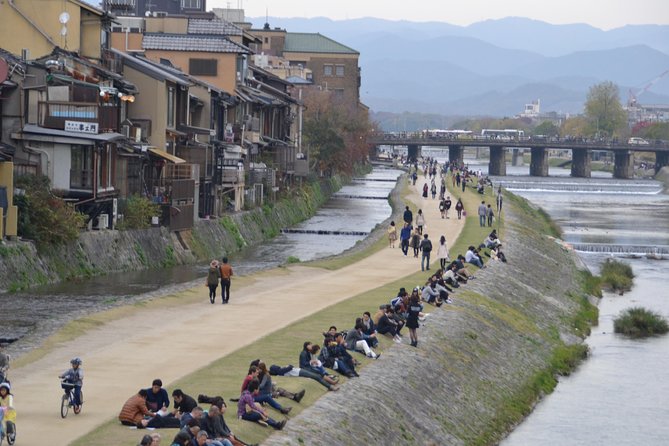
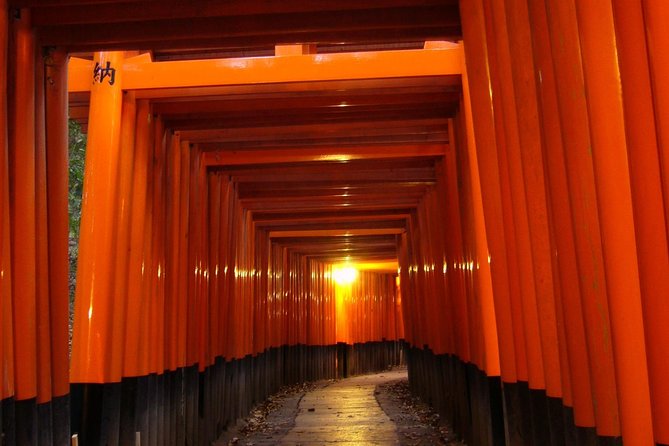
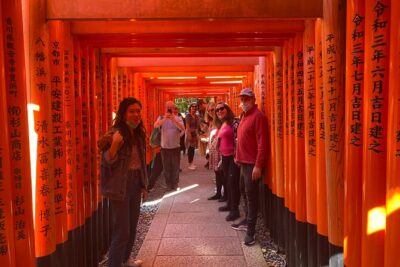
Fushimi Inari is known for its thousands of red torii gates, which climb the mountain behind the shrine. You will also see stone fox figures and smaller shrines along the route. The planned stop lasts about 50 minutes.
You do not need to walk the entire mountain to understand the place. The lower gates are the most accessible part and provide the classic view, while a longer climb takes more time and effort. Your guide can help you judge how far to go within the day’s schedule.
This stop requires comfortable shoes and a willingness to walk uphill. The surface can be crowded and uneven in places. If you have young children, ask your guide to set a sensible turnaround point rather than trying to reach every gate.
Sanjusangendo’s 1,001 figures
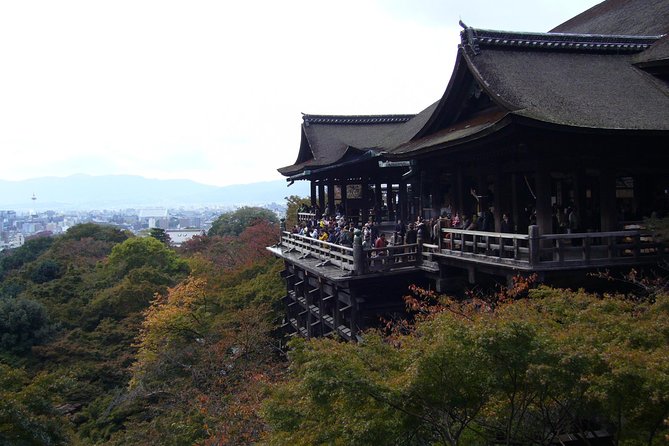
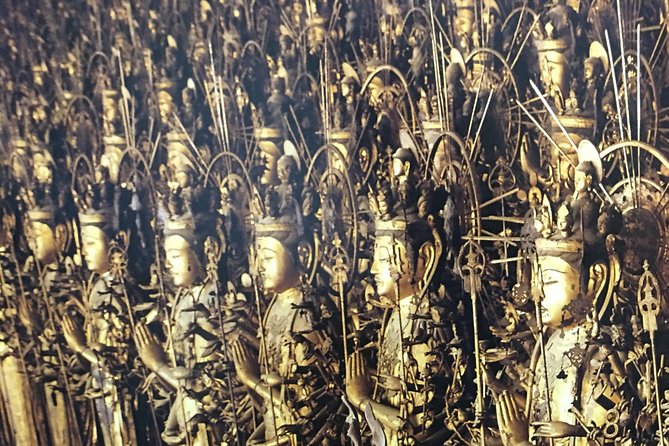
Sanjusangendo brings the day indoors and offers one of Kyoto’s most memorable temple interiors. Its main hall is lined with 1,001 statues of Kannon, creating a powerful sight that differs sharply from the open spaces at Fushimi Inari and Kiyomizu-dera.
The planned visit is about 50 minutes. This is a good stop for anyone who wants more than gardens and exterior views. The scale of the statue hall can be difficult to grasp from photographs, and a guide can explain what you are seeing without reducing the visit to a quick photo stop.
The temple is also a useful rest point before lunch, especially after the uphill walking around Fushimi Inari.
Kiyomizu-dera and the old hillside lanes
Kiyomizu-dera is one of Kyoto’s essential sights. The temple dates back to the eighth century, and its balcony provides the broad Kyoto view often seen on postcards. Admission is included, and the planned visit lasts about 50 minutes.
The route continues up the steep slopes through Ninenzaka and Sannenzaka. These historic lanes lead toward the temple and offer traditional architecture, shops, and views. They are attractive but not flat or effortless. Expect a steady climb and crowded stretches.
This is where the private guide can adjust the pace. Several guides are praised for helping families and children stay engaged, and for adapting the day to individual interests. If you need a slower walk or more time for photographs, say so early.
Ending in Gion
Both routes finish in Gion, Kyoto’s famous geisha district. The area is known for its traditional streets and geisha tradition, making it a sensible place to end a first-day introduction to the city.
Gion is not a stage set for guaranteed geisha sightings. Treat it as a historic neighborhood where you can walk respectfully, admire the architecture, and continue your evening independently. The tour ends here rather than returning you to your hotel, so plan your evening around that location.
The end point can also be useful if you want to join a separate Gion-focused activity beginning at 6:00 pm. The included one-day city bus pass can continue helping you get around after the tour.
What the guide adds
The guide is the strongest reason to pay for this experience instead of assembling the same sights on your own. The most praised guides include Mie, Mia, Chako, Choko, Mai, and Hiseko. The recurring strengths are clear English, historical explanation, good humor, patience, and a willingness to answer questions.
Mie is repeatedly singled out for being prepared, friendly, flexible, and good with children. Mia is praised for excellent English, efficient routing, and keeping a 12-year-old interested. Chako is noted for translating, taking photographs, explaining culture, and helping with Japanese phrases.
That does not mean every guide will deliver exactly the same day. One account describes a guide who mostly moved the group from place to place without much explanation. That experience appears unusual beside the overall 4.8 rating from 84 reviews and 96 percent recommendation figure, but it is a useful reminder to ask questions and state what you want from the day.
The best approach is to tell your guide at the start whether you care most about history, food, photography, children’s pacing, or local customs. The private structure gives you room to shape the conversation.
Transport, walking, food, and price
The tour includes public transportation and an all-day city bus pass. Hotel pickup and drop-off are not included, so you must reach Hotel Granvia Kyoto at the central entrance of Kyoto Station by 9:00 am.
You will walk a lot, including temple grounds, market lanes, historic streets, and possibly uphill paths. The tour is manageable for most people, but it is not a low-effort sightseeing day. Wear comfortable shoes and bring water.
Lunch and drinks are your responsibility. That is a drawback if you want a fully prepaid experience, but it gives you more choice. Guides have suggested ramen and okonomiyaki restaurants, including an off-the-main-route ramen shop and a table-grill okonomiyaki meal. Ask for help if you want lunch to feel like part of the day rather than a rushed break.
At $151.20 per person, this is not the cheapest way to see Kyoto. The value improves if you are a small private group, want help with transport, or have only one full day for major sights. It is less attractive if you are comfortable planning buses and temple visits yourself, or if you prefer spending a full morning at one place.
A group discount may be available, and the maximum group size is eight. For families or friends sharing the cost, the private guide can be easier to justify than it is for a solo visitor.
Who should book this Kyoto tour?
I would choose this for a first visit when you want orientation, major sights, and cultural explanation in one day. It suits couples, families, and small groups who value a flexible guide more than a slow, unstructured morning.
Choose the northwest route for bamboo, Zen design, Kinkaku-ji, and a choice between food or castle history. Choose the southeast route for sake, Fushimi Inari, the 1,001 figures at Sanjusangendo, Kiyomizu-dera, and Gion.
I would skip it if your priority is deep time at just one temple, a food-only experience, or the lowest possible cost. I would also think twice if steep paths and long walking days are difficult for you. For everyone else, the private format, strong guide record, and practical transport help make this a sound first-day introduction to Kyoto.
Free cancellation is available until 24 hours before the 9:00 am start. The experience requires good weather, and a weather cancellation brings the choice of another date or a full refund.
FAQ
Where does the tour begin?
It begins at Hotel Granvia Kyoto, at the JR Kyoto Station Central Entrance, at 9:00 am.
How long does the tour last?
The experience lasts approximately seven hours.
Is the tour private?
Yes. It is a private tour with a maximum of eight travelers.
Which Kyoto route can I choose?
You can choose a northwest-bound route featuring Arashiyama, the bamboo forest, Ryoan-ji, Kinkaku-ji, and either Nishiki Food Market or Nijo Castle. The southeast-bound route includes the Gekkeikan Sake Museum, Fushimi Inari, Sanjusangendo, Kiyomizu-dera, and Gion.
Is transportation included?
Public transportation and a one-day city bus pass are included. Hotel pickup and drop-off are not included.
Are temple admission fees included?
Admission is included for Kinkaku-ji, Kiyomizu-dera, Nijo Castle, Sanjusangendo, Ryoan-ji, and the Gekkeikan Okura Sake Museum. Admission to Gion, the Bamboo Forest Street, and Fushimi Inari-taisha is listed as free.
Is lunch included?
No. Lunch, food, and drinks are not included. You pay for your own meal.
Can I cancel for a full refund?
Yes, if you cancel at least 24 hours before the experience begins. Changes or cancellations made less than 24 hours before the start are not accepted for a refund. If poor weather causes the tour to be canceled, you can receive a full refund or choose another date.
Newest Kyoto experiences on the site
- Treasures of Kyoto: Gion & historical Walking Tour★ 5.0 · 6 reviews
- Whisk Your Own Matcha: A Zen Matcha Experience at Temple★ 3.6 · 7 reviews
- Kyoto tea town for matcha lovers★ 5.0 · 16 reviews
- Uji: Private immersion into Kyoto’s tea and reglious culture★ 5.0 · 17 reviews
- Kyoto Matcha Green Tea Tour★ 4.5 · 23 reviews
- Uji and Wazuka Matcha Farm Half Day Private Guided Tour★ 5.0 · 21 reviews
- Utilising upcycled Matcha! Creating matcha incense (Uji, Kyoto)★ 5.0 · 6 reviews
- Sacred Temple Yoga Experience in Japan★ 5.0 · 3 reviews
Private, compared.
Fushimi Inari Hidden Hiking Tour (Private Option Available)
Read our review →
Private Kyoto Tour with a Local, Highlights & Hidden Gems, Personalised
Read our review →
Kyoto 6hr Private Tour with Government-Licensed Guide
Read our review →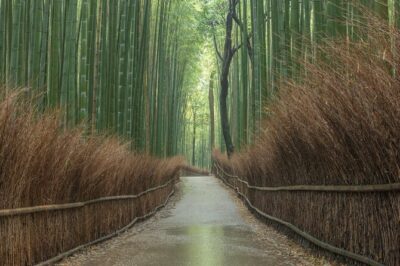
10 Must-see Spots in Kyoto One Day Private Tour (up to 7 people)
Read our review →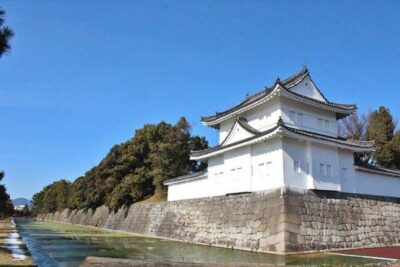
Kyoto 4hr Private Tour with Government-Licensed Guide
Read our review →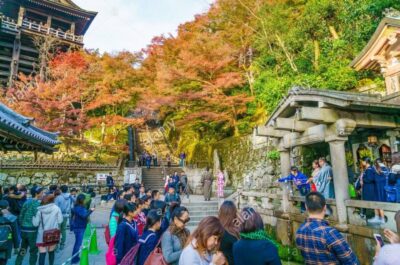
Private Kyoto Tour with Licensed Guide & Vehicle (Max 15 persons)
Read our review →