
Reviewed · KYOTO SAMURAI EXPERIENCES
Kendo and samurai experience in Kyoto
The sharpest part of this Kyoto experience is the chance to handle a Japanese sword under close instruction, then practice the posture and movements behind samurai swordsmanship. You are not simply posing beside a katana. You learn how to hold it, draw it, move with it, and use technique rather than brute force. The class takes place near Shugakuin, away from central Kyoto’s busiest streets.
I like the private-class feel, especially when your group is the only booking in the time slot. I also like the patient teaching and the mix of kendo, sword customs, traditional clothing, and photo time. Instructors such as Taka and Kengo speak good English, though communication can vary by teacher.
The main caution is important: tatami mat cutting may no longer be available. Some older descriptions and past sessions included it, but a reported change in Japanese law has stopped the activity from being offered legally in some cases. Confirm this before you pay if cutting is the reason you are booking.
Key points to know before you book
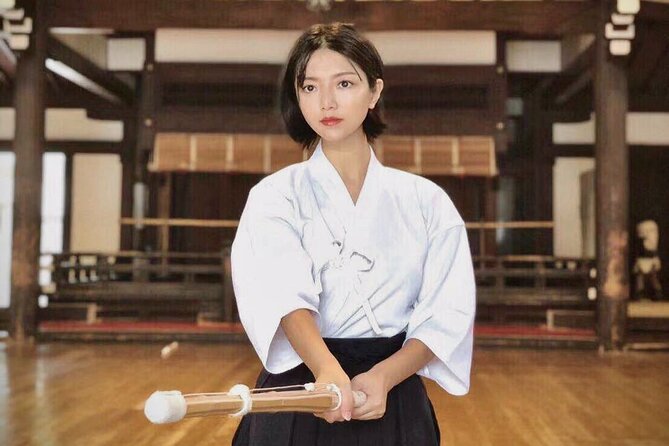
- Practice comes before posing: You learn basic movements with bamboo, foam, and blunt replica swords before taking photos.
- A small group can feel private: The maximum is 15 people, but some time slots have become one-group classes with very close instruction.
- The setting is outside central Kyoto: You meet at studio NIN in Shugakuin, not at a major downtown sightseeing site.
- Tatami cutting is uncertain: Past sessions included tameshigiri, but it may now be prohibited and is not something you should assume is included.
- The class suits beginners: No martial arts background is needed, and the tone is intended to be relaxed rather than competitive.
- Budget about two hours: At $105.68 per person, the value rests on personal instruction, equipment, and the unusual subject, not on a long sightseeing itinerary.
What the two-hour Kyoto sword class actually offers
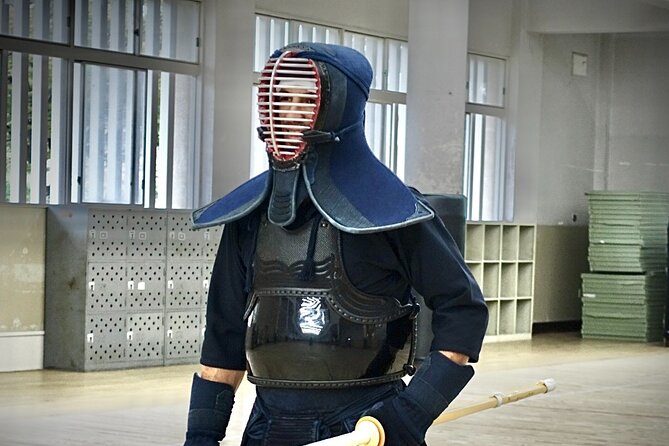
This is a hands-on introduction to two related but different traditions. Kendo is the modern Japanese martial art practiced with bamboo swords and protective equipment. Samurai sword training uses a katana or replica blade and focuses on handling, posture, drawing, cutting form, and controlled movement.
Your instructor begins with the basics rather than handing you a sword and sending you into a staged fight. You learn the history and customs behind the activity, then work through simple movements. The training tools can include bamboo practice swords, foam swords, and blunt replica blades, so the class can introduce the motions without asking a beginner to manage a sharp weapon.
That progression matters. A katana looks simple until you try to hold it correctly, coordinate your feet, and keep the blade moving in a controlled line. The class puts attention on technique, which makes it more interesting than a quick costume photo session.
The tone is deliberately low pressure. You do not need prior martial arts experience, and the instructor can adjust explanations for beginners. Some sessions include practice against one another with kendo equipment, though you should think of this as a guided introduction rather than a full martial arts lesson.
More samurai experiences in Kyoto:
- Kyoto Samurai Experience
★ 5.0 · 1,294 reviews - Kyoto: Kendo and Samurai Experience with Uniform and Gear
★ 4.9 · 815 reviews - Kyoto: Samurai Sword Class by Experts in Traditional Arts
★ 4.9 · 657 reviews
Meeting at studio NIN near Shugakuin
The meeting point is studio NIN 修学院16 Shūgakuin Daidōchō, in Sakyo Ward, Kyoto. The activity begins and ends there, with Shugakuin Imperial Villa listed as the itinerary stop.
This is one part of the plan that deserves extra attention. The location sits on the outskirts of the main sightseeing core, and finding it can take patience. One participant arrived late after getting lost among quiet streets, while another found the place difficult to locate because there were few people nearby to ask for help.
Give yourself extra time and use a map app before leaving. Do not treat this as a class you can casually find after visiting Kiyomizu-dera or Nishiki Market. The quieter setting is part of the appeal, but it also means you should not rely on wandering around and spotting a large commercial studio.
The listed itinerary does not describe a sightseeing tour of Shugakuin Imperial Villa. Treat the villa name as a location reference rather than a promise of an imperial residence visit. The main event is the sword and kendo instruction at the studio.
Learning posture, sword handling, and kendo basics
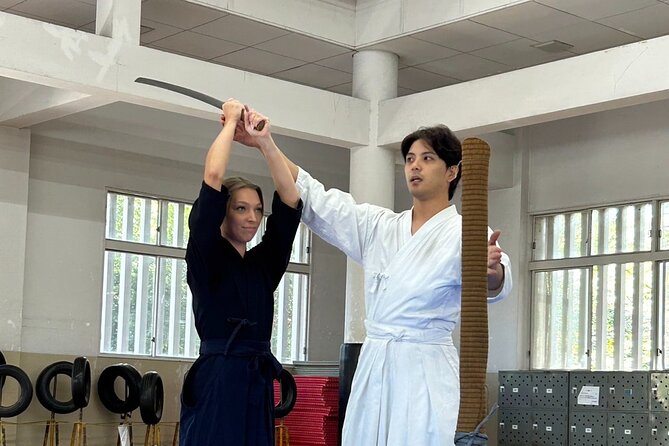
The early section covers the building blocks of sword use. You learn how to hold the weapon, how to stand, and how to move with control. The instructor also explains how to take a sword in and out, along with the customs and terms connected to kendo and samurai practice.
These details are easy to overlook in a staged experience, but they make the class feel more purposeful. Holding a sword properly is not just a matter of gripping the handle. Your posture, arm position, footwork, and timing all affect the movement. The teacher corrects small points and demonstrates how a clean motion comes from coordination rather than strength.
Kendo practice adds a different rhythm. Bamboo swords are lighter and safer for basic training, and they let you work on distance, movement, and simple strikes. Foam swords and blunt replicas can help beginners become comfortable with the shape and balance of a sword without the danger of a sharp blade.
The best part for many people will be the direct feedback. In a large demonstration, you watch someone else swing a sword and then try to copy the movement later. Here, a private or small group arrangement gives the instructor more time to correct you in the moment.
Traditional gear, photos, and the limits of the costume promise
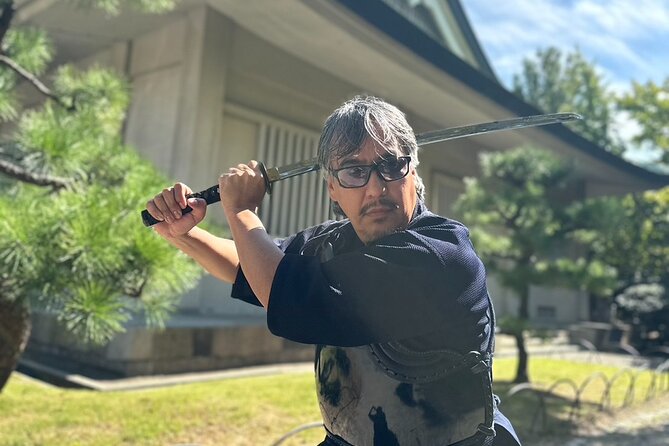
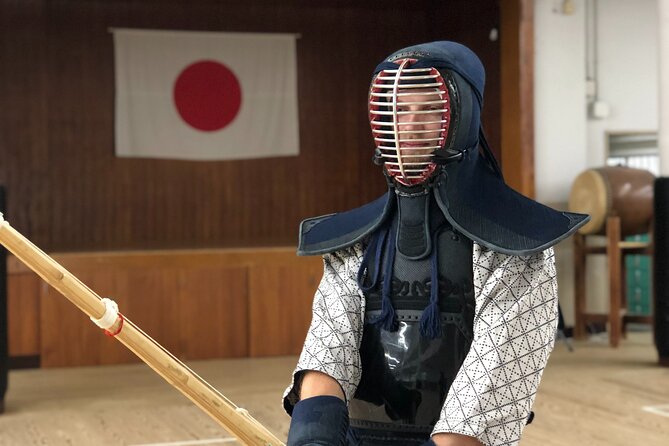
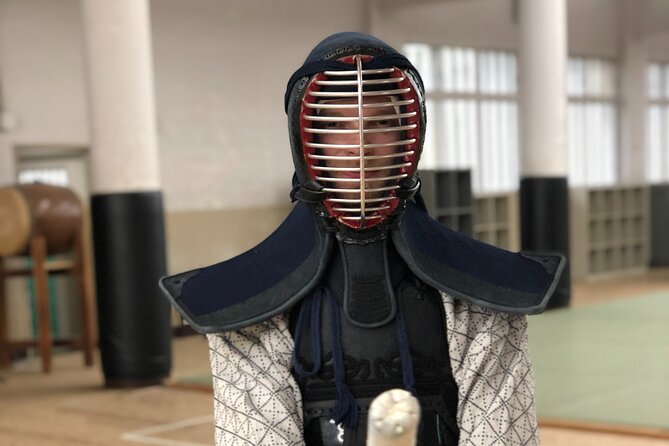
The experience includes authentic training gear, and some sessions provide samurai attire or kendo armor for photographs. You may have the chance to pose with a katana, helmet, or other equipment while the instructor records photos and videos.
This is useful if you want a souvenir beyond a few blurry phone pictures. The instructors are happy to help with photos, and the staged sword scenes can be a fun part of the two hours. The class has enough visual drama for families, couples, and friends who want something different from another temple visit.
Still, keep your expectations measured. The level of dressing up may vary. One session provided only a look at a helmet rather than a full uniform, while other sessions included traditional attire and kendo armor. The available clothing and gear may depend on the group, timing, or current setup.
That variation is worth considering if the costume is your main reason for booking. You are paying primarily for instruction and access to the activity, not for a guaranteed theatrical wardrobe package. Ask the provider what you will wear before arrival if full armor or a complete samurai outfit matters to you.
A few more Kyoto tours worth putting on the shortlist
- PERFECT KYOTO 1-Day Bus Tour
★ 5.0 · 13,518 reviews - Kyoto: Fushimi Inari, Kinkakuji, Bamboo Grove 1 Day Bus Tour
★ 4.8 · 4,316 reviews - Kyoto: Tea Ceremony in a Traditional Tea House in Kiyomizu
★ 4.9 · 3,519 reviews - Kyoto Geisha Walking Tour: Gion District & Hidden Gems
★ 4.7 · 3,273 reviews
The tatami cutting issue needs a clear answer
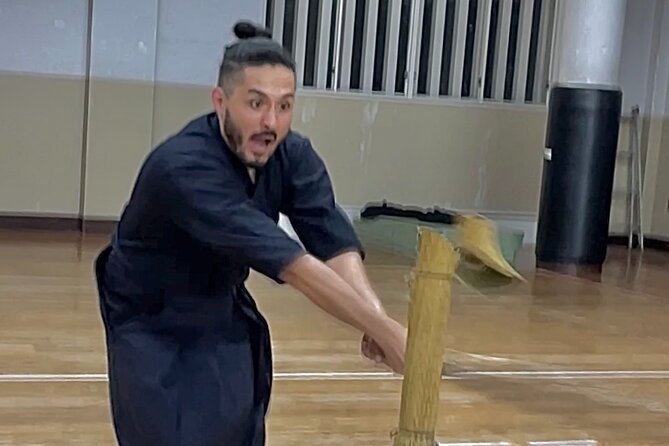
Tatami mat cutting, known as tameshigiri, is the most confusing part of this experience. Some sessions included cutting a tatami mat with a katana, and for several people it was the highlight of the class. It offers a dramatic finish and puts the earlier lessons about angle, posture, and control to practical use.
However, the experience has also been advertised with tatami cutting even after a reported legal change made it unavailable. The instructors may no longer be allowed to offer it legally. That means the activity you receive could stop after sword handling, kendo practice, and photographs.
Do not assume that the phrase appears in an online description means you will cut a mat. Contact Atelier NIN before booking and ask whether tameshigiri is legal and operating on your chosen date. If the answer is no, decide if the class still sounds worthwhile without it.
The uncertainty does not erase the value of the rest of the lesson. Learning the movements, handling a blunt replica, and practicing kendo can still make a memorable morning or afternoon. But at $105.68, you deserve a clear answer before committing.
What makes the teaching effective, and where it varies
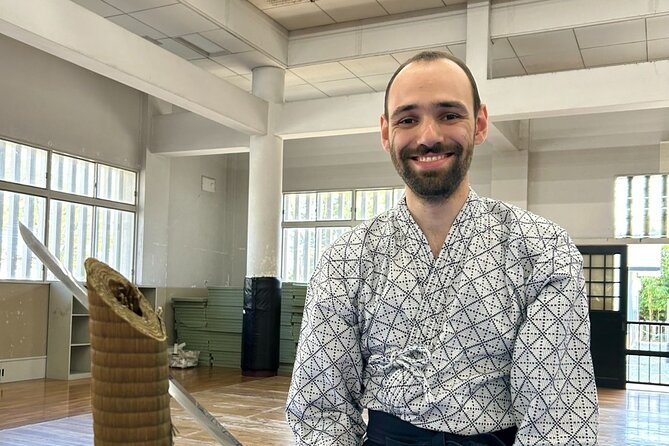
The strongest part of the class is the instructor’s attention. Taka is described as an excellent teacher who combines katana practice and kendo in an easygoing class. Kengo is praised for being friendly, encouraging, and skilled at taking photos, as well as for trying to contact a late arrival.
English ability is generally good, though it is not identical with every instructor. One class had smooth explanations, while another required occasional help from Google Translate. That does not make the lesson impossible, but it can slow down a class built around precise physical movements.
I would ask questions freely. The patient approach gives you time to understand the reasons behind each movement, not just copy it once. You can also ask the instructor to repeat a term or demonstrate a motion from another angle.
A two-hour class can pass quickly. Dressing, introductions, explanations, photos, and small talk all take time. One participant felt that less time remained for sword practice than expected. If you want a very technical lesson with many forms or fighting drills, this may feel light. If you want an accessible cultural activity with enough practice to make the sword feel real, the pace may suit you.
Is $105.68 fair for the experience?
At $105.68 per person, this is not a bargain activity in the usual Kyoto sense. You could spend less on a temple, garden, or museum and stay much longer. The price makes more sense if you value personal instruction, equipment, a small group, and access to a subject that is difficult to experience safely on your own.
The private-class possibility improves the value. A group of five once found itself alone in the time slot, which meant the instructor could focus on them throughout. The listed maximum is 15 people, so you should not assume every booking will be private. Still, even a small class can offer far more attention than a large stage demonstration.
The price is harder to justify if the class becomes mostly costume changes and photos. It is also harder to justify if you book only for tatami cutting and that part is unavailable. Think of the payment as covering a guided introduction to kendo and samurai sword customs, with photo opportunities included.
I would choose it for a special Kyoto memory, especially if you have already visited several temples and want a different kind of cultural activity. I would skip it if you want a full-day martial arts course, a guaranteed full uniform, or a confirmed cutting session that the provider cannot currently promise.
Who will enjoy this most?
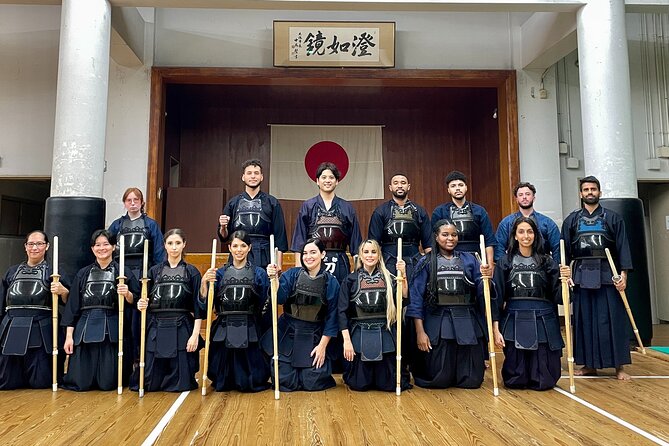
This class works well for first-time visitors who want to go beyond shrines, castles, and historic streets. It also suits families and friend groups because the activities are physical, visual, and easy to understand without prior training.
Anime fans and people who have always wanted to hold a katana will get plenty from the atmosphere. So will anyone curious about how much control and discipline sit behind a sword movement that looks effortless in films.
You do not need to be athletic or experienced. Most people can participate, and the activity allows service animals. Nearness to public transportation helps, but the outlying location still means you should plan the route carefully.
This may not suit you if you dislike staged photos, have limited mobility that makes training gear difficult, or expect a formal historical lecture. The experience is practical and participatory. It gives you an introduction, not a scholarly course in feudal Japan.
Booking, cancellation, and practical planning
Confirmation is provided when you book, and the experience uses a mobile ticket. Free cancellation is available until 24 hours before the local start time. Canceling later, or requesting changes within that period, does not qualify for a refund.
The activity needs a minimum number of participants. If the provider cancels because that minimum is not reached, you can receive a full refund or choose another date or experience.
Wear something that allows comfortable movement, though the supplied information does not specify a dress code. Bring a charged phone if photos and videos matter to you, and arrive early enough to handle the journey to Shugakuin without stress.
Most importantly, verify three points in advance: the exact meeting instructions, the clothing included, and the current status of tatami cutting. Those answers will tell you if the experience matches what you want.
Should you book the Kyoto kendo and samurai experience?
I would book this if you want a friendly, hands-on introduction to Japanese sword culture and you value direct instruction more than a polished tourist production. The patient teaching, small-group potential, kendo practice, and chance to handle traditional equipment make it a memorable change of pace in Kyoto.
I would not book without checking the tatami cutting situation. That point has changed, and it is too important to leave vague. If you are happy with kendo, sword handling, costume photos, and samurai customs even without cutting a mat, the experience offers fair value for a distinctive two hours.
FAQ
Where does the kendo and samurai experience take place?
It takes place at studio NIN 修学院16 Shūgakuin Daidōchō, Sakyo Ward, Kyoto, 606-8037, Japan. Shugakuin Imperial Villa is listed as the itinerary stop.
How long does the experience last?
The activity lasts approximately two hours.
Where does the activity end?
It ends back at the meeting point at studio NIN.
Do I need martial arts experience?
No. No martial arts experience is needed, and the instructor teaches the basic movements in a relaxed setting.
What training equipment is used?
Instruction can include bamboo practice swords, foam swords, and blunt replica blades.
Will I wear samurai or kendo clothing?
The experience includes authentic training gear, and some sessions provide samurai attire or kendo armor. Confirm the exact clothing available before booking because the amount of costume provided can vary.
Is tatami mat cutting included?
You should not assume it is included. Some earlier sessions included tatami cutting, but a reported legal change in Japan may prevent the activity from being offered. Confirm the current status with the provider.
Can I take photographs and videos?
Yes. The instructor can help you take photos and videos during the experience.
How many people can join?
The maximum group size is 15 people. Some time slots may operate as a private class if no other group books.
What is the cancellation policy?
You can cancel up to 24 hours before the local start time for a full refund. Cancellations or changes made less than 24 hours before the start time are not accepted for a refund.
Newest Kyoto experiences on the site
- Treasures of Kyoto: Gion & historical Walking Tour★ 5.0 · 6 reviews
- Whisk Your Own Matcha: A Zen Matcha Experience at Temple★ 3.6 · 7 reviews
- Kyoto tea town for matcha lovers★ 5.0 · 16 reviews
- Uji: Private immersion into Kyoto’s tea and reglious culture★ 5.0 · 17 reviews
- Kyoto Matcha Green Tea Tour★ 4.5 · 23 reviews
- Uji and Wazuka Matcha Farm Half Day Private Guided Tour★ 5.0 · 21 reviews
- Utilising upcycled Matcha! Creating matcha incense (Uji, Kyoto)★ 5.0 · 6 reviews
- Sacred Temple Yoga Experience in Japan★ 5.0 · 3 reviews
Kyoto Samurai Experiences, compared.
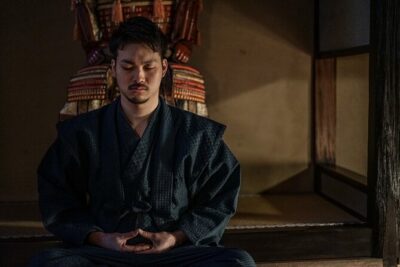
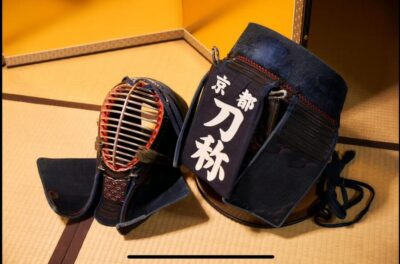
Kendo and Samurai Experience with Uniform and Gear
Read our review →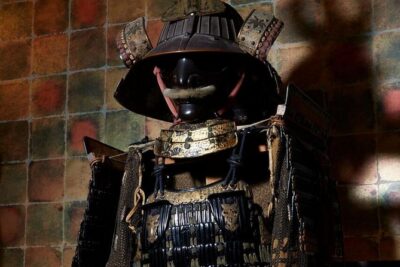
Skip the lines Basic Ticket at SAMURAI NINJA MUSEUM KYOTO
Read our review →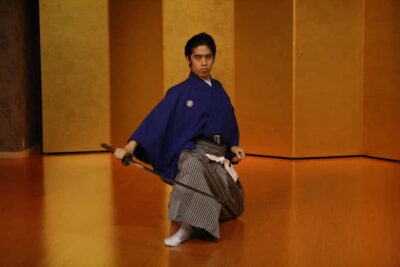
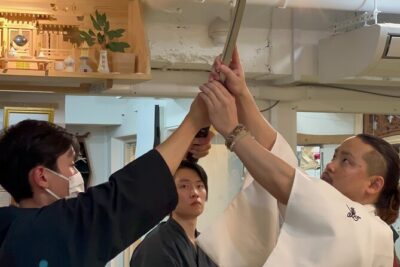
Samurai Training with Modern day Musashi in Kyoto
Read our review →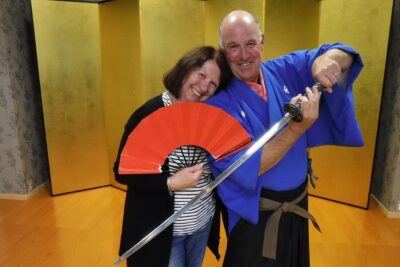
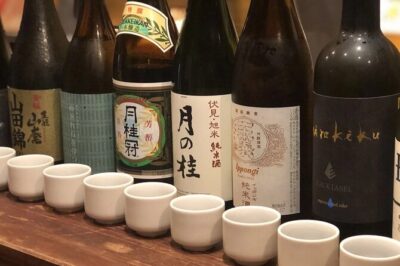
Private Tea Ceremony and Sake Tasting in Kyoto Samurai House
Read our review →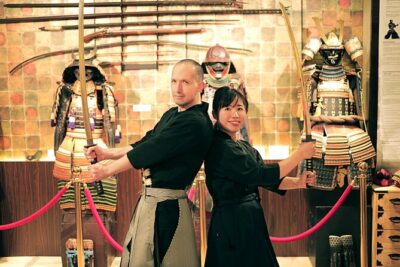
Kyoto Sword Experience – includes Museum Ticket/Ninja Experience
Read our review →Browse the lists this tour appears in