
Reviewed · NARA DAY TRIPS
Kyoto and Nara Day Trip from Kyoto
Kyoto’s quiet imperial grounds and Nara’s giant bronze Buddha make an excellent one-day pairing. This tour gives you both cities without the puzzle of arranging buses, trains, temple tickets, and a long return trip. Guides such as KC, Momo, Yuki, and Miyuki are praised for clear English, humor, and keeping the group on schedule.
I like the strong mix of sights, from a shogun’s castle and a gold-covered temple to a shrine of lanterns and free-roaming deer. I also like the air-conditioned coach, especially when you are covering five major stops in roughly 10 to 11 hours. The tradeoff is a tight schedule. You will see a lot, but Nara in particular can feel rushed, and the walking adds up.
Key points to know before booking
- Five major stops in one long day: Visit Nijo Castle, Kinkaku-ji, Kyoto Imperial Palace, Kasuga Shrine, and Todai-ji.
- A licensed English-speaking guide: Guides including KC, Momo, Yuki, Miyuki, Tammy, Yoshito, and Etsuko have been praised for humor, clear explanations, and careful timekeeping.
- Nara’s Great Buddha and deer: Todai-ji and Nara Park provide the day’s biggest visual moments, but deer can be pushy around food.
- Lunch is optional: Choose no lunch, a Western-style meal, or an Indian thali meal. Special dietary requests are limited.
- Central Kyoto start and finish: Meet at the JTB Sunrise Tours Desk in the Kyoto Avanti building at 8:20 a.m. and finish around Kyoto Station at about 6:30 p.m.
- Good value for first-time visitors: At $194.85 per person, the price covers transport, guide service, and admissions, but not lunch unless you select that option.
Why this Kyoto and Nara combination works
Kyoto and Nara are close enough to pair, but their character is different. Kyoto gives you imperial power, shogun-era architecture, polished gardens, and one of Japan’s most famous temples. Nara gives you an older religious center, a huge Buddha hall, forested shrine paths, and deer wandering through the park.
Trying to handle all five stops alone in one day would require careful planning. You would need to watch train and bus times, buy or reserve admissions, and keep checking the clock. Here, the coach handles the long transfers while your guide explains what you are seeing.
The day begins at 8:20 a.m. at the JTB Sunrise Tours Desk, located in the basement of the Kyoto Avanti building near Kyoto Station. The meeting point is central, but the station area is large and can be confusing if you arrive at the last minute. Give yourself extra time to locate the Avanti building and the basement desk.
The group can reach up to 40 people. That size keeps the cost below a private tour, though you should expect a group pace rather than the freedom to linger wherever you like. Seats may not be assigned, and the order of stops can change because of traffic or congestion.
More day trips down to Nara:
- Osaka/Kyoto:Kinkakuji,Arashiyama,FushimiInariShrine,NaraPark
★ 4.1 · 1,596 reviews - Kyoto/Osaka: Nara, Fushimi Inari Taisha, Arashiyama Bus Tour
★ 4.7 · 1,275 reviews - Osaka/Kyoto: Arashiyama, Nara & Fushimi Inari Shrine w/Lunch
★ 4.4 · 754 reviews
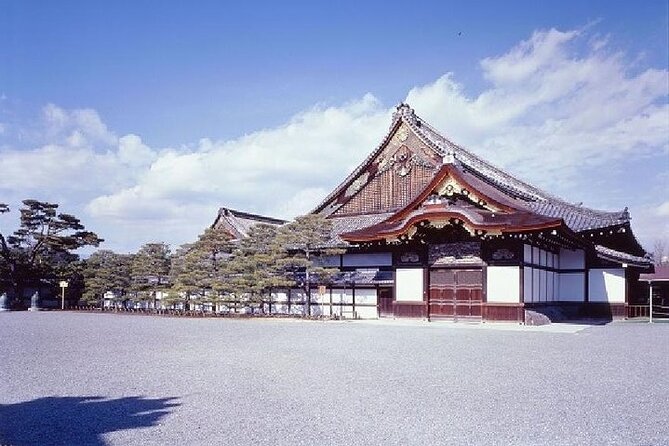
Nijo Castle, where the shogun came to Kyoto
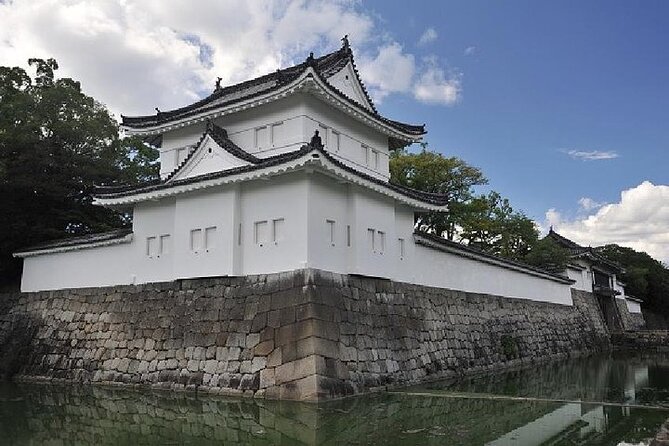
Your first major stop is Nijo Castle, built in 1603 and completed in its later form in 1626. It served as lodging for the Tokugawa shogun and as a strong political statement beside the Imperial Palace.
The castle is interesting because its outside looks restrained and formidable, while the interior is filled with carved details and decorated rooms. You will remove your shoes inside, so wear socks and shoes that are easy to take off. The tour allows about 50 minutes, enough for a guided look but not an unrushed study of every room and garden.
Pay attention to the contrast between military authority and courtly decoration. Nijo Castle was not simply a fortress. It was also a place where the shogun displayed power in the heart of the emperor’s old capital.
The main drawback is time. A castle of this scale rewards a slow visit, but this tour must move on. If Nijo Castle is closed on certain Tuesdays in January, July, August, and December, during the year-end period, or on a holiday adjustment day, the replacement stop is Ryoan-ji Temple. The tour does not offer a refund for that change.
Kinkaku-ji and the famous Golden Pavilion
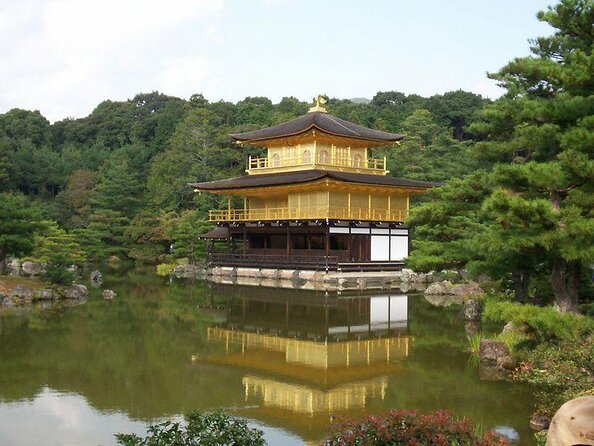
Kinkaku-ji, commonly called the Golden Pavilion, is one of Kyoto’s most recognizable sights. The three-story wooden building is covered in thin layers of gold leaf and reflected in a pond surrounded by a formal Japanese garden.
You have about 45 minutes here. That is enough to follow the route, see the pavilion from its main viewpoints, and take photographs. It is not enough for a long garden walk or a quiet hour of contemplation, especially when the grounds are crowded.
I find this stop valuable even for people who have already seen photographs. The building’s appearance changes with the light and its reflection on the water. Your guide can also explain the religious and cultural setting, which helps the pavilion become more than a photo stop.
Keep your camera ready, but do not expect solitude. Kinkaku-ji is one of Kyoto’s most popular religious sites, and the tour’s fixed schedule means you will need to stay aware of the meeting time.
Kyoto Imperial Palace and its ceremonial grounds
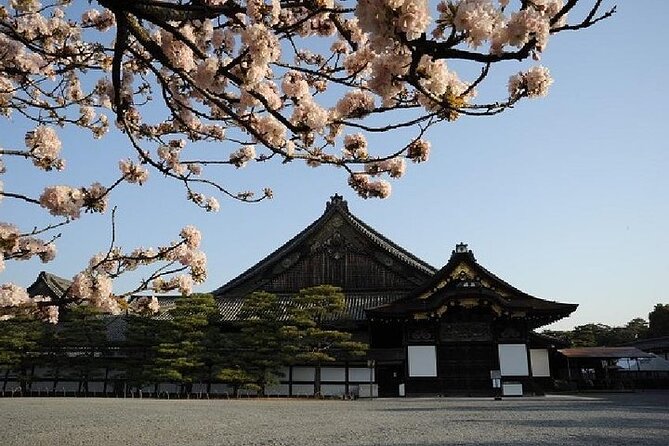
The Imperial Palace was the emperor’s residence until about 150 years ago. The tour gives you around 40 minutes to see the grounds and the Shishin-den, a key building used for important state ceremonies.
This stop adds a useful piece of context. Nijo Castle shows the authority of the shoguns, while the palace represents the imperial court that preceded modern Japan. Seeing both in the same morning helps you understand Kyoto as a center of competing political and religious power.
The palace visit is not always guaranteed. It is closed to visitors on Mondays, or the following day when Monday is a holiday, and it may also close for Imperial Household Agency events. On those days, the tour visits Kitano Tenmangu Shrine instead. If the closure falls on the 25th, the replacement is Nishi Hongan-ji Temple.
That flexibility is practical, but you should book this tour for the overall day rather than for one single building. The substitute sights are not interchangeable with the palace, and no refund is offered when the route changes.
A few more Kyoto tours worth putting on the shortlist
- PERFECT KYOTO 1-Day Bus Tour
★ 5.0 · 13,518 reviews - Kyoto: Fushimi Inari, Kinkakuji, Bamboo Grove 1 Day Bus Tour
★ 4.8 · 4,316 reviews - 10 Must-see Spots in Kyoto One Day Private Tour (up to 7 people)
★ 5.0 · 1,108 reviews - Kyoto 1 Day Tour from Kyoto
★ 4.0 · 582 reviews
The road south to Nara
After the Kyoto sights, the coach heads south toward Nara. This is when the air-conditioned transport earns its keep. You have already spent the morning walking through large historic grounds, and the ride gives your feet a break.
The guide continues providing historical and cultural explanation during the journey. Several guides, including Momo, Yuki, and KC, have been praised for making the bus time useful and entertaining. The best guides also keep a close eye on the clock, which matters on a day with this many scheduled stops.
Traffic can change the order of activities and the time available at each site. You should treat the posted timetable as an outline, not a promise of exact arrival times.
Todai-ji and the Great Buddha
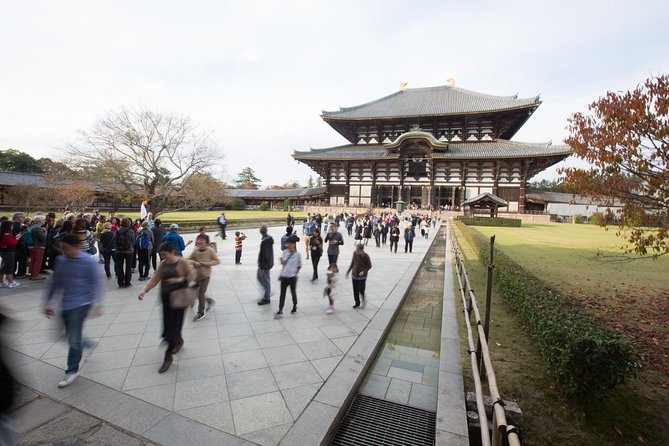
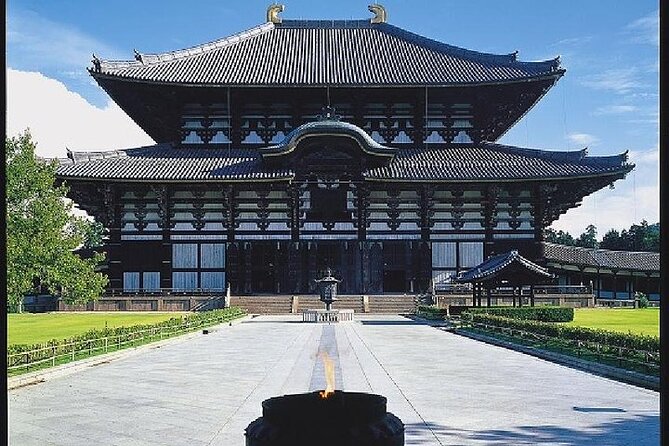
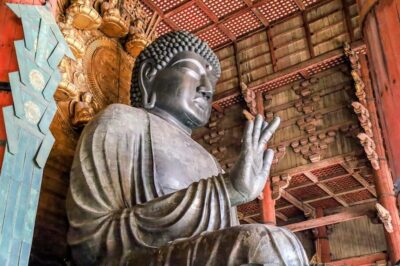
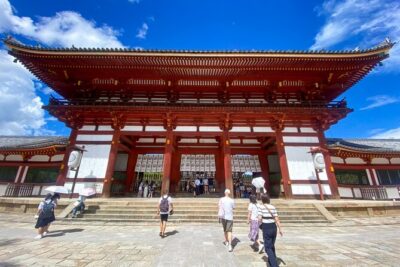
Todai-ji is the largest religious highlight of the Nara portion. The complex is known for its huge wooden main hall and its bronze Great Buddha, one of the world’s largest Buddha statues.
The planned visit lasts about 1 hour and 10 minutes. That gives you time to enter the hall, see the statue, and walk through part of the surrounding complex. The scale is the point here. The hall is enormous, and the Buddha’s size makes the human figures around it seem very small.
Todai-ji also gives the tour a strong connection to the Nara Period. The temple was central to the religious and political life of that era, and your guide can explain how Buddhism shaped the early Japanese state.
The grounds are large, so you will walk. Bring comfortable shoes and expect steps, uneven surfaces, and time spent standing. This is not a good choice if you want a slow, quiet temple visit with no group deadline.
Kasuga Shrine and its thousands of lanterns
Kasuga Shrine is known for the more than 3,000 stone and bronze lanterns connected with its grounds. The shrine’s origins reach back to the Nara Period, and the deer of Nara Park are traditionally regarded as its messengers.
The planned visit lasts about an hour. This gives you more time than at some of the Kyoto stops and lets you appreciate the route through the shrine grounds rather than simply entering, taking a photograph, and leaving.
From January 2025, the schedule includes access to the Main Sanctuary special visit area when operating conditions allow. Events or other circumstances can prevent that access. In that case, the replacement may be the Kasuga Taisha Museum or Todaiji Museum, with no refund for the change.
The lanterns make this stop feel different from Kyoto’s polished palace and pavilion settings. It is more atmospheric, with a strong link between shrine worship, forest surroundings, and the deer associated with the site.
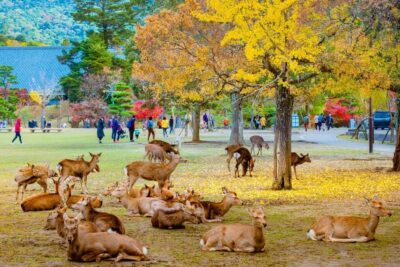
Nara Park and the deer
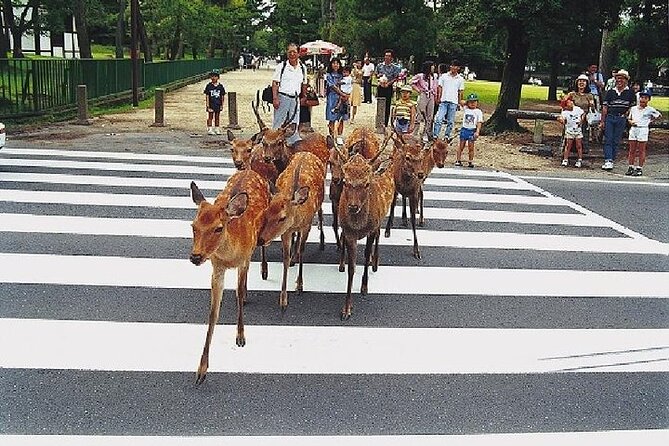
Nara Park is the lighter, more playful finish to a day filled with formal monuments. The deer roam freely, and the animals are one of the main reasons many people remember Nara long after the temples blur together.
You should follow the guide’s instructions around them. Some deer are gentle, while others can be surprisingly persistent, especially when food is involved. A guide such as Yuki can help you understand how to approach them safely and respectfully.
The main complaint about this section is not the deer. It is the limited free time. Some people want to wander farther through Nara Park, spend longer around Todai-ji, or explore at their own pace. This tour gives you an introduction, not a full day in Nara.
You may also have a long walk at the end of the Nara portion to return to the coach or station area. Comfortable shoes matter more here than stylish ones.
Lunch choices and dietary limits
Lunch is not automatically included. You choose among a no-lunch option, a Western-style set menu, or an Indian thali option.
The Western meal can be adapted to vegetarian needs if you request that when booking. The Indian thali is vegetarian and includes three curries, vegetable pakora, yogurt, naan or roti, rice, salad, and a non-alcoholic drink. The two lunch groups eat in separate dining areas, and you cannot switch between the meal types on the day.
Halal, gluten-free, and other meal requests are not available. If you have a serious allergy or a restricted diet, the no-lunch option may be simpler, but plan to arrange your own food. The no-lunch group has free time to eat in the Kyoto Station area.
At $194.85 per person, the tour is not cheap, but the price includes admission fees, transportation, and a licensed English-speaking guide. Add the cost of lunch only if you select that option. For a first visit, I consider the price fair because it removes much of the day’s transport planning and fits two cities into one outing.
Who should book this full-day tour
I would choose this tour if you have limited time in Kyoto, want the main sights explained in English, or prefer not to manage a complicated day of public transport. It also suits families and first-time visitors who want a clear route and a coach between sites.
The tour is less suitable if you dislike fixed schedules, want long stretches of quiet temple time, or hope to explore Nara independently. You will need to return to the bus on time, and the group cannot wait indefinitely for late arrivals.
Most people can participate, and service animals are allowed. Children up to age five may join free, but they do not receive a bus seat or lunch unless booked at the child rate. Anyone under 18 needs written parental permission, and anyone under 15, or not yet in middle school, must travel with a parent or guardian.
The tour finishes around 6:30 p.m. at Kyoto Station. There is no hotel drop-off, so you will make your own way back to your accommodation.
Should you book it?
Book this Kyoto and Nara day trip if your priority is coverage, context, and convenience. You will see an impressive range of historic Japan in one day, and a strong guide can turn the long schedule into an enjoyable lesson rather than a string of disconnected stops.
Skip it if you want to linger. Kyoto and Nara both reward slower visits, and this route gives you only a measured portion of each. For a first look, though, the combination of Nijo Castle, Kinkaku-ji, the Great Buddha, Kasuga Shrine, and Nara’s deer is hard to match in a single day.
FAQ
How long does the Kyoto and Nara tour last?
The experience lasts approximately 10 to 11 hours. The Kyoto start and end option begins at 8:20 a.m. and finishes at Kyoto Station around 6:30 p.m.
Where does the tour begin?
Meet at the JTB Sunrise Tours Desk in the basement of the Kyoto Avanti building, near Kyoto Station, in Kyoto’s Minami Ward.
Where does the tour end?
The tour ends at Kyoto Station. Hotel drop-off is not provided.
Is lunch included?
Lunch is included only if you select a lunch option when booking. You can choose a Western-style set menu, an Indian thali meal, or no lunch.
Is the Indian thali meal vegetarian?
Yes. The Indian thali includes vegetarian curries, vegetable pakora, yogurt, naan or roti, rice, salad, and one non-alcoholic drink.
Can the tour accommodate gluten-free or halal meals?
No. Halal, gluten-free, and other special meal requests are not available. Vegetarian requests for the Western meal must be made during reservation.
What happens if Kyoto Imperial Palace is closed?
The tour visits Kitano Tenmangu Shrine instead on most palace closure days. If the closure falls on the 25th, the replacement is Nishi Hongan-ji Temple.
What happens if Nijo Castle is closed?
The tour visits Ryoan-ji Temple instead. No refund is provided when one of the listed alternative destinations replaces the planned stop.
Can young children join the tour?
Children up to age five may join free, but they do not receive a bus seat or lunch. A child-rate booking is required if a seat or lunch is needed. Participants under 18 need written parental permission, and participants under 15 must be accompanied by a parent or guardian.
Newest Kyoto experiences on the site
- Treasures of Kyoto: Gion & historical Walking Tour★ 5.0 · 6 reviews
- Whisk Your Own Matcha: A Zen Matcha Experience at Temple★ 3.6 · 7 reviews
- Kyoto tea town for matcha lovers★ 5.0 · 16 reviews
- Uji: Private immersion into Kyoto’s tea and reglious culture★ 5.0 · 17 reviews
- Kyoto Matcha Green Tea Tour★ 4.5 · 23 reviews
- Uji and Wazuka Matcha Farm Half Day Private Guided Tour★ 5.0 · 21 reviews
- Utilising upcycled Matcha! Creating matcha incense (Uji, Kyoto)★ 5.0 · 6 reviews
- Sacred Temple Yoga Experience in Japan★ 5.0 · 3 reviews
Nara Day Trips, compared.
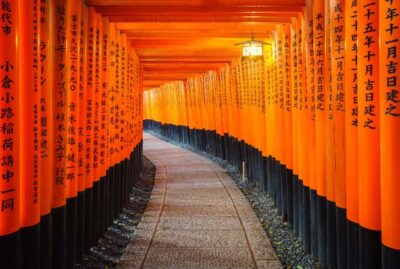
Kinkakuji,Arashiyama,FushimiInariShrine,NaraPark
Read our review →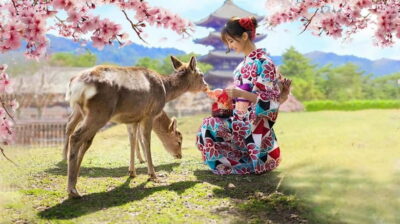
Nara, Fushimi Inari Taisha, Arashiyama Bus Tour
Read our review →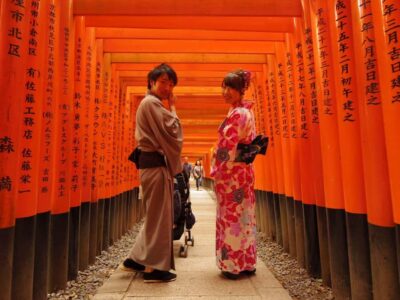
Arashiyama, Nara & Fushimi Inari Shrine w/Lunch
Read our review →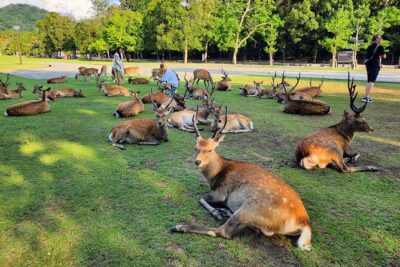
Full Day Guided Tour to Kyoto and Nara from Osaka by Van
Read our review →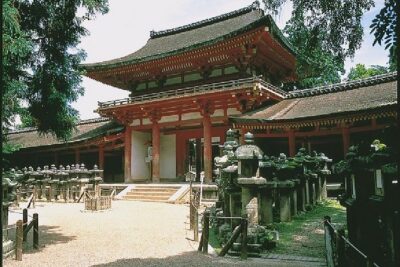
Nara Park, Osaka & Kobe from Kyoto Full Day tour
Read our review →Browse the lists this tour appears in