
Reviewed · KYOTO WALKING TOURS
Kyoto Sagano Insider: Rickshaw and Walking Tour
Arashiyama is famous for its bamboo grove, but the best part of this tour is how quickly it moves you beyond the crowded main path. A private rickshaw carries you through the grove and into old neighborhoods, while your guide points out photo spots and historic buildings. I like the private rickshaw and the chance to enter a real machiya house.
I also like the mix of riding and walking. You get the fun of an old-fashioned Kyoto ride, then slow down at Otagi Nenbutsu-ji and the preserved Saga-Toriimoto district. The main drawback is the price, $228.62 per person, plus temple admission, and the route includes a slope that may be tiring for some people.
Key points
- Private two-person rickshaw: The 74-centimeter seat fits up to two adults side by side, so you do not share the ride with another booking.
- Bamboo forest access: The rickshaw passes through the bamboo grove and stops for pictures, with an optional walk on a section too narrow for the vehicle.
- Traditional machiya visit: You enter a Kyoto-style townhouse at Kyoto City Sagatoriimotocho Nami Preservation Hall.
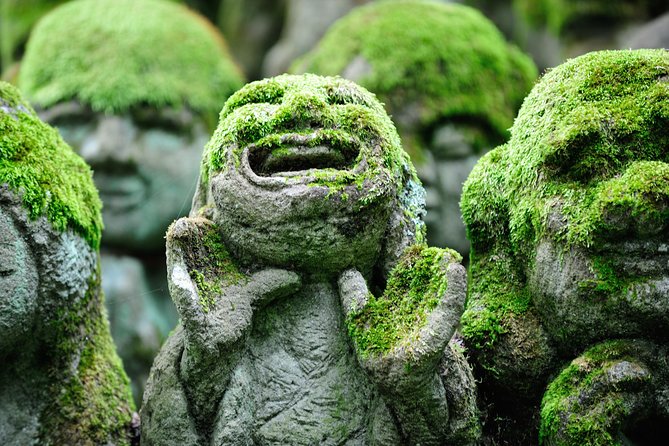
- Otagi Nenbutsu-ji stop: Allow about 30 minutes to see its unusual handmade figurines. Admission is extra.
- Local photo help: Guides such as Takumi, Atsu, Shota, Yoshii, Yuya, and Katsuki have been praised for taking photos and explaining the area, though your guide is assigned based on availability.
- Private return: The tour lasts about 3 hours and 10 minutes and finishes at the rickshaw stand.
Why the Private Rickshaw Changes Arashiyama
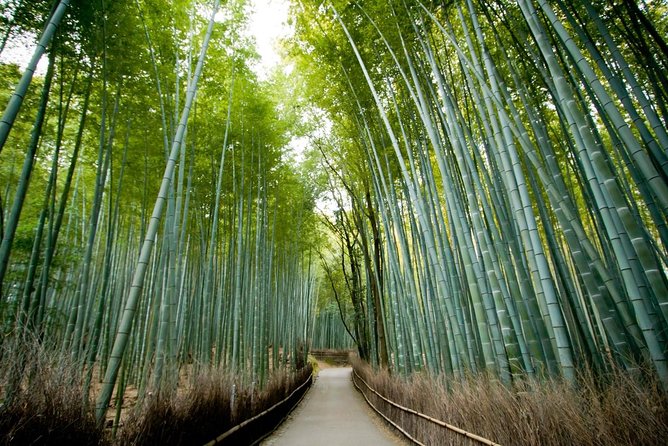
Arashiyama is easy to reach, but not always easy to enjoy. The bamboo forest draws large numbers of people, and the main walking paths can feel slow when you are trying to see several sights in one morning or afternoon.
A rickshaw gives you a practical shortcut. Your driver handles the route while you sit back, look up at the bamboo, and stop for pictures. You are not simply being transported from point A to point B. The ride itself is the attraction, with a guide explaining the buildings and sights along the way.
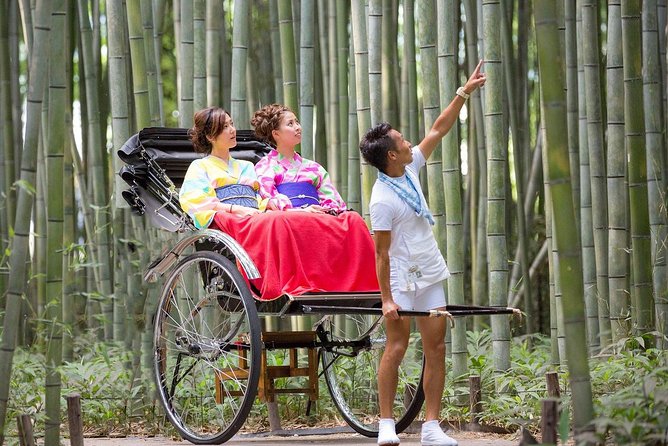
The private format matters. Your party has the rickshaw to itself, rather than sharing a seat or following the pace of strangers. The seat measures 74 centimeters wide and fits up to two adults side by side. For a couple, parent and child, or two friends, that makes the ride more comfortable and personal.
The route is not limited to the bamboo grove. You also pass through Arashiyama-style townhouses, side streets, an old pilgrim road, a thatched cottage linked with one of Japan’s famous haiku poets, and a Shinto shrine in the bamboo area. These details give you a better sense of the district than a quick walk through the most photographed section alone.
More rickshaw rides in Kyoto:
- Kyoto: Arashiyama Customized Rickshaw Tour & Bamboo Forest
★ 5.0 · 432 reviews - Kyoto Arashiyama Rickshaw Tour with Bamboo Forest
★ 5.0 · 354 reviews - Kyoto Rickshaw Tour
★ 5.0 · 210 reviews
Riding Through the Bamboo Grove
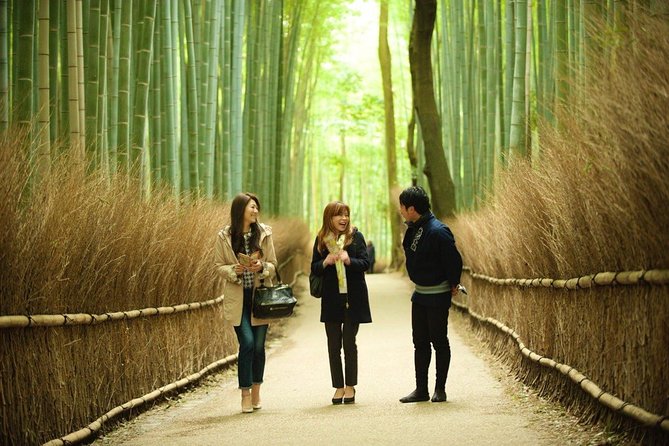
The bamboo portion is the visual centerpiece. The rickshaw passes through the forest and stops at selected points for photographs. Guides help with camera angles and can take pictures of you, a useful service when you are traveling as a pair and do not want every image to be a selfie.
The ride also solves a common Arashiyama problem: spending too much time finding the right path. Your driver knows where the rickshaw can go and keeps the outing moving. Reviews of shorter rickshaw rides repeatedly praise guides for combining safe driving, friendly conversation, useful history, and good photos. Names mentioned include Takumi, Atsu, Shota, Yoshii, Yuya, and Katsuki, but the company assigns guides according to availability.
There is one important detail to understand. The rickshaw cannot enter every part of the bamboo forest. You may get out and walk into a section that is inaccessible to the vehicle, but this part is optional. If you want the fullest bamboo experience, tell the operator in advance that you would like to make this walk.
The rickshaw is especially appealing if you are wearing a rented kimono or yukata. The combination creates attractive photographs, and the raised seat gives your guide a good angle for pictures. Still, formal clothing can make hills and walking less comfortable, so choose footwear with care.
A Short Look Inside a Kyoto Machiya
One of the tour’s more useful stops is the Kyoto City Sagatoriimotocho Nami Preservation Hall. Here you enter a traditional Kyoto-style machiya house for about 20 minutes.
A machiya is a narrow urban townhouse built for living and work. You will not simply be looking at another temple exterior. The visit shows how older homes shaped daily life in Kyoto and gives you a break from the open-air sightseeing route.
This stop also adds variety. The bamboo grove provides dramatic scenery, while the machiya gives you a close look at the built environment of old Kyoto. The admission fee is included for this stop, so you do not need to budget an extra charge here.
The visit is brief. Think of it as a focused introduction, not a long house museum visit. That works well within a three-hour tour, since the outing still has several other stops and a substantial rickshaw ride.
Otagi Nenbutsu-ji and Its Handmade Faces
The tour allows about 30 minutes at Otagi Nenbutsu-ji Temple. Admission is not included, so bring money for the entry fee or check the current charge before you go.
This temple is different from the polished, heavily photographed sights closer to central Kyoto. Its grounds are known for quirky handmade stone figurines, each with its own expression and character. The unusual figures make this one of the tour’s most memorable stops, especially if you prefer a temple with a less formal and more playful mood.
Thirty minutes is enough for a meaningful visit without turning the tour into an all-day temple circuit. Your guide can provide context as you look around, though the overall schedule means you should expect a compact stop rather than a slow, solitary exploration.
The temple visit also shows why the tour travels farther into the Saga area. You are not only checking off the bamboo forest. You are reaching a quieter historic part of Arashiyama, where old roads, wooden homes, and religious sites fit together as one neighborhood.
More walking tours in Kyoto:
- Kyoto Geisha Walking Tour: Gion District & Hidden Gems
★ 4.7 · 3,273 reviews - Kyoto: Gion Magical Night Walking Tour with Geisha Trivia
★ 4.9 · 2,393 reviews - Kyoto: Gion Geisha District Walking Tour – Stories of Geisha
★ 4.7 · 2,187 reviews - Night Walk in Gion: Kyoto’s Geisha District
★ 4.5 · 2,003 reviews
Old Roads, Thatched Roofs, and Side Streets
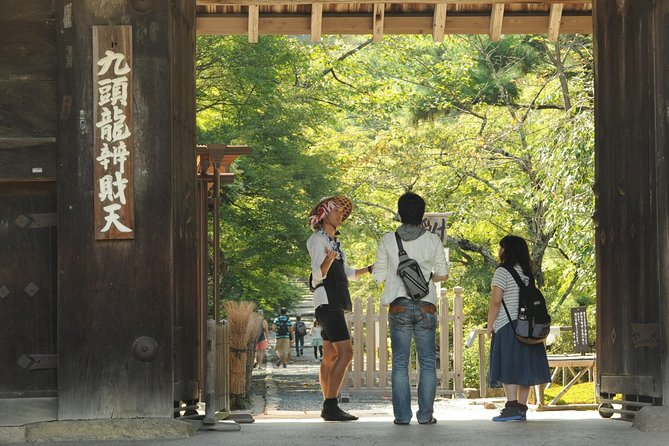
Between the headline stops, the route passes through several details that are easy to miss when you explore Arashiyama alone.
You may see an old traditional cottage with a straw-thatched roof, described as the former home of one of Japan’s famous haiku poets. You also pass a Shinto shrine set in the bamboo grove, Kyoto-style townhouses, residential lanes, and a preserved district along an old pilgrim path.
These places are valuable because they slow the pace of sightseeing. The bamboo grove is a single powerful image, but the side streets explain why Arashiyama is more than a photo stop. Traditional wooden homes and narrow roads show the area’s older character without requiring a separate full-day walking tour.
Your guide’s narration is important here. The buildings can look simple if you do not know what you are seeing. The guides are trained to explain the history and culture of the area, and several have been praised for being friendly, clear, and good at conversation. English and Japanese guides are fluent. Chinese, Korean, and Spanish guides may be available at a conversational level, depending on the day.
What the Three-Hour Schedule Feels Like
The advertised duration is approximately 3 hours and 10 minutes. That gives the tour enough time to combine the rickshaw, photo stops, the machiya, Otagi Nenbutsu-ji, and walking through the older district.
You should expect a mixed pace. Some portions are relaxed, with you seated and looking around. Other portions involve getting out, walking through the bamboo, entering the machiya, and touring the temple grounds.
The route includes walking up and down a slope. This is worth taking seriously if you have trouble with hills or prefer a fully level outing. Most people can participate, but the tour is not a ride with no walking at all.
The schedule can also change in small ways. Your selected start time is not automatically guaranteed. The operator confirms the time by email within 24 hours of booking, so keep an eye on your inbox rather than assuming the first time shown is final.
The tour starts at 1-1 Sagatenryuji Susukinobabacho, in Kyoto’s Ukyo Ward, and ends back at the meeting point. Hotel pickup is not included. Since the activity is near public transportation, you should plan to reach the stand on your own and leave extra time for the journey.
Is $228.62 a Fair Price?
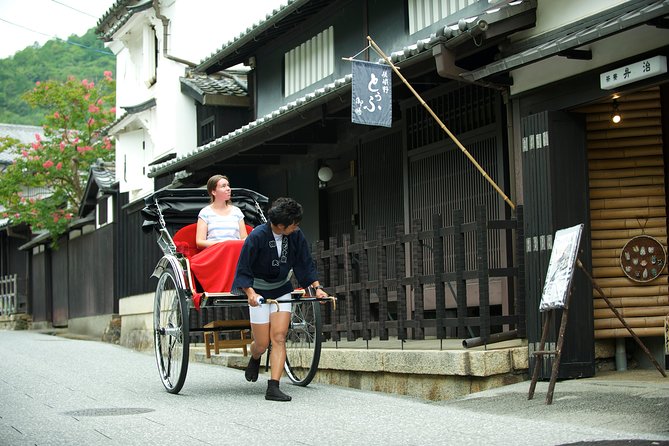
At $228.62 per person, this is not a budget way to see Arashiyama. You are paying for a private rickshaw, a local guide, photo help, a multi-stop route, and the convenience of moving through several parts of the district in one booking.
The value is strongest for two people who want a special outing and would otherwise pay for several separate activities. A private rickshaw is more personal than a shared ride, and your guide adds explanations and photographs that you would not get from simply hiring transport.
The value is weaker if your main goal is only to walk through the bamboo forest. You can see that area without booking a three-hour private experience, and the temple admission still costs extra. You also need to pay for your own transport to the meeting point.
For a birthday, honeymoon, anniversary, family celebration, or first visit to Kyoto, the price may make sense. For solo visitors or strict budget travelers, it is a harder sell because the charge is per person and children aged six and older pay the adult rate.
Group discounts are available, though the exact saving is not provided. Ask about the discount if you are booking for several people.
Families, Children, and Seating Details
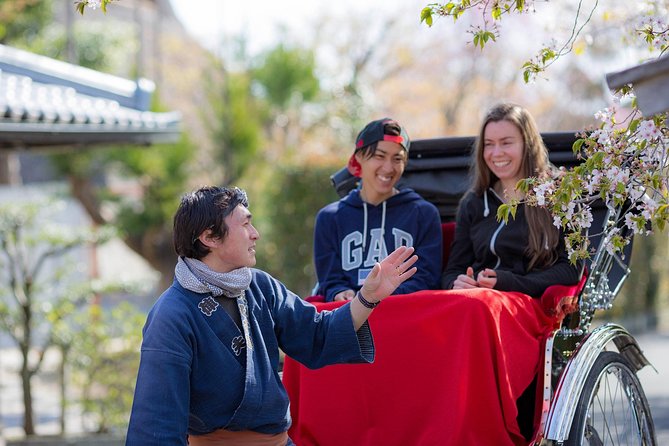
Children aged six and older must have their own seat and pay the adult price. Children five and under can ride free on an adult’s lap, with one young child per adult. If a five-year-old uses one of the rickshaw’s two seats instead of sitting on a lap, that child must be booked as an adult.
The rickshaw accommodates up to two adults side by side, with a seat width of 74 centimeters. That is a useful measurement for families and for anyone who wants to know what the ride will feel like before booking.
The walking portion makes this a better fit for children who can handle a temple visit, a short walk through the bamboo, and sloped streets. The private format helps because your group does not need to match another party’s pace.
If you want to finish somewhere other than the rickshaw stand, an additional drop-off fee may apply and is payable on the day. For most people, returning to the original meeting point is the simplest choice.
How the Guides Add Value
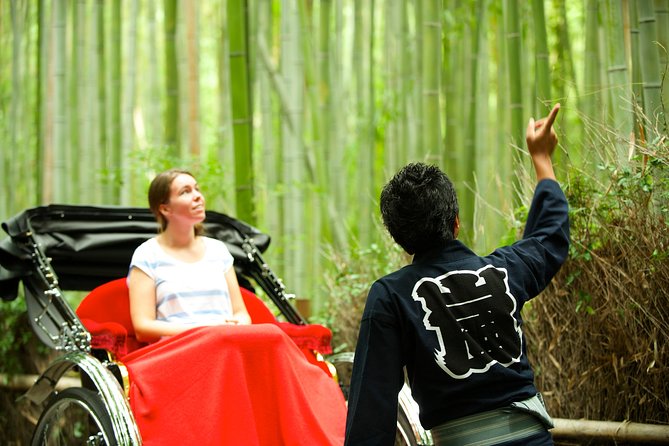
The guide can make or break a rickshaw ride. The strongest part of this experience is not only the vehicle, but the person pulling it and explaining the route.
Takumi has been praised for speaking clear English while combining safe driving with history and local culture. Atsu has been noted for both friendly guiding and patient photography. Shota is associated with helping people stay comfortable in cold weather, explaining the sights, and taking pictures.
Other named guides include Yoshii, Yuya, Yoppy, Aki, Syo, Hirasa, Keita, Kyota, and Katsuki. These names do not guarantee who you will receive, but they show the range of staff connected with the service. Guide assignments depend on availability, and English and Japanese are the most reliable language options.
I would tell your guide what matters to you at the start. Ask for more time for photographs, request the optional bamboo walk, or say that you want more explanation about the old houses. Because the tour is private, you have more room to shape the experience than you would on a large group outing.
Booking, Cancellation, and Practical Timing
The tour is often booked about 23 days ahead, so reserve early if you need a particular date. Confirmation usually arrives at booking, though reservations made within one day of departure are confirmed as soon as possible and depend on availability.
You can cancel for a full refund up to 24 hours before the start time. Changes or cancellations inside that 24-hour window are not accepted or refunded. The cut-off follows local Kyoto time.
Wear shoes that are comfortable for walking up and down a slope. If you are visiting in winter, remember that the ride is outdoors, though the operator says the rickshaws can be adapted for different seasons. In warm weather, bring protection from the sun and enough water for the walking sections.
Do not forget that Otagi Nenbutsu-ji admission is extra. Also plan your route to the starting point, since there is no hotel pickup.
Who Should Book This Arashiyama Tour?
I would choose this tour if you want Arashiyama explained as a historic district rather than reduced to one bamboo photograph. It suits couples, families, and small private groups who value personal attention, photo help, and a comfortable way to cover ground.
It is also a good pick if you are wearing a kimono, have limited time in Kyoto, or want an easy introduction to the Saga area before exploring more on your own.
I would skip it if you mainly want an inexpensive bamboo-forest walk, dislike guided activities, or are uncomfortable with a rickshaw seat and sloped walking routes. The price is substantial, and temple admission is separate.
For everyone else, the strongest reason to book is the combination: private rickshaw ride, bamboo access, machiya interior, unusual temple, old pilgrim road, and a guide who can take photographs while you enjoy the scenery. That is a fuller Arashiyama visit than simply joining the crowd on the central path.
FAQ
How long is the Kyoto Sagano Insider tour?
The tour lasts approximately 3 hours and 10 minutes.
Is the rickshaw private?
Yes. Only your group participates, and you do not share the rickshaw with another booking.
Where does the tour start?
The meeting point is 1-1 Sagatenryuji Susukinobabacho, Ukyo Ward, Kyoto, 616-8385, Japan.
Where does the tour finish?
The activity ends back at the rickshaw meeting point. A different drop-off location may be possible for an additional fee paid on the day.
Is hotel pickup included?
No. Hotel pickup is not included.
Can I walk inside the bamboo forest?
Yes. Getting out of the rickshaw to walk through a section that the vehicle cannot enter is optional. You should notify the operator if you want this option.
Is Otagi Nenbutsu-ji admission included?
No. Admission fees for temples and gardens are not included.
How many people fit in one rickshaw?
The rickshaw has two seats and can accommodate up to two adults side by side. The seat is 74 centimeters wide.
Can young children ride for free?
Children aged five and under can ride free on an adult’s lap, with one child per adult. A child aged five who uses one of the two seats must be booked as an adult. Children aged six and older require their own seat and pay the adult price.
Can I cancel for a refund?
You can cancel up to 24 hours before the experience start time for a full refund. Cancellations or changes made less than 24 hours before the start are not accepted for a refund.
Newest Kyoto experiences on the site
- Treasures of Kyoto: Gion & historical Walking Tour★ 5.0 · 6 reviews
- Whisk Your Own Matcha: A Zen Matcha Experience at Temple★ 3.6 · 7 reviews
- Kyoto tea town for matcha lovers★ 5.0 · 16 reviews
- Uji: Private immersion into Kyoto’s tea and reglious culture★ 5.0 · 17 reviews
- Kyoto Matcha Green Tea Tour★ 4.5 · 23 reviews
- Uji and Wazuka Matcha Farm Half Day Private Guided Tour★ 5.0 · 21 reviews
- Utilising upcycled Matcha! Creating matcha incense (Uji, Kyoto)★ 5.0 · 6 reviews
- Sacred Temple Yoga Experience in Japan★ 5.0 · 3 reviews
Kyoto Walking Tours, compared.
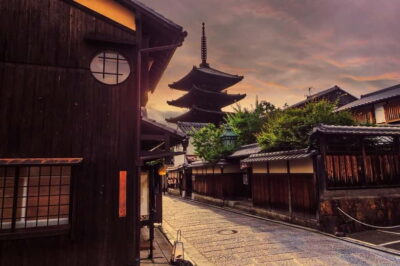
Kyoto Geisha Walking Tour: Gion District & Hidden Gems
Read our review →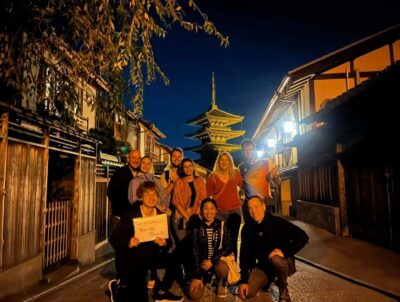
Gion Magical Night Walking Tour with Geisha Trivia
Read our review →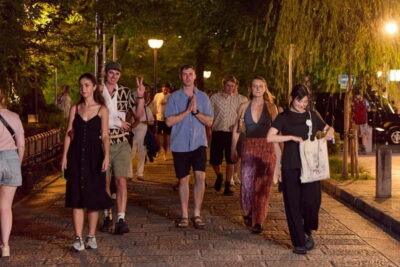
Gion Geisha District Walking Tour – Stories of Geisha
Read our review →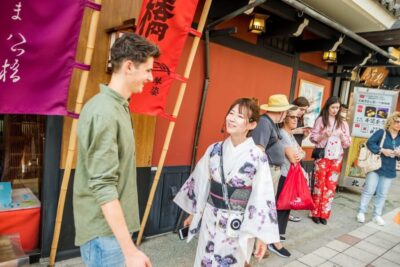
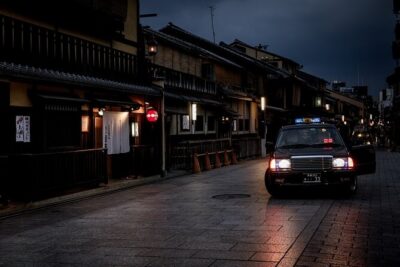
Kyoto Gion Geisha District Walking Tour – The Stories of Geisha
Read our review →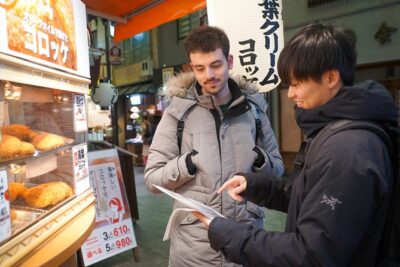
Nishiki Market Brunch Walking Tour (7 Tastings + Brunch)
Read our review →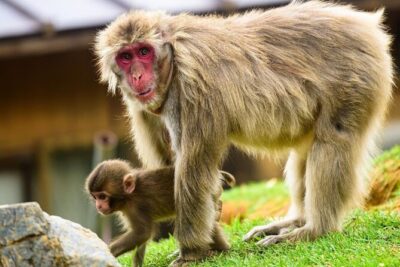
Kyoto Arashiyama Walking Tour: Bamboo, Monkeys, Gardens & Secrets
Read our review →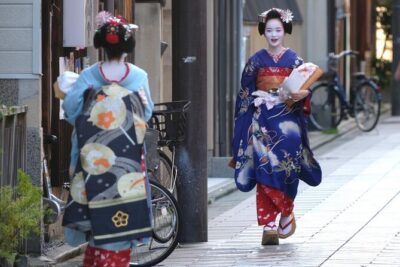
Kyoto Gion: 2-Hour Geisha Culture & History Walking Tour
Read our review →Browse the lists this tour appears in