
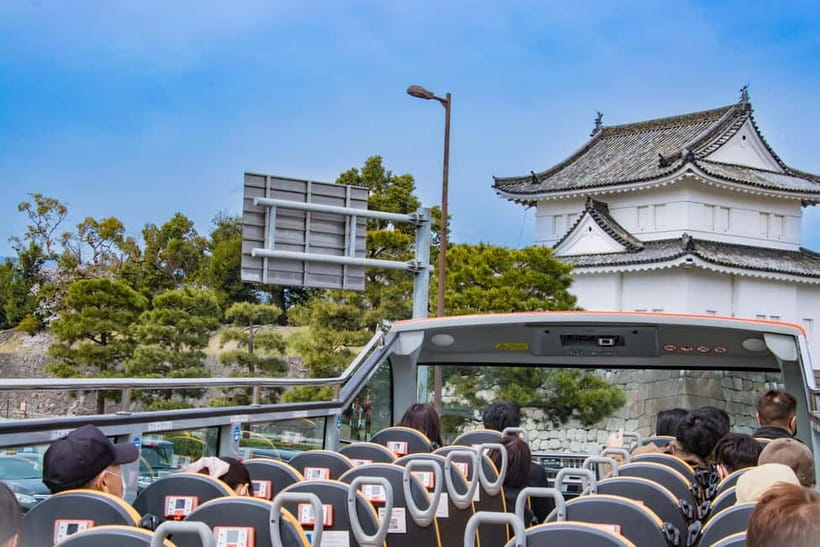
Reviewed · KYOTO BUS TOURS
Kyoto: Hop-on Hop-off Sightseeing Bus Ticket
Kyoto’s biggest challenge is not finding beautiful places. It is getting between them without losing half the day to confusing stations, packed city buses, and long walks. This open-top sightseeing bus gives you a clear first look at the city, then lets you hop off near major sights and return when you are ready. I especially like the simple mobile voucher and the chance to use the bus for one full day or two.
I also like the useful mix of stops, from Nishiki Market and Gion to Kinkakuji and Ginkakuji. The main drawback is timing: buses can be far apart, and one missed departure has reportedly meant a wait of up to an hour. The upper deck is fun in good weather, but direct sun, cold, or rain can change the experience quickly.
Key points to know before you ride
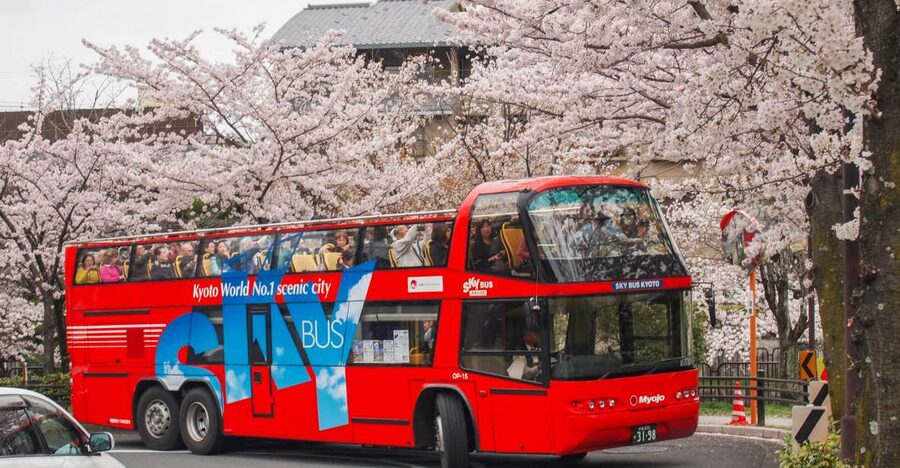
- Two routes cover Kyoto’s major sightseeing areas, including the west side temples and the eastern districts.
- A two-day pass is the better value if you want time inside several temples rather than a quick look from the bus.
- The full loop takes about 45 minutes, making the first ride useful for getting your bearings.
- Audio guidance comes in seven languages, though the narration may stop abruptly near some stops.
- The bus stops close to several major sights, but entrance fees are not included.
- Service gaps can be long, especially during busy periods or around late morning.
Why this bus works well in Kyoto
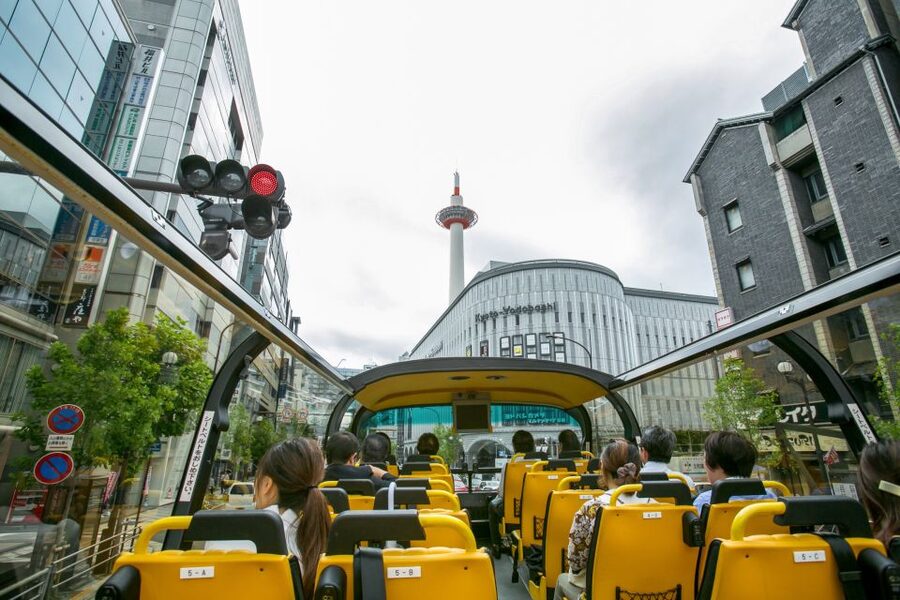
Kyoto spreads its famous sights across several districts. Nijo Castle sits west of the city center, Kinkakuji lies farther northwest, Ginkakuji is on the eastern side, and Kiyomizu-dera rises above the southern part of Gion. A normal sightseeing day can turn into a chain of train rides, city buses, and walks.
This pass gives you one simple route to connect many of those places. You show your mobile voucher when boarding, then ride as much as you like during the selected one-day or two-day period. I see it less as a substitute for every Kyoto bus and train, and more as a sightseeing spine that links the places most first-time visitors want to see.
The first ride can be especially helpful. One rider used the entire loop, about 45 minutes, simply to decide where to stop. That is smart. Kyoto can feel scattered when you first arrive, and seeing the streets from the upper deck helps you understand how the districts fit together.
Staff are another strong point. Drivers and attendants are often praised for being friendly and helpful, with attendants such as Miyuki and Lauren offering practical directions. Casey has been singled out for her humor and local explanations, while Frederick was praised as a lively storyteller. Keep in mind that the regular experience includes recorded audio, not necessarily one of these guides personally.
More bus tours from Kyoto:
- PERFECT KYOTO 1-Day Bus Tour
★ 5.0 · 13,518 reviews - Kyoto: Fushimi Inari, Kinkakuji, Bamboo Grove 1 Day Bus Tour
★ 4.8 · 4,316 reviews - Kyoto/Osaka: Nara, Fushimi Inari Taisha, Arashiyama Bus Tour
★ 4.7 · 1,275 reviews
Starting at Kyoto Station
The easiest starting point is Kyoto Station. Use the north central exit, then look for the sightseeing bus stop directly in front of the Isetan department store. This is a useful meeting point because Kyoto Station is also the city’s main arrival hub, with shops, restaurants, toilets, and places to regroup at the end of the day.
You do not have to begin there. You can board at any listed stop, which helps if your hotel or morning plans put you closer to Gion, Nijo Castle, or another district. Still, Kyoto Station is the clearest place to begin if you want help from staff or would like to ride the entire circuit before choosing your stops.
The mobile voucher keeps things easy. Have it ready when you board rather than searching through your phone at the curb. The bus route and timetable should be checked before setting out, since the gap between buses can affect your whole day.
The western route: markets, castles, and Golden Pavilion
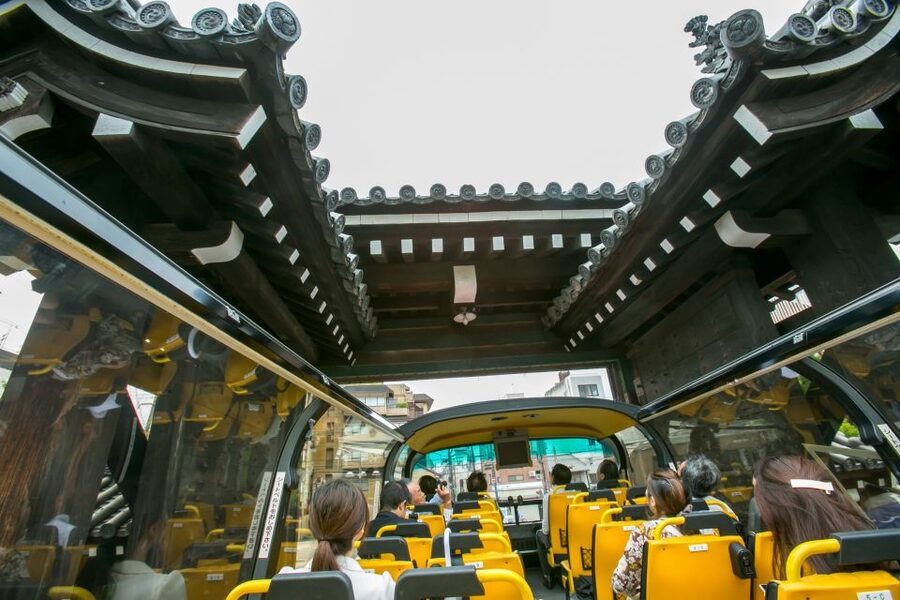
The western side of the service is packed with classic Kyoto stops.
Nishihonganji, near the Kyoto Tokyu Hotel, offers an early look at one of Kyoto’s major Buddhist temples. It is a good choice if you want a quieter religious site before moving toward the busier attractions.
The bus then reaches Shijo Karasuma and Nishiki-ichiba Market. This is one of the most useful stops for combining sightseeing with food and shopping. Nishiki Market is a narrow central market area, and nearby Teramachi-dori and Kawaramachi add more shops and restaurants. Allow extra time here if you want to browse rather than simply pass through.
At Nijo Castle, you can visit one of Kyoto’s most important historical landmarks. The castle is a strong choice for anyone interested in Japan’s political past, grand interiors, and landscaped grounds. The bus gets you close, but your ticket does not cover the entrance fee, so budget separately.
Next comes Kitano-tenmangu Shrine and Kamishichiken. The shrine is known for its connection with learning, while Kamishichiken is one of Kyoto’s traditional entertainment districts. This stop gives you a different feel from the large temple complexes, though you should check opening times and allow enough walking time before the next bus.
The major western stop is Kinkakuji Temple, the Golden Pavilion. The gold-covered building beside the pond is one of Kyoto’s most recognizable sights, and the bus stop makes reaching it easier than working out a separate connection. It is also one of the busiest stops, so do not expect a quiet visit at peak times.
Bring cash here. Admission is not included, and one useful warning is that Kinkakuji accepts cash but does not have an ATM on the premises. Sorting out your entrance money before arriving can save an annoying detour.
Daitokuji Temple offers another temple area in the northwest. It can be a good counterpoint to the crowds at Kinkakuji, though the exact parts open to the public and the fees can vary by subtemple. Treat it as a stop for a slower visit, not a quick photo break.
The eastern route: the Silver Pavilion to Kiyomizu-dera
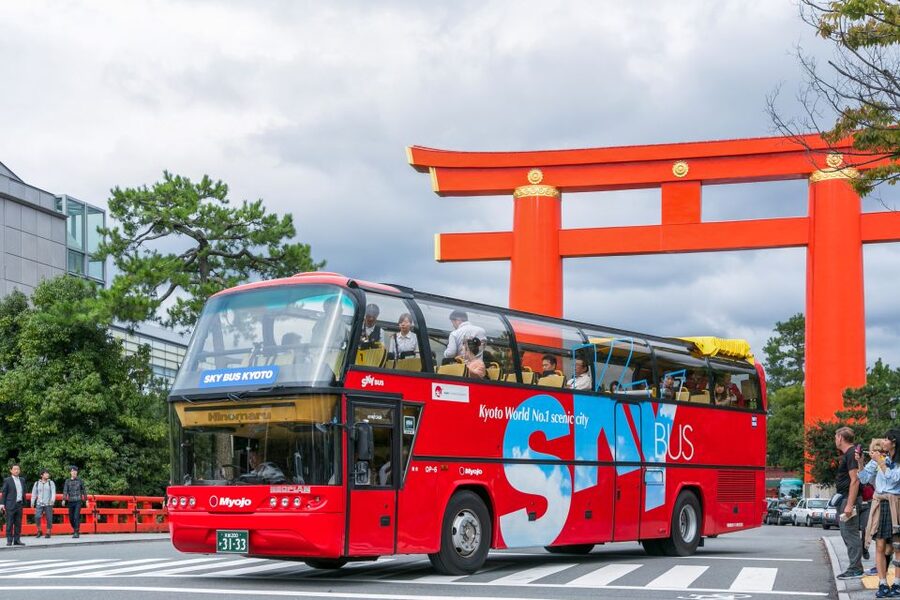
The eastern side links several places that are awkward to combine on foot but rewarding in one day.
At Kyoto Imperial Palace, near Doshisha University, you can visit the former imperial center and enjoy a broader open setting than the compact temple sites. This stop works well for visitors who want a pause from narrow lanes and dense tourist traffic.
Ginkakuji Temple, the Silver Pavilion, is one of the finest reasons to choose this bus. It is not included in many short guided outings, yet it gives you a different experience from Kinkakuji. The name suggests silver, but the pavilion is not covered in silver. Its appeal comes from the setting, gardens, and restrained design.
From Ginkakuji, you may want extra time for the nearby temple district and walking paths. The bus is useful here because you can return to the route without figuring out a separate city connection. Just watch the departure schedule closely, since the next bus may not arrive soon.
Heian-jingu Shrine and Okazaki Park provide a spacious stop with a large shrine gate and broad grounds. Okazaki is also near cultural attractions, so this can be a good place to break up a temple-heavy day. The stop is more about space and scale than a single must-see building.
The Gion stop brings you into one of Kyoto’s best-known traditional districts. From here, you can explore streets associated with tea houses, shops, restaurants, and evening walks. Be respectful in residential and traditional entertainment areas, and remember that the bus stop is a starting point, not a complete tour of Gion.
Finally, Gojozaka serves Kiyomizu-dera and the Gion area. The stop is close enough to make the temple practical, but you should expect an uphill walk. Comfortable shoes matter here. Kiyomizu-dera is one of Kyoto’s major sights, so give yourself enough time for the temple grounds, views, and surrounding streets before returning to the bus.
The stop at Sanjusangendo and the Kyoto National Museum, near the Hyatt Regency Kyoto, adds a strong indoor option. Sanjusangendo is known for its long hall and rows of Buddhist statues, while the museum offers a change from outdoor temple visits. Entrance fees are separate.
A few more Kyoto tours worth putting on the shortlist
- Kyoto: Tea Ceremony in a Traditional Tea House in Kiyomizu
★ 4.9 · 3,519 reviews - Kyoto Geisha Walking Tour: Gion District & Hidden Gems
★ 4.7 · 3,273 reviews - Kyoto: Tea Ceremony Ju-An at Jotokuji Temple
★ 4.9 · 3,207 reviews - Kyoto: Gion Magical Night Walking Tour with Geisha Trivia
★ 4.9 · 2,393 reviews
What the audio guide adds
Recorded commentary is available in English, French, Japanese, Korean, Chinese, Spanish, and German. It gives you basic context as the bus moves between districts, which is useful when you want more than a silent transfer.
I would treat it as an introduction, not a full lecture on each site. The narration may switch from a description of a location to a short announcement as the bus approaches the stop. Some audio tracks have also been reported to cut off mid-sentence, and background music can be louder than the voice.
That limitation matters if you are buying the ticket mainly for history. You will get orientation and a few facts, but you should not expect detailed guiding inside Nijo Castle, Kinkakuji, or Kiyomizu-dera. The strongest use of the audio is helping you recognize the districts and decide where to spend your own time.
Onboard Wi-Fi is listed as included, but it is temporarily suspended. Do not plan your navigation around having a connection on the bus.
One day or two days?
At $27 per person, the pass can be good value if you use it for several rides and avoid paying for separate taxis between distant sights. It is less convincing if you only plan to ride once or twice and already understand Kyoto’s regular transport system.
The one-day ticket suits a short stay and a focused plan. You could use the first loop to see the city, visit Kinkakuji and Nijo Castle, then move east for Gion or Kiyomizu-dera if the schedule allows. That is possible, but it can feel rushed, especially if you enter several sites.
I prefer the two-day option for most first visits. Use day one to ride both routes and note the stops you like. Use day two to return to Ginkakuji, Kinkakuji, Nijo Castle, or Kiyomizu-dera with enough time to explore. Several people who chose one day later wished they had booked two.
The bus is not always frequent enough for a strict minute-by-minute plan. One report describes buses every 45 minutes during the 10 a.m. to noon period, while another notes a wait of about an hour after missing a bus. Leave room for delays, crowds, and the occasional longer visit.
Weather, seating, and practical comfort
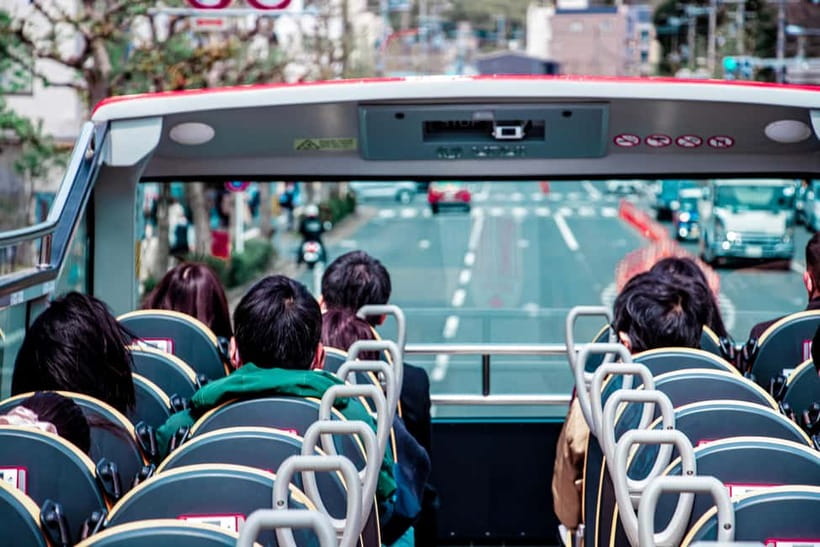
The top deck gives you a broad view of Kyoto’s streets and rooftops. It is the best place to get a feel for the city, but it is open to direct sunlight. In summer, the heat can be tiring. In winter, the ride can feel very cold.
Some buses have a partly covered upper section, which helps in strong sun or light rain. Raincoats are provided in wet weather, but severe conditions such as typhoons or thunderstorms can stop service. If the forecast looks poor, keep a backup plan using trains or regular buses.
The lower deck offers shelter but less of the open view. One practical concern is accessibility: a rider noted the need for a ramp and more lower-deck seating for older passengers. If you have mobility needs, confirm the current boarding setup before booking.
Food, alcohol, smoking, umbrellas, and selfie sticks are not allowed onboard. You may bring a soft drink with a lid, such as a plastic bottle or takeaway coffee. Children aged five and under ride free when sitting on the lap of a ticketed adult, with one child per paying passenger.
Who should book this Kyoto bus?
I would recommend it most strongly to first-time visitors, short-stay visitors, families, and anyone uneasy about Kyoto’s transport network. It is also useful if you want to see how far apart the main sights are before deciding where to return.
It suits you less if you want a detailed guided tour, a fixed schedule with no waiting, or a quiet ride through every neighborhood. Traffic can affect timing, and the bus does not replace walking once you reach the temples and historic districts.
Should you book it?
Book this pass if you want a simple way to connect Kyoto’s major sights and value the freedom to stop for as long as you like. Choose two days if your schedule allows, especially if you plan to enter several temples and castles.
Skip it if you only have time for one nearby district or if your main goal is detailed historical explanation. For most first visits, though, the bus offers a useful city overview, friendly staff, and good access to places such as Ginkakuji that can be awkward to link by yourself.
FAQ
How long is the Kyoto sightseeing bus ticket valid?
You can choose a one-day or two-day ticket. Unlimited rides are allowed during the selected period.
Where can I board the bus?
You can board at any stop along the route. The first stop is at Kyoto Station, in front of the Isetan department store near the north central exit.
Which languages are available for the audio guide?
Audio guidance is available in English, French, Japanese, Korean, Chinese, Spanish, and German.
Are attraction entrance fees included?
No. The bus ticket includes transportation and audio commentary, but entrance fees to places such as Kinkakuji, Nijo Castle, and Kiyomizu-dera are separate.
Is Wi-Fi available on the bus?
Wi-Fi is listed as an inclusion, but it is temporarily suspended.
Can children ride for free?
Children aged five and under do not need a ticket if they sit on the lap of an adult passenger with a ticket. The allowance is one child per ticketed adult.
What happens if it rains?
Raincoats are provided in wet weather. The bus may not operate during severe weather such as typhoons or thunderstorms, and the open-top deck can be exposed to sun and rain.
Newest Kyoto experiences on the site
- Treasures of Kyoto: Gion & historical Walking Tour★ 5.0 · 6 reviews
- Whisk Your Own Matcha: A Zen Matcha Experience at Temple★ 3.6 · 7 reviews
- Kyoto tea town for matcha lovers★ 5.0 · 16 reviews
- Uji: Private immersion into Kyoto’s tea and reglious culture★ 5.0 · 17 reviews
- Kyoto Matcha Green Tea Tour★ 4.5 · 23 reviews
- Uji and Wazuka Matcha Farm Half Day Private Guided Tour★ 5.0 · 21 reviews
- Utilising upcycled Matcha! Creating matcha incense (Uji, Kyoto)★ 5.0 · 6 reviews
- Sacred Temple Yoga Experience in Japan★ 5.0 · 3 reviews
Kyoto Bus Tours, compared.
Fushimi Inari, Kinkakuji, Bamboo Grove 1 Day Bus Tour
Read our review →
Nara, Fushimi Inari Taisha, Arashiyama Bus Tour
Read our review →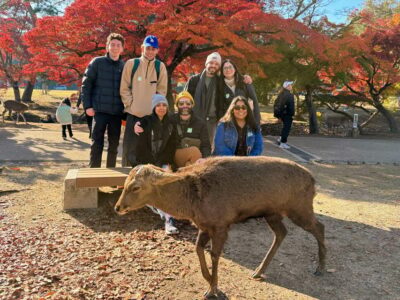
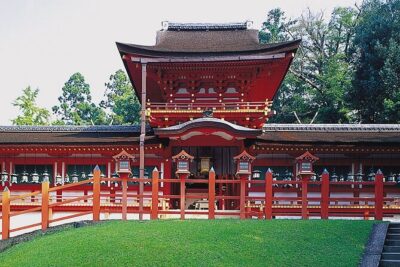
Nara History Guided Half Day Bus Tour with Lunch
Read our review →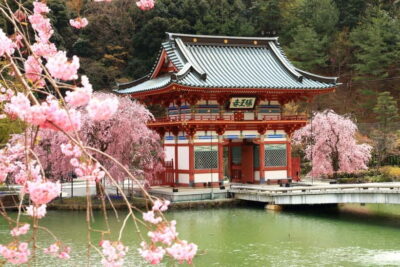
Nara History Guided Half Day Bus Tour with lunch
Read our review →Kyoto Bus Tour: Sagano Railway & Hozugawa River Boat Ride
Read our review →Browse the lists this tour appears in