Reviewed · PRIVATE
Kyoto Private Customizable Half Day Tour
Kyoto rewards careful choices, but four hours is a short window. This private tour lets you build the day around two or three sites, rather than racing through a fixed list. You might pair Fushimi Inari with Kiyomizu-dera, or choose Kinkaku-ji and Nijō Castle for a different slice of the city.
I like the personal guide service, including help with reservations and route planning. I also like the option of city transport by public transportation or private vehicle, plus hotel pickup and drop-off when your hotel is in central Kyoto. The catch is simple: $174.95 per person is a serious price for four hours, and entrance fees, food, drinks, and optional activities are extra.
- Choose only two or three sights: The limited itinerary keeps the tour focused instead of turning it into a checklist.
- Meet at 8:00 a.m.: An early start gives you a useful block of sightseeing before the day gets away from you.
- Ask for practical help: Your guide can handle bookings and reservations on your behalf.
- Use city transport: The tour includes transportation within Kyoto, by public transport or private vehicle based on your booking.
- Expect personal attention: This is a private activity for your group alone.
- Plan early: The operator recommends booking about three months ahead, or at least one month before your visit.
A Four-Hour Kyoto Plan Built Around You
This tour is best understood as a planning service with a guide attached, not a standard bus tour. You provide your interests and past sightseeing through a custom form, then the operator creates a four-hour plan around them.
That distinction matters in Kyoto. The city has more major temples and shrines than you can reasonably fit into a short visit. A fixed tour may send you to places you have already seen. Here, you can say what you want to skip and ask for a tighter plan.
You choose two or three sites. Your guide then helps organize the order, transportation, and any needed reservations. The final route will depend on your choices, opening arrangements, traffic, and the amount of time you spend at each stop.
The tour begins at Kyoto Station at 8:00 a.m. If your hotel is within the city center, pickup and drop-off may be arranged. Otherwise, the stated meeting point is Kyoto Station, at Higashishiokoji Kamadonocho in Shimogyo Ward.
Fushimi Inari and the Famous Vermilion Gates
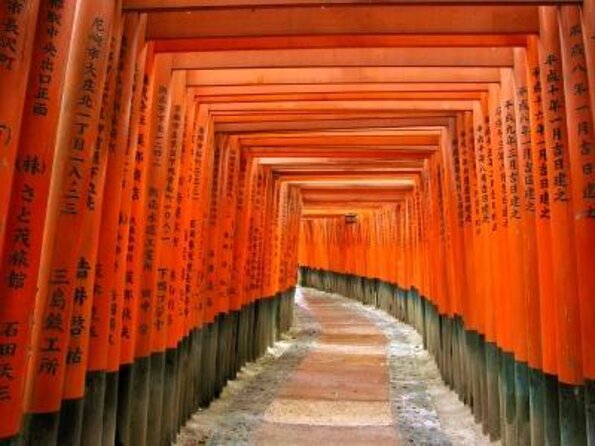
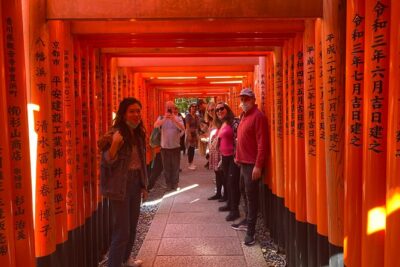
Fushimi Inari Taisha is one of Kyoto’s best-known sights, dedicated to Inari, the kami associated with rice and prosperity. Its long sequence of vermilion torii gates leads up the wooded slopes behind the shrine.
This is a strong choice if you want a shrine visit with movement and atmosphere rather than a single building viewed from a courtyard. You can walk beneath the gates and turn back after a manageable stretch, or spend more of your limited time on the shrine grounds near the entrance.
The practical issue is time. Fushimi Inari can easily consume a large part of a half-day, especially if you want to walk far uphill. Pairing it with another distant site may leave you watching the clock. Ask your guide to be clear about how far you will walk and how long the visit is meant to last.
I would consider Fushimi Inari with Kiyomizu-dera if you want classic Kyoto shrines and temple streets. The two sites give you a good contrast, but the route needs sensible timing.
A few more Kyoto tours worth putting on the shortlist
- PERFECT KYOTO 1-Day Bus Tour
★ 5.0 · 13,518 reviews - Kyoto: Fushimi Inari, Kinkakuji, Bamboo Grove 1 Day Bus Tour
★ 4.8 · 4,316 reviews - Kyoto: Tea Ceremony in a Traditional Tea House in Kiyomizu
★ 4.9 · 3,519 reviews
Kiyomizu-dera and Eastern Kyoto Views
Kiyomizu-dera, formally Otowa-san Kiyomizu-dera, is a Buddhist temple in eastern Kyoto and part of the Historic Monuments of Ancient Kyoto UNESCO World Heritage site. Its setting on the eastern hills makes it one of the city’s essential stops.
The appeal here is not just the temple itself. The approach through eastern Kyoto gives you a chance to see the traditional streets and slopes around the temple, although the walk can be demanding for anyone with limited fitness. The tour notes call for a moderate physical fitness level, and that is worth taking seriously.
Kiyomizu-dera works well for someone seeing Kyoto for the first time. You get a major historic site, a strong sense of the old city, and a guide who can explain what you are looking at without forcing you to follow a large group.
It also needs a time limit. If you linger at the temple, browse the approach, and stop for food, four hours disappears quickly. Tell the guide at the start if your priority is temple architecture, views, nearby streets, or a relaxed pace.
Kinkaku-ji, the Golden Pavilion
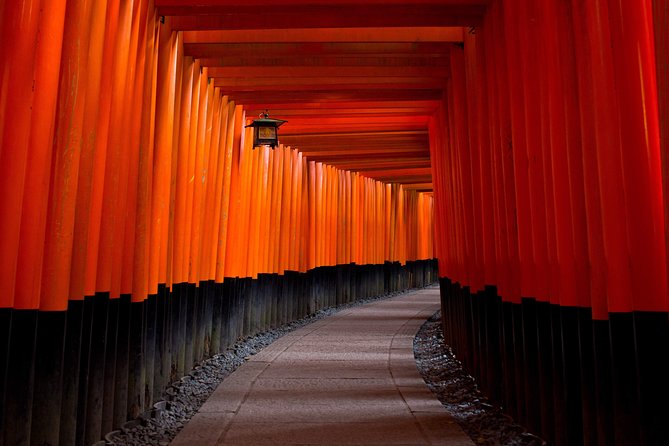
Kinkaku-ji, officially Rokuon-ji, is a Zen Buddhist temple and one of Japan’s most recognizable buildings. The pavilion’s gold-covered exterior reflected in the pond makes it a powerful visual stop, even if you know the image already.
The visit is more concentrated than a long temple walk. You follow the route through the grounds and view the pavilion from designated points. That makes Kinkaku-ji a reasonable choice when you want a major Kyoto sight but do not want one stop to consume the entire morning.
The tradeoff is that Kinkaku-ji can feel more like a visual highlight than an extended cultural visit. Your guide can add context and help place it within Kyoto’s wider temple tradition, but the site itself is not a private attraction and the tour cannot control how much time you spend moving through it.
I would pair Kinkaku-ji with Nijō Castle if your interests lean toward grand buildings, gardens, and political history. Pairing it with Fushimi Inari creates a sharper contrast between a Zen temple and a major Shinto shrine, but transportation time deserves attention.
Nijō Castle for Palaces and Gardens
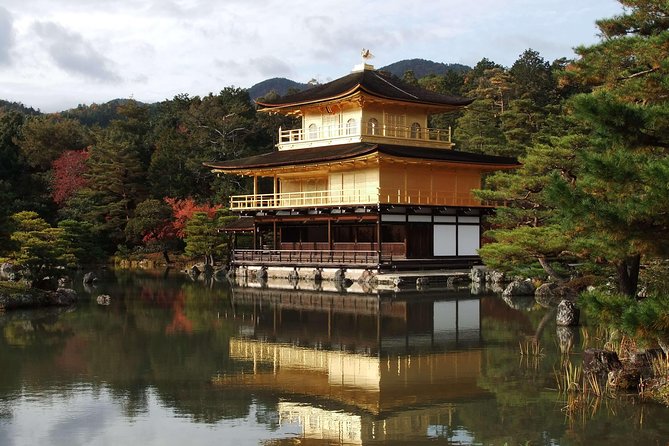
Nijō Castle is a flatland castle with two rings of fortifications, the Ninomaru Palace, the remains of the Honmaru Palace, support buildings, and gardens. It gives you a different view of Kyoto from the temple and shrine circuit.
This is a good pick if you want more than religious sites. The castle complex connects Kyoto with the military rulers who shaped Japan, while the palace interiors and gardens make the visit varied.
Nijō Castle also calls for steady walking. You are moving through a large historic compound rather than stepping into one compact building. If your group includes anyone who tires easily, mention that when the itinerary is prepared.
The castle is especially useful for repeat visitors who have already seen Fushimi Inari or Kiyomizu-dera. It can also balance a morning built around Kinkaku-ji, giving you a mix of religious architecture, courtly space, fortification, and gardens.
Same city, a completely different kind of day:
- Kyoto Geisha Walking Tour: Gion District & Hidden Gems
★ 4.7 · 3,273 reviews - Kyoto: Tea Ceremony Ju-An at Jotokuji Temple
★ 4.9 · 3,207 reviews - Kyoto: Gion Magical Night Walking Tour with Geisha Trivia
★ 4.9 · 2,393 reviews - Kyoto: 45-Minute Tea Ceremony Lesson Experience
★ 4.3 · 2,378 reviews
Byōdō-in and the Case for Uji
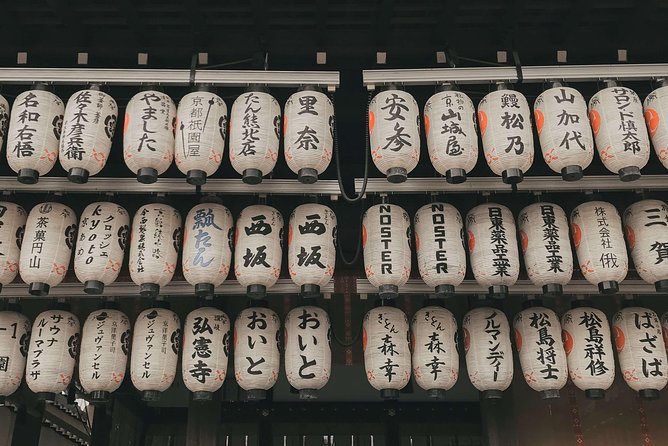
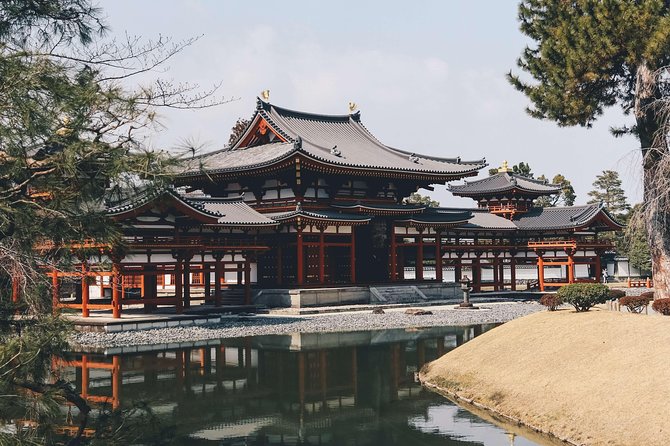
Byōdō-in is a Buddhist temple in Uji, Kyoto Prefecture, dating from the late Heian period. It is jointly connected with the Jōdo-shū and Tendai-shū traditions.
This is an important point about the tour: the program can be shaped around more than the most obvious central Kyoto stops, but the included transportation is described as city transportation only. Uji is outside central Kyoto, so you should confirm the route and transport coverage before asking for Byōdō-in.
If it fits the booking, Byōdō-in offers a quieter, more focused historical stop than a rapid run through several central attractions. It is best for someone who already knows the headline Kyoto sights or has a clear interest in Heian-period Japan and Buddhist history.
It may not be the right choice for a first four-hour visit if your main goal is to see the central Kyoto icons. Ask the operator to confirm travel time before committing. The custom form exists for exactly this kind of planning decision.
Kitasuisan Bridge and Custom Requests
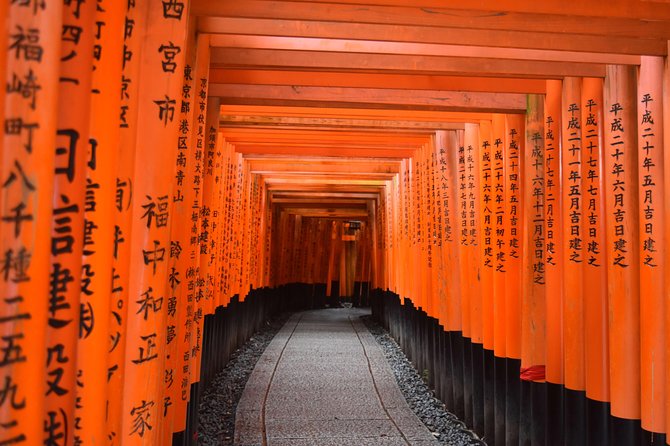
Kitasuisan Bridge is also listed among the possible stops, though no detailed description or visit length is provided. That makes it a place to clarify before the day begins.
Ask where the bridge fits, why it matches your interests, and how much time the guide expects you to spend there. A custom tour works best when both sides agree on what each stop is meant to provide.
This is also a reminder not to assume every listed place will appear in your itinerary. The tour includes two to three sites, not every stop named in the program. Your final plan should reflect your choices and the time available.
What the Guide Adds to the Morning
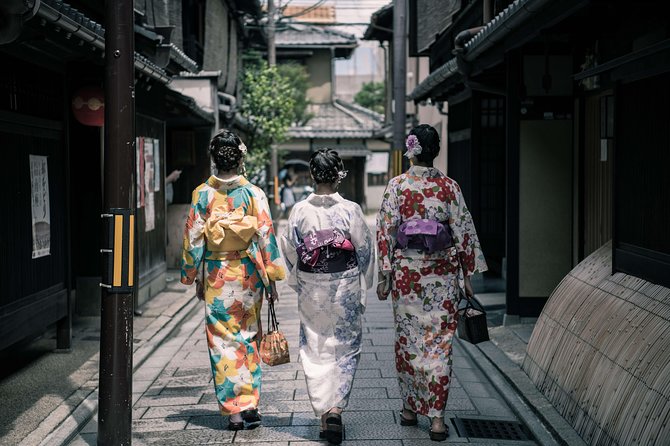
The guide is the main reason to consider this tour instead of arranging the same sights alone. You are paying for route judgment, personal attention, help with bookings, and the ability to adjust the morning around your priorities.
The strongest service details are practical. Yoshi has been described as patient and kind. Kaz Yoshida was praised for taking the group to the agreed places and making a thoughtful effort to leave them near their hotel. Another guide, Yoshiko, was described as informative and friendly during a separate Kobe experience with the same operator.
Those names do not guarantee your guide will be Yoshi, Kaz Yoshida, or Yoshiko. Guide assignment can vary, so treat the comments as useful clues about the level of service the operator aims to provide, not a promise of a particular person.
A private guide can also help prevent small problems from eating the morning. The operator says your guide can make reservations and bookings for you, and guide contact information is provided before the tour. If a reservation matters, put it clearly on the custom form and confirm it before the travel date.
Is $174.95 Per Person Good Value?
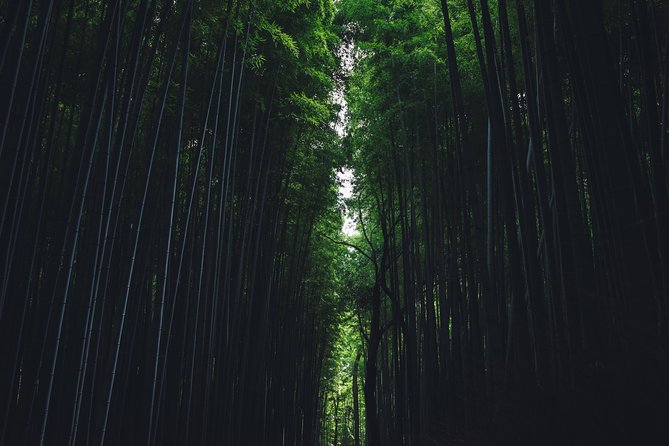
At $174.95 per person, this is not the cheapest way to see Kyoto. The price becomes easier to justify if you are a small group that values private planning, English-language guidance, and door-to-door convenience from a central hotel.
The cost includes four hours, an English-speaking professional guide, transportation within the city, and hotel pickup and drop-off when the hotel is in the city center. It does not include meals, drinks, entrance fees, optional activities, or gratuities.
That list matters. Your total day cost will be higher if your chosen sites charge admission or if you add activities. Ask who pays for the guide’s optional entrance fees and any reservation-related costs before the itinerary is finalized.
For two people, the combined tour price is substantial. For a larger private group, group discounts may improve the value, but the exact discount is not provided. You should request the group rate rather than assume one.
I see the best value for first-time visitors with limited Kyoto time, families that want a flexible pace, and people who do not want to solve rail routes and site order on their own. Independent visitors who already know the city may find the fee harder to defend.
Timing, Walking, and Transport
Four hours can cover two nearby sites comfortably, or three compact visits with disciplined timing. It is not enough for a relaxed tour of all six places listed.
Transportation within Kyoto is included, using public transportation or a private vehicle based on the booking. The exact method matters. Public transportation may be efficient, while a private vehicle may reduce transfers and help with hotel pickup, but you should confirm which arrangement applies to your booking.
Arrive at least 10 minutes before the 8:00 a.m. start. The guide waits for up to 30 minutes, after which the tour can be cancelled. That is a strict limit for a private booking, so build in extra time for finding Kyoto Station or leaving your hotel.
Wear clothing suitable for the weather and expect a moderate amount of walking. Fushimi Inari and Kiyomizu-dera can involve slopes and stairs, while Nijō Castle and Byōdō-in require movement through larger grounds.
Book Early and Read the Fine Print
The operator recommends booking about three months ahead, especially when restaurant or venue reservations are involved. At minimum, aim for one month before your visit.
After booking, you receive a Kyoto form within 48 hours. Complete it accurately at least seven days before the tour date. Use it to list places you have already seen, sites you want included, your preferred interests, and any reservation requests.
The cancellation terms need careful attention. The information provided includes a fee schedule of 25 percent within 30 days, 50 percent within 21 days, and 100 percent within 14 days. It also says the experience is non-refundable and cannot be changed for any reason, and that a 15 percent service fee becomes nonrefundable once the custom itinerary has been sent.
Because those statements are strict and not perfectly simple to reconcile, check the exact terms shown at checkout. Do not book this as a flexible placeholder.
Should You Book the Kyoto Custom Tour?
Book it if you want Kyoto planned around your priorities, need an English-speaking guide, and value having someone arrange transportation and reservations. It is particularly useful for a first visit when you want two or three major sights without joining a large group.
Choose a different option if you want the lowest price, a full-day schedule, or guaranteed visits to every place named here. Four hours is the right length for a focused introduction, not a complete Kyoto tour.
My preferred plan would be two related stops, such as Fushimi Inari and Kiyomizu-dera, or Kinkaku-ji and Nijō Castle. Tell the operator exactly what you have already seen, finish the custom form early, and confirm the transport and cancellation terms before paying. If you do that, this private format can give you a useful, personal start in Kyoto without wasting the morning on sights that do not fit your interests.
FAQ
How long is the Kyoto private custom tour?
The tour lasts approximately four hours.
Where does the tour begin?
The stated meeting point is Kyoto Station at Higashishiokoji Kamadonocho, Shimogyo Ward, Kyoto, 600-8216, Japan. The start time is 8:00 a.m.
Can I be picked up at my hotel?
Hotel pickup and drop-off are offered when your hotel is within the Kyoto city center. The activity otherwise begins and ends at the stated meeting point.
How many sites can I choose?
The included tour allows you to choose two to three sites for a personalized Kyoto itinerary.
Is transportation included?
Transportation within the city is included. Depending on the booking, it may use public transportation or a private vehicle.
What happens if I arrive late?
You should arrive at least 10 minutes before the meeting time. The guide waits for up to 30 minutes after the scheduled start, after which the tour may be cancelled.
Newest Kyoto experiences on the site
- Treasures of Kyoto: Gion & historical Walking Tour★ 5.0 · 6 reviews
- Whisk Your Own Matcha: A Zen Matcha Experience at Temple★ 3.6 · 7 reviews
- Kyoto tea town for matcha lovers★ 5.0 · 16 reviews
- Uji: Private immersion into Kyoto’s tea and reglious culture★ 5.0 · 17 reviews
- Kyoto Matcha Green Tea Tour★ 4.5 · 23 reviews
- Uji and Wazuka Matcha Farm Half Day Private Guided Tour★ 5.0 · 21 reviews
- Utilising upcycled Matcha! Creating matcha incense (Uji, Kyoto)★ 5.0 · 6 reviews
- Sacred Temple Yoga Experience in Japan★ 5.0 · 3 reviews
Private, compared.
Fushimi Inari Hidden Hiking Tour (Private Option Available)
Read our review →
Private Kyoto Tour with a Local, Highlights & Hidden Gems, Personalised
Read our review →
Kyoto 6hr Private Tour with Government-Licensed Guide
Read our review →
10 Must-see Spots in Kyoto One Day Private Tour (up to 7 people)
Read our review →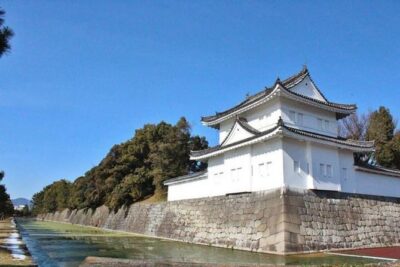
Kyoto 4hr Private Tour with Government-Licensed Guide
Read our review →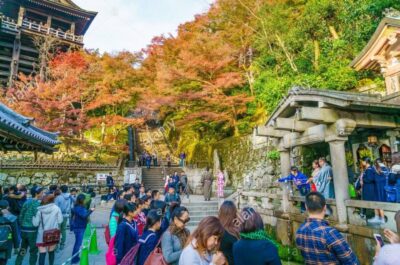
Private Kyoto Tour with Licensed Guide & Vehicle (Max 15 persons)
Read our review →