
Reviewed · NISHIKI MARKET TOURS
Kimono Tea Ceremony Experience at Kyoto Oritzuruya, Nishiki
Kyoto’s tea ceremony can seem full of rules, but this 90-minute experience gives you a friendly way in. You choose from more than 200 kimono designs, have your hair arranged, and learn how to whisk matcha without worrying about a cultural misstep.
I like the small maximum of 10 people and the chance to walk around nearby in your kimono afterward, until the shop closes at 6 p.m. I also like the practical balance: you watch the formal ceremony, then prepare your own bowl of matcha and enjoy a wagashi sweet. The main drawback is that the tea portion is fairly short and partly demonstrational, so serious students of tea may want more explanation and participation.
Key points to know before booking
- More than 200 kimono choices: Staff help you select the kimono, obi, cords, sandals, and hair accessories.
- Simple hairstyling included: Women can have their hair arranged with a flower, pin, or other ornament.
- You make your own matcha: The instructor explains the bamboo whisk and lets you prepare a bowl yourself.
- A small Nishiki-area group: The maximum is 10 people, though the dressing process can still take time.
- Calligraphy is optional: You can add a private lesson and take home your finished character as a souvenir.
- You may wear the kimono outside afterward: You can walk around the area and take photographs, then return by the stated closing time.
Choosing a kimono near Nishiki Market
The experience begins at Nishiki Orizuruya, at 452 Jūmonjichō in Kyoto’s Nakagyo Ward. Its location near Nishiki Market makes it easy to pair with a morning or afternoon of food stalls, small shops, and central Kyoto sightseeing. You handle your own transportation, since hotel pickup and drop-off are not included.
The kimono selection is one of the strongest parts of the visit. With more than 200 designs, you are not simply handed a costume at random. You can choose colors and patterns with help from the staff, then select matching pieces such as the obi, obijime cord, sandals, and hair ornament.
That choice matters. The dressing process becomes a cultural activity rather than a quick change of clothes. You see how several layers and accessories work together, and you get a better sense of why putting on a kimono takes time. Staff provide a light, moisture-wicking underlayer, which is useful in Kyoto’s warmer months.
The available sizing has been praised by people who worried that a kimono might not fit. A wide range of sizes is available, including options for plus-size wearers. If fit is a concern, mention it early and let the staff guide you through the selection.
More Nishiki Market walks and tastings:
- Nishiki Market Brunch Walking Tour (7 Tastings + Brunch)
★ 5.0 · 1,355 reviews - Kimono Tea Ceremony at Kyoto Maikoya, NISHIKI
★ 5.0 · 911 reviews - Kyoto Nishiki Market Food and Culture Walking Tour
★ 5.0 · 412 reviews
Hair styling and the dressing process
For women, simple hairstyling is included. You can choose from hair pins, flowers, and other decorations before the staff finish the look. This is not a full salon appointment, and makeup is not included, but the hairstyle and accessories make the kimono feel much more complete.
Expect several staff members to help with dressing. The process can feel attentive and personal, but it is also the part most likely to involve waiting. If several people arrive at once, the group may be divided among the dressing staff while others wait their turn.
The staff are warm and efficient, but this is a commercial cultural activity, not a private dressing ceremony. That distinction helps set expectations. You get a polished traditional appearance and plenty of help, but the setting can feel busy before the tea room quiets down.
Once dressed, you may have a small photo session. Staff can take a few pictures, and the nearby streets offer more opportunities for photographs. The kimono is not only for the ceremony. You can generally continue wearing it around the area until 6 p.m., provided you return it on time.
That extra walking time adds value to the $50.87 price. You are not limited to a few minutes in costume before changing back. Still, remember that a kimono is less comfortable and flexible than everyday clothes, especially in hot weather or when walking for long periods.
Entering the tea room
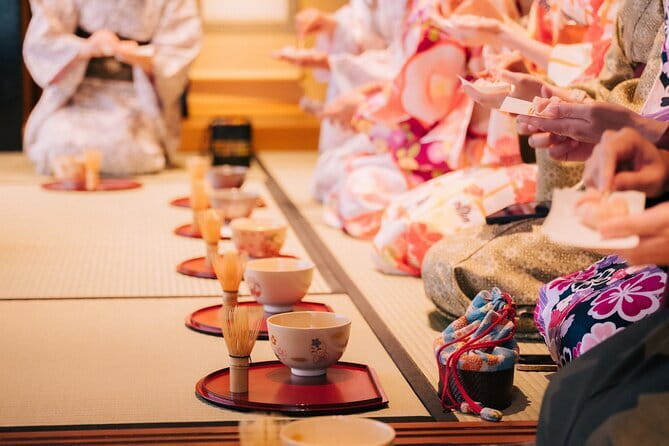
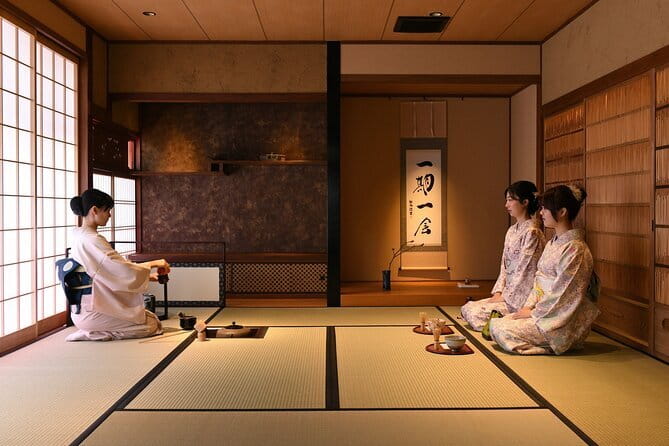
After dressing, you are shown the basic purification process before entering the tea room. This gives you a useful first look at the careful sequence behind the ceremony. The gestures are not random decoration. They help prepare the room, the host, and the people attending for a focused encounter.
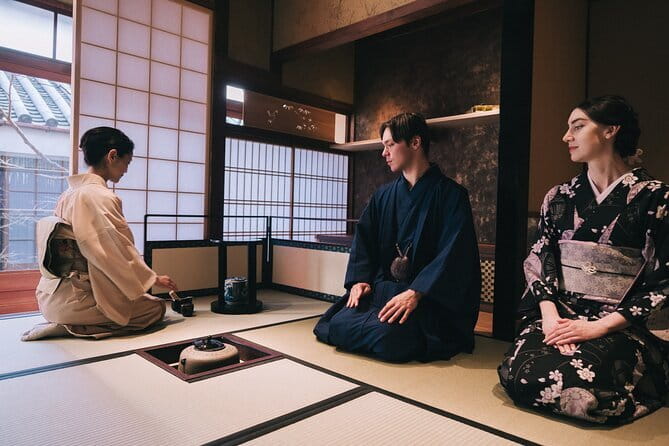
The tea ceremony itself is presented by an instructor in a calm, formal setting. You watch the host clean and arrange the utensils, handle the tea equipment, and prepare the bowl with deliberate movements. The quiet pace is a welcome change from Kyoto’s crowded shopping streets.
The ceremony has an important limitation. You do not perform every part of the formal ritual yourself. The instructor carries out the main ceremony, while you observe and learn the meaning of the movements. Your active role comes later, when you prepare your own matcha.
That format works well if you want a first introduction without having to memorize rules. It may disappoint you if you expect a full participant-led tea ceremony or a long discussion of tea schools, philosophy, and history. The presentation is designed for an international audience, so it favors clarity and accessibility over advanced study.
The instructor explains the customs and the purpose behind the rituals. The quality of that explanation can shape your impression of the activity. Most of the experience is described as calm, informative, and thoughtful, but one poor experience noted that the question period did not provide enough depth. If you have detailed questions, ask them during the ceremony rather than saving everything for the end.
Making matcha with a bamboo whisk
The practical highlight is your own turn with the chasen, the traditional bamboo whisk. You learn how to add and whisk the matcha, then try making a bowl yourself. This is simple enough for a first attempt, but it gives you a physical connection to the ceremony that watching alone would not provide.
Do not expect to leave as a tea master. The lesson is brief, and the focus is on basic technique and respectful handling of the utensils. Still, you gain a skill you can repeat at home with matcha, hot water, and a whisk.
You then drink the tea you prepared with a Japanese wagashi sweet. The sweet is an important part of the experience, since traditional tea is often paired with a small confection that balances its bitterness. Snacks and matcha are included in the price, along with the utensils and all required fees.
The matcha may be an acquired taste. It is grassy and slightly bitter, with a texture unlike ordinary brewed tea. If you already enjoy matcha, this gives you a more personal way to drink it. If you do not, the wagashi helps soften the first impression.
More tea ceremonies in Kyoto:
- Kyoto: Tea Ceremony in a Traditional Tea House in Kiyomizu
★ 4.9 · 3,519 reviews - Kyoto: Tea Ceremony Ju-An at Jotokuji Temple
★ 4.9 · 3,207 reviews - Kyoto: 45-Minute Tea Ceremony Lesson Experience
★ 4.3 · 2,378 reviews - Kyoto: Table-Style Tea Ceremony at a Kyo-Machiya
★ 4.9 · 1,211 reviews
Adding calligraphy to the visit
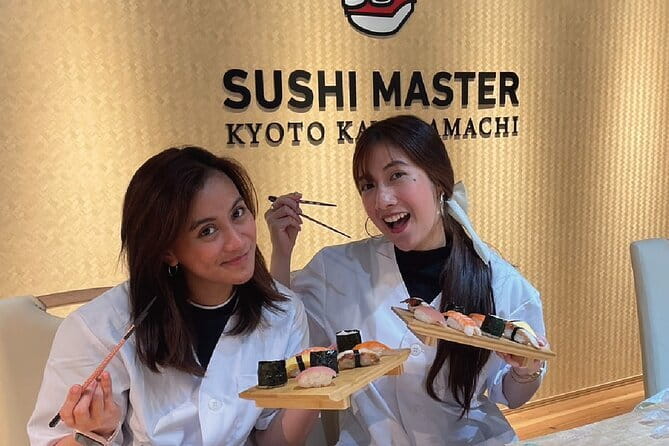
Calligraphy is an optional addition, not part of the basic tea ceremony package. It gives you another hands-on activity and a physical souvenir to take home.
The calligraphy lesson can be especially appealing if you want more than photographs from the experience. You learn the basic strokes and create your own character under guidance. One popular choice has been the kanji for beautiful, but your own selection may depend on the lesson format and what the instructor offers that day.
The calligraphy session is also a good choice for a honeymoon, birthday, or special trip. It adds time and cost, so it makes most sense if you enjoy crafts or want a keepsake with a personal touch. If your main goal is to wear a kimono and learn matcha, the basic booking should be enough.
How long the 90 minutes really feels
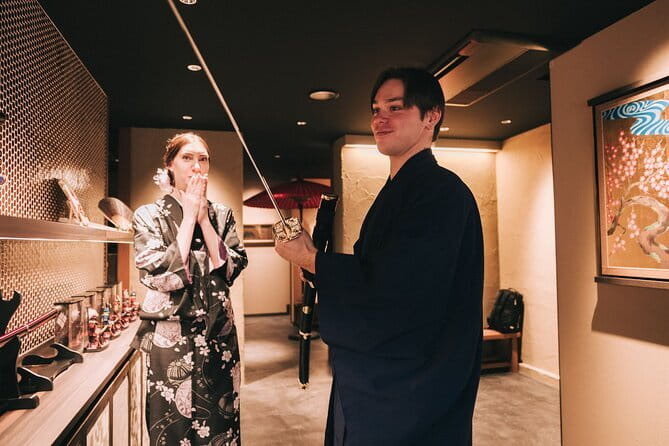
The stated duration is about 1 hour and 30 minutes. That includes kimono selection, dressing, hairstyling, photographs, the purification steps, the tea ceremony, matcha preparation, and the wagashi tasting.
Because there are several stages, the tea ceremony itself does not fill the whole 90 minutes. You may spend a noticeable portion of the visit waiting for dressing assistance or for the group to move upstairs. The small group helps, but a maximum of 10 people is still large enough for the timing to vary.
Plan your schedule with some breathing room. Do not book this immediately before a timed train, restaurant reservation, or major attraction. The experience ends back at the same meeting point, so you do not need to arrange a separate return trip.
The pace suits a busy Kyoto itinerary. You get a focused cultural activity without sacrificing half a day. If you want a slow, private tea lesson, this is not the right format. If you want a manageable introduction between sightseeing stops, the timing works well.
Sitting, comfort, and practical details
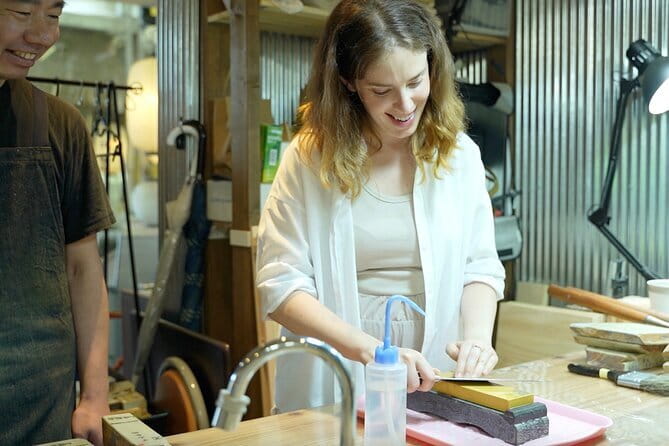
The tea ceremony traditionally involves sitting on the floor, but a chair and small table can be provided for someone who cannot kneel comfortably. If you have bad knees or limited mobility, tell the staff when you arrive so they can arrange the seating.
This is not a makeup experience. Hair styling is included, but makeup is not. Bring only what you need, since you will be changing clothes and handling accessories.
You need a smartphone with an internet connection to open the voucher webpage and press the Use button for check-in. A screenshot or printed ticket will not be accepted. Open the page before arriving if your connection may be unreliable, but the actual webpage must be displayed on your phone.
The meeting point is close to public transportation, though the exact route depends on where you are staying. Transportation costs are your responsibility. The activity is operated by LINKTIVITY Inc., and confirmation is provided at booking.
You can cancel for a full refund up to 24 hours before the start time. Changes made inside that window are not accepted, and late cancellations are not refunded. The activity also requires good weather under its stated policy. If poor weather causes cancellation, you are offered another date or a full refund.
Is $50.87 a fair price?
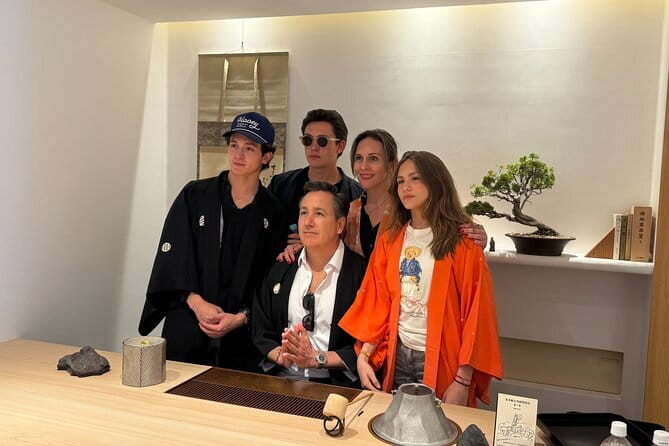
At $50.87 per person, the value depends on what you want from a cultural activity. You are paying for the kimono rental, dressing assistance, simple hairstyling, tea utensils, matcha, wagashi, instruction, and fees. You also receive extra time to walk nearby in the kimono, which makes the price stronger than a brief dress-up photograph session.
The price is less compelling if your only goal is a formal tea ceremony with extensive cultural teaching. The main ritual is relatively short, and you watch much of it rather than taking part. A specialist looking for detailed instruction may find the experience too light.
For most first-time visitors, I think the combination is sensible. The kimono dressing provides the visual and social appeal, while the tea lesson supplies enough context to make the activity more than a costume rental. The calligraphy option can add further value if you want a lasting souvenir.
Who should book this Kyoto experience?
I would recommend it to you if you want a gentle introduction to Japanese customs, enjoy photographs, or have always wanted to wear a kimono but feel unsure about the process. It also suits couples, families, and small groups who want an activity that does not require advanced knowledge of Japanese etiquette.
It is particularly useful for anyone nervous about making a mistake. Staff guide you through dressing, purification, entering the tea room, handling the bowl, and using the whisk. You can focus on the experience instead of guessing what to do next.
You should think twice if your main interest is the spiritual or scholarly side of tea ceremony. You will learn the basic customs, but the format is designed for beginners and sightseeing schedules. Expect a polished introduction, not an extended study with a tea master.
Should you book it?
Book this experience if you want kimono dressing, hairstyling, photographs, and a hands-on matcha lesson in one compact visit near Nishiki Market. The friendly staff, broad range of sizes, optional calligraphy, and chance to walk around in the kimono make it a strong choice for a first cultural activity in Kyoto.
Skip it if you want a long, highly formal tea ceremony where you perform the full sequence yourself. For everyone else, the $50.87 price buys a pleasant mix of ceremony, craft, food, and dress-up, with enough real tradition to make the photographs mean something.
FAQ
Where does the kimono tea ceremony take place?
It takes place at Nishiki Orizuruya, 452 Jūmonjichō, Nakagyo Ward, Kyoto, 604-8121, Japan.
How long does the experience last?
The activity lasts approximately 1 hour and 30 minutes.
How many people can join the group?
The maximum group size is 10 people.
Is transportation included?
No. You are responsible for your own transportation to and from the meeting point.
Is hotel pickup available?
No. Hotel pickup and drop-off are not included.
What is included in the price?
The price includes kimono costume use, utensils, matcha, wagashi, simple hairstyling, a licensed guide, and all fees and taxes.
Can I choose my own kimono?
Yes. You can select from more than 200 kimono designs, with staff helping you choose and dress.
Is hairstyling included?
Yes. Simple hairstyling is included for women.
Can I add a calligraphy lesson?
Yes. Calligraphy is available as an optional addition. You can create a piece to take home.
Can I cancel for a refund?
Yes. You can receive a full refund if you cancel at least 24 hours before the experience begins. Late cancellations and late changes are not accepted.
What do I need for check-in?
You need an internet-connected smartphone. Open the voucher webpage, press the Use button, and show the page to the staff. Screenshots and printed tickets are not accepted.
More Kimono Rentals in Kyoto
- Kyoto: Kimono Rental with Hairstyling and Accessories
★ 4.8 · 653 reviews - Kyoto: Kimono Tea Ceremony at Orizuruya Gion
★ 4.9 · 618 reviews - KYOTO Tea Ceremony with kimono near by Imamiya Jinjya Shrine
★ 5.0 · 343 reviews - Kyoto: Kimono and Tea Ceremony Experience at Cultural Asset
★ 4.3 · 306 reviews
Newest Kyoto experiences on the site
- Whisk Your Own Matcha: A Zen Matcha Experience at Temple★ 3.6 · 7 reviews
- Treasures of Kyoto: Gion & historical Walking Tour★ 5.0 · 6 reviews
- Kyoto tea town for matcha lovers★ 5.0 · 16 reviews
- Uji: Private immersion into Kyoto’s tea and reglious culture★ 5.0 · 17 reviews
- Kyoto Matcha Green Tea Tour★ 4.5 · 23 reviews
- Uji and Wazuka Matcha Farm Half Day Private Guided Tour★ 5.0 · 21 reviews
- Utilising upcycled Matcha! Creating matcha incense (Uji, Kyoto)★ 5.0 · 6 reviews
- Sacred Temple Yoga Experience in Japan★ 5.0 · 3 reviews
Nishiki Market Tours, compared.
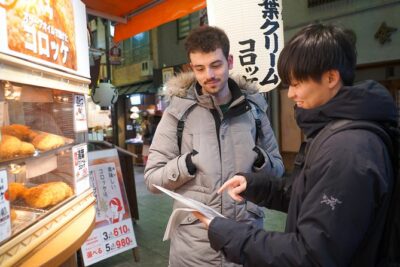
Nishiki Market Brunch Walking Tour (7 Tastings + Brunch)
Read our review →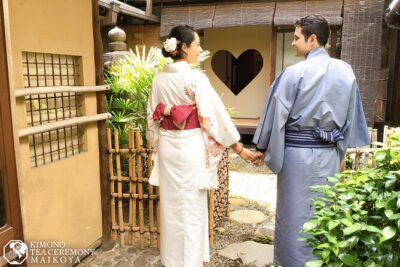
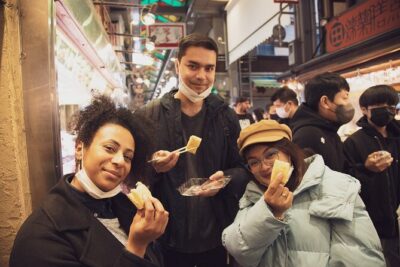
Kyoto Nishiki Market Food and Culture Walking Tour
Read our review →
Nishiki Market Tea Ceremony with Koto Performance
Read our review →
Nishiki Market and Depachika Food Tour with a Local
Read our review →
Nishiki Market Tour with a Local Foodie & Tastings
Read our review →
Browse the lists this tour appears in