
Reviewed · KYOTO SAMURAI EXPERIENCES
Train Katana with Real Dojo Students in Kyoto
Kyoto’s Yushinkan dojo gives you something far more serious than a costume photo and a few theatrical sword swings. You put on dōgi, obi, and hakama, then train beside local students in iai and kenjutsu under a headmaster with more than 20 years of experience. You also watch students and the master cut rolled tatami mats with real swords.
I like the tiny maximum group of three, which should make instruction feel direct rather than staged. I also like the rare two-katana performance by the master. The main consideration is that this is physical training, not a casual sightseeing show, and prior martial arts experience may help you get more from it.
Key points at a glance
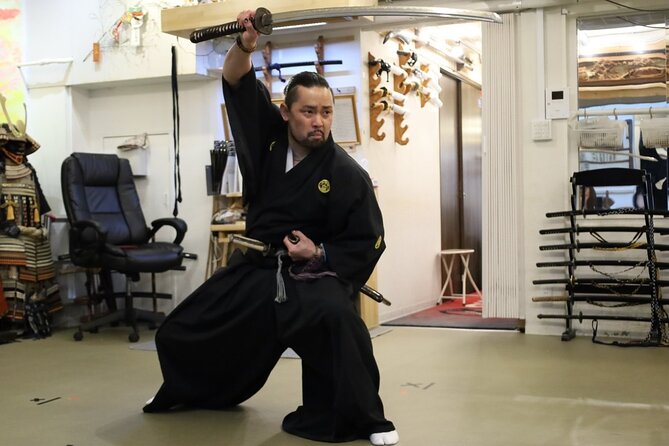
- Train in a working Kyoto dojo: Yushinkan Kyoto is used by dedicated local students, not set up only for tourists.
- Wear full training clothing: You put on dōgi, obi, and hakama before practice begins.
- Learn two sword arts: The session covers iai, or katana drawing, and kenjutsu, or katana fighting techniques.
- Watch real cutting practice: Students and the master cut rolled tatami mats with real katana.
- See a two-sword performance: The headmaster performs with two katana, a feature not usually found in standard samurai shows.
- Expect a small, active session: The experience lasts about three hours, welcomes ages 12 and older, and requires moderate physical fitness.
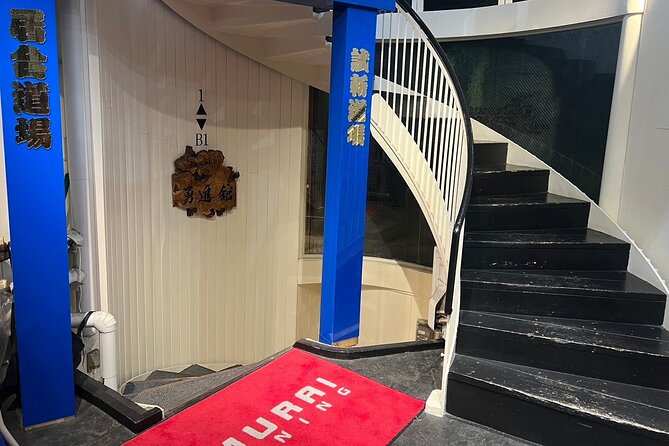
Entering Yushinkan Kyoto in central Kyoto
The experience begins at 452-4 Matsugaechō in Nakagyo Ward, Kyoto. The dojo is near public transportation, and the activity ends at the same meeting point, so you do not need to arrange a separate ride home or find your way to another neighborhood after training.
That simple start and finish matter. A three-hour activity can take up a good part of your day, but returning to the original meeting point makes it easier to plan around other Kyoto sights. You can place it before or after another central Kyoto stop without worrying about a distant drop-off.
The setting is the point. You are not entering a purpose-built attraction designed around a samurai theme. You are entering a dojo where local students train. That difference shapes the whole experience. The atmosphere is likely to feel more focused, formal, and disciplined than a standard cultural demonstration.
The group limit is no more than three participants. I see this as one of the strongest practical features. Sword work has many small movements, and a large group would make it harder to follow hand position, footwork, and timing. With only a few people, you should have a better chance to see the instructor clearly and receive direct correction.
More samurai experiences in Kyoto:
- Kyoto Samurai Experience
★ 5.0 · 1,294 reviews - Kyoto: Kendo and Samurai Experience with Uniform and Gear
★ 4.9 · 815 reviews - Kyoto: Samurai Sword Class by Experts in Traditional Arts
★ 4.9 · 657 reviews
Getting dressed in dōgi, obi, and hakama
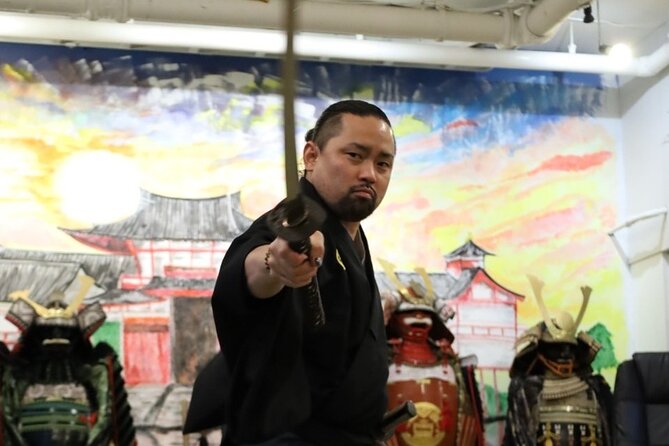
Your first step is to change into samurai training clothing. The outfit includes a dōgi, obi, and hakama. This is not just a costume choice for photographs. These garments are part of the etiquette and movement of the practice.
The hakama can change how you walk and position your feet. The obi gives the outfit structure around the waist, while the dōgi allows the movement needed for training. Getting dressed helps mark the shift from ordinary sightseeing to formal practice.
I like this part because it gives the session a clear sense of purpose without relying on theatrical effects. You are preparing to train, not simply dressing up for a staged picture. Still, you should expect the clothing to feel unfamiliar at first. Visitors who want a quick, relaxed activity may find the process more formal than expected.
The age rule is 12 and older. The activity also calls for a moderate level of physical fitness. That does not mean you need to be an athlete, but you should be comfortable standing, moving through drills, and following instructions for much of the three-hour session.
Learning iai, the art of drawing the katana
The first technical lesson covers iai, the controlled act of drawing the katana. The appeal of iai is its precision. The motion is not simply pulling out a sword quickly. It involves posture, hand placement, direction, control, and the careful return of the blade.
For you, this section is likely to be about concentration more than speed. The instructor can show how a small adjustment affects the whole movement. A sword-focused activity has a natural temptation to rush, but iai rewards restraint and careful repetition.
This is also where the authentic dojo setting matters most. You are learning a basic movement in the same place where local students train, rather than copying a choreographed action designed only to look dramatic for a camera.
Video recording is not allowed. That rule may disappoint anyone hoping to document every step, but it also keeps attention on the instruction and the safety of the room. You should plan to put your phone away and treat the session as a hands-on lesson rather than a filming opportunity.
Practicing kenjutsu with local students
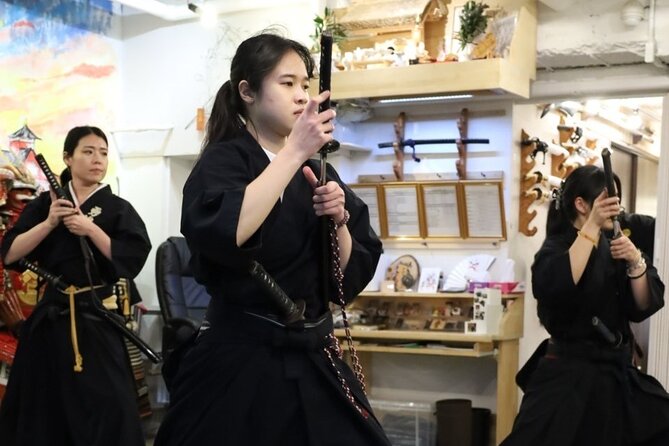
The next part introduces kenjutsu, the practice of katana fighting techniques. The information provided does not specify a particular school, drill, or partner format, so you should not expect a fixed list of moves promised in advance. You can expect instruction in basic kenjutsu techniques within the dojo’s regular training setting.
The presence of real local students gives this portion a different feel from a tourist lesson. You can watch how dedicated students approach practice, including their focus and discipline. That observation is useful even when you are still learning the fundamentals.
A small group helps here too. The maximum of three participants means you are less likely to spend the lesson waiting behind a crowd. It also means the experience may feel more intense and personal. If you prefer a lively group activity with lots of joking and social time, this may not be your best Kyoto pick.
The most suitable participant is someone curious about martial arts, Japanese training culture, or the mechanics of swordsmanship. You do not need to arrive as an expert, but a basic comfort with physical instruction can help. Someone with previous martial arts experience may find the lesson especially rewarding because they can pay closer attention to stance, control, and technique.
More scenic train rides through the Sagano hills:
- From Osaka: Sagano Train Ride and Kyoto Guided Day Tour
★ 4.3 · 180 reviews - Full Day Hiroshima and Miyajima Tour by Bullet Train from Kyoto
★ 4.5 · 120 reviews - Kyoto Railway Museum Admission Ticket
★ 4.3 · 23 reviews - Kyoto Bus Tour: Sagano Railway & Hozugawa River Boat Ride
★ 4.0 · 21 reviews
Watching rolled tatami mats meet real steel
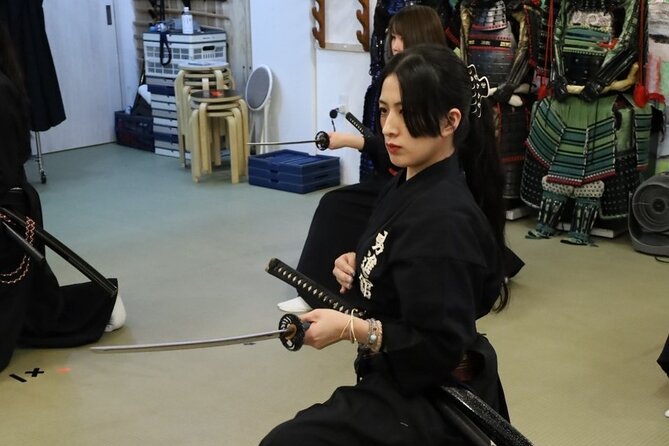
One of the most striking parts of the session is watching students and the master cut rolled tatami mats with real katana. The cutting demonstration shows the practical demands of alignment, control, and accuracy in a way that a wooden practice sword cannot.
This is also the point where the activity moves from technique to consequence. A real blade does not forgive careless movement. Watching trained students handle it gives you a better sense of the discipline behind the art.
There is an important limit: test cutting with a real katana is not offered to participants. You watch the cutting rather than taking a turn yourself. That may be a disappointment if your main goal is to slice a target, but it is a sensible boundary for a short introductory session involving live blades.
The demonstration has value even without participant cutting. You can connect the earlier instruction to the final result and see why posture and control matter. It also keeps the experience focused on training rather than turning the sword into a novelty prop.
The headmaster’s two-katana performance
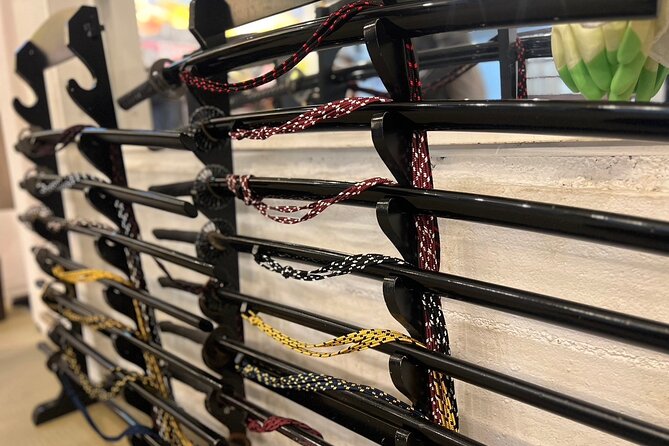
The master’s two-katana performance is the most unusual feature of this activity. Watching one person work with two blades gives you a rare look at coordination, timing, and control. It is the sort of performance that adds something special to a small dojo session without turning the whole experience into a stage show.
The dojo is led by a headmaster with more than 20 years of experience. The provider identifies John as part of Yushinkan International in Kyoto, though the headmaster’s full name is not supplied. You will have a chance to see an experienced instructor perform after learning the basic ideas behind the practice.
I would treat this as a demonstration to observe closely, not simply an action finale. Notice how the performance connects to the earlier lessons in drawing, positioning, and controlled movement. The contrast between your first attempts and the master’s command of the weapons may be the clearest lesson of the day.
What the $195.09 price means
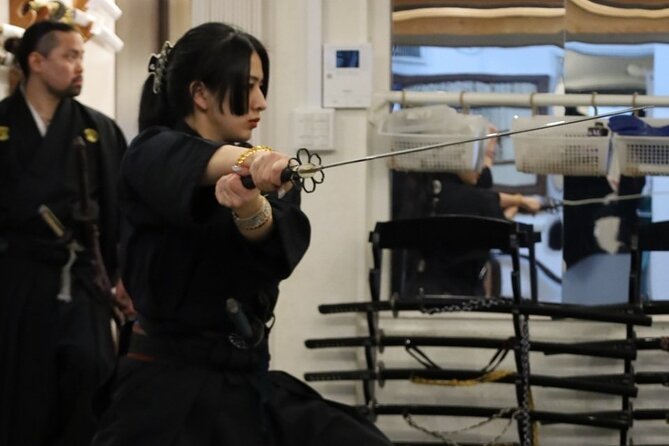
At $195.09 per person, this is not a budget activity. The price makes more sense if you value access to a very small group, several hours of instruction, formal training clothing, and a working dojo environment rather than a short photo stop.
You are paying for a specialized experience with a maximum of three participants. That group size is a real part of the value. Many cultural activities can handle large numbers, but a sword lesson benefits from room, attention, and close observation.
The price is harder to justify if you only want to see a samurai performance. Kyoto has many cultural shows and demonstrations, and this activity includes active training that may not suit someone seeking passive entertainment. It is a better purchase for someone who wants to learn basic movement and watch authentic practice.
The activity is commonly booked about 29 days in advance. That suggests you should plan ahead, especially if you have fixed Kyoto dates. Confirmation arrives within 48 hours of booking, subject to availability, so do not assume that a last-minute request will work with your schedule.
Who should book this dojo session
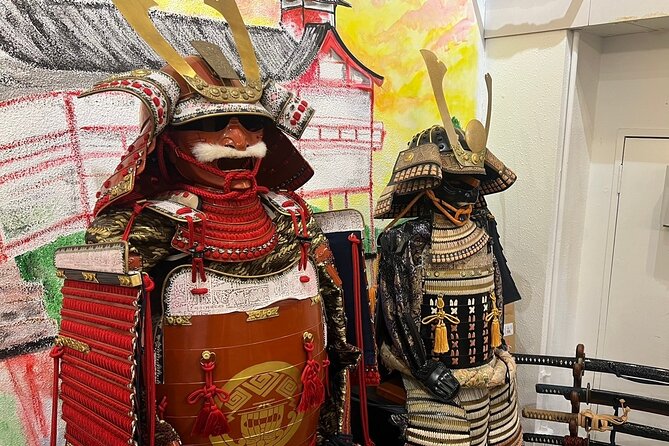
I would recommend this experience to adults and older children, ages 12 and up, who have genuine interest in martial arts or Japanese sword traditions. It is also a good match for people who prefer small, focused activities over large group attractions.
Someone with previous martial arts experience may find the physical instruction easier to follow. The supplied feedback from a participant named Tibor specifically praised the experience after training in several martial arts styles, while noting limited katana experience. That is useful guidance: you do not need years of sword practice, but a background in martial arts can help you appreciate the technical side.
You should think twice if you want to record the session, avoid physical activity, or personally perform test cutting with a real sword. None of those goals fits the stated rules and format.
You should also be ready for a serious tone. This is described as training done alongside local students, not a tourist-only activity built around jokes and staged combat. That seriousness is its strength, but it will not suit everyone.
Practical details before you reserve
The activity lasts about three hours and ends where it starts. It is near public transportation, and the meeting point is in Nakagyo Ward. You receive a mobile ticket, which is useful for keeping the booking details on your phone.
Wear something that works under or with training clothing, and arrive ready for moderate physical activity. The provided information does not state a dress code beyond the supplied dojo garments, so avoid assuming that ordinary sightseeing clothes will be ideal.
No unpaid spectators are allowed. Every person who observes must book and pay, including someone who does not plan to train. This matters if a family member or friend hopes to watch from the side.
Free cancellation is available until 24 hours before the start time. Cancel at least 24 hours ahead for a full refund. Cancellations or changes made inside that window are not accepted, and the cutoff follows local Kyoto time.
Should you book Train Katana with Real Dojo Students in Kyoto?
Book it if you want a serious, small-group introduction to iai and kenjutsu in a real dojo. The combination of local students, full training clothing, real katana cutting demonstrations, and a two-sword performance gives the three-hour session more substance than a typical samurai photo activity.
Skip it if you want a cheap show, a relaxed family diversion for young children, or the chance to cut tatami yourself. At $195.09, the value depends on your interest in disciplined training and close instruction.
For martial arts students, curious beginners aged 12 and older, and anyone who wants a less packaged side of Kyoto, this is a strong choice. Just arrive ready to listen, move, and leave your camera in your pocket.
FAQ
Where does the katana training take place?
The activity starts and ends at 452-4 Matsugaechō, Nakagyo Ward, Kyoto, 604-8034, Japan.
How long does the experience last?
The activity lasts approximately three hours.
What clothing do participants wear?
Participants get dressed in dōgi, obi, and hakama for the training.
What techniques will I learn?
The session includes iai, which involves katana drawing techniques, and kenjutsu, which involves katana fighting techniques.
Can participants cut rolled tatami mats with a real katana?
No. Participants watch the master and students cut rolled tatami mats. Test cutting with a real katana is not offered.
Is video recording allowed?
No. Video recording is not allowed during the experience.
What is the minimum age?
Participants must be at least 12 years old.
Can someone observe without booking?
No. Observing without paying is not allowed. Everyone who attends must book the activity.
Newest Kyoto experiences on the site
- Whisk Your Own Matcha: A Zen Matcha Experience at Temple★ 3.6 · 7 reviews
- Treasures of Kyoto: Gion & historical Walking Tour★ 5.0 · 6 reviews
- Kyoto tea town for matcha lovers★ 5.0 · 16 reviews
- Uji: Private immersion into Kyoto’s tea and reglious culture★ 5.0 · 17 reviews
- Kyoto Matcha Green Tea Tour★ 4.5 · 23 reviews
- Uji and Wazuka Matcha Farm Half Day Private Guided Tour★ 5.0 · 21 reviews
- Utilising upcycled Matcha! Creating matcha incense (Uji, Kyoto)★ 5.0 · 6 reviews
- Sacred Temple Yoga Experience in Japan★ 5.0 · 3 reviews
Kyoto Samurai Experiences, compared.
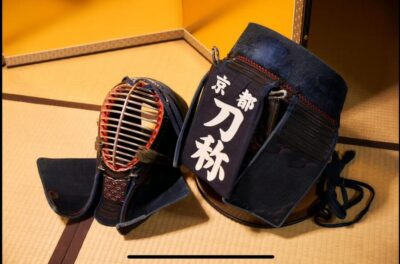
Kendo and Samurai Experience with Uniform and Gear
Read our review →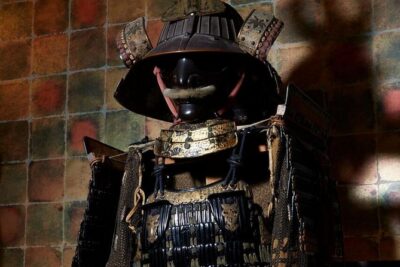
Skip the lines Basic Ticket at SAMURAI NINJA MUSEUM KYOTO
Read our review →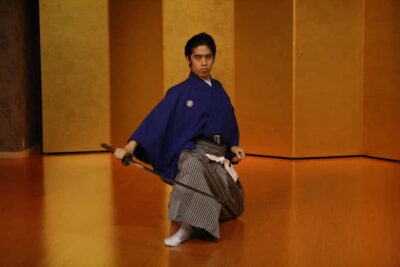
Samurai Training with Modern day Musashi in Kyoto
Read our review →

Private Tea Ceremony and Sake Tasting in Kyoto Samurai House
Read our review →
Kyoto Sword Experience – includes Museum Ticket/Ninja Experience
Read our review →Browse the lists this tour appears in