
Reviewed · KYOTO TEA CEREMONIES
Traditional Tea Ceremony in Kyoto
Kyoto’s tea ceremony is more than a cup of green tea. In this 90-minute experience, Randy Channell Soei introduces you to ryurei, a formal style created for receiving foreign dignitaries. You learn the gestures, etiquette, sweets, and careful preparation behind chanoyu, then make your own bowl of matcha.
I like the hands-on format and the chance to learn from a tea master with an unusual background. I also like that the experience includes Randy’s own Kyoto-grown matcha, traditional sweets, and a group photo without stretching into a half-day commitment.
The main point to consider is the setting. The townhouse room is small, and you sit on benches rather than tatami mats or low tables. If you expect a grand tea house or a highly ceremonial setting, this may feel more like an intimate lesson than a complete historical reenactment.
Key points to know before booking
- Ryurei is formal tea etiquette designed for foreign dignitaries, so you get a useful window into how Japanese hospitality adapts to international visitors.
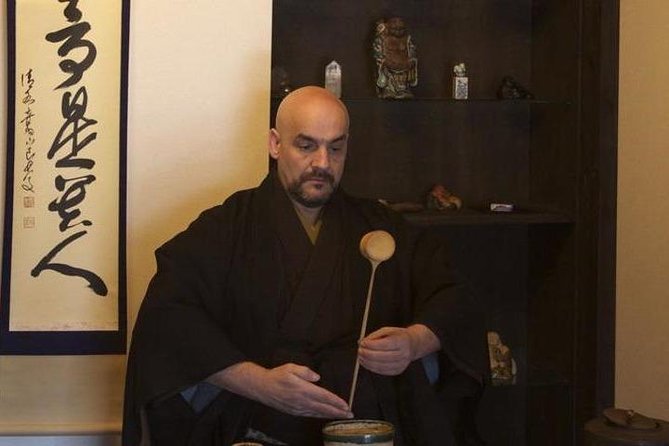
- Randy Channell Soei leads the ceremony, and he is described as the highest-ranked tea master from outside Japan.
- You prepare your own matcha, rather than watching the entire process from a distance.
- Kyoto sweets and original Kyoto-grown matcha are included, adding flavor and context to the lesson.
- The experience lasts about 90 minutes, making it easy to fit into a day of sightseeing.
- Benches replace tatami mats, which helps with comfort but may disappoint anyone seeking a floor-seated ceremony.
Why ryurei gives this Kyoto tea lesson a special angle
Many visitors picture a tea ceremony as a quiet room, a low table, and guests kneeling on tatami. This experience takes a different route. It focuses on ryurei, a formal style that developed in the 1870s for welcoming foreign dignitaries.
That detail matters. Ryurei was designed to make the tea ceremony more accessible to people unfamiliar with Japanese customs. The use of benches and tables is not a random shortcut. It fits the style being taught, even though it may not match the picture you have in mind.
You learn how hospitality is expressed through small actions: how tea is offered, how sweets are served, how guests respond, and how the tools are handled. The ceremony gives you a framework for understanding chanoyu instead of treating matcha as just another Japanese drink.
I find that useful because tea ceremony can seem mysterious when you only watch it. The formal movements are slow and exact, but the lesson helps explain what those movements mean. You are not simply told that every gesture matters. You get a chance to see how the parts fit together.
More tea ceremonies in Kyoto:
- Kyoto: Tea Ceremony in a Traditional Tea House in Kiyomizu
★ 4.9 · 3,519 reviews - Kyoto: Tea Ceremony Ju-An at Jotokuji Temple
★ 4.9 · 3,207 reviews - Kyoto: 45-Minute Tea Ceremony Lesson Experience
★ 4.3 · 2,378 reviews
Meeting Randy Channell Soei in central Kyoto
The experience takes place at Ran Hotei, at 64 Kamikawara-cho in Nakagyo Ward. It is near public transportation, but getting there is your responsibility because transportation is not included.
The host, Randy Channell Soei, is a notable figure in Kyoto’s tea world. He is described as the highest-ranked tea master from outside Japan, which gives the class an unusual point of interest for visitors who want to learn from someone with a strong connection to both Japanese tea culture and an international audience.
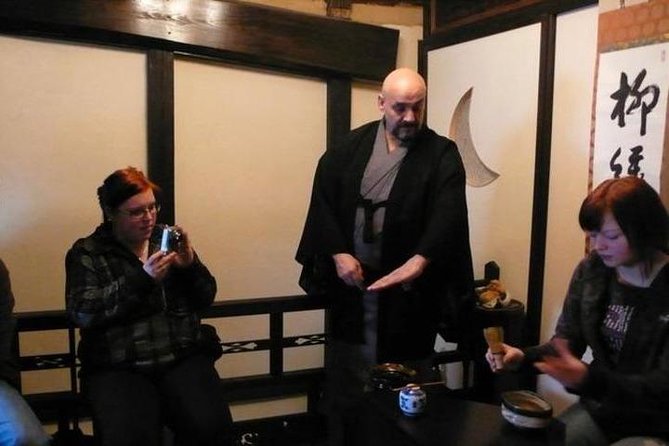
The information provided does not promise a private session. The maximum group size is 25 people, so the room could feel lively rather than silent and secluded. At the same time, the small townhouse setting may help keep the lesson personal. Your experience will depend partly on the group that day.
You should allow enough time to find the meeting point, especially if you are coming from another part of Kyoto. The activity begins and ends at the same place, so you do not need to plan for a separate drop-off.
What happens during the 90-minute ceremony
The session introduces you to a formal tea ceremony from beginning to end. You study the order of the ceremony, the conduct expected from guests, and the role of matcha and sweets in the exchange.
The lesson is not only about preparing a drink. Japanese tea ceremony treats the setting, the host, the guest, and the equipment as parts of one act of hospitality. Even in a short session, you can see why the ceremony has its own etiquette.
You will learn how to receive tea and how to approach it respectfully. The exact amount of instruction and explanation may depend on the group, but the stated focus is broad enough to cover both the ceremony itself and the customs surrounding it.
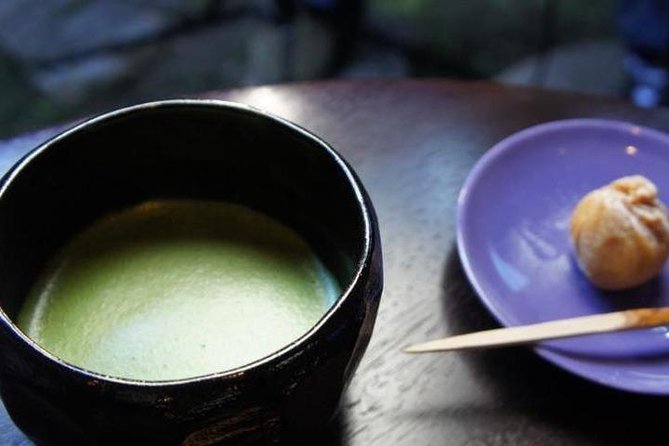
The experience also includes Randy Sensei’s original Kyoto-grown matcha. That gives you a chance to taste the tea used in the lesson rather than receiving an unrelated beverage. Matcha can have a strong, grassy flavor, so the sweets are an important part of the experience, not just an extra snack.
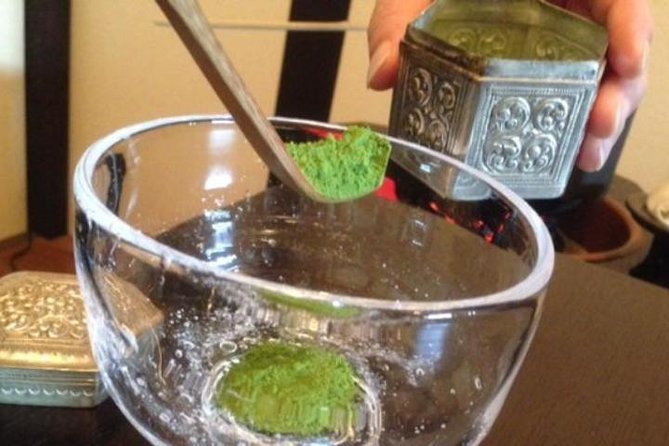
Preparing your own bowl of matcha
The most active part comes when you make your own bowl of matcha. This is a real advantage over a demonstration where you only watch the host work.
You get to handle the process and see how much care goes into turning powdered tea into a smooth drink. You also learn why the ceremony places so much attention on tools, movement, and timing. Even if your first bowl is not perfect, making it yourself helps the method stick.
One participant described learning to prepare matcha and discovering a new appreciation for the tea. That is a useful clue about the experience’s practical value. You may leave with more than a pleasant memory. You may also feel comfortable enough to make matcha again.
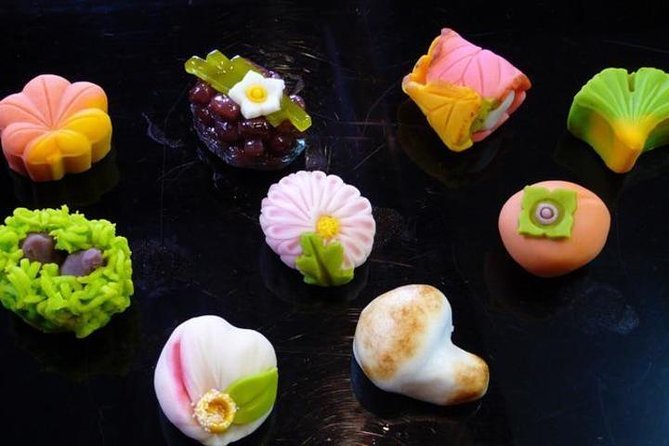
The session includes traditional sweets from well-known Kyoto makers. These sweets balance the tea and show how taste works within the ceremony. Their purpose is not simply to fill time before the matcha. They prepare your palate and form part of the formal exchange between host and guest.
A few more Kyoto tours worth putting on the shortlist
- PERFECT KYOTO 1-Day Bus Tour
★ 5.0 · 13,518 reviews - Kyoto: Fushimi Inari, Kinkakuji, Bamboo Grove 1 Day Bus Tour
★ 4.8 · 4,316 reviews - Kyoto Geisha Walking Tour: Gion District & Hidden Gems
★ 4.7 · 3,273 reviews - Kyoto: Gion Magical Night Walking Tour with Geisha Trivia
★ 4.9 · 2,393 reviews
The small townhouse setting and bench seating
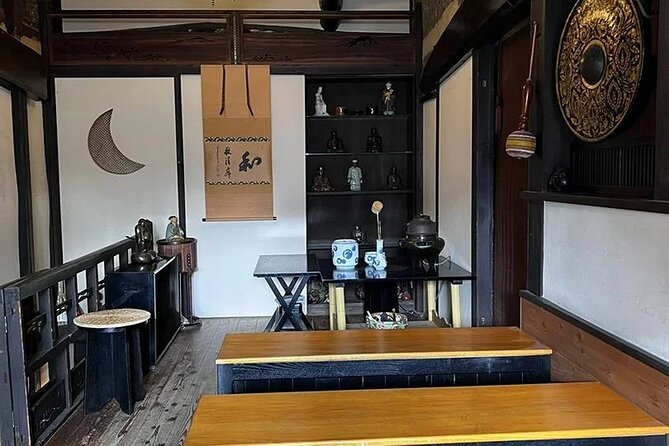
The venue is one of the areas where expectations matter most. The room is described as small, and seating is on benches rather than tatami mats or low tables.
For some people, this is a benefit. Bench seating is easier for anyone who does not want to kneel or sit on the floor. It also fits the ryurei style, which was created in part for international visitors and formal diplomatic hospitality.
For others, the arrangement may feel less traditional. If you want to sit in seiza on tatami and experience the physical setting associated with a classic tea room, this is not that version of the ceremony. The small room may also make the event feel less grand than expected.
I would think of the setting as a practical teaching space rather than a museum display. The focus is on learning the customs and trying the tea, not on staging a large production. That can be a fair trade for visitors who value explanation and participation over atmosphere.
How authentic is this tea ceremony?
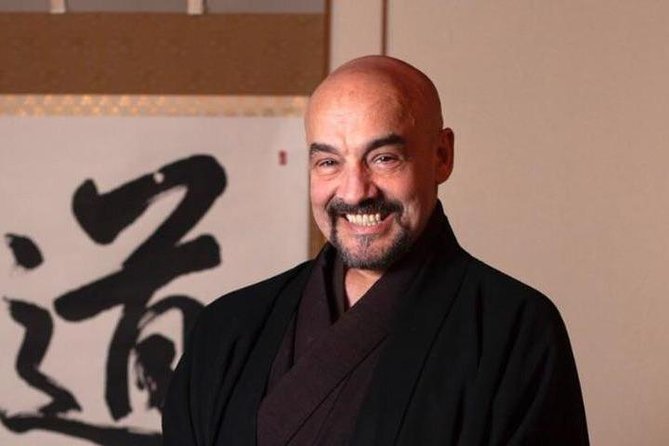
Authenticity depends on what you want from the word. This is presented as a proper ceremony led by a qualified tea master, using a recognized style of tea hospitality and including formal etiquette. In that sense, it offers genuine instruction in a traditional practice.
It is not a full replica of every tea ceremony you might encounter in Japan. The bench seating, small room, and international focus make it more approachable. The format is built to welcome people who may know little about chanoyu.
The ryurei style itself is the key. Because it was developed for foreign dignitaries, using chairs or benches does not automatically make the experience less authentic. It reflects a different branch of tea ceremony rather than a casual substitute.
Still, you should book with clear expectations. You are buying a guided introduction and hands-on lesson, not an extended, silent ceremony in a secluded tea garden. If you want cultural context and a chance to prepare matcha, this format makes sense. If you want a highly atmospheric setting, you may find the room too modest.
Is $56.34 a fair price?
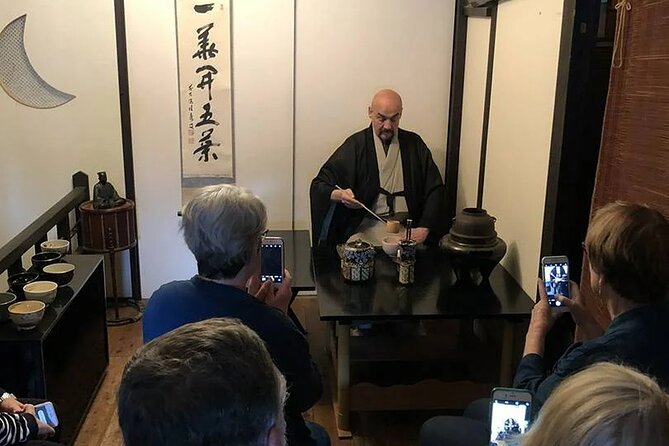
At $56.34 per person, the experience is not the cheapest way to drink matcha in Kyoto. You are paying for a 90-minute lesson with a tea master, not just for a bowl of tea and a sweet.
The price includes the ceremony, Randy’s Kyoto-grown matcha, traditional sweets, your own matcha preparation, and a group photo. That package gives the cost reasonable value for someone who wants structured cultural instruction.
The value is strongest if you are curious about etiquette. You get explanations that can help you notice tea customs elsewhere in Japan. The chance to prepare your own tea also adds a practical element that a simple tasting would not offer.
The value is weaker if you mainly want a dramatic setting or a long ceremony. The short duration and small townhouse may leave you wishing for more time, especially if you already know something about Japanese tea.
Group discounts are available, although the specific savings are not provided. If you are booking with family or friends, check the final price before payment. A mobile ticket is also available, which keeps the booking simple once your confirmation arrives.
Who will enjoy this experience most?
I would recommend it to first-time visitors who want a clear introduction to tea ceremony without giving up most of a sightseeing day. Ninety minutes is enough to learn the basics and still leave time for temples, gardens, shopping, or dinner.
It suits people who like to participate. You will not be limited to sitting quietly while an expert performs each step. Preparing your own bowl of matcha gives the session a small workshop feel.
It also works well for visitors interested in cultural etiquette. The lesson explains how to behave as a guest and why the ceremony follows such careful rules. That context can make later encounters with Japanese customs easier to understand.
Families and mixed-age groups may appreciate the bench seating, although the group size can reach 25 people. People who have difficulty sitting on tatami should find the seating arrangement more practical.
I would be more cautious about booking it if your main goal is photography, luxury, or a grand traditional interior. The group photo is included, but the room is small and the ceremony is built around instruction rather than spectacle.
Timing, transport, and practical details
You need to arrange your own transportation to Ran Hotei. The meeting point is near public transportation, and the activity returns there at the end.
Confirmation arrives within 48 hours of booking, subject to availability. Since the experience is often booked 61 days in advance, reserve ahead if your Kyoto schedule is fixed.
The tour accepts mobile tickets, and most people can participate. Kimono rental or dressing is not included, so wear ordinary clothing unless you arrange a kimono separately.
You can cancel for a full refund up to 24 hours before the local start time. Changes or cancellations made less than 24 hours before the start are not accepted for a refund.
Should you book this Kyoto tea ceremony?
Book it if you want a practical, well-contained introduction to Japanese tea ceremony, especially one that lets you prepare your own matcha. Randy Channell Soei, the ryurei style, Kyoto-grown tea, and traditional sweets give the session more substance than a quick café tasting.
Think twice if you want a large, ornate tea house, floor seating, or a long private ceremony. The small room and benches are important parts of the experience, not minor details.
For most first-time visitors, I see this as a useful Kyoto cultural stop. It gives you the rules, the flavors, and the reasons behind the ritual in about an hour and a half. Go expecting an intimate lesson in formal hospitality, and the price makes good sense.
FAQ
Where does the tea ceremony take place?
It takes place at Ran Hotei, 64 Kamikawara-cho, Nakagyo Ward, Kyoto, 604-8374, Japan.
How long does the experience last?
The tea ceremony lasts approximately 1 hour and 30 minutes.
Who leads the tea ceremony?
Randy Channell Soei leads the experience. He is described as the highest-ranked tea master from outside Japan.
What style of tea ceremony is taught?
The experience teaches ryurei, a formal style of tea ceremony that dates back to the 1870s and was used for welcoming foreign dignitaries.
Do I get to make my own matcha?
Yes. The experience includes preparing your own bowl of matcha.
Are tea and sweets included?
Yes. The price includes Randy Sensei’s original Kyoto-grown matcha and traditional sweets from Kyoto makers.
Will I sit on tatami mats?
No. Seating is on benches rather than tatami mats or low tables.
Is transportation included?
No. You must arrange your own transportation to and from the meeting point. The activity ends at the same place where it begins.
What is the cancellation policy?
You can cancel at least 24 hours before the local start time for a full refund. Cancellations or changes made less than 24 hours before the start are not accepted for a refund.
Newest Kyoto experiences on the site
- Treasures of Kyoto: Gion & historical Walking Tour★ 5.0 · 6 reviews
- Whisk Your Own Matcha: A Zen Matcha Experience at Temple★ 3.6 · 7 reviews
- Kyoto tea town for matcha lovers★ 5.0 · 16 reviews
- Uji: Private immersion into Kyoto’s tea and reglious culture★ 5.0 · 17 reviews
- Kyoto Matcha Green Tea Tour★ 4.5 · 23 reviews
- Uji and Wazuka Matcha Farm Half Day Private Guided Tour★ 5.0 · 21 reviews
- Utilising upcycled Matcha! Creating matcha incense (Uji, Kyoto)★ 5.0 · 6 reviews
- Sacred Temple Yoga Experience in Japan★ 5.0 · 3 reviews
Kyoto Tea Ceremonies, compared.
Tea Ceremony in a Traditional Tea House in Kiyomizu
Read our review →
Tea Ceremony in 100-year-old Kyo-Machiya Townhouse
Read our review →
Browse the lists this tour appears in