
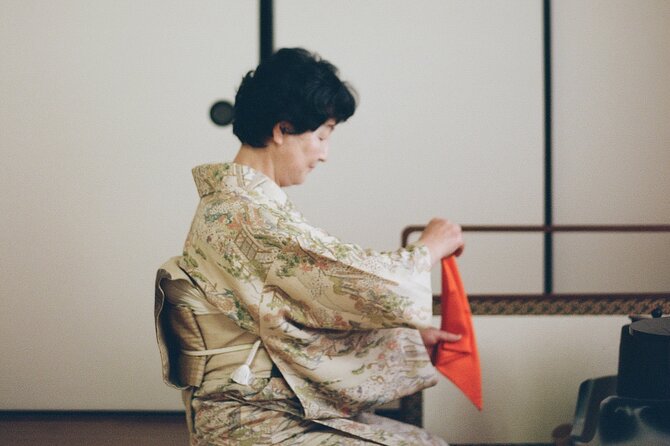
Reviewed · KYOTO TEA CEREMONIES
Tea ceremony by the tea master in Kyoto SHIUN AN
Kyoto’s tea ceremony is less about drinking tea than learning how every small movement carries meaning. At SHIUN AN, a qualified tea master introduces the room, utensils, seasonal flowers, sweets, and careful steps before letting you make your own matcha. The setting near Daitoku-ji Temple gives the lesson a fitting Zen connection.
I like the small group size, normally no more than six, and the chance to make your own bowl instead of only watching. I also like the calm residential setting, far from Kyoto’s busiest streets. The main drawback is practical: the house can be hard to find, and sitting on the floor or climbing stairs may be uncomfortable for some people.
Key points to know before booking
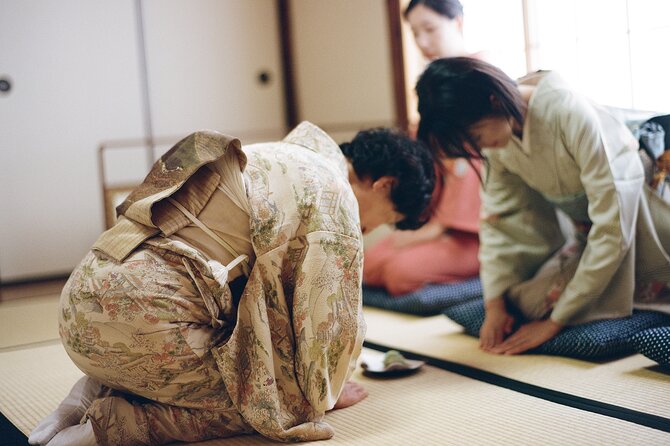
- Two bowls of matcha and two Japanese sweets: You watch the formal service, then prepare your own tea.
- A tea master with full professor qualification: Each master has a tea name, reflecting advanced standing in the tea tradition.
- Small-group setting: Sessions usually allow up to six people, with a maximum of eight during peak periods.
- Near Daitoku-ji and four bus stops from Kinkaku-ji: This fits well with a northern Kyoto sightseeing day.
- English interpretation helps: The explanation covers the gestures, utensils, room layout, and cultural meaning.
- Bring patience for the location and seating: The neighborhood is quiet, but finding the house takes care.
A tea lesson with a Zen connection
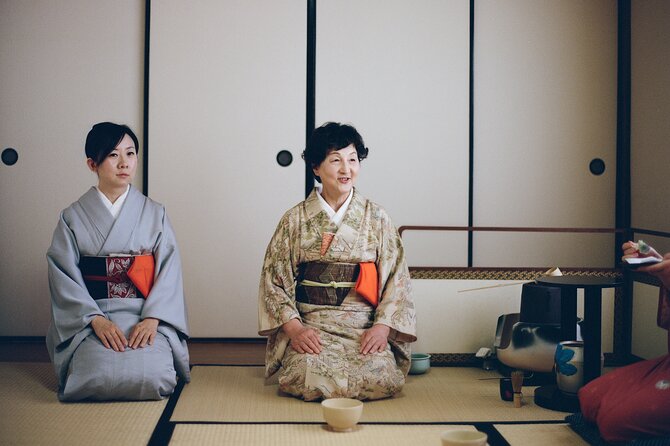
The most appealing part of this experience is its sense of purpose. You are not simply shown how to whisk green tea. You learn why the host moves slowly, why the room is arranged in a certain way, and why a hanging scroll or a seasonal flower matters.
The ceremony is linked to Zen ideas of attention and self-discovery. That does not mean you need to be religious or already understand Zen. It simply gives the activity more weight than a quick demonstration followed by a cup of tea.
SHIUN AN is in northern Kyoto, close to Daitoku-ji, a major Zen Buddhist temple complex with longstanding ties to tea culture. Kinkaku-ji, the Golden Pavilion, is also nearby by bus, about four stops away. That location makes this a useful addition to a day spent in the northwestern part of the city, rather than an activity you must cross Kyoto for on its own.
More tea ceremonies in Kyoto:
- Kyoto: Tea Ceremony in a Traditional Tea House in Kiyomizu
★ 4.9 · 3,519 reviews - Kyoto: Tea Ceremony Ju-An at Jotokuji Temple
★ 4.9 · 3,207 reviews - Kyoto: 45-Minute Tea Ceremony Lesson Experience
★ 4.3 · 2,378 reviews
What happens during the 45-minute session
The experience begins as you enter the tea room and take in its details. The host points out the hanging scroll, flowers, and arrangement of the room before the formal preparation starts.
This introduction matters. In a Japanese tea ceremony, the room is not a blank backdrop. Its decoration changes with the season, and each item helps set the mood for the gathering. You get a short lesson in reading the space before focusing on the tea itself.
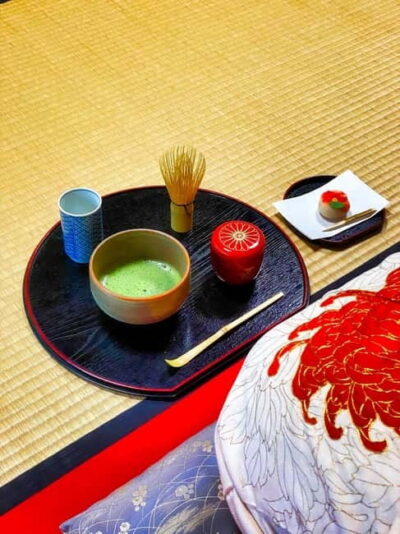
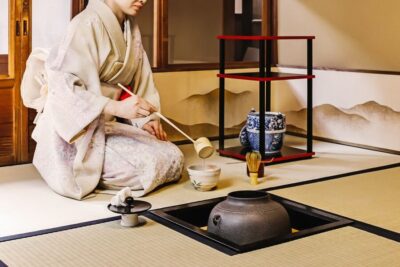
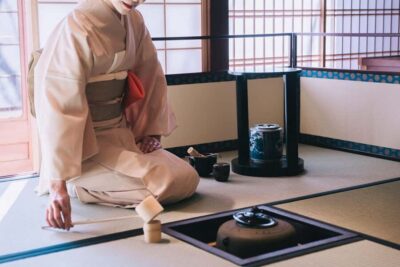
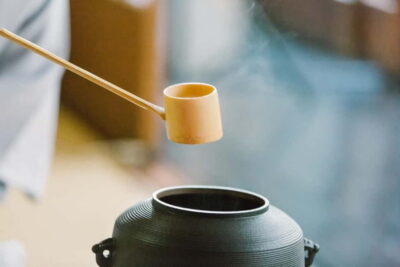
The tea master then explains the utensils. You will see the tea container, tea bowl, tea scoop, and bamboo whisk used during the ceremony. You are also provided with white socks and a folding fan, items connected with proper conduct in the tea room.
Next comes the formal serving of matcha with a seasonal Japanese sweet. The pace is deliberate. You watch the tea master handle the tools, measure the powdered tea, add water, and whisk it into a smooth drink.
The English interpretation is an important part of the experience. Without explanation, the gestures can look mysterious or overly precise. With context, you can follow the order of events and understand that the ceremony is built around care, respect, and attention.
The session finishes with hands-on practice. Each person has the opportunity to prepare a bowl of matcha. You use the whisk and follow the basic movements shown by the tea master. Your tea may not have the same smooth finish as the master’s, but that contrast is part of the fun. It shows how much practice goes into the craft.
You receive two bowls of matcha in total and two kinds of Japanese sweets. One serving is connected to the formal presentation, and the other accompanies the wider lesson and practice. The sweets are not just refreshments. They balance the bitter, grassy taste of matcha and form part of the traditional rhythm of the ceremony.
Why the tea master matters
The instructors at SHIUN AN have tea names, described as reflecting full professor qualification. That signals serious training rather than a simple demonstration prepared for tourists.
You do not need prior experience. The host explains the process and answers questions after the demonstration and hands-on exercise. The teaching is patient, which helps if you are unfamiliar with Japanese customs or unsure how to sit, bow, hold the bowl, or use the whisk.
One of the strongest features is the balance between formality and welcome. The ceremony follows traditional steps, but the atmosphere is not presented as a test. The host and assistant help you take part without making you feel that a small mistake ruins the experience.
The English interpreter also helps with questions and historical context. This is especially useful because tea ceremony vocabulary and etiquette can be difficult to understand from gestures alone. If you want more than a photo in a kimono, the interpretation gives the session real value.
The small-group advantage
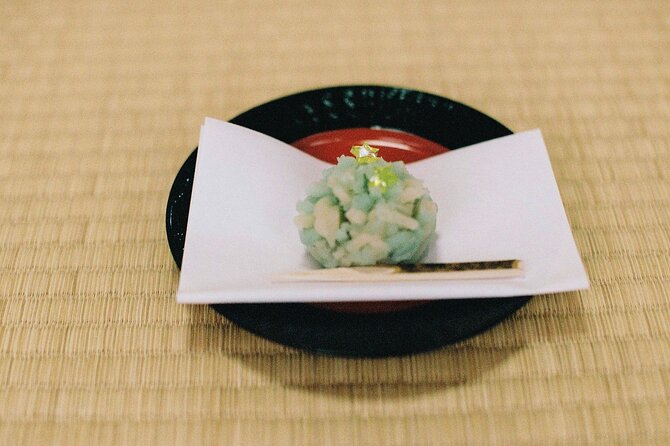
The normal maximum is six people. That is a good size for a room-based cultural activity. You can see the utensils clearly, hear the explanation, and receive attention during the matcha-making practice.
During busy seasons, the group may grow to eight. That is still fairly contained, but the room may feel less intimate than it does with only a few participants. If a quiet, almost private session appeals to you, ask about availability before booking, although the schedule and group size are not guaranteed.
A small group also makes it easier to ask practical questions. You can ask about the purpose of the fan, the way to receive the bowl, or why the decoration changes. The experience works best when you treat it as a lesson rather than a performance.
Some sessions may have very few people. That can create a particularly still atmosphere, but you should not book expecting a private ceremony unless the arrangement specifically says so.
A few more Kyoto tours worth putting on the shortlist
- PERFECT KYOTO 1-Day Bus Tour
★ 5.0 · 13,518 reviews - Kyoto: Fushimi Inari, Kinkakuji, Bamboo Grove 1 Day Bus Tour
★ 4.8 · 4,316 reviews - Kyoto Geisha Walking Tour: Gion District & Hidden Gems
★ 4.7 · 3,273 reviews - Kyoto: Gion Magical Night Walking Tour with Geisha Trivia
★ 4.9 · 2,393 reviews
Getting there near Daitoku-ji
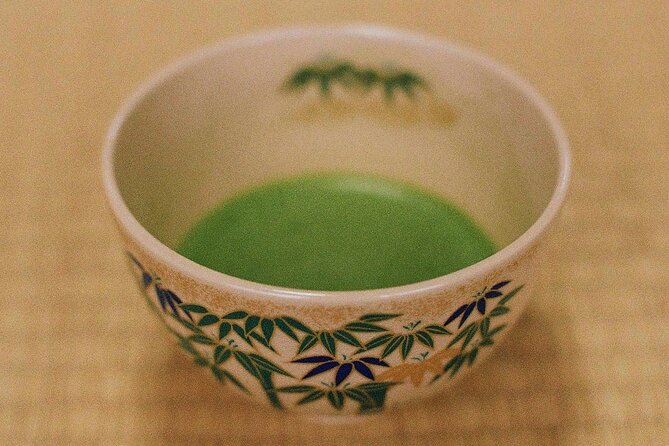
The meeting point is 955-1 Idacho, Kamigyo Ward, Kyoto, postal code 602-8302. The activity begins and ends there, with no pickup or drop-off service.
This is not in central Gion, and you should allow extra time to reach it. Several people have found the location difficult to locate, especially in the quiet residential streets. Google Maps and local buses are useful, but do not plan to arrive at the last minute.
One practical approach is to use public transportation to reach the nearest convenient station or bus stop, then take a taxi or rideshare for the final stretch. A taxi from a nearby station was reported as costing about 1,000 yen, though your fare will depend on the route and current conditions.
The location is close to Daitoku-ji and not far from Kinkaku-ji. You can pair the ceremony with those sights, but check your route and allow time between them. Kyoto’s buses can be slow, especially during busy periods.
The quiet neighborhood is part of the appeal. You leave behind the heavy sightseeing traffic and arrive in a more ordinary part of Kyoto. Still, that calm setting comes with a tradeoff: the house is less obvious than a large attraction or hotel.
Sitting on the floor and other comfort notes
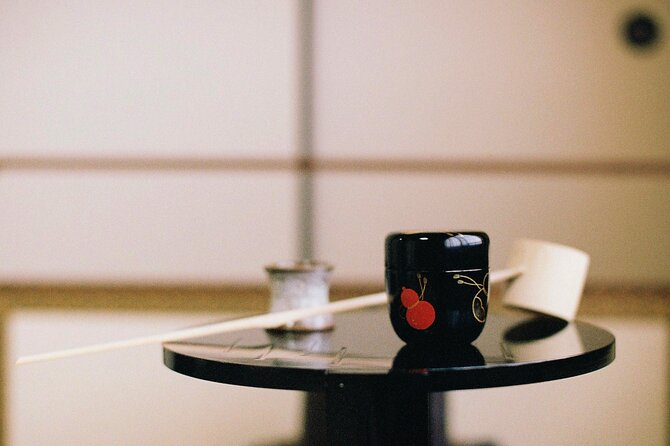
The ceremony takes place in a traditional room, so floor sitting is part of the experience. One person noted difficulty sitting in the preferred position for the full time. Another appreciated that the host made the ceremony comfortable for someone who could no longer sit on the floor.
If you have knee, hip, or back concerns, contact the provider before booking and explain what you need. Do not assume that traditional seating will be easy simply because the session lasts about 45 minutes.
Stairs can also be a concern. One person found the stairs difficult and wished that information had been clearer before arrival. The supplied white socks are useful on tatami, but they do not change the physical demands of the house.
Service animals are allowed. Food allergies should be reported in advance because Japanese sweets are included. The experience does not list hotel pickup, transportation, or drop-off as part of the price.
What makes the setting feel authentic
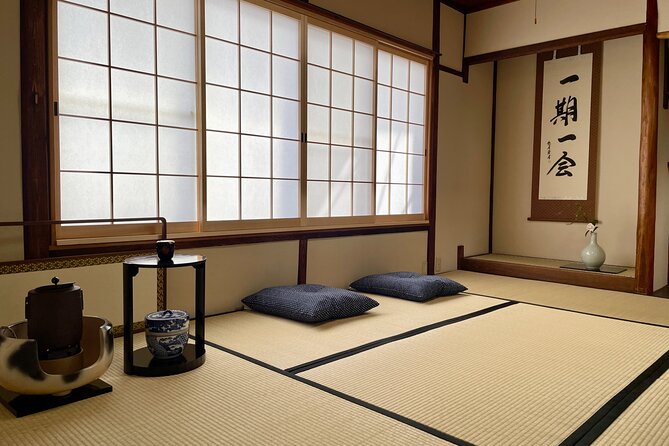
The appeal here is not luxury. It is the sense that the tea ceremony takes place in a real traditional environment rather than on a stage built for a large crowd.
The tea room’s scroll, flower arrangement, utensils, and layout all have a role. You are encouraged to notice those details before the tea is served. That approach gives you a better understanding of why Japanese tea ceremony culture has influenced art, architecture, manners, and daily life.
The connection to Daitoku-ji adds useful context. The temple has a strong association with Zen Buddhism and produced many important priests over time. Tea ceremony developed close to these religious and artistic traditions, so the setting helps explain why the experience feels measured and reflective.
You should not expect a tour of Daitoku-ji itself. The temple is a nearby point of interest, not part of the 45-minute session. Plan a separate visit if you want to explore its grounds.
Is $33.03 good value?
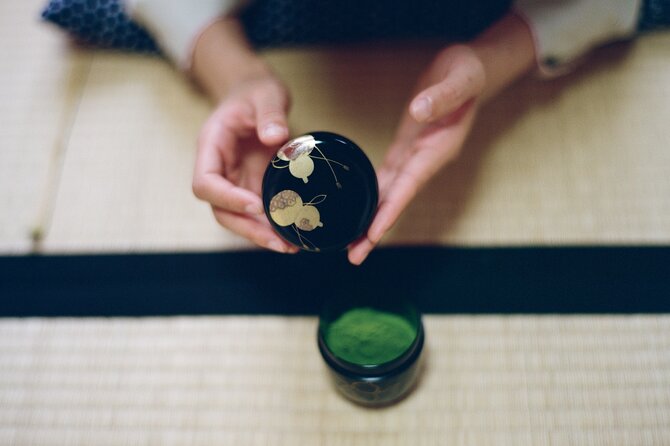
At $33.03 per person, this is a reasonable price for a short cultural activity in Kyoto. You receive instruction from a highly trained tea master, English interpretation, two bowls of matcha, two Japanese sweets, use of the utensils, and a chance to make tea yourself.
The value depends on what you want. If you only want to taste matcha, you can find cheaper options. If you want a polished photo opportunity with little explanation, other experiences may fit better. Here, the price pays for teaching, setting, ceremony, and participation.
The 45-minute length is also practical. It is long enough to explain the basics without taking half a day from your sightseeing schedule. You can fit it before or after Daitoku-ji or Kinkaku-ji, provided you plan transportation carefully.
The 4.8 rating from 76 reviews and 96 percent recommendation suggest strong satisfaction, especially with the warmth of the host, the clarity of the interpreter, and the peaceful setting. I would still treat the rating as a guide, not a guarantee of a private or perfectly comfortable session. Group size, seating, and navigation can affect your experience.
Who will enjoy SHIUN AN most?
I recommend this for you if you want a cultural activity that explains what you are seeing. It suits first-time visitors to Kyoto, matcha fans, couples, families with older children, and anyone interested in traditional Japanese arts.
It is also a good choice if you prefer a quieter neighborhood to a busy downtown venue. The calm atmosphere gives the ceremony room to breathe, and the hands-on portion keeps the session from becoming passive.
Families should consider the 45-minute pace and the need for respectful behavior in the tea room. A child who enjoys making things or learning about Japanese culture may have a good time. A child who needs constant movement may find the ceremony slow.
You might choose another activity if you need step-free access, cannot sit on the floor, want a central Kyoto location, or dislike bitter green tea. The host can provide sweets, but matcha remains the focus.
Booking and cancellation details
You receive confirmation when you book, and the ticket is mobile, so there is no need to collect a paper voucher. The experience has a minimum number of participants. If that minimum is not met and the session is canceled, you will be offered another date or experience, or receive a full refund.
You can cancel for a full refund up to 24 hours before the start time. Cancellations or changes made less than 24 hours before the start time are not accepted for a refund. The cut-off follows local Kyoto time.
Arrive early. The address can be tricky to find, and missing the start may mean missing the explanation that gives the ceremony its meaning.
Should you book this tea ceremony?
Book SHIUN AN if you want to understand the tea ceremony, not just watch someone whisk matcha. The tea master’s training, English interpretation, small group, traditional room, sweets, and hands-on preparation make this a well-priced introduction to one of Kyoto’s most distinctive customs.
Give yourself extra travel time, prepare for floor seating, and contact the provider about allergies or mobility needs. If those points work for you, this is a thoughtful choice for a northern Kyoto day, especially alongside Daitoku-ji and Kinkaku-ji.
FAQ
How long does the tea ceremony last?
The experience lasts approximately 45 minutes.
Where does the activity take place?
It starts at 955-1 Idacho, Kamigyo Ward, Kyoto, 602-8302, Japan, and ends at the same meeting point.
How many people can join each session?
The usual maximum is six people. During peak seasons, the group may increase to eight.
Is matcha included?
Yes. You receive two bowls of matcha during the ceremony.
Are Japanese sweets included?
Yes. Two kinds of Japanese sweets are included.
Do I get to make my own matcha?
Yes. The tea master demonstrates the process, then each person has the opportunity to make a bowl of matcha using the provided tea bowl, scoop, container, and whisk.
Is transportation included?
No. Pickup and drop-off are not included. You must make your own way to and from the meeting point.
Can I cancel for a full refund?
Yes, if you cancel at least 24 hours before the experience starts. Cancellations and changes made less than 24 hours before the start time are not accepted for a refund.
Newest Kyoto experiences on the site
- Treasures of Kyoto: Gion & historical Walking Tour★ 5.0 · 6 reviews
- Whisk Your Own Matcha: A Zen Matcha Experience at Temple★ 3.6 · 7 reviews
- Kyoto tea town for matcha lovers★ 5.0 · 16 reviews
- Uji: Private immersion into Kyoto’s tea and reglious culture★ 5.0 · 17 reviews
- Kyoto Matcha Green Tea Tour★ 4.5 · 23 reviews
- Uji and Wazuka Matcha Farm Half Day Private Guided Tour★ 5.0 · 21 reviews
- Utilising upcycled Matcha! Creating matcha incense (Uji, Kyoto)★ 5.0 · 6 reviews
- Sacred Temple Yoga Experience in Japan★ 5.0 · 3 reviews
Kyoto Tea Ceremonies, compared.
Tea Ceremony in a Traditional Tea House in Kiyomizu
Read our review →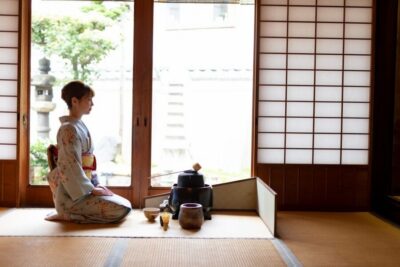
Tea Ceremony in 100-year-old Kyo-Machiya Townhouse
Read our review →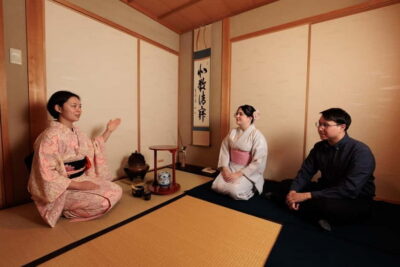
Browse the lists this tour appears in