Reviewed · KYOTO TOURS
Strengthen the immunity!! Making miso in Japanese old house.
The clever idea here is okara miso, made with soybean pulp that is often discarded instead of the usual long soybean preparation. I like the hands-on work and the chance to take home about 500 grams of your own batch. I also like the tasting, which includes miso soup, miso paste, and okara mochi.
The main limitation is the short one-hour format. You make the miso quickly, but the finished flavor needs more than three months of fermentation, so this is an introduction rather than a full lesson in traditional miso production.
Key points at a glance
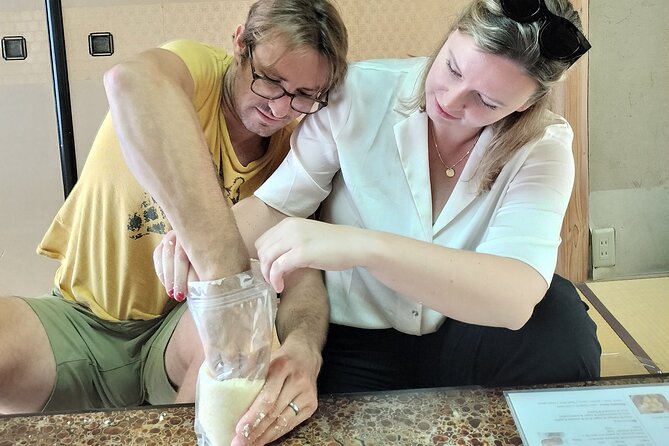
- Make okara miso by hand: Mix the ingredients yourself under Naomi’s direction.
- Taste three miso-based foods: Try miso soup, miso paste, and okara mochi during the class.
- Take home 500g: Your handmade miso continues fermenting after the session.
- Meet in an old Kyoto residence: The setting gives the lesson a domestic, local feel.
- Small group of up to six: The size suits a practical class where you need guidance.
- Wellness-focused instruction: Learn about miso, gut health, koji seasoning, and simple food choices.
Making miso from an ingredient often thrown away
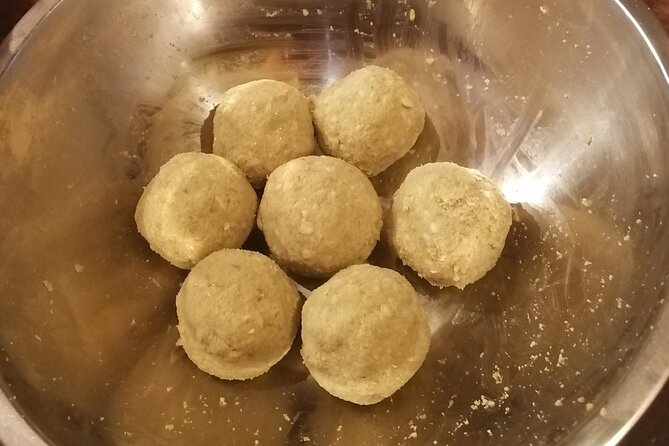
The most interesting part of this Kyoto class is not simply making miso. It is learning a different way to make it.
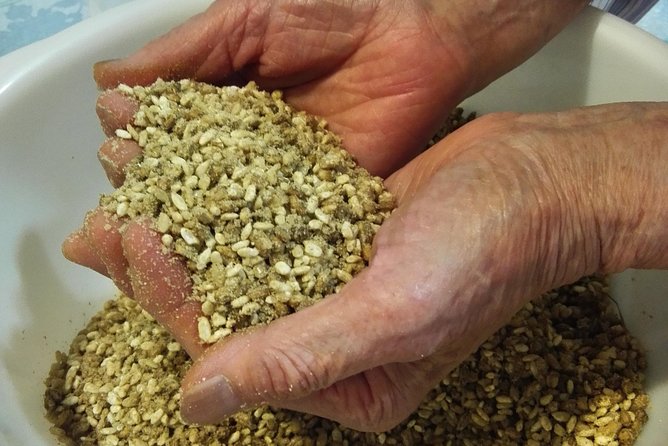
Traditional miso starts with dried soybeans. They must soak in water for about a day, boil until soft, and then be mashed. That is worthwhile work, but it is too slow for a one-hour visitor activity. This class uses okara instead. Okara is soybean pulp, sometimes described here as soybean skin, left over from soybean processing.
The result is a faster method with an environmental angle. A food that can be treated as industrial waste becomes the base for something useful in your kitchen. I like that the class connects food craft with practical resource use, without asking you to spend an entire day preparing beans.
You should keep the health claims in proportion. Miso is a traditional fermented food and is described as nutrient-rich, but this is not a medical treatment. The class presents it as part of a wellness-minded diet, not as a guaranteed way to prevent illness or strengthen immunity.
A few more Kyoto tours worth putting on the shortlist
- PERFECT KYOTO 1-Day Bus Tour
★ 5.0 · 13,518 reviews - Kyoto: Fushimi Inari, Kinkakuji, Bamboo Grove 1 Day Bus Tour
★ 4.8 · 4,316 reviews - Kyoto: Tea Ceremony in a Traditional Tea House in Kiyomizu
★ 4.9 · 3,519 reviews
Meeting Naomi in an old Kyoto house
The class takes place at Kaze no Waon, at 14 Utanokitanoinchō in Kyoto’s Ukyo Ward. The activity begins and ends at this same location, and the venue is near public transportation.
The setting matters. Making a traditional seasoning in an old Japanese residence feels more connected to everyday food culture than preparing it in a modern demonstration kitchen. You are not only hearing about miso in the abstract. You are handling ingredients in a home-style setting and learning how the seasoning fits into ordinary cooking.
Naomi leads the class. She has worked as a massage therapist for 20 years and also teaches Japanese tea and cooking. That background explains the class’s wider focus on body, mind, food, and daily habits. You can expect the lesson to include more than a recipe. Naomi also talks about the intestinal environment and ways to support a wellness-oriented lifestyle.
The small maximum of six people is a real advantage here. Miso-making requires mixing and handling ingredients, so a crowded room would make the class less useful. With up to six participants, you should have a better chance to follow Naomi’s directions and ask questions as you work.
The one-hour class, step by step
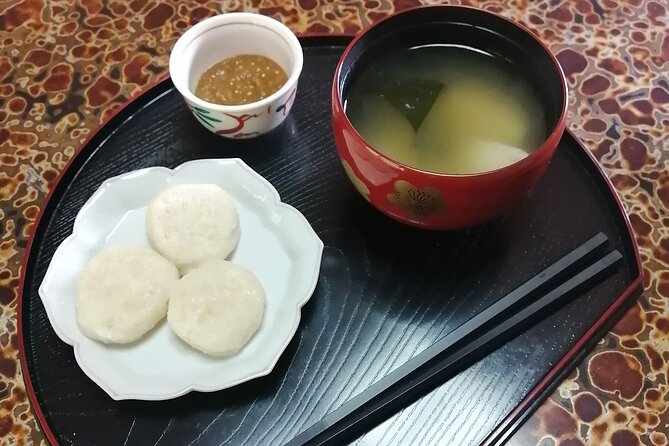
You are asked to arrive at your reserved time. The class begins with an explanation of miso, its benefits, and the basic method of making it.
This opening gives you useful context before the hands-on work starts. You learn why miso is important in Japanese cooking and how fermentation changes the ingredient over time. The class also discusses gut health, which places miso within a broader conversation about food and wellness.
Next comes the practical part: making okara miso. Naomi directs you as you mix the ingredients. This is not a demonstration where you sit and watch someone else do the work. You take part in preparing your own batch.
The method is designed to be simple and quick. That makes it suitable for a short Kyoto activity, families, and anyone curious about Japanese food but not ready for a long cooking course. At the same time, the fast method means you should not expect to master every traditional miso technique in one hour.
A useful point to understand is the difference between making the mixture and finishing the fermentation. You prepare the miso during the class, but it needs more than three months to ferment. The take-home container is therefore part of the experience’s second act. Your class ends after the preparation, but the food continues developing at home.
Tasting miso soup, paste, and okara mochi
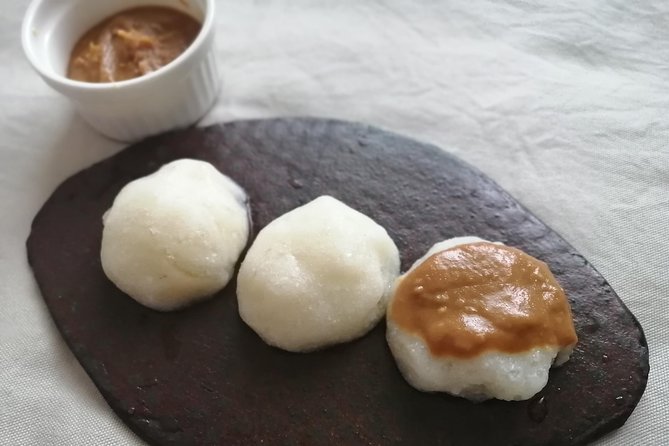
The tasting section gives you a chance to understand miso in several forms. You try miso soup, sample miso paste, and taste okara mochi.
Miso soup is the familiar starting point. It shows how the seasoning works in a simple dish rather than as an ingredient discussed only in theory. Tasting the paste lets you focus on the miso itself. Okara mochi adds a different texture and gives you another example of how soybean pulp can be used.
One especially useful detail is that the tasting is not limited to the finished condiment. You see how a Japanese food instructor can use related ingredients in different ways. That makes the class more practical for anyone hoping to bring Japanese cooking ideas into their own kitchen.
The tasting also helps if you are new to fermented foods. You can sample the flavors before deciding how you might use your own batch. I would pay attention to the balance of salt, texture, and savory flavor, then ask Naomi how the taste may change during the three-month fermentation period.
One past class participant particularly enjoyed the handmade mochi and was encouraged to try making it independently. That small detail shows the lesson can extend beyond the main miso project. Still, the advertised take-home item is the 500 grams of miso, not a separate mochi-making kit.
Same city, a completely different kind of day:
- Kyoto Geisha Walking Tour: Gion District & Hidden Gems
★ 4.7 · 3,273 reviews - Kyoto: Tea Ceremony Ju-An at Jotokuji Temple
★ 4.9 · 3,207 reviews - Kyoto: Gion Magical Night Walking Tour with Geisha Trivia
★ 4.9 · 2,393 reviews - Kyoto: 45-Minute Tea Ceremony Lesson Experience
★ 4.3 · 2,378 reviews
Taking home 500 grams of your own miso
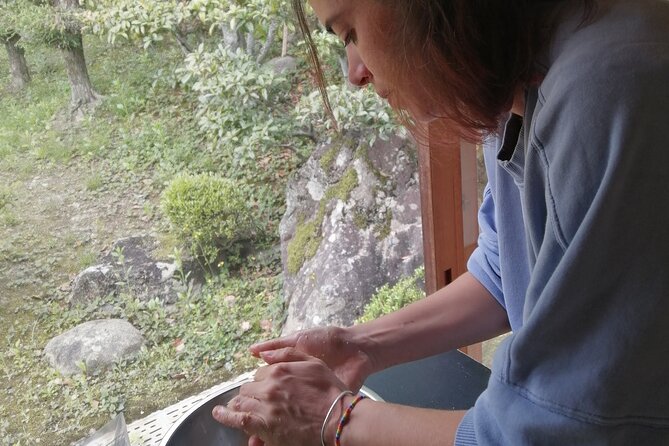
You take home about 500 grams of the miso you make. This is the strongest value point of the class. You are not paying only for a tasting or a short talk. You leave with a food project that continues after your time in Kyoto.
The three-month fermentation period requires patience. You should be comfortable caring for a food that is not ready to eat immediately in its final form. The supplied details do not specify the exact container, storage instructions, or the best date to begin eating it, so ask Naomi for those details before leaving.
The take-home portion also makes this a memorable souvenir. A packet of packaged seasoning is easy to forget. A miso batch you mixed yourself has a clear connection to the place, the teacher, and the day. It can also become a useful reminder of the class once you return home.
Do not expect a large supply. Five hundred grams is a modest amount, but it is enough to experiment with soup, marinades, sauces, or simple spreads once the fermentation is complete. Its value depends on how much you enjoy cooking and how willing you are to wait.
Vegan, gluten-free, and MSG-free cooking
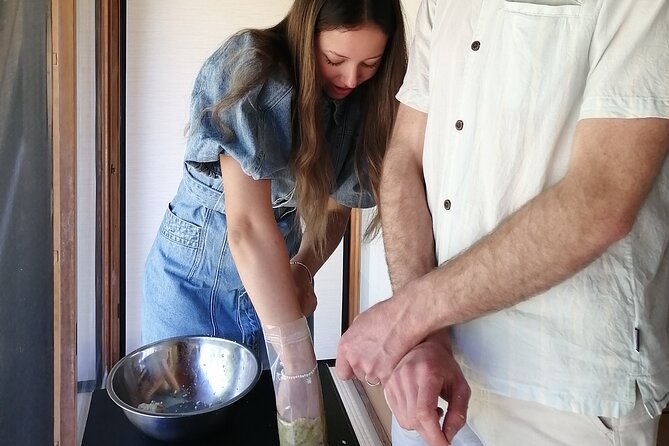
The food served in the class is gluten-free and MSG-free, and vegan options are available. The experience also uses koji seasoning, a traditional Japanese natural seasoning associated with fermentation.
These details make the class appealing if you have specific food preferences. Still, the phrase vegan available does not give every ingredient or substitution, so you should state your dietary needs when booking or before the class begins. The information provided does not say that the entire experience is automatically vegan for every participant.
The gluten-free and MSG-free approach also fits the wellness theme. You get to look at Japanese seasoning through ingredients and fermentation rather than relying on artificial flavor enhancers. This does not make the food suitable for every allergy or diet, but it gives you a clear starting point for questions.
Koji is another useful idea to take home. The class presents it as a natural Japanese seasoning, and learning about it can help you understand why fermentation appears so often in Japanese food. You are not simply tasting a finished bowl of soup. You are getting a short lesson in the methods behind the flavor.
Is $46.15 a fair price?
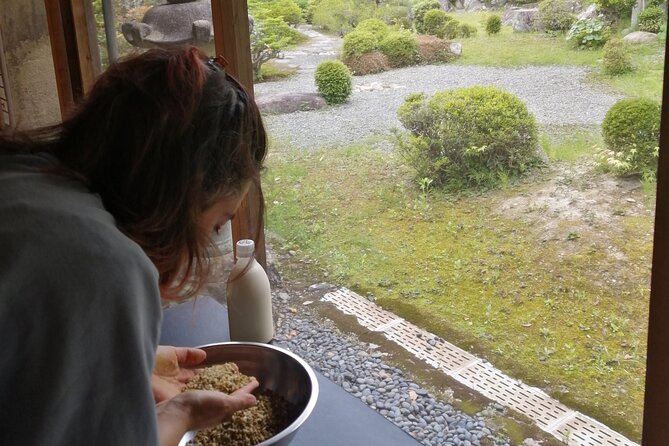
At $46.15 per person, this is not the cheapest one-hour activity in Kyoto. Its value comes from the combination of instruction, hands-on preparation, tasting, a small group, and the 500 grams of miso you take home.
If you only want to taste miso, the price is harder to justify. Kyoto offers many inexpensive ways to try miso soup or other Japanese foods. This class makes more sense if you want to do the work yourself and keep the result.
The class also offers a personal connection that a packaged food purchase cannot provide. Naomi’s background in massage, tea, and cooking gives the session a wellness focus, and the old residence adds atmosphere. I would see the fee as reasonable for a short private-feeling workshop, especially if the group has fewer than six people.
The one-hour duration keeps the experience easy to fit into a Kyoto day. You do not need to sacrifice a full morning or afternoon. The tradeoff is that the lesson stays focused and basic. You receive an introduction to okara miso, not a long professional cooking course.
Who should book this Kyoto activity?
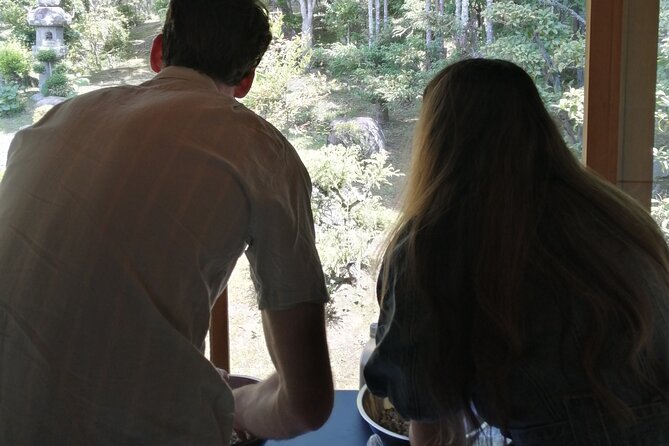
I would recommend this class to you if you enjoy food workshops, Japanese home cooking, fermentation, or low-waste ideas. It also suits visitors who want a quieter activity with conversation and practical work rather than a fast-moving sightseeing stop.
The small group should appeal to anyone who prefers direct instruction. You will be mixing your own ingredients, so the chance to receive guidance matters more here than it would in a simple tasting.
It is also a good fit for people interested in wellness, but I would book it for the food and learning rather than for a promised health result. The class talks about gut health and traditional ingredients, yet it should not replace medical advice or a balanced diet.
Families and first-time cooks may find the quick okara method approachable. The class avoids the long soaking and boiling process used for traditional soybean miso. That makes it easier to understand and complete within a short visit.
I would think twice if you want a full traditional miso-making course. The method uses okara rather than whole soybeans, and fermentation happens after the class. It is a practical shortcut with an environmental benefit, but it is not the classic process from start to finish.
Timing, transport, and weather
The activity lasts about one hour, starts at the time you reserve, and returns you to the same meeting point. Kaze no Waon is near public transportation, but the supplied information does not give a specific station, route, or walking time. Check your route before leaving and allow enough time to arrive promptly.
Mobile tickets are supported, which keeps the entry process simple. Confirmation is sent within 48 hours of booking, subject to availability. The experience is often booked about eight days ahead, so you may want to reserve before your Kyoto schedule fills.
The cancellation terms are strict. The experience is non-refundable and cannot be changed for any reason once booked. If poor weather causes the provider to cancel, you are offered another date or a full refund.
That policy makes flexible planning important. The class requires good weather, so do not place it on the last possible day of a tightly packed trip unless you have room to move it. Since the activity lasts only an hour, it is easier to reschedule than a full-day tour, but the booking terms still leave little room for personal changes.
Should you book the okara miso class?
Book it if you want a hands-on food lesson in an old Kyoto residence, a small group, and a useful souvenir that keeps fermenting after you leave. The tasting menu, low-waste okara method, and Naomi’s combined cooking and wellness background give the hour a clear purpose.
Skip it if you are looking for a long traditional miso workshop, a broad meal, or a flexible booking. The class is short, the final miso takes more than three months to ferment, and personal cancellations are not refundable.
For the right visitor, $46.15 buys more than a bowl of soup. You learn a Japanese food tradition, work with an ingredient that might otherwise be discarded, taste several preparations, and take home a small piece of the lesson. That is a fair deal, provided you enjoy the process as much as the finished food.
FAQ
Where does the miso-making class take place?
The class takes place at Kaze no Waon, 14 Utanokitanoinchō, Ukyo Ward, Kyoto, 616-8201, Japan. It begins and ends at the same meeting point.
How long does the experience last?
The activity lasts approximately one hour. You should arrive at your reserved time.
How much miso can I take home?
You can take home about 500 grams of the miso you make during the class. It takes more than three months to ferment.
What foods are included in the tasting?
The tasting includes miso soup, miso paste, and okara mochi.
Is the food suitable for special diets?
The dishes are gluten-free and MSG-free, and vegan options are available. The experience uses koji seasoning. Ask about your specific dietary needs before the class begins.
What happens if bad weather cancels the class?
If the provider cancels the experience because of poor weather, you can choose another date or receive a full refund. Personal cancellations or amendments are non-refundable.
Newest Kyoto experiences on the site
- Treasures of Kyoto: Gion & historical Walking Tour★ 5.0 · 6 reviews
- Whisk Your Own Matcha: A Zen Matcha Experience at Temple★ 3.6 · 7 reviews
- Kyoto tea town for matcha lovers★ 5.0 · 16 reviews
- Uji: Private immersion into Kyoto’s tea and reglious culture★ 5.0 · 17 reviews
- Kyoto Matcha Green Tea Tour★ 4.5 · 23 reviews
- Uji and Wazuka Matcha Farm Half Day Private Guided Tour★ 5.0 · 21 reviews
- Utilising upcycled Matcha! Creating matcha incense (Uji, Kyoto)★ 5.0 · 6 reviews
- Sacred Temple Yoga Experience in Japan★ 5.0 · 3 reviews
Kyoto Tours, compared.
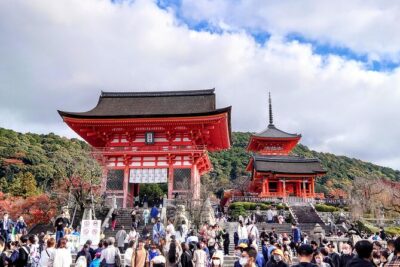
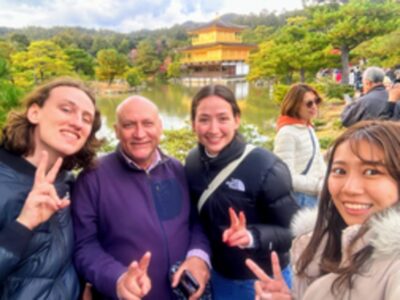
Fushimi Inari, Kinkakuji, Bamboo Grove 1 Day Bus Tour
Read our review →
Tea Ceremony in a Traditional Tea House in Kiyomizu
Read our review →
Kyoto Geisha Walking Tour: Gion District & Hidden Gems
Read our review →
Gion Magical Night Walking Tour with Geisha Trivia
Read our review →