Reviewed · KYOTO TOURS
Shamisen Discovery in Kyoto 【Group】
A one-hour lesson at Kyoto’s Shamisen Dojo gives you something most sightseeing stops cannot: a chance to make music on a traditional Japanese instrument yourself. Jack, an instructor with more than 20 years of experience, begins with the shamisen’s story, then gets you holding the instrument and bachi, the large pick used to play it.
I like the small class size, capped at five, and the way the session moves quickly from explanation to hands-on playing. I also like the final jam session, where Jack accompanies you while you create simple melodies. The main limitation is time: 60 minutes is enough for a lively introduction, but not enough for advanced technique or a long cultural lecture.
Key points to know before booking
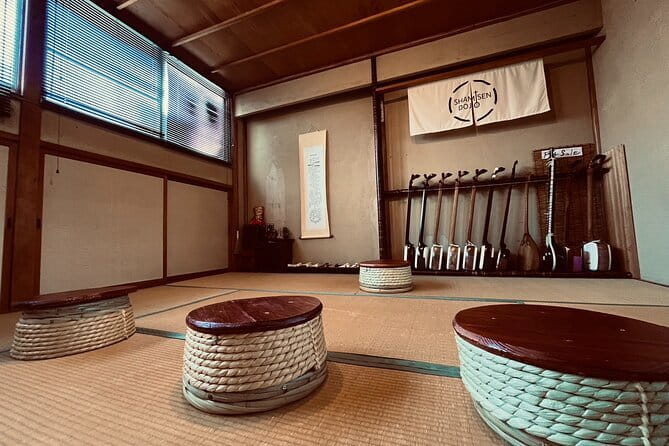
- You play a real shamisen: Rental instruments are included, along with a basic lesson in posture, picking, scales, and simple melodies.
- Jack teaches the class: He has more than 20 years of experience and adapts the session to beginners as well as people who already play music.
- The group never exceeds five people: That keeps the class personal and gives you a fair chance to receive help.
- The lesson ends with a jam: Jack provides accompaniment while you try making your own melodies.
- Tea and coffee are included: This is a small comfort during the session, not a separate sightseeing stop.
- Left-handed players are welcome: Lefty shamisen are available on request or as needed during the lesson.
A hands-on way to meet Kyoto’s shamisen
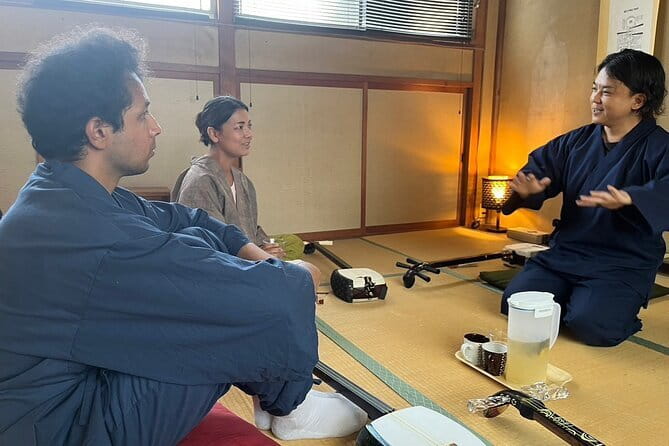
Kyoto offers temples, gardens, tea ceremonies, and craft workshops by the dozen. This lesson takes a different route. Instead of simply watching a performance, you sit with a shamisen and try to produce its distinctive sound.
The shamisen is a three-stringed Japanese instrument played with a broad plectrum called a bachi. Its sound can be crisp, bright, and percussive. For a first-time player, the instrument may look simple, but the right hand, left hand, and posture all need to work together. That is why direct instruction matters.
Jack starts with basic information about different types of shamisen and the instrument’s place in Japanese music. This opening gives the playing a useful frame. You are not just handling a curious souvenir prop. You are learning the first ideas behind an established musical tradition.
The format suits people who want a cultural activity with some substance but do not want to spend half a day in a formal class. You will not become a shamisen performer in an hour. You can, however, learn how the instrument is held, try a Japanese scale, play a few patterns, and take part in music with the instructor.
A few more Kyoto tours worth putting on the shortlist
- PERFECT KYOTO 1-Day Bus Tour
★ 5.0 · 13,518 reviews - Kyoto: Fushimi Inari, Kinkakuji, Bamboo Grove 1 Day Bus Tour
★ 4.8 · 4,316 reviews - Kyoto: Tea Ceremony in a Traditional Tea House in Kiyomizu
★ 4.9 · 3,519 reviews
What happens during the 60-minute class
The lesson has a clear progression, which helps the hour feel full without becoming rushed.
First comes an introduction to the shamisen. Jack explains basic types and history, giving you enough context to understand what makes the instrument special. The class is designed for beginners, so you do not need to arrive with music training.
Next, you choose or are given a shamisen for the photo session. Holding the instrument for a picture may sound like a small detail, but it helps you get comfortable with its size and shape before playing. It also gives you a personal record of the activity that is more interesting than another photo of a temple gate.
The playing lesson follows. You learn how to hold the shamisen and the bachi, then work on basic technique. The bachi is larger and feels different from the picks used with many Western string instruments, so good guidance at this point saves you from developing an awkward grip.
Jack then introduces one shamisen scale. This is a useful goal for a short lesson. Rather than trying to cover every possible technique, the class gives you a small set of sounds that you can use right away.
There is also free time to play. This portion lets you test the instrument without every movement being a formal exercise. If you already play guitar, violin, harp, or another instrument, you may pick up the structure quickly. If you have no musical background, the free playing still gives you room to experiment without pressure.
The final jam session is the most memorable part for many people. Jack accompanies the participants, and you create melodies using the sounds and scale introduced earlier. It is not a polished concert. That is exactly the point. You get to take part, make mistakes, and hear how your simple notes fit with an experienced player.
Why the small group matters
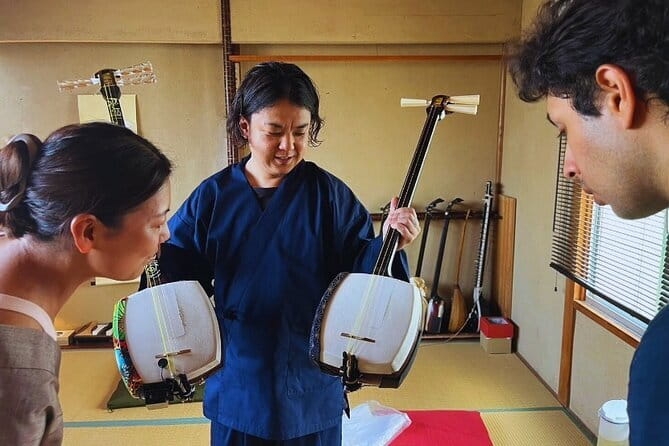
The class accepts no more than five participants. That number is important. A larger workshop could give you a quick demonstration, but you might spend much of the hour watching other people play. Here, Jack has time to check your posture, help with the bachi, and adjust the lesson to the people in the room.
The small format also works well for pairs. You can book with a sibling, partner, or friend and share the experience without losing personal attention. One parent and a teenage child can take part together, too. The activity has enough structure for complete beginners, but it can still hold the interest of people who play music in their free time.
Jack’s teaching style is another reason the group size pays off. He has more than 20 years of experience, and the class is not limited to a fixed recital. He can explain the basics, listen to how you are approaching the instrument, and offer help as you go.
A class of five is still a group, so do not book this expecting a fully private lesson. If you want the instructor’s attention every second, a private format would be better, if available. For most people, though, five is a comfortable balance between social energy and useful instruction.
The instructor and the teaching style
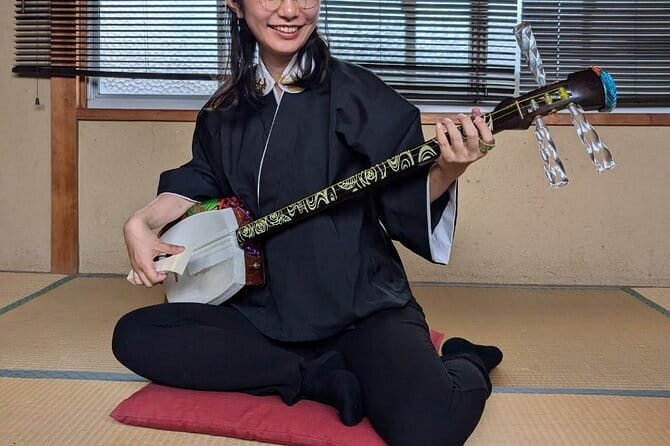
Jack is the named instructor for this experience. His background includes long experience with shamisen and music instruction, and the class gives him room to show the instrument as both a cultural object and a living musical tool.
The teaching is not limited to facts about Japan. You learn by doing. Jack explains the instrument, demonstrates basic sounds, helps you hold it correctly, and then lets you try. He also accompanies the closing jam, so you hear what the shamisen can do beyond the first awkward notes of a beginner.
This makes the activity a good match for people with different musical backgrounds. A person who has never played a string instrument can follow the step-by-step format. A trained musician may move more quickly through the basic grip and scales and spend more time shaping melodies.
The class also leaves room for personal connection. Several participants have used the lesson as a shared activity with a sibling, partner, or child. If you are visiting Kyoto with someone who has already seen plenty of temples, this offers a different kind of shared memory.
Same city, a completely different kind of day:
- Kyoto Geisha Walking Tour: Gion District & Hidden Gems
★ 4.7 · 3,273 reviews - Kyoto: Tea Ceremony Ju-An at Jotokuji Temple
★ 4.9 · 3,207 reviews - Kyoto: Gion Magical Night Walking Tour with Geisha Trivia
★ 4.9 · 2,393 reviews - Kyoto: 45-Minute Tea Ceremony Lesson Experience
★ 4.3 · 2,378 reviews
Tea, photos, and the small extras
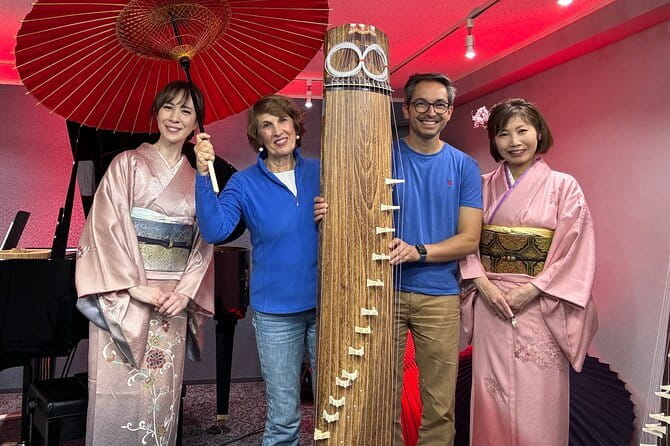
The included coffee or tea is modest, but useful. You may choose coffee, tea, or green tea, depending on what is offered during the session. It gives the class a relaxed pause and adds a welcoming touch without turning the activity into a separate tea ceremony.
The photo session is also included. You can be photographed holding a shamisen you like. This is especially helpful if you want a keepsake from the experience but do not want to buy an instrument.
Rental shamisen are included in the price, so you do not need to arrange an instrument in advance. Left-handed players are supported with lefty shamisen. If you are left-handed, mention it when arranging the activity so the appropriate instrument is ready.
These extras do not replace the lesson, and they should not be the reason you book. Their value is that they make the one-hour session feel like a complete cultural activity rather than a short equipment demonstration.
What the price means at $65.89
At $65.89 per person, this is not the cheapest one-hour activity in Kyoto. The price makes more sense when you consider what is included: an instructor with more than 20 years of experience, a shamisen rental, a small group capped at five, guided playing time, a photo session, and coffee or tea.
The key value is access to an instrument and teacher in a focused setting. You are not paying only for a performance. You receive direct help and get to play throughout the session.
I would see this as good value for a music lover, a couple, or a parent and child looking for one distinctive Kyoto activity. It is less compelling if you only want a quick introduction to Japanese culture and would rather spend the money on a longer tour with several sights.
The short duration keeps the cost and time commitment manageable. You can fit it into a day that includes other Kyoto plans, though you should allow enough time to reach the meeting point in Murasakino, in Kyoto’s Kita Ward.
The activity is booked, on average, about 25 days ahead. That suggests you should not leave it until the final morning of your trip, especially if you need a specific date for a small group.
Getting there and planning your day
The meeting point is in Murasakino Nakakashiwanocho, Kita Ward, Kyoto, postal code 603-8312. The activity begins and ends at this same meeting point. It is near public transportation, but private transportation is not included.
You receive a mobile ticket, and booking confirmation is provided at the time of booking. Keep the ticket easy to access on your phone.
The meeting point is useful to pair with other northern Kyoto plans. One practical example is visiting Kinkaku-ji in the morning, then arranging the shamisen class afterward. Do not assume the timing will always line up perfectly, but the two activities can work well together in a day plan because both are in the broader northern part of the city.
The class itself lasts about 60 minutes. Arrive with enough time to find the meeting point and settle in. A late arrival would cut into the short lesson, and every few minutes matter when the class includes history, setup, playing instruction, a scale, free practice, and a jam.
The activity ends where it starts, so you do not need to arrange a separate pickup. Most people can participate, and the group limit keeps the physical and teaching setup fairly simple.
Who will get the most from this activity
This is a strong choice for you if you enjoy music, craft, or cultural activities that let you participate. It also works well if you have already visited Kyoto’s major sights and want a change of pace.
You do not need previous experience. The class is built for beginners, and Jack starts with the basics. At the same time, people who already play an instrument may appreciate the chance to compare Japanese scales and playing technique with what they know.
Families with older children and teenagers can make good use of the hour. The activity is hands-on, social, and short enough to hold attention better than a long lecture. A 17-year-old and parent have taken part together, and the format also suits adult siblings or couples.
The lesson may be less suitable if you want a serious performance workshop, advanced instruction, or an in-depth study of shamisen construction. The class gives you a first step, not a full course.
It is also worth setting expectations about the jam. You will not be expected to produce a finished composition. The fun comes from trying the scale, listening to Jack’s accompaniment, and making simple choices with the notes you have learned.
A candid look at the limitations
The main drawback is the one-hour limit. The itinerary is thoughtfully packed, but it leaves little time for extended practice. You learn the basics, then the session moves on to the next part.
The small group is another consideration. Five participants is a good maximum, but your exact amount of playing time depends on the group. A class of two may feel more personal than a class of five.
The meeting point is in Kita Ward rather than beside Kyoto Station or the most central tourist streets. It is near public transportation, but you still need to plan the trip. Private transportation is not part of the experience.
The activity also requires some willingness to make imperfect sounds in front of other people. That is normal for a beginner music class, but shy participants should know that the lesson is participatory from the start.
Finally, the photos and tea are pleasant additions, but they do not make this a sightseeing tour. Book it because you want to play shamisen and learn from Jack, not because you expect a long list of included attractions.
Booking, cancellation, and practical details
The experience is available with free cancellation up to 24 hours before the start time. If you cancel less than 24 hours ahead, the amount paid is not refunded, and changes inside that window are not accepted. The cut-off uses Kyoto local time.
The activity has a maximum of five participants and ends back at the starting point. Most people can participate, and left-handed players have access to lefty shamisen.
Since the class is often reserved around 25 days ahead, book early if the date matters. You can use a mobile ticket, and confirmation arrives when you book.
Should you book the Kyoto Shamisen Discovery?
Book it if you want to do more than look at Japanese culture from the outside. In one focused hour, you learn what the shamisen is, how it is held, how its bachi works, and how a simple scale can become a shared piece of music.
I especially recommend it for music fans, couples, families with older children, and anyone seeking a quieter activity away from crowded sights. Jack’s long teaching experience, the five-person limit, and the closing jam give the session real substance.
Skip it if you want advanced training, a long concert, or a broad tour of Kyoto. At $65.89, the value rests on personal instruction rather than sightseeing coverage. For the right audience, that is the appeal: you leave with a new sound in your ears, a photo in hand, and the memory of making music in Kyoto.
FAQ
How long is the Shamisen Discovery experience?
The course lasts approximately 60 minutes.
Where does the activity start and end?
It starts at Murasakino Nakakashiwanocho, Kita Ward, Kyoto, 603-8312, Japan, and ends back at the same meeting point.
How many people can join the class?
The activity has a maximum of five participants.
Is the class suitable for beginners?
Yes. The session covers basic shamisen information, playing technique, one scale, free playing time, and a guided jam.
Is a shamisen provided?
Yes. Rental shamisen are included in the experience price.
Are coffee or tea included?
Yes. Coffee, tea, or green tea is included.
Can left-handed participants take part?
Yes. Left-handed shamisen are available.
Newest Kyoto experiences on the site
- Treasures of Kyoto: Gion & historical Walking Tour★ 5.0 · 6 reviews
- Whisk Your Own Matcha: A Zen Matcha Experience at Temple★ 3.6 · 7 reviews
- Kyoto tea town for matcha lovers★ 5.0 · 16 reviews
- Uji: Private immersion into Kyoto’s tea and reglious culture★ 5.0 · 17 reviews
- Kyoto Matcha Green Tea Tour★ 4.5 · 23 reviews
- Uji and Wazuka Matcha Farm Half Day Private Guided Tour★ 5.0 · 21 reviews
- Utilising upcycled Matcha! Creating matcha incense (Uji, Kyoto)★ 5.0 · 6 reviews
- Sacred Temple Yoga Experience in Japan★ 5.0 · 3 reviews
Kyoto Tours, compared.
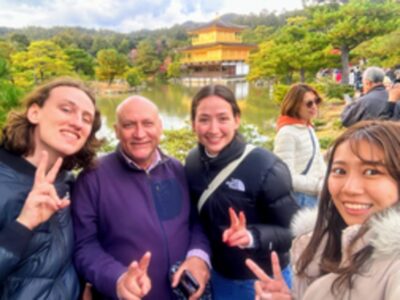
Fushimi Inari, Kinkakuji, Bamboo Grove 1 Day Bus Tour
Read our review →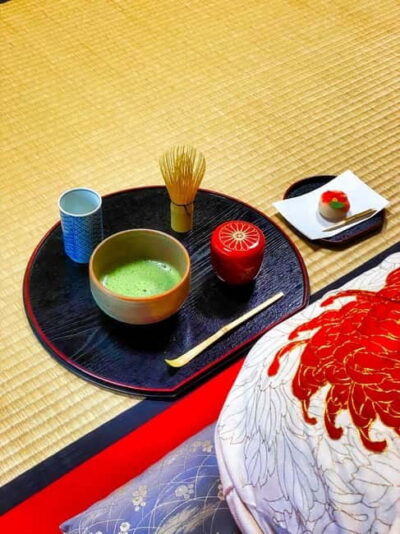
Tea Ceremony in a Traditional Tea House in Kiyomizu
Read our review →
Kyoto Geisha Walking Tour: Gion District & Hidden Gems
Read our review →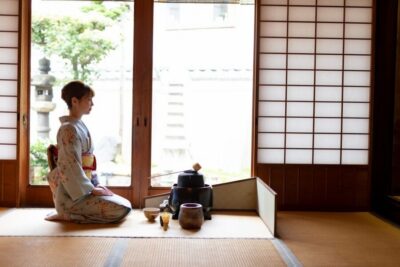
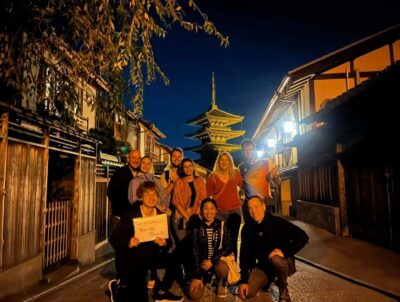
Gion Magical Night Walking Tour with Geisha Trivia
Read our review →