Reviewed · KYOTO TOURS
Making Fresh To-fu from soybeans in Kyoto
Fresh tofu has a softer, cleaner taste than the firm blocks many of us know from overseas supermarkets. In this 90-minute Kyoto workshop, you turn soybeans into tofu, taste it plain, and then enjoy four dishes made from your own work. I like the hands-on format and the chance to taste soymilk and oboro-dofu before the finished tofu arrives.
I also like the small group, limited to six people, and the easy walk from Shijo or Karasuma Station. The possible drawback is the setting: the class takes place in a tiny apartment, which one participant found charming and another person should understand before booking. This is a cooking lesson in a local home-style space, not a large culinary studio.
Key points at a glance
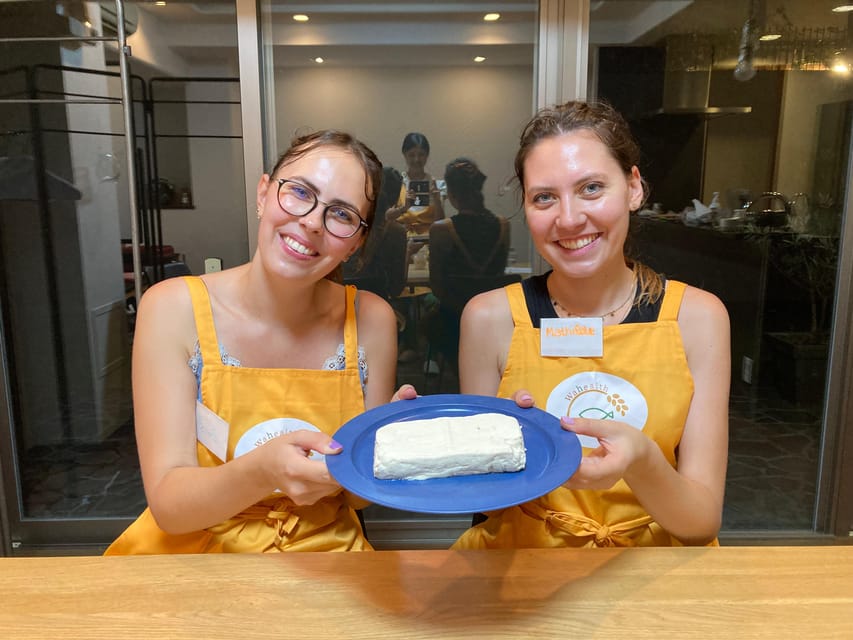
- You make tofu from soybeans: Learn how the beans change through the process instead of simply watching a demonstration.
- Fresh tasting comes first: Try the tofu without seasoning, along with soymilk and oboro-dofu made during the class.
- Four dishes use your tofu: The meal gives you several ways to understand its texture and taste.
- Small group of six: The limited size leaves room for questions and personal help.
- A local apartment setting: The third-floor venue feels informal and home-based, though space is limited.
- Convenient central Kyoto location: Shijo Station and Karasuma Station are each within about a 10-minute walk.
Why handmade tofu tastes different in Japan
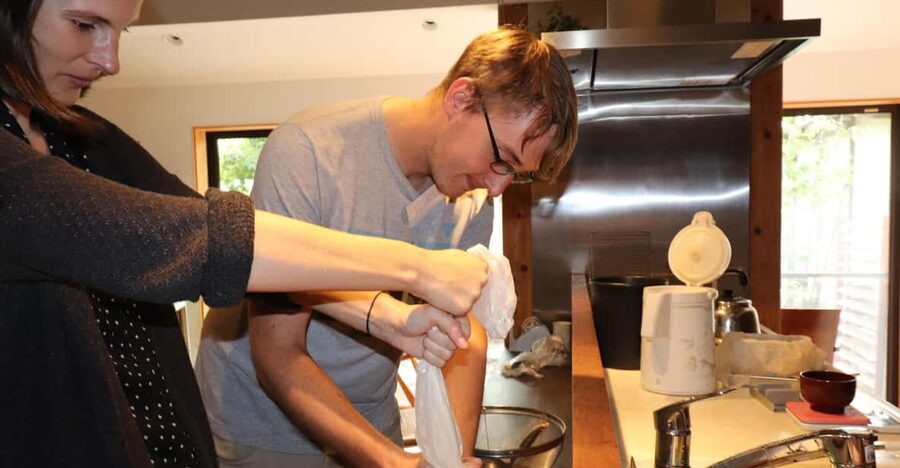
Tofu is often treated as a supporting ingredient outside Japan. It goes into stir-fries, soups, and stews, where sauces and spices do much of the work. In Japan, tofu can be served with little or nothing added, so its texture and freshness matter far more.
That difference is the heart of this class. You do not simply hear that handmade tofu is softer or more flavorful. You taste the stages yourself, starting with soymilk and oboro-dofu, then moving to the finished tofu. The lesson gives you a useful reference point for future meals in Japan.
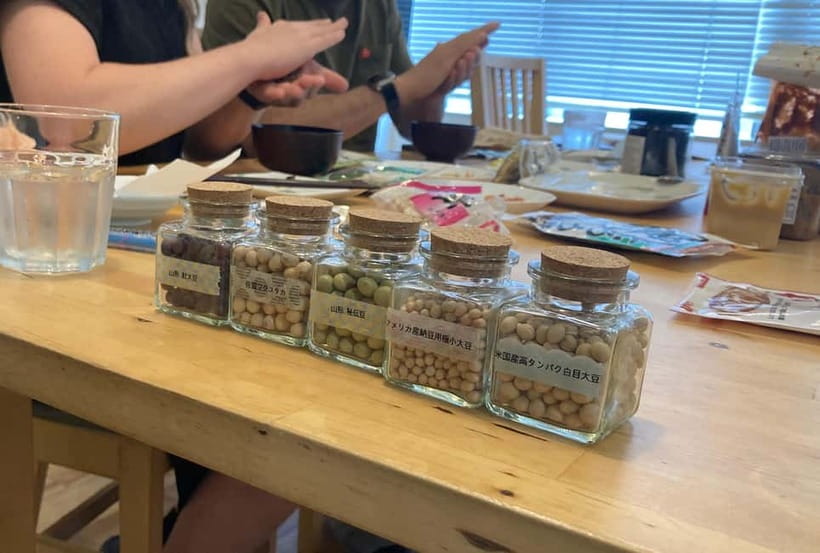
The class also explains that soybeans are not all the same. You learn about differences between beans, how tofu is made from them, and how people eat tofu in Japan. These details matter because tofu is a simple food. With only a few main ingredients, the quality of the beans and the handling of the curds have a direct effect on the final result.
I especially like the decision to serve the freshly made tofu without seasoning first. That may sound plain, but it lets you notice the flavor before soy sauce or other toppings take over. After that first taste, you enjoy the tofu in four different dishes, giving you a better sense of how the same ingredient can work in a Japanese meal.
A few more Kyoto tours worth putting on the shortlist
- PERFECT KYOTO 1-Day Bus Tour
★ 5.0 · 13,518 reviews - Kyoto: Fushimi Inari, Kinkakuji, Bamboo Grove 1 Day Bus Tour
★ 4.8 · 4,316 reviews - Kyoto: Tea Ceremony in a Traditional Tea House in Kiyomizu
★ 4.9 · 3,519 reviews
The 90-minute route from soybean to tofu
The activity begins with an introduction to the instructor and an explanation of what you will be doing. English and Japanese are available, so you can ask questions in either language. Marie led at least one class, and her approach was described as helpful, friendly, and clear.
The first teaching section covers the soybeans themselves. You learn that bean differences affect tofu, then follow the basic method of turning beans into soymilk and tofu. The point is not to turn you into a tofu maker in an hour and a half. It is to help you see each step and understand why Japanese tofu has a different character from many imported versions.
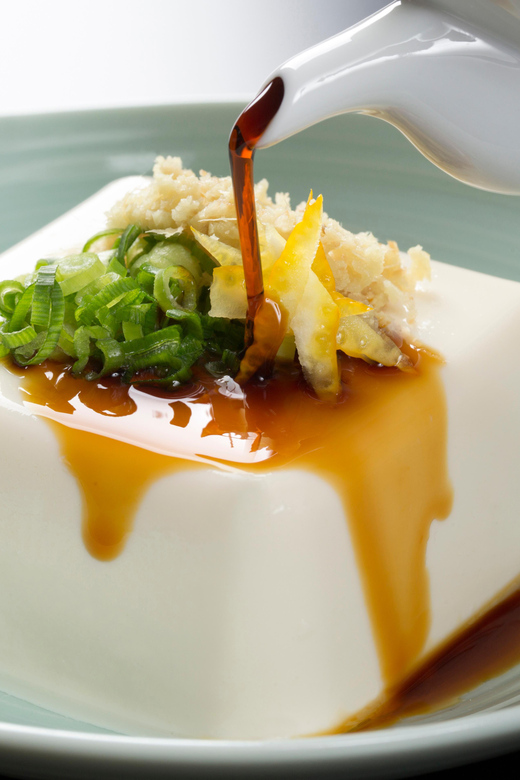
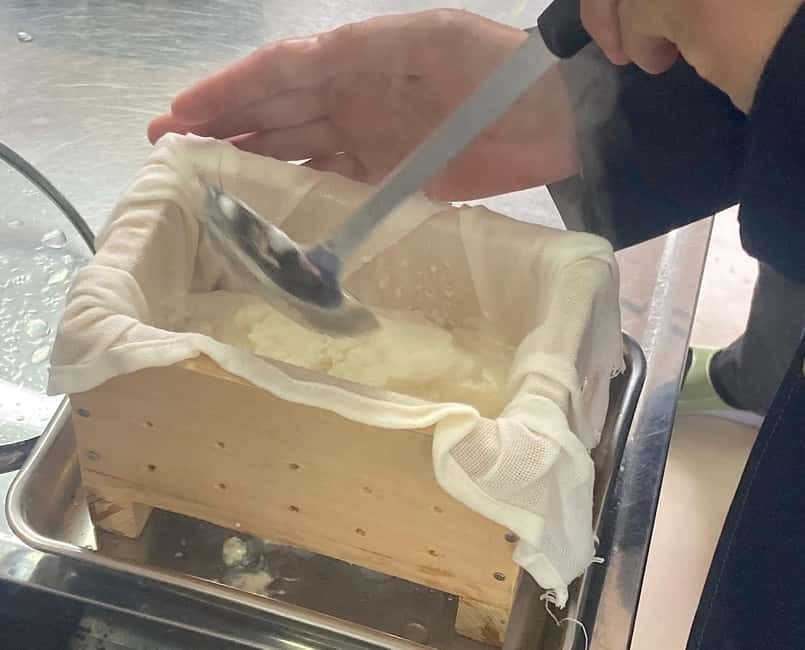
As the production moves along, you taste the soymilk made during the process. You also try oboro-dofu, a loose, soft form of tofu taken before it is pressed into a firmer block. These are useful tastings because they show how the texture changes before the final tofu is ready.
Then comes the key moment: tasting your freshly made tofu. The first sample is intended to be eaten without seasoning. I think this is the right order. You can judge the flavor and softness on their own, then compare that experience with the four prepared tofu dishes that follow.
The exact recipes are not specified, so you should not expect a fixed menu to be advertised in advance. What is clear is that all four dishes use the tofu you make during the session. The portions are described as a tasting amount, not a full restaurant meal.
That distinction matters. At $56 per person, the value comes from the lesson, the ingredients, and the guided tasting rather than from a large lunch or dinner. You are paying for a short food workshop with a meal-sized finish, not booking a cheap way to fill your stomach.
A small Kyoto apartment with a personal feel
The meeting point is on the third floor. Take the elevator, go to room 302, and press the doorbell. That instruction is simple, but keep it handy because this is not described as a storefront with a large sign or a formal cooking school entrance.
The workshop takes place in a tiny apartment. I see that as both a benefit and a limitation. The setting can make the class feel more personal and give you a glimpse inside an ordinary Japanese home-style space. One participant specifically found that aspect authentic and enjoyed seeing inside a Japanese apartment.
On the other hand, a small apartment means you should not expect wide counters, separate workstations, or the polished feel of a professional culinary school. If you prefer spacious rooms and a highly produced class, this may feel cramped. If you enjoy a direct, informal lesson, the setting is part of the appeal.
The group limit of six helps. A small class is useful when you are working with a process that has several stages and when you want to ask about Japanese food customs. It also gives the instructor a better chance to help you with the hands-on work.
What the food lesson teaches you about Japan
The class connects tofu to Japanese cooking instead of presenting it as an isolated recipe. You learn not only how to make it, but how it is eaten in Japan. That context is valuable because Japanese food often depends on texture, temperature, and freshness as much as on seasoning.
The plain tasting makes this especially clear. A chilled piece of fresh tofu can be served as it is, allowing the ingredient to carry the dish. You may already have eaten tofu in miso soup or another cooked dish, but this workshop lets you pay attention to the tofu itself.
The stages also help explain why tofu bought in Japan may feel different from tofu sold elsewhere. The activity describes overseas tofu as often harder and more suited to stir-fries and stews. Japanese tofu is commonly soft enough to eat directly, and handmade tofu can have a thicker, fuller texture.
I like this kind of food lesson because it changes what you notice later. Afterward, a tofu dish in a Kyoto restaurant may seem less ordinary. You have seen the ingredient being made, tasted it at several points, and learned why the texture matters.
Same city, a completely different kind of day:
- Kyoto Geisha Walking Tour: Gion District & Hidden Gems
★ 4.7 · 3,273 reviews - Kyoto: Tea Ceremony Ju-An at Jotokuji Temple
★ 4.9 · 3,207 reviews - Kyoto: Gion Magical Night Walking Tour with Geisha Trivia
★ 4.9 · 2,393 reviews - Kyoto: 45-Minute Tea Ceremony Lesson Experience
★ 4.3 · 2,378 reviews
Four tofu dishes, plus the in-between tastings
The four-dish tasting is the main food payoff. You use the tofu you made, so the dishes are connected to the hands-on work rather than being unrelated samples prepared in advance. This gives you a direct link between making the food and eating it.
You also receive soymilk and oboro-dofu during production. These small tastings are important because they make the process feel complete. You are not waiting 90 minutes for one final dish. You taste along the way and see how the ingredients develop.
The activity does not list the names or ingredients of the four dishes. That is worth noting if you have a strict preference for a particular menu. You can ask the instructor questions during the class, but you should book this for the process and the tofu tasting rather than for a named set of recipes.
The food is described as a tasting amount. You may find it satisfying as a light meal, but meals and drinks beyond the tofu tasting are not included. Plan another meal if you need a substantial lunch or dinner afterward.
Dietary needs and language support
The class is listed as gluten-free, vegan, halal-friendly, and suitable for allergy-related requests. You should tell the organizer about your dietary restrictions in advance so the ingredients can be prepared accordingly.
That is helpful for a tofu workshop, but it does not mean every possible allergy can be handled without notice. Give the information before the class, and repeat any serious concern to the instructor when you arrive.
Instruction is available in English and Japanese. That makes the class accessible to many international visitors, especially because the lesson includes both practical work and explanations about soybeans and Japanese eating habits.
Location, timing, and fitting it into Kyoto
The class is within a 10-minute walk of Shijo Station or Karasuma Station. That makes it easy to place between sightseeing stops in central Kyoto. A 90-minute activity can fit neatly into a day of temples, shopping, and meals without taking half a day.
One useful feature is the pace. The class is long enough to explain the process and serve several tastings, but short enough to slot into a busy itinerary. It can add a food-focused activity to a day otherwise filled with shrines and city streets.
Allow a little extra time to find the apartment entrance and reach the third floor. The meeting instructions are specific, but an apartment building can take more attention to locate than a restaurant or hotel.
Transportation to the activity is not included. You make your own way to the venue, though the nearby stations keep the planning simple.
Is $56 a fair price?
At $56 per person, this is not the cheapest tofu tasting in Kyoto. You could buy tofu or a tofu dish for far less. But that comparison misses the main product: you are paying for instruction, ingredients, hands-on preparation, several tastings, and a small class.
The price makes the most sense if you enjoy learning how food is made. It is also reasonable for someone who wants an activity with a strong connection to Japanese daily cooking rather than another sightseeing stop.
The value is weaker if you only want a large meal. The portions are tasting amounts, and extra meals and drinks are not part of the session. For a full dining experience, book a restaurant separately.
The small group improves the value. With no more than six participants, the class can stay personal, and you have a better chance to get help and ask questions. The home apartment setting also keeps the activity closer to a local lesson than a large commercial production.
Who should book this tofu workshop?
I would choose this for you if you enjoy food, want to understand Japanese ingredients, or like short hands-on activities. It suits curious cooks, vegetarians, vegans, and anyone who has wondered why Japanese tofu tastes so different from the firm blocks found elsewhere.
It is also a good choice for a repeat visitor to Kyoto. The class adds a quieter, more everyday side of the city and gives you something to do beyond temples and major sights. One participant found that it fit well alongside Kyoto’s shrines and busy streets.
Families and groups should note the six-person limit. The available information does not give a minimum age, so check before booking if you are bringing children.
You may want to skip it if you dislike small spaces, prefer a fully scripted cooking school, or need a large meal from every paid activity. The apartment setting is part of the charm, but it will not suit everyone.
Booking details worth knowing
The experience costs $56 per person and lasts 90 minutes. You can reserve now and pay later, which helps if your Kyoto schedule is still changing.
Free cancellation is available up to 24 hours in advance for a full refund. Starting times depend on availability, so check the date that works with your sightseeing plans.
The instructor speaks English and Japanese, and the group is limited to six people. Give notice about dietary restrictions before attending. The meeting point is on the third floor, room 302, where you press the doorbell after taking the elevator.
Should you book it?
Book this class if you want to taste tofu at its freshest and understand why Japanese tofu is more than a soup ingredient. The best parts are the plain first tasting, the soymilk and oboro-dofu along the way, and the four dishes made from your own tofu.
The small apartment may feel tight, and the food is a tasting rather than a full meal. Still, for a short central Kyoto activity with personal instruction and a clear link to Japanese home cooking, I think the $56 price is fair. It gives you a practical food memory that a restaurant meal alone cannot provide.
FAQ
How long does the tofu-making class last?
The activity lasts 90 minutes.
How much does the experience cost?
The price is $56 per person.
Where does the workshop meet?
Take the elevator to the third floor, go to room 302, and press the doorbell.
How far is the venue from public transportation?
The venue is within a 10-minute walk of Shijo Station or Karasuma Station.
What languages does the instructor speak?
Instruction is available in English and Japanese.
How many people can join the class?
The group is limited to six participants.
Can dietary restrictions be accommodated?
The class is listed as gluten-free, vegan, halal-friendly, and suitable for allergy-related requests. Tell the organizer about your dietary needs so the ingredients can be prepared accordingly.
Newest Kyoto experiences on the site
- Treasures of Kyoto: Gion & historical Walking Tour★ 5.0 · 6 reviews
- Whisk Your Own Matcha: A Zen Matcha Experience at Temple★ 3.6 · 7 reviews
- Kyoto tea town for matcha lovers★ 5.0 · 16 reviews
- Uji: Private immersion into Kyoto’s tea and reglious culture★ 5.0 · 17 reviews
- Kyoto Matcha Green Tea Tour★ 4.5 · 23 reviews
- Uji and Wazuka Matcha Farm Half Day Private Guided Tour★ 5.0 · 21 reviews
- Utilising upcycled Matcha! Creating matcha incense (Uji, Kyoto)★ 5.0 · 6 reviews
- Sacred Temple Yoga Experience in Japan★ 5.0 · 3 reviews
Kyoto Tours, compared.
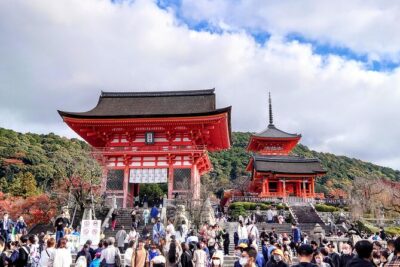
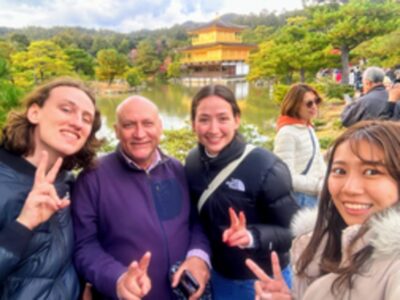
Fushimi Inari, Kinkakuji, Bamboo Grove 1 Day Bus Tour
Read our review →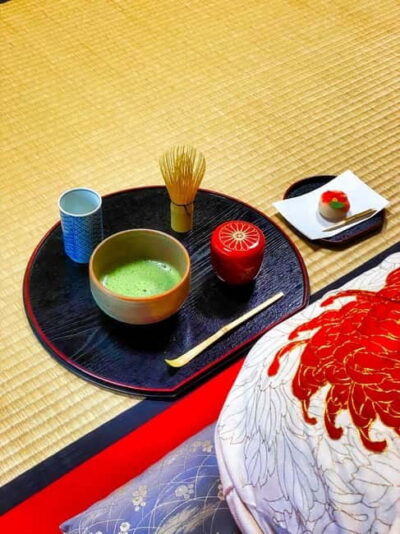
Tea Ceremony in a Traditional Tea House in Kiyomizu
Read our review →
Kyoto Geisha Walking Tour: Gion District & Hidden Gems
Read our review →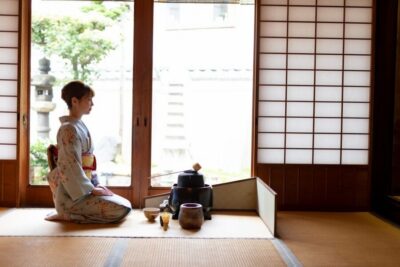
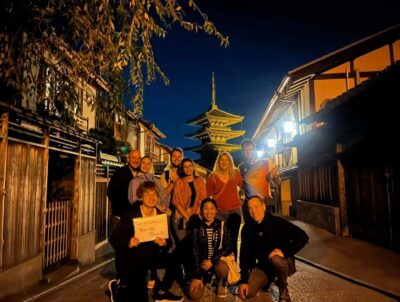
Gion Magical Night Walking Tour with Geisha Trivia
Read our review →