
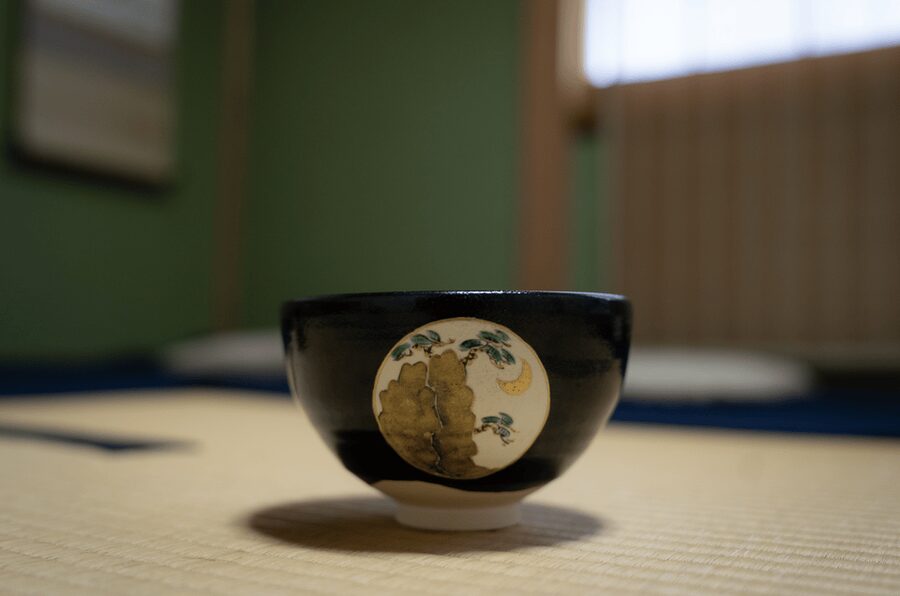
Reviewed · KYOTO TEA CEREMONIES
Kyoto: Tea Ceremony Experience in a Small Tea Room
The most appealing part of this Kyoto experience is its small tea-room setting. You meet an instructor with 30 years of experience, learn the meaning behind the ceremony, and may prepare your own bowl of matcha instead of simply watching from the sidelines. That hands-on touch makes the customs easier to understand.
I like two things here: the limited group of six, which leaves room for questions, and the location near Kamogawa Delta. I also like that the session is built for beginners, not just people who already know how to sit, bow, whisk, and drink the tea correctly. The main consideration is time. One hour gives you a focused introduction, not a long formal ceremony or a full study of Japanese tea culture.
Key points
- 30 years of tea experience: Learn from Ms Yamazaki, an English-speaking instructor with decades of practice.
- Make your own matcha: Whisk powdered tea yourself under close guidance.
- Small Japanese house: Look for the Tisato sign at the meeting point.
- Near Kamogawa Delta: Add a quiet riverside walk before or after the session.
- Small group of six: Expect a more personal lesson than a large demonstration.
- Simple Kyoto pairing: The ceremony is a good fit with Demachiyanagi, Kibune Shrine, and Rurikou Temple plans.
A quiet introduction to Kyoto’s tea customs
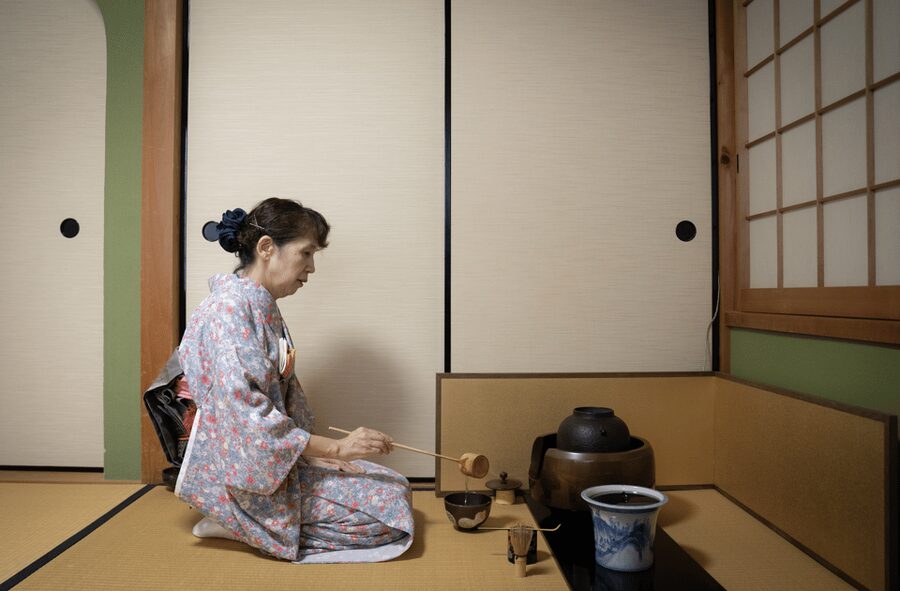
A Japanese tea ceremony can look mysterious at first. Every movement seems measured. The bowl has a proper position. The whisk has a proper motion. Even the pause before drinking matters.
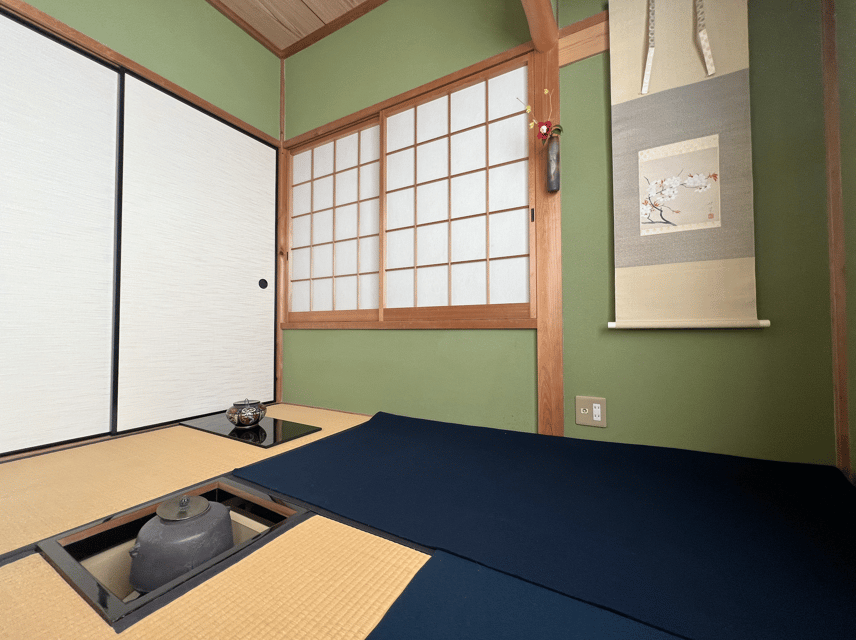
This experience takes some of that mystery away without stripping the ceremony of its calm. Your instructor explains what you are seeing and why it matters, using English throughout the one-hour session. You are not expected to arrive with special knowledge, formal clothing, or previous tea experience.
The teacher’s 30 years in the art are important here. A seasoned instructor can explain not only what to do, but also the spirit behind the actions. You learn that the ceremony is not simply a fancy way to serve green tea. It is a practice built around attention, respect, restraint, and hospitality.
That does not mean you should expect a full master-class in every school of tea. In one hour, the experience gives you a clear introduction and a chance to take part. Think of it as a well-paced first meeting with the tradition.
More tea ceremonies in Kyoto:
- Kyoto: Tea Ceremony in a Traditional Tea House in Kiyomizu
★ 4.9 · 3,519 reviews - Kyoto: Tea Ceremony Ju-An at Jotokuji Temple
★ 4.9 · 3,207 reviews - Kyoto: 45-Minute Tea Ceremony Lesson Experience
★ 4.3 · 2,378 reviews
Finding the Tisato tea room near Kamogawa Delta
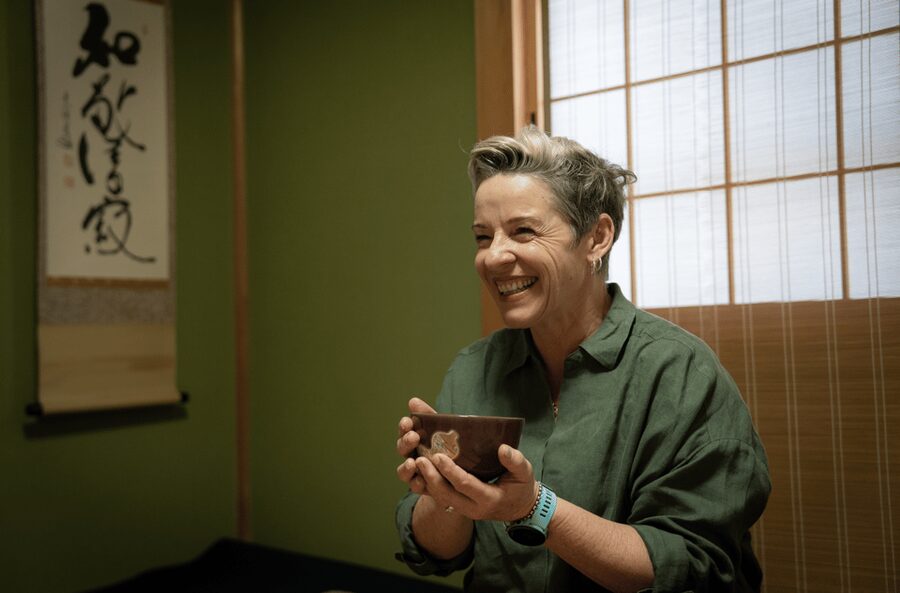
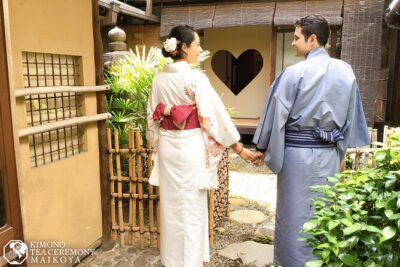
The meeting point is a Japanese house marked with a sign reading Tisato. This detail matters. Kyoto has plenty of quiet residential streets, and a traditional house can be easy to pass if you are looking only for a large business sign or a hotel-style entrance.
Plan to arrive with enough time to locate the house without rushing. The activity is about calm attention, so arriving breathless and hurried is not the ideal start. The tea room is about a 15-minute walk from Kamogawa Delta and roughly 15 minutes from Demachiyanagi Station.
Kamogawa Delta is a useful landmark for planning your day. It is a pleasant riverside area where locals and visitors spend time near the water, and it gives you a natural break from Kyoto’s busier sightseeing streets. You can pair the tea ceremony with a walk along the river, though the ceremony itself remains the main event.
Demachiyanagi Station is also useful if you are planning farther north. The station serves as a starting point for visits toward Kibune Shrine and Rurikou Temple. The tea room does not replace those outings, but its location makes it easy to add the session to a day in that part of Kyoto.
What happens during the one-hour ceremony
The exact order of the hour may vary with the instructor and the group, but you can expect a clear introduction to the tea ceremony, an explanation of the basic customs, and a guided matcha preparation.
At the beginning, Ms Yamazaki sets the tone. The aim is to help you feel at ease, not to test your knowledge of Japanese etiquette. You learn the basic ideas behind the ceremony before trying the movements yourself.
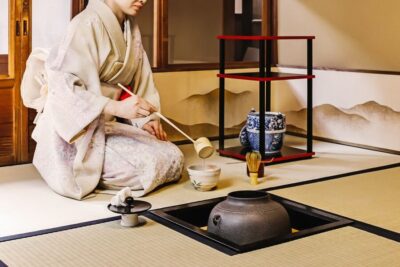
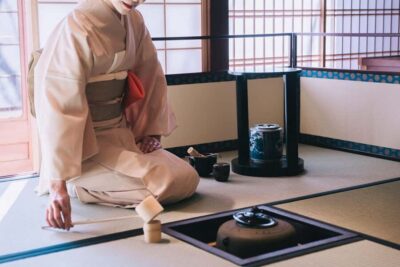
The setting is deliberately small. With a maximum of six participants, you should have a better chance to see the preparation clearly and ask questions. A large group can turn a hands-on lesson into a performance viewed from the back of the room. That is less of a concern here.
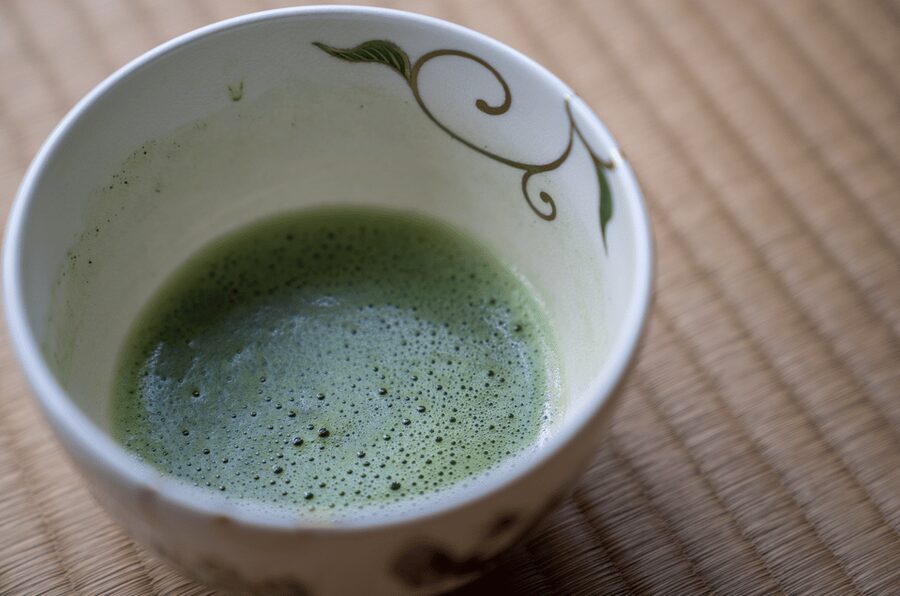
You receive matcha and traditional dried sweets as part of the session. The sweets are not an afterthought. In the tea tradition, a small sweet helps balance the bitterness of matcha and prepares your palate for the tea. It also gives the ceremony a pleasing rhythm: first the sweet, then the tea.
One especially useful feature is the chance to make your own tea if you wish. You learn how to whisk the powdered matcha and follow the basic movements under instruction. If you are nervous about doing it incorrectly, that is exactly why the guidance is there. This is a learning experience, not an etiquette exam.
Making matcha instead of only watching
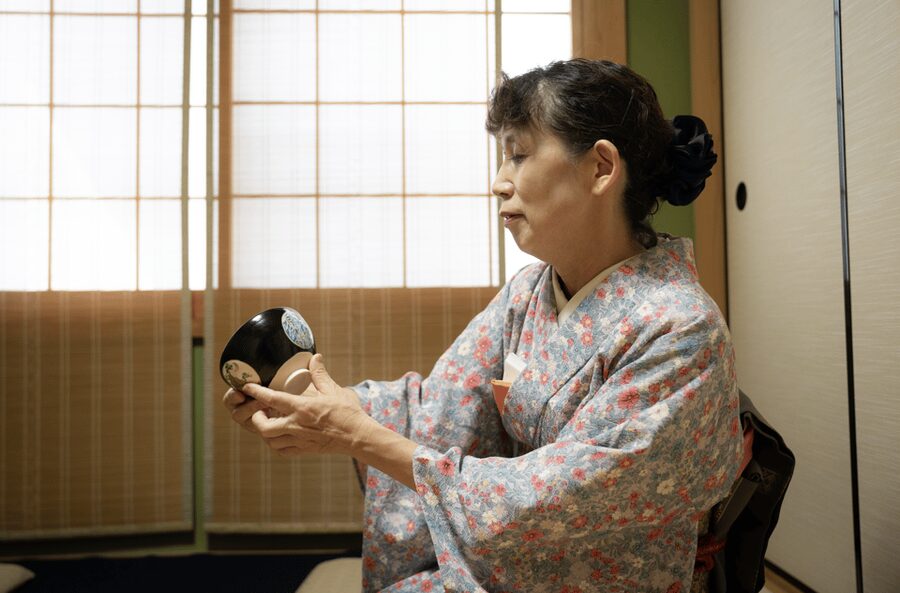
The hands-on part gives this activity its practical value. Watching a tea master prepare matcha can be beautiful, but doing it yourself helps you remember the process.
You are guided through the preparation rather than left to guess. The whisking motion, the handling of the bowl, and the pace of the movements all become easier to understand when your hands are involved. You also gain a better sense of why the ceremony values control and concentration.
Do not expect to produce a perfect bowl on your first attempt. That is not the point. Matcha preparation rewards practice, and even a slightly uneven bowl still gives you a direct connection with the tradition.
I like that participation is presented as an option. Some people want to watch first, especially if they feel unsure about formal customs. Others want to try immediately. This arrangement gives you room to choose your comfort level without making the experience feel stiff.
The tea itself is matcha, the finely powdered green tea traditionally whisked with hot water. It has a strong, earthy taste that is different from ordinary brewed green tea. The dried sweets help soften that first impression, but you should still expect a distinct flavor rather than a mild cup of tea.
A few more Kyoto tours worth putting on the shortlist
- PERFECT KYOTO 1-Day Bus Tour
★ 5.0 · 13,518 reviews - Kyoto: Fushimi Inari, Kinkakuji, Bamboo Grove 1 Day Bus Tour
★ 4.8 · 4,316 reviews - Kyoto Geisha Walking Tour: Gion District & Hidden Gems
★ 4.7 · 3,273 reviews - Kyoto: Gion Magical Night Walking Tour with Geisha Trivia
★ 4.9 · 2,393 reviews
The value of an English-speaking instructor
Language can make or break a cultural activity. If you only copy a sequence of gestures, you may enjoy the atmosphere but miss the meaning.
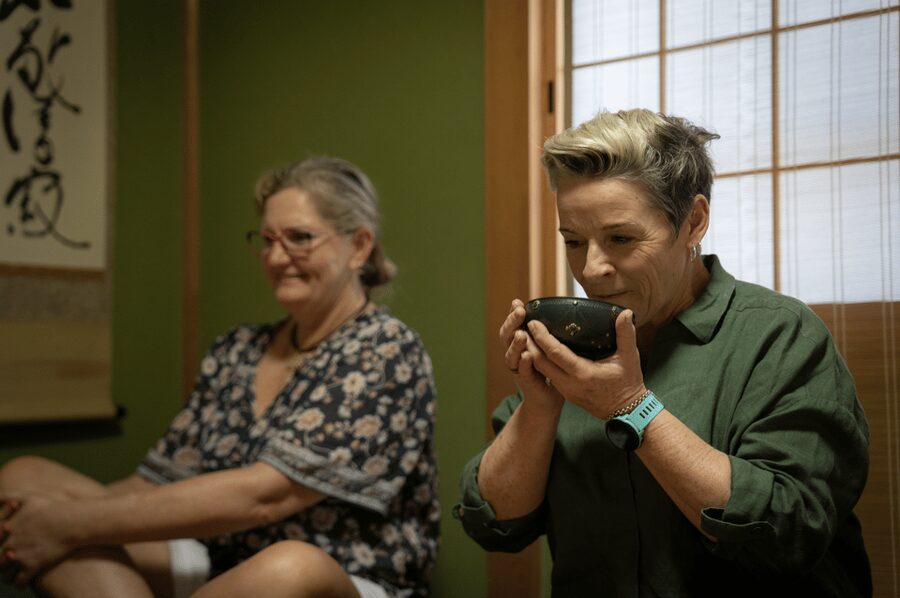
Here, the instruction is in English. That lets you ask why a movement matters, what a particular object is for, or how the ceremony fits into Japanese culture. Ms Yamazaki is described as patient and clear, qualities that matter when she is explaining actions that may feel unfamiliar.
The strongest praise for this experience centers on patient explanations, a kind host, and the sense that the ceremony feels authentic. Those qualities work together. Authenticity is not just about using a traditional bowl or whisk. It also comes from understanding the purpose behind the actions and being treated with care while you learn.
You should still keep your expectations sensible. This is a one-hour introduction, not a private apprenticeship with a tea school. The instructor can open the door to the tradition, but you will not master every rule in a single sitting.
Why the small group size matters
The group limit of six is one of the clearest reasons to consider this activity. A small group makes the room feel less like a show and more like a lesson.
You can watch the instructor’s hand movements without competing with a crowd. If you make your own matcha, the instructor has a better chance to notice what you are doing and offer guidance. Questions also feel easier in a small room.
There is a trade-off. A small tea room is not designed for a large family reunion or a broad social event. If you are traveling with more than six people, the group limit may require separate bookings or different plans, and the supplied information does not specify how larger parties are handled.
For solo visitors and couples, the format is especially appealing. You get a personal cultural activity without committing to a half-day program. Families with older children may also find the hands-on preparation engaging, though the activity details do not specify a minimum age.
Pairing the ceremony with a Kyoto day
The location works best when you treat the tea ceremony as one part of a northern Kyoto itinerary.
Start around Demachiyanagi Station, then walk toward the tea room. The station is about 15 minutes away on foot, and Kamogawa Delta is also about 15 minutes away. You might choose the river first, the ceremony second, and a temple visit afterward.
Kibune Shrine and Rurikou Temple are named as nearby areas you can explore from Demachiyanagi. The ceremony is not a guided tour of those sites, so you will need to plan those visits separately. Still, the placement makes the activity a practical addition rather than an isolated trip across town.
I would avoid cramming it between distant Kyoto attractions. The point is to slow your pace for an hour. If you schedule it after a rushed morning on the other side of the city, you may spend the first part of the session thinking about transport and the next appointment.
A walk beside the Kamogawa River gives the tea ceremony a natural setting before or after. You do not need to spend an entire day around the activity, but allowing extra time nearby makes better use of its quiet location.
Is $38 a fair price?
At $38 per person, this is not the cheapest way to drink matcha in Kyoto. You can find tea in many cafés for less. But this is not priced as a simple beverage stop.
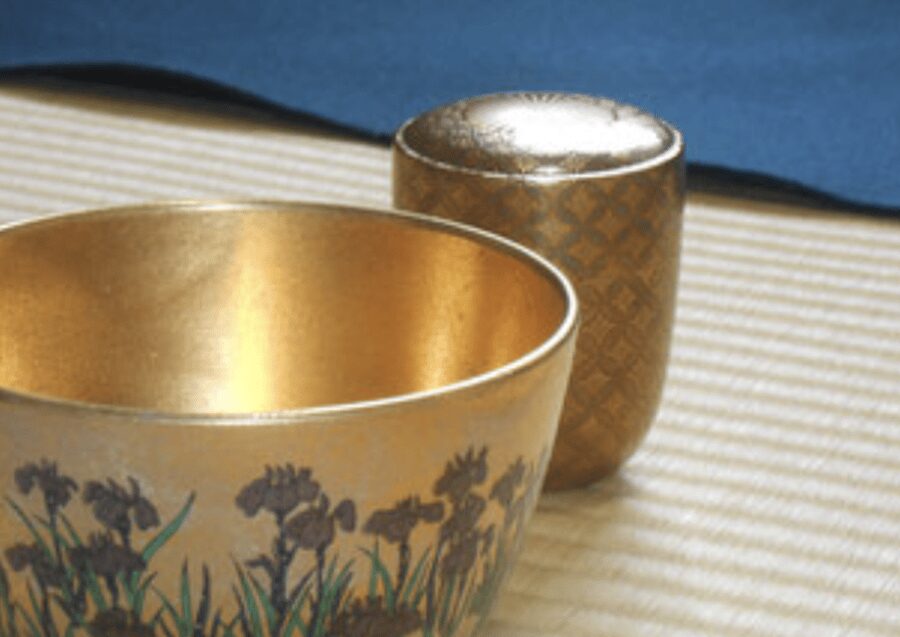
The fee includes the one-hour ceremony, English instruction, matcha, traditional dried sweets, and the chance to prepare your own tea. You are also paying for a small group and an instructor with 30 years of experience. For someone who wants cultural context and personal guidance, that is a reasonable package.
The value is strongest if you take part. If you only want to taste matcha, a café will be faster and cheaper. If you want to understand the ceremony and try the preparation yourself, this session offers more than a drink.
The one-hour length also helps keep the cost practical. You do not have to sacrifice half a day of sightseeing. You can fit it into a morning or afternoon around Demachiyanagi, Kamogawa Delta, or northern Kyoto plans.
The price may feel less worthwhile if you have already completed several formal tea ceremonies and want advanced instruction. This experience is aimed at opening the tradition to beginners, not at providing specialist training.
Who will enjoy this tea ceremony most
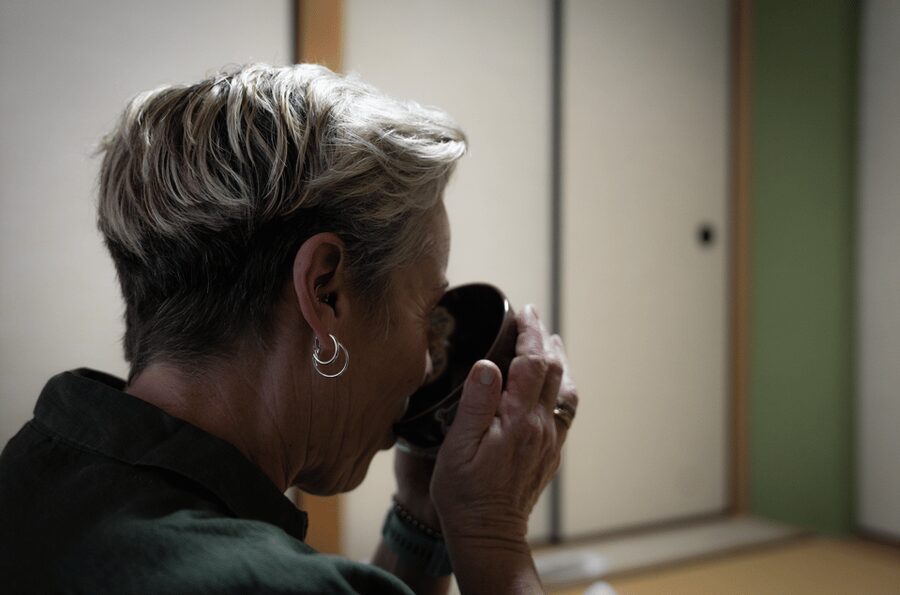
I would recommend this activity to you if you want a calm Kyoto experience with clear explanations and a chance to participate. It suits first-time visitors who are curious about Japanese customs but do not want an intimidating formal setting.
It is also a good choice for:
- Couples looking for a quiet cultural activity
- Solo visitors who prefer a small group
- People who want English instruction
- Anyone interested in making matcha, not just drinking it
- Visitors staying or sightseeing near Demachiyanagi
- People who want a short activity between larger Kyoto outings
You may want to choose something else if your main goal is an elaborate, highly formal ceremony lasting several hours. The supplied details point to an accessible one-hour session, not an extended ritual with advanced etiquette instruction.
You should also consider your interest in matcha itself. The tea has a powerful, grassy taste, and the sweets are traditional dried sweets rather than a large dessert course. This is a cultural lesson first and a snack stop second.
Practical details that affect your visit
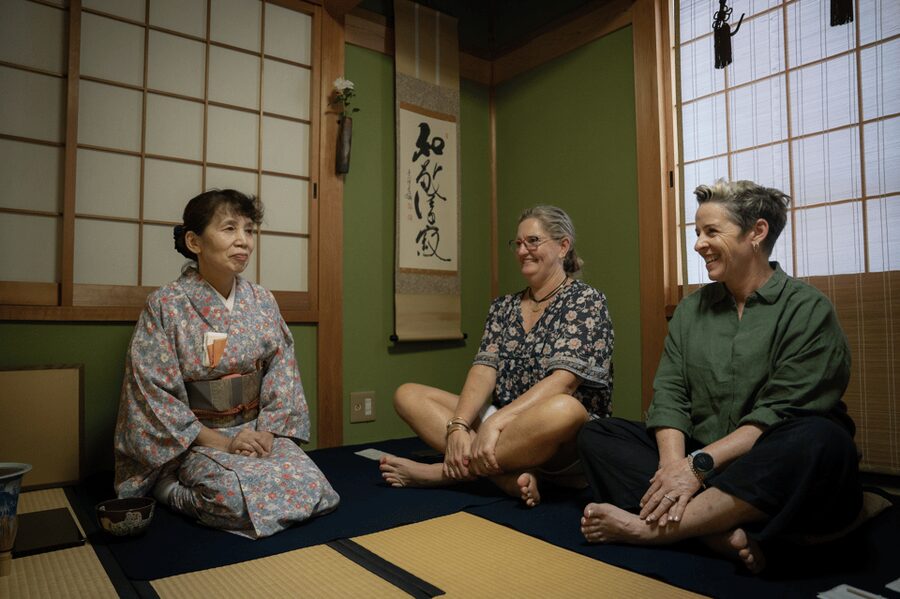
The activity is limited to six participants and is conducted in English. The duration is one hour, with starting times available according to the date you select.
The house is marked with the Tisato sign. Keep that name in mind as you approach, since the meeting point is not described as a large commercial venue.
You can cancel up to 24 hours before the activity for a full refund. A reserve-now, pay-later option is also available, which helps if your Kyoto schedule is still shifting.
The activity information does not provide details about accessibility, seating style, age requirements, or photography rules. If any of those points matter to you, ask before booking rather than guessing.
Should you book it?
Book this tea ceremony if you want an authentic-feeling, beginner-friendly introduction with real instruction rather than a quick matcha tasting. The small group, English guidance, hands-on preparation, and quiet setting near Kamogawa Delta give the hour a clear purpose.
I would especially choose it for a day around Demachiyanagi, when you can pair the session with the river, Kibune Shrine, or Rurikou Temple. I would skip it only if you want an advanced ceremony, a longer program, or simply a cheap cup of tea.
For $38, the best value comes from taking part, asking questions, and paying attention to the small movements. Come ready to learn, not just to sip, and this compact Kyoto experience can become one of the more memorable hours of your visit.
FAQ
Where is the tea ceremony held?
The meeting point is a Japanese house with a sign reading Tisato. It is about a 15-minute walk from Kamogawa Delta and about a 15-minute walk from Demachiyanagi Station.
How long does the tea ceremony last?
The experience lasts one hour.
Is the activity conducted in English?
Yes. The instructor provides the session in English.
Can I prepare my own matcha?
Yes. You can make your own tea if you wish, with guidance from the experienced instructor.
What is included in the price?
The price includes the tea ceremony, instruction from an experienced teacher, matcha tea, and traditional dried sweets.
How many people can join the group?
The activity is limited to six participants.
Can I cancel for a refund?
Yes. You can cancel up to 24 hours in advance for a full refund.
Newest Kyoto experiences on the site
- Treasures of Kyoto: Gion & historical Walking Tour★ 5.0 · 6 reviews
- Whisk Your Own Matcha: A Zen Matcha Experience at Temple★ 3.6 · 7 reviews
- Kyoto tea town for matcha lovers★ 5.0 · 16 reviews
- Uji: Private immersion into Kyoto’s tea and reglious culture★ 5.0 · 17 reviews
- Kyoto Matcha Green Tea Tour★ 4.5 · 23 reviews
- Uji and Wazuka Matcha Farm Half Day Private Guided Tour★ 5.0 · 21 reviews
- Utilising upcycled Matcha! Creating matcha incense (Uji, Kyoto)★ 5.0 · 6 reviews
- Sacred Temple Yoga Experience in Japan★ 5.0 · 3 reviews
Kyoto Tea Ceremonies, compared.
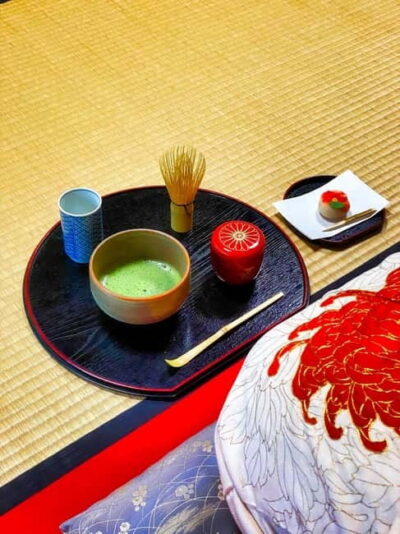
Tea Ceremony in a Traditional Tea House in Kiyomizu
Read our review →
Tea Ceremony in 100-year-old Kyo-Machiya Townhouse
Read our review →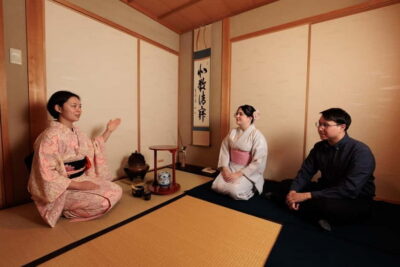
Browse the lists this tour appears in